Artwork
The Proverbs: The Horse-Abductor
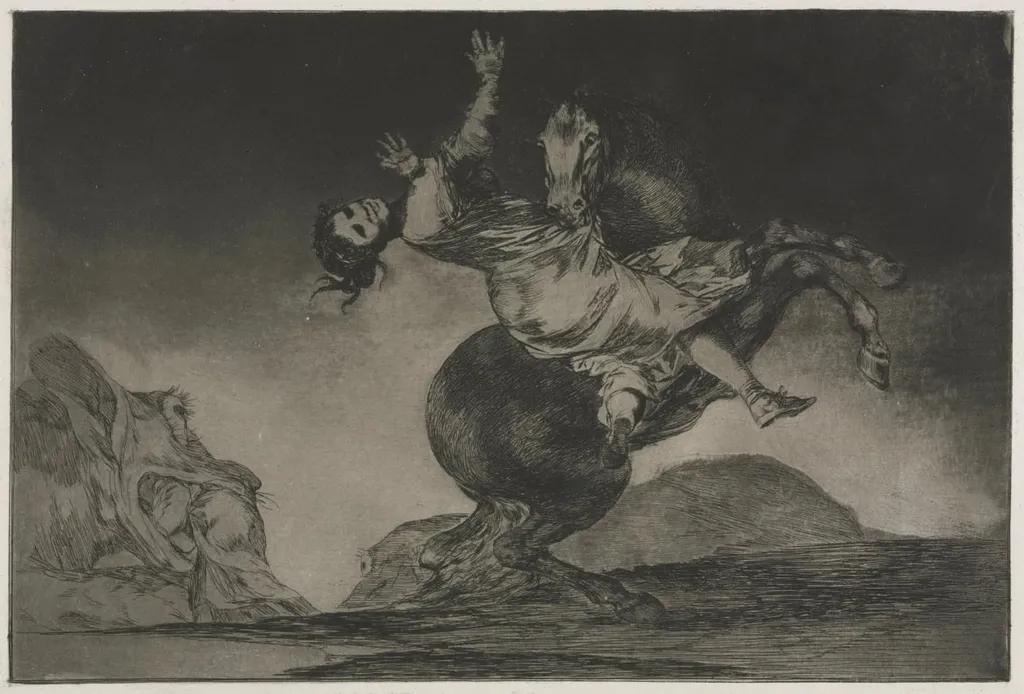
The Proverbs: The Horse-Abductor is a print by the Impressionist artist Francisco Goya. It is held in the collection of the Cleveland Museum of Art. The print titled *The Proverbs: The Horse‑Abductor* was produced by Spanish artist Francisco de Goya in 1864.
About this work
Overview
The print titled *The Proverbs: The Horse‑Abductor* was produced by Spanish artist Francisco de Goya in 1864. It is part of the collection of the Cleveland Museum of Art. The composition captures a moment of violent motion, with a rearing dark horse and figures caught in a precarious struggle against a stark, rocky landscape.
Subject & Meaning
The scene depicts a large, black horse that has thrown its rider, while another figure clings to the animal’s back and a third appears to be falling away, arms outstretched. The chaotic arrangement suggests a narrative of danger, perhaps an allegorical warning about uncontrolled forces or mischievous behavior, consistent with the proverb‑based title.
Technique & Style
Goya employs strong contrasts of light and dark, a chiaroscuro effect that heightens the drama of the moment. The print’s bold line work and deep shadows emphasize the horse’s muscular tension and the figures’ desperate gestures, creating a theatrical atmosphere that draws the viewer’s eye across the turbulent composition.
History & Provenance
Created in the mid‑19th century, the work entered the Cleveland Museum of Art’s holdings, where it remains on display. Its attribution to Goya aligns it with his later print series that explore moral and social themes through vivid, often unsettling imagery.
Artist & collection
Artist
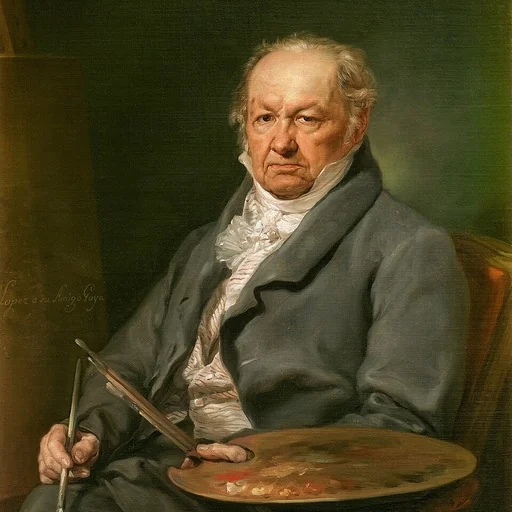
Francisco José de Goya y Lucientes (; Spanish: ; 30 March 1746 – 16 April 1828) was a Spanish romantic painter and printmaker.

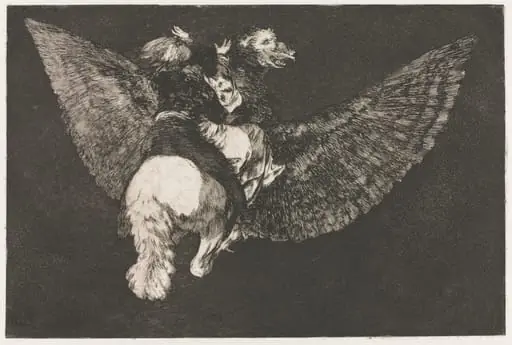 The Proverbs: Flying Folly
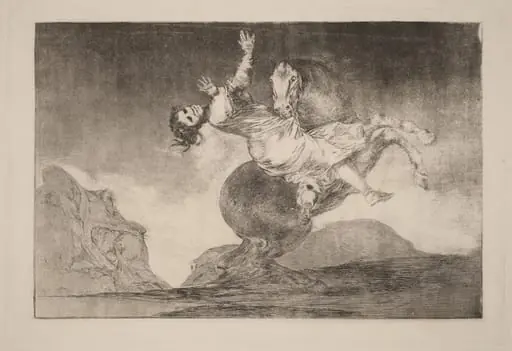 El caballo raptor (The Horse-Abductor)
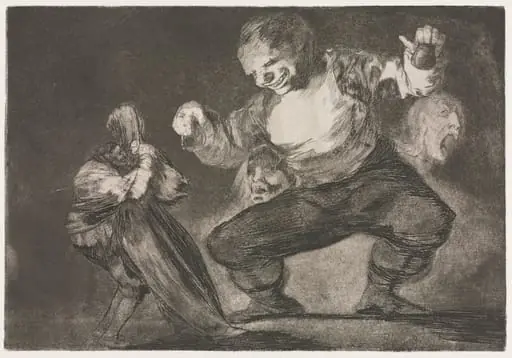 The Proverbs: Simpleton
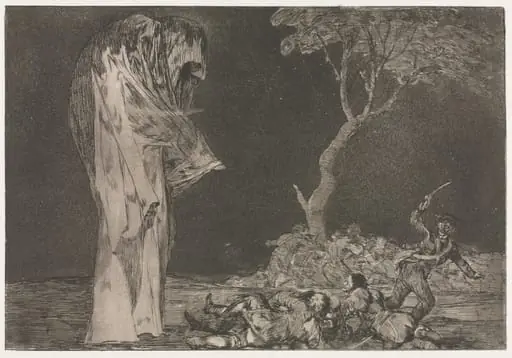 The Proverbs: Folly of Fear
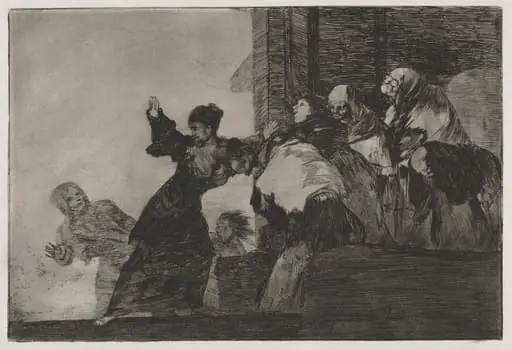 The Proverbs: Poor Folly
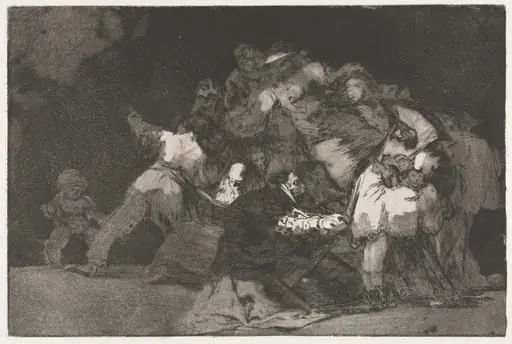 The Proverbs: General Folly
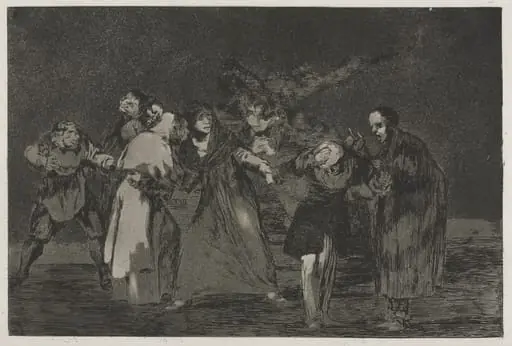 The Proverbs: Wounds Heal Quicker Than Hasty Words
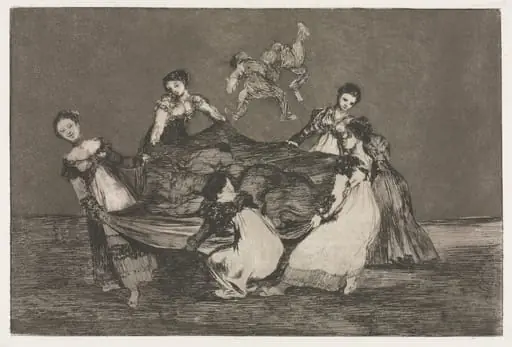 The Proverbs: Feminine Folly
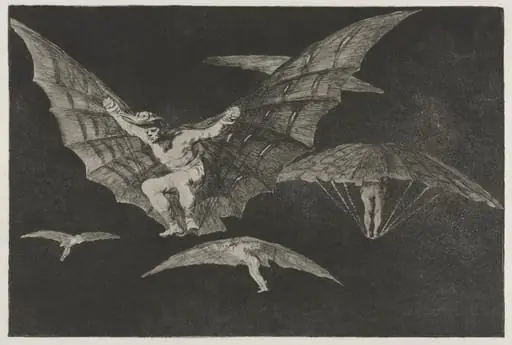 The Proverbs: A Way of Flying
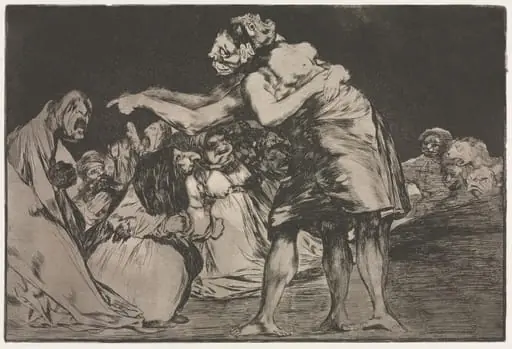 The Proverbs: Matrimonial Folly
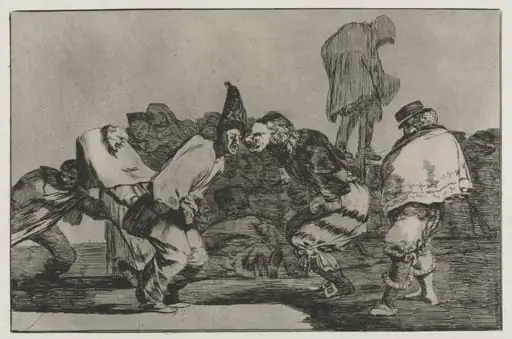 The Proverbs: Carnival Folly
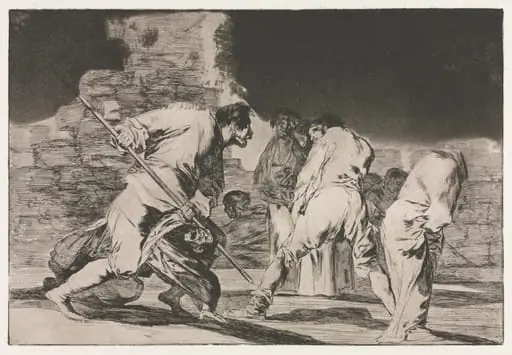 The Proverbs: The Folly of Fury