Artwork
What a Sacrifice!, Plate 14
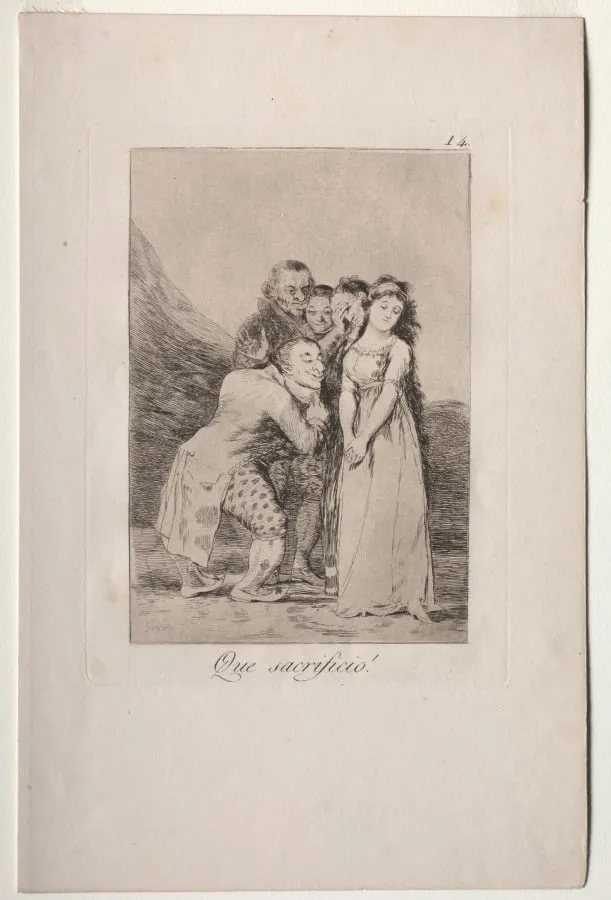
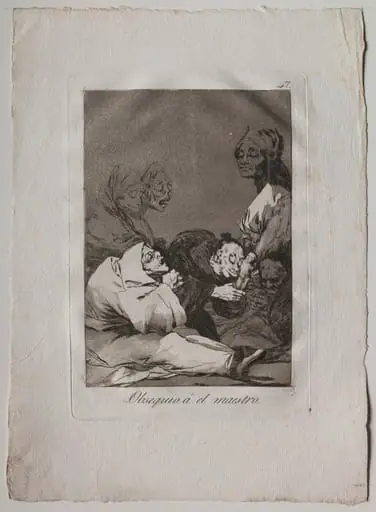
What a Sacrifice!, Plate 14 is a print by the Romanticist artist Francisco Goya. It dates from 1799 and is held in the collection of the Cleveland Museum of Art. Created around 1799, “What a Sacrifice!
About this work
Overview
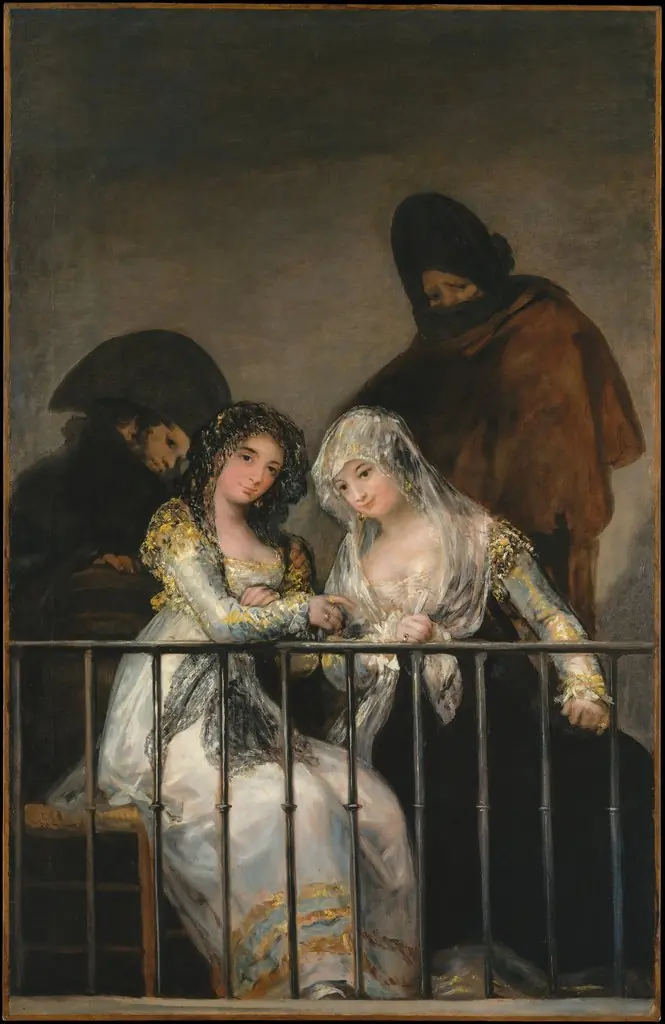
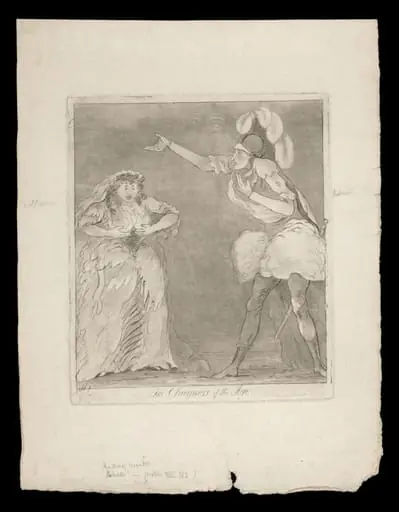
Created around 1799, “What a Sacrifice!, Plate 14” is a print by the Spanish artist Francisco de Goya. The work belongs to the collection of the Cleveland Museum of Art. Its composition presents a solitary woman in a flowing dress, flanked by several men, all set against a shadowy backdrop that heightens the sense of unease.
Subject & Meaning
The central figure, a woman with clasped hands, appears apprehensive, her gaze suggesting fear or anxiety. Behind her, a cluster of men—one seemingly restraining her—offers little emotional clarity, their faces obscured by the gloom. The arrangement conveys a tense, foreboding atmosphere, inviting speculation about sacrifice, power dynamics, or impending danger.
Technique & Style
Executed as a print, the image employs stark contrasts between illuminated forms and deep shadows, a hallmark of Romantic visual language. Goya’s handling of line and tone accentuates emotional intensity, while the dramatic chiaroscuro underscores the scene’s psychological drama, aligning the work with the broader Romantic emphasis on feeling over rationality.
History & Provenance
The print was produced near the close of the eighteenth century, a period when Goya was exploring themes of social tension and human vulnerability. It entered the Cleveland Museum of Art’s holdings through acquisition, where it remains part of the museum’s representation of European Romantic printmaking.
Artist & collection
Artist
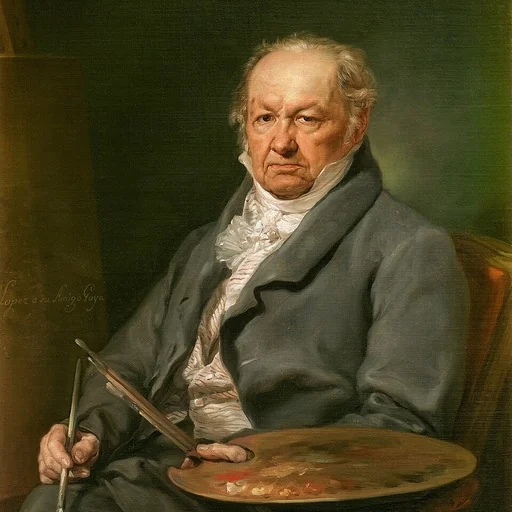
Francisco José de Goya y Lucientes (; Spanish: ; 30 March 1746 – 16 April 1828) was a Spanish romantic painter and printmaker.