Artwork
Friar Diego de Deza
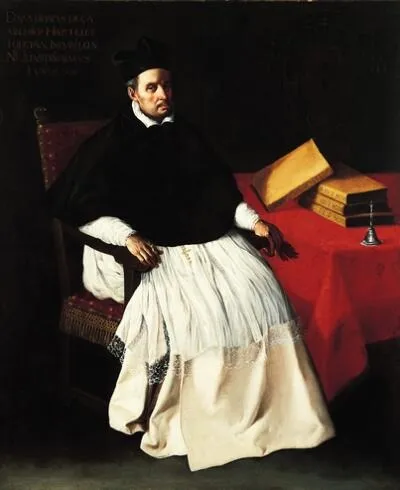
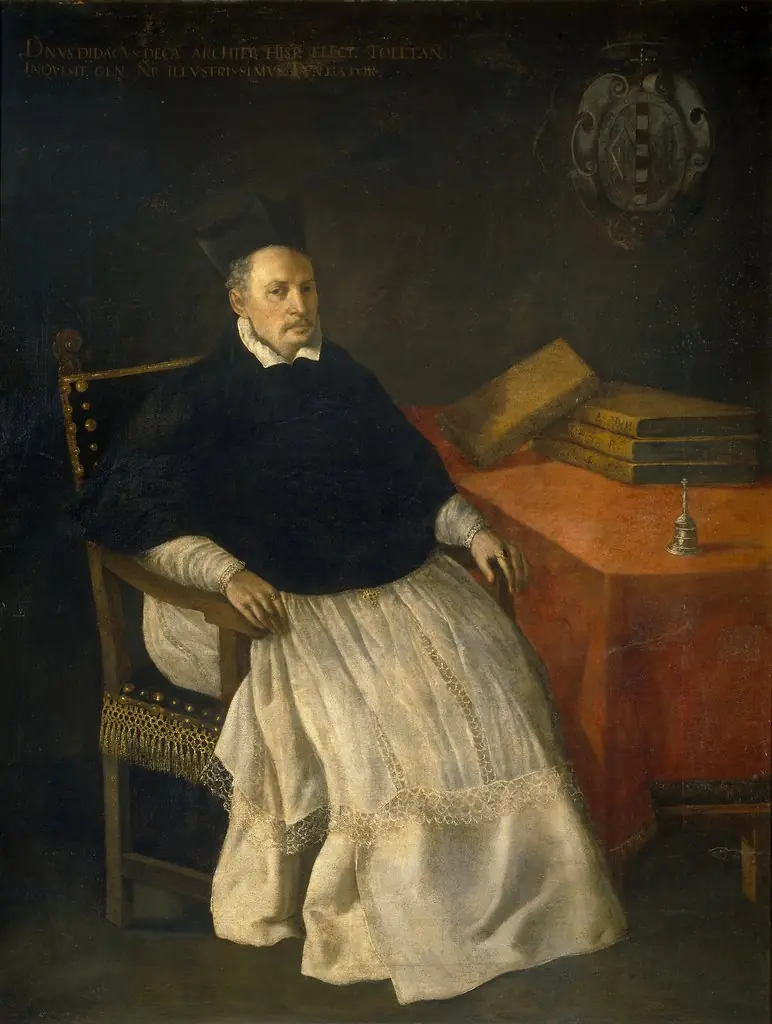
Friar Diego de Deza is an oil painting by the Spanish Baroque Tenebrist artist Francisco de Zurbarán. It dates from 1631 and is held in the collection of the Norton Simon Museum.
About this work
Overview
The work is part of the Norton Simon Museum’s collection and exemplifies Zurbarán’s mastery in rendering religious figures with quiet intensity.
Painted in 1631 by Francisco de Zurbarán, this oil portrait captures Friar Diego de Deza, a Spanish Dominican friar and theologian. The work is part of the Norton Simon Museum’s collection and exemplifies Zurbarán’s mastery in rendering religious figures with quiet intensity. The composition isolates the subject against a deep shadow, emphasizing his presence through controlled lighting and minimal setting.
Subject & Meaning
Diego de Deza was a prominent church figure, known for his scholarly work and role in the Spanish Inquisition. The portrait presents him not as a public authority but as a contemplative man of learning. His clasped hands, simple attire, and the books on the table suggest introspection and devotion, aligning his identity with intellectual piety rather than ecclesiastical power.
Technique & Style
Zurbarán employs chiaroscuro to model the friar’s form, using sharp contrasts between light and dark to define volume and texture. The black robe and white cassock are rendered with precise detail, while the red tablecloth adds a muted warmth against the surrounding gloom. The books and bell are rendered with quiet realism, their placement reinforcing the theme of study and ritual without overt symbolism.
History & Provenance
The painting was likely commissioned during Deza’s later years, possibly for a Dominican institution. It remained in Spanish collections until the 20th century, when it entered the Norton Simon Museum’s holdings. Its survival in good condition reflects its continued value as a portrait of a significant religious figure, though its early ownership records are not fully documented.
Context
In early 17th-century Spain, religious orders commissioned portraits to affirm spiritual authority and personal devotion. Zurbarán, known for his monastic subjects, often depicted friars in austere settings that emphasized inner life over external grandeur. This work aligns with a broader trend of using portraiture to convey humility and intellectual rigor within the Counter-Reformation Church.
Legacy
The portrait stands as a representative example of Zurbarán’s ability to convey spiritual gravity through restraint. It influenced later Spanish realist painters and remains a key reference for understanding how religious identity was visually constructed in Habsburg Spain. Its enduring presence in a major museum underscores its role in the study of Baroque devotional art.
Artist & collection
Artist
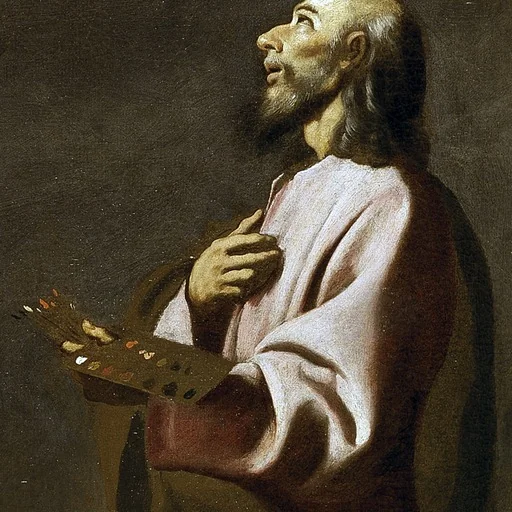
Francisco de Zurbarán was a Spanish Baroque painter. He is known primarily for his religious paintings depicting monks, nuns, and martyrs, and for his still-lifes. Zurbarán gained the nickname "Spanish Caravaggio",…

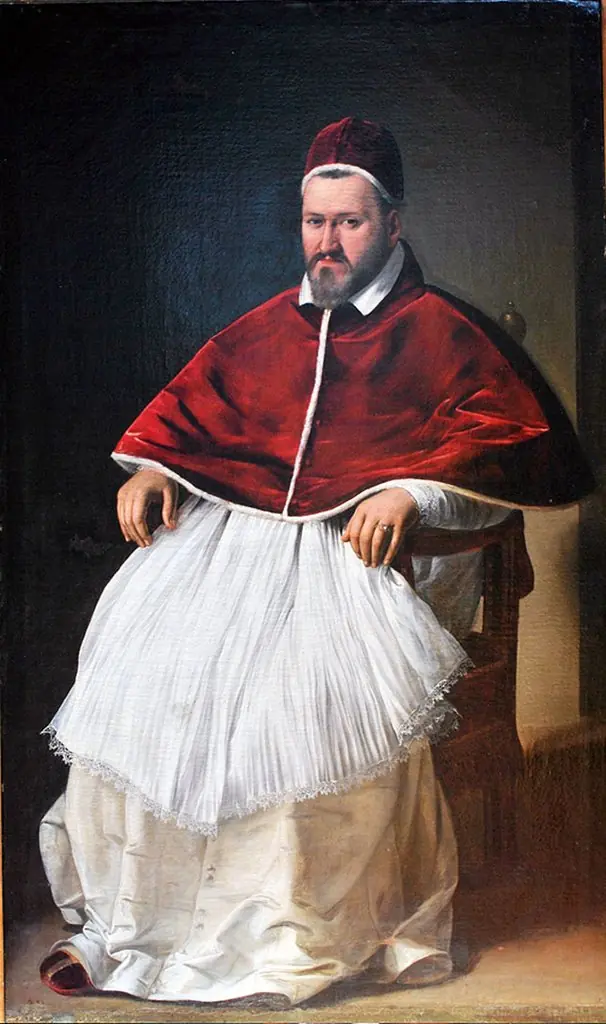 Portrait of Pope Paul V
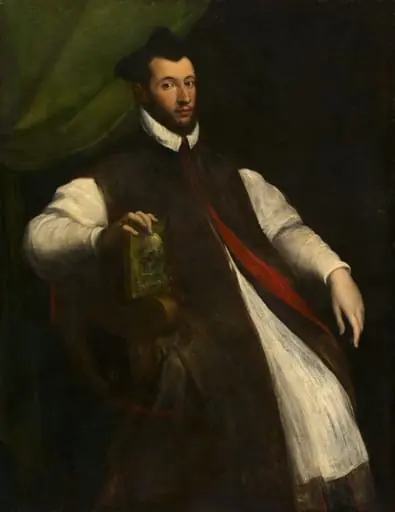 Portrait of a Prelate
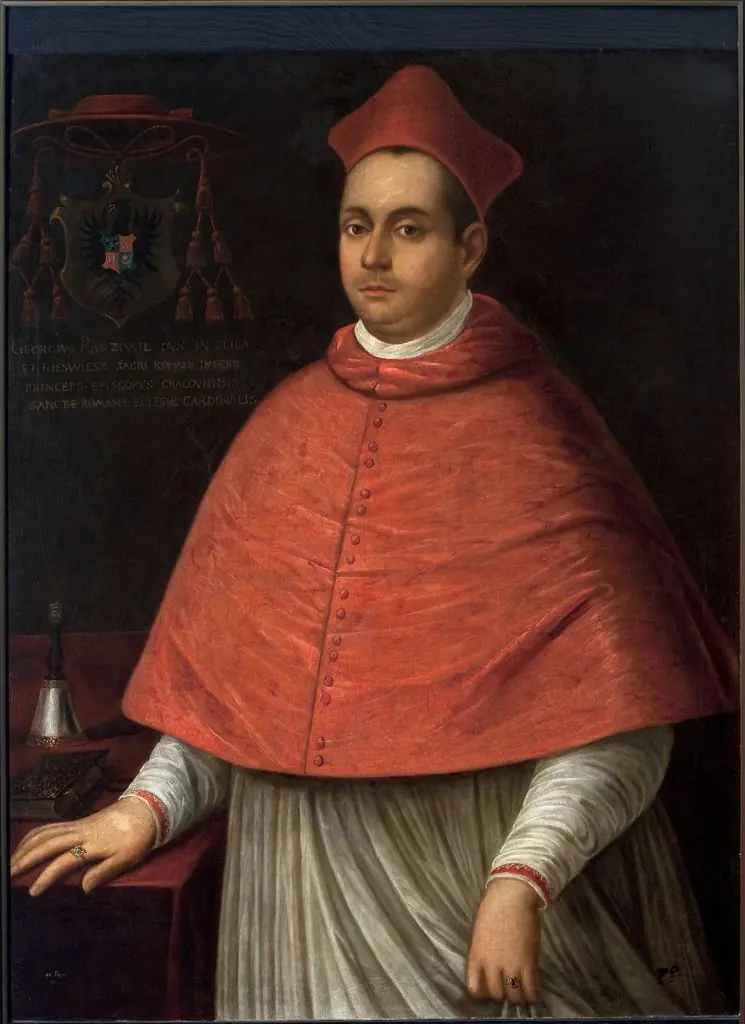 Portrait of Jerzy Radziwiłł (1556–1600), cardinal
 A Cardinal
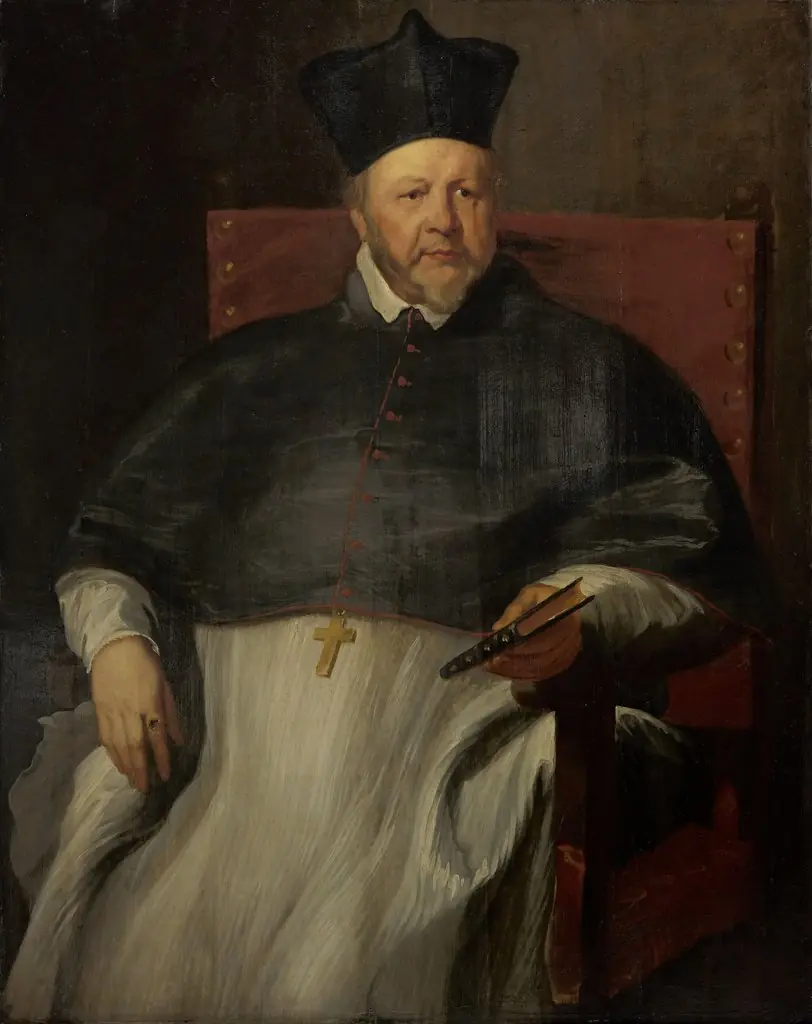 Joannes Malderus, Bishop of Antwerp
 Cardinal Giulio Cesare Sacchetti (1586-1663)
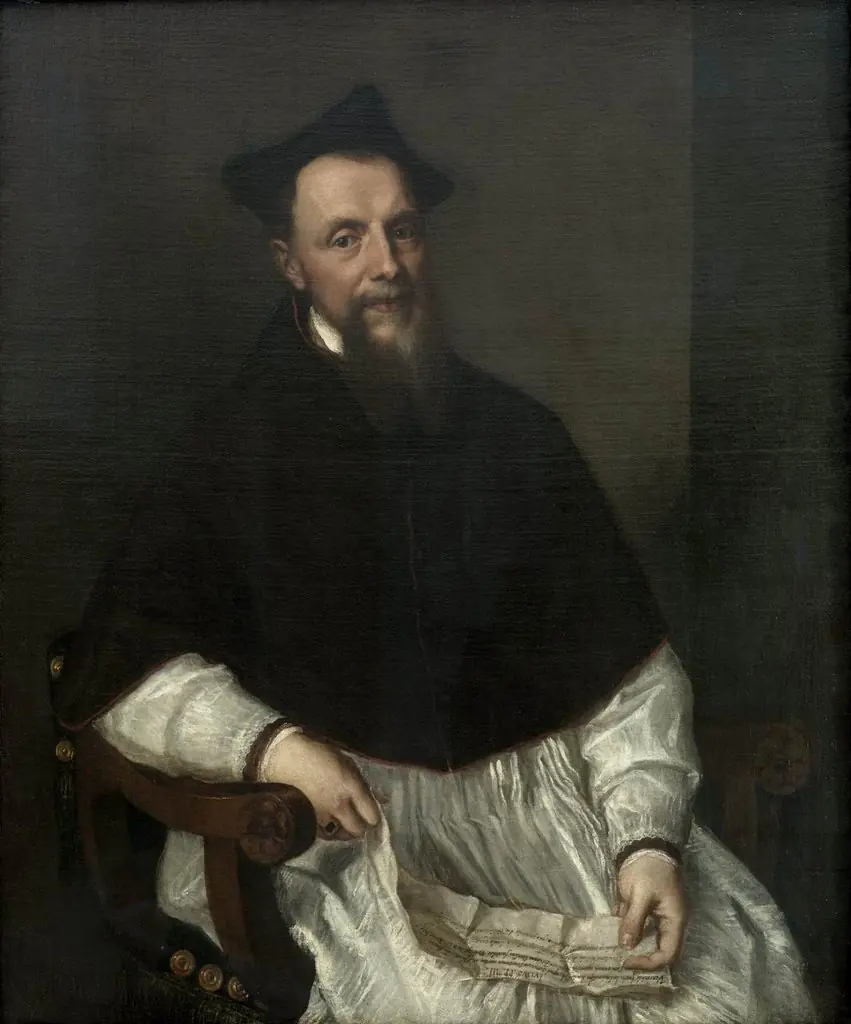 Portrait of Bishop Ludovico Beccadelli
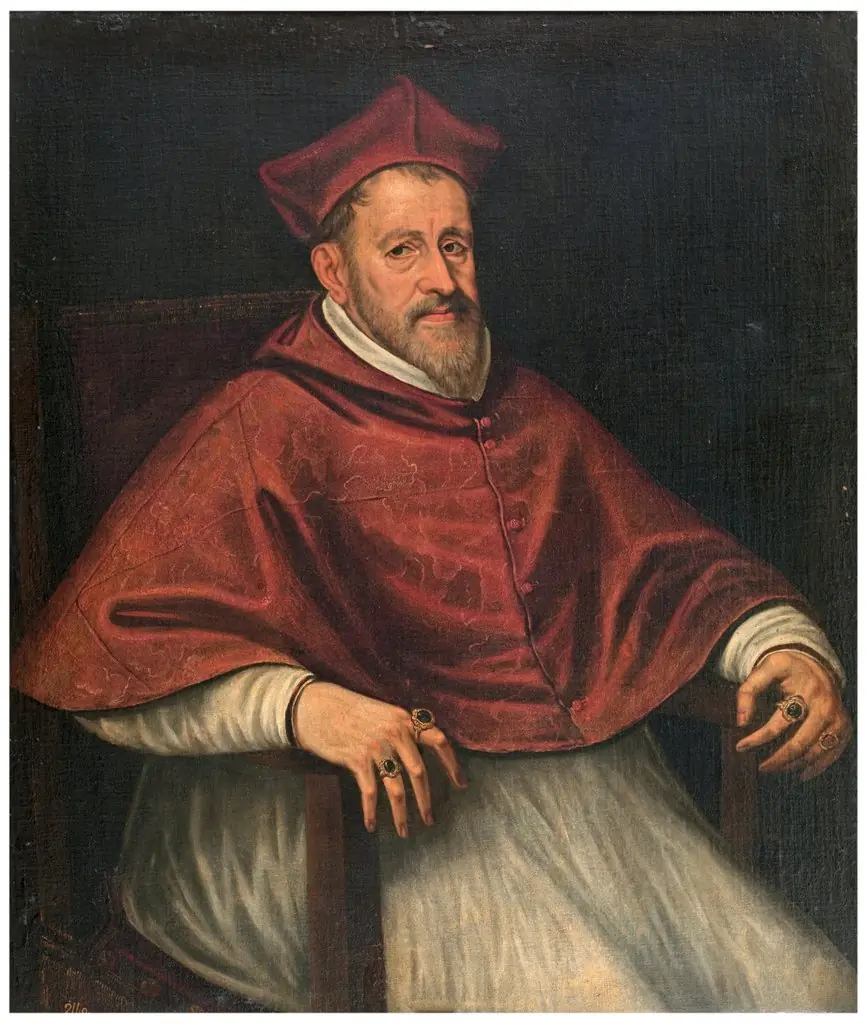 Cardinal Gaspar Quiroga
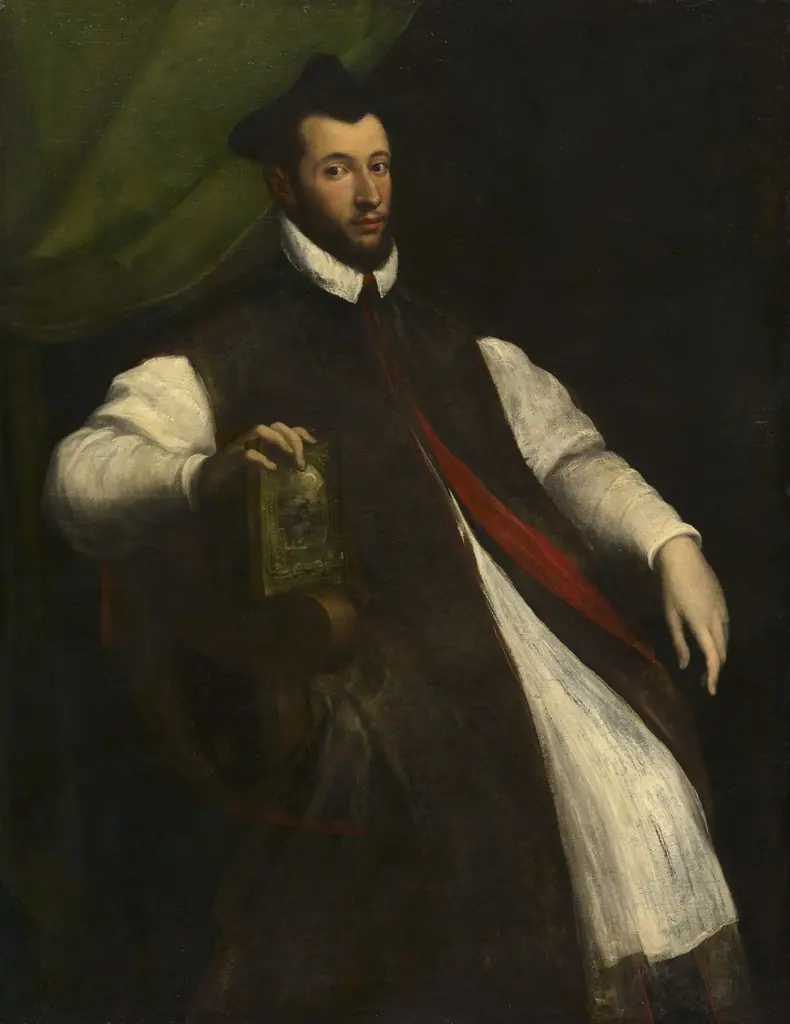 Portrait of a Prelate
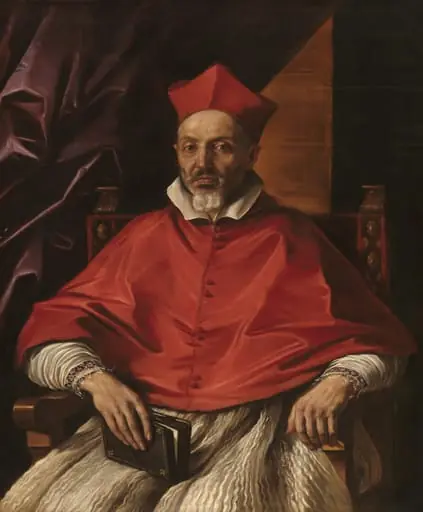 Cardinal Francesco Cennini
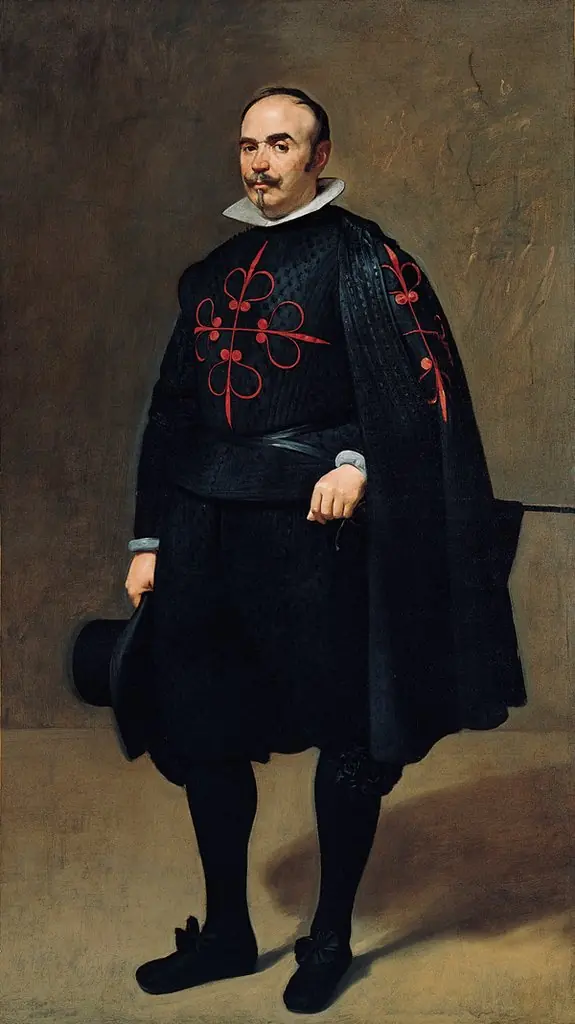 Portrait of Don Pedro de Barberana