Artwork
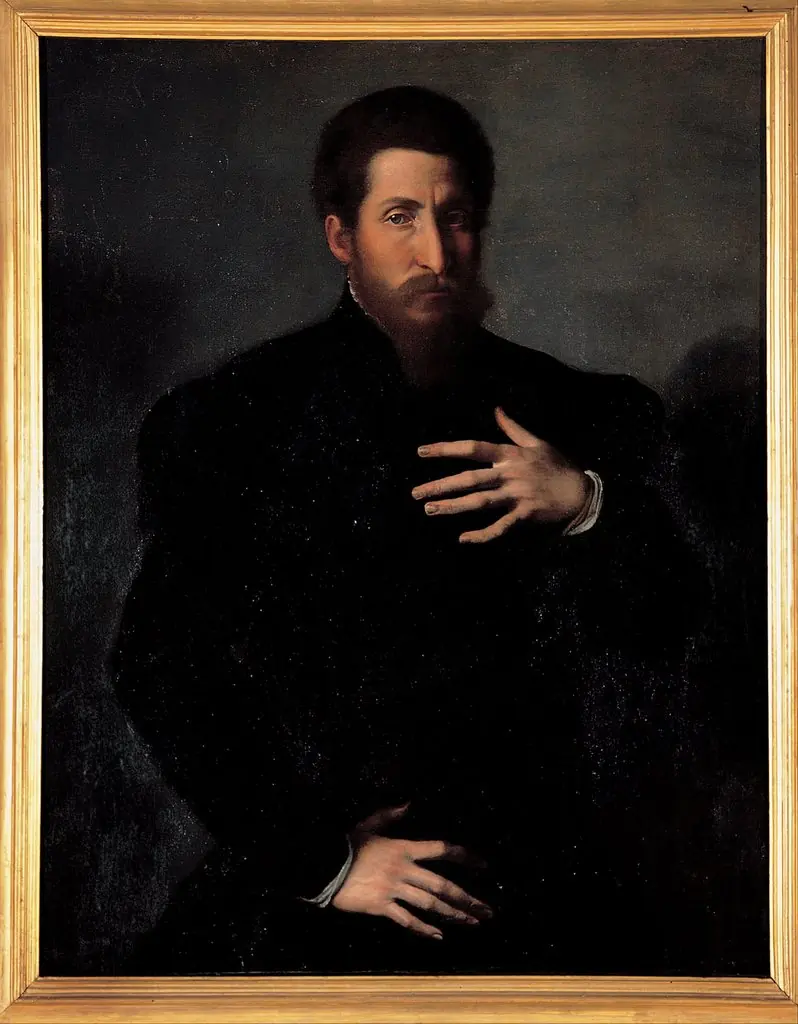
Portrait of a Prelate
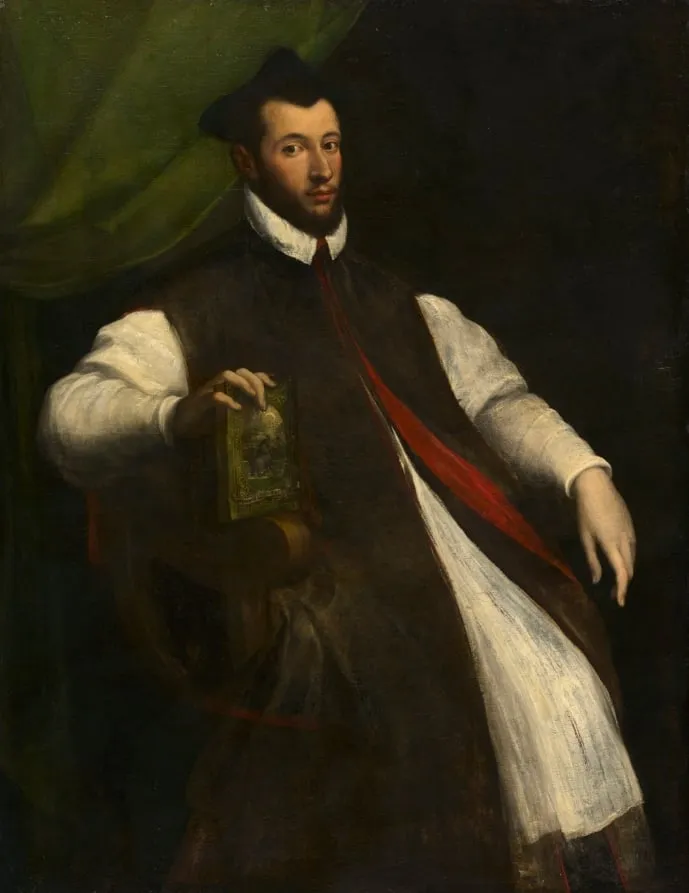
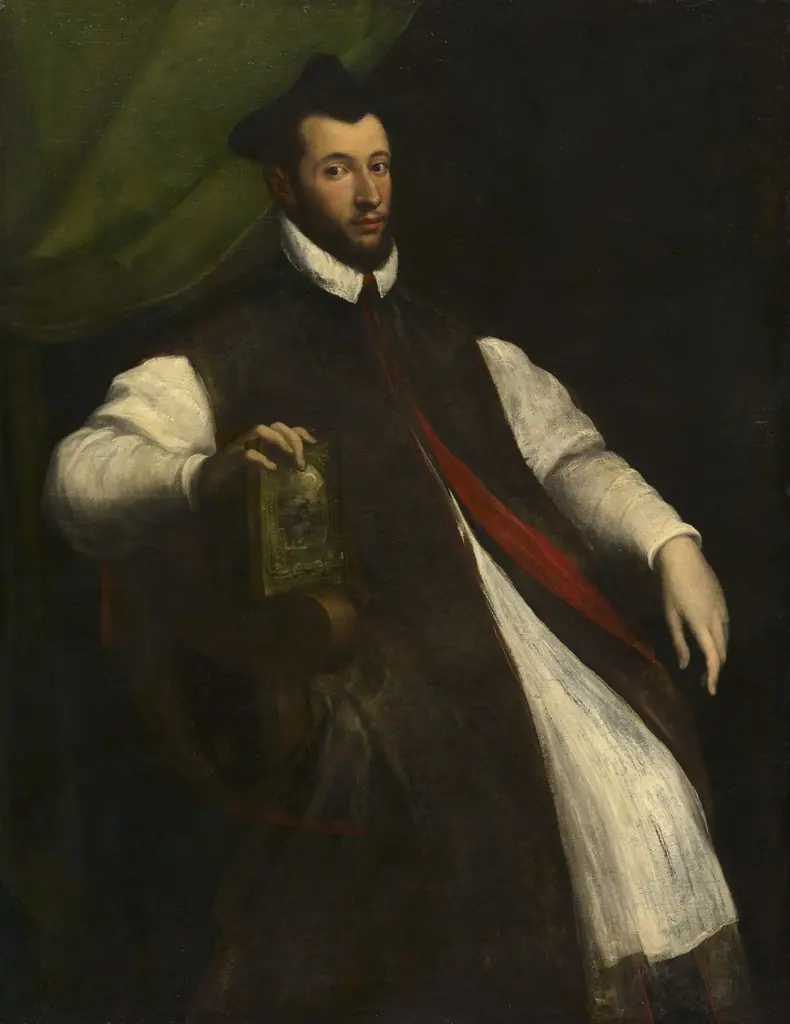
Portrait of a Prelate is an unspecified painting by the Mannerist artist Girolamo da Carpi. It dates from 1504 and is held in the collection of the Cleveland Museum of Art.
About this work
Overview
Girolamo da Carpi, a court painter active in Ferrara, created this portrait of a high‑ranking Catholic cleric. The figure is shown seated, dressed in a dark mantle trimmed with red, a white rochet, and a biretta, and he holds an open book. The composition reflects the stylized elegance typical of mid‑16th‑century Italian portraiture.
Subject & Meaning
This iconography was used by some Renaissance families to signify purity and virtue, suggesting the portrait’s intent to emphasize the cleric’s moral qualities.
The sitter’s ecclesiastical attire identifies him as a prelate, though his exact name remains unknown. The book he holds bears a cover illustration of an elephant standing in water and gazing at the moon, accompanied by the Latin phrase “MUNDOS LIBENTER ASPICIT” (“The moon beholds the pure with pleasure”). This iconography was used by some Renaissance families to signify purity and virtue, suggesting the portrait’s intent to emphasize the cleric’s moral qualities.
Technique & Style
Da Carpi employs the characteristic Mannerist device of a sinuous S‑curve, giving the figure a graceful, almost theatrical pose. The elongated, attenuated fingers and the delicate rendering of the lace sleeves heighten the sense of refined artificiality. The palette is restrained, with deep shadows contrasting against the luminous white of the rochet, underscoring the work’s polished surface.
History & Provenance
The painting is documented as a product of Girolamo da Carpi’s workshop in Ferrara, but no archival record links the portrait to a specific individual or patron. The emblem on the book’s cover resembles motifs used by several noble Renaissance houses, yet no definitive connection to the sitter has been established, leaving his identity unresolved.
Context
Created during the height of Italian Mannerism, the work reflects the period’s fascination with elegant distortion of natural forms. Artists of the time often prioritized stylized grace over anatomical accuracy, a trend evident in the sitter’s twisted posture and exaggerated hand gestures. The portrait thus exemplifies the aesthetic priorities of Ferrara’s court circle in the mid‑1500s.
Artist & collection
Artist
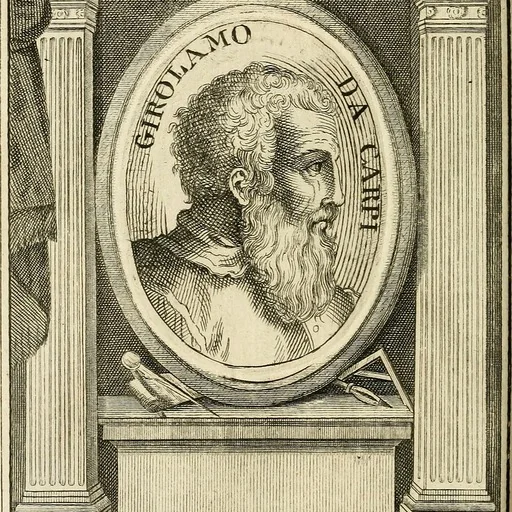
Girolamo Da Carpi (1501 – 1 August 1556) was an Italian painter and decorator who worked at the Court of the House of Este in Ferrara.

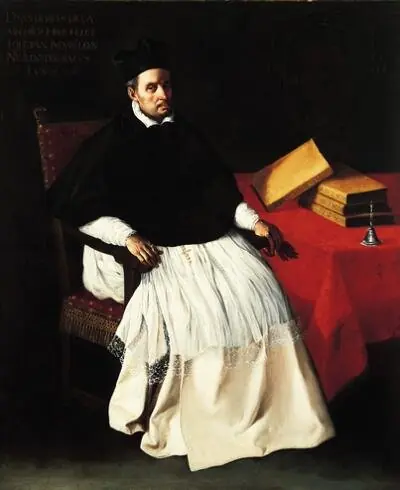 Friar Diego de Deza
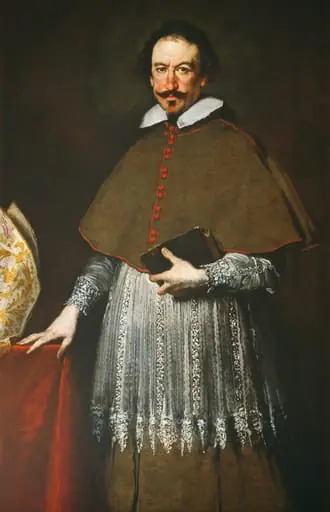 Bishop Alvise Grimani
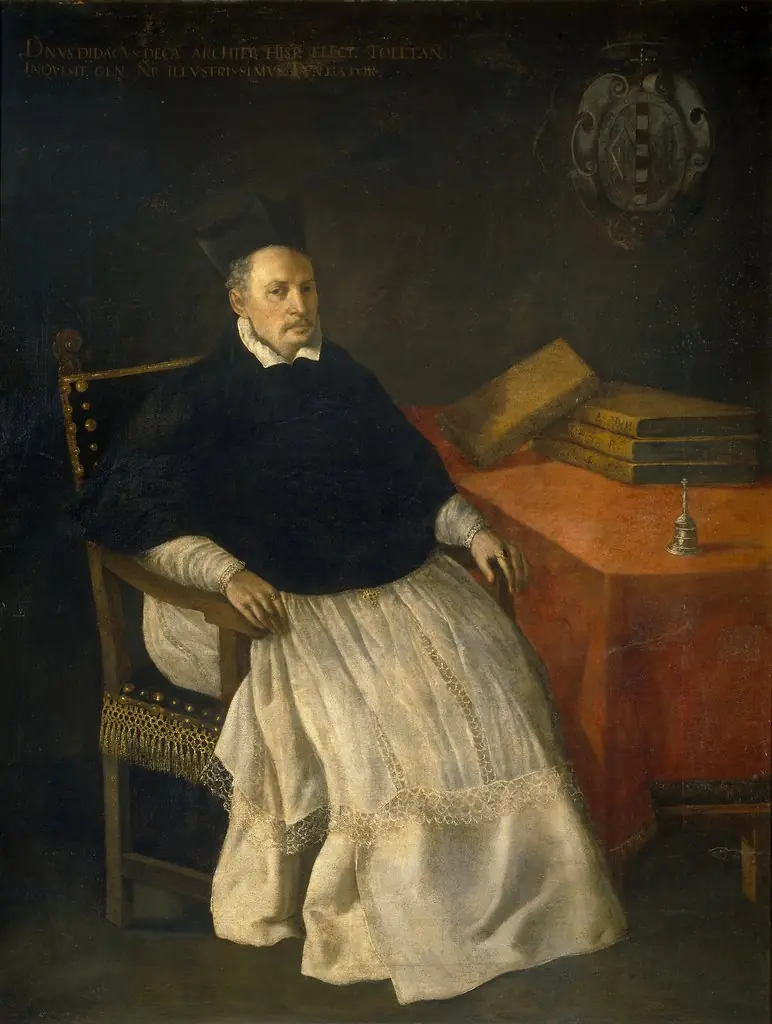 Fray Diego de Deza y Tavera arzobispo de Sevilla
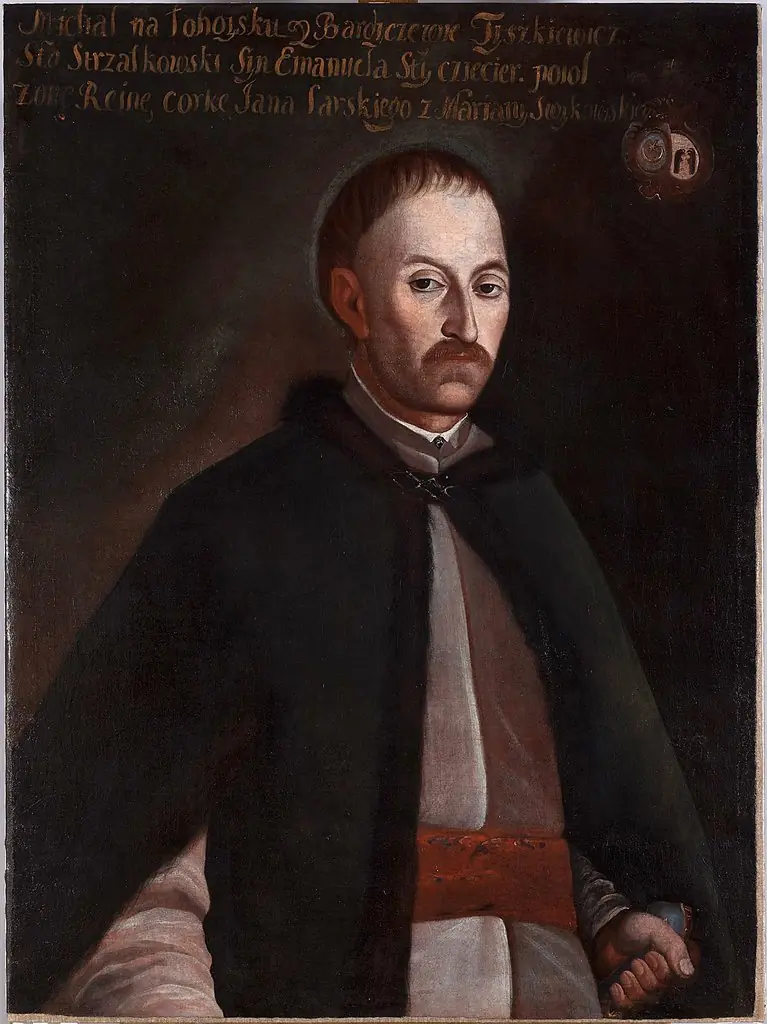 Portrait of Michał Tyszkiewicz, Leliwa coat of arms (?–after 1762), starosta of Strzałków
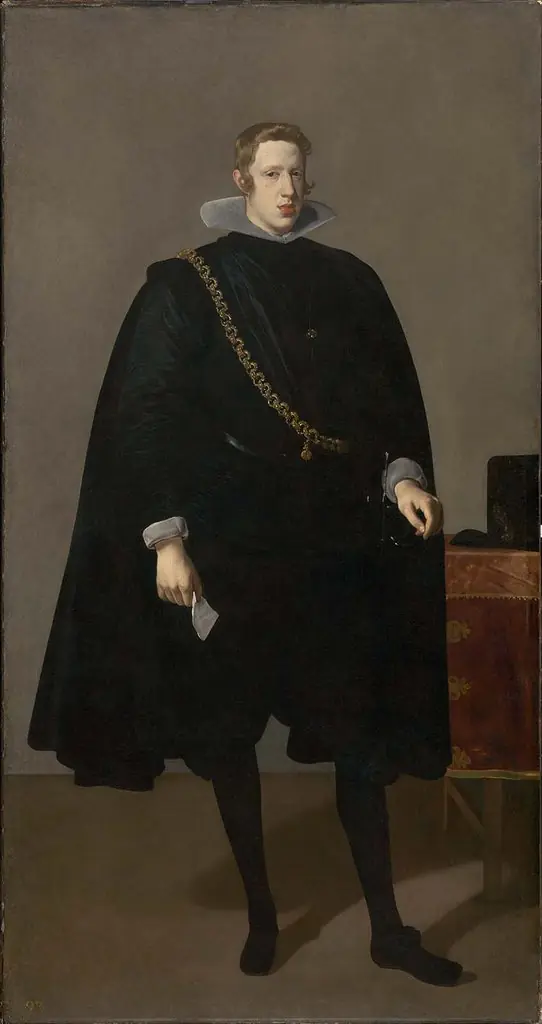 Philip IV, King of Spain
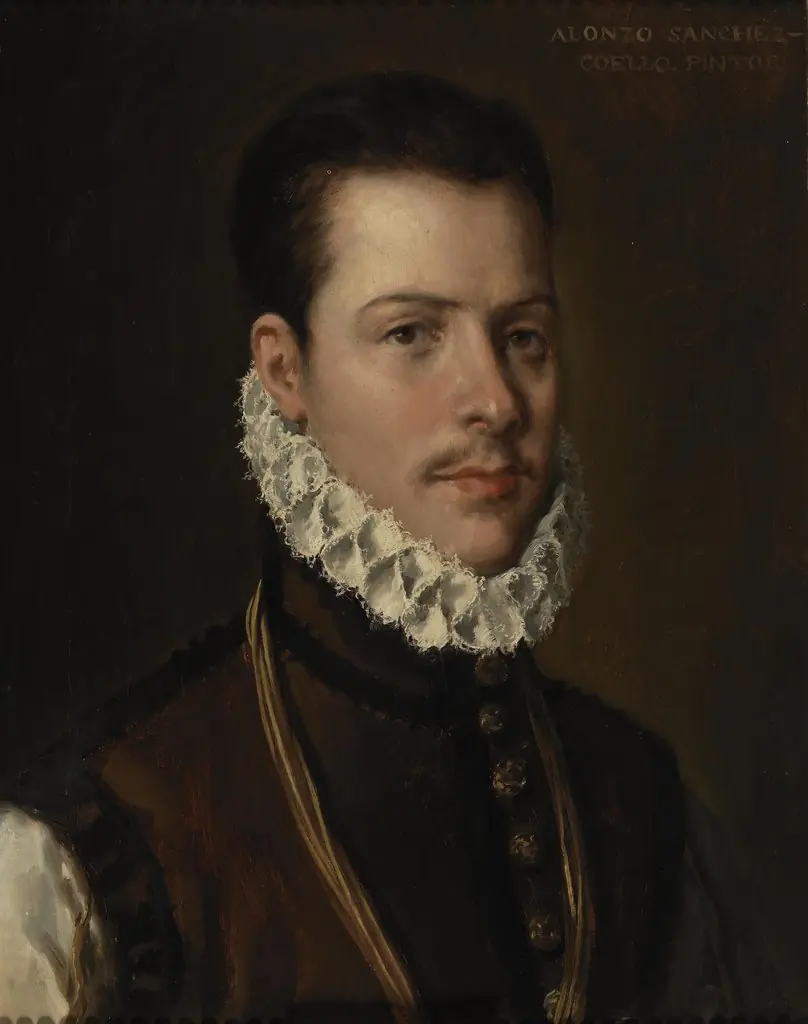 Fernando de Aragón y Borja duque de Villahermosa y conde de Ribagorza (copia)
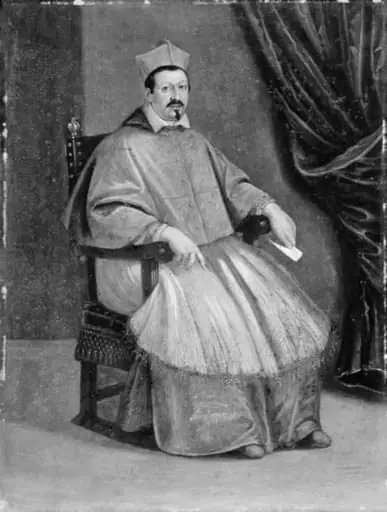 Portrait of Cardinal Borghese
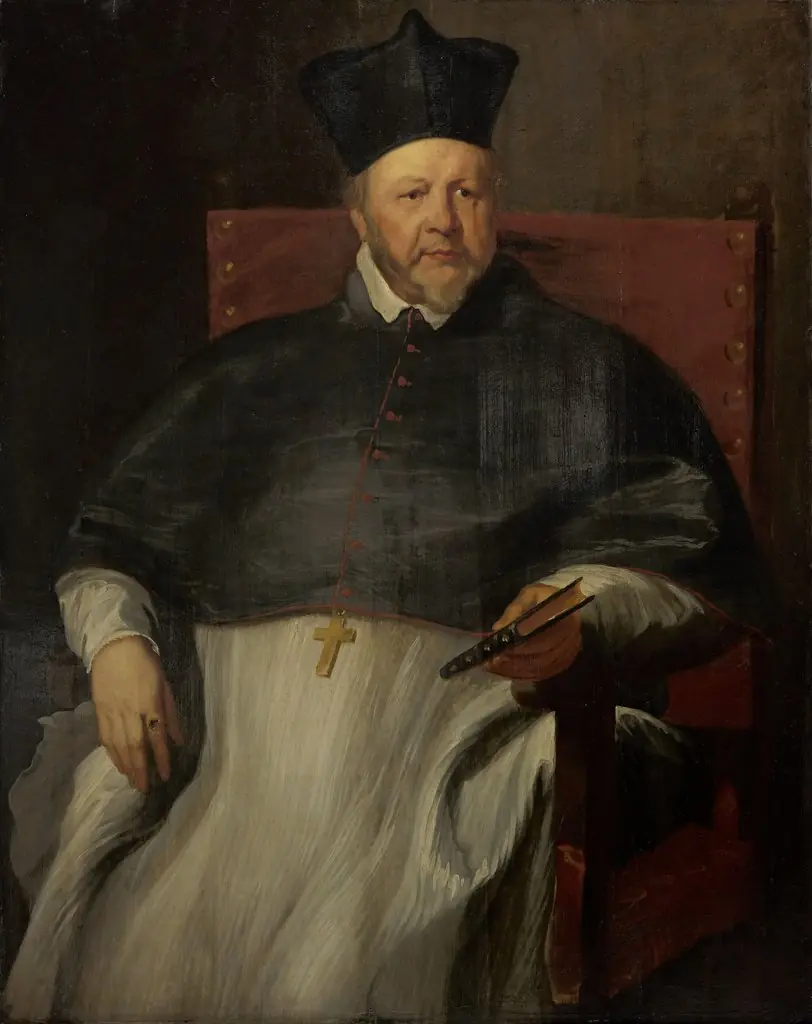 Joannes Malderus, Bishop of Antwerp
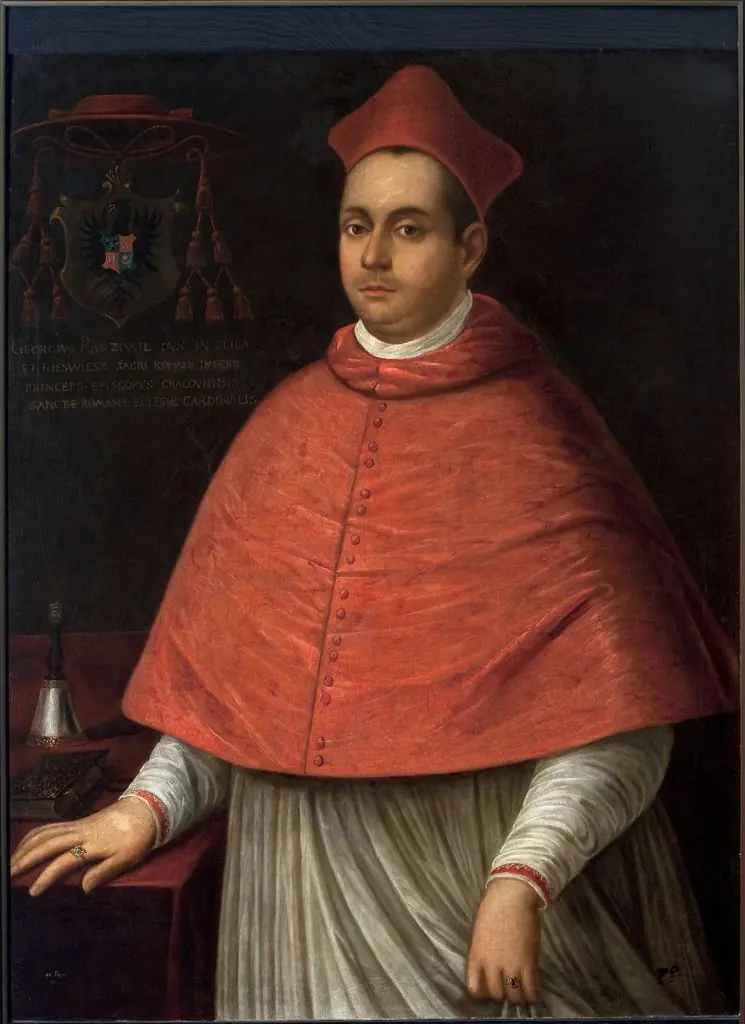 Portrait of Jerzy Radziwiłł (1556–1600), cardinal
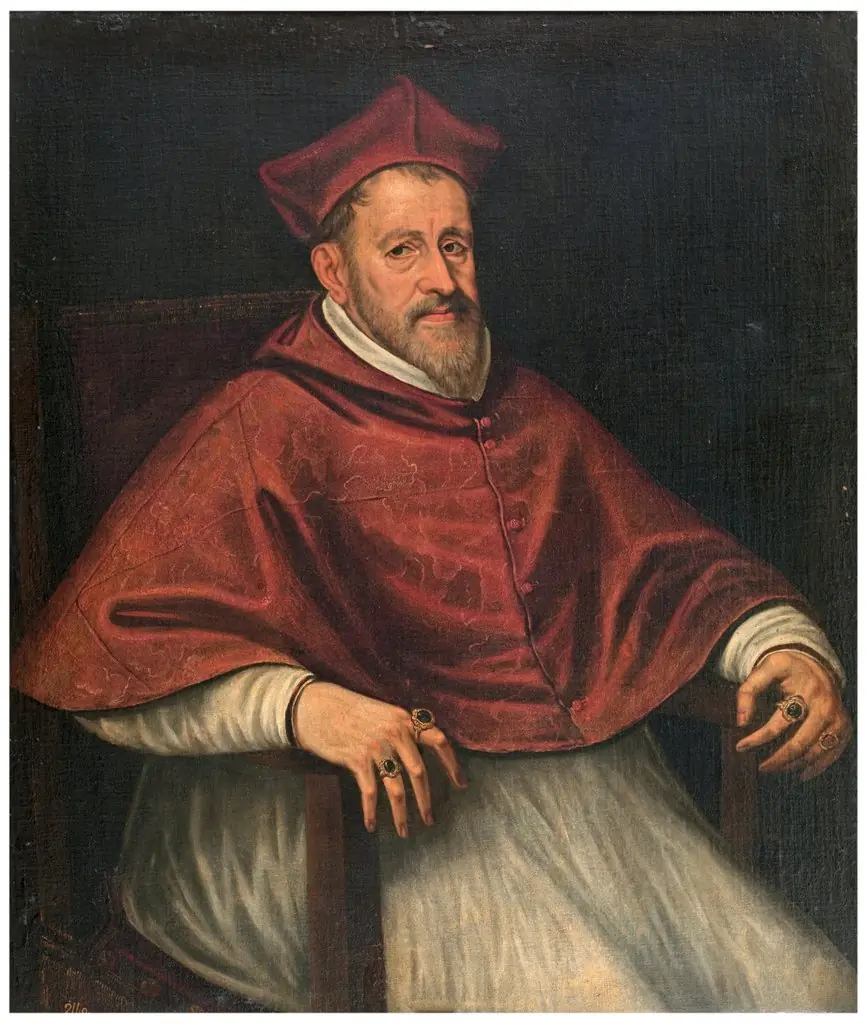 Cardinal Gaspar Quiroga