Artwork
Portrait of Pope Paul V
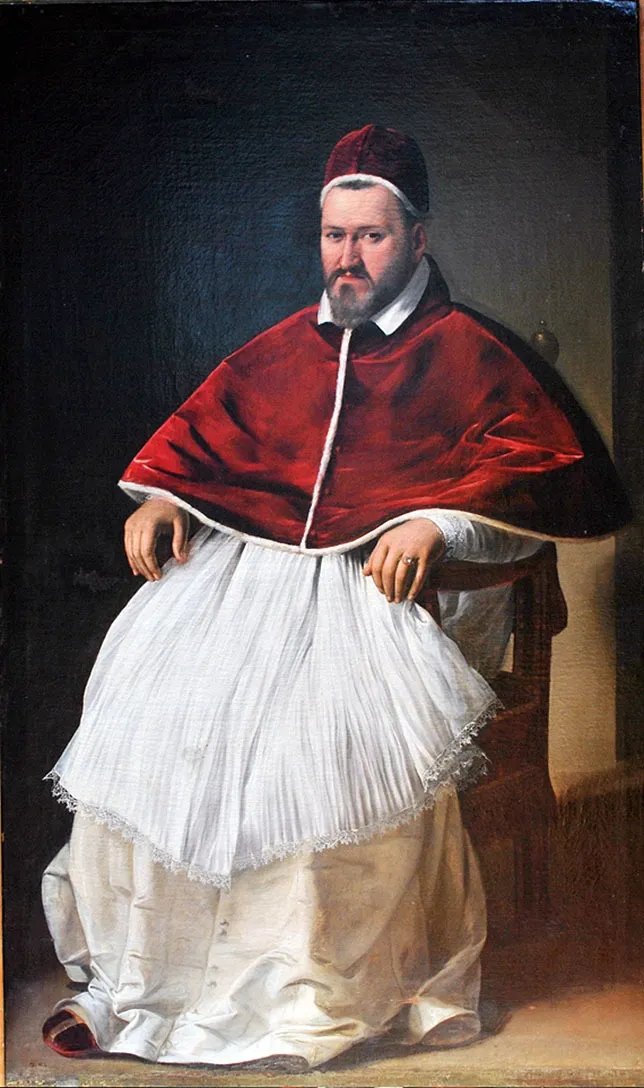
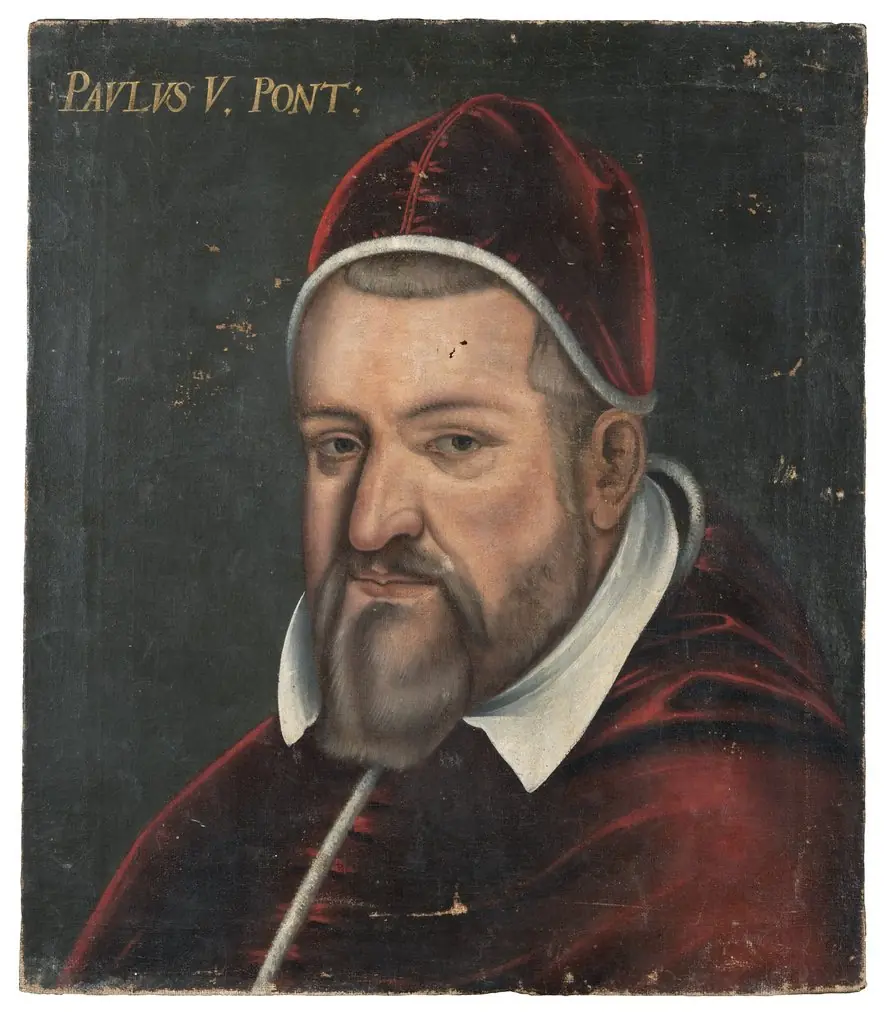
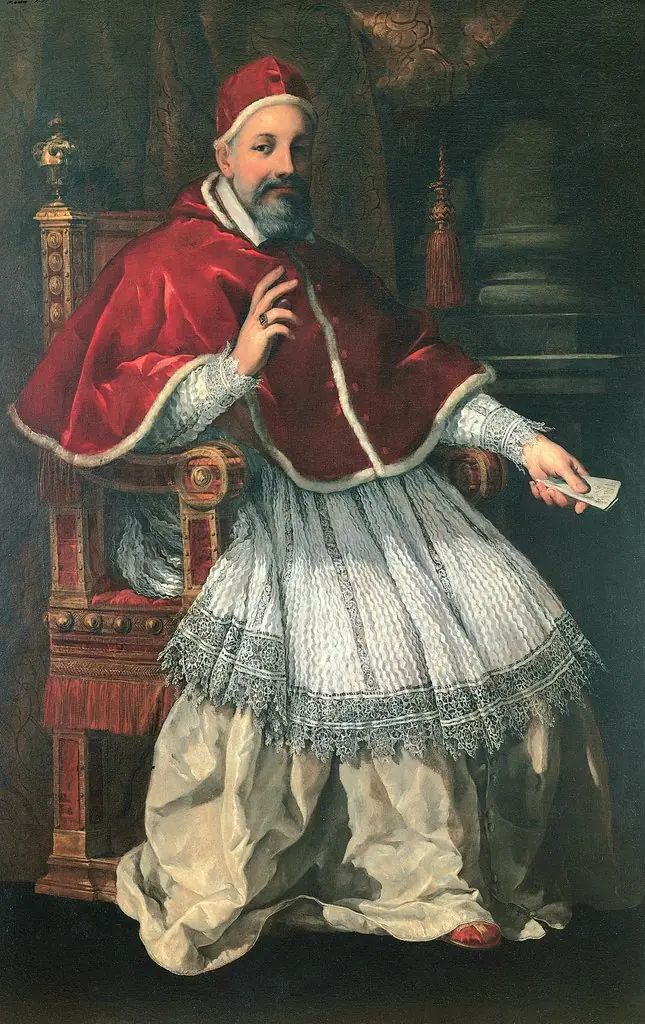
Portrait of Pope Paul V is an oil painting by the Baroque artist Caravaggio. It dates from 1605 and is held in the collection of the Borghese Collection. Painted around 1605–1606, this oil portrait depicts Pope Paul V, born Camillo Borghese, shortly after his election.
About this work
This painting is called Portrait of Pope Paul V.
It was made by Caravaggio in 1605.
The artist likely used oil paint to create it, which was a common medium at the time.
Caravaggio was known for his work during this period.
He often painted portraits of important people.
You can learn more about this style by looking at the work of Caravaggio.
Overview
Painted around 1605–1606, this oil portrait depicts Pope Paul V, born Camillo Borghese, shortly after his election.
Painted around 1605–1606, this oil portrait depicts Pope Paul V, born Camillo Borghese, shortly after his election. Attributed to Caravaggio, it resides in the Galleria Borghese in Rome. Though long questioned for its perceived lack of dynamism, recent scholarship, notably by John Gash, affirms its authenticity, citing historical context and the sitter’s restrained demeanor as key to its composition.
Subject & Meaning
The portrait captures Paul V in quiet solemnity, reflecting his reputation for reserve and piety. His posture is upright yet unadorned, avoiding theatricality. The narrowed eyes, once interpreted as hostility, are now understood as a physical trait—chronic myopia—rendered with unflinching honesty. The image conveys authority not through grandeur but through stillness, aligning with the pope’s personal character and the Counter-Reformation ideal of humble devotion.
Technique & Style
Caravaggio employs his signature chiaroscuro to model the pope’s face and cassock, though with subdued contrast compared to his more dramatic works. The background is dark and indistinct, focusing attention on the figure’s presence. Brushwork is precise in the face and hands, while the fabric of the robes is rendered with economical, tactile strokes. The overall restraint suggests the artist adapted his style to the sitter’s temperament rather than imposing his usual intensity.
History & Provenance
The painting is documented in the Borghese Collection by 1650, likely acquired through Cardinal Scipione Borghese, the pope’s nephew and Caravaggio’s patron. Caravaggio’s biographer Giovanni Bellori notes the commission occurred between Paul V’s election in May 1605 and Caravaggio’s departure from Rome in May 1606. Its survival in the same family collection for centuries lends weight to its attribution despite earlier doubts.
Context
Caravaggio painted this portrait during a period of intense activity in Rome, shortly before fleeing the city after a fatal duel. The commission came through Scipione Borghese, a powerful art collector who favored Caravaggio’s realism. Unlike earlier papal portraits emphasizing divine authority, this work reflects a shift toward psychological realism, aligning with broader trends in Counter-Reformation portraiture that valued sincerity over spectacle.
Legacy
The portrait’s quiet intensity anticipates Diego Velázquez’s later depiction of Pope Innocent X, suggesting a lineage of restrained papal imagery. While once dismissed as uninspired, its authenticity and psychological depth have gained scholarly acceptance. It stands as a rare example of Caravaggio adapting his revolutionary style to the constraints of ecclesiastical dignity, offering a nuanced portrait of power defined by restraint.
Artist & collection
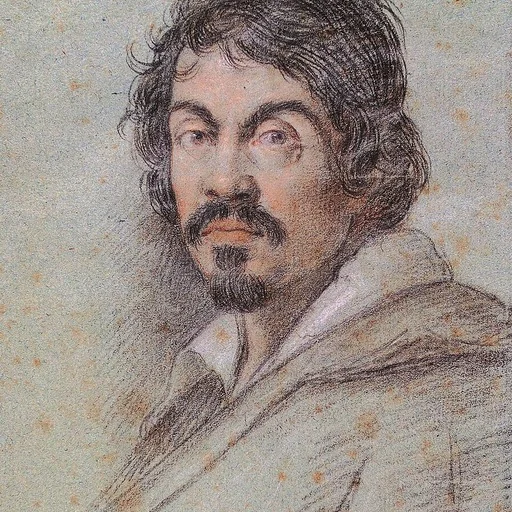
Artist
Michelangelo Merisi da Caravaggio (also Michele Angelo Merigi or Amerighi da Caravaggio; 29 September 1571 – 18 July 1610), known mononymously as Caravaggio, was an Italian painter active in Rome for most of his artistic life.