Artwork
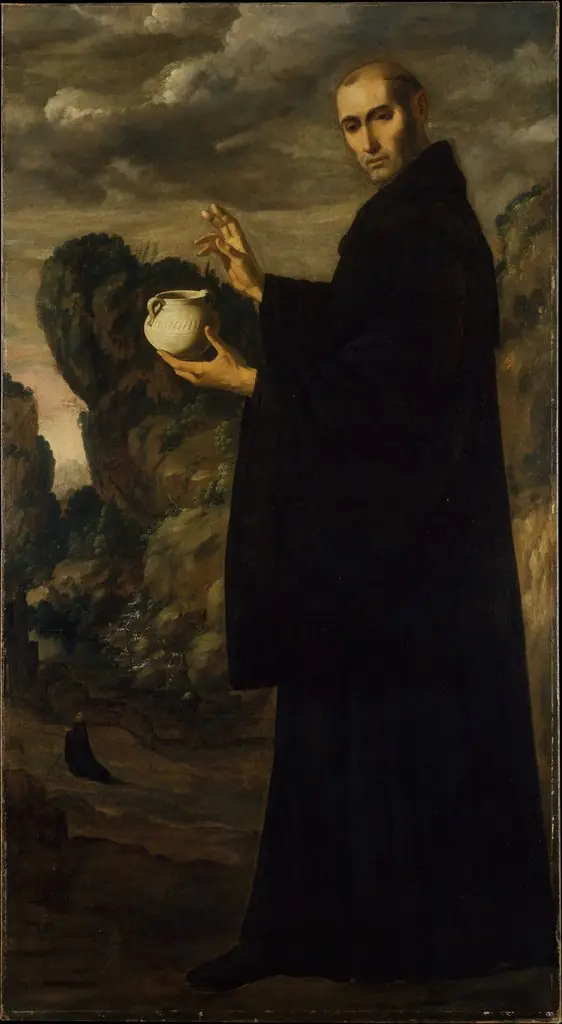
St. Anthony Abbot
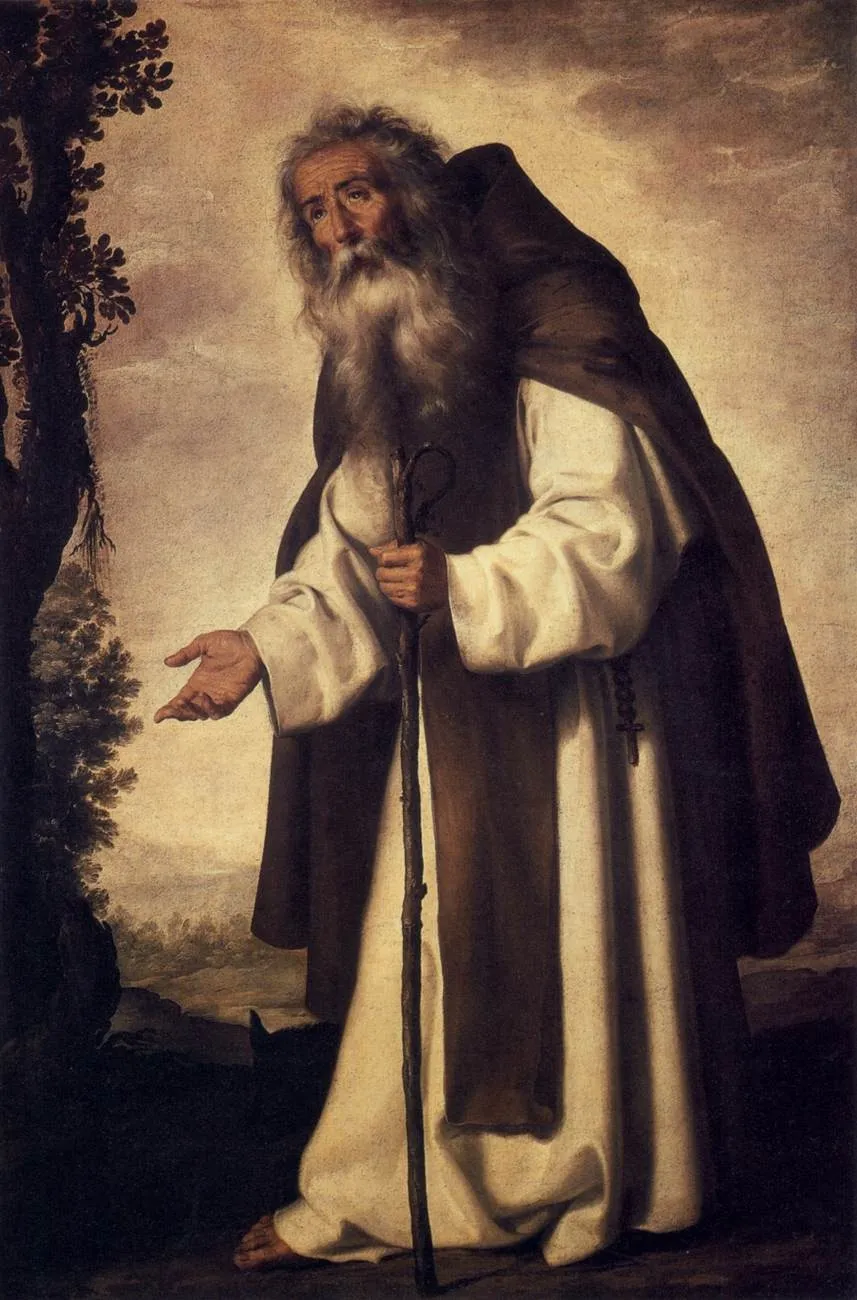
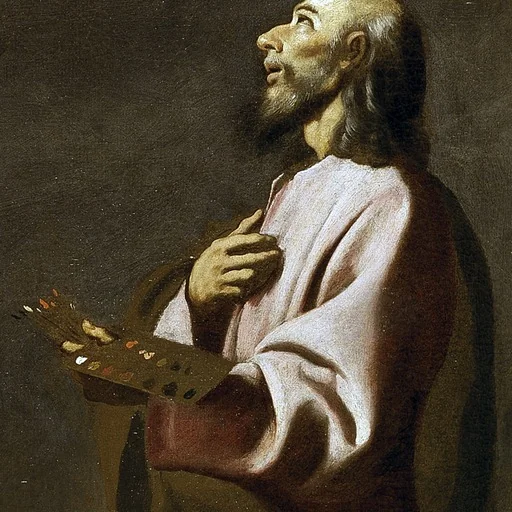
St. Anthony Abbot is an oil painting by the Early Baroque Italian artist Francisco de Zurbarán. It dates from 1640 and is held in the collection of the Uffizi Gallery.
About this work
Overview
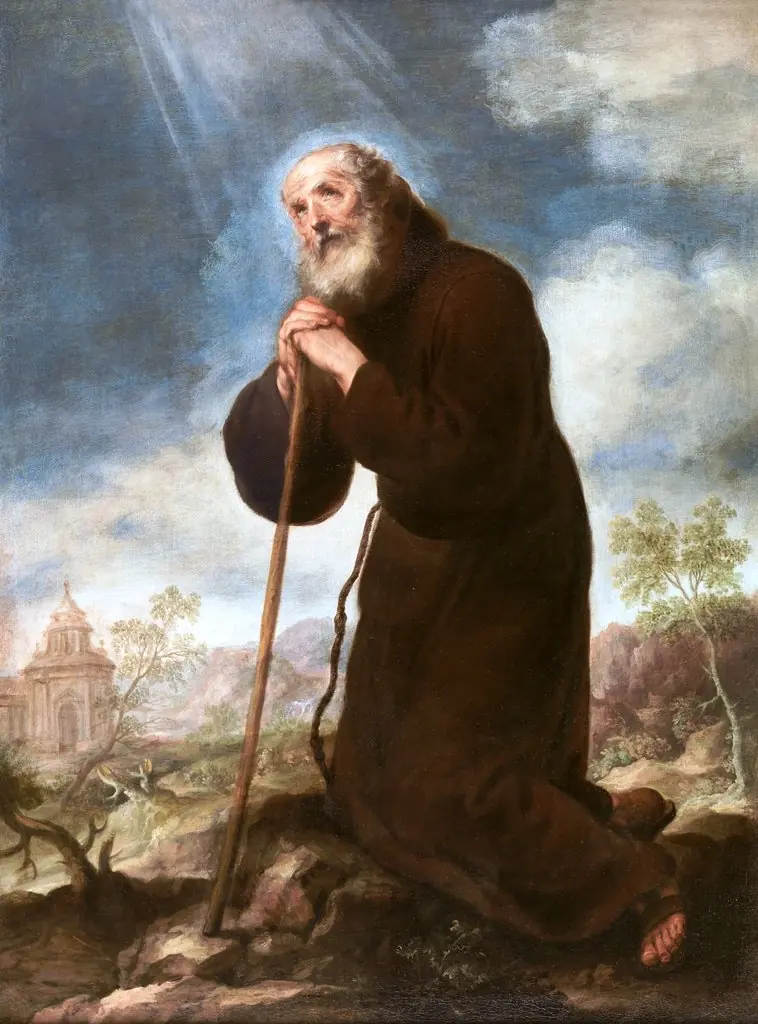
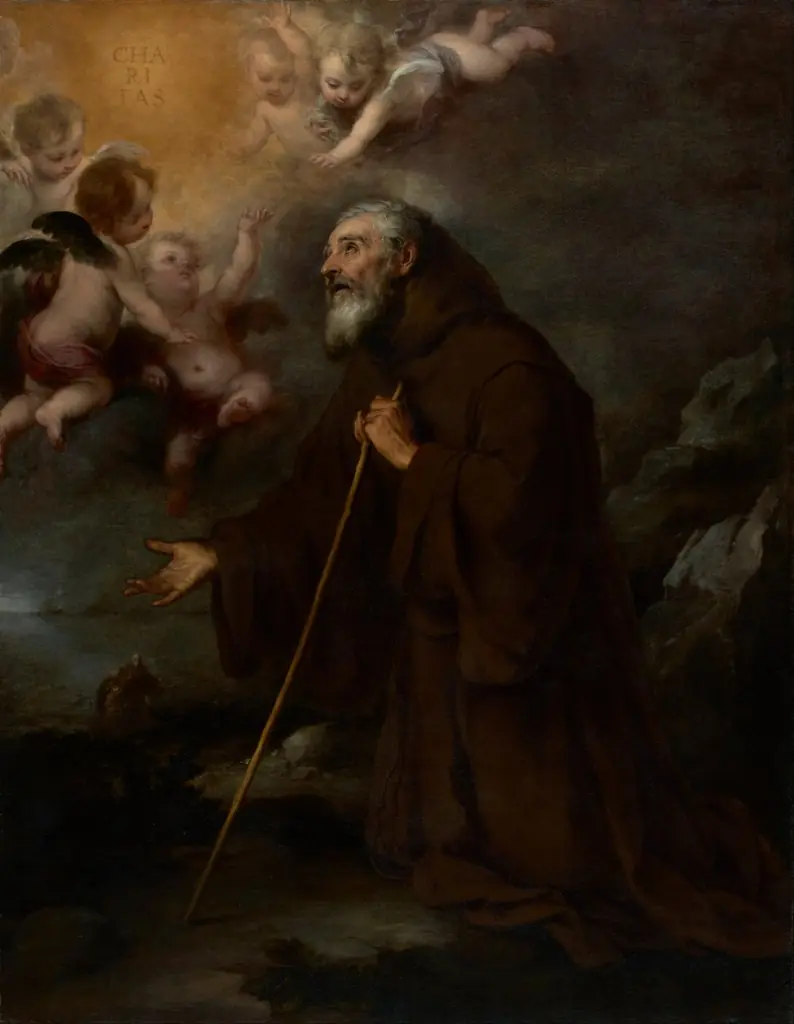
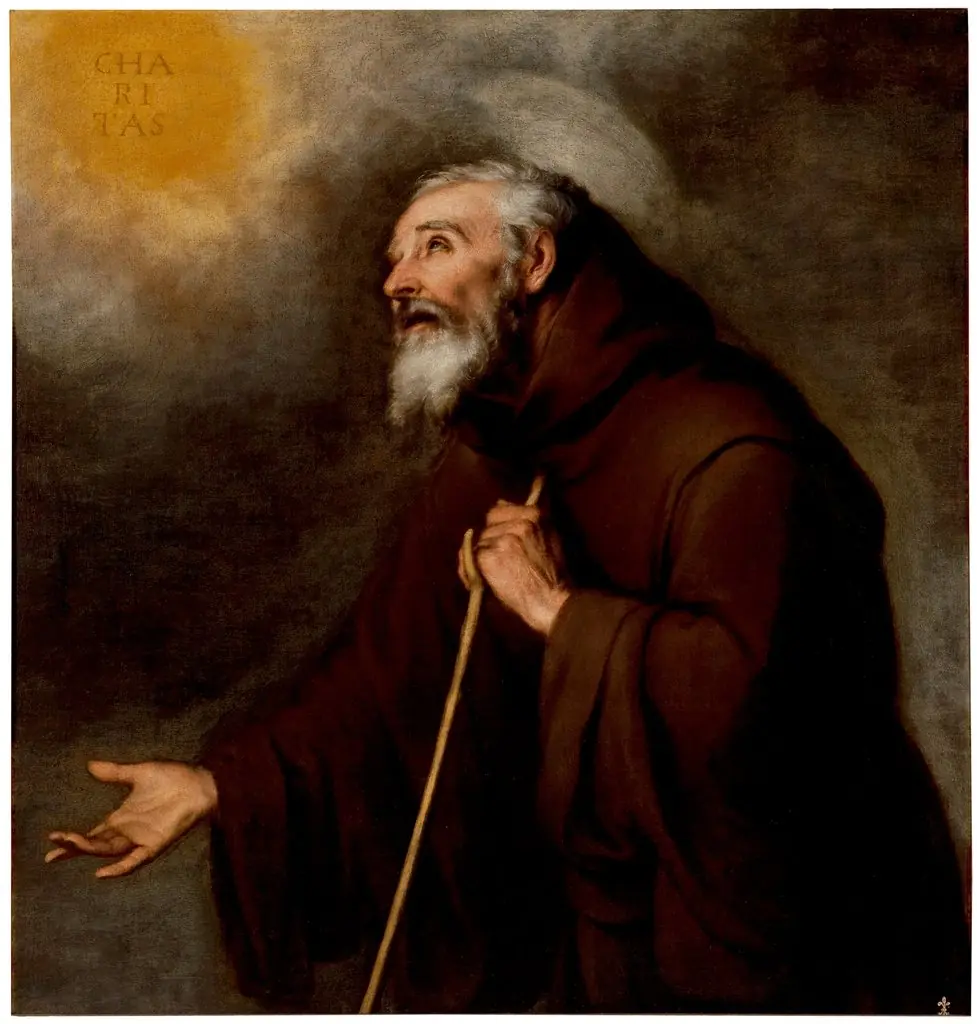
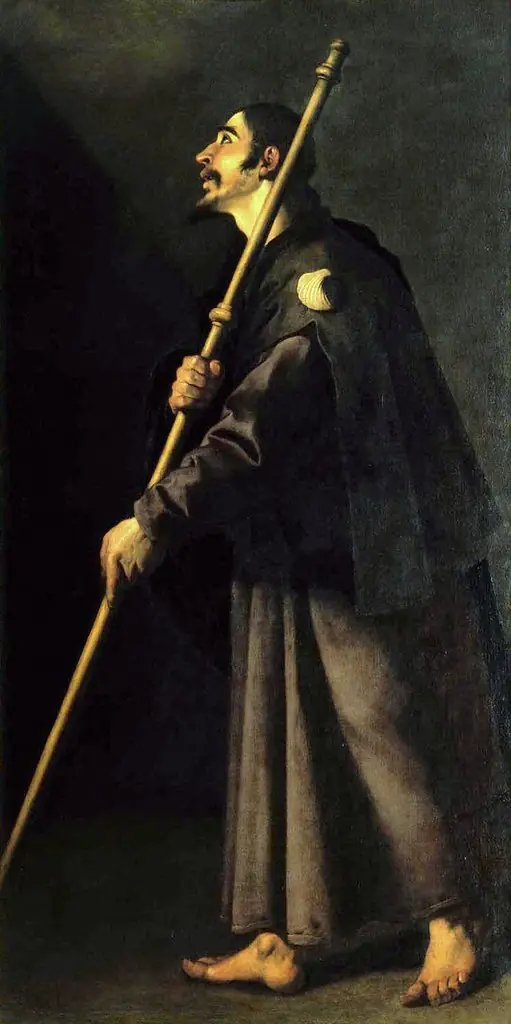
Francisco de Zurbarán’s oil on canvas, dated 1640, presents a solitary figure identified as St. Anthony the Great. The composition places the hermit against a muted, cloud‑filled sky, emphasizing his contemplative presence. The work resides in the Uffizi Gallery, where it forms part of the museum’s collection of Spanish Baroque religious art.
Subject & Meaning
He holds a staff in his right hand, a symbol of his hermitic life, while his left hand gestures outward, suggesting a moment of prayer or instruction.
The central figure is clad in a flowing white habit, overlaid with a dark brown mantle, and stands barefoot, a common attribute of ascetic saints. He holds a staff in his right hand, a symbol of his hermitic life, while his left hand gestures outward, suggesting a moment of prayer or instruction. The serene expression and modest attire convey the saint’s devotion and withdrawal from worldly concerns.
Technique & Style
Zurbarán employs a restrained palette of earth tones, allowing the white habit to emerge against the subdued background. The brushwork renders the fabric’s texture and the saint’s hair and beard with meticulous detail, while the soft, cloudy sky recedes, creating a sense of depth without distracting from the figure. The painting exemplifies the Spanish Baroque focus on realism and spiritual intensity.
History & Provenance
Executed in the early 1640s, the canvas entered the Uffizi’s holdings as part of the museum’s acquisition of Spanish religious works. Its presence in Florence reflects the broader 17th‑century exchange of art between Spain and Italy, and the painting has been documented in the gallery’s catalogues since the 19th century.
Context
St. Anthony the Great was a model for monastic virtue in Counter‑Reformation Spain, and Zurbarán frequently depicted him to reinforce ideals of piety and self‑denial. The work aligns with the artist’s series of saintly portraits, which were intended for private devotion and ecclesiastical settings, underscoring the era’s emphasis on personal contemplation.
Artist & collection
Artist
Francisco de Zurbarán was a Spanish Baroque painter. He is known primarily for his religious paintings depicting monks, nuns, and martyrs, and for his still-lifes. Zurbarán gained the nickname "Spanish Caravaggio",…