Artwork
Boy on a Ram
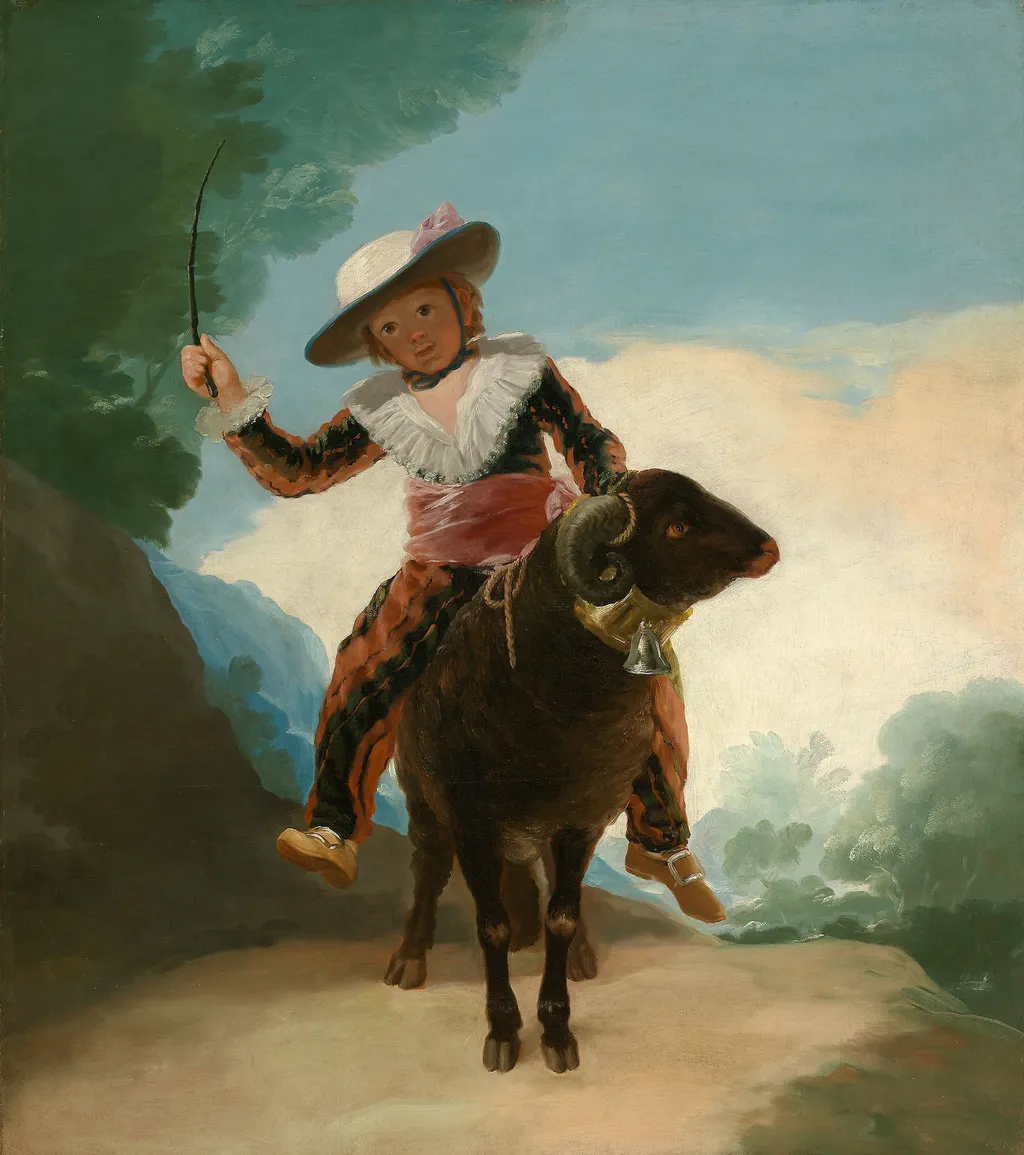
Boy on a Ram is an oil painting by the Rococo painting artist Francisco Goya. It dates from 1794 and is held in the collection of the Art Institute of Chicago.
About this work
Overview
Boy on a Ram is an oil painting created in 1794 by Francisco Goya, a pivotal Spanish artist known for bridging traditional and modern techniques. The work features a youthful figure seated on a ram, characteristic of Goya's early style, which would later incorporate more thematic depth.
Subject & Meaning
The painting depicts a serene scene of a young boy riding a ram, adorned with a white hat, red sash, and distinctive attire, against a subdued landscape of blue sky, trees, and bushes. The boy’s serious gaze and the ram’s calm demeanor evoke a sense of quiet contemplation.
Technique & Style
Executed in muted tones of brown, green, and blue, the painting showcases Goya’s use of chiaroscuro, a technique emphasizing contrast between light and dark to create depth and volume, foreshadowing the artist’s future stylistic evolution.
History & Provenance
Boy on a Ram is part of the collection at the Art Institute of Chicago, though the painting’s history prior to its acquisition is not detailed here.
Context
While created during a period associated with the Rococo, Goya’s work already hints at a departure from the era’s typical lightheartedness, leaning towards the more sober and expressive qualities that would define his later output.
Legacy
As an early work by Goya, Boy on a Ram provides insight into the artist’s formative style, illustrating the foundational techniques that would serve as a precursor to his influential contributions to the transition between classical and modern European art.
Own this work as a print
Artist & collection
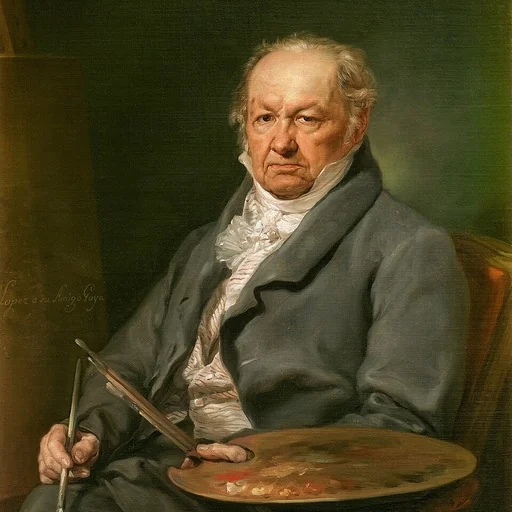
Artist
Francisco José de Goya y Lucientes (; Spanish: ; 30 March 1746 – 16 April 1828) was a Spanish romantic painter and printmaker.

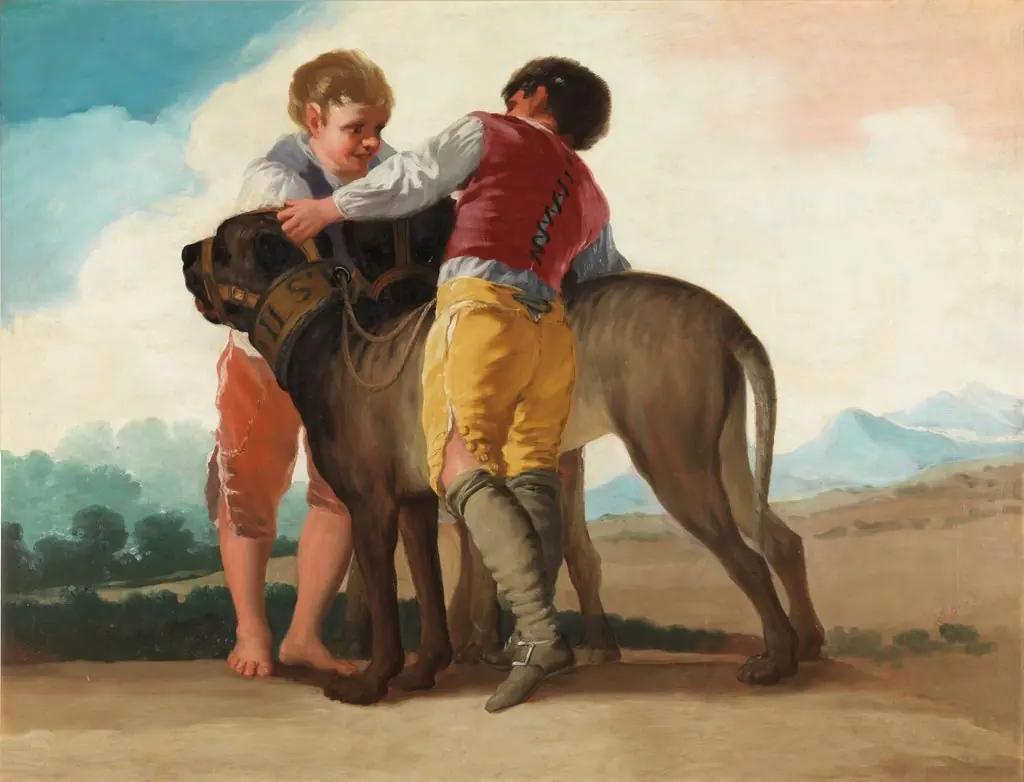 Boys with Mastiffs
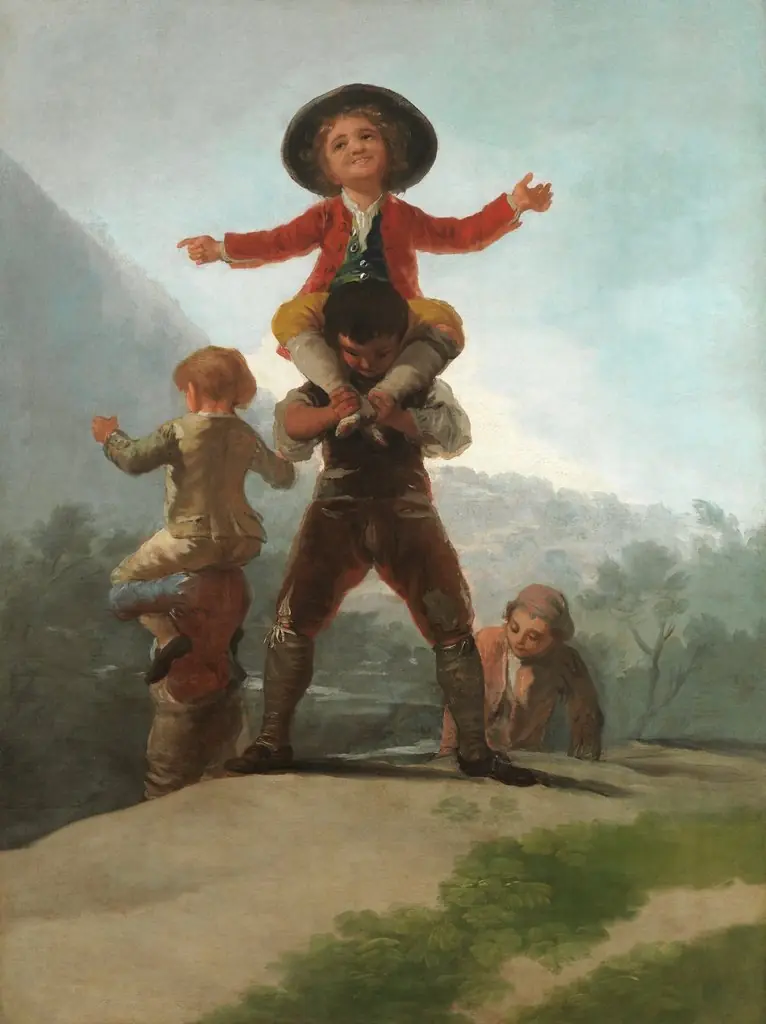 The Game of Horse and Rider
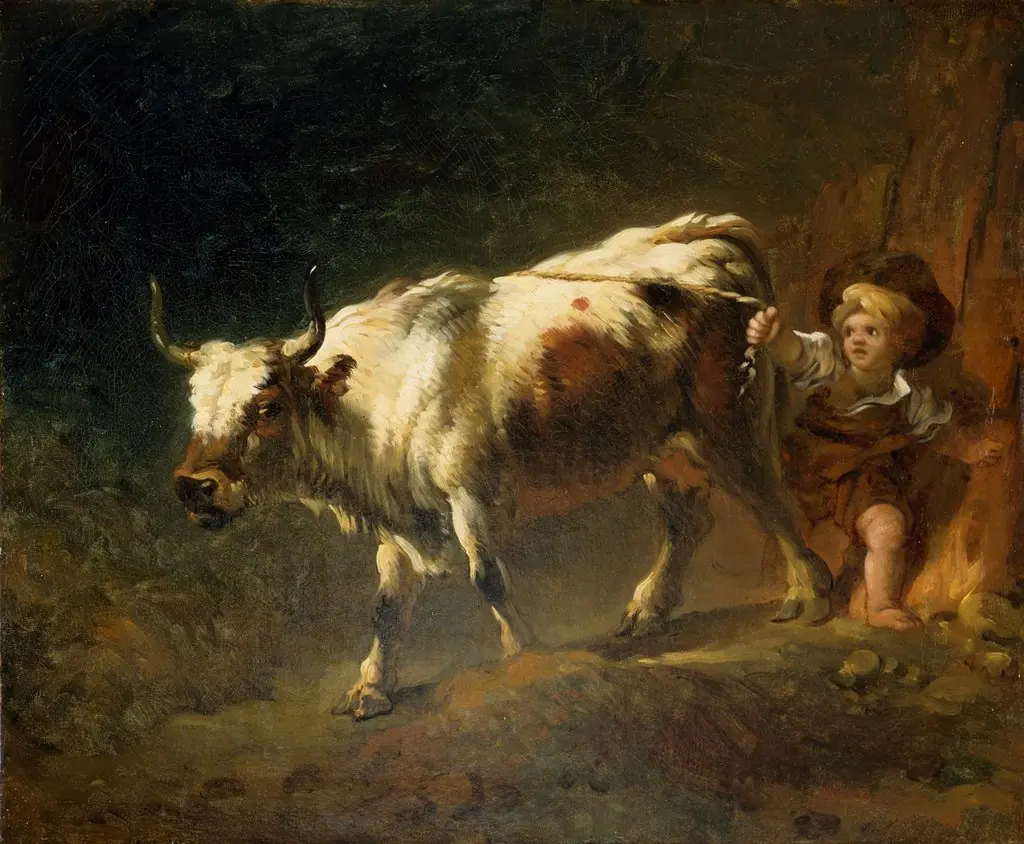 Boy Attempting to Restrain a Cow by a Rope
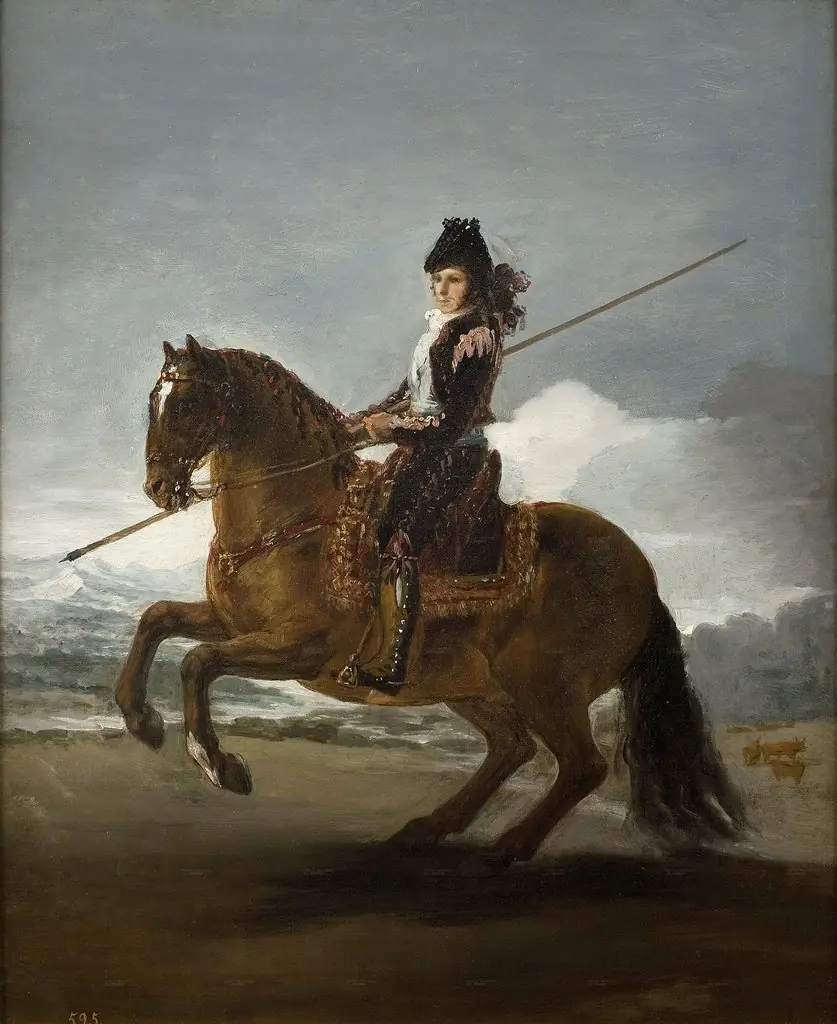 A spearman
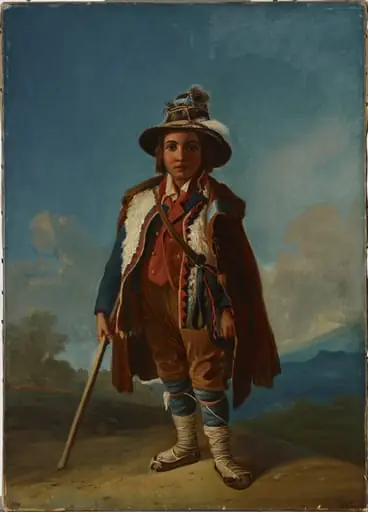 Italialainen poika, kopio R.W. Ekmanin mukaan
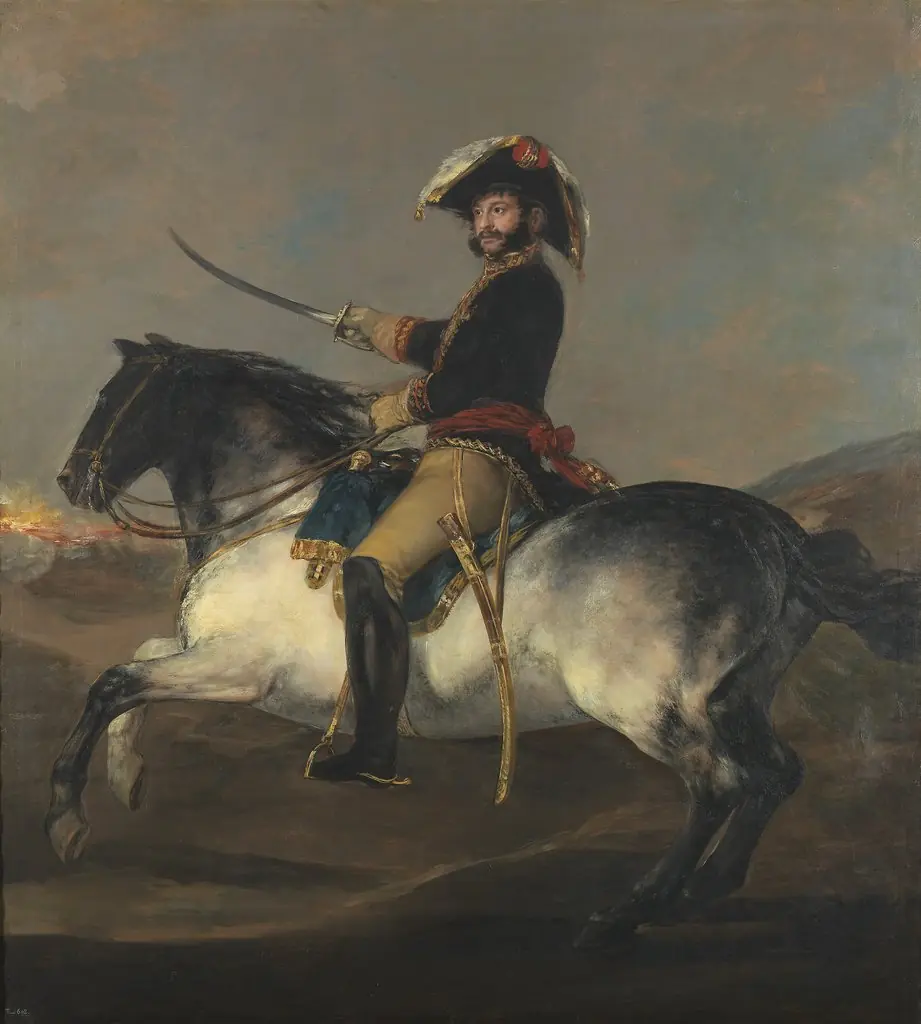 General José de Palafox on Horseback
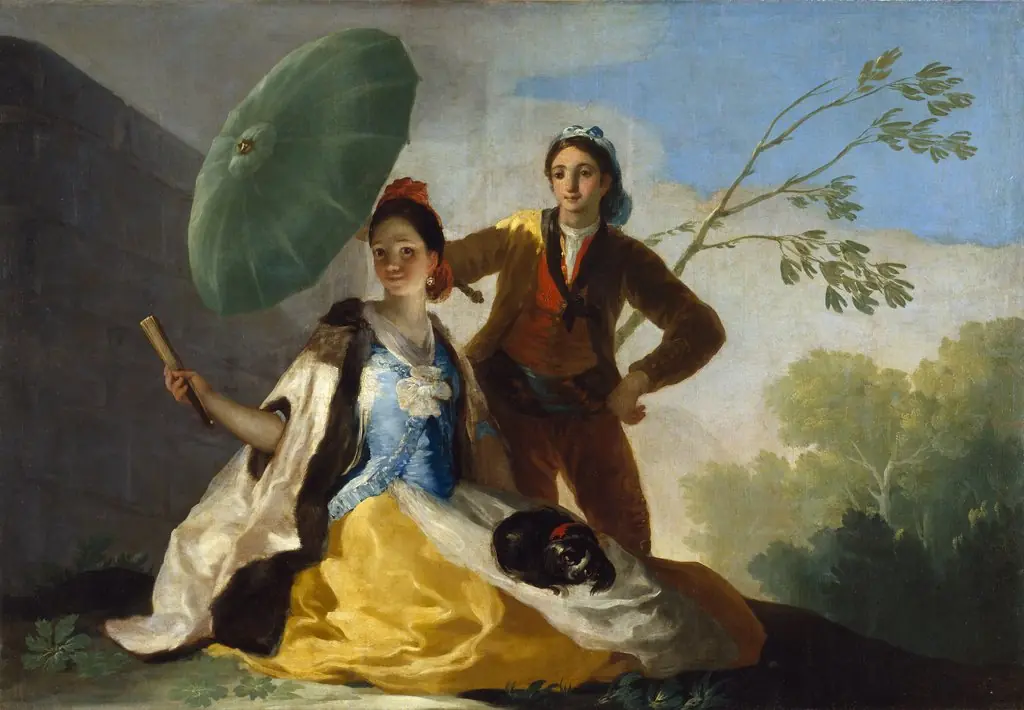 The Parasol
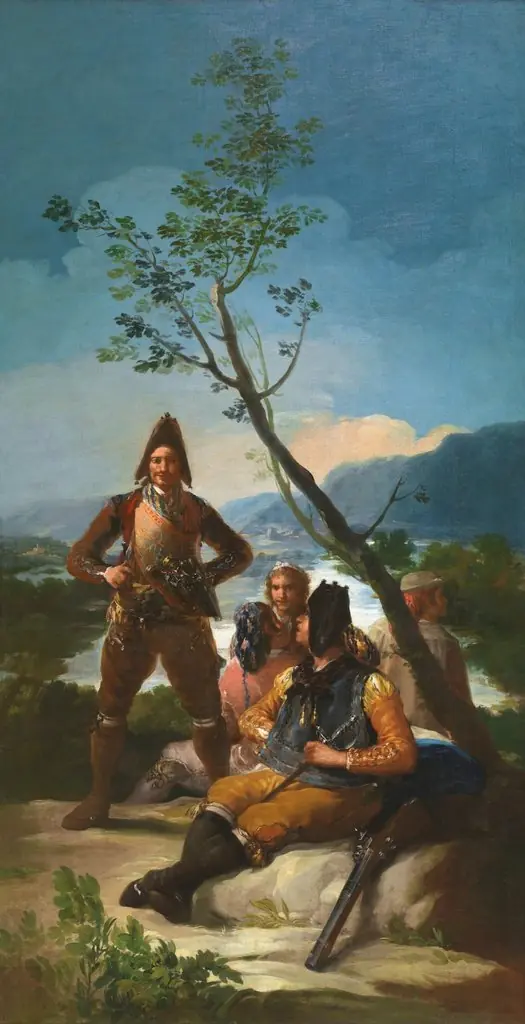 the tobacco guards
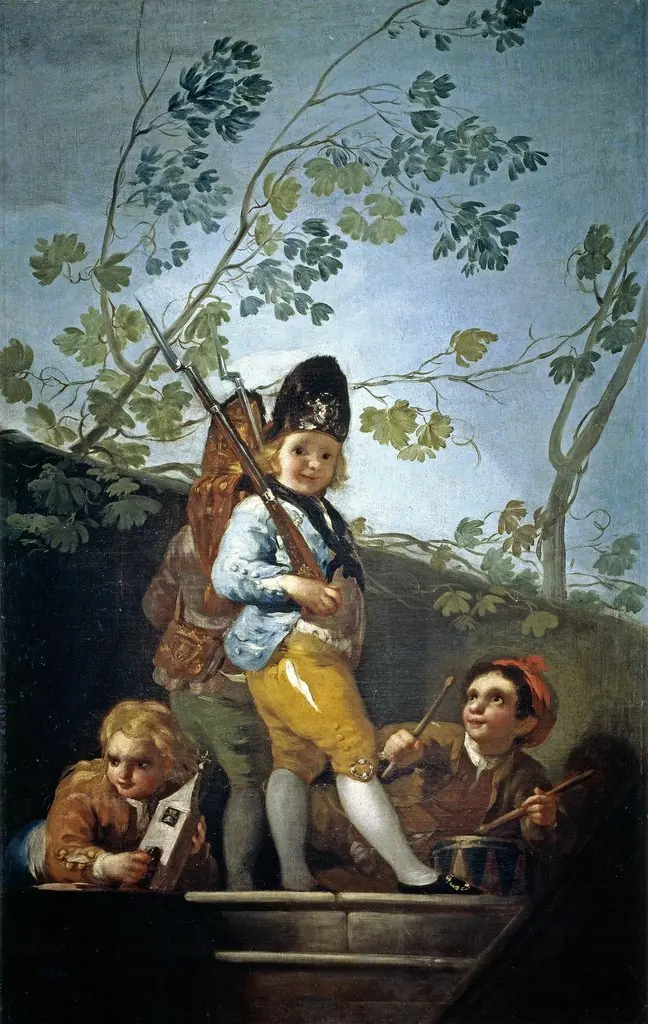 Boys playing soldiers
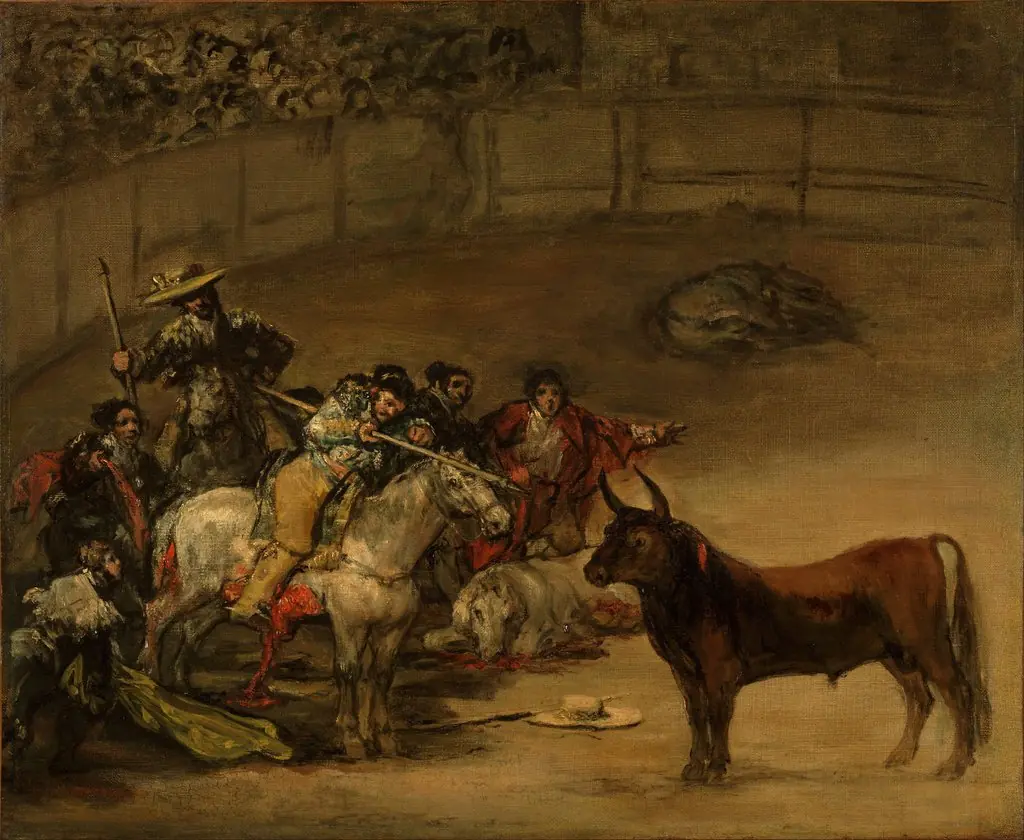 Bullfight, Suerte de Varas
 Equestrian Portrait of Prince Balthasar Charles
 The Steer