Artwork
Portrait of José María Álvarez de Toledo, 15th Duke of Medina Sidonia (1756-1796)
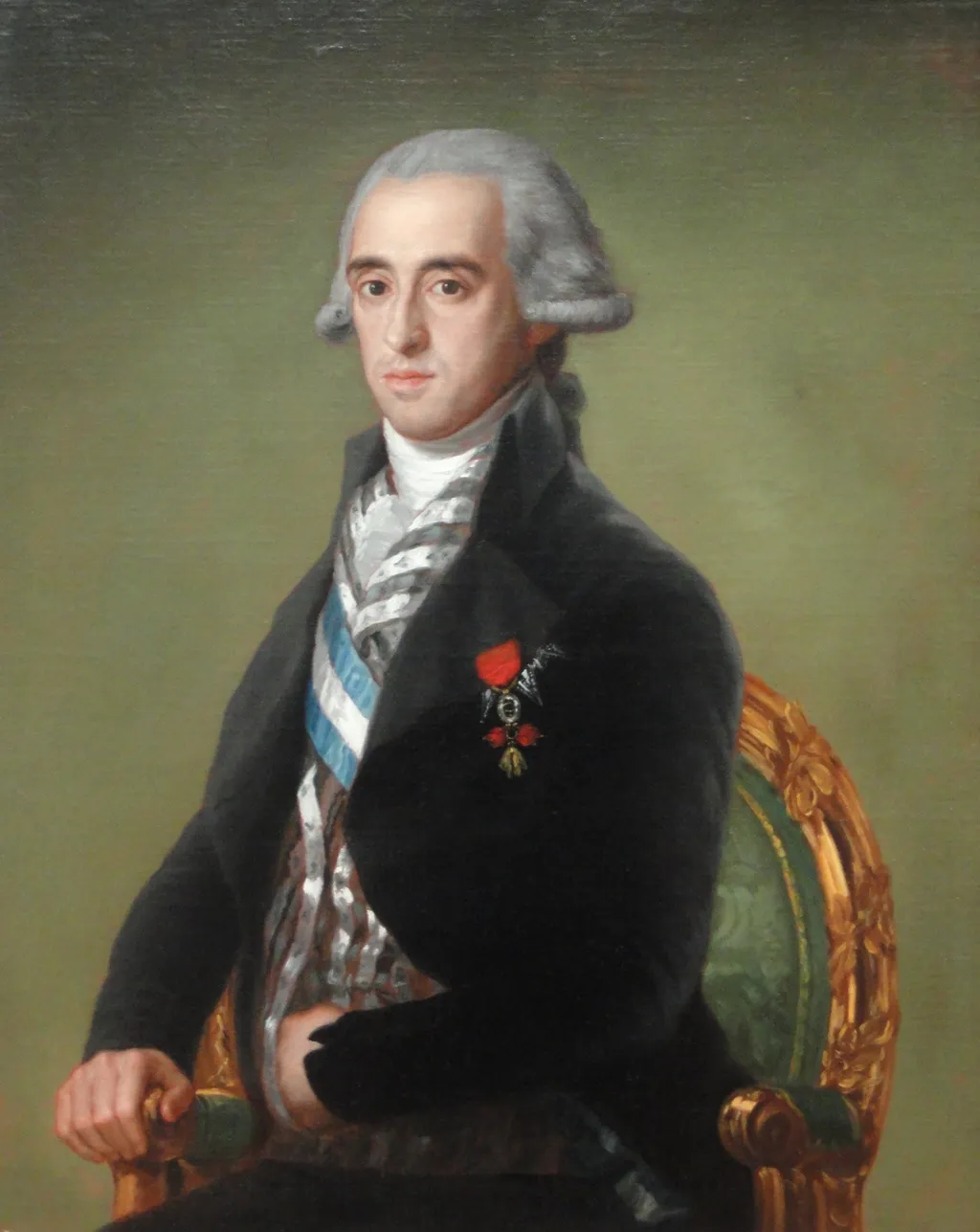
Portrait of José María Álvarez de Toledo, 15th Duke of Medina Sidonia (1756-1796) is an oil painting by the Rococo painting artist Francisco Goya. It dates from 1798 and is held in the collection of the Art Institute of Chicago.
About this work
Overview
Francisco Goya completed this oil portrait in 1798, depicting José María Álvarez de Toledo, the 15th Duke of Medina Sidonia, who died two years earlier.
Francisco Goya completed this oil portrait in 1798, depicting José María Álvarez de Toledo, the 15th Duke of Medina Sidonia, who died two years earlier. The painting captures the duke in formal attire, seated with composed dignity. Though Goya is often associated with later, more critical works, this portrait reflects his engagement with aristocratic commissions during his tenure as court painter. It resides today in the Art Institute of Chicago.
Subject & Meaning
The subject, a prominent Spanish nobleman and military figure, is rendered with restrained gravitas. His white hair and steady gaze convey age and authority, while the blue sash and red-and-gold medal signify his honors and status. The direct gaze and still posture suggest a man aware of his public role, not seeking to charm but to assert presence. The absence of elaborate setting or symbolic objects focuses attention on his bearing and rank.
Technique & Style
Goya employs a controlled palette of dark tones with subtle highlights to define form and texture. The duke’s white shirt and sash contrast against the muted background, drawing the eye to his face and hands. Brushwork is precise yet fluid, particularly in the rendering of fabric and metal. The chair’s gilded carvings are suggested with minimal strokes, avoiding ornamental excess. The composition is balanced, emphasizing stillness over drama.
History & Provenance
Commissioned shortly after the duke’s death, the portrait likely served as a posthumous tribute or family memorial. It remained within the Toledo family’s possession until entering the Art Institute of Chicago’s collection in the 20th century. Its journey reflects the shifting ownership of Spanish aristocratic art following political upheavals and the decline of noble patronage in the 19th century.
Context
Painted during the twilight of the Ancien Régime, the portrait aligns with the tradition of aristocratic portraiture in Spain, yet Goya’s psychological depth distinguishes it from earlier Rococo flattery. While the dress and insignia follow established codes of nobility, the unadorned realism and emotional reserve anticipate the more critical tone of his later works, marking a transition in Spanish painting.
Legacy
This portrait stands as a quiet testament to Goya’s ability to convey social hierarchy through restraint rather than spectacle. It illustrates his evolving approach to representation—neither idealized nor satirical, but observant and precise. As one of his few formal aristocratic portraits from this period, it remains a key reference for understanding his relationship with Spain’s elite before his more radical turn.
Own this work as a print
Artist & collection
Artist
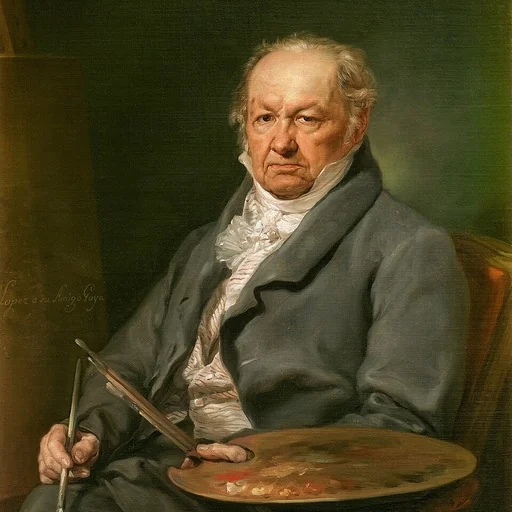
Francisco José de Goya y Lucientes (; Spanish: ; 30 March 1746 – 16 April 1828) was a Spanish romantic painter and printmaker.

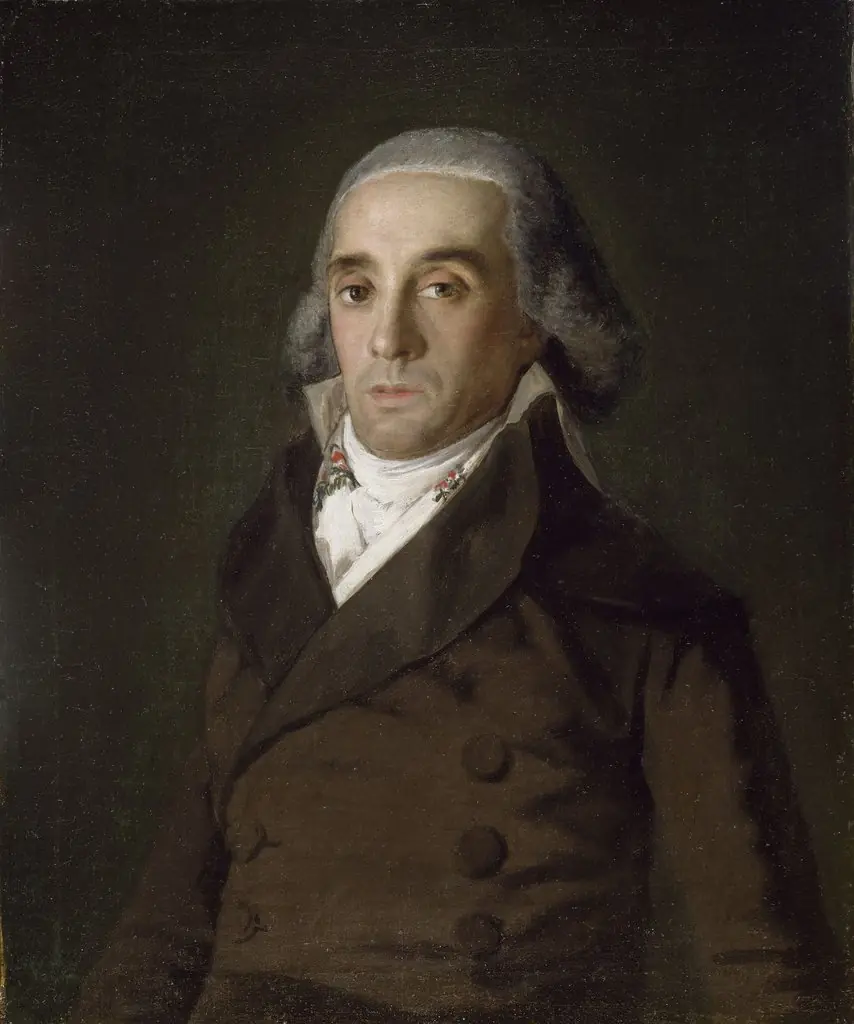 The Count of the Tagus
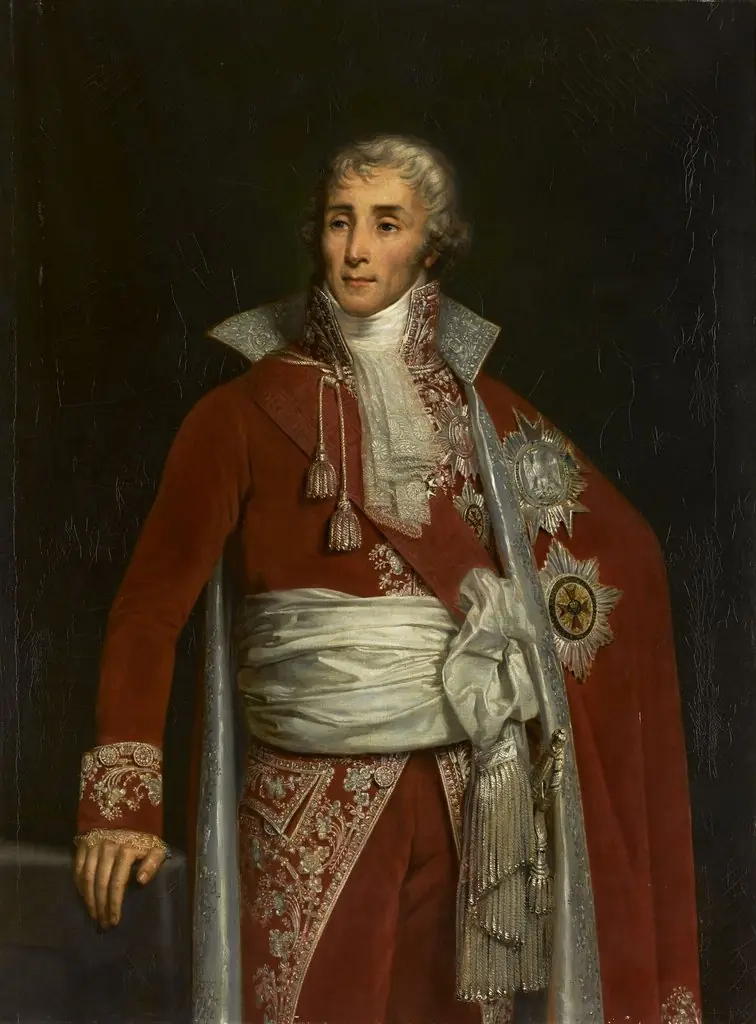 Joseph Fouché, Duke of Otranto
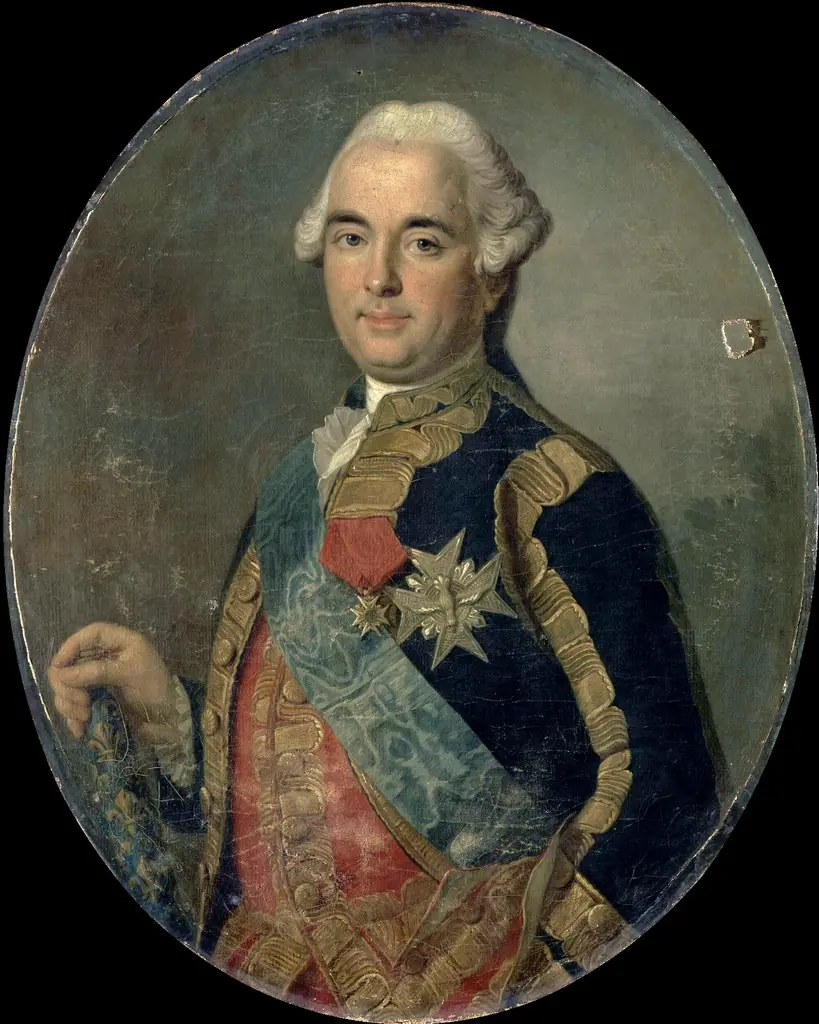 Portrait of Victor-François, 2nd duc de Broglie
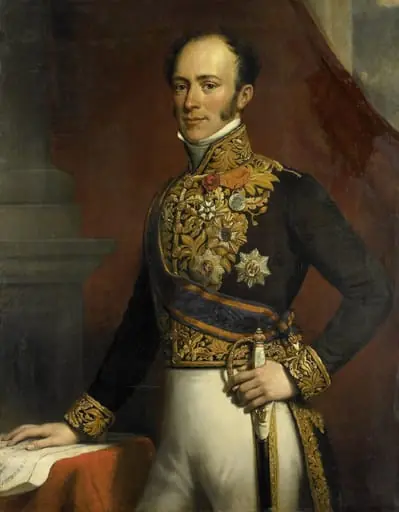 Portrait of Jan Jacob Rochussen, Governor-General of the Dutch East Indies
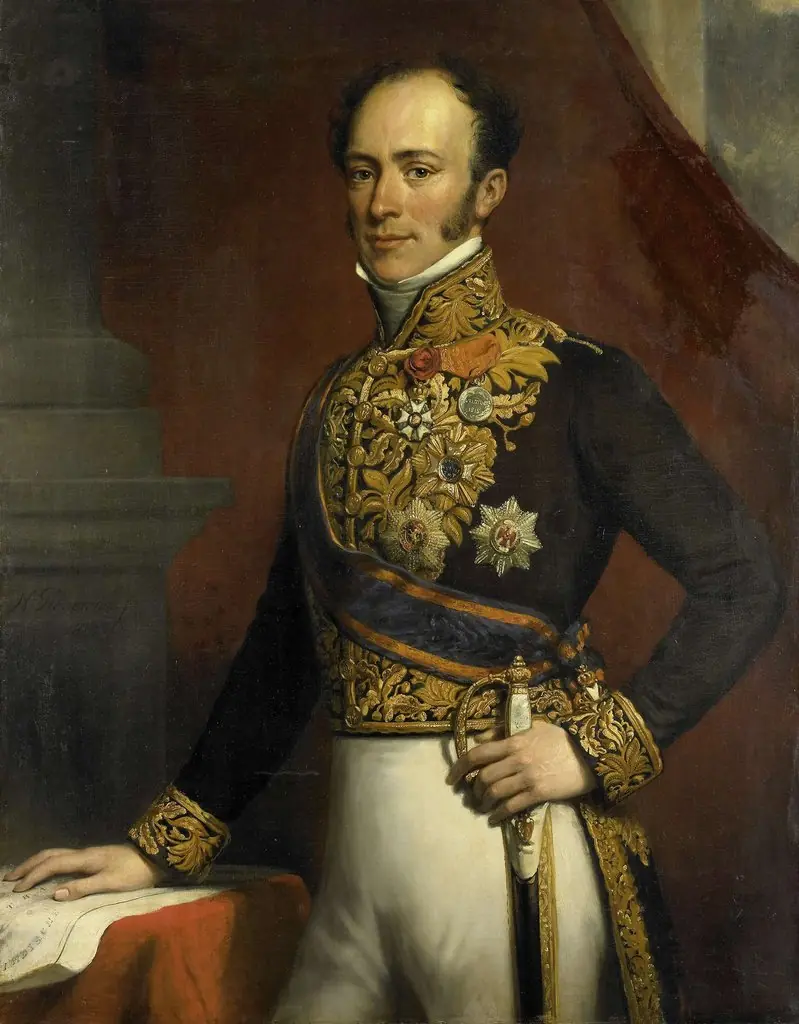 Portrait of Jan Jacob Rochussen, Governor-General of the Dutch East Indies
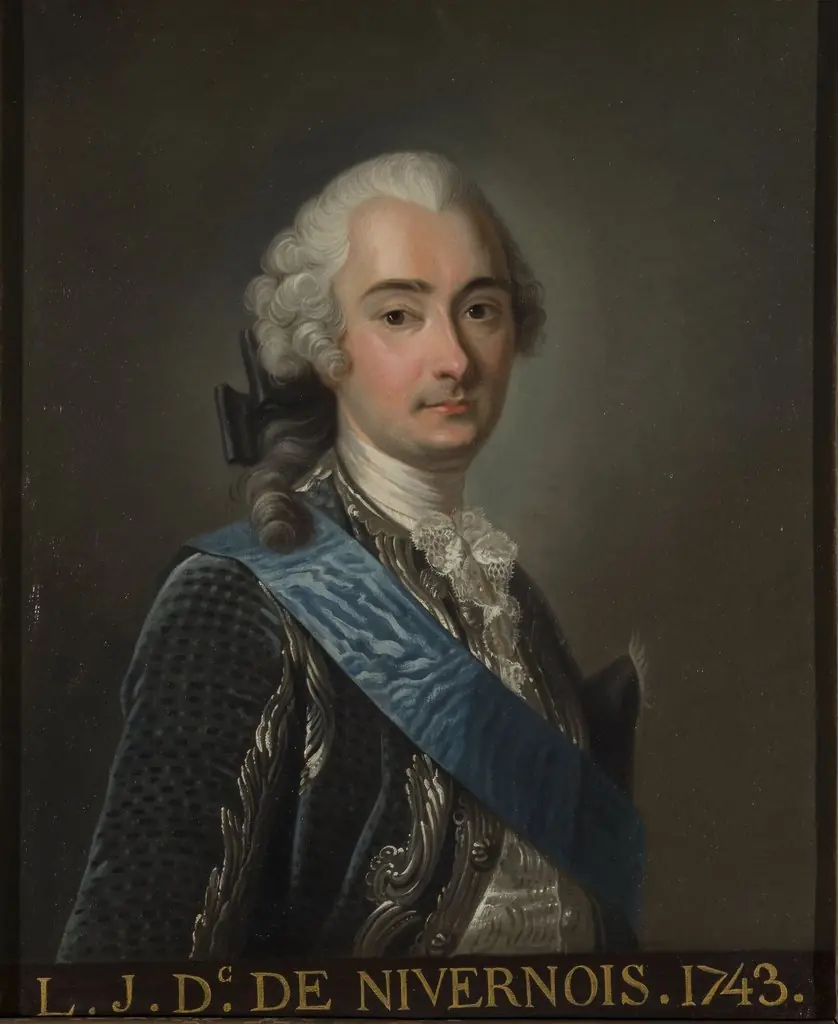 Louis-Jules-Barbon Mancini-Mazarin, Duke of Nivernais (1716-1798)
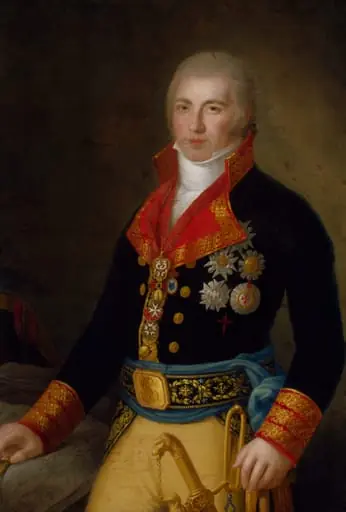 Manuel Godoy
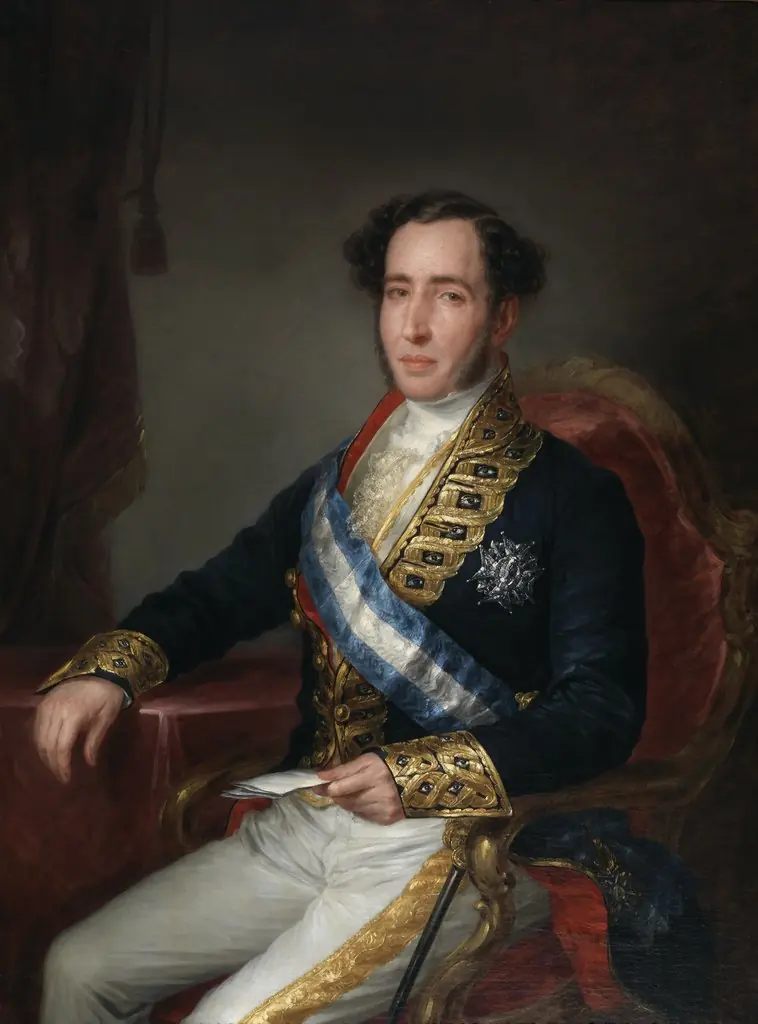 Manuel de Seijas Lozano ministro de Comercio Instrucción y Obras Públicas
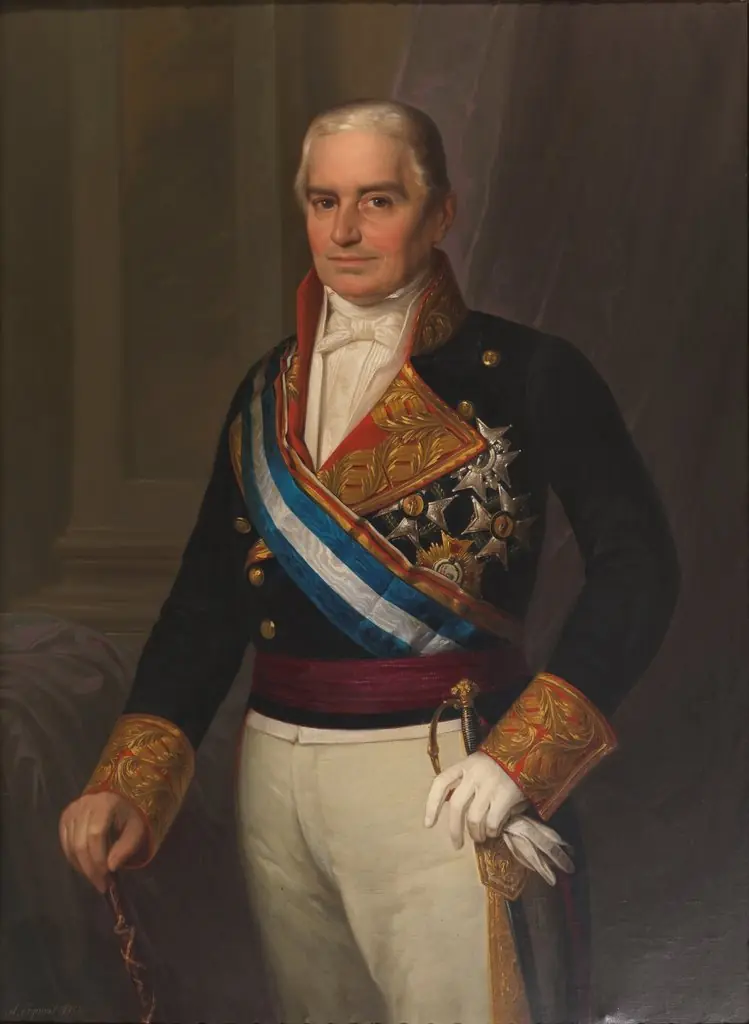 Miguel de la Torre y Pando conde de Torre Pando
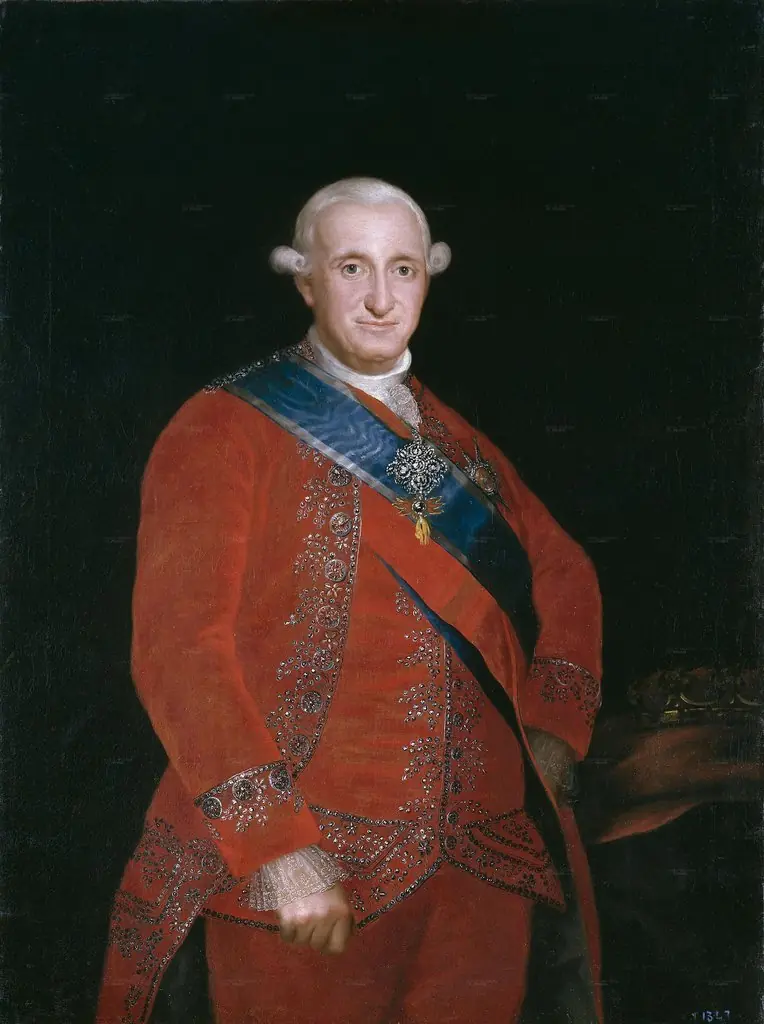 Charles IV, King of Spain
 Josef de Jaudenes y Nebot
 Portrait of José Antonio Marqués de Caballero