Artwork
Portrait of Victor-François, 2nd duc de Broglie
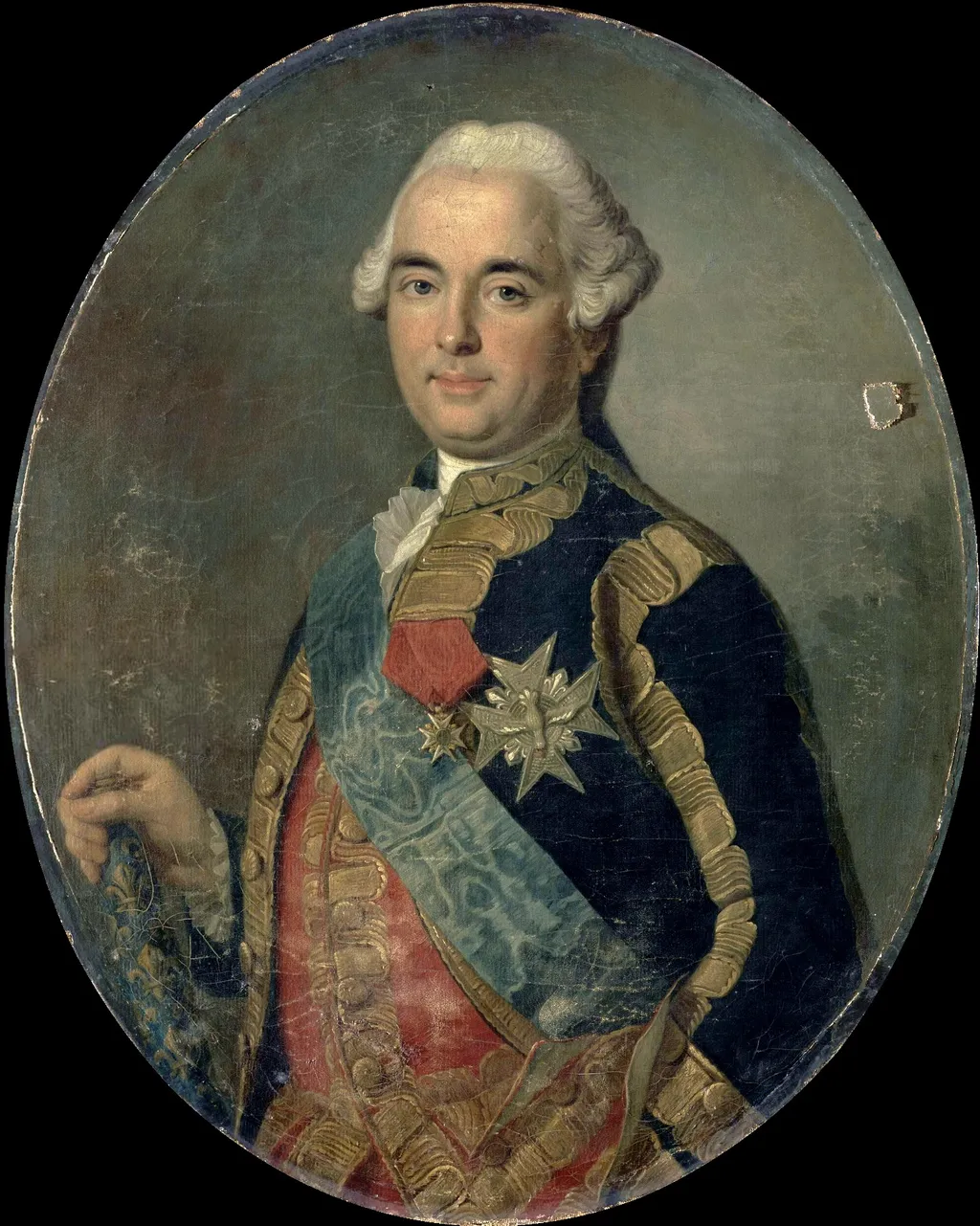
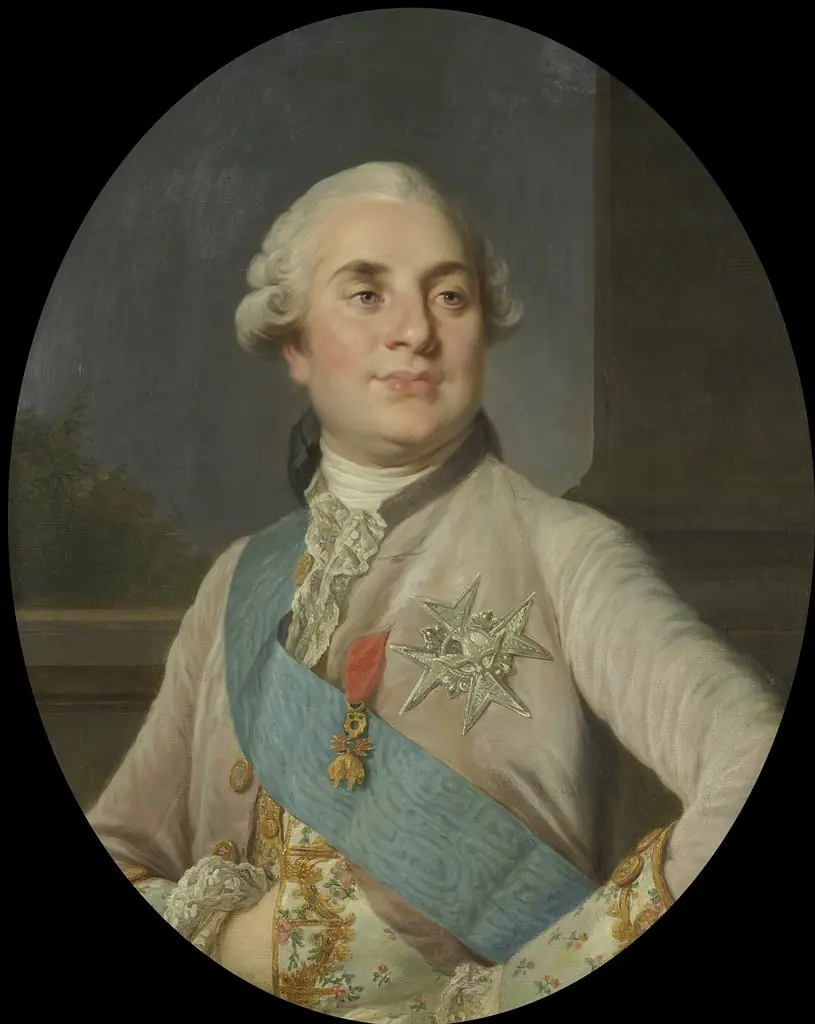
Portrait of Victor-François, 2nd duc de Broglie is an oil painting by the Neoclassicist artist Unknown. It dates from 1800 and is held in the collection of the Museum of the History of France. This oil painting depicts Victor-François, 2nd duc de Broglie, a French nobleman and military commander.
About this work
Overview
Rendered in the formal conventions of 18th-century portraiture, the work emphasizes status through precise detailing of attire and accessories.
This oil painting depicts Victor-François, 2nd duc de Broglie, a French nobleman and military commander. Rendered in the formal conventions of 18th-century portraiture, the work emphasizes status through precise detailing of attire and accessories. The subject is shown in three-quarter view, facing slightly to the viewer’s left, with a composed demeanor that reflects his position in aristocratic and military circles.
Subject & Meaning
The portrait conveys authority through symbolic elements: the red vest, gold-trimmed dark blue coat, and sash signify high rank, likely tied to royal favor or military distinction. The medal suspended from the sash further denotes honors received, possibly for service in the Seven Years’ War. His hand resting on his coat suggests restraint and dignity, aligning with Enlightenment ideals of noble composure.
Technique & Style
The painting employs smooth brushwork and subtle tonal transitions typical of French academic portraiture. Light falls evenly across the figure, highlighting textures of silk, metal, and lace without theatrical contrast. Background is muted, directing focus to the subject’s attire and facial expression, which is rendered with quiet realism rather than idealization.
History & Provenance
Commissioned during the mid-18th century, the portrait likely originated in the duc’s private collection. It remained within the Broglie family for generations before entering a public collection. Documentation links it to the period of his military service and political influence under Louis XV, though the exact artist and date of completion remain unconfirmed.
Context
As a marshal of France and statesman, Victor-François de Broglie represented the fusion of aristocratic lineage and state service in pre-Revolutionary France. Portraits like this were tools of social affirmation, reinforcing familial prestige and loyalty to the crown. The style echoes contemporary works by painters such as Nattier and Van Loo, reflecting shared conventions among elite patrons.
Legacy
The portrait endures as a record of aristocratic identity in the decades preceding revolutionary upheaval. It illustrates how visual culture sustained hierarchical values through dress, insignia, and posture. Though not widely exhibited, it remains a reference point for studies of French nobility and the visual language of power in the ancien régime.
Artist & collection

 Domestic Scene
 Giacomo and Cardinal Marco, investing Andrea, Abbot of San Zeno, with his Benefice
 The Nymph of Fontainebleau
 Portrait of a Woman
 Madonna and Child with Saints in the Enclosed Garden
 Venus and Minerva
 Family Group of Four on Sofa
 Wall painting from Room H of the Villa of P. Fannius Synistor at Boscoreale
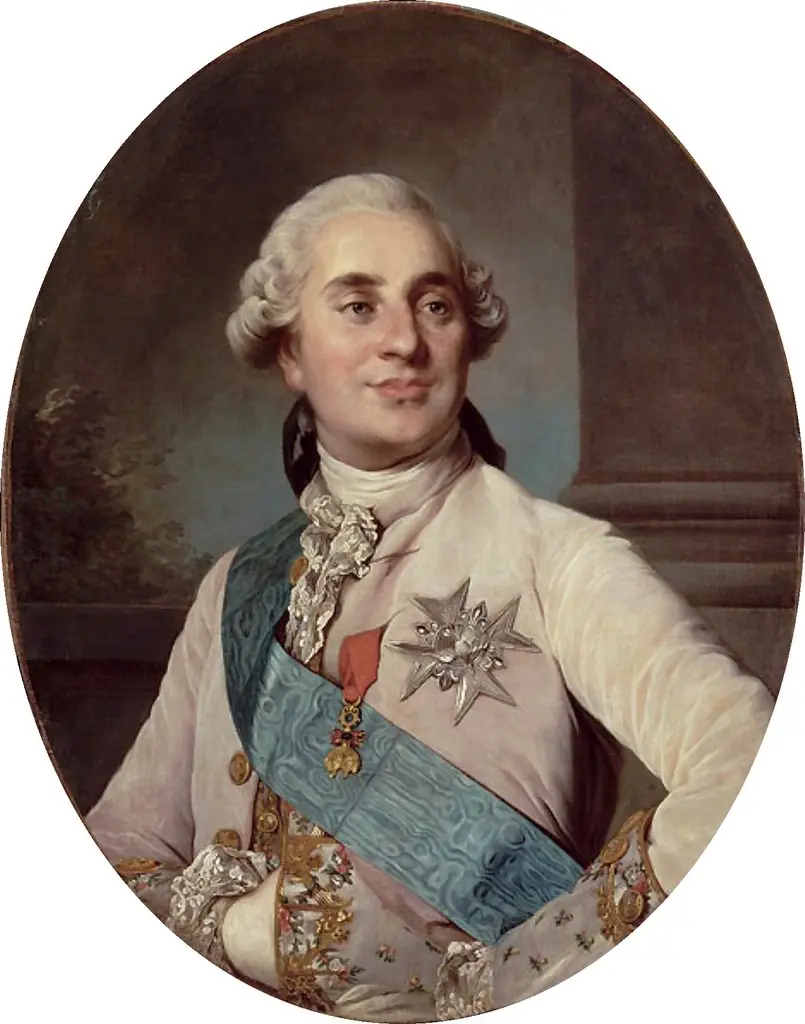 Portrait of Louis XVI, King of France and Navarre (1754-1793)
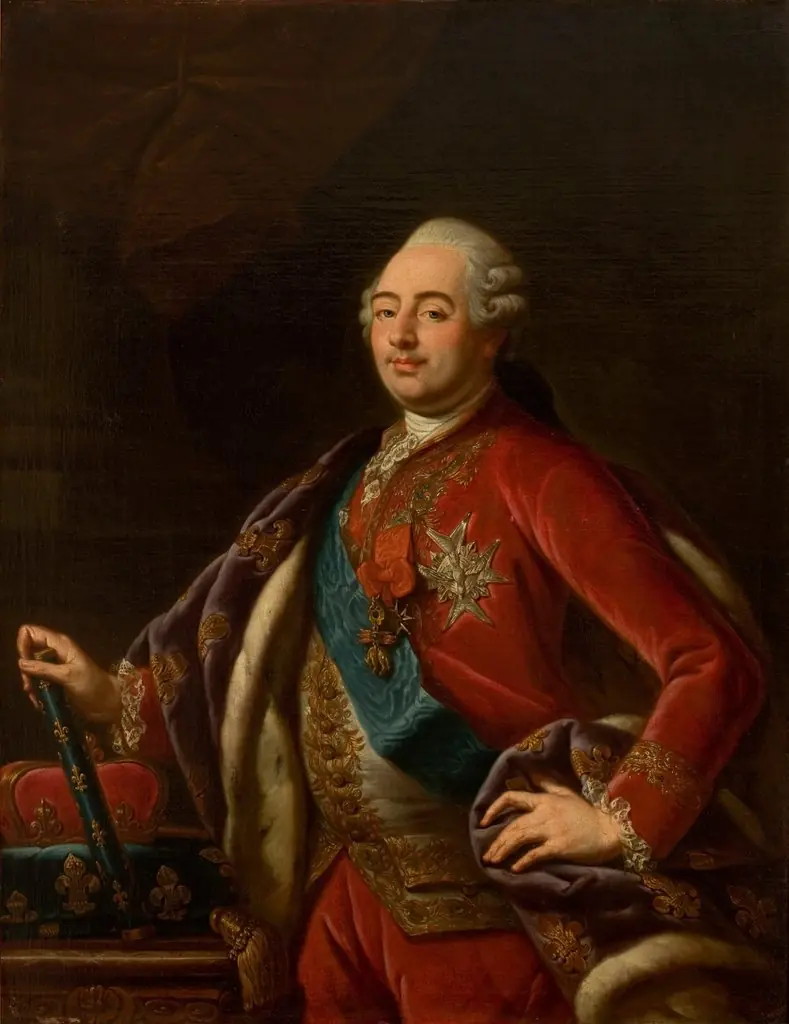 Retrato de Luís XVI
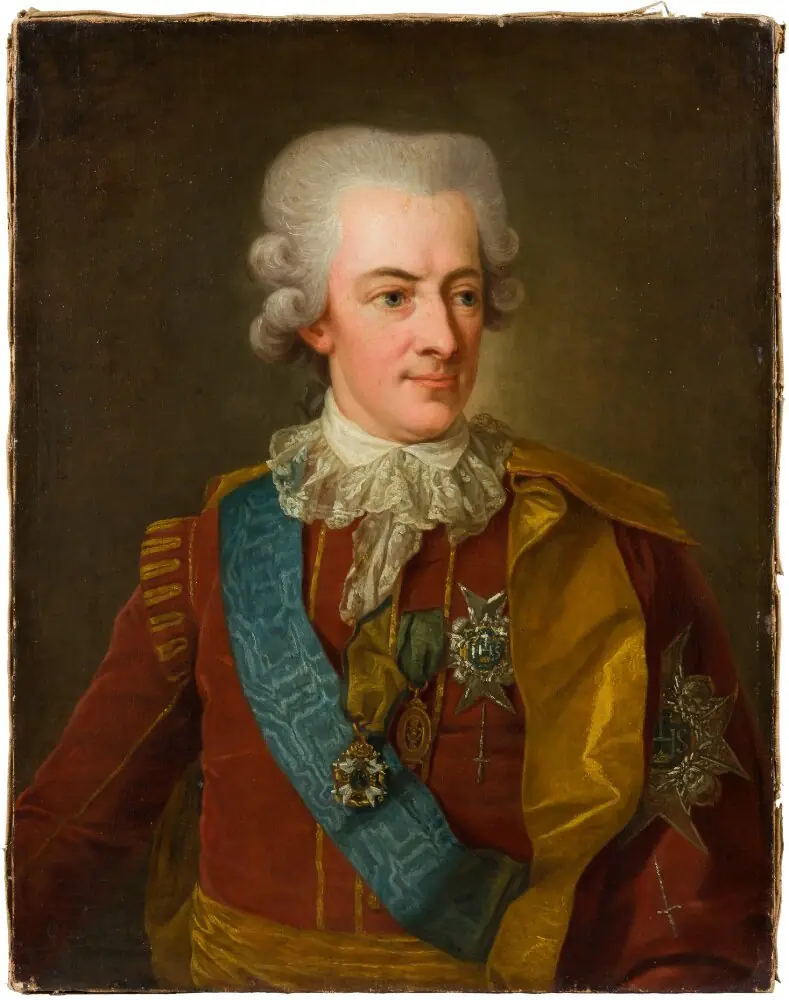 Gustav III (1746–1792), King of Sweden
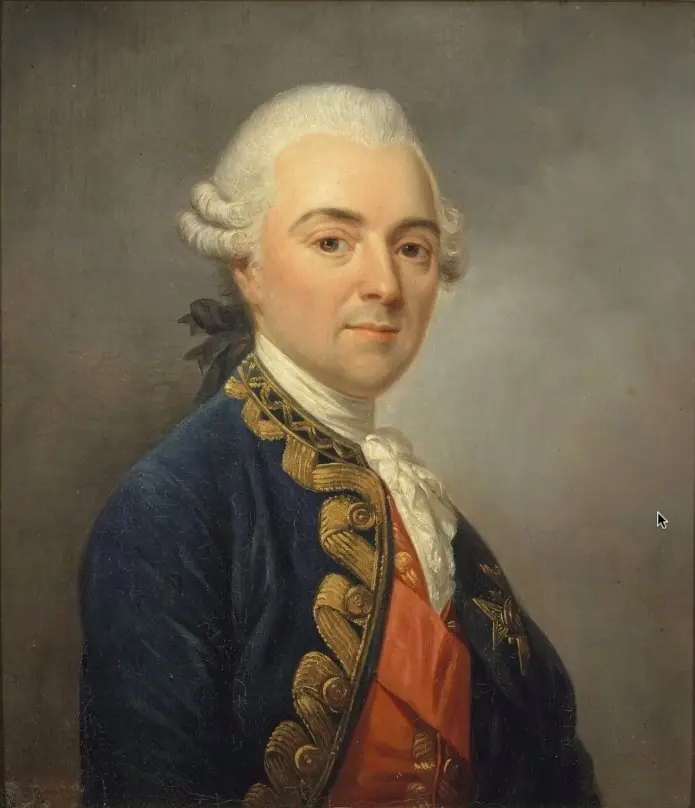 Portrait of Victor-Maurice de Riquet de Caraman (1722-1807)
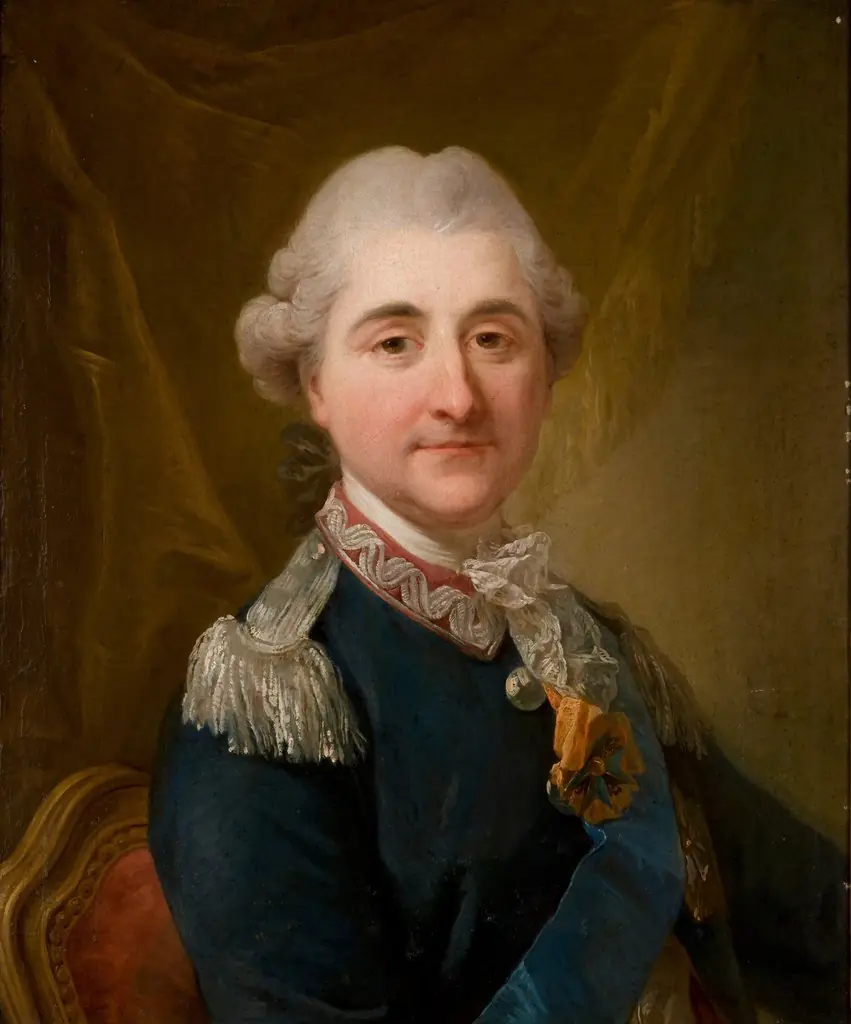 Portrait of King Stanislaus Augustus Poniatowski
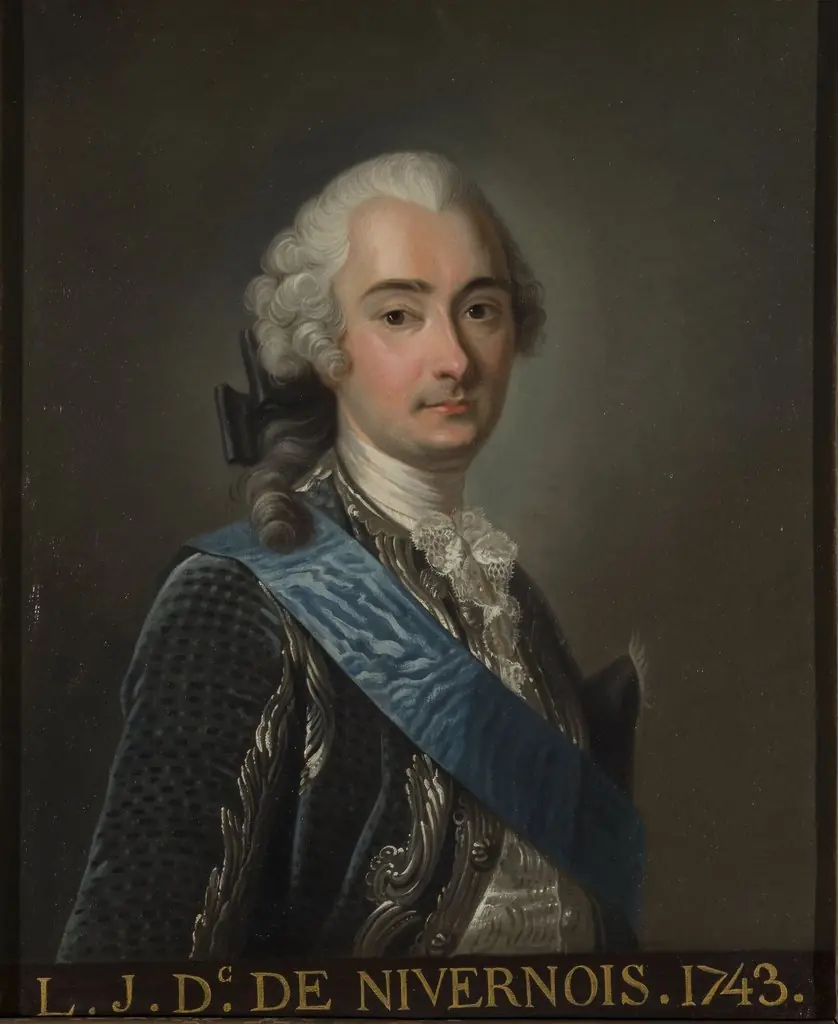 Louis-Jules-Barbon Mancini-Mazarin, Duke of Nivernais (1716-1798)
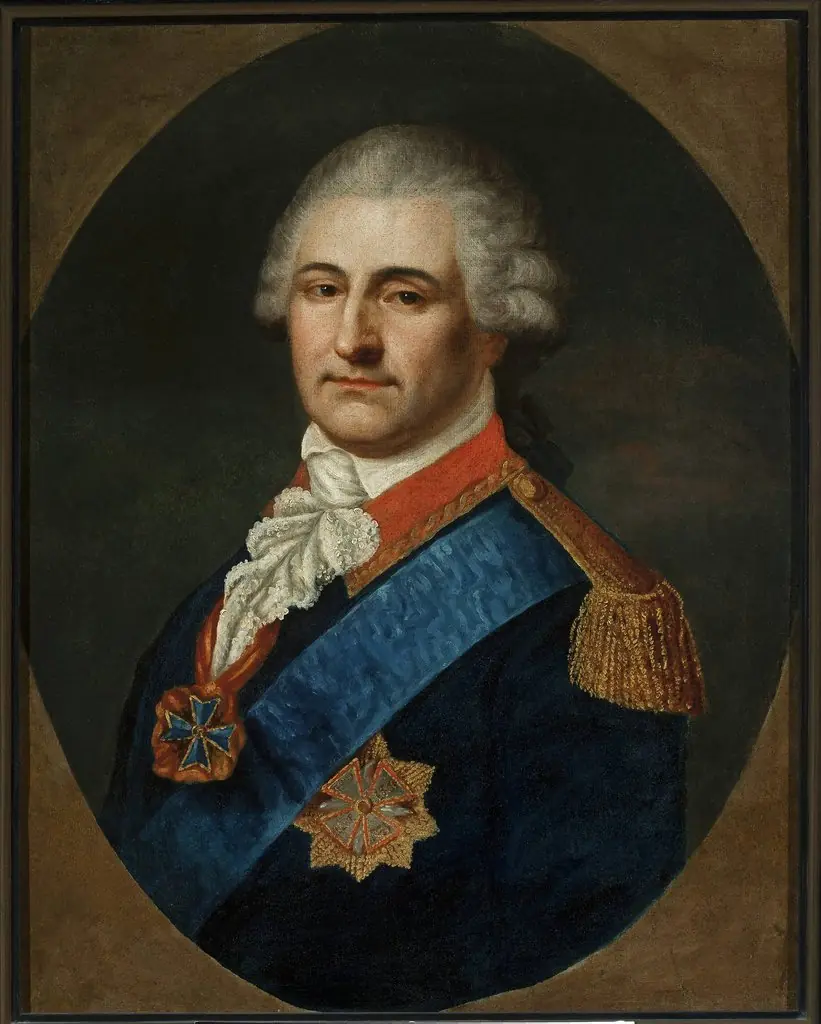 Portrait of Stanisław August Poniatowski in the general’s uniform
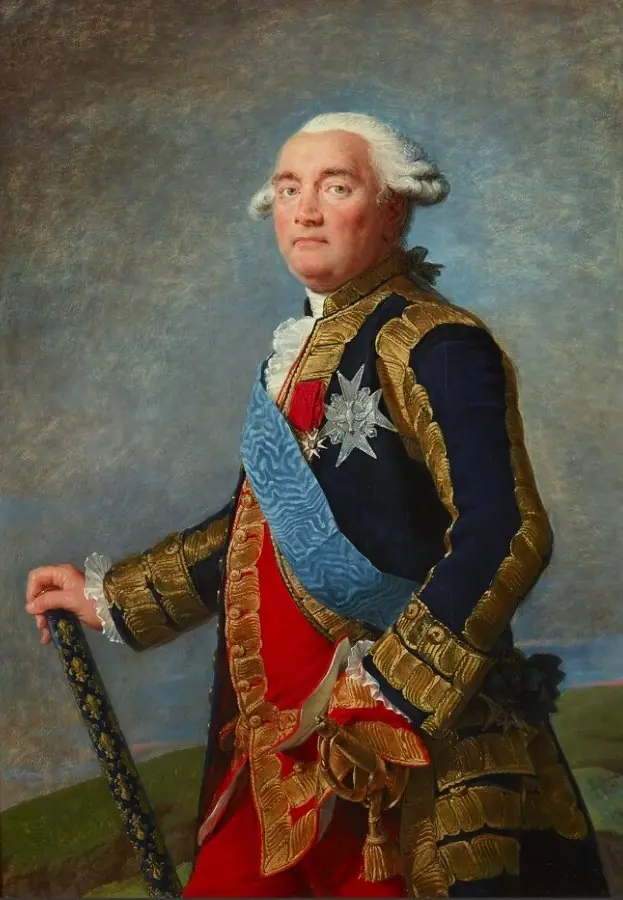 Philippe Henri, marquis de Ségur-Ponchat (1724–1801), französischer Marschall und Kriegsminister
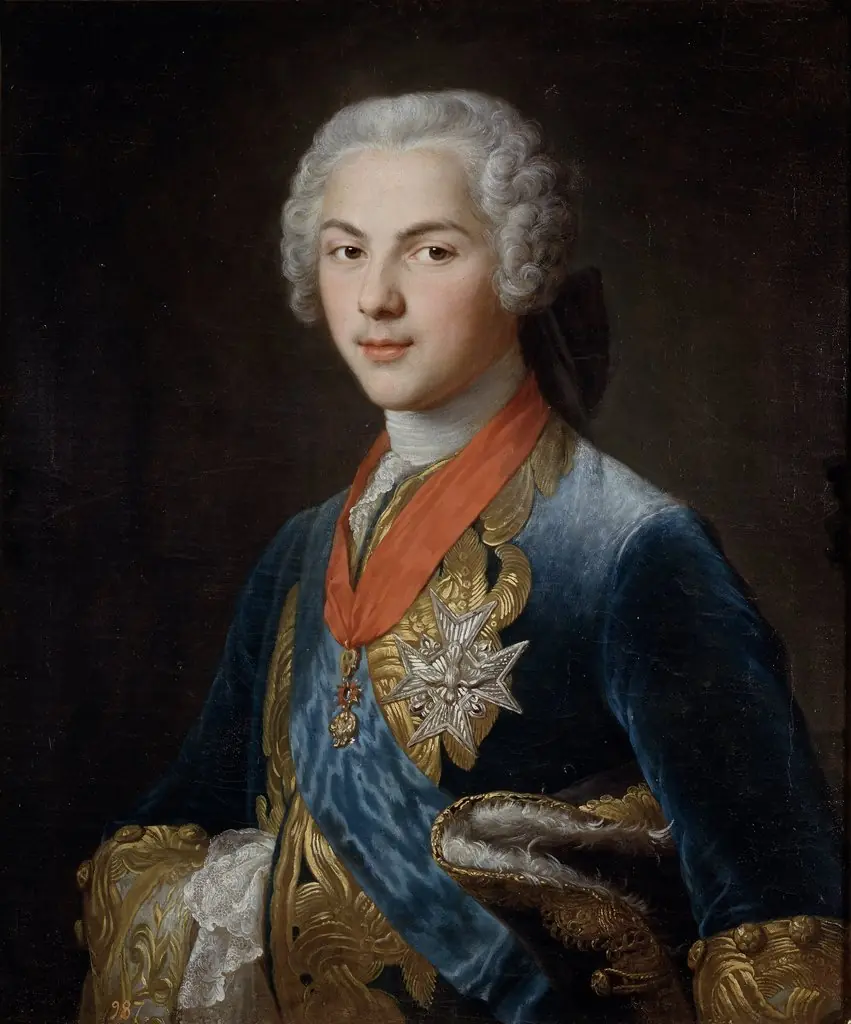 The Dauphin Louis de Bourbon
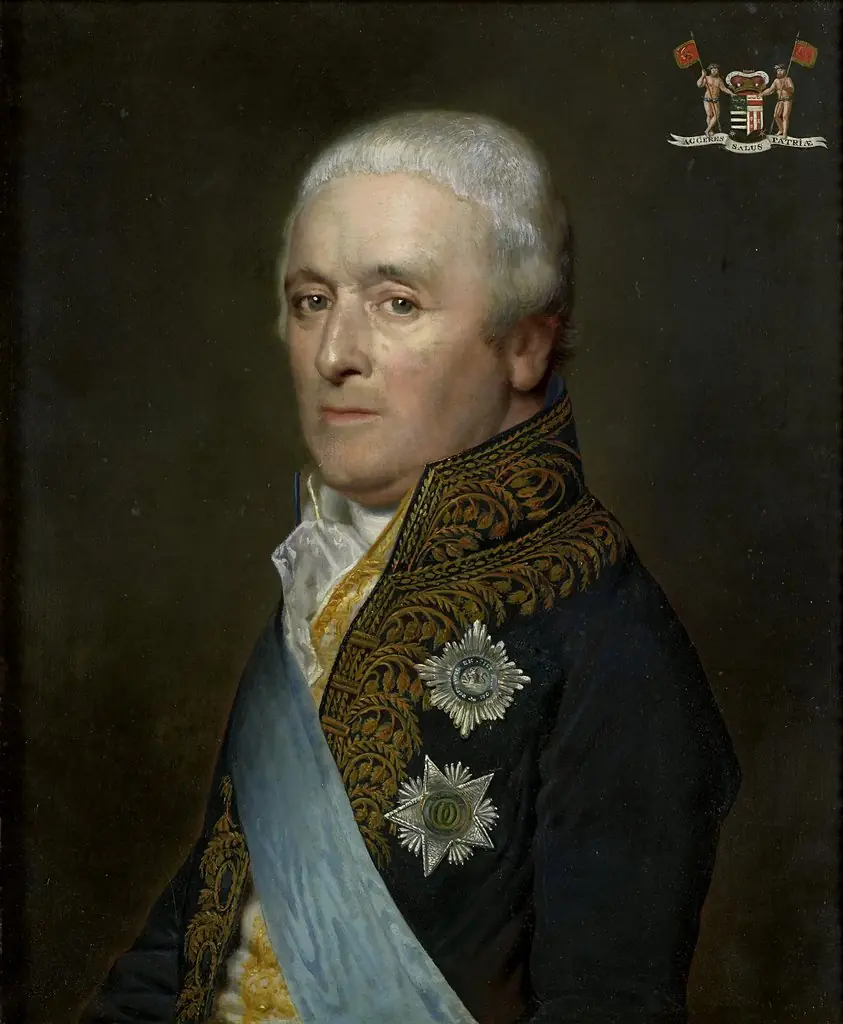 Portrait of Adriaen Pieter Twent, Count of Rosenburg, Minister of Public Works, Minister of the Interior, Chamberlain of King Louis Napoleon
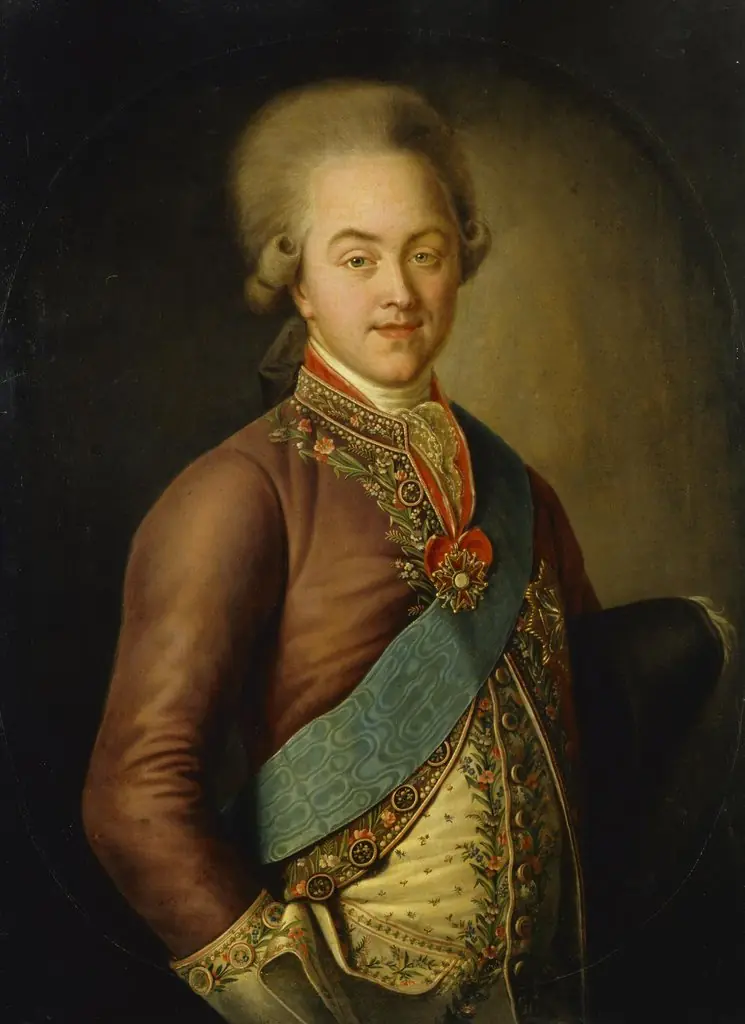 Portrait of Count N.P.Sheremetev
 Portrait of Louis XVI, King of France