Artwork
Portrait of Manuel Quijano
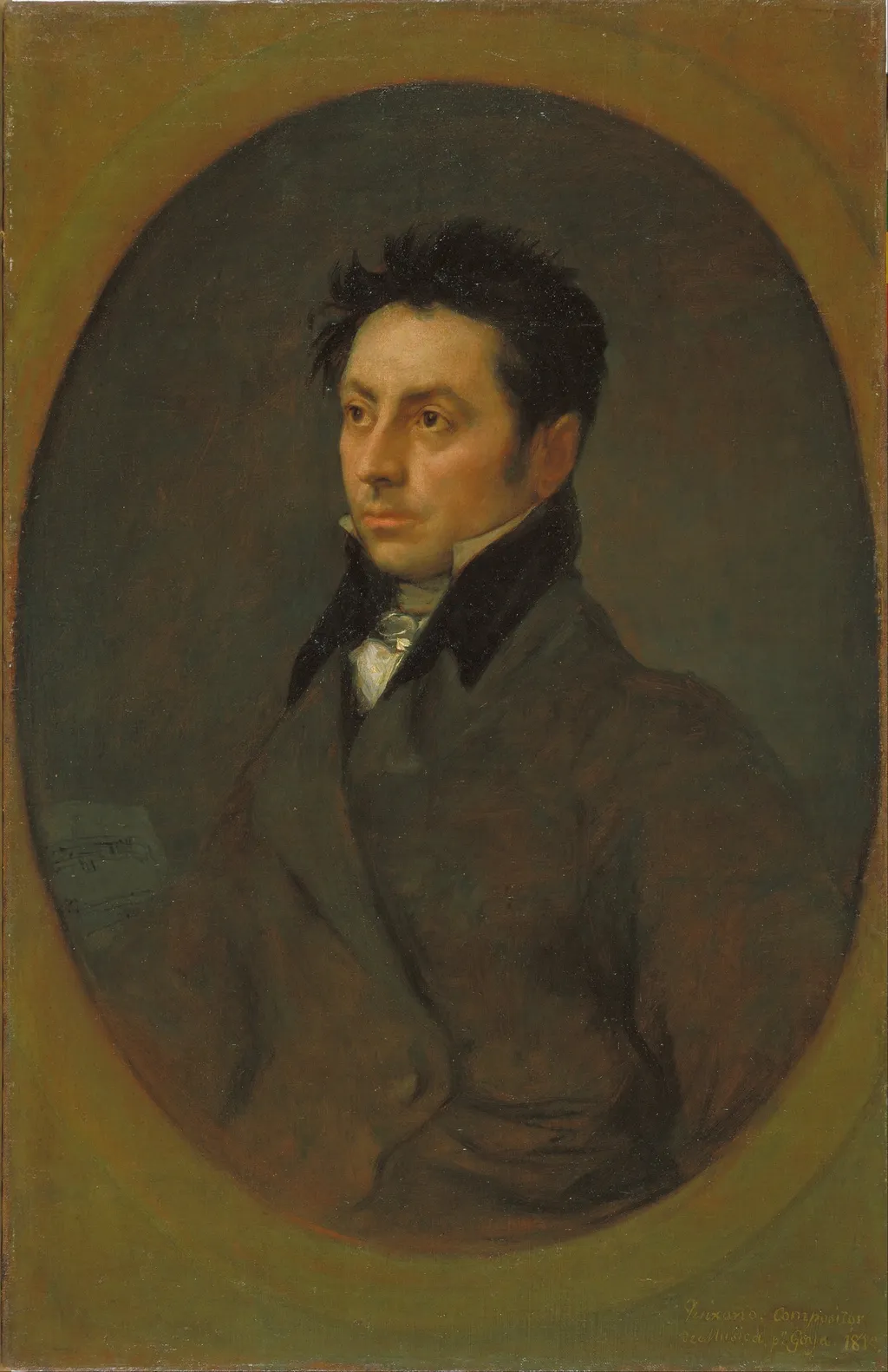
Portrait of Manuel Quijano is an oil painting by Francisco Goya. It dates from 1815 and is held in the collection of the Museu Nacional d'Art de Catalunya.
About this work
Overview
Painted in 1815, this oil portrait by Francisco Goya depicts Manuel Quijano, a Spanish civil servant and member of the Royal Academy of Fine Arts.
Painted in 1815, this oil portrait by Francisco Goya depicts Manuel Quijano, a Spanish civil servant and member of the Royal Academy of Fine Arts. Executed during Goya’s later years, the work reflects his evolving approach to portraiture—less formal than earlier commissions, yet still grounded in psychological presence. It resides in the Museu Nacional d'Art de Catalunya, part of a broader collection of his late-period works.
Subject & Meaning
Manuel Quijano, a respected figure in Madrid’s intellectual circles, is portrayed without embellishment or symbolic props. His direct gaze and restrained posture suggest quiet authority rather than grandeur. Goya captures not a public persona but a private individual, emphasizing introspection over status. The absence of ornate surroundings shifts focus to the sitter’s character, aligning with Goya’s growing interest in psychological realism.
Technique & Style
Goya employs a muted palette of gray-browns and deep blacks, with subtle contrasts to define the white collar and facial contours. Brushwork is precise yet fluid, particularly in the rendering of fabric and skin texture. The background is deliberately neutral, allowing the figure to emerge with quiet intensity. Light falls naturally across the face, enhancing volume without theatricality, a hallmark of Goya’s mature style.
History & Provenance
The painting remained in private Spanish collections after its completion, likely within Quijano’s family or associates. It entered the Museu Nacional d'Art de Catalunya’s holdings in the 20th century, following the consolidation of regional art collections. Its attribution to Goya has been consistently supported by stylistic analysis and archival records, though it was never among his most widely exhibited works.
Context
Created during Ferdinand VII’s restoration of absolutism, the portrait reflects a period of political repression in Spain. Despite the climate of censorship, Goya continued to paint individuals with unvarnished honesty. Quijano, as an academic official, operated within this constrained environment, and the portrait’s understated dignity may reflect the cautious self-presentation required of intellectuals under restored monarchy.
Legacy
This portrait exemplifies Goya’s shift from courtly representation to intimate psychological study. It influenced later realist painters who prioritized character over idealization. Though less famous than his darker works, it stands as a quiet testament to his ability to convey inner life through minimal means, reinforcing his role in transitioning European portraiture toward modern sensibilities.
Artist & collection
Artist
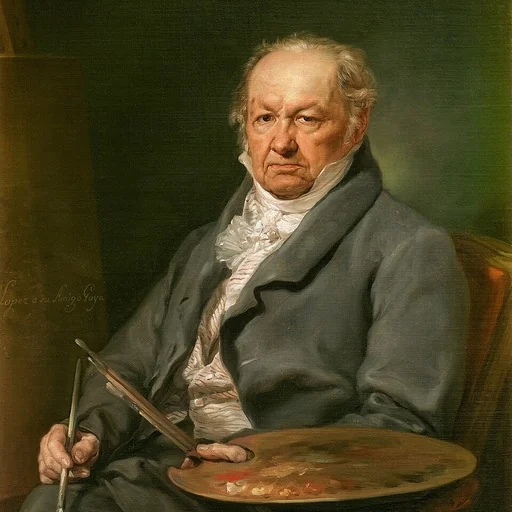
Francisco José de Goya y Lucientes (; Spanish: ; 30 March 1746 – 16 April 1828) was a Spanish romantic painter and printmaker.

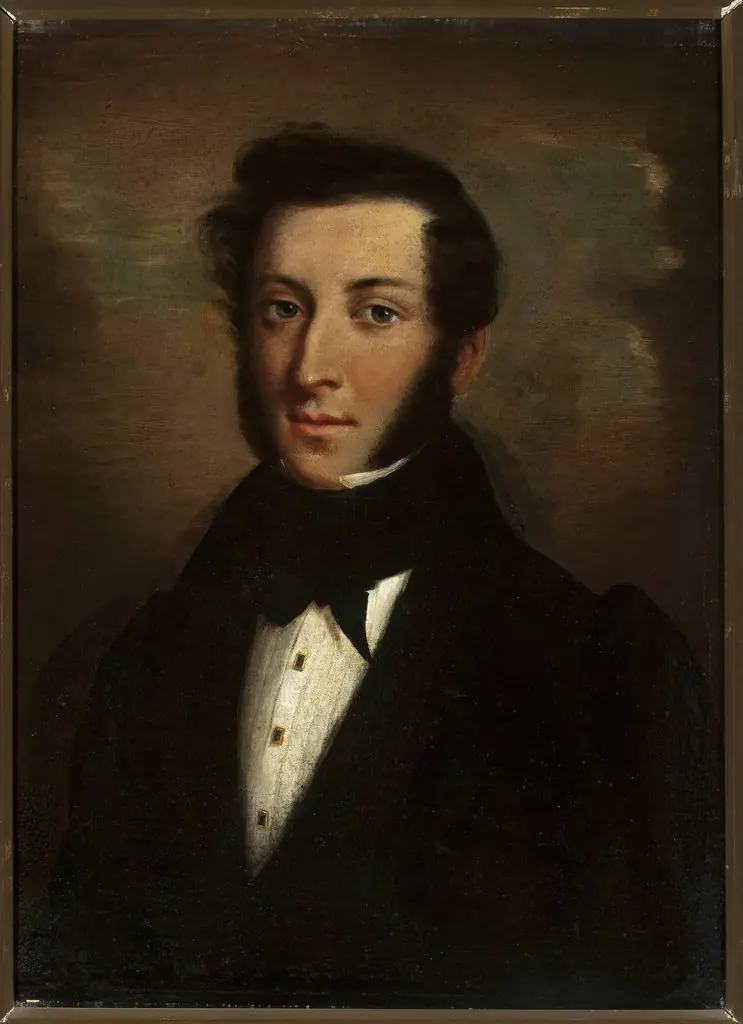 Portrait of Józef Węgleński
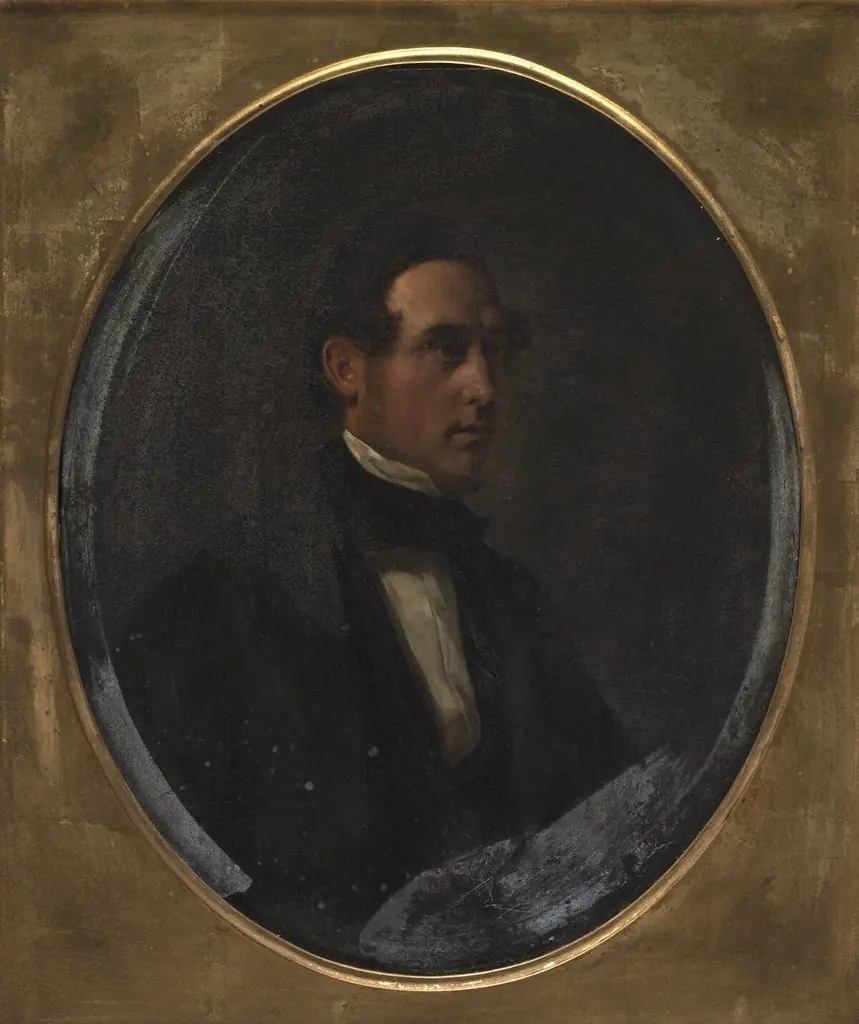 Portrait of a gentleman, aged 34
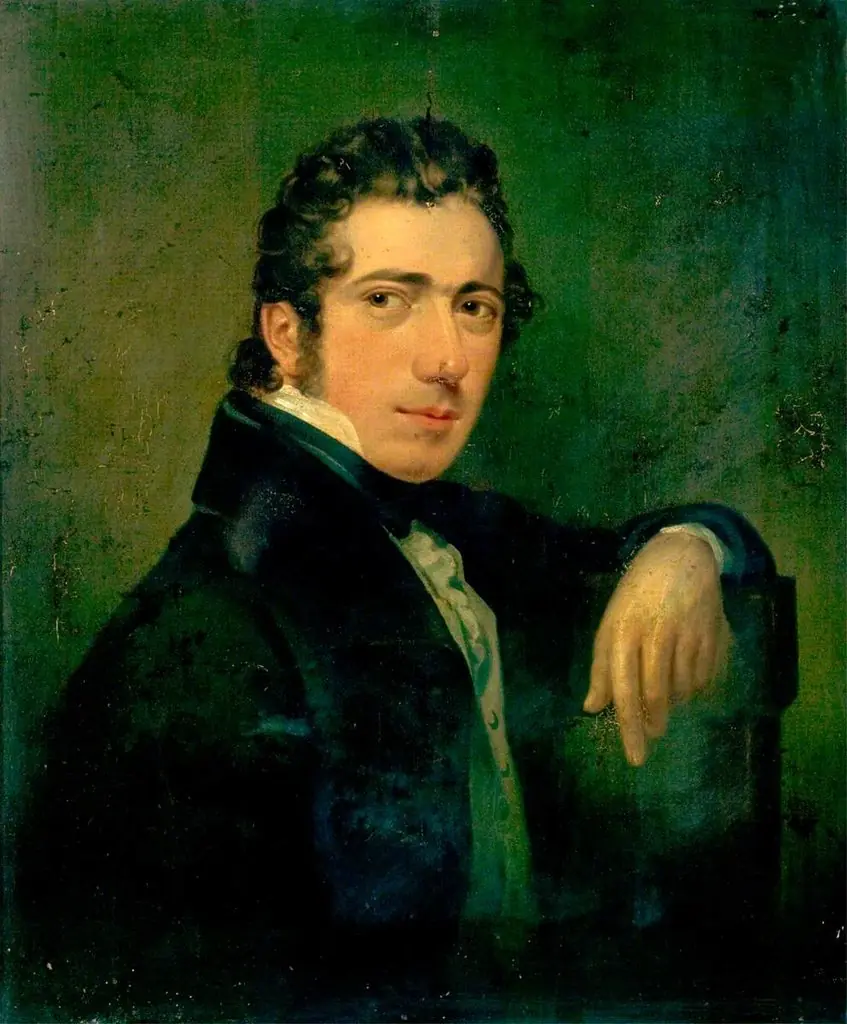 Self Portrait
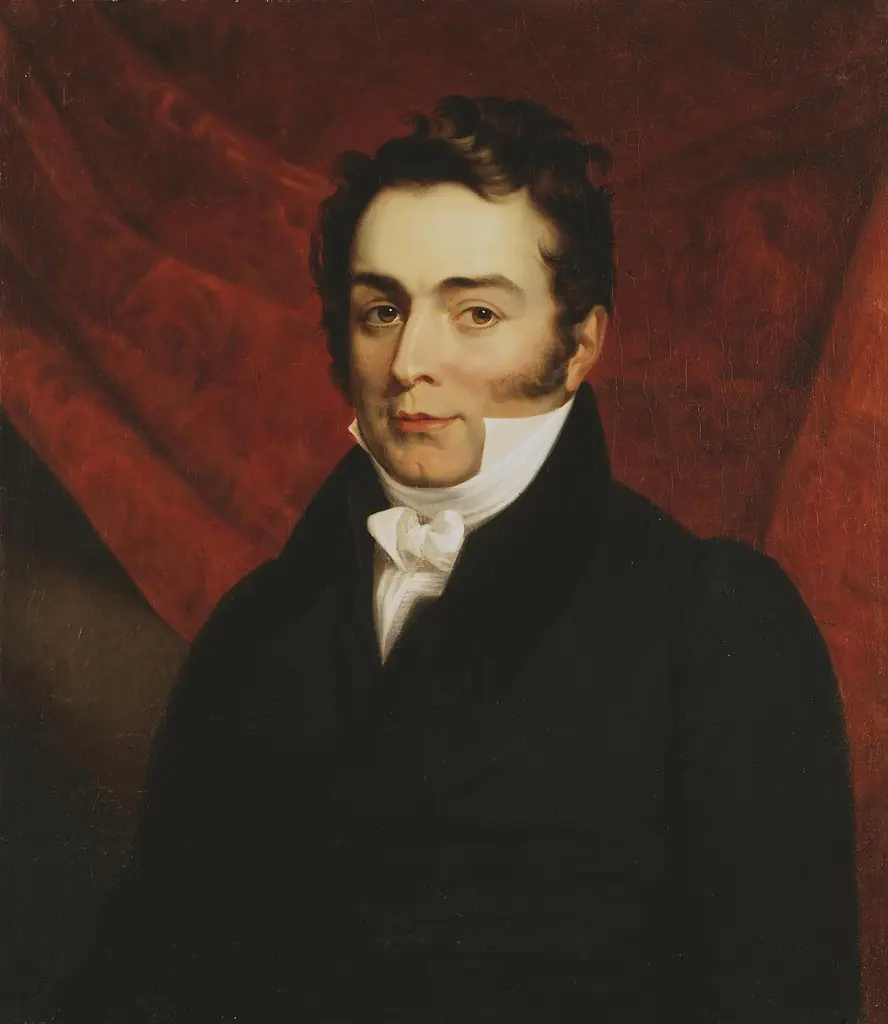 "Portrait of Alexander Ribopierre"(copy)
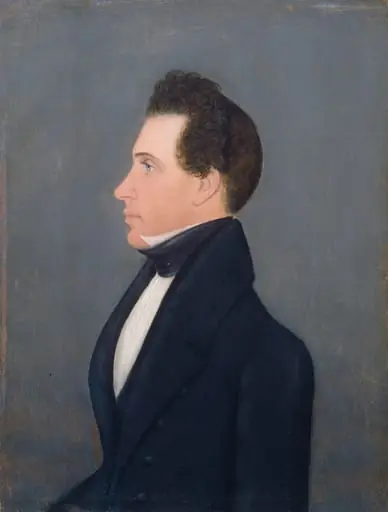
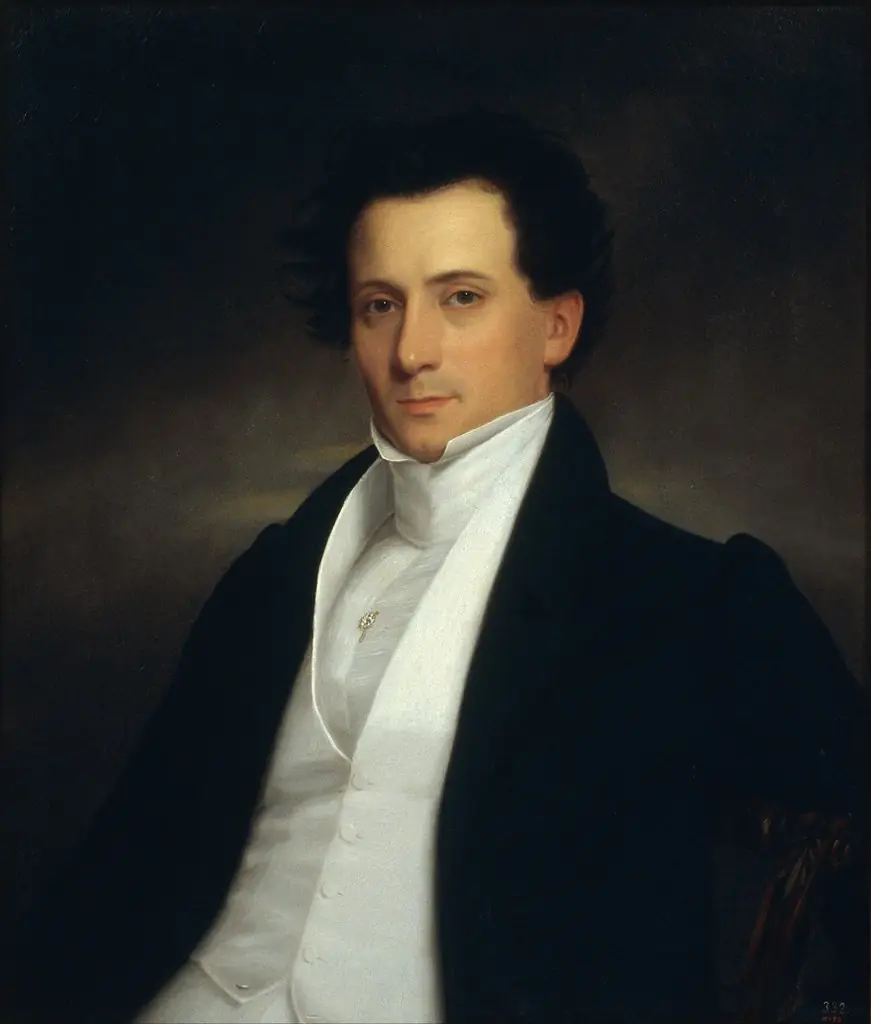 Portrait of a Gentleman
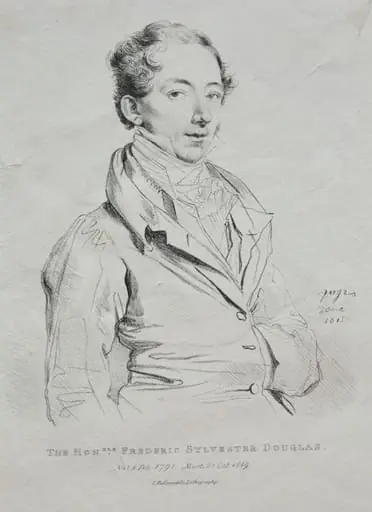
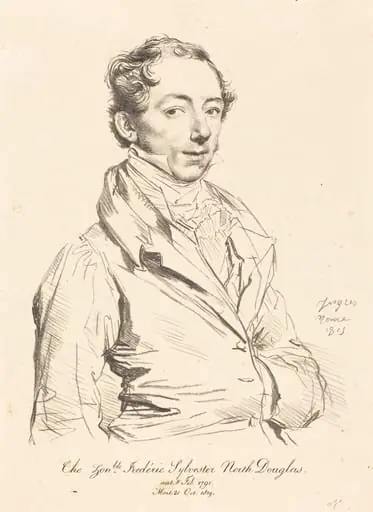 Frederic Sylvester Douglas
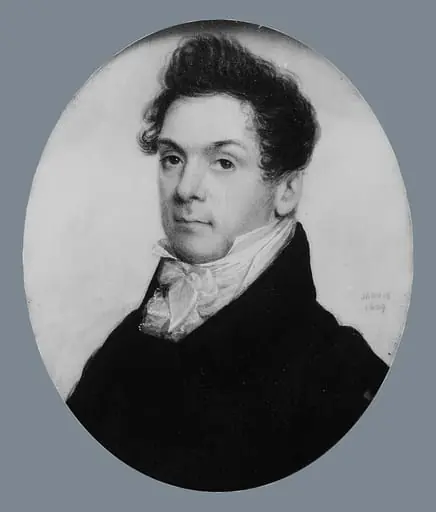 Portrait of a Gentleman
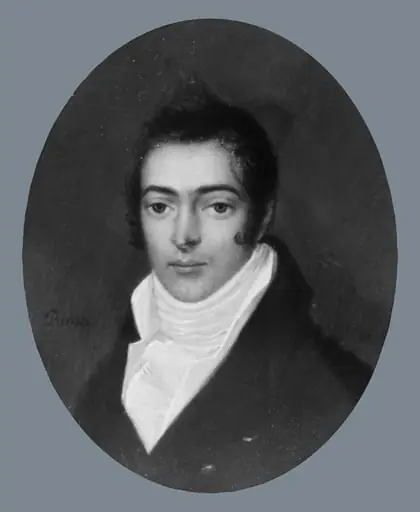 Portrait of a Gentleman
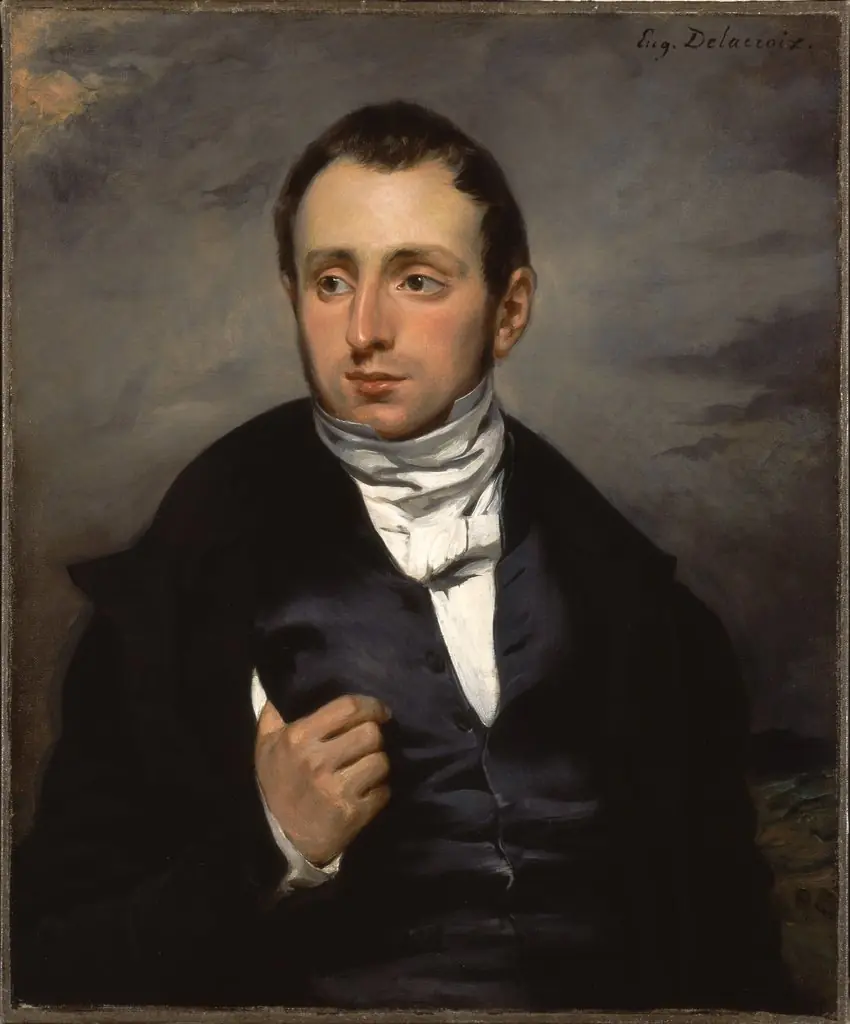 A Portrait of Dr. François-Marie Desmaisons
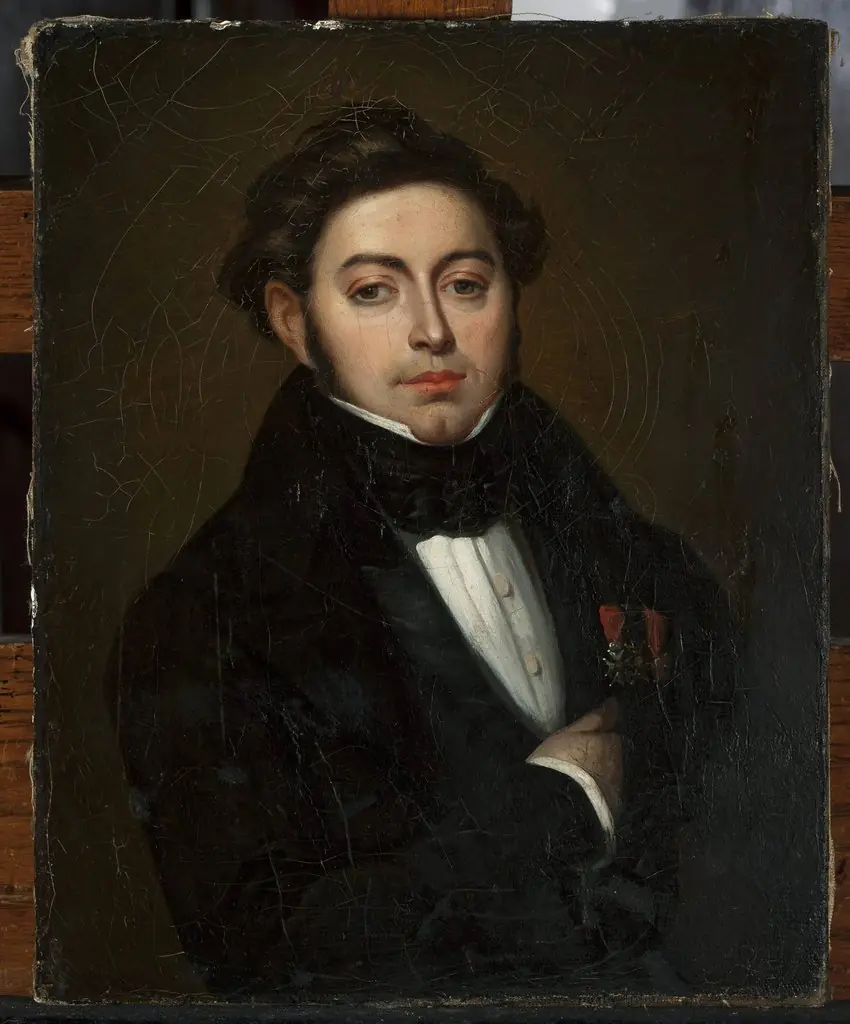 Portrait of Dr. A. Wołowski
 Honorable Frederic Sylvester Douglas
 Profile Portrait of a Man