Artwork
"Portrait of Alexander Ribopierre"(copy)
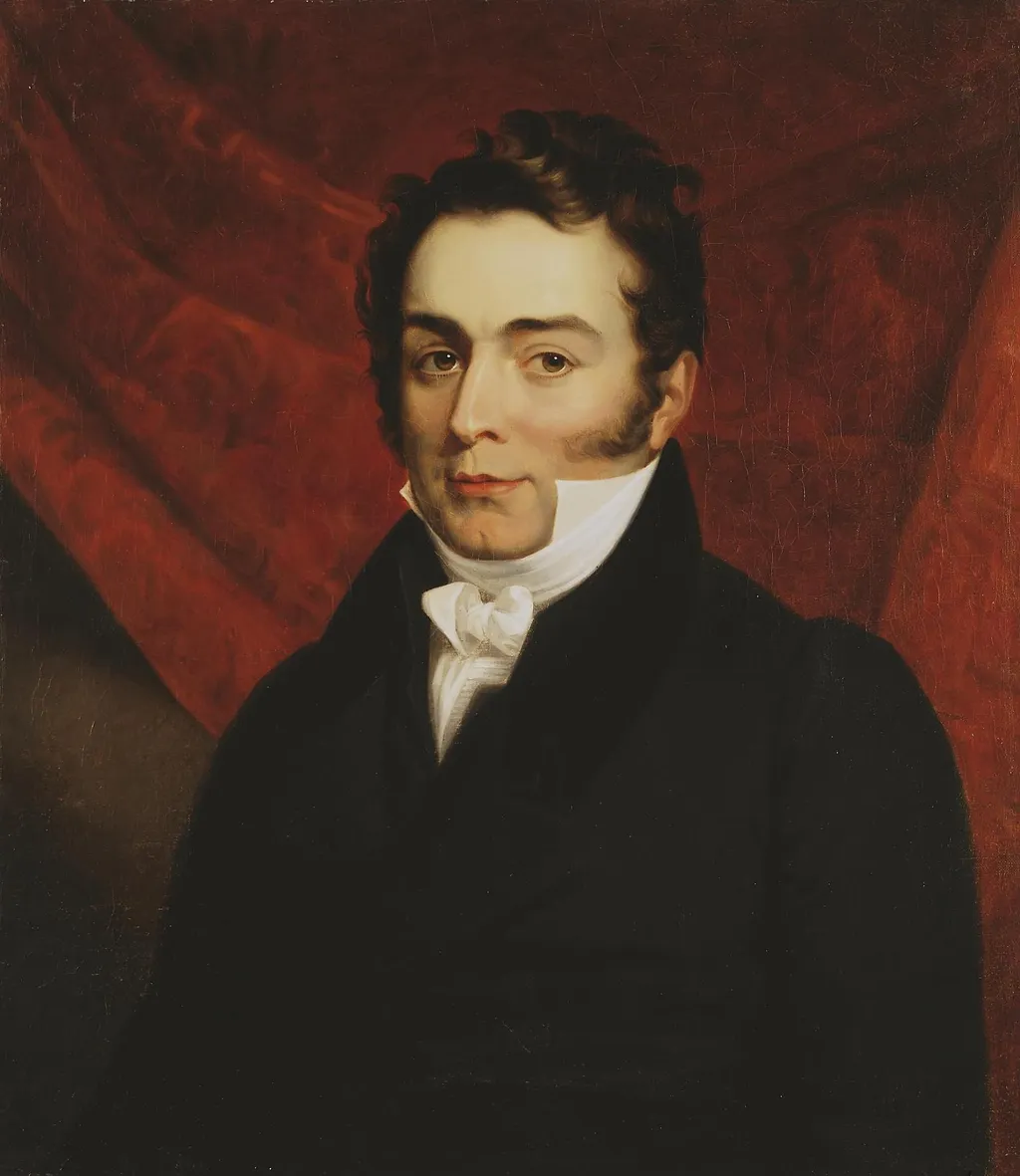
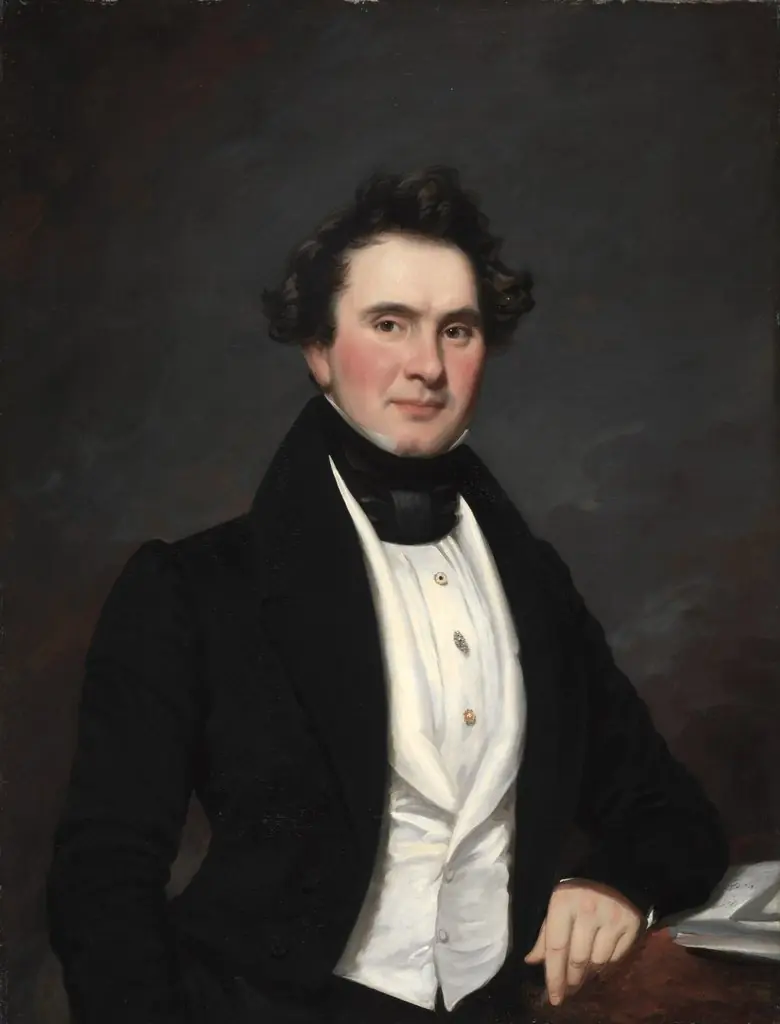
"Portrait of Alexander Ribopierre"(copy) is an oil painting by the Neoclassicist artist Unknown. It dates from 1824 and is held in the collection of the Hermitage Museum. This oil painting depicts a man named Alexander Ribopierre, rendered with focused attention on his facial features and attire.
About this work
Overview
This oil painting depicts a man named Alexander Ribopierre, rendered with focused attention on his facial features and attire.
This oil painting depicts a man named Alexander Ribopierre, rendered with focused attention on his facial features and attire. Set against a deep red background, the figure is illuminated by a directional light that enhances the contours of his face while muting the details of his clothing and surroundings. The composition emphasizes stillness and presence, avoiding decorative elements in favor of psychological immediacy.
Subject & Meaning
The subject, Alexander Ribopierre, is portrayed with a composed, unsmiling demeanor, suggesting introspection or solemnity. His formal black coat and white cravat indicate social standing, though no symbols of profession or status are present. The absence of context or props directs attention solely to his expression, inviting contemplation of character rather than narrative.
Technique & Style
The artist employs chiaroscuro to model the face with sharp contrasts between light and shadow, giving the skin a luminous quality while dissolving the texture of the collar and background into near-obscurity. Brushwork is restrained, favoring smooth transitions over visible strokes. This method isolates the sitter’s countenance, creating a sense of quiet intensity through controlled illumination.
History & Provenance
The painting is identified as a copy, suggesting it was made after an earlier original, likely from the 18th or early 19th century. The name Ribopierre appears in limited historical records, and no definitive provenance links the work to a known collection or artist. Its origin remains undocumented, though its technique reflects conventions of portraiture from that era.
Context
During the period when such portraits were common, likenesses of private individuals were often commissioned to affirm identity and social position. The use of dark backgrounds and focused lighting aligned with academic traditions that prioritized the human form over environmental detail. This work fits within that framework, emphasizing the individual through disciplined lighting and minimal setting.
Legacy
As a copy, the painting preserves the visual language of its source while lacking the original’s historical weight. It serves as a study in portraiture techniques, particularly the use of chiaroscuro to convey presence without embellishment. Though not attributed to a major artist, it remains a quiet example of how light and shadow could shape perception in pre-photographic representation.
Artist & collection

 Domestic Scene
 Giacomo and Cardinal Marco, investing Andrea, Abbot of San Zeno, with his Benefice
 The Nymph of Fontainebleau
 Portrait of a Woman
 Madonna and Child with Saints in the Enclosed Garden
 Venus and Minerva
 Family Group of Four on Sofa
 Wall painting from Room H of the Villa of P. Fannius Synistor at Boscoreale
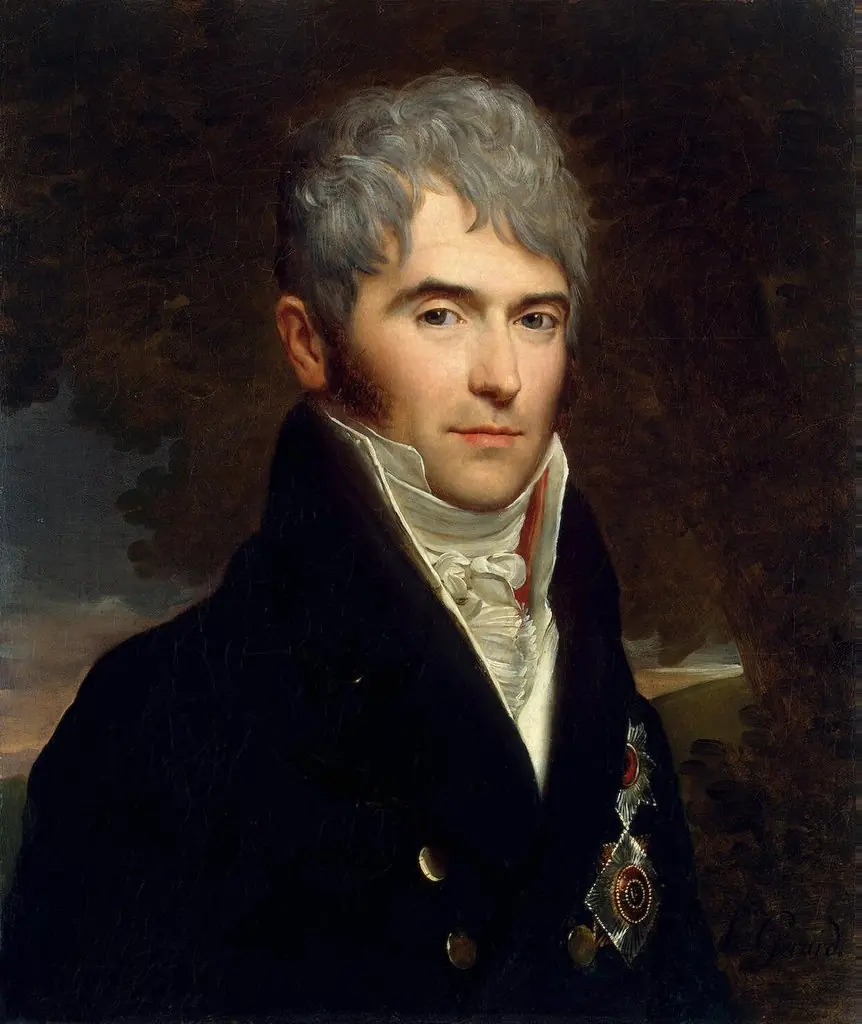 Portrait of Prince Viktor Kochubey
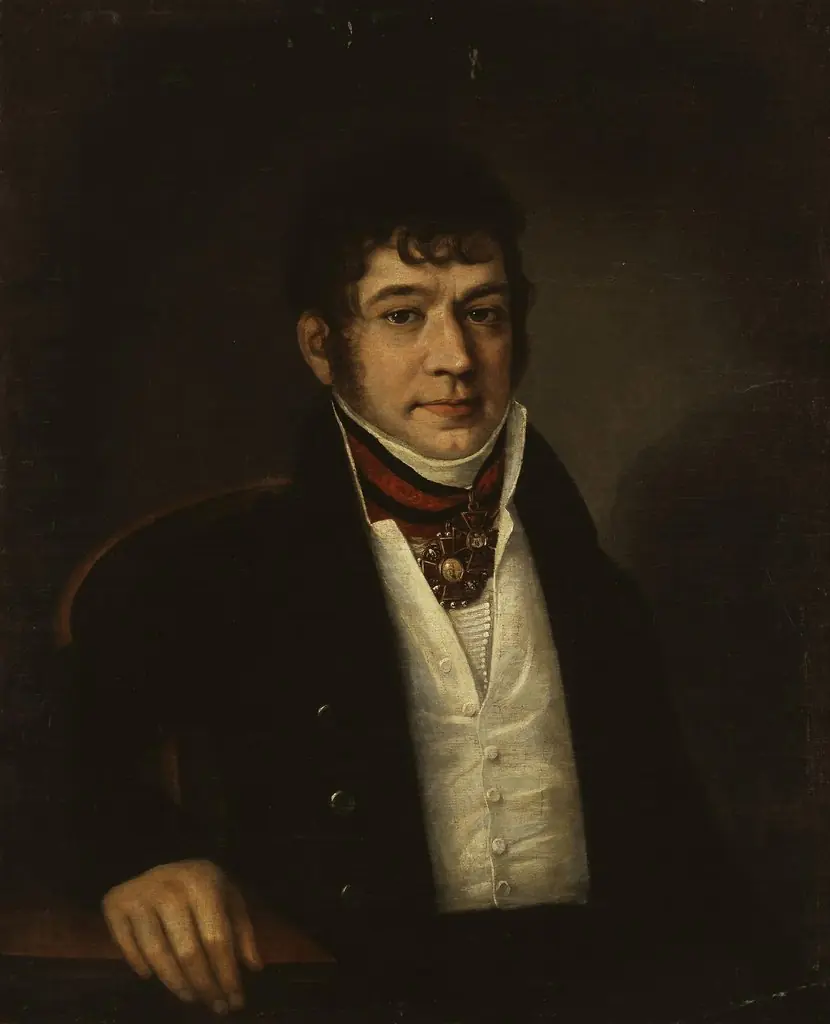 "Portrait of an Unknown Man from the Ogariov Family" (Platon Bogdanovich Ogariov?)
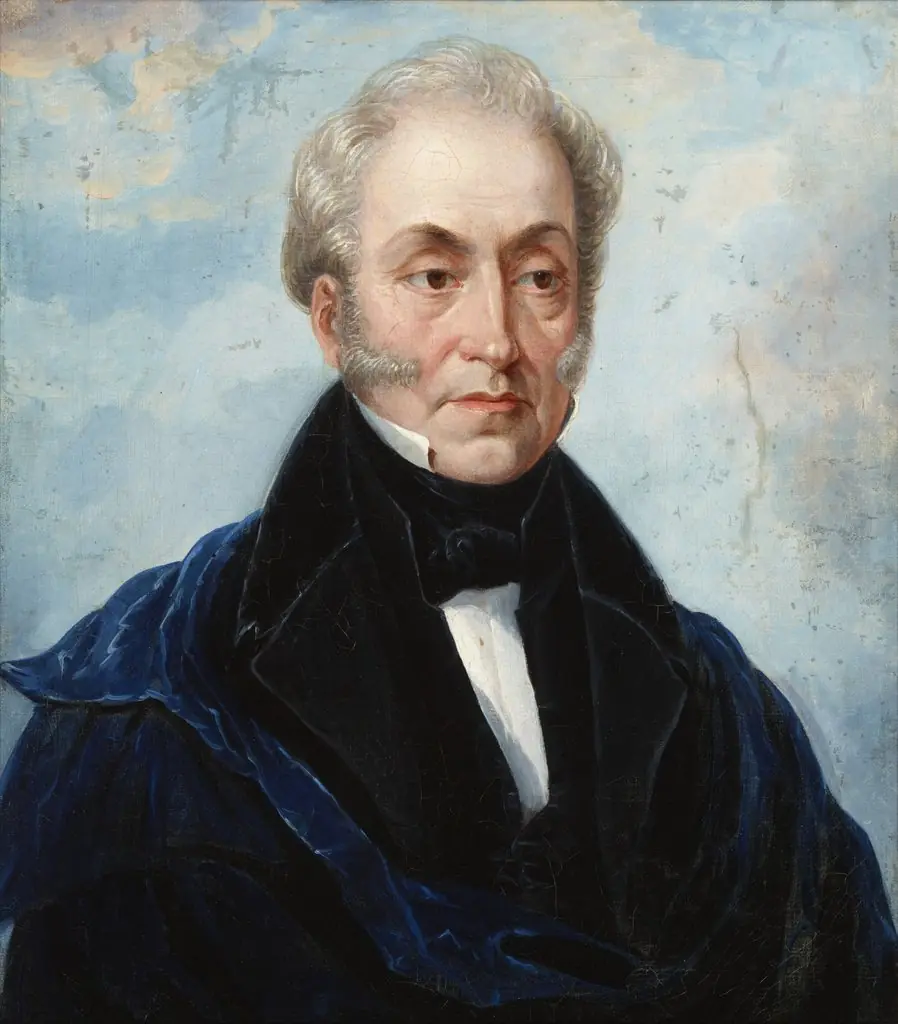 Portrait of Prince Adam Jerzy Czartoryski (1770–1861)
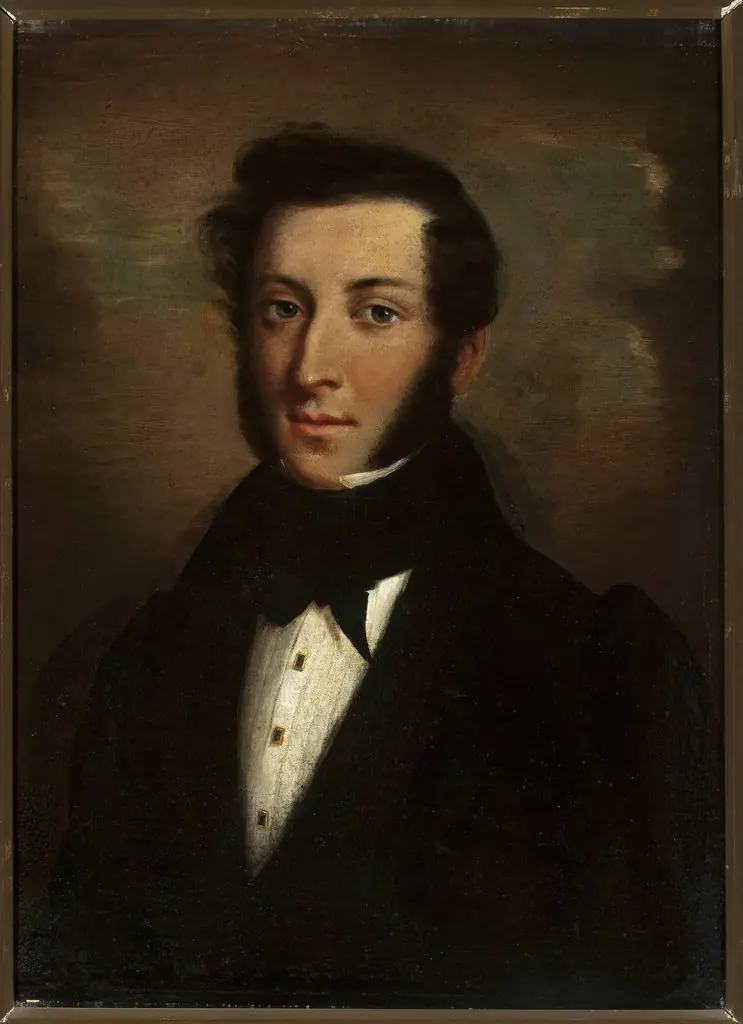 Portrait of Józef Węgleński
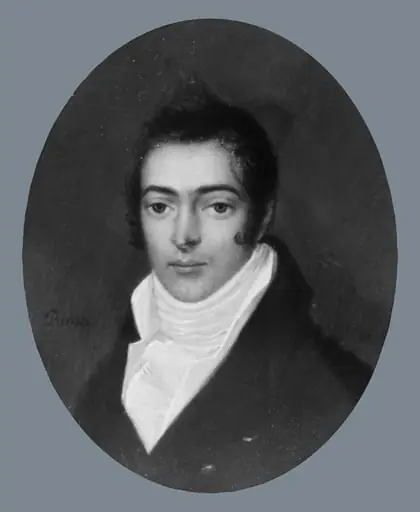 Portrait of a Gentleman
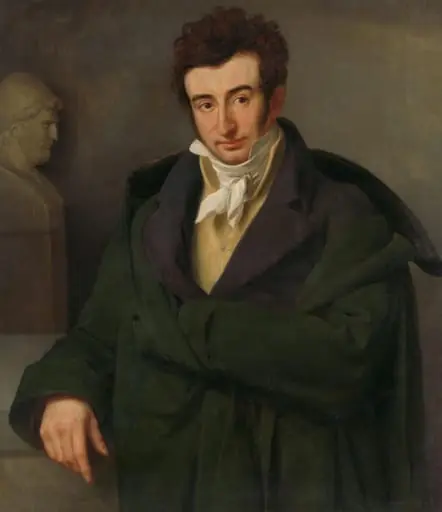 Portrait of Paulus Joseph Gabriël
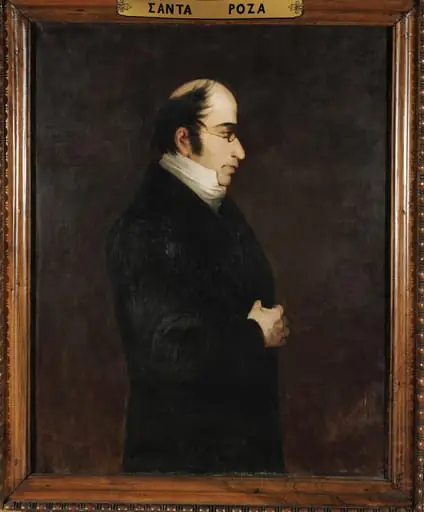 Προσωπογραφία του Σανταρόζα
 Portrait of a Gentleman
 Portrait of a Man
 Portrait of Paulus Joseph Gabriël
 Portrait of Anton P. Velikopolsky (1770-1830)
 Portrait of a Man