Artwork
Portrait of María Teresa de Vallabriga on Horseback
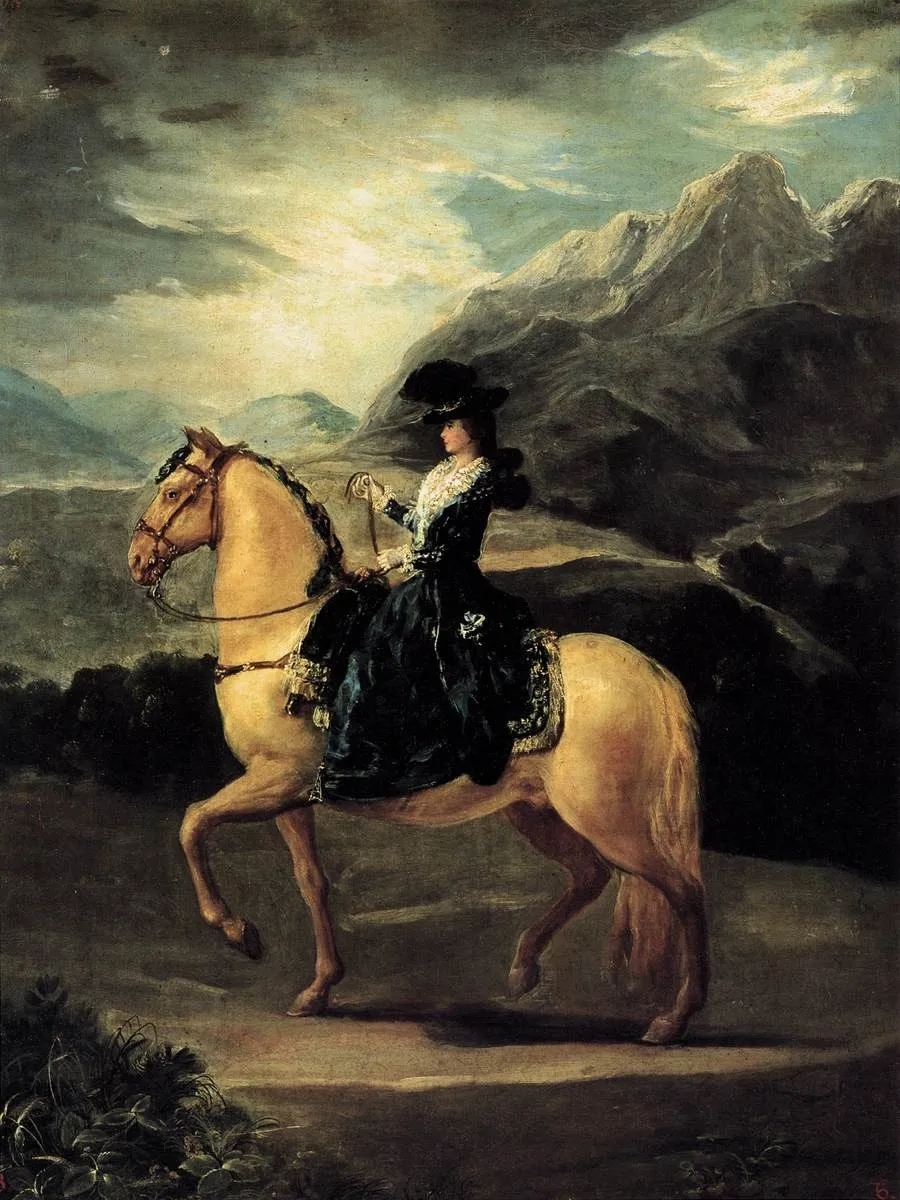
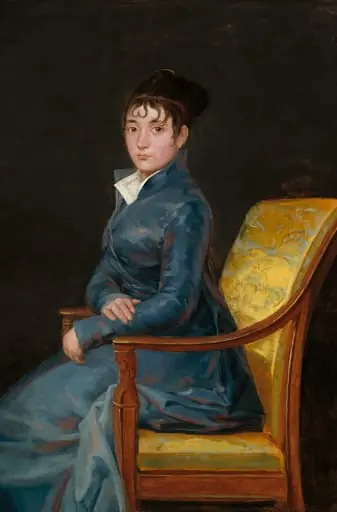
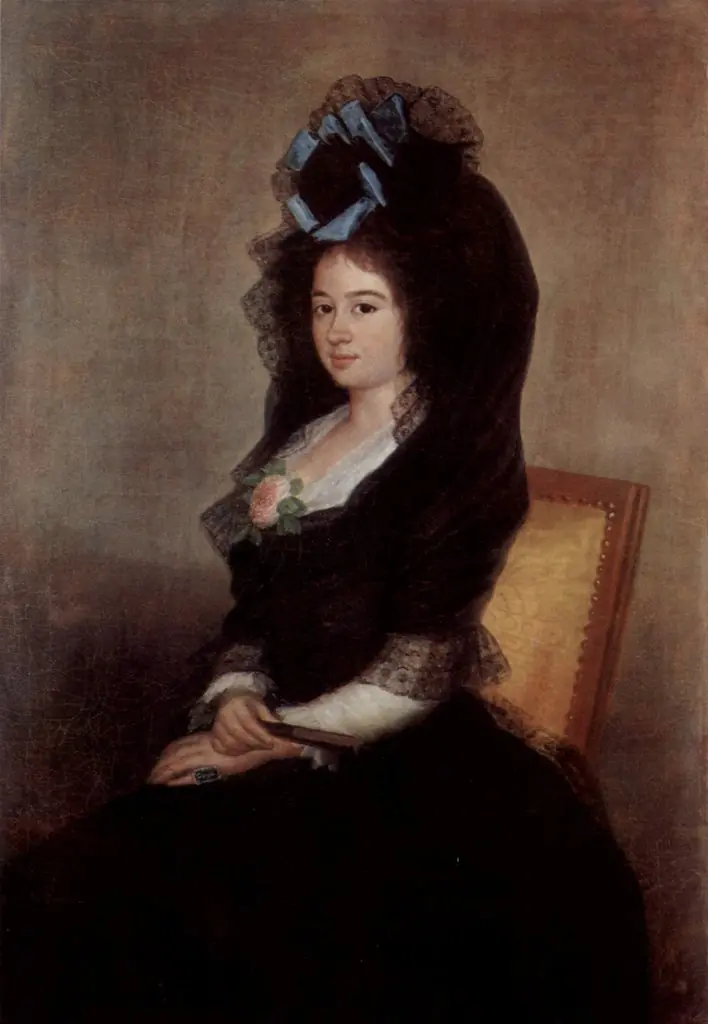
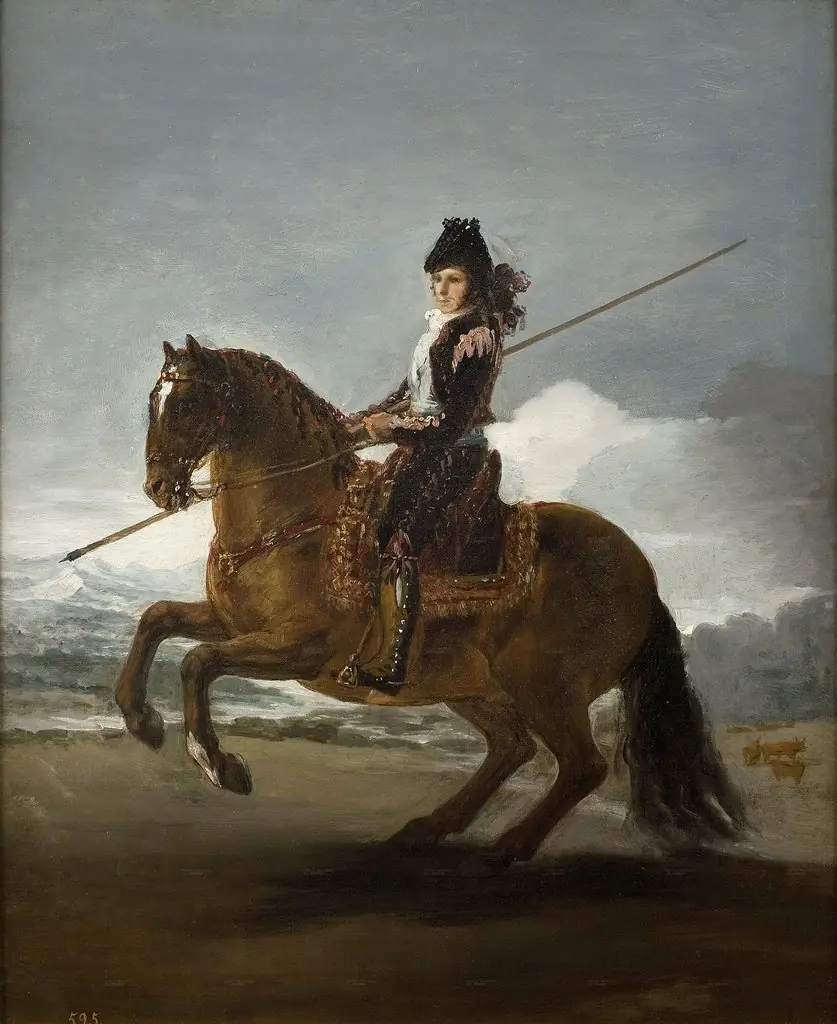
Portrait of María Teresa de Vallabriga on Horseback is an oil painting by the Rococo painting artist Francisco Goya. It dates from 1792 and is held in the collection of the Uffizi Gallery.
About this work
Overview
It resides in the Uffizi Gallery’s collection, reflecting its significance within European visual culture of the late 18th century.
Painted in 1792 by Francisco Goya, this oil portrait captures María Teresa de Vallabriga mounted on horseback. Executed during a transitional phase in Spanish art, the work blends aristocratic portraiture with naturalistic observation. It resides in the Uffizi Gallery’s collection, reflecting its significance within European visual culture of the late 18th century. Goya’s approach departs from rigid formalism, introducing a sense of quiet immediacy.
Subject & Meaning
María Teresa de Vallabriga, a noblewoman of the Spanish court, is portrayed not as a passive figure but as an active equestrian. Her composed expression and upright posture convey dignity and self-possession. The choice of riding attire—black dress and wide-brimmed hat—signals both fashion and social status. The setting, a rugged landscape, subtly reinforces her connection to land and lineage, aligning her with the landed aristocracy rather than courtly spectacle.
Technique & Style
Goya employs precise brushwork to render textures: the sheen of silk, the coarse mane of the horse, and the grain of leather bridle. Light filters through overcast skies, casting soft shadows that model form without dramatic contrast. The composition centers the figure against a muted natural backdrop, directing attention to her stillness and the horse’s calm presence. Realism is achieved not through idealization but through attentive observation of detail and atmosphere.
History & Provenance
Commissioned during Goya’s tenure as court painter, the portrait was likely created for the Vallabriga family. It entered the Uffizi’s collection in the 19th century, possibly through diplomatic or royal exchange. Its presence in Florence underscores the international circulation of Spanish portraiture and the esteem in which Goya’s work was held beyond Spain’s borders, even before his later, more experimental phases.
Context
Painted shortly after Goya’s illness left him partially deaf, this work reflects a period of heightened psychological depth in his portraiture. While still operating within aristocratic conventions, he infuses the image with individuality uncommon in formal equestrian portraits of the time. The subdued palette and naturalistic landscape contrast with the ornamental excesses of Rococo, pointing toward emerging Romantic sensibilities in Spanish art.
Legacy
This portrait stands as an early example of Goya’s ability to merge social documentation with psychological nuance. It influenced later Spanish painters seeking to portray nobility with authenticity rather than ceremony. Its retention in the Uffizi highlights its role as a bridge between Spanish and Italian artistic traditions, offering insight into how elite identity was visually negotiated across Europe in the late Enlightenment.
Artist & collection
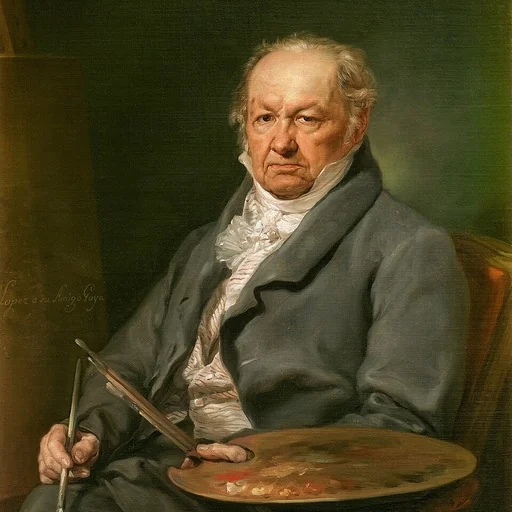
Artist
Francisco José de Goya y Lucientes (; Spanish: ; 30 March 1746 – 16 April 1828) was a Spanish romantic painter and printmaker.