Artwork
Isabel de Borbon
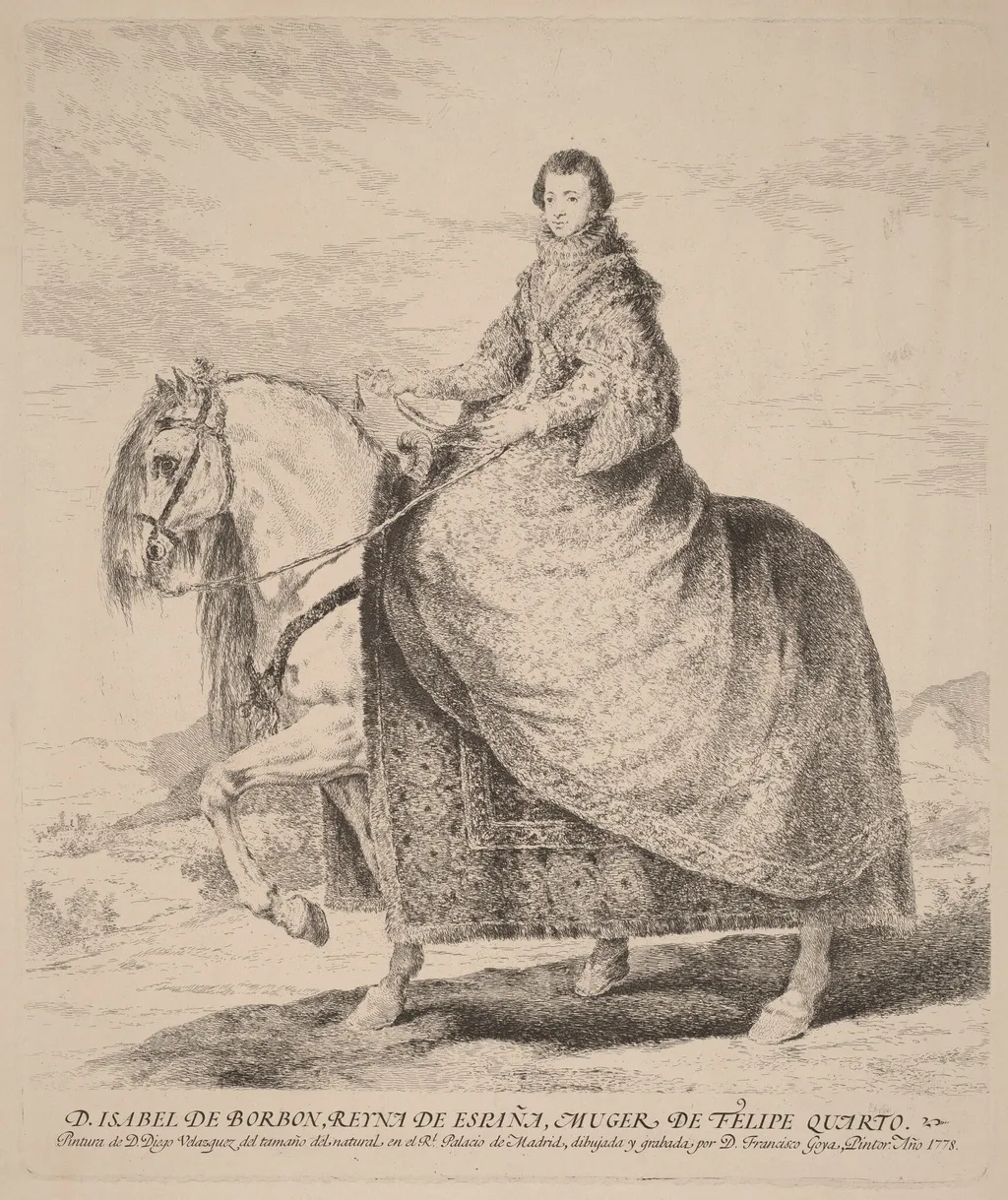
Isabel de Borbon is an ink print by the Romanticist artist Francisco Goya. It dates from 1778 and is held in the collection of the National Gallery of Art. Created in 1778, this print by Francisco de Goya combines etching and drypoint on wove paper.
About this work
It’s one of the first times he tried drypoint—scratching directly into the metal plate for softer, velvety shadows.
A woman in a lace mantilla looks over her shoulder at us. The lines are quick, almost scribbled, but her face is calm and clear.
Goya made this etching in 1778, early in his career. It’s one of the first times he tried drypoint—scratching directly into the metal plate for softer, velvety shadows. The technique was new to him, so the print feels loose and alive.
To see how he got even bolder, look up more works by Goya, Francisco.
Overview
Created in 1778, this print by Francisco de Goya combines etching and drypoint on wove paper. It presents a portrait of Isabel de Borbon, a member of the Spanish royal family, rendered with swift, almost sketch‑like lines that give the figure a lively immediacy while preserving a calm, clear expression.
Subject & Meaning
The work focuses on a young woman wearing a delicate lace mantilla, turned slightly to glance over her shoulder. The composition emphasizes her poised demeanor, reflecting the aristocratic poise expected of a royal figure in late‑18th‑century Spain.
Technique & Style
Goya employed both traditional etching and the newer drypoint method, the latter involving direct incisions into the copper plate to produce soft, velvety shadows. The experimental use of drypoint at this early stage results in a looser, more spontaneous line quality than his later, more polished prints.
History & Provenance
Executed during the early phase of Goya’s career, the print marks one of his first forays into drypoint. It was produced in Spain, where Goya was establishing his reputation as a painter and printmaker before his later prominence in the court of Charles IV.
Context
The portrait emerges at a time when Spanish art was beginning to absorb Enlightenment ideas and new print technologies. Goya’s choice to depict a royal family member aligns with contemporary expectations for courtly portraiture, while his experimental technique hints at the evolving artistic sensibilities of the period.
Artist & collection
Artist
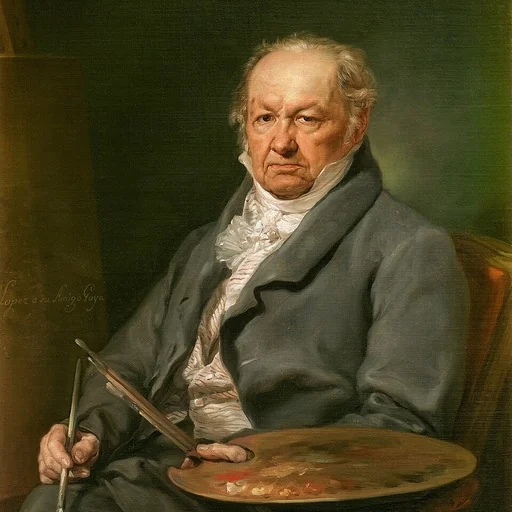
Francisco José de Goya y Lucientes (; Spanish: ; 30 March 1746 – 16 April 1828) was a Spanish romantic painter and printmaker.

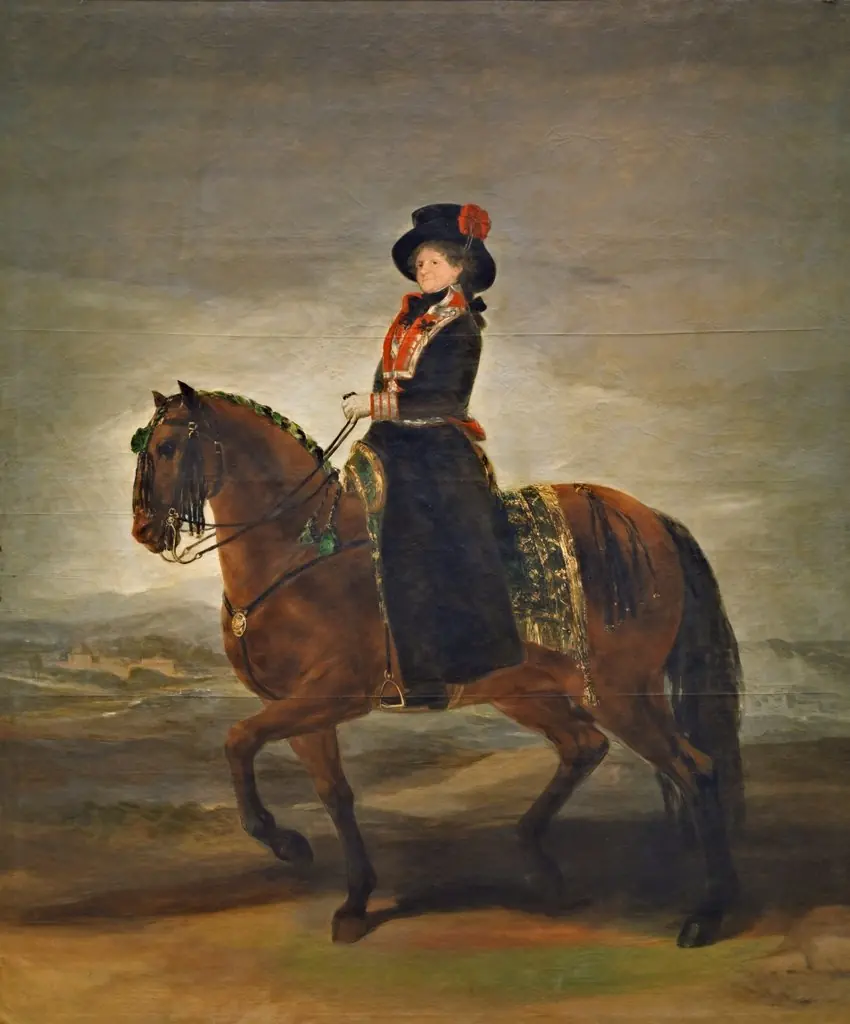 Queen María Luisa on horseback
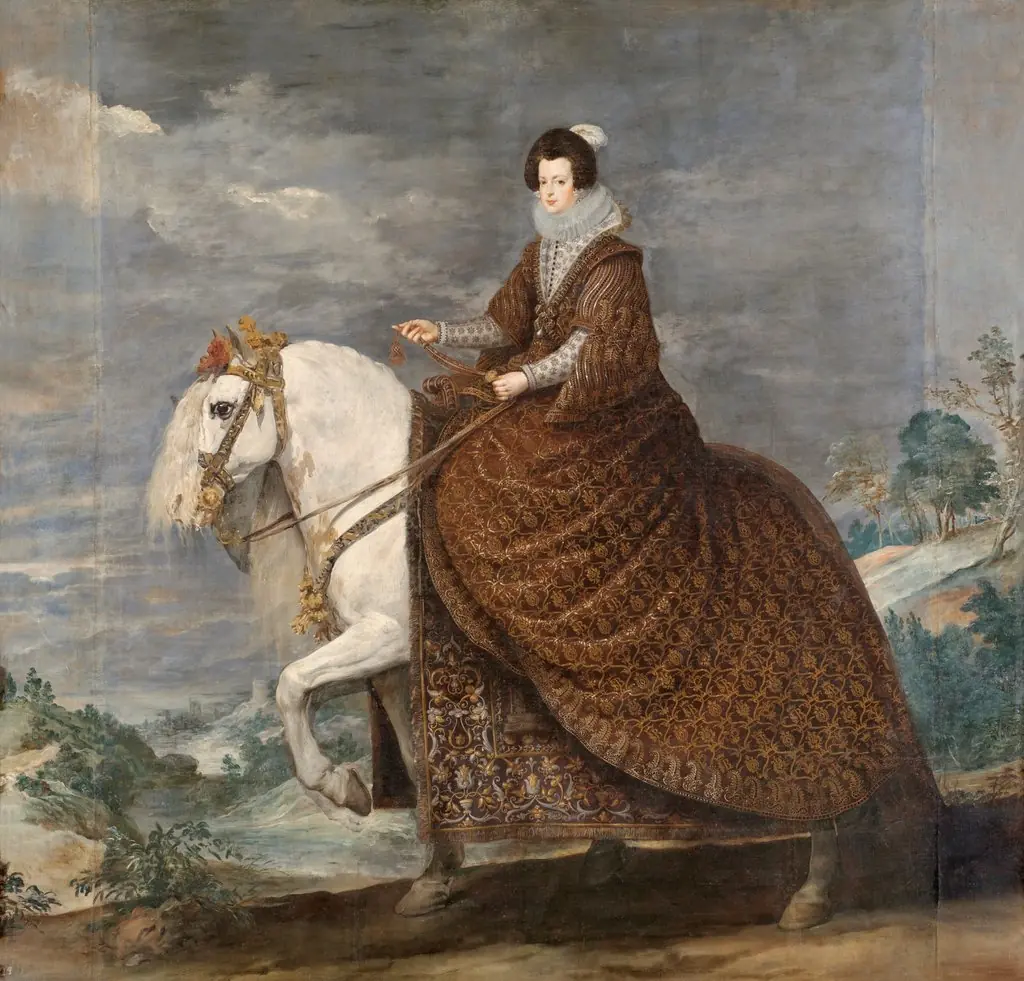 Equestrian Portrait of Elisabeth of France
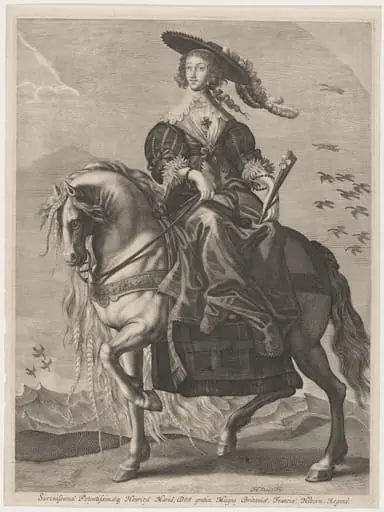 Henrietta Maria, Queen of Charles I
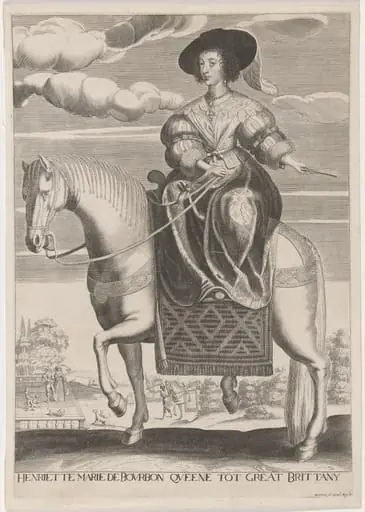 Henrietta Maria on Horseback
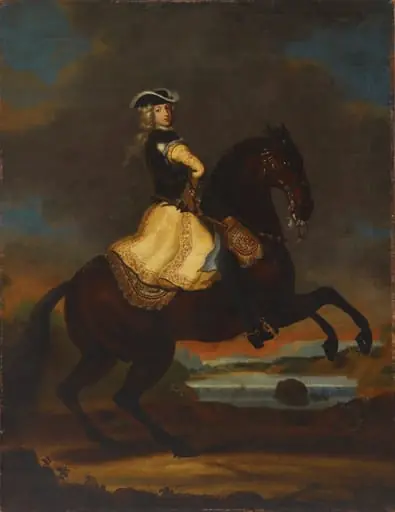 Kuningas Kaarle XII
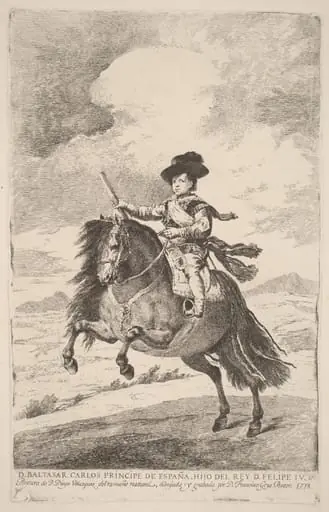 Baltasar Carlos
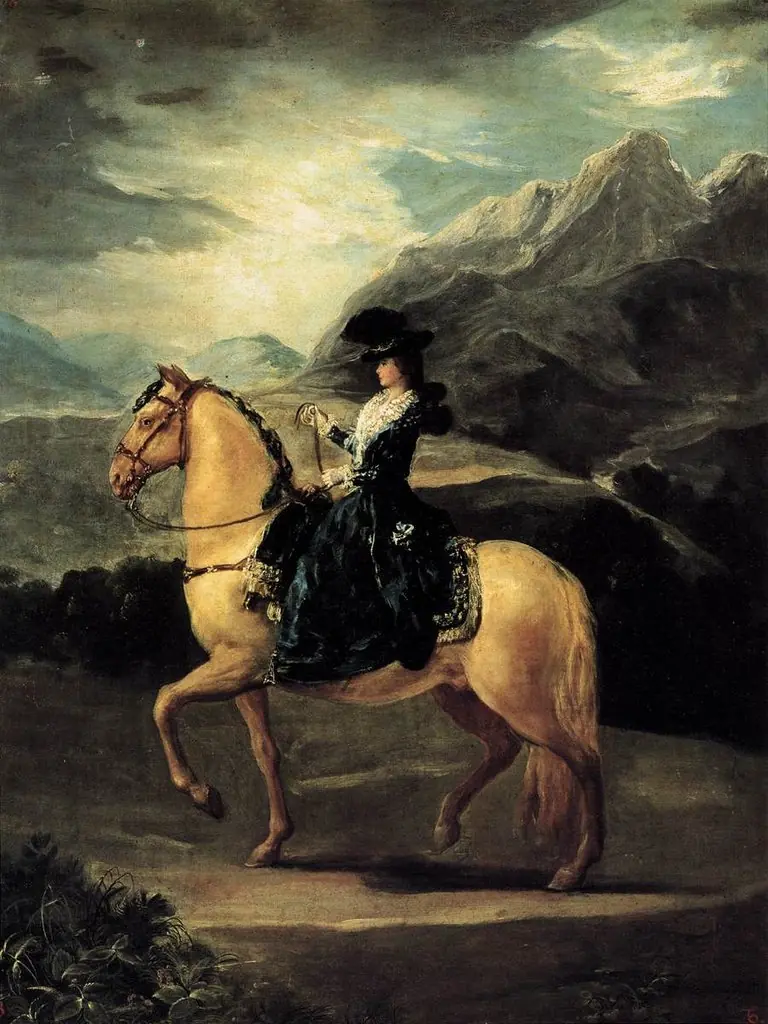 Portrait of María Teresa de Vallabriga on Horseback
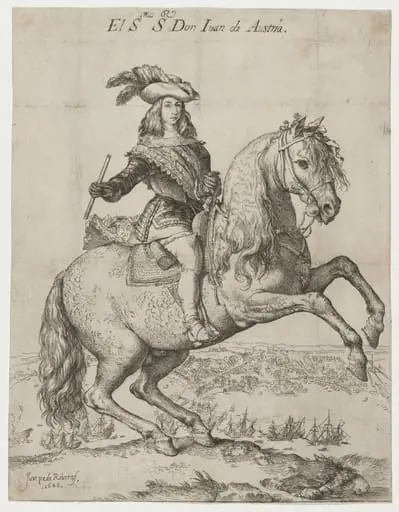 Equestrian Portrait of Don Juan de Austria
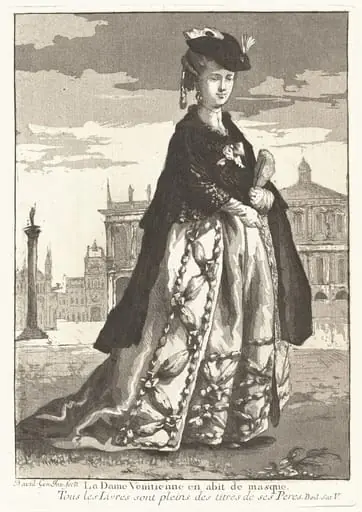 La Dame Venitienne en abit de masque (Venetian Woman in Carnival Dress)
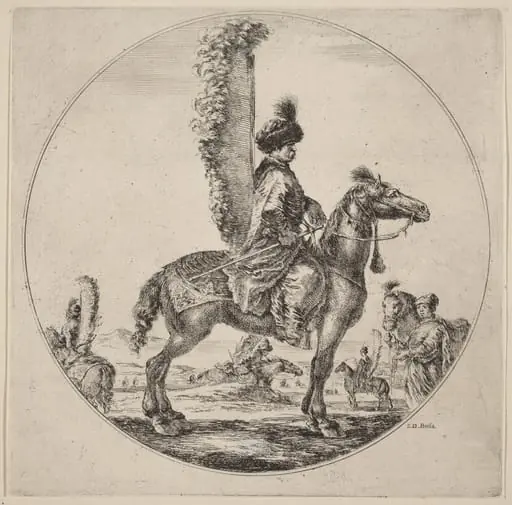 Polish Hussar
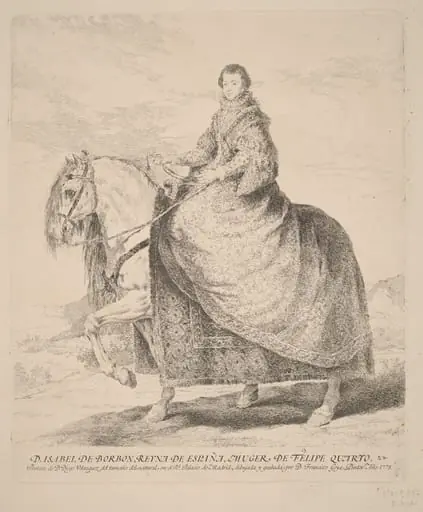 Isabel de Borbon
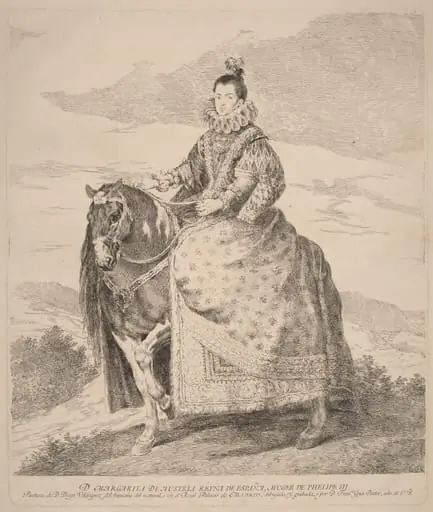 Margarita de Austria