Artwork
The tree boy

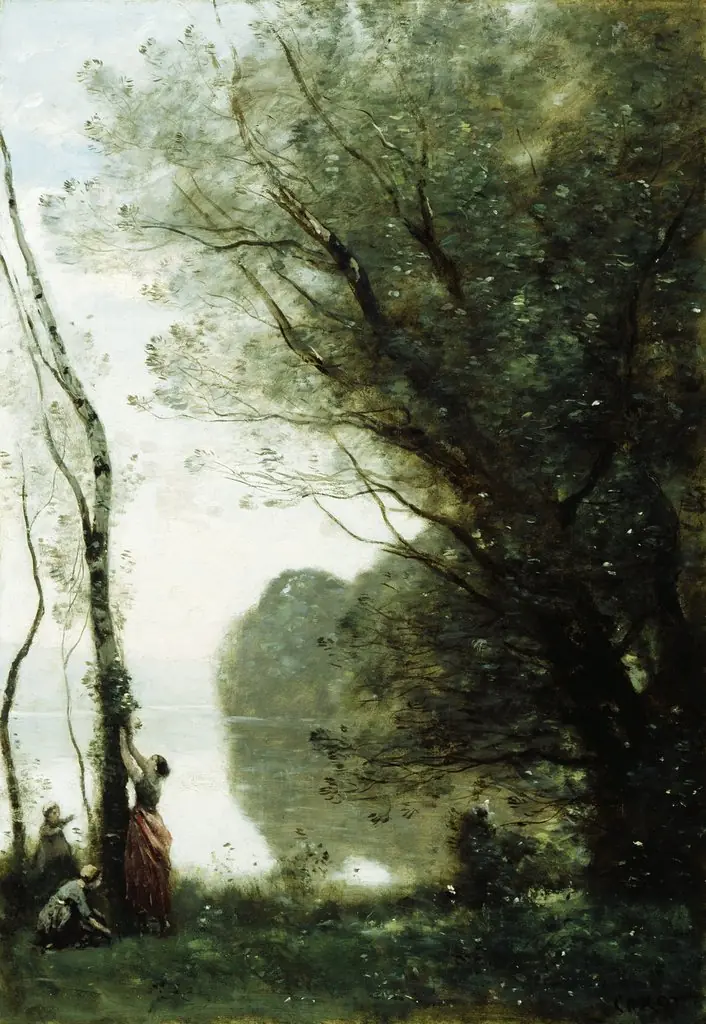
The tree boy is an oil painting by the Rococo painting artist Francisco Goya. It dates from 1790 and is held in the collection of the Museo del Prado.
About this work
Overview
Francisco Goya painted *The Tree Boy* in 1790, employing oil on canvas. The work exemplifies the Rococo sensibility that was still present in Spain at the close of the eighteenth century. It is part of the Prado Museum’s permanent collection, where it is displayed among other early works by the artist.
Subject & Meaning
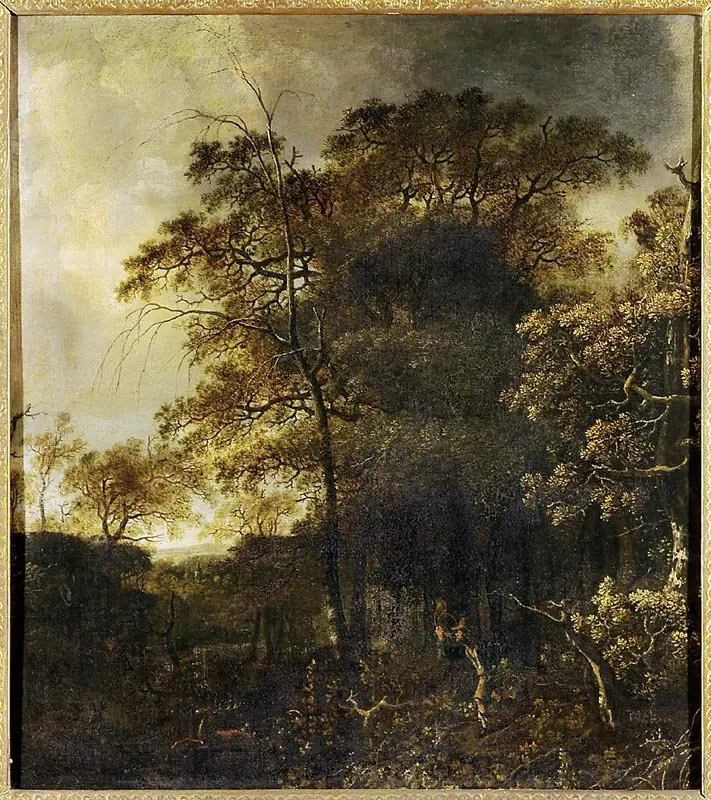
The composition shows a youthful figure in a blue outfit, white stockings and black shoes, reaching upward as he climbs a sparsely leafed tree. A smaller child in a brown shirt watches from the ground, his gaze directed at the climber. The scene captures a moment of playful exploration, suggesting themes of innocence and curiosity.
Technique & Style
Goya applies chiaroscuro to model the figures, creating a subtle gradation of light that gives volume to the boy’s form and the tree’s bark. The limited palette of blues, browns and muted greens, together with a light sky background, reinforces the delicate, airy quality typical of Rococo painting.
History & Provenance
Created early in Goya’s career, the painting reflects his transition from the academic traditions of the Old Masters toward a more personal visual language. After remaining in private hands, it entered the Museo del Prado’s holdings, where it has been conserved and exhibited as an example of Goya’s formative period.
Artist & collection
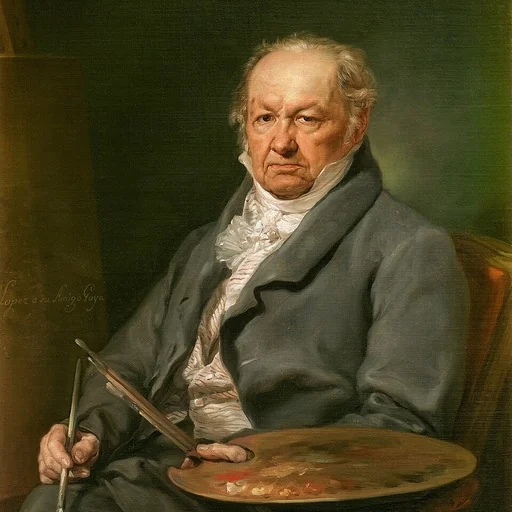
Artist
Francisco José de Goya y Lucientes (; Spanish: ; 30 March 1746 – 16 April 1828) was a Spanish romantic painter and printmaker.