Artwork
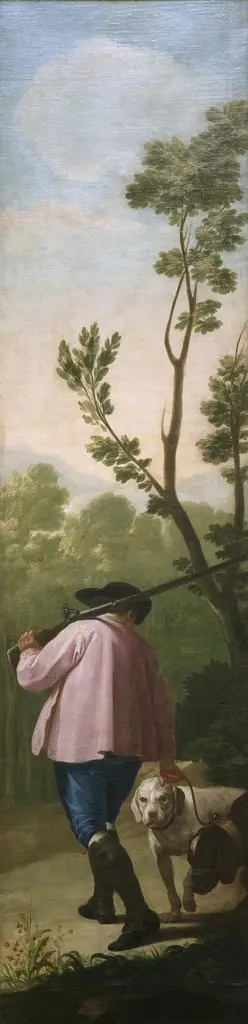
Hunter loading his rifle

Hunter loading his rifle is an oil painting by the Rococo painting artist Francisco Goya. It dates from 1775 and is held in the collection of the Museo del Prado.
About this work
Overview
Created in 1775 by Francisco Goya, a pivotal Spanish artist of his time, 'Hunter loading his rifle' is an oil-on-canvas work associated with the Rococo movement, currently housed at the Museo del Prado.
Subject & Meaning
The painting depicts a hunter in the act of loading a long gun, accompanied by a calm brown-and-white dog, near a tree. Observers, a woman in pink and a boy, stand behind him, suggesting a moment of transition from rest to hunt.
Technique & Style
The composition utilizes chiaroscuro, employing contrasts of light and shadow to create depth. The hunter's practical attire (blue coat, yellow pants, utility belt, and hat) and the serene natural setting reflect Rococo's emphasis on everyday life and nature.
History & Provenance
Painted in 1775, the work is part of Goya's early output. It is now part of the permanent collection at the Museo del Prado in Spain, indicating its significance within Goya's oeuvre and Spanish art heritage.
Context
Emerging from the Rococo period, the painting captures the movement's focus on intimate, informal scenes. Goya's approach, however, hints at the upcoming Neoclassicism and his future thematic explorations.
Legacy
While not Goya's most politically charged work, 'Hunter loading his rifle' showcases his early mastery of light and composition, contributing to his legacy as a bridge between Rococo and the subsequent artistic movements in Europe.
Artist & collection
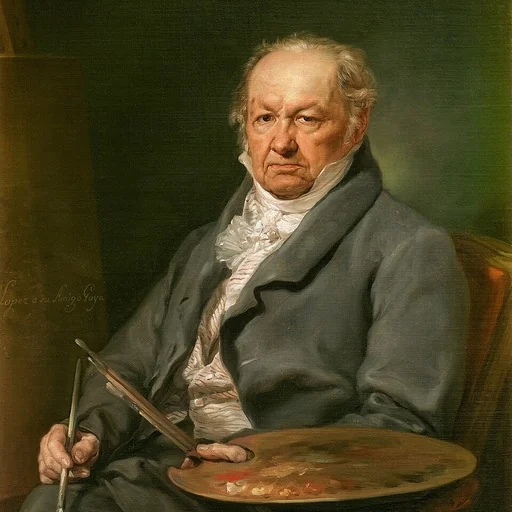
Artist
Francisco José de Goya y Lucientes (; Spanish: ; 30 March 1746 – 16 April 1828) was a Spanish romantic painter and printmaker.

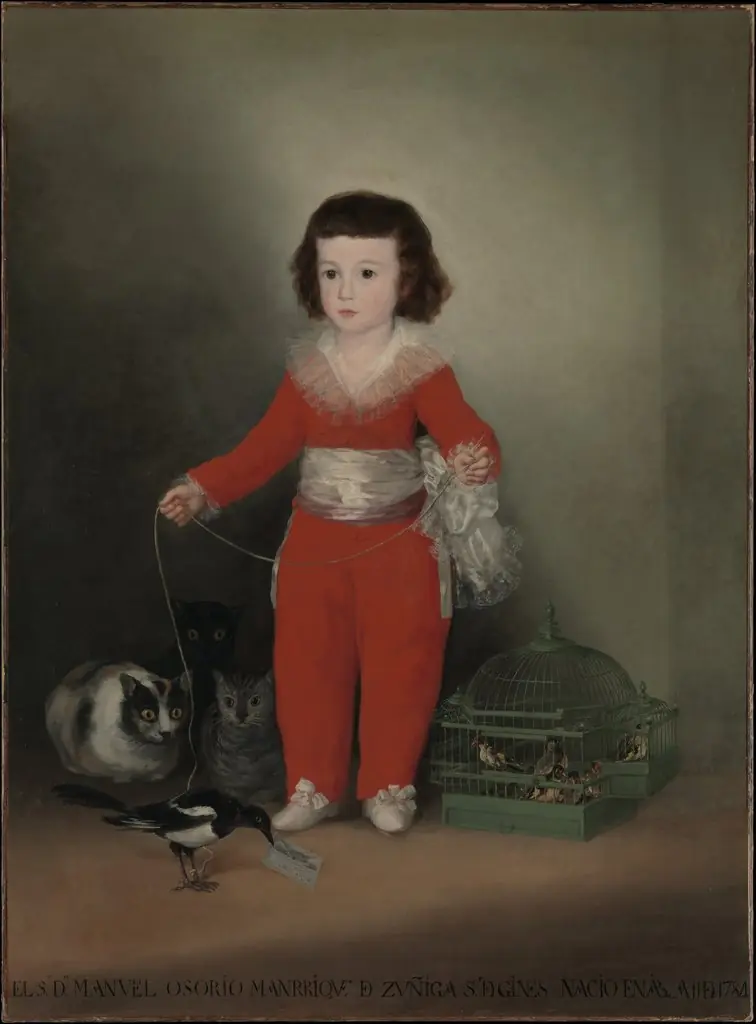
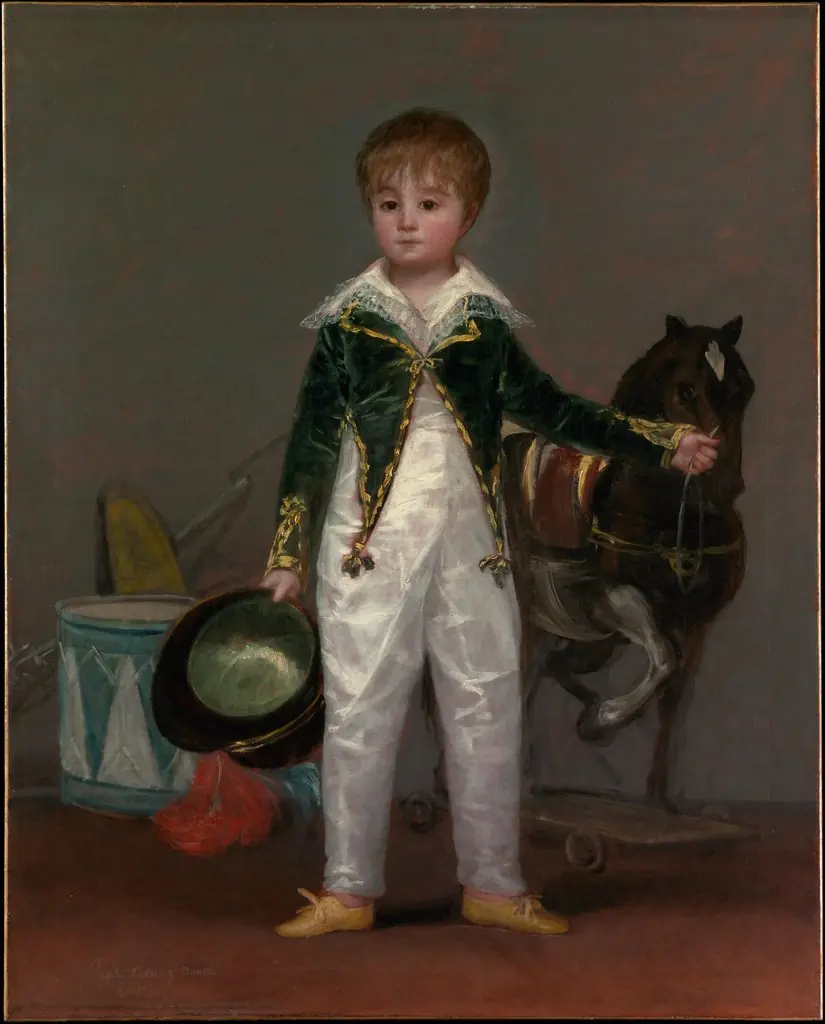
 the Boy with a bird
 The tree boy
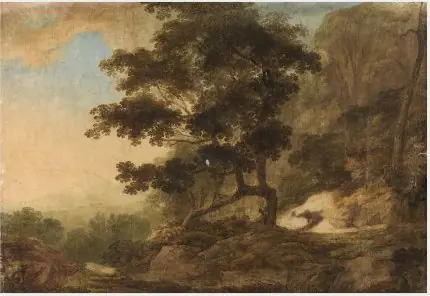 A View of the Dargle
 Arcadisch landschap met een slapende jongen onder een boom
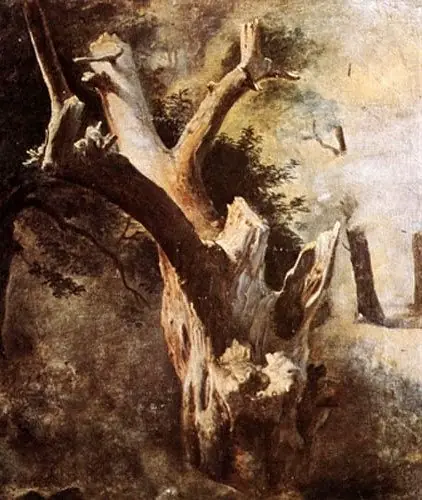 El árbol seco
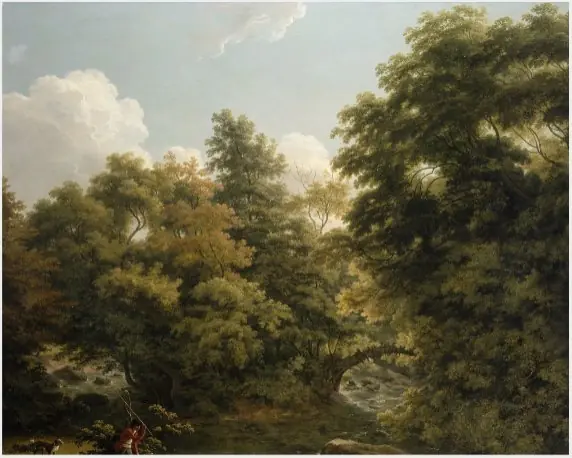 The River in the Demesne at Charleville
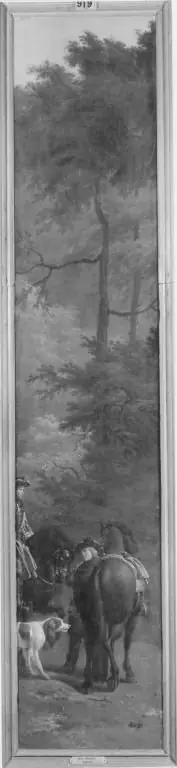 Zwei Reiter
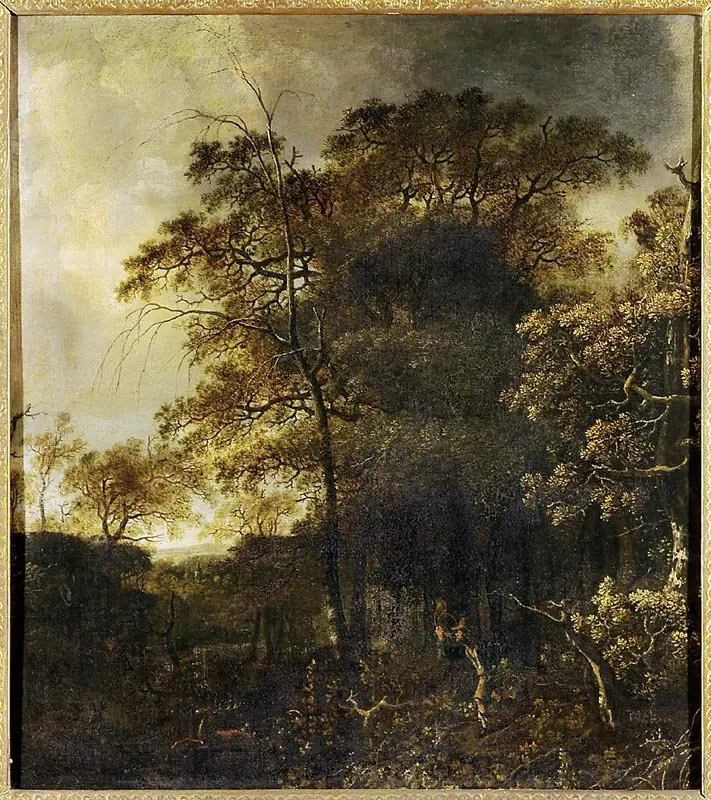 Forest landscape with huntsmen
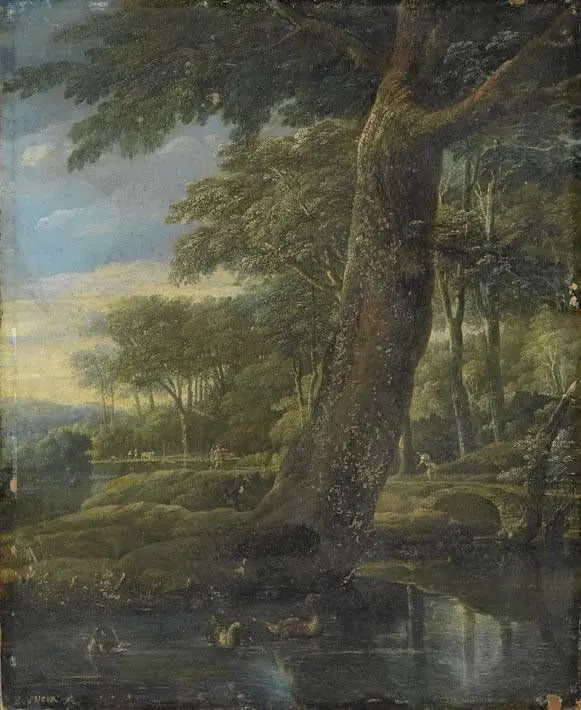 Landscape with river
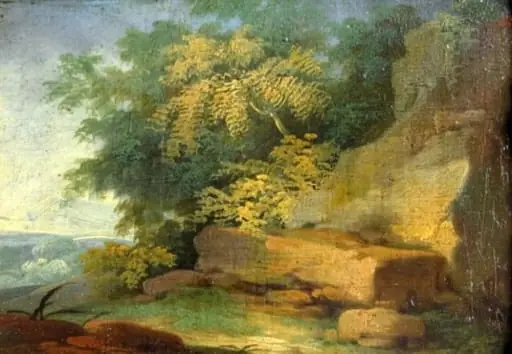 Peisaj stâncos ; pandant: Peisaj cu stânci
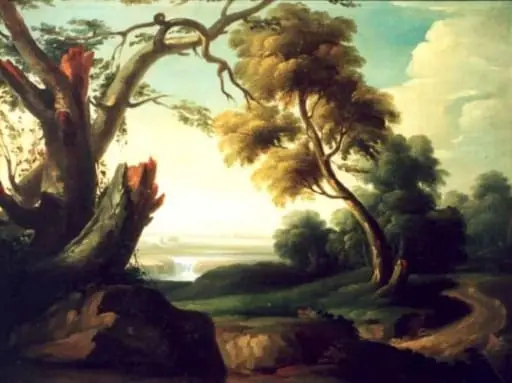 Peisaj cu arbore frânt
 Hunter with his Dogs