Artwork
La poetisa
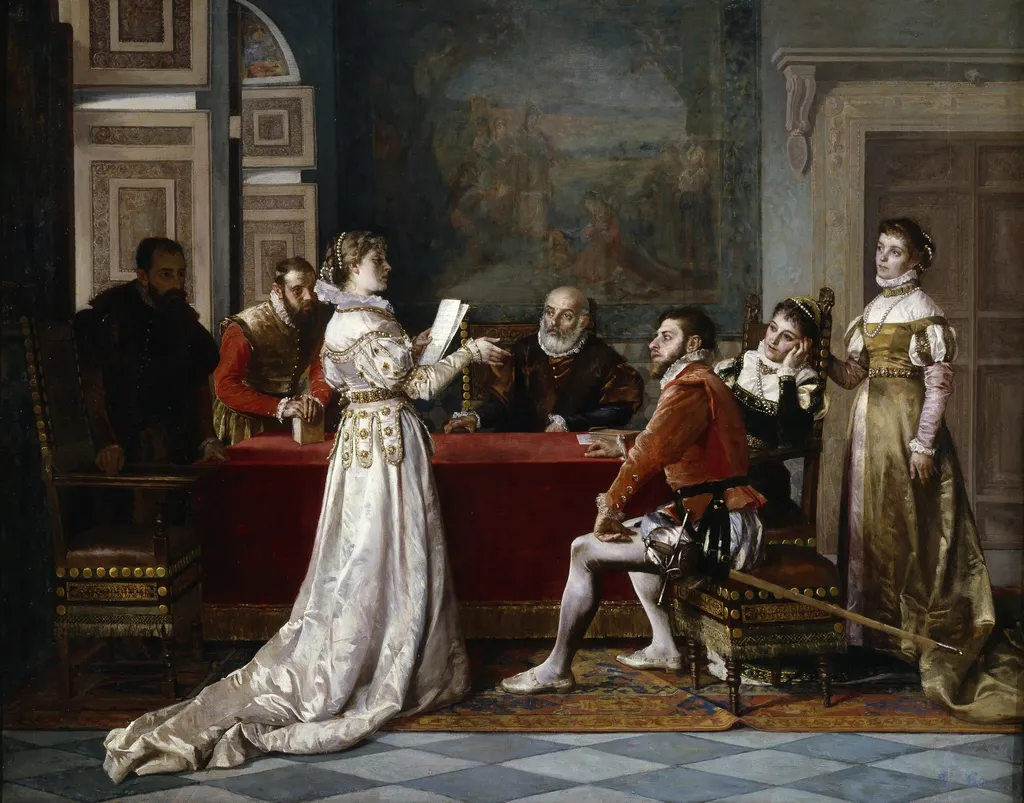
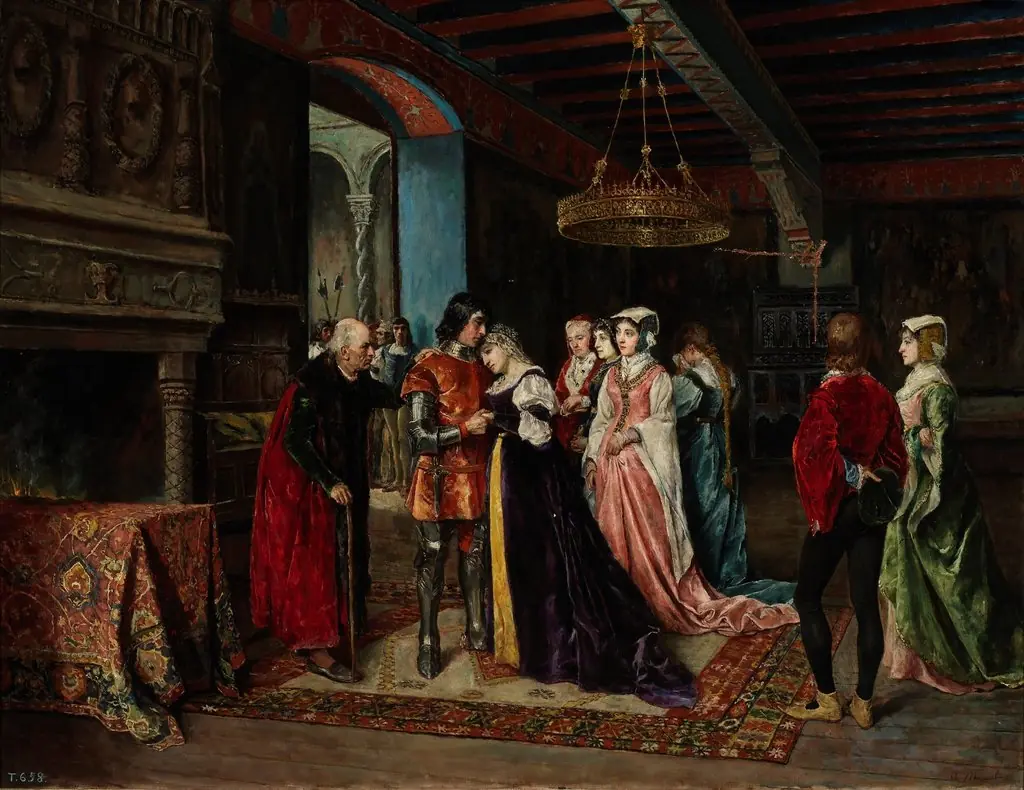
La poetisa is an oil painting by the Realist artist Francisco Jover y Casanova. It dates from 1850 and is held in the collection of the Museo del Prado.
About this work
Overview
Created circa 1850 by Spanish painter Francisco Jover y Casanova, *La poetisa* is an oil on canvas executed in the realist idiom. The work is part of the Museo del Prado’s collection and presents an interior scene populated by several figures, centered on a woman in an elaborate white gown who holds a sheet of paper as if addressing the group.
Subject & Meaning
The focal figure, a poetess or literary muse, stands before a modest gathering, her white dress and gold trim contrasting with the muted attire of the surrounding participants. By holding a document, she suggests the act of recitation or composition, inviting viewers to contemplate the role of poetry and feminine intellect within a cultivated domestic setting.
Technique & Style
Jover employs a restrained palette of earth tones for the secondary figures while rendering the heroine’s dress with fine brushwork and subtle highlights that catch the light. The composition is organized through chiaroscuro, using a soft gradation of shadows to model space and give the interior a palpable depth, characteristic of mid‑nineteenth‑century realism.
History & Provenance
After its completion, the painting entered the Spanish royal collection before being transferred to the Museo del Prado, where it remains on display. Its attribution to Jover y Casanova has been consistently affirmed by museum records, confirming its place within the artist’s oeuvre of historical and portrait works.
Own this work as a print
Artist & collection
Artist
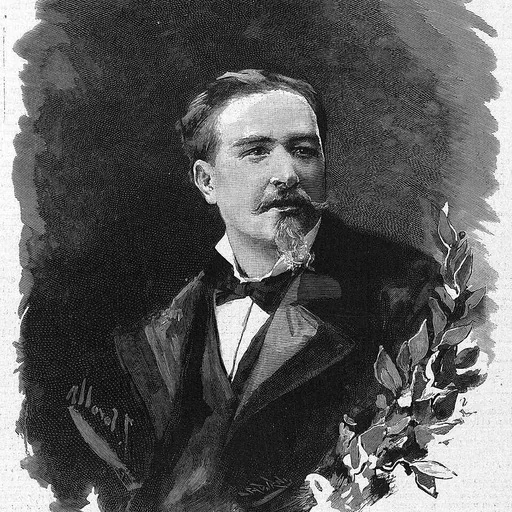
Francisco Jover y Casanova (1836, Muro de Alcoy - 19 February 1890, Madrid) was a Spanish painter of historical scenes and portraits.

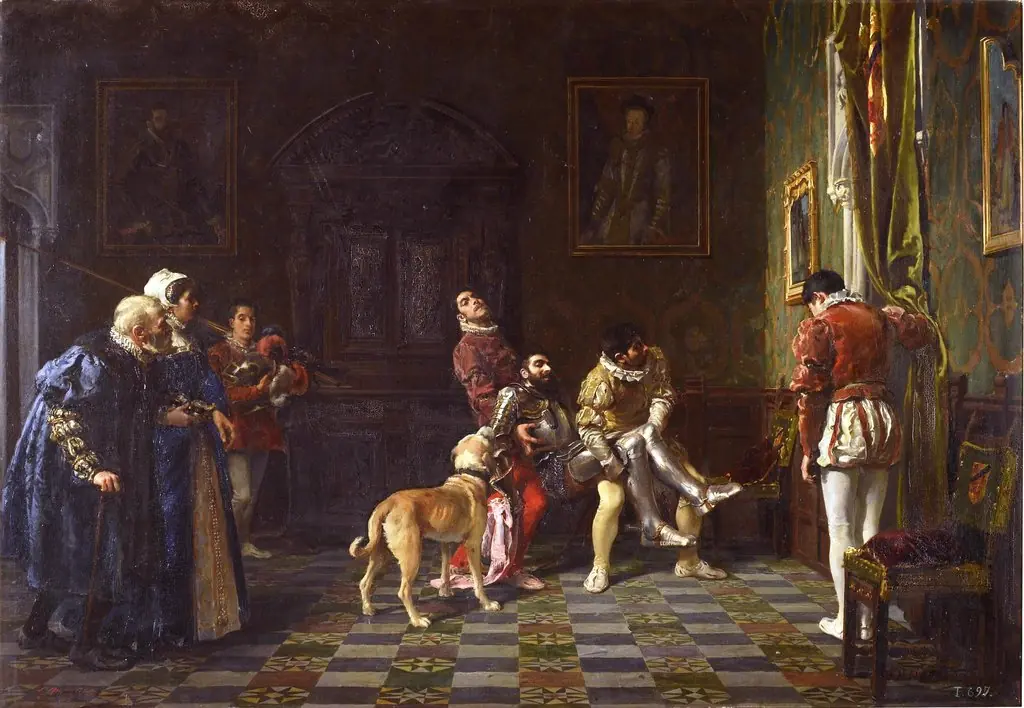 La vuelta del torneo
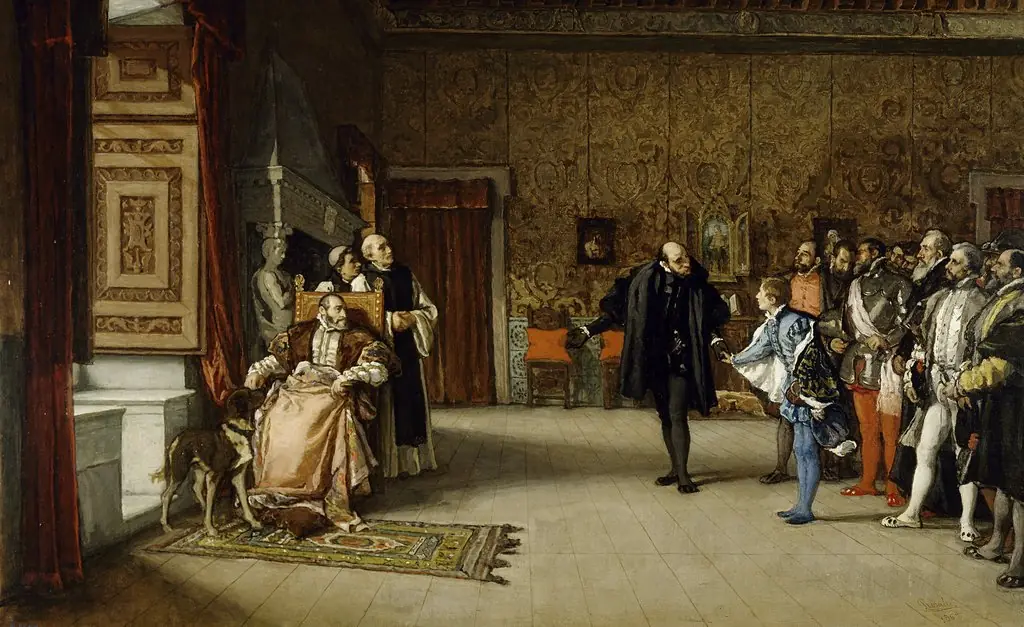 Juan de Austria's presentation to Emperor Carlos V in Yuste
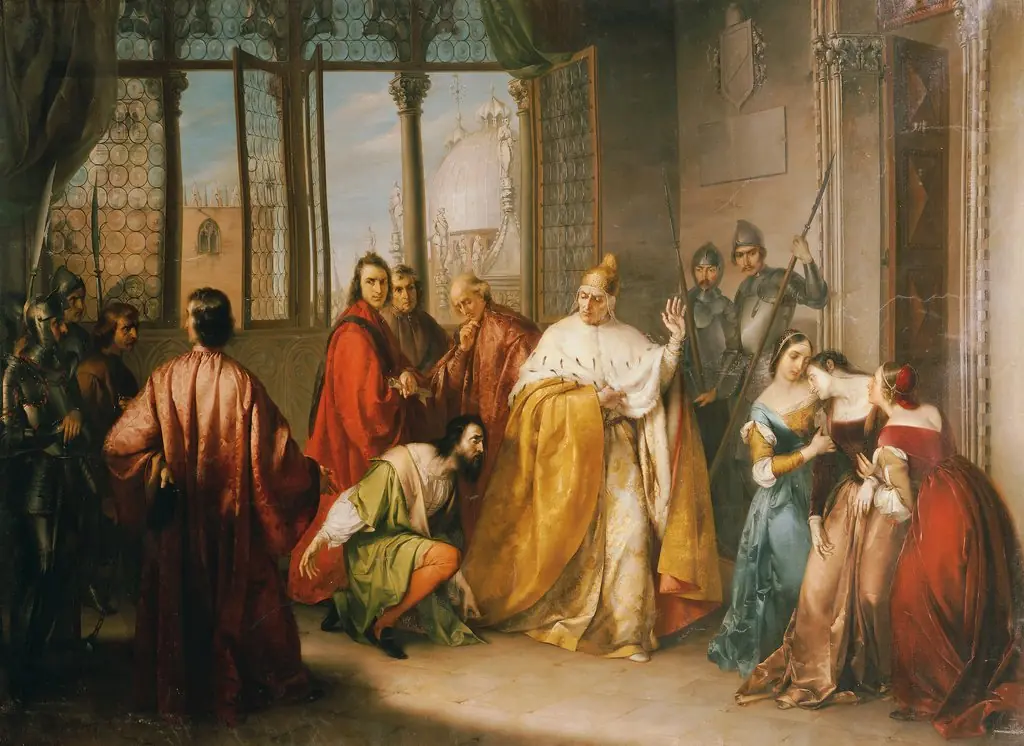 Der Doge Francesco Foscari schickt seinen Sohn Giacomo in die Verbannung ("I due Foscari")
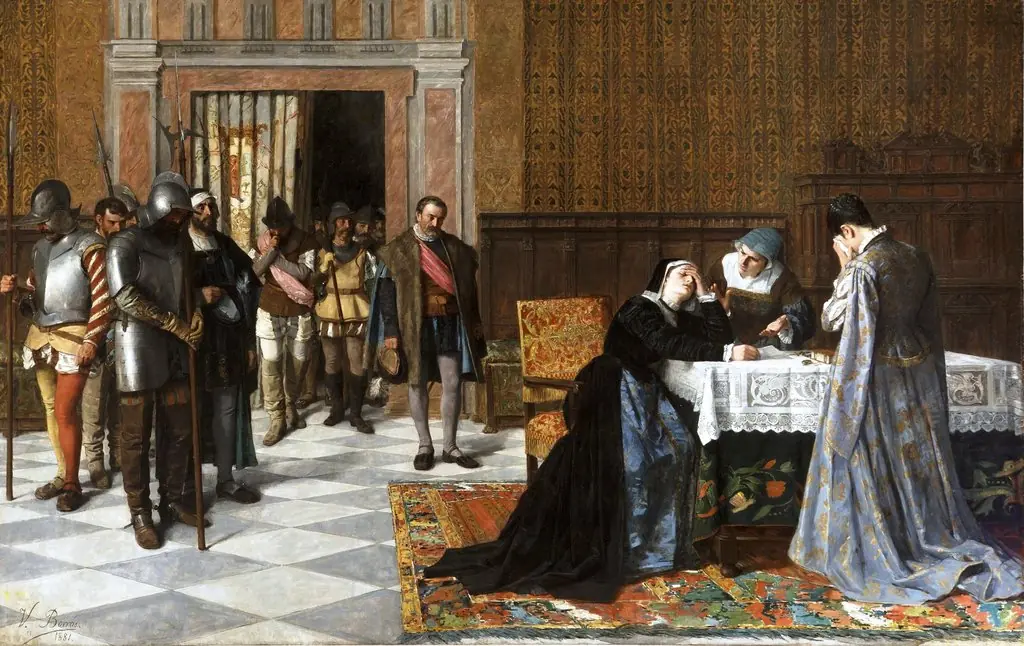 Doña María Pacheco de Padilla después de Villalar
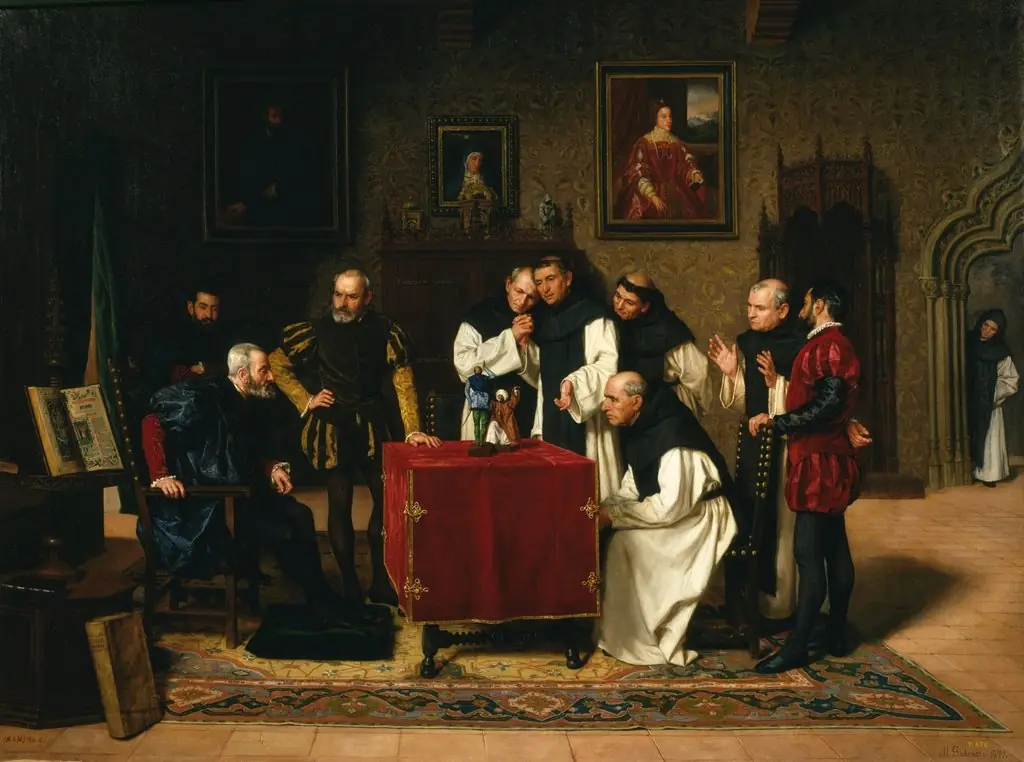 Charles V at Yuste
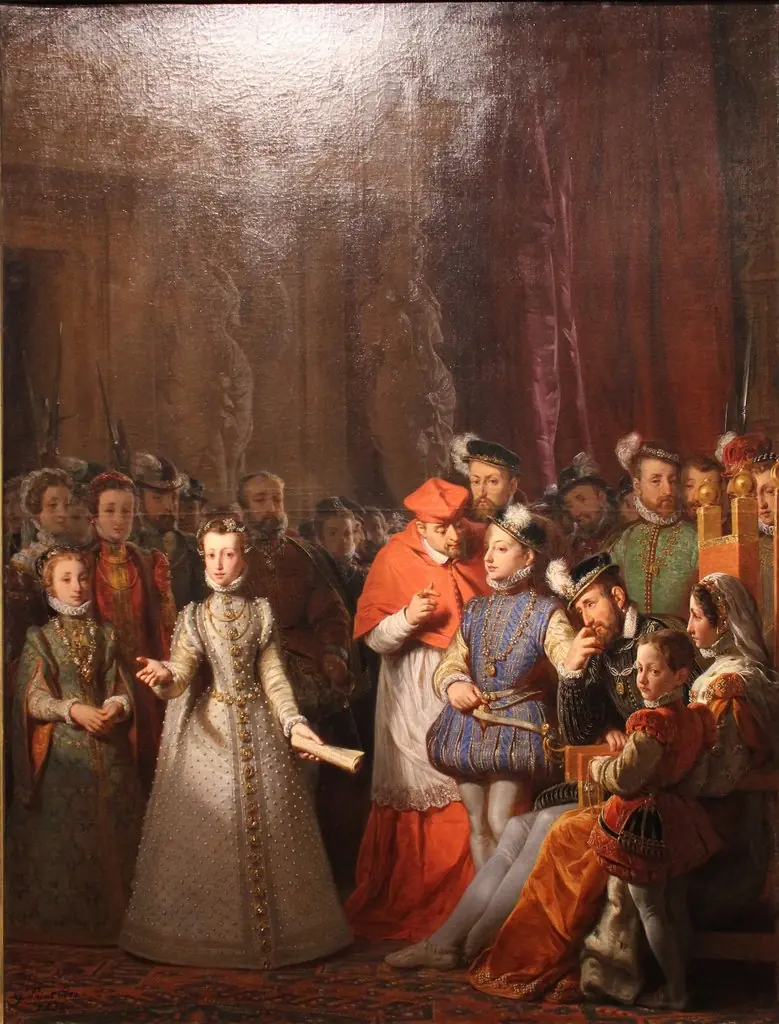 L’Éducation de Marie Stuart à la cour de François II by Gillot Saint-Evre
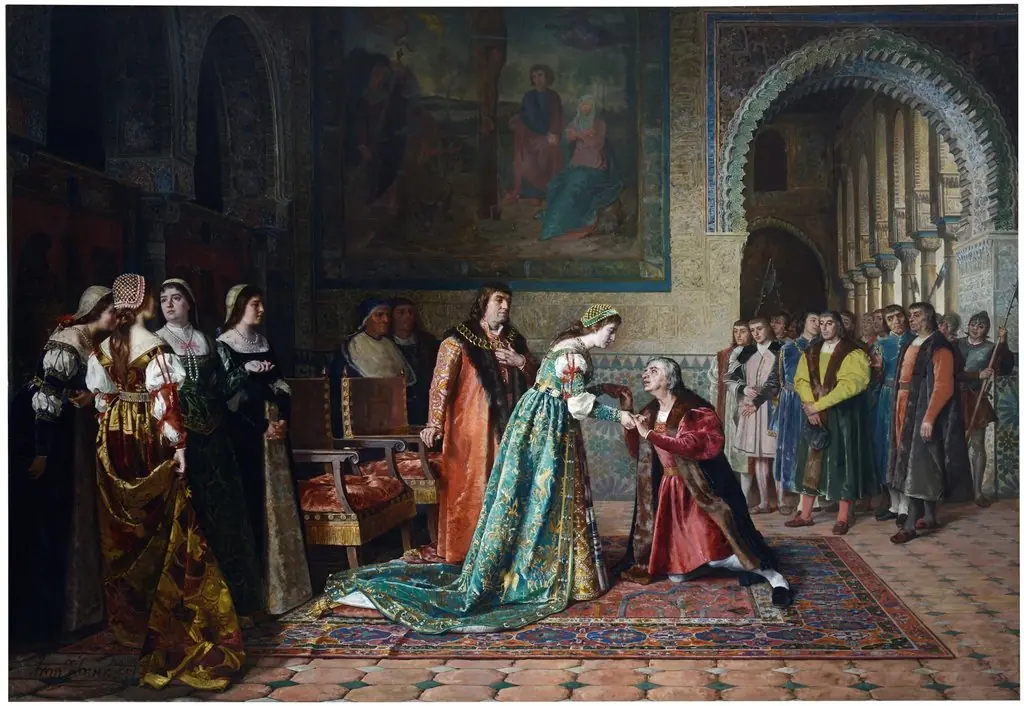
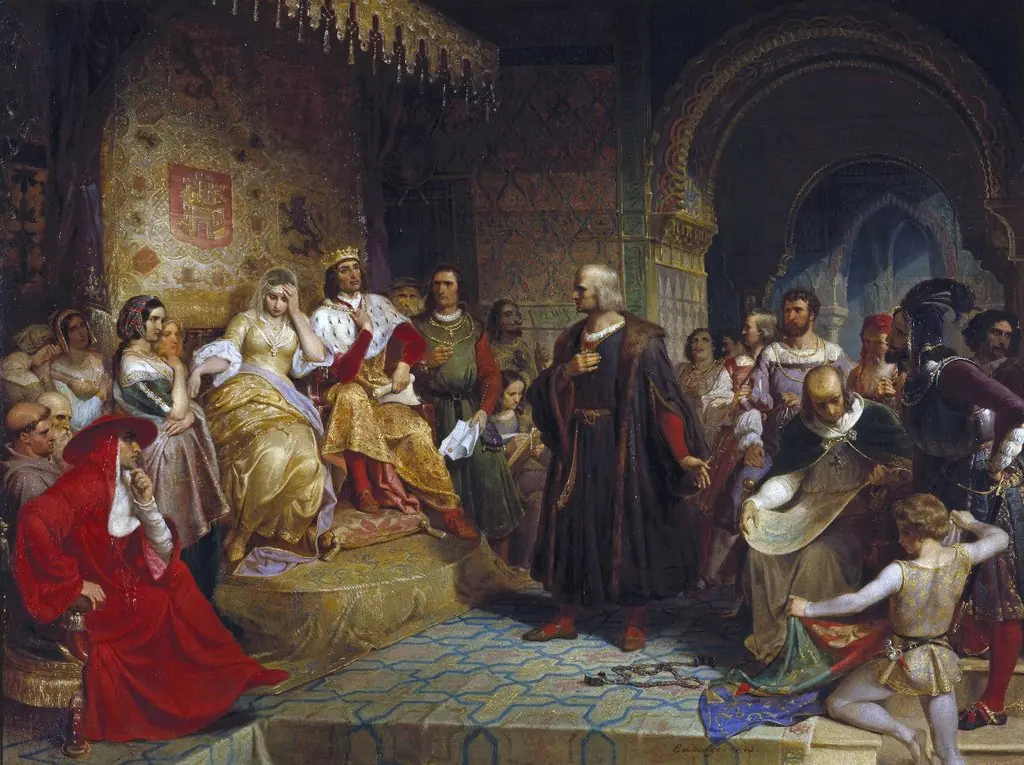 Columbus Before the Queen
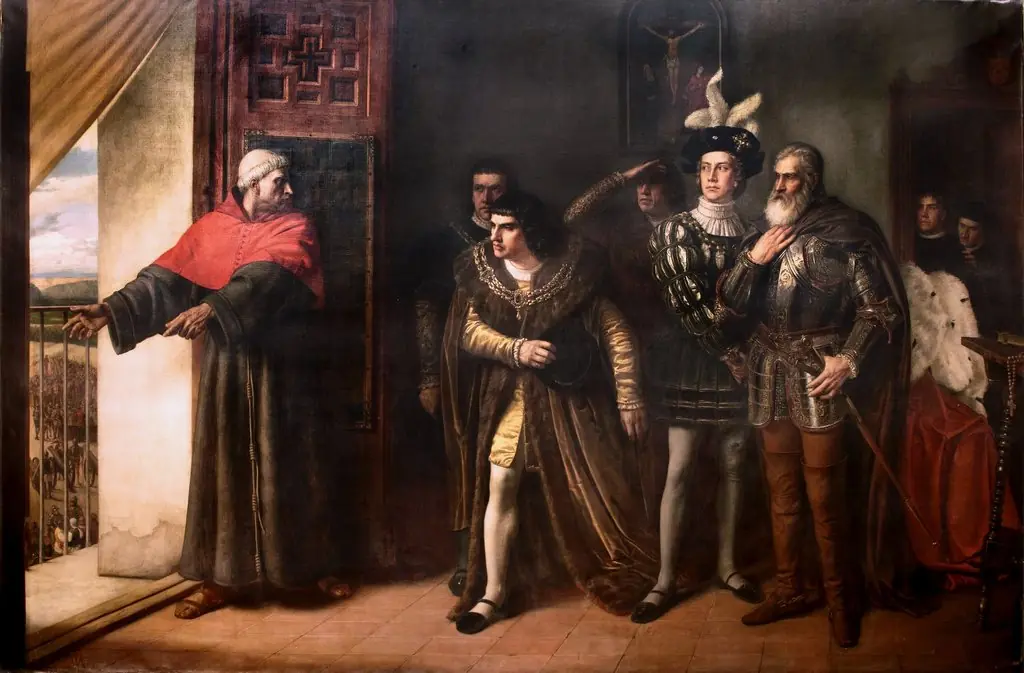 Cisneros y los Grandes
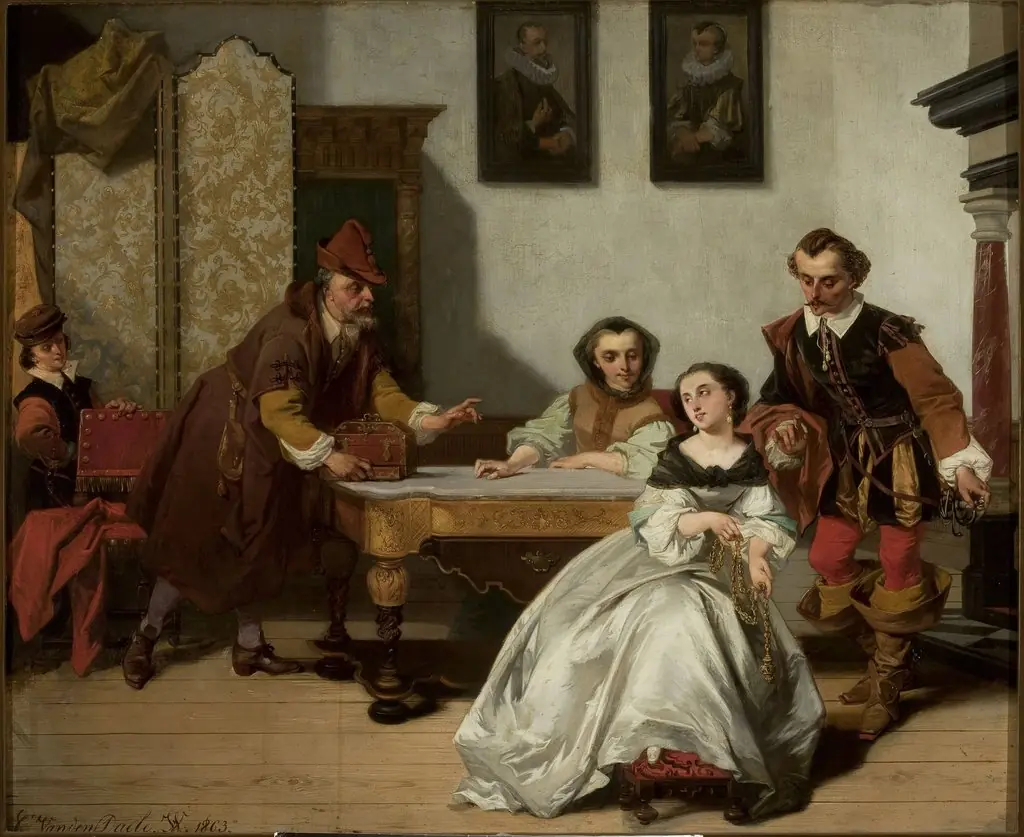 Sale of jewels
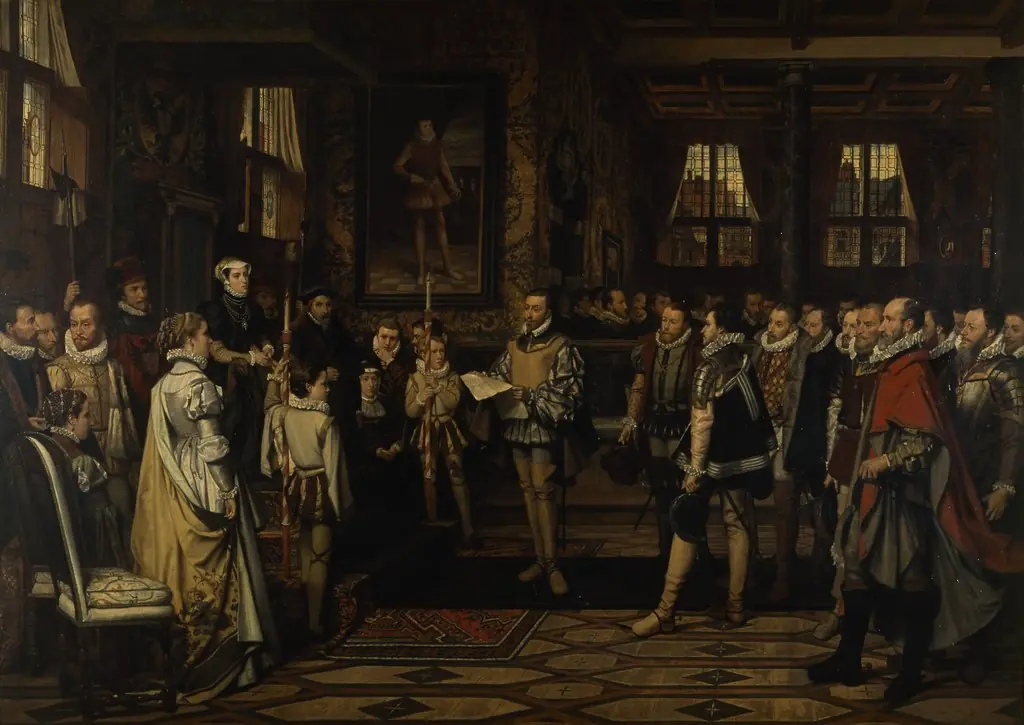 Margaret of Parma Recieves the Petittion of the Nobility
 La despedida