Artwork
Jacobo II de Inglaterra (copia)
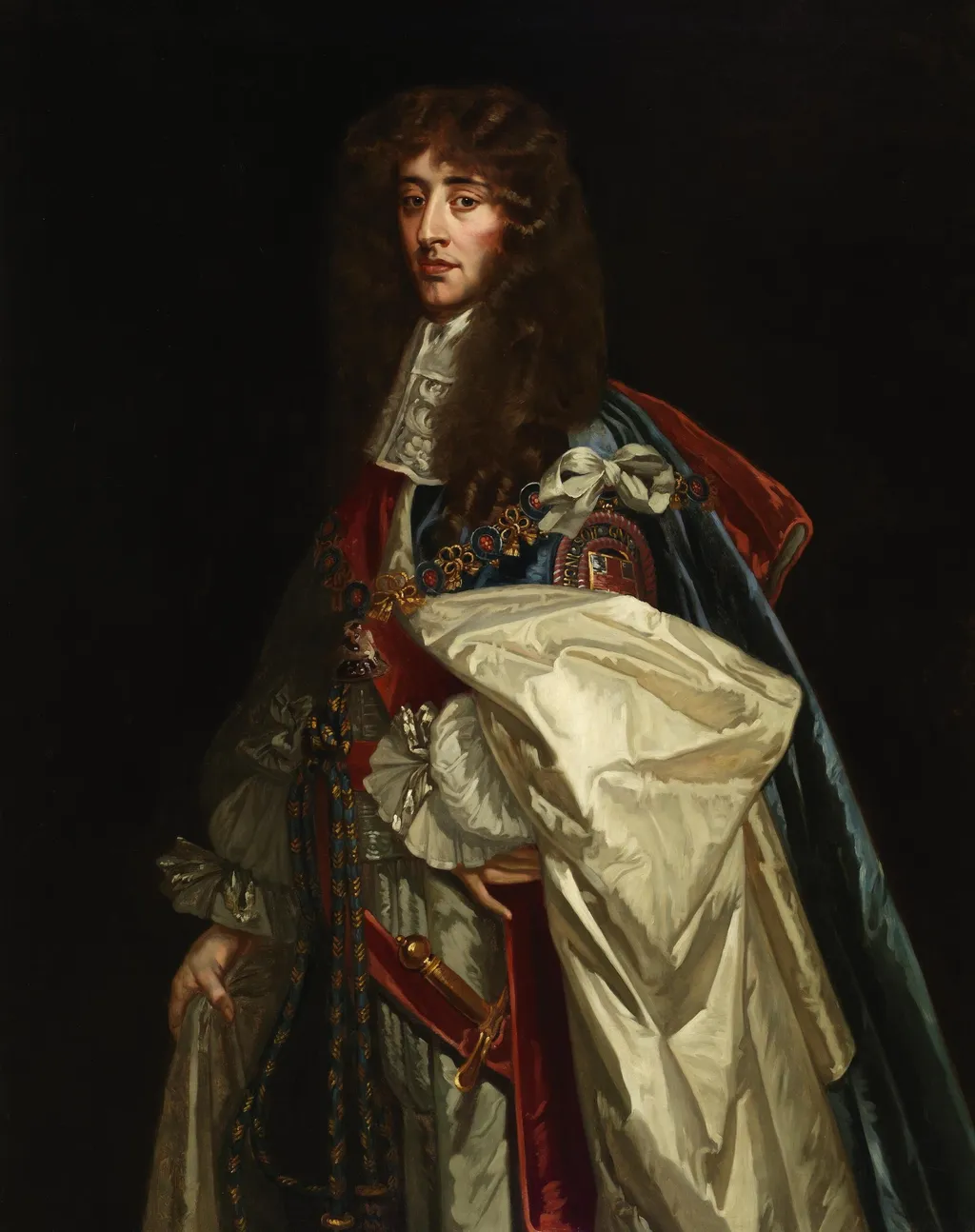
Jacobo II de Inglaterra (copia) is an oil painting by the Post-Impressionist artist Francisco Jover y Casanova. It dates from 1889 and is held in the collection of the Museo del Prado.
About this work
Overview
Created in 1889, this oil painting by Spanish artist Francisco Jover y Casanova portrays a regal figure in elaborate dress. The work belongs to the Prado Museum’s holdings and reflects the painter’s interest in historical portraiture during the late nineteenth century.
Subject & Meaning
The canvas depicts a male sitter with flowing curls, a moustache, and a sword in his right hand, his left hand placed on his hip. He is attired in a white shirt with ruffles, a red‑blue cape edged in gold, a white robe cinched with a red sash, and a gilded belt, suggesting a royal or noble identity, likely referencing James II of England.
Technique & Style
Executed in oil, the painting employs a realistic approach with careful attention to the textures of fabric, metal, and hair. Subtle contrasts between the dark background and the illuminated costume enhance the three‑dimensionality of the figure, recalling chiaroscuro methods while maintaining a post‑impressionist sensibility in brushwork.
History & Provenance
Francisco Jover y Casanova (1836–1890) produced the work while based in Madrid, shortly before his death. It entered the collection of the Museo del Prado, where it remains on display, representing the artist’s late period and his contribution to Spanish historical painting.
Own this work as a print
Artist & collection
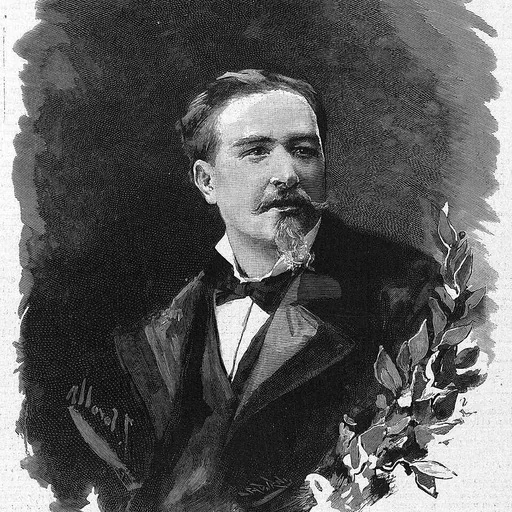
Artist
Francisco Jover y Casanova (1836, Muro de Alcoy - 19 February 1890, Madrid) was a Spanish painter of historical scenes and portraits.

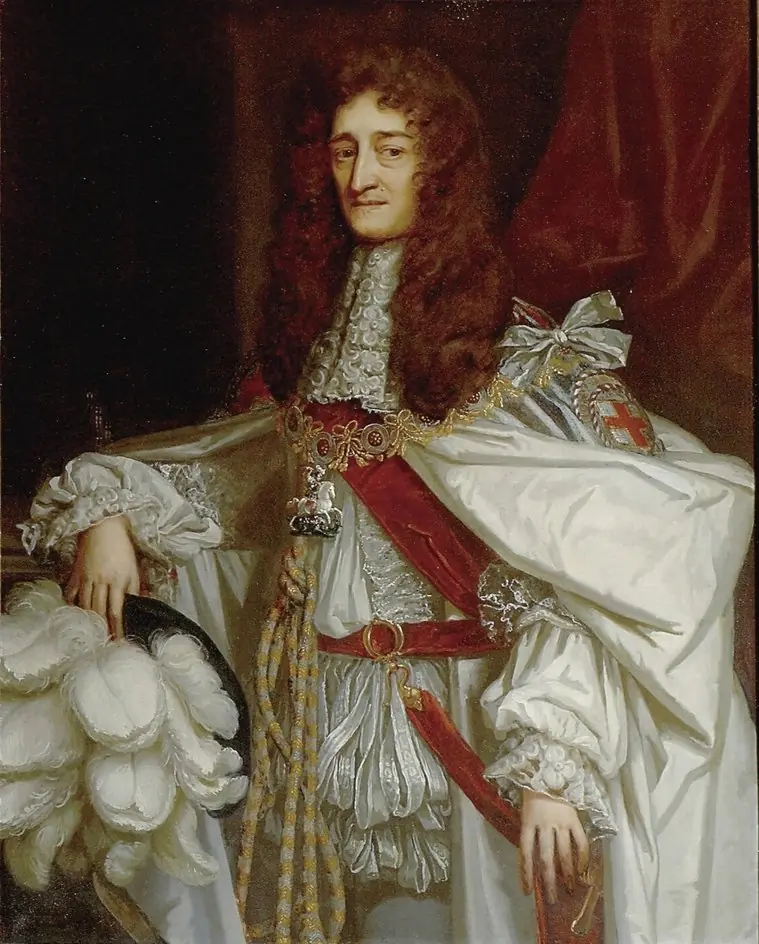 Prince Rupert of the Rhine in Garter Robes
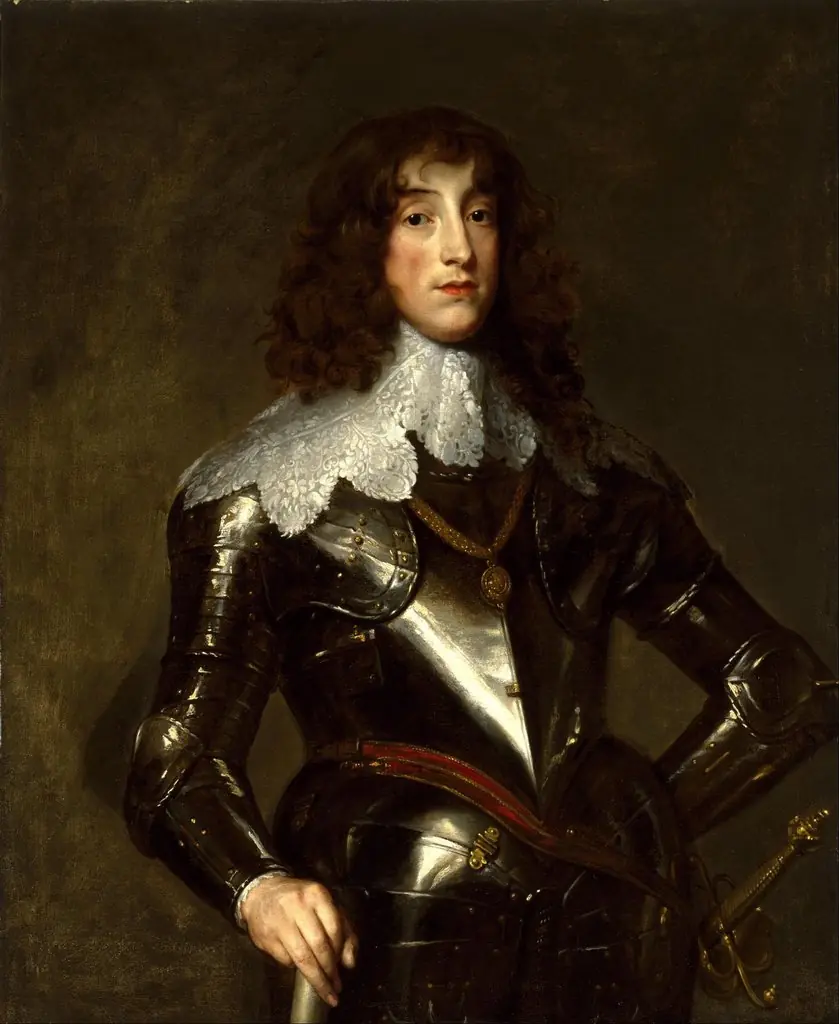 Charles Louis, Elector Palatine
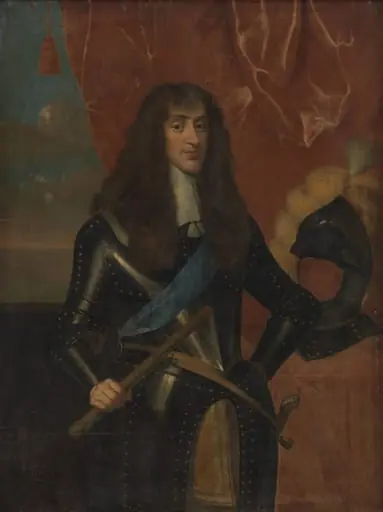 Prince James of England
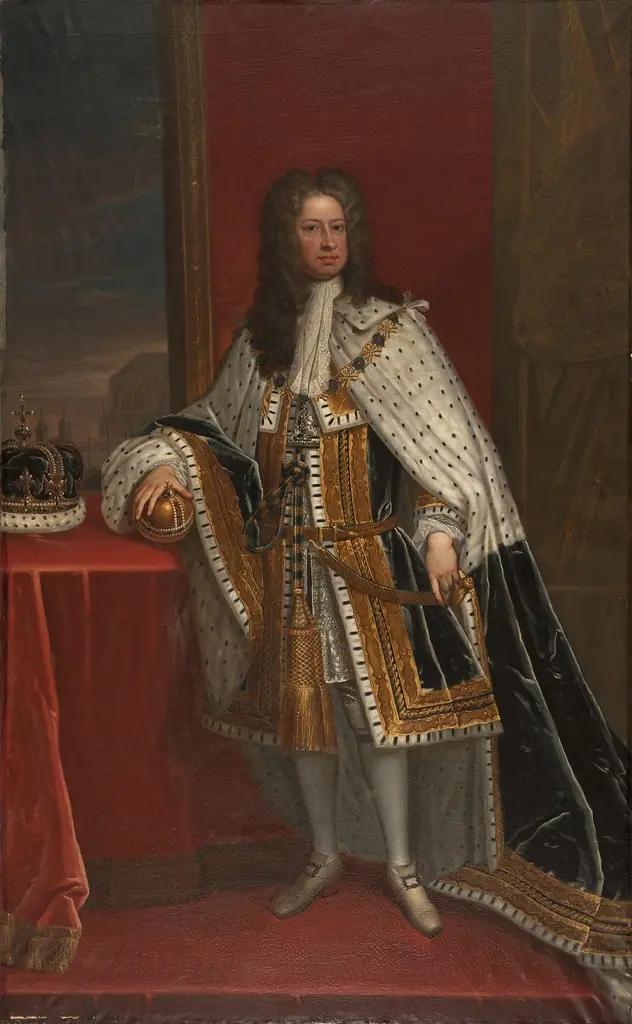 Georg I, 1660-1727, kung av England, kurfurste av Hannover
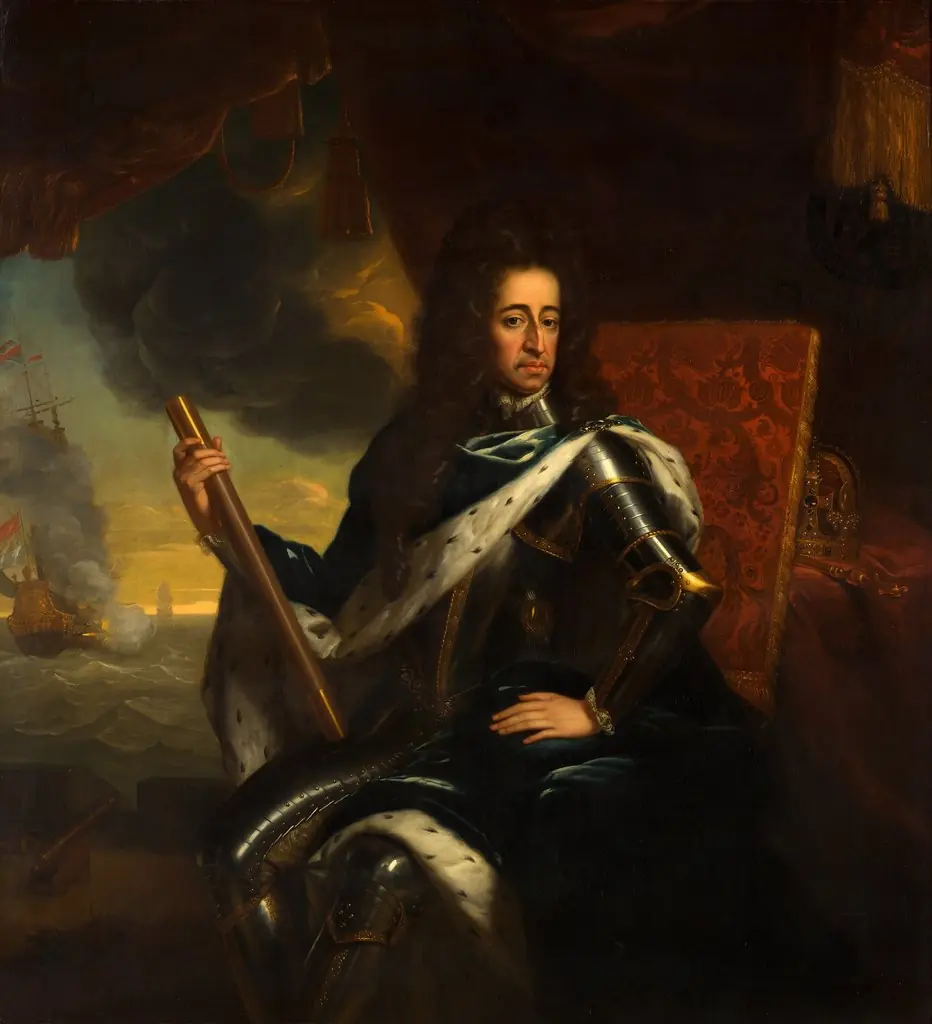 Portrait of Stadholder-King William III (1650- 1702)
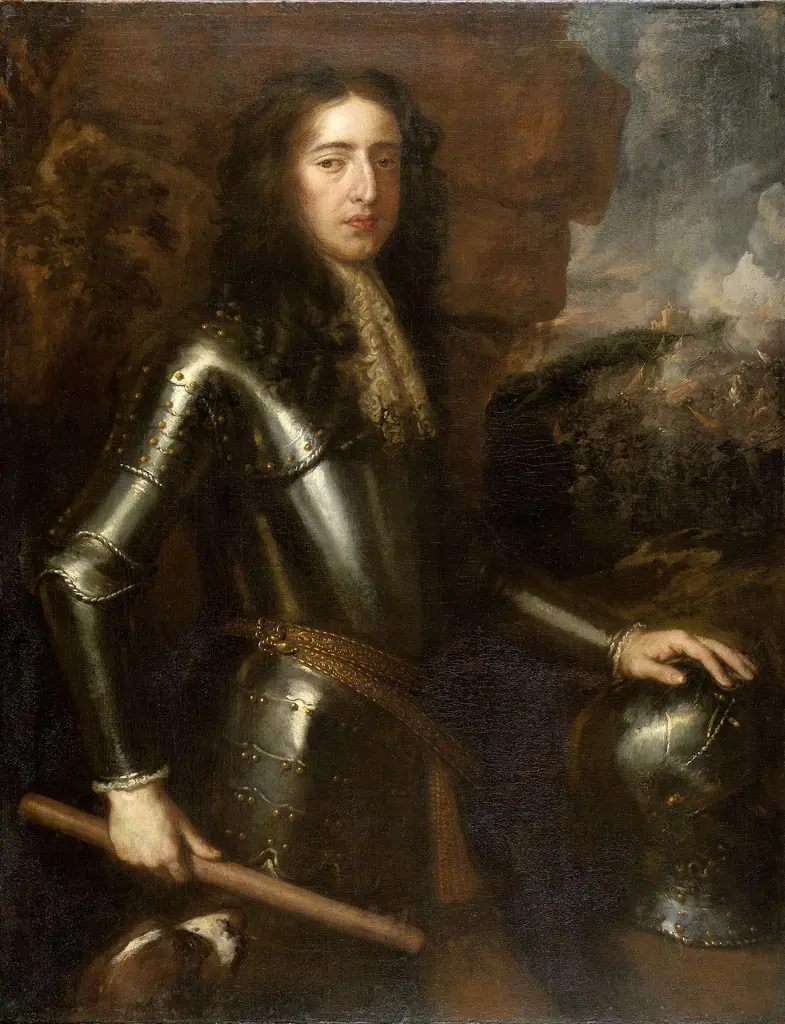 Portrait of William III (1650-1702), Prince of Orange
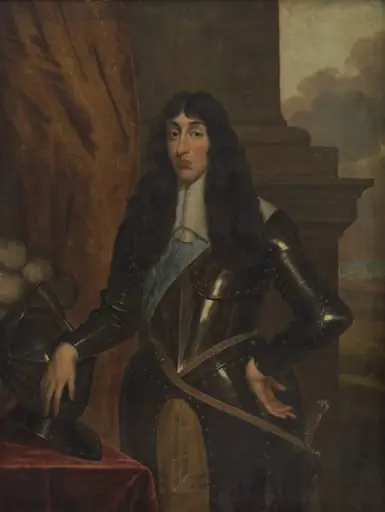 Portrait of Prince Henry of England
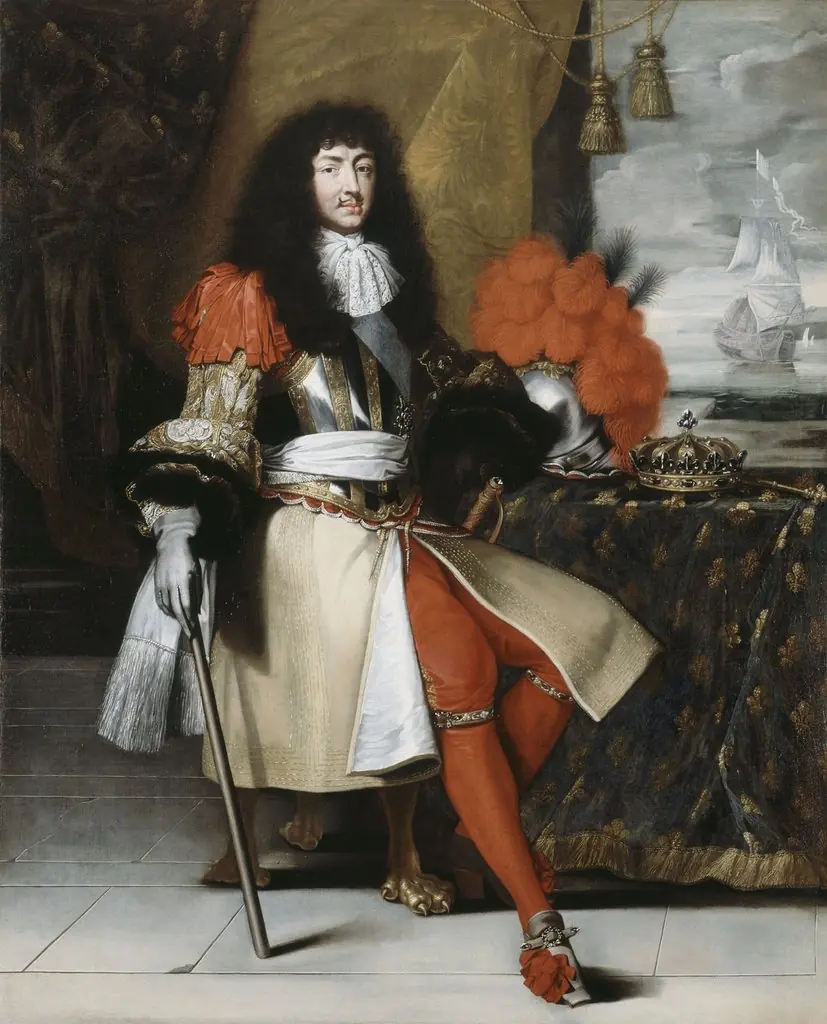 Portrait of Louis XIV of France
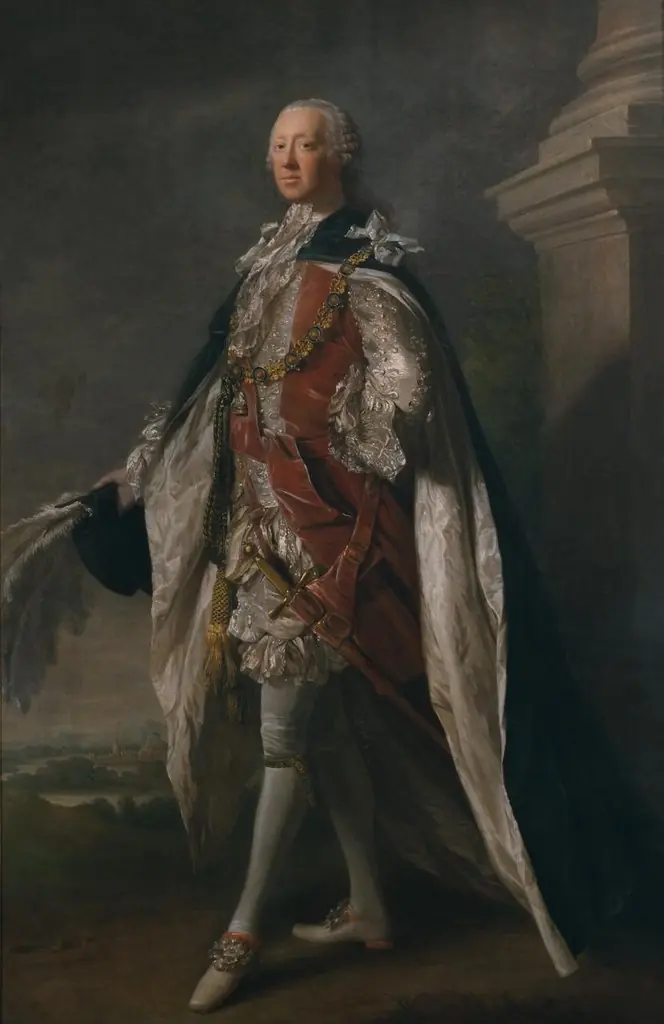 Richard Grenville, 2nd Earl Temple
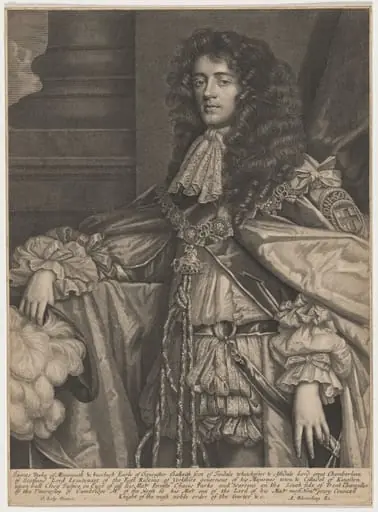 James, Duke of Monmouth and Buccleuch
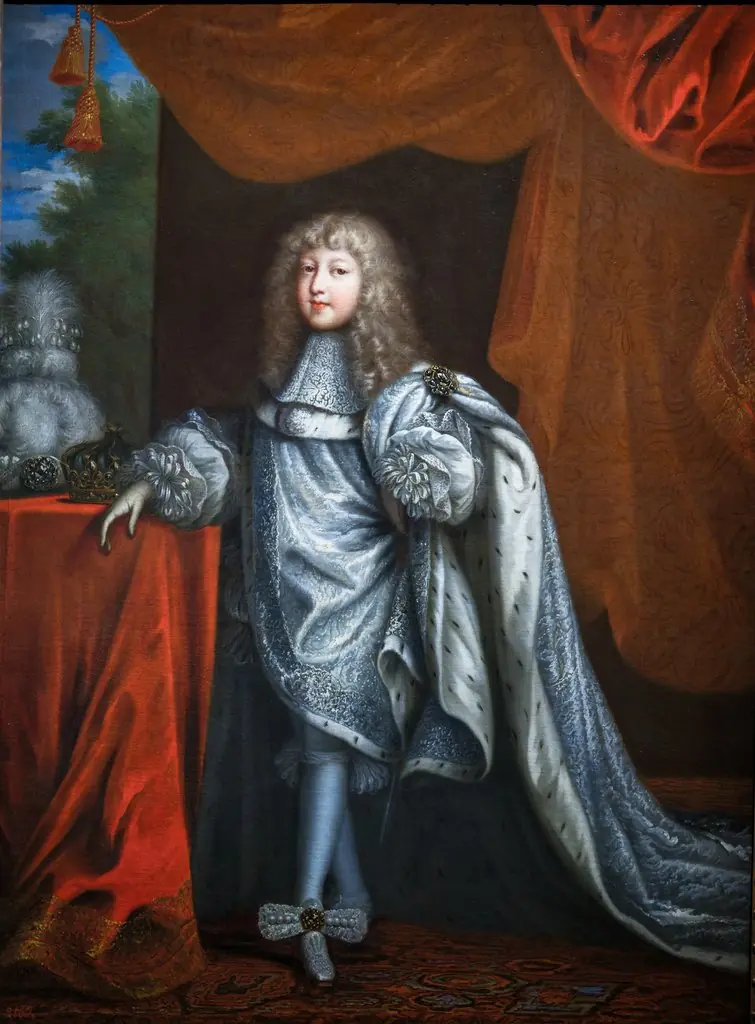 Louis of France, the Grand Dauphin
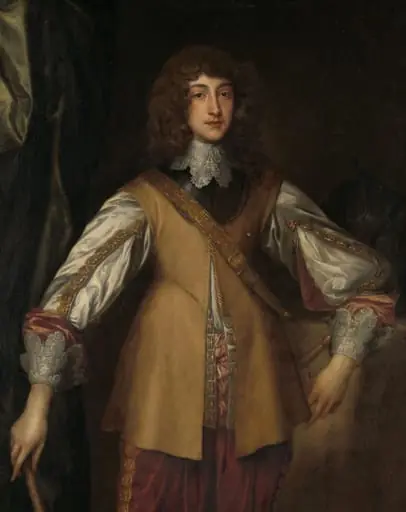 Portrait of Rupert (1619-1682), Prince-Palatine of the Rhine, in Combat Dress