Artwork
Portrait of Konstanty Zawadzki, Judge of the Court of the Radom Voivodship, or Stanisław Gostkowski
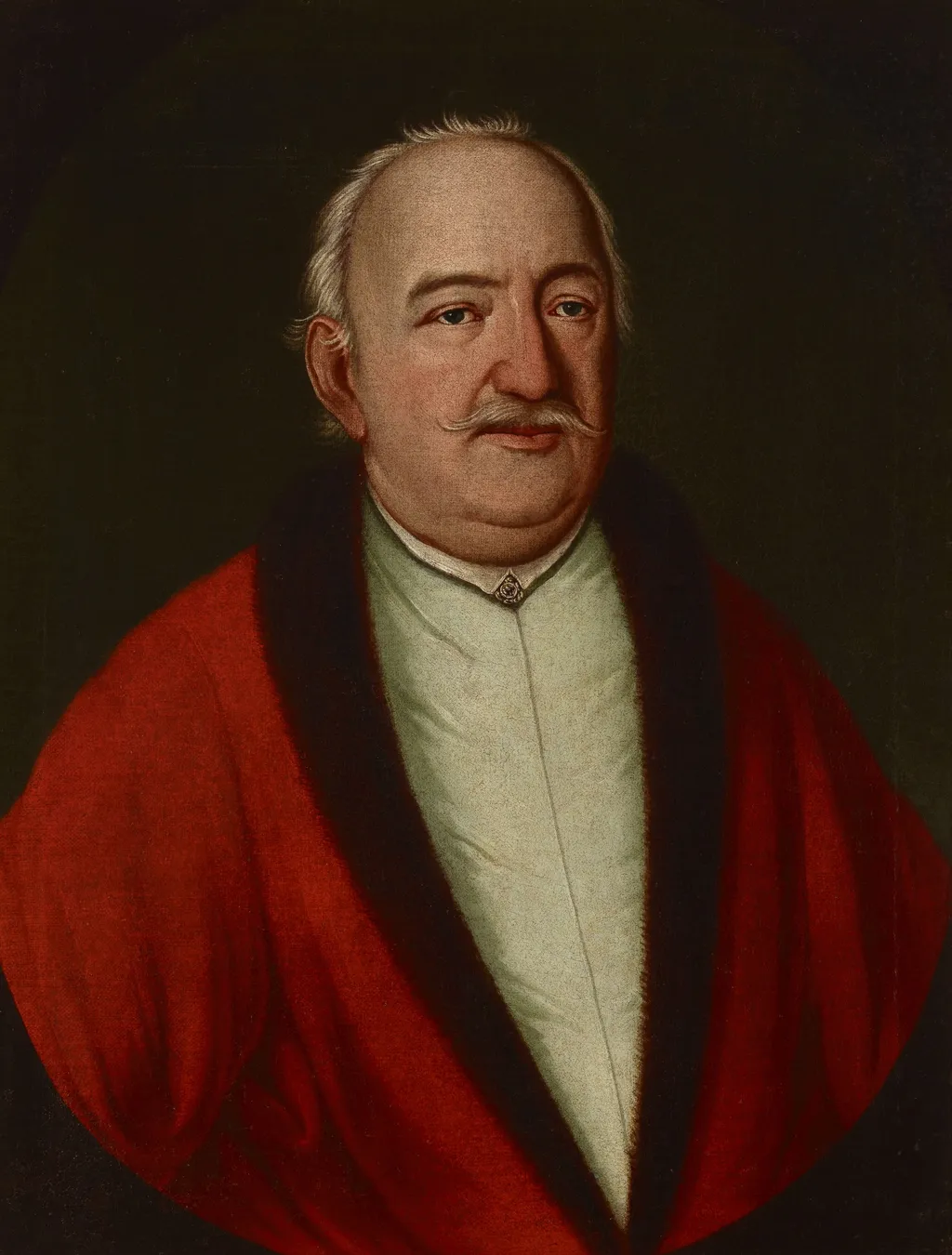
Portrait of Konstanty Zawadzki, Judge of the Court of the Radom Voivodship, or Stanisław Gostkowski is an oil painting by the Rococo painting artist Franciszek Ignacy Molitor. It dates from 1792 and is held in the collection of the National Museum in Kraków.
About this work
Overview
The composition emphasizes dignity through restrained color and focused expression.
Painted in 1792 by Franciszek Ignacy Molitor, this oil portrait depicts a judicial official from the Radom Voivodship, possibly Konstanty Zawadzki or Stanisław Gostkowski. The work is part of the National Museum in Kraków’s collection and reflects the tradition of portraying civic leaders in formal attire during the late Polish-Lithuanian Commonwealth era. The composition emphasizes dignity through restrained color and focused expression.
Subject & Meaning
The sitter, a judge in the regional court, is rendered with solemnity, his direct gaze conveying authority and vigilance. His attire—a red robe over a white high-collared shirt—signals his official status, while the small pin on his collar may denote a civic or honorific distinction. The absence of symbolic objects or elaborate settings shifts focus to the individual’s presence, underscoring the value placed on personal integrity in public service.
Technique & Style
Molitor employed a muted palette dominated by deep browns and the vivid red of the robe, contrasting sharply against a dark, indistinct background. Brushwork is precise yet unobtrusive, particularly in the rendering of facial features and the texture of fabric. The lighting is even and frontal, avoiding dramatic chiaroscuro, which aligns with the portrait’s emphasis on restraint and gravitas rather than theatricality.
History & Provenance
The painting entered the National Museum in Kraków’s holdings in the 19th century, though its exact acquisition path remains undocumented. It was likely commissioned by the sitter or his family shortly after 1792, during a period of political reform in the Commonwealth. Its survival through partitions and wars suggests it was preserved as a record of civic identity rather than aristocratic display.
Context
Created just two years before the Second Partition of Poland, the portrait reflects a cultural moment when civic institutions were still active despite growing external pressures. Portraits of judges and magistrates like this one served to affirm the legitimacy of local governance. The sitter’s modest adornment and lack of heraldic elements distinguish this work from noble portraiture, highlighting a merit-based administrative class.
Legacy
The portrait remains a quiet testament to the dignity of public office in late 18th-century Poland. It contributes to the understanding of how civic identity was visually constructed outside the nobility. Though not widely exhibited, it is referenced in scholarly studies on Polish portraiture and the evolution of legal authority in the Commonwealth’s final decades.
Artist & collection
Artist
Franciszek Ignacy Molitor (1741–1794) was an artist, born in Bohemia.

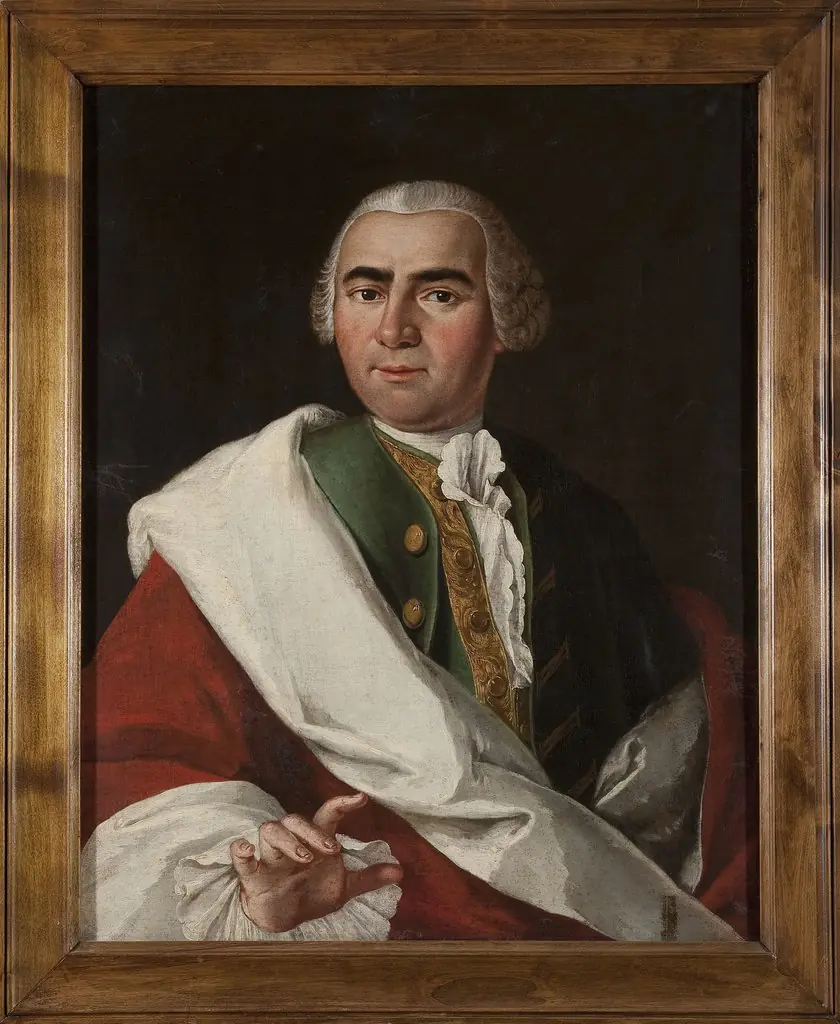
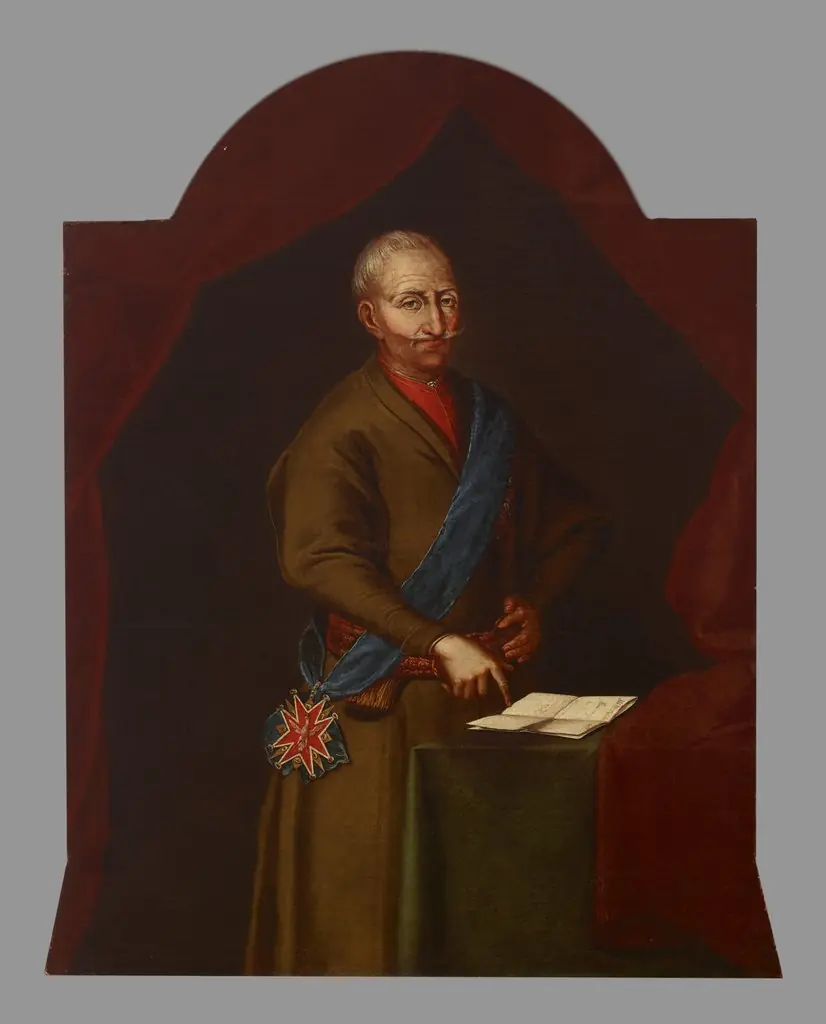
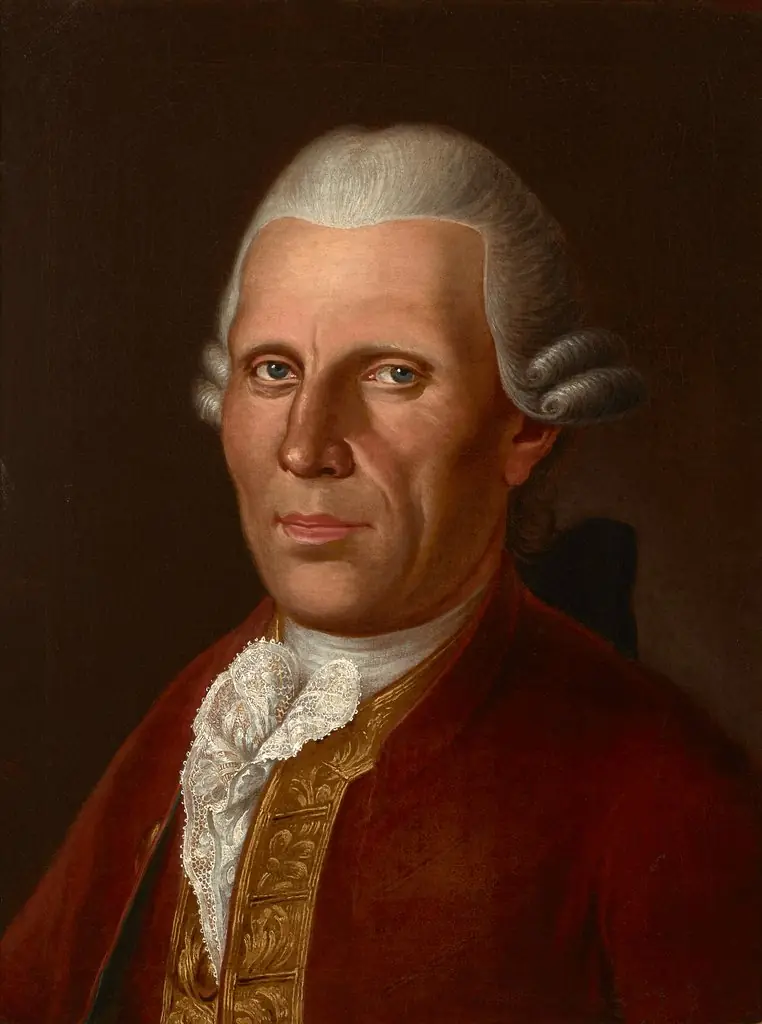
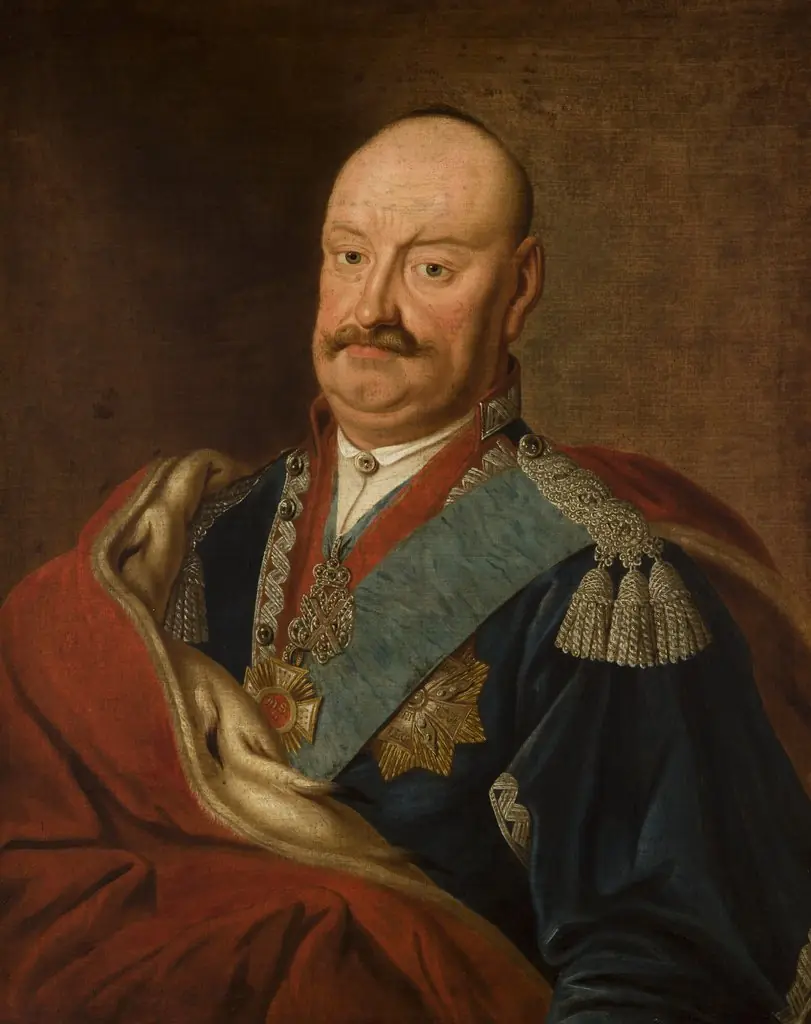 Portrait of Karol Stanisław Radziwiłł "Panie Kochanku" (1734–1790), Voivode of Vilnius
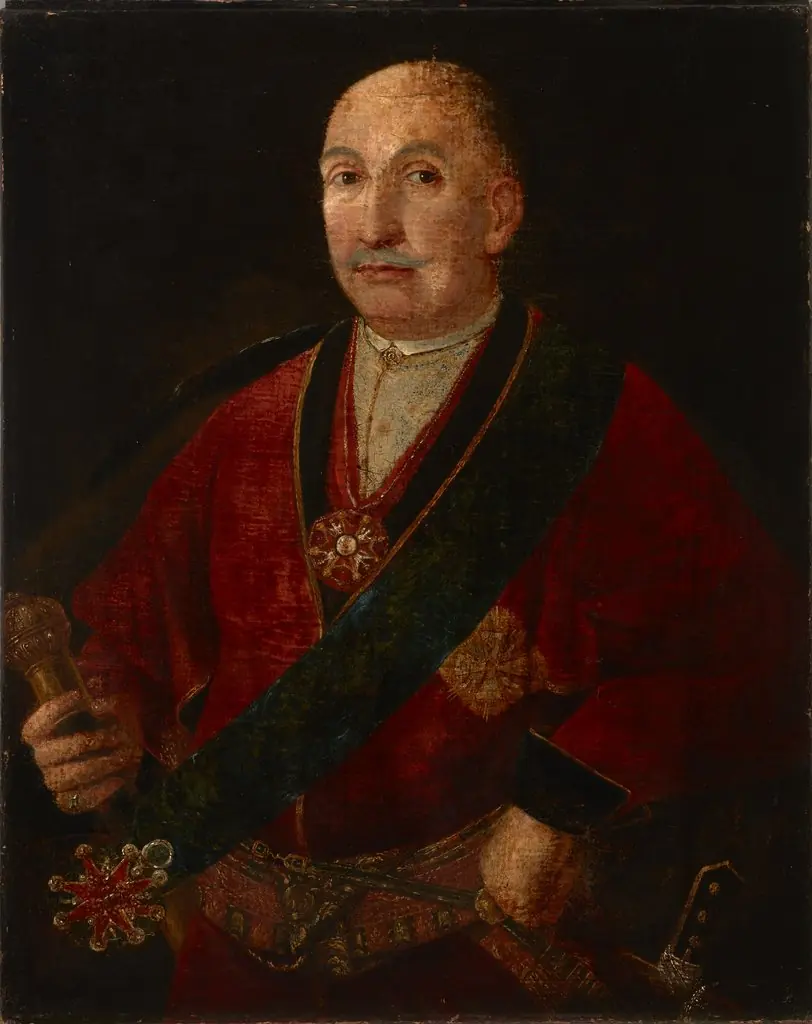 Portrait of Stanislaw Kostka Dembinski, Castellan of Wojnice (1708-1781)
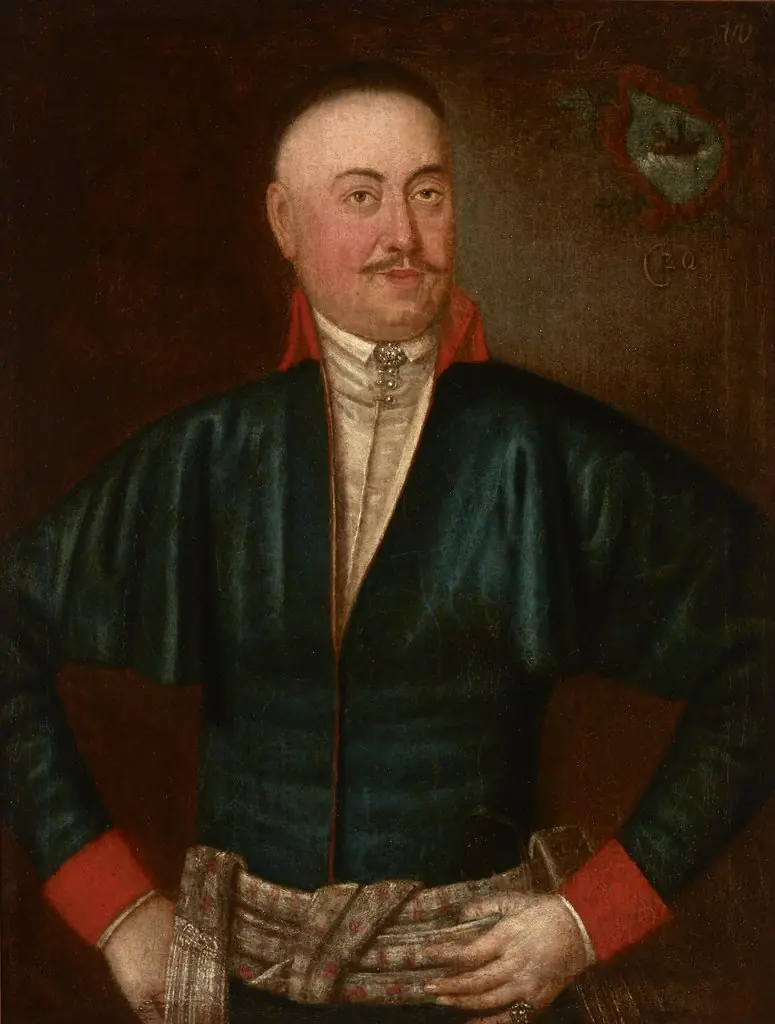 Portrait of an unknown man
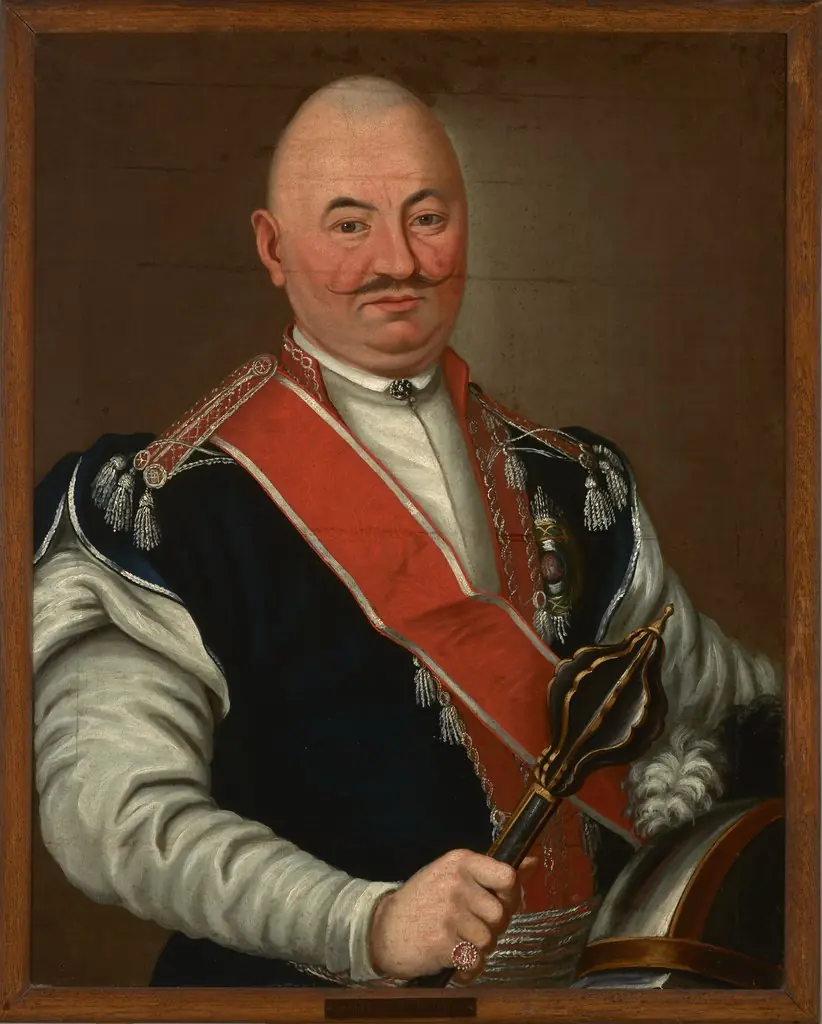 Portrait of Józef Gabriel Stempkowski (d. 1793), Voivode of Kyiv
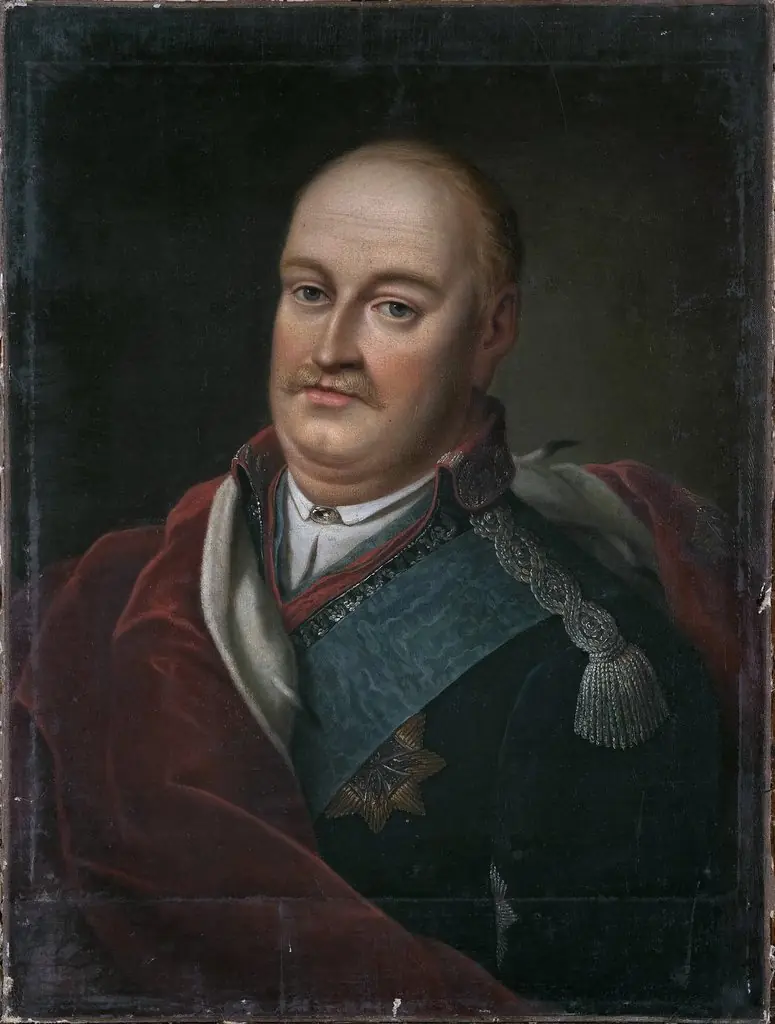 Portrait of Karol II Stanisław Radziwiłł (1734–1790) nicknamed “Panie Kochanku”
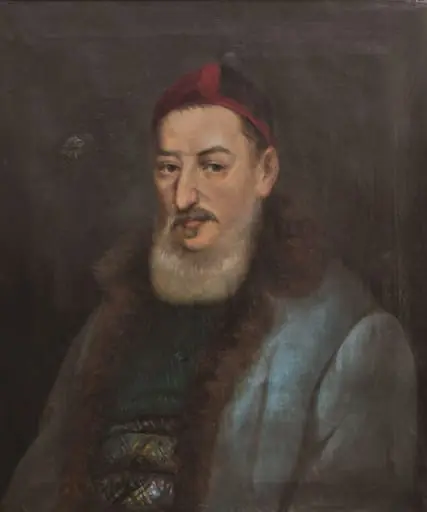 Portretul lui Alexandru Vilara
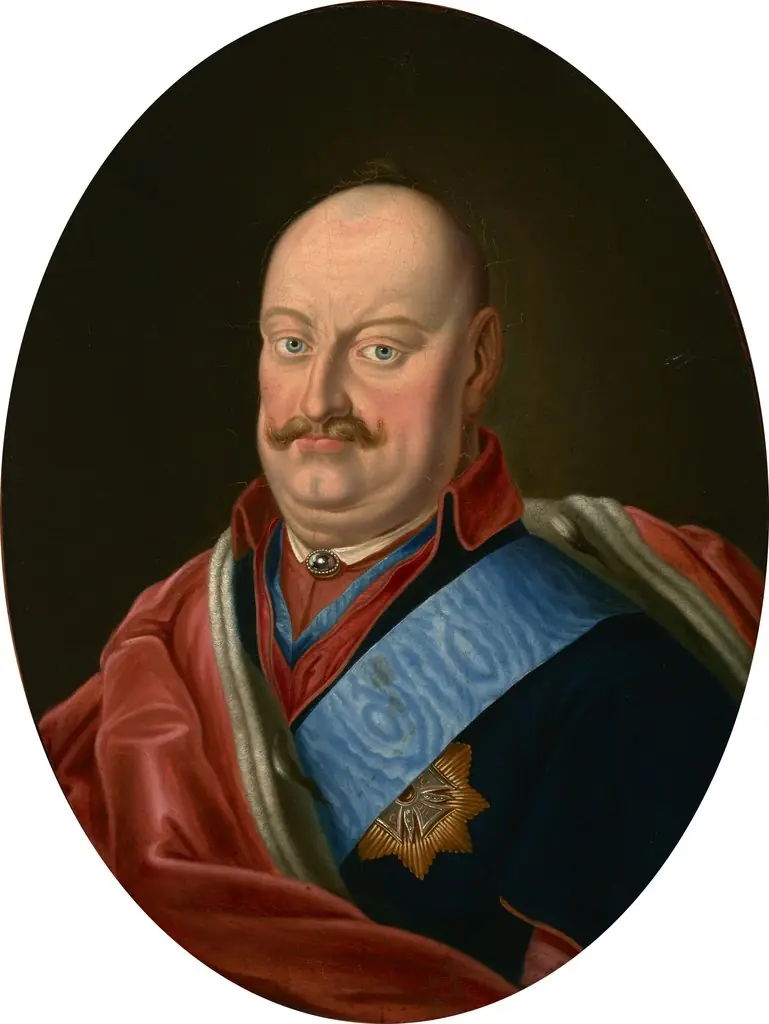 Portret Karola Radziwiłła "Panie Kochanku", wojewody wileńskiego (1734-1790) (uproszczona kopia portretu wykonanego przez K. Aleksandrowicza)
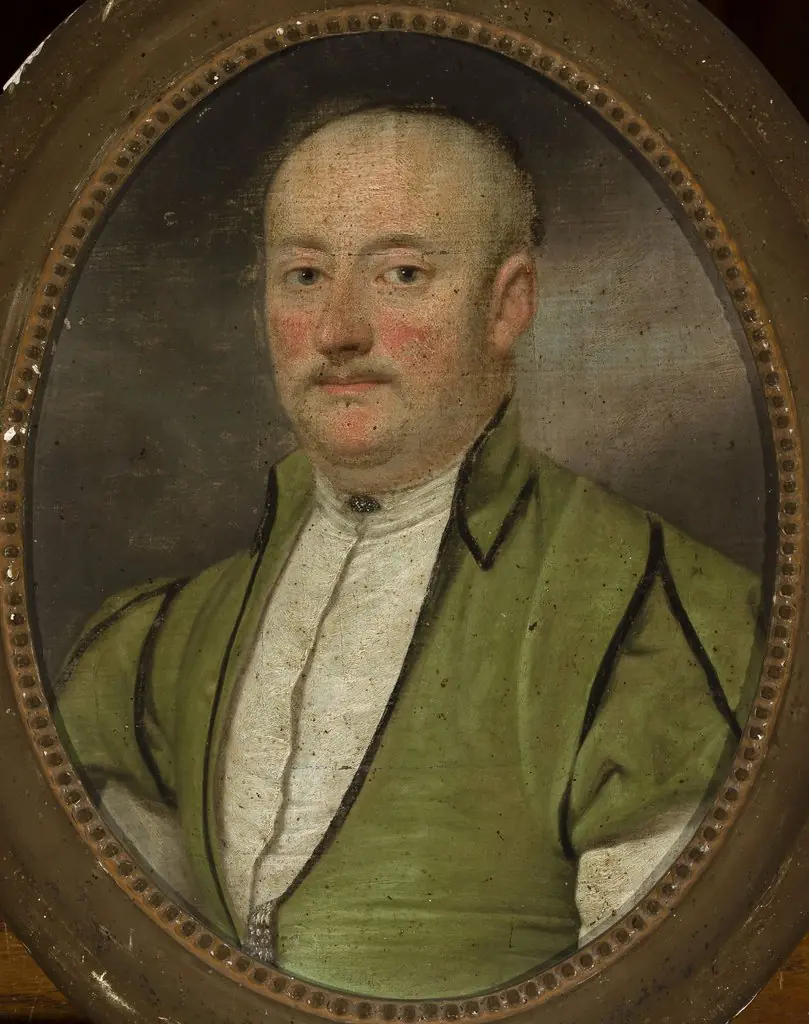 Portrait of Karol Węgliński
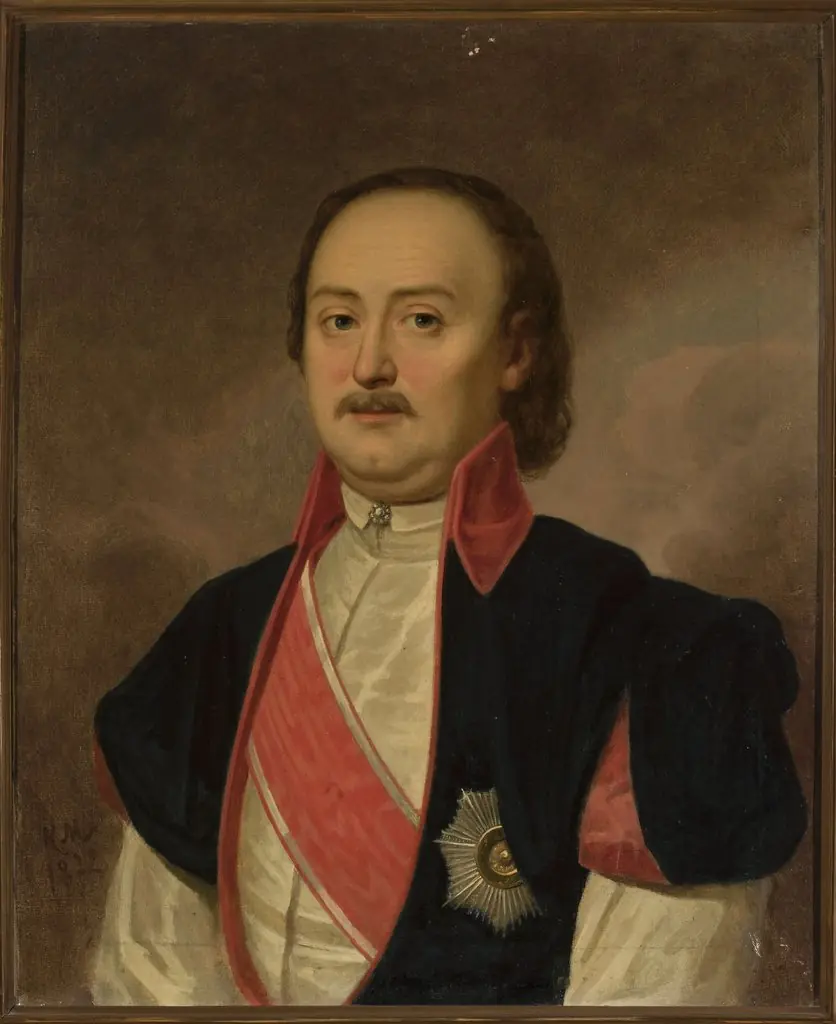 Portrait of Jan Nepomucen Stadnicki
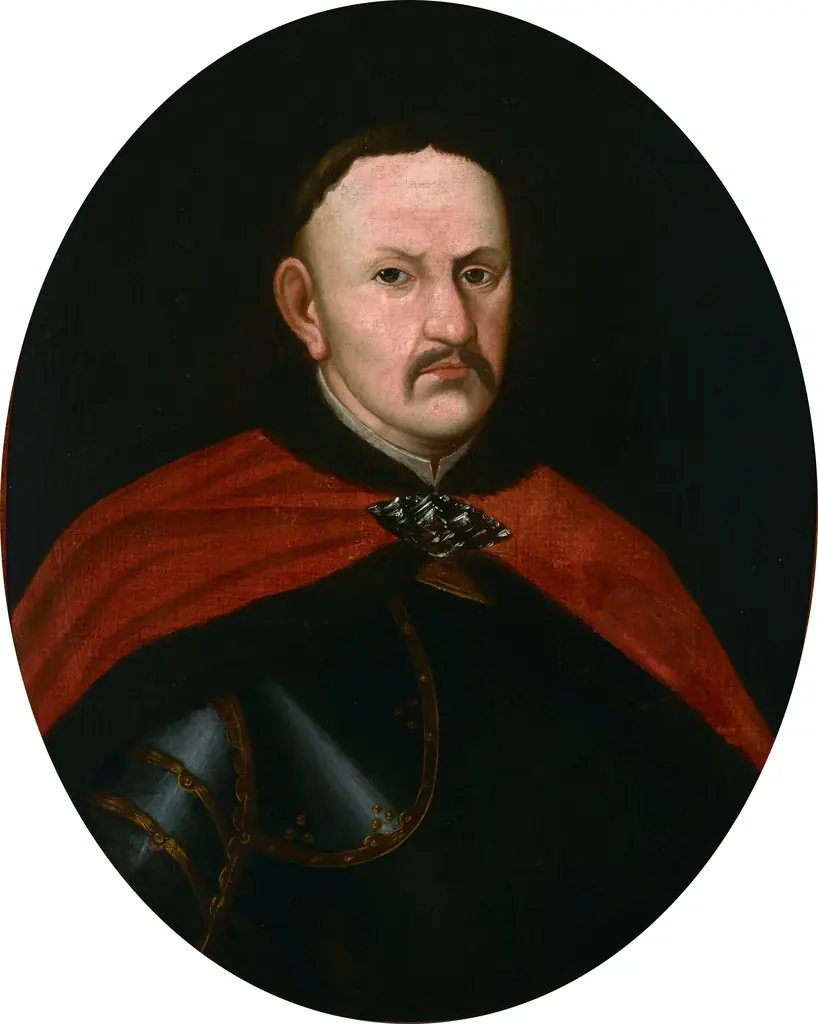 Portrait of Leonard Pociej (1632–1695), Voivode of Vitebsk
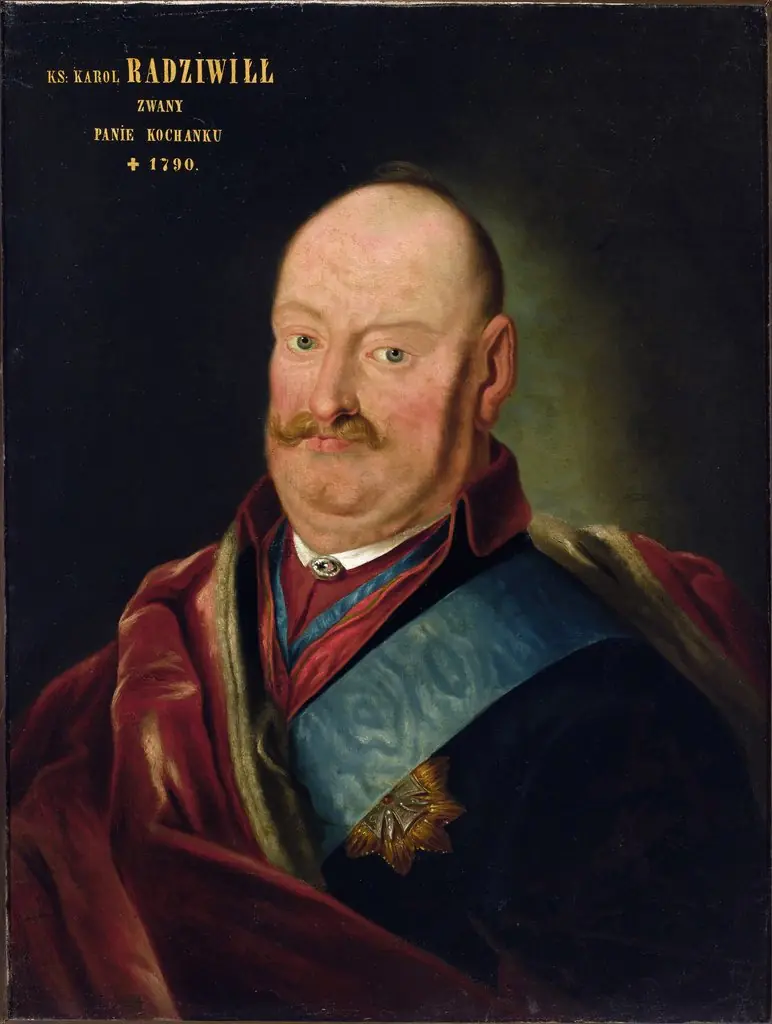 Portrait of Karol II Stanisław Radziwiłł (1734–1790) nicknamed “Panie Kochanku”
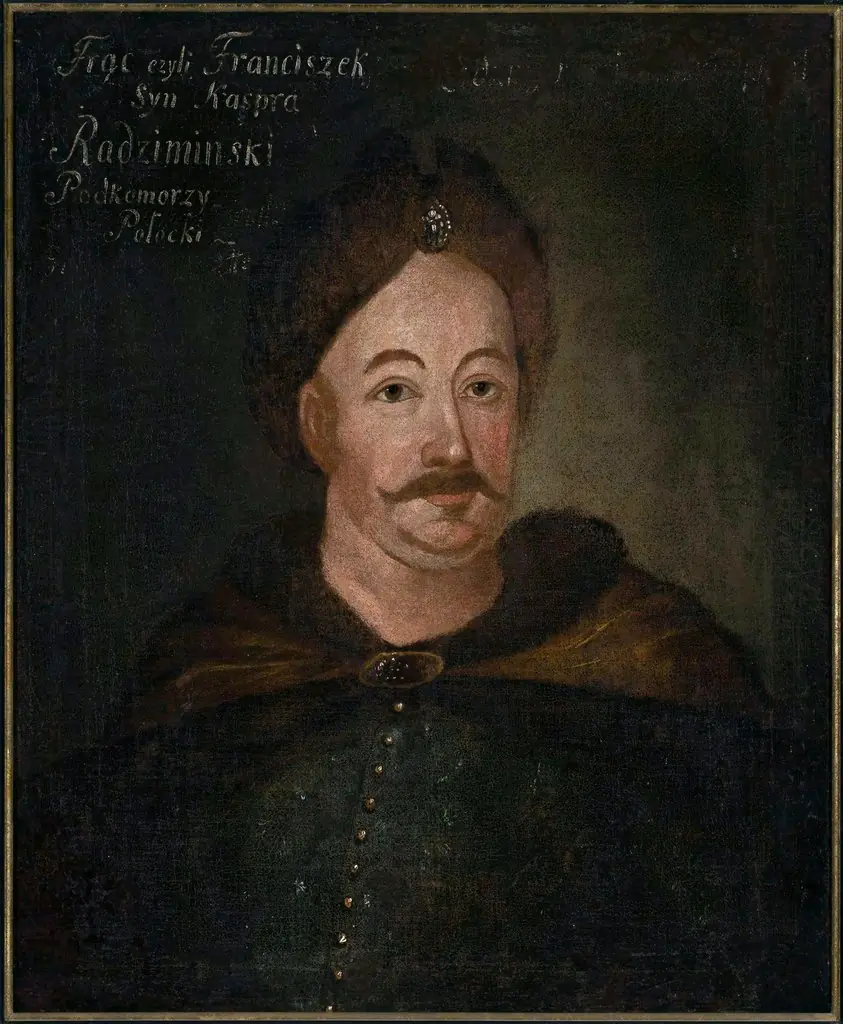 Portrait of Franciszek Radzimiński, chamberlain of Polotsk