Artwork
Portrait of Karol Stanisław Radziwiłł "Panie Kochanku" (1734–1790), Voivode of Vilnius
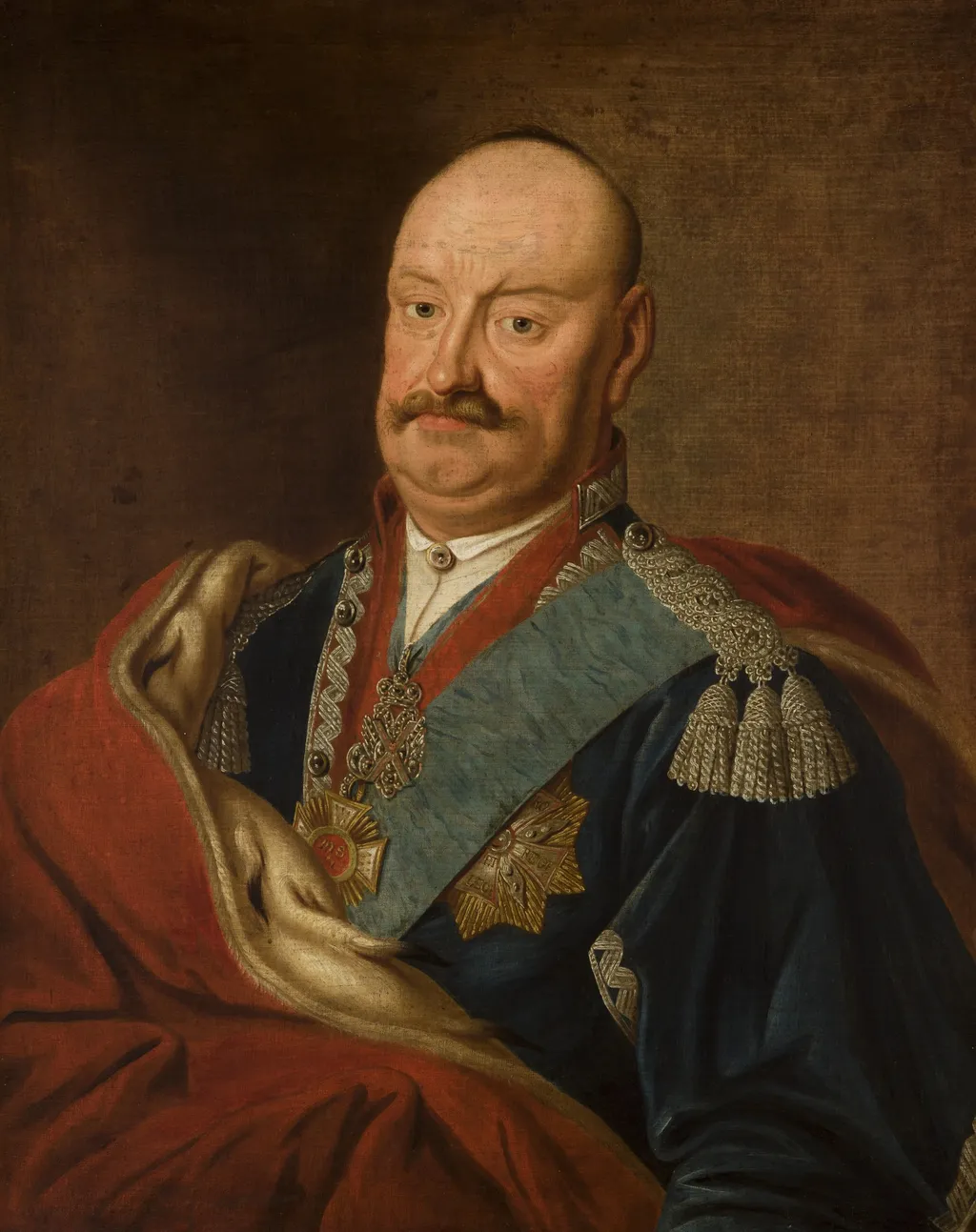
Portrait of Karol Stanisław Radziwiłł "Panie Kochanku" (1734–1790), Voivode of Vilnius is an oil painting by the Rococo painting artist Konstanty Aleksandrowicz. It dates from 1794 and is held in the collection of the National Museum in Kraków.
About this work
Overview
Konstanty Aleksandrowicz’s oil portrait, executed in 1794, presents Karol Stanislaw Radziwiłł, the former Voivode of Vilnius. The work belongs to the National Museum in Kraków’s collection and exemplifies late‑18th‑century Polish portraiture, focusing on the sitter’s rank and personal bearing.
Subject & Meaning
Karol Stanislaw Radziwiłł (1734‑1790), known by the affectionate nickname “Panie Kochanku,” is shown as a mature gentleman in his fifties. His solemn expression and the display of official insignia underscore his political and military authority within the Commonwealth, while the folded document in his hand hints at administrative duties.
Technique & Style
The painting employs a restrained palette of deep blues and reds, highlighted by gold‑toned buttons and medals. A dark, unadorned background isolates the figure, allowing chiaroscuro modelling to emphasize the texture of the uniform and the sitter’s facial features. The brushwork is smooth, typical of academic portraiture of the period.
History & Provenance
Created shortly after Radziwiłł’s death, the portrait entered the National Museum in Kraków as part of its 19th‑century acquisitions of noble family collections. Its documentation traces a continuous ownership within Polish state institutions, confirming its authenticity and provenance.
Context
At the time of the portrait’s execution, the Polish–Lithuanian Commonwealth was undergoing political turmoil, and the Radziwiłł family remained a prominent aristocratic house. The military attire reflects the era’s emphasis on noble service in the armed forces, while the medals denote specific honors awarded by the Commonwealth.
Legacy
The work remains a reference point for scholars studying late‑Baroque portrait conventions in Poland and the visual representation of high‑ranking officials. It also contributes to the broader understanding of how personal identity and state authority were visually negotiated in the final decades of the Commonwealth.
Own this work as a print
Artist & collection
Artist
Polish portrait painter working in the 1780s, Konstanty Aleksandrowicz put the faces of powerful people on canvas.

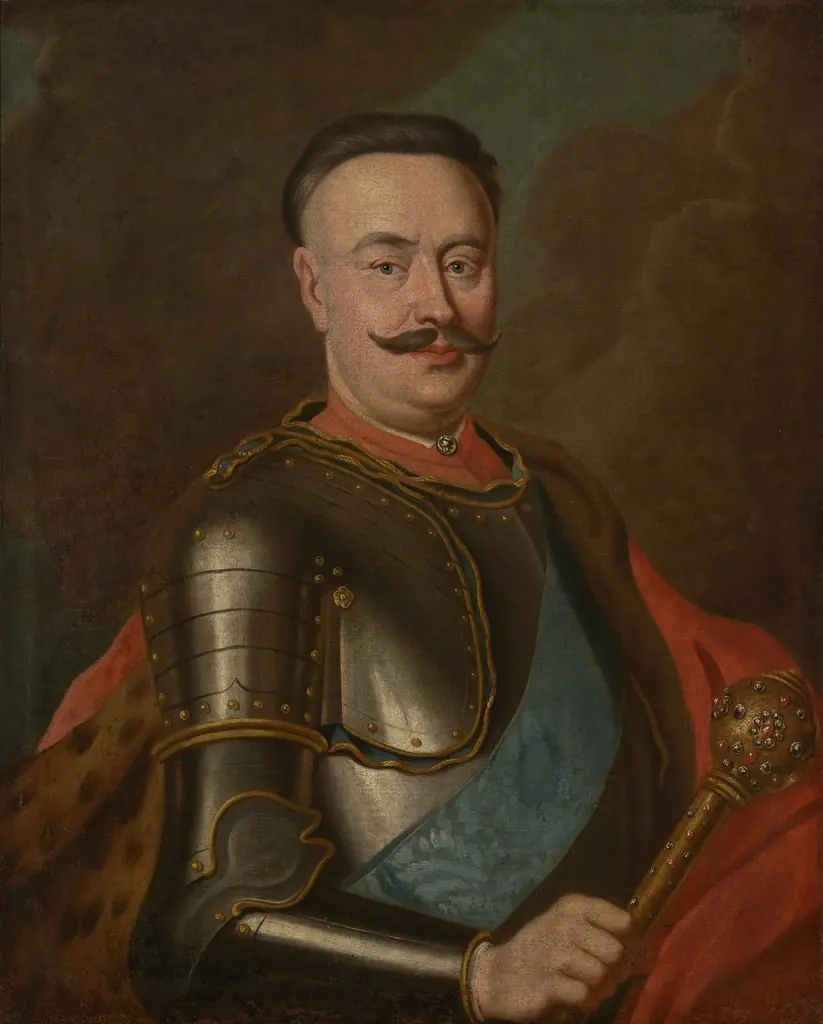 Portrait of Jan Klemens Branicki (1689–1771)
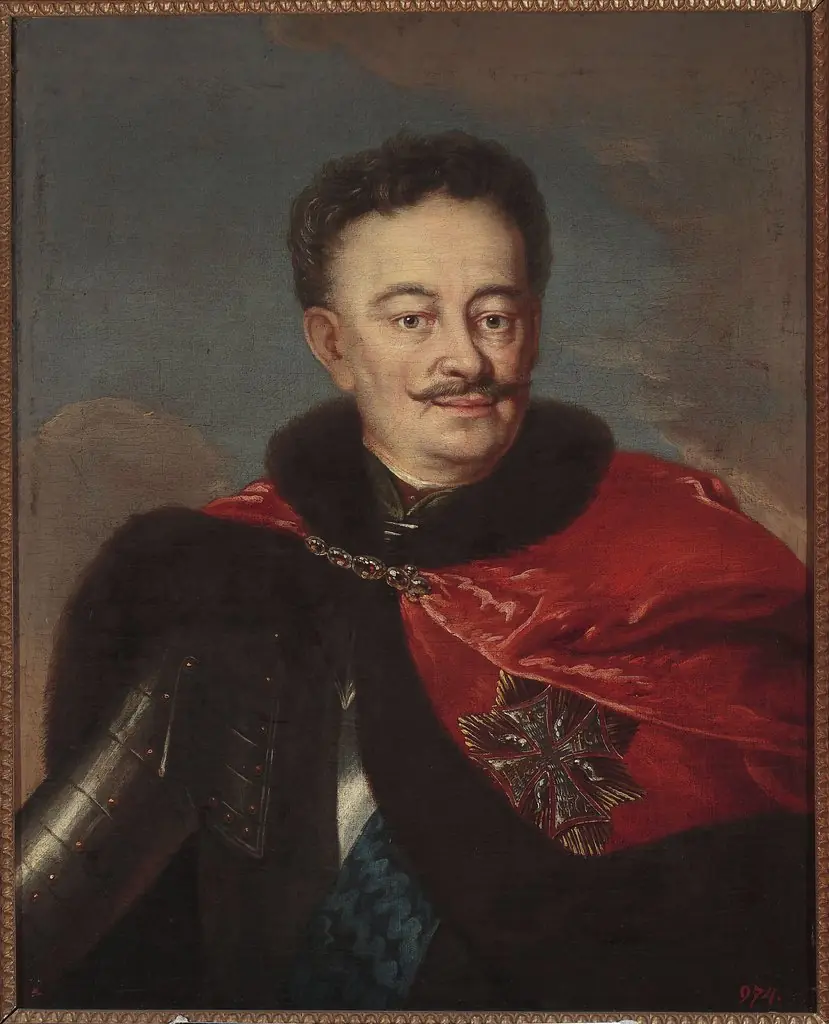 Portrait of Józef Potocki
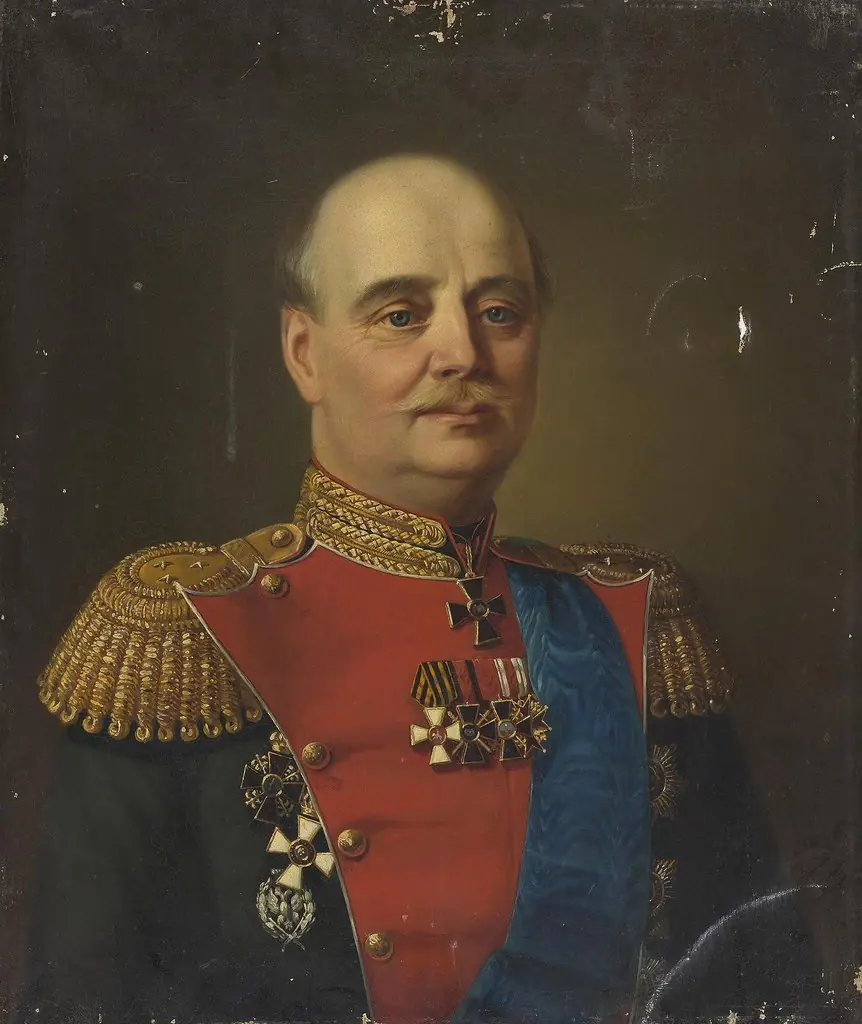 Portrait of N.I. Miller
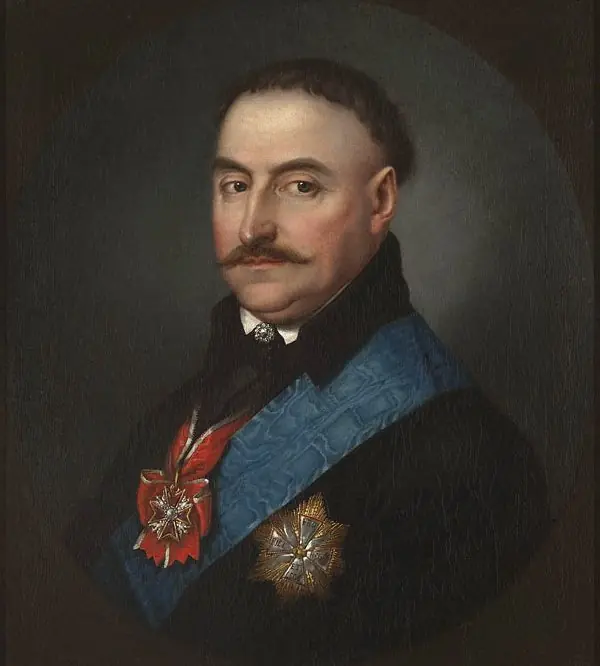 Portrait of Franciszek Kunicki, chamberlain of the Chełm Land
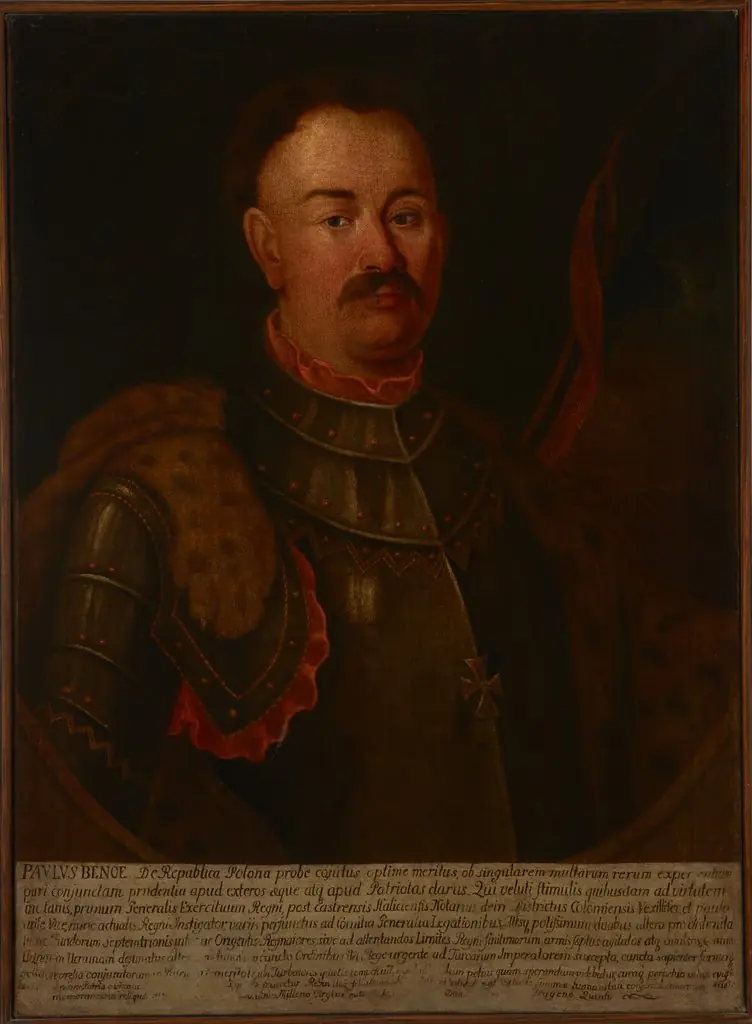 Portrait of Paweł Benoe, Castellan of Warsaw (? -1755)
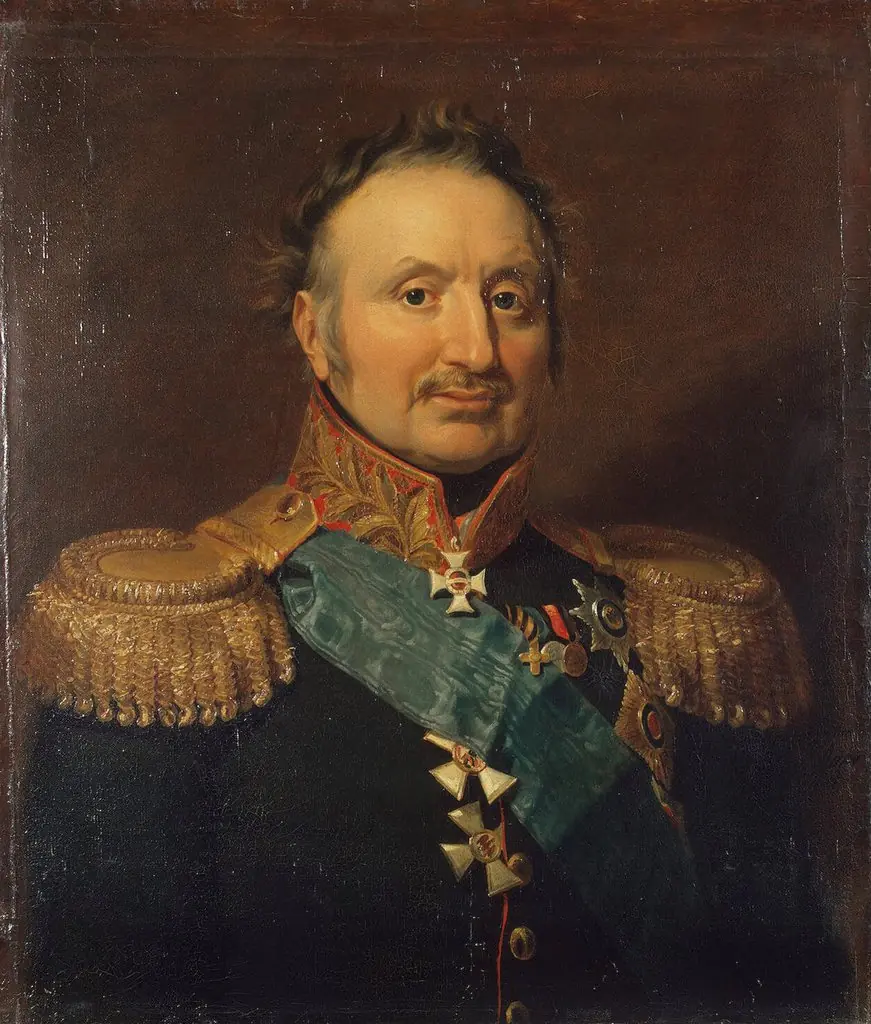 Portrait of Pyotr Kh. (Ludwig Adolf Peter) Wittgenstein (1768/69-1843)
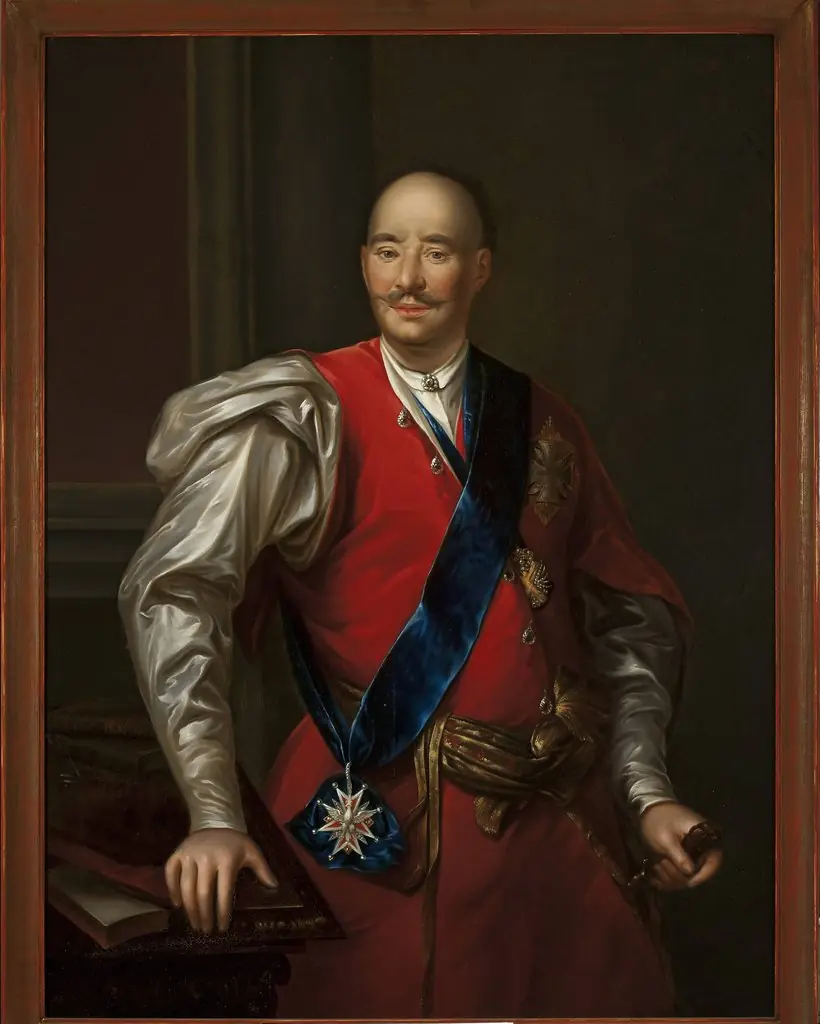 Portrait of Franciszek Salezy Potocki (d. 1772), voivode of Kiev