Artwork
Portrait of Senator Chądzyński's Wife
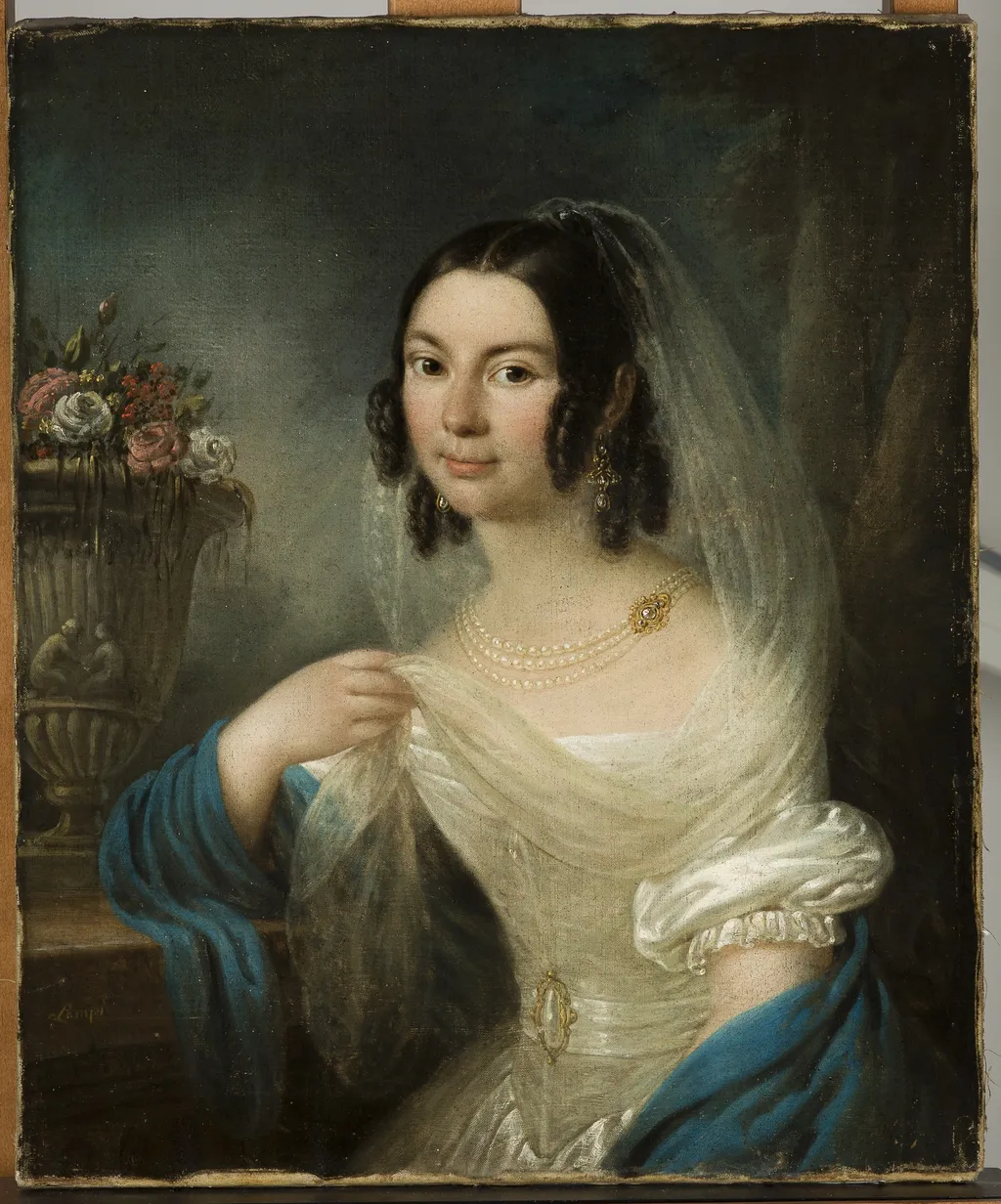
Portrait of Senator Chądzyński's Wife is an oil painting by the Biedermeier artist Franciszek Ksawery Lampi. It dates from 1838 and is held in the collection of the National Museum in Kraków.
About this work
Overview
The work exemplifies the quiet dignity favored in early 19th-century Polish portraiture and is now part of the National Museum in Kraków’s permanent collection.
Painted in 1838 by Franciszek Ksawery Lampi, this oil portrait captures the wife of a Polish senator during the height of Congress Poland’s cultural development. Lampi, born in Austria to an Italian family, settled in Warsaw in 1815 and became a central figure in the region’s artistic community. The work exemplifies the quiet dignity favored in early 19th-century Polish portraiture and is now part of the National Museum in Kraków’s permanent collection.
Subject & Meaning
The sitter, wife of Senator Chądzyński, is portrayed with composed grace, her white dress and delicate pearl adornments signaling social standing. The white veil she holds suggests ritual or ceremonial context, perhaps linked to mourning or formal occasion. The restrained expression and intimate setting reflect the Biedermeier ideal of private virtue, emphasizing personal refinement over public display rather than overt symbolism.
Technique & Style
Lampi employs chiaroscuro to model the figure against a deep, neutral background, enhancing the three-dimensionality of the form. The texture of silk, lace, and metal jewelry is rendered with precise brushwork, while the blue shawl introduces subtle contrast without disrupting the tonal harmony. The vase of flowers to the left adds a touch of naturalism, grounding the composition in domestic tranquility without diverting focus from the sitter.
History & Provenance
Created during Lampi’s mature period in Warsaw, the portrait was likely commissioned by the senatorial family as a statement of status within the Polish elite. It remained in private hands until entering the National Museum in Kraków’s collection, where it has been preserved as a representative example of early Romantic portraiture in Polish art. Its provenance reflects the cultural priorities of the post-partition aristocracy.
Context
In the 1830s, Poland operated under Russian control as Congress Poland, and artistic expression often turned inward, favoring domestic themes over political narratives. The Biedermeier aesthetic, popular across Central Europe, resonated with Polish elites seeking cultural continuity. Lampi’s portraits, including this one, offered a visual language of quiet refinement amid political uncertainty.
Legacy
Lampi’s portrait of Senator Chądzyński’s wife endures as a quiet testament to the aspirations of Poland’s landed class during a time of national fragmentation. It exemplifies how portraiture functioned as both personal record and social affirmation. While not widely exhibited internationally, it remains a key reference in Polish art history for its technical precision and emotional restraint.
Artist & collection
Artist
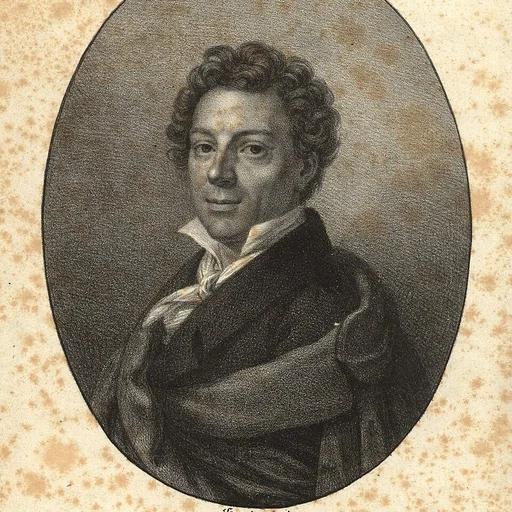
Franciszek Ksawery Lampi, also known as Franz Xaver Lampi (22 January 1782 – 22 July 1852), was a Polish Romantic painter born in Austria of ethnic Italian background.

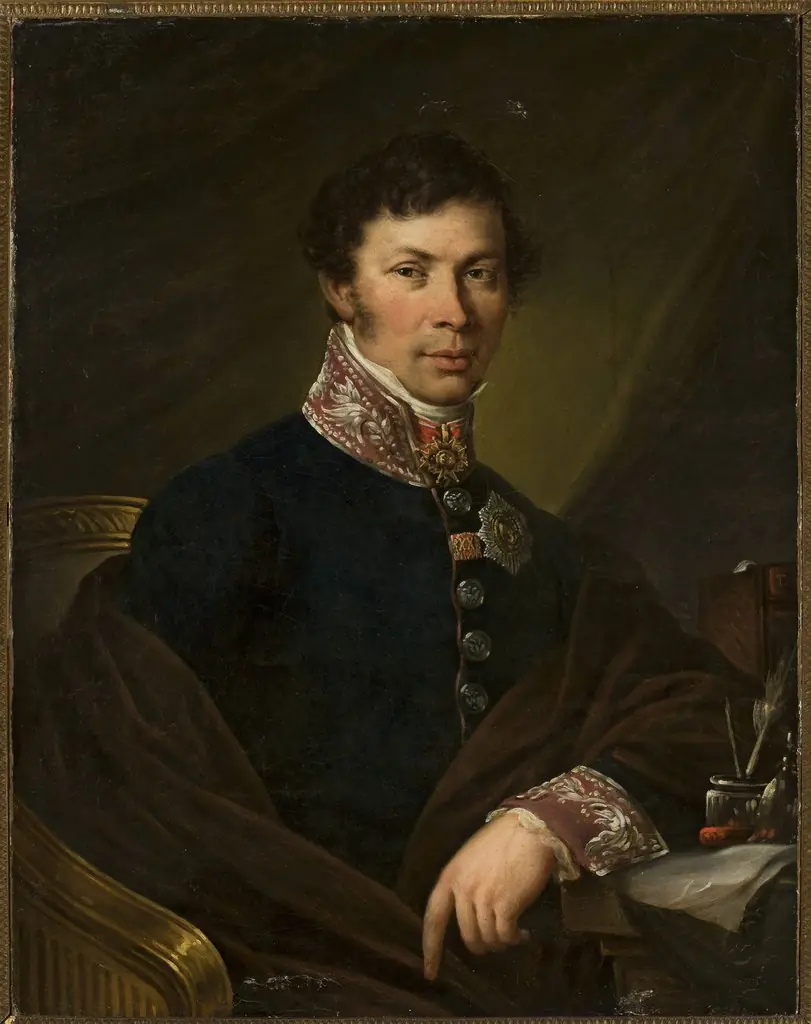 Portrait of Wojciech Rogoziński
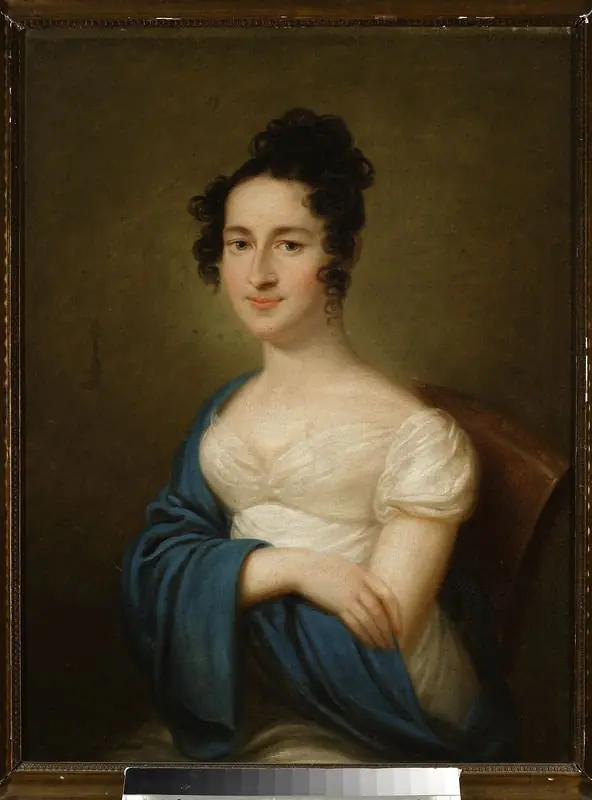 Portrait of Salomea Zawadzka née Mikołajewska
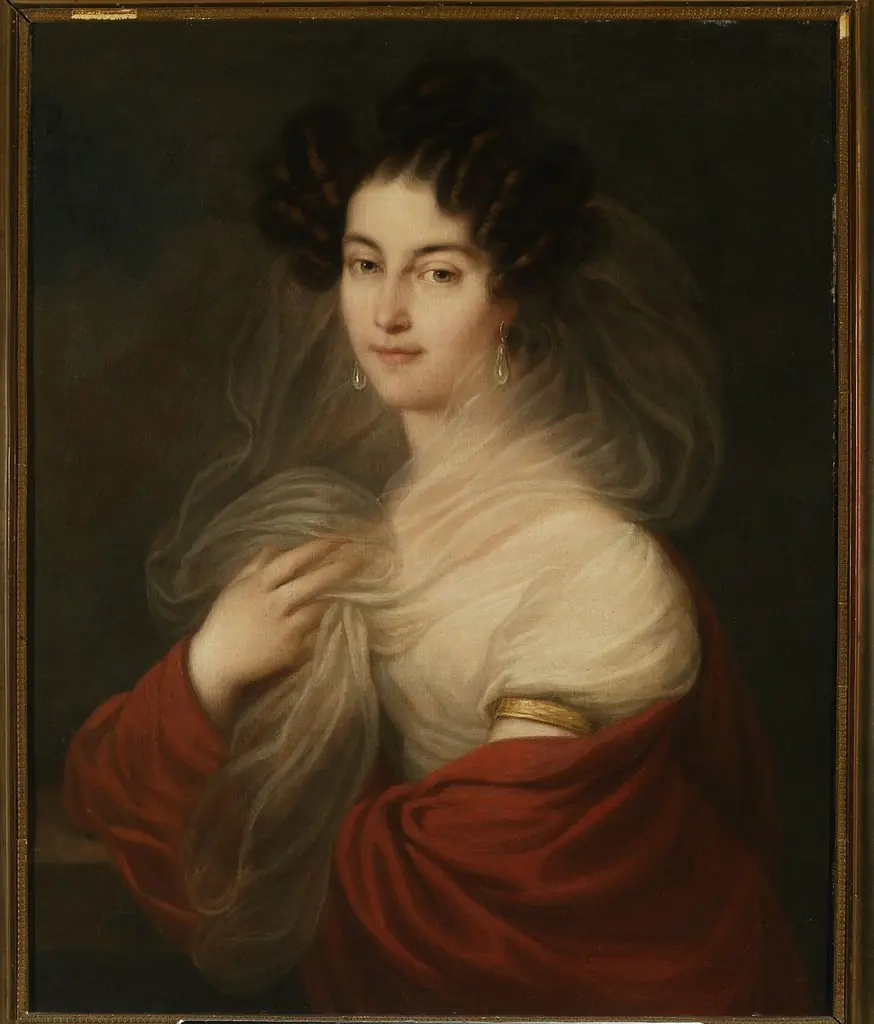 Portrait of Celina Radziwiłł née Sulistrowska (1805–1836)
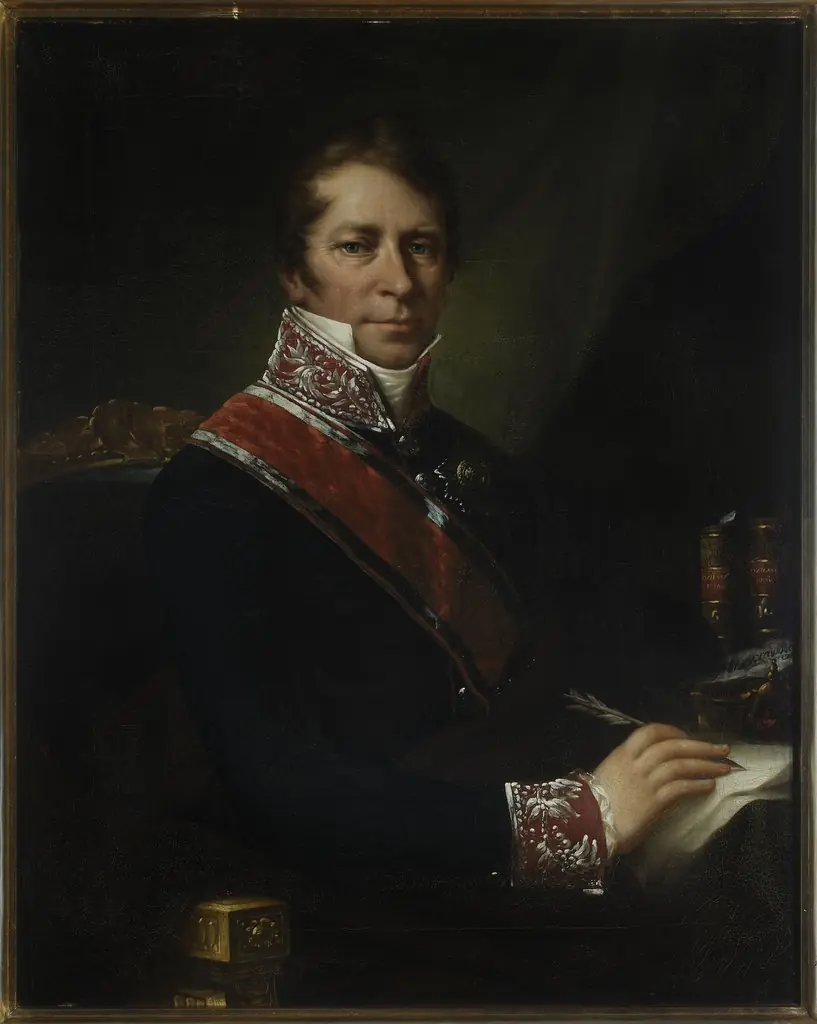 Portrait of Ksawery Potocki
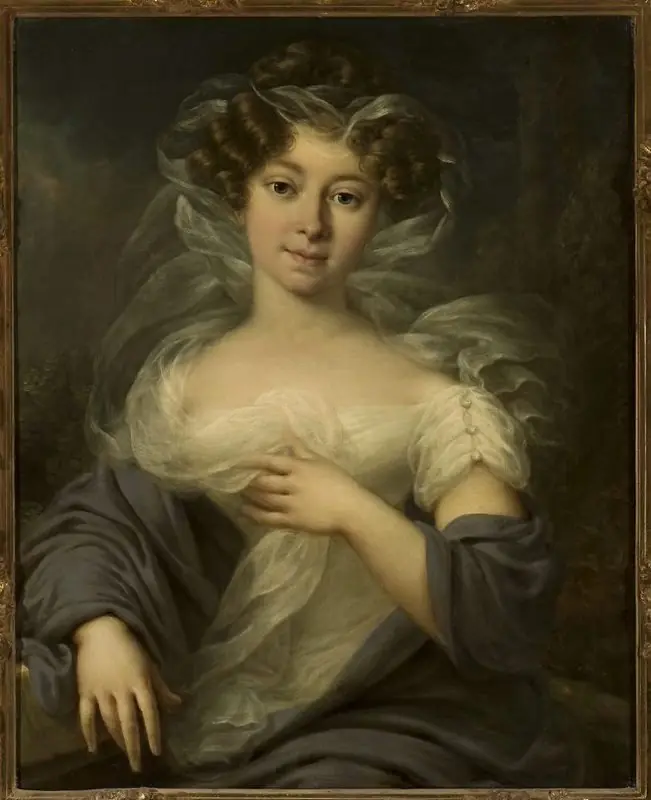 Portrait of Nina Łuszczewska née Żółtowska
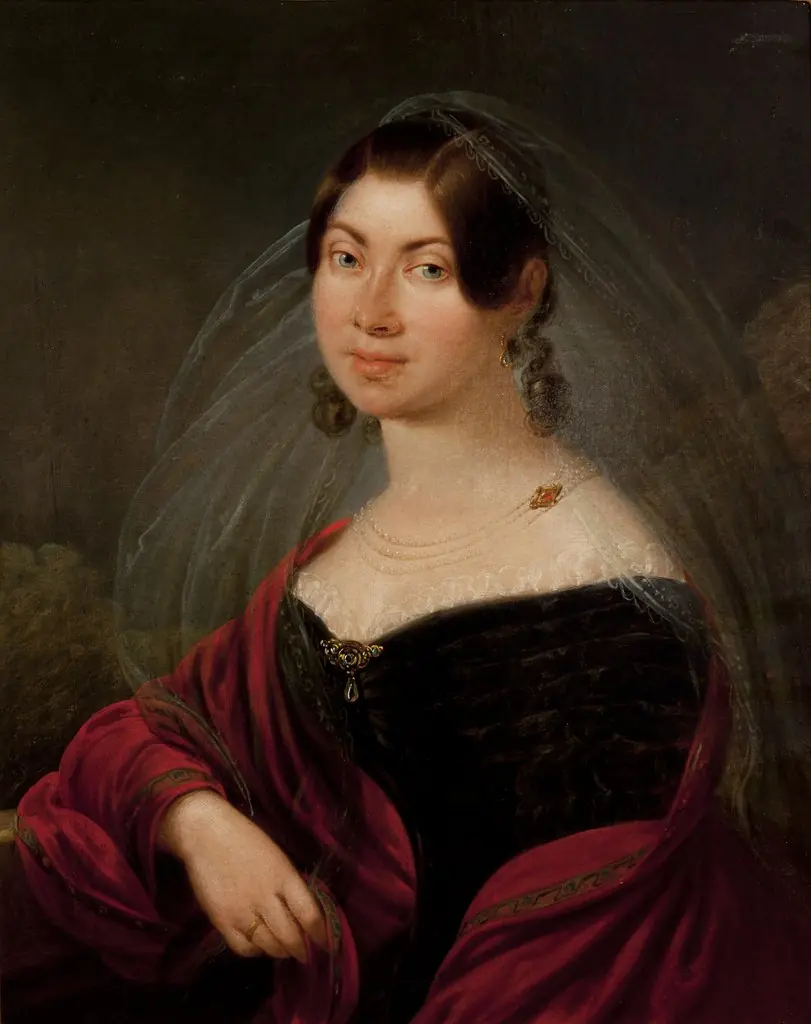 Portrait of Teresa Żebrawska née Hanowicz
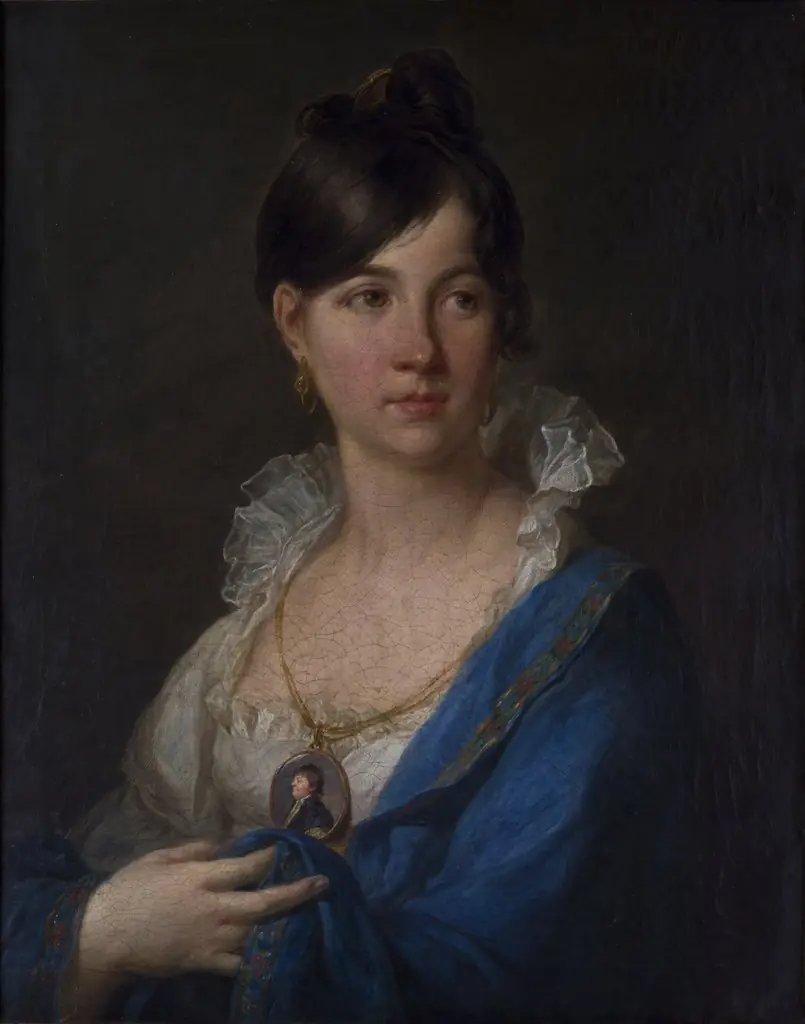 Portrait of Maria Magnuszewska
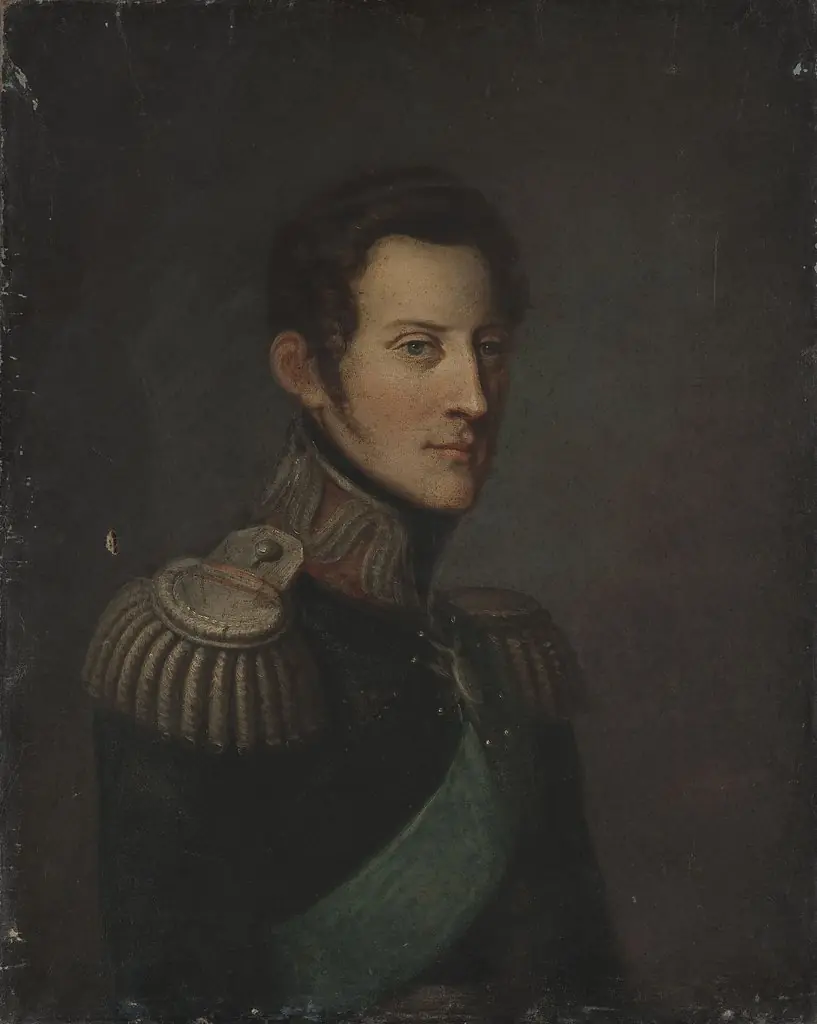 Portrait of Tsar Nicholas I in the Polish general’s uniform
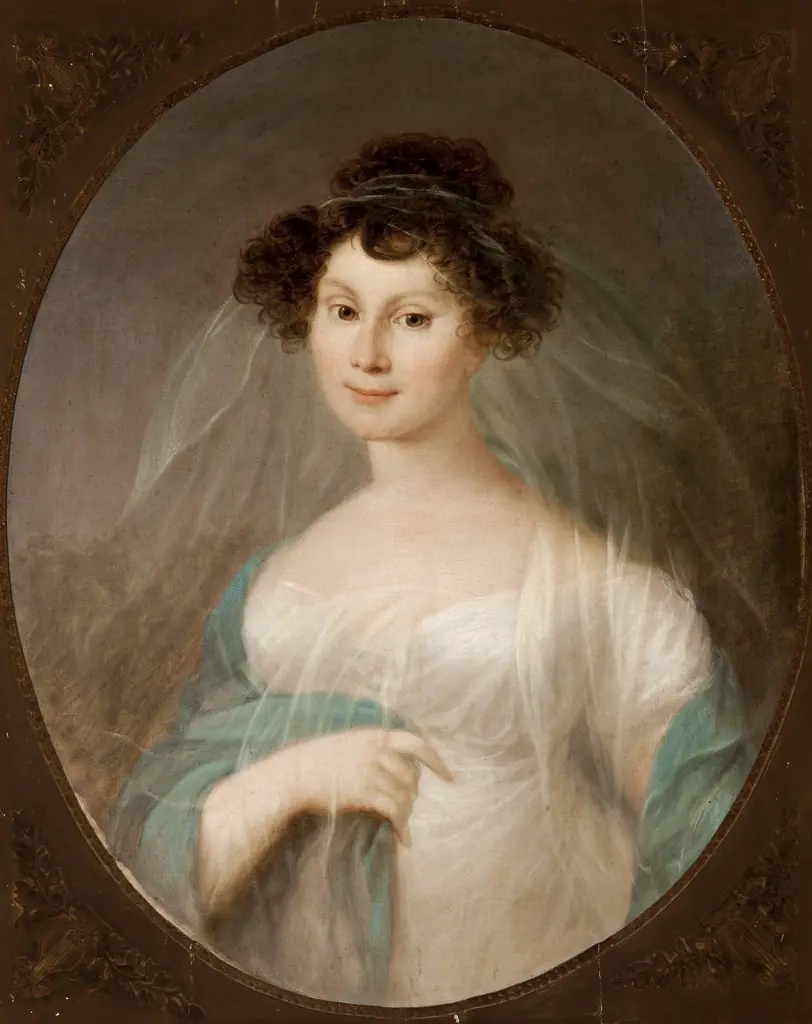 Portrait of Teresa Woydzina née Kuźnicz, Wife of the President of Warsaw
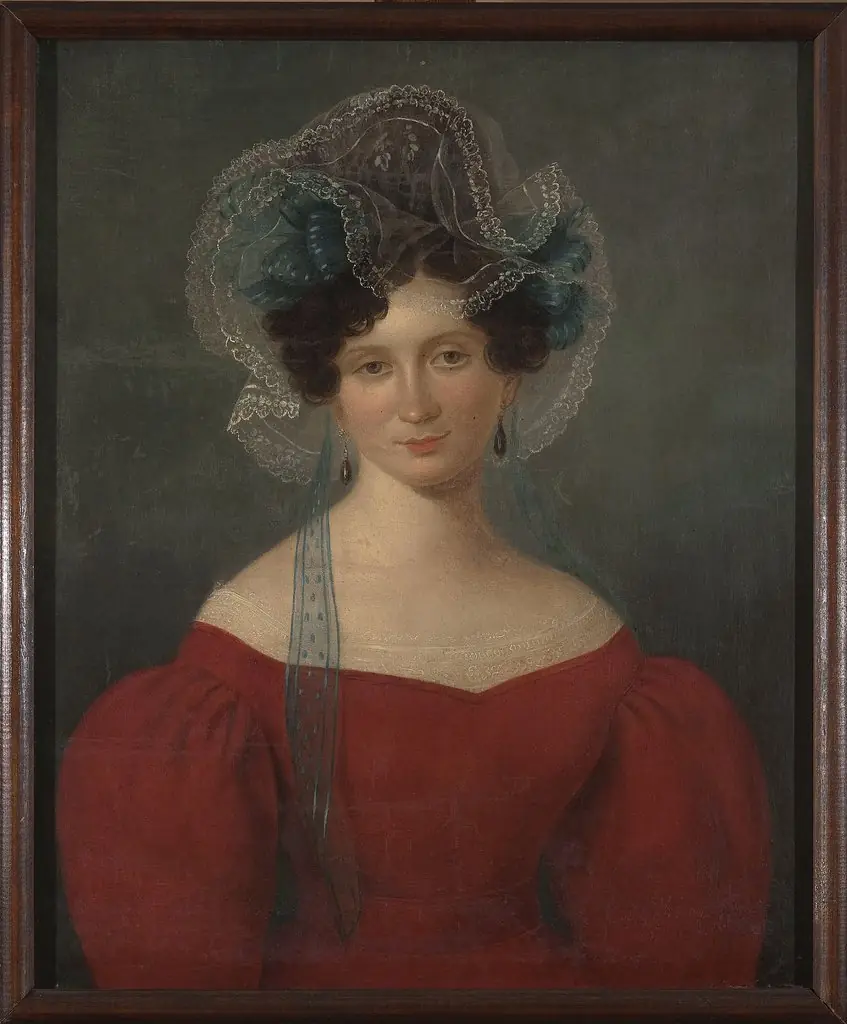 Portrait of a lady in a red dress
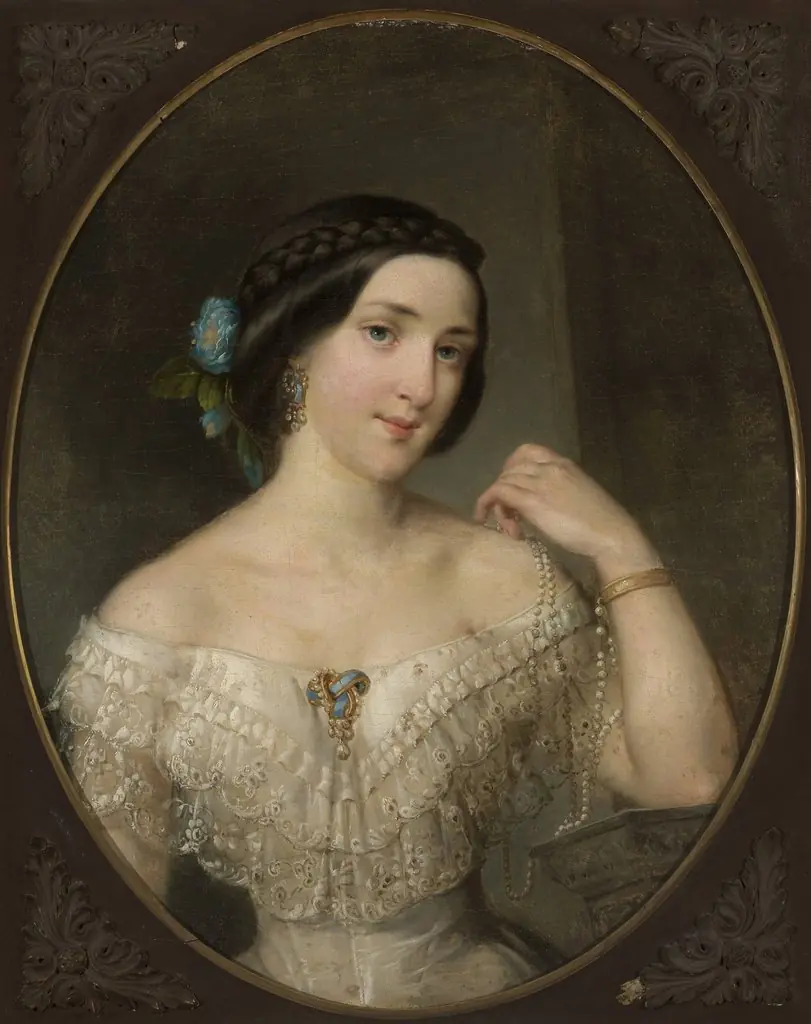 Portrait of Maria Ludwika Blumenfeld née Kobyłecka
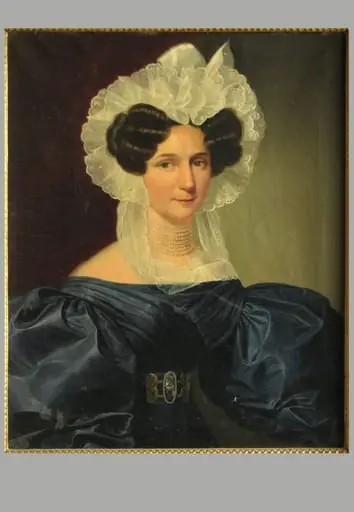 Maria Streidlin (în registrul inventar: Portret de femeie). Pandant: Portret de bărbat
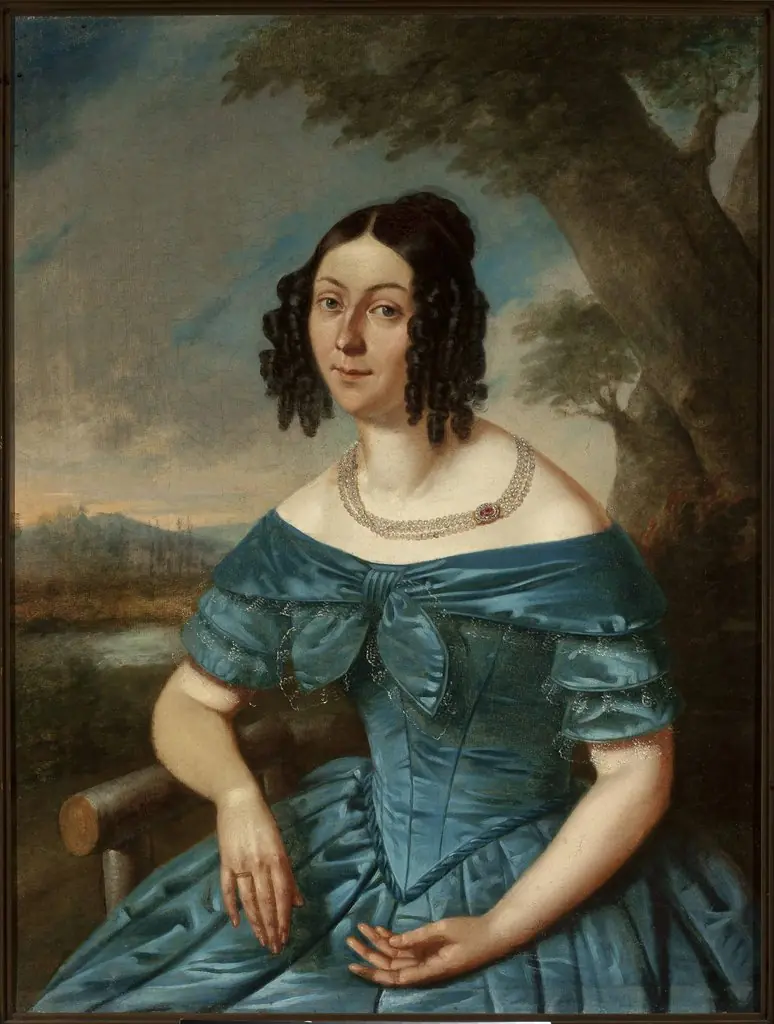 Portrait of a lady in a blue dress
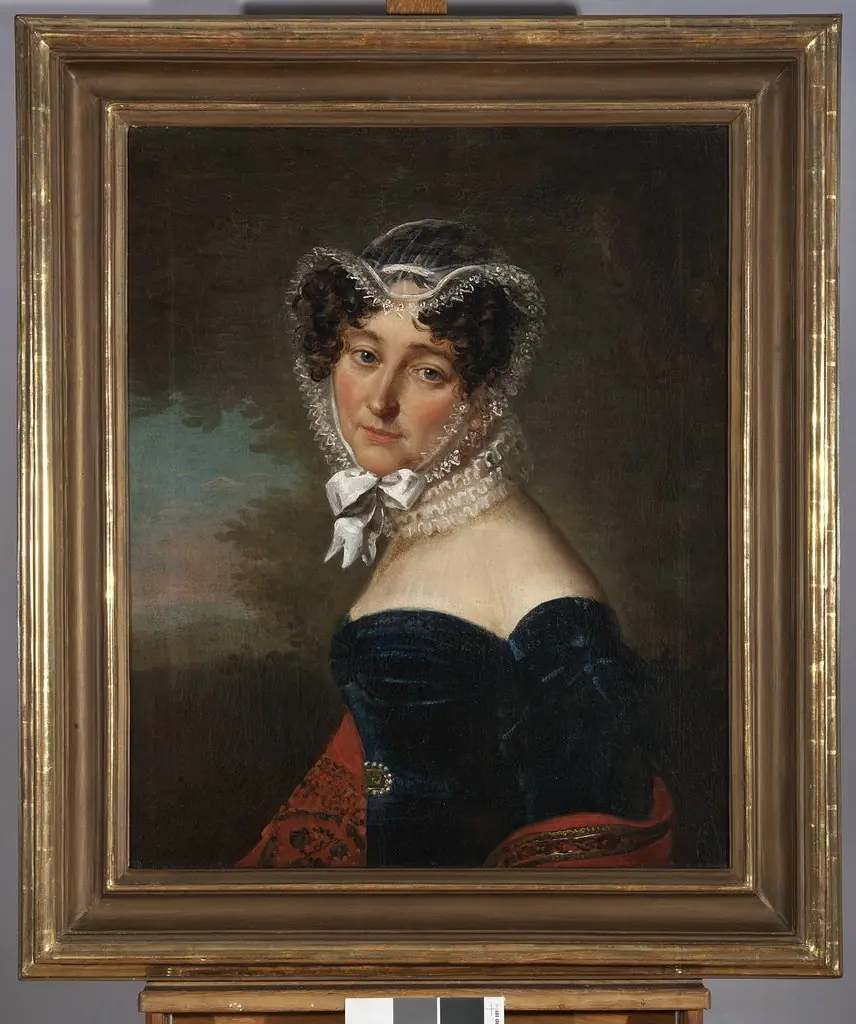 Portrait of Józefa Węgleńska née Tyrowska
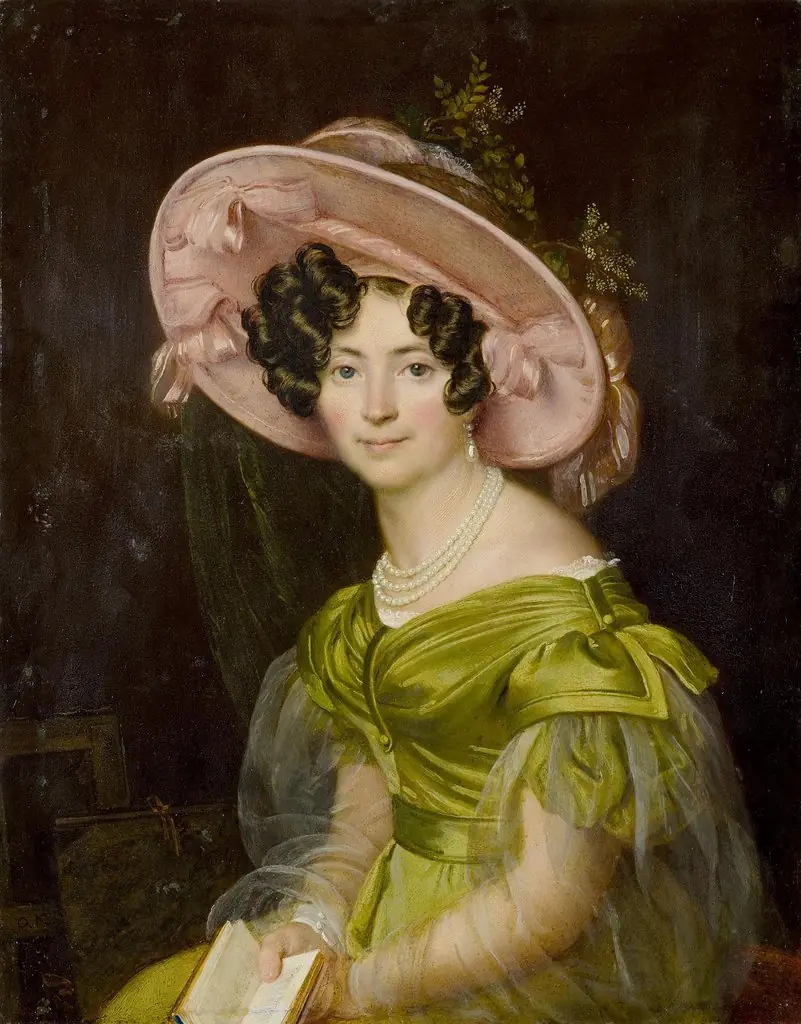 Portrait of Zinaida Volkonskaya
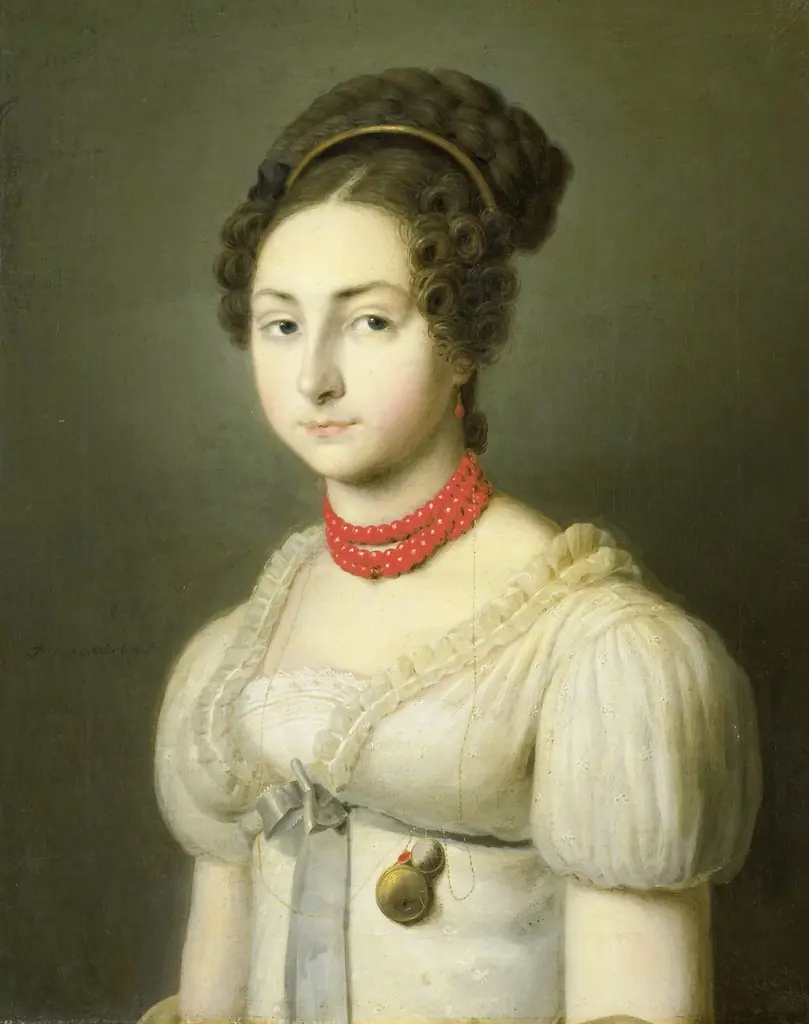 Portrait of Jacoba van Wessem, Wife of Lord Stumphius, Burgomaster of Beverwijk
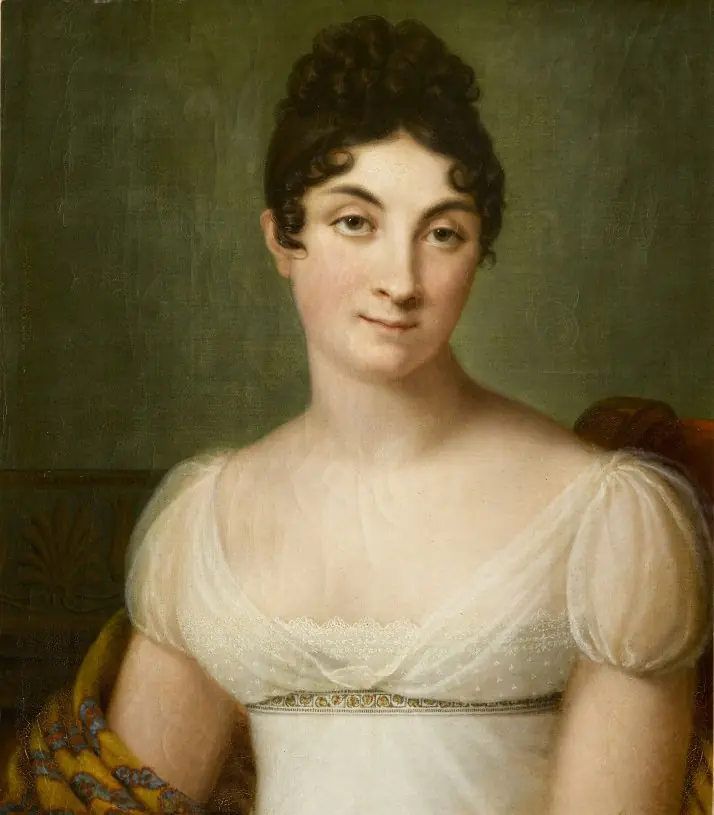 Portrait de Claire Élisabeth de Vergennes, Comtesse de Rémusat
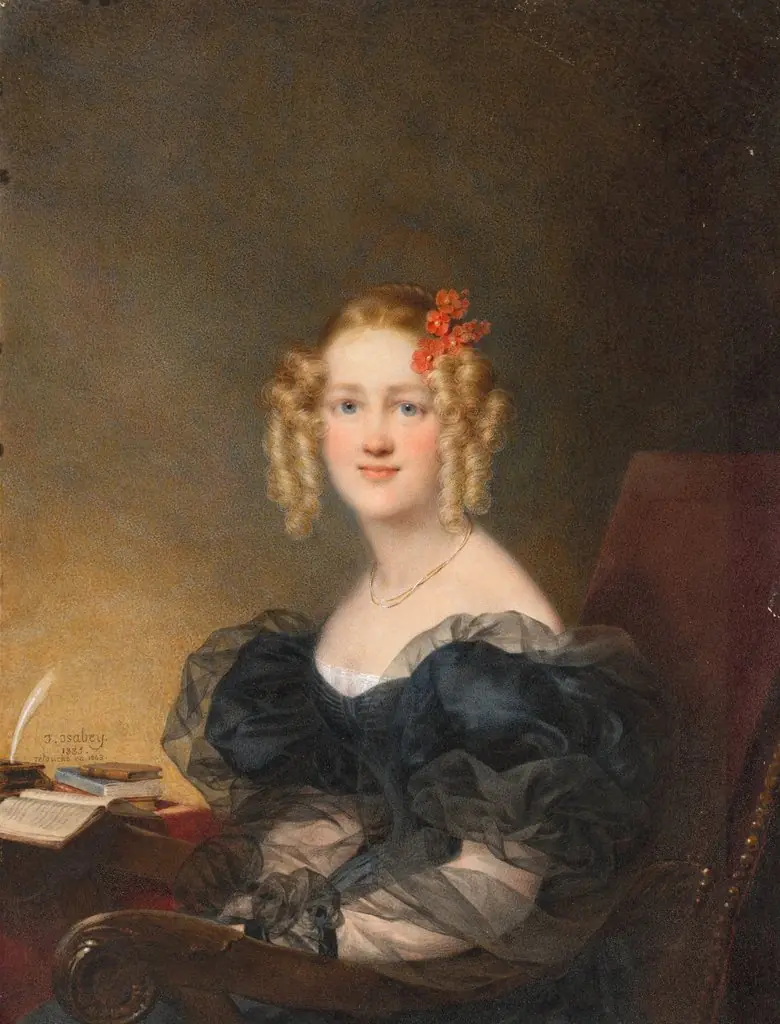 Portrait of a Woman