Artwork
Kirjailija Sara Wacklinin muotokuva
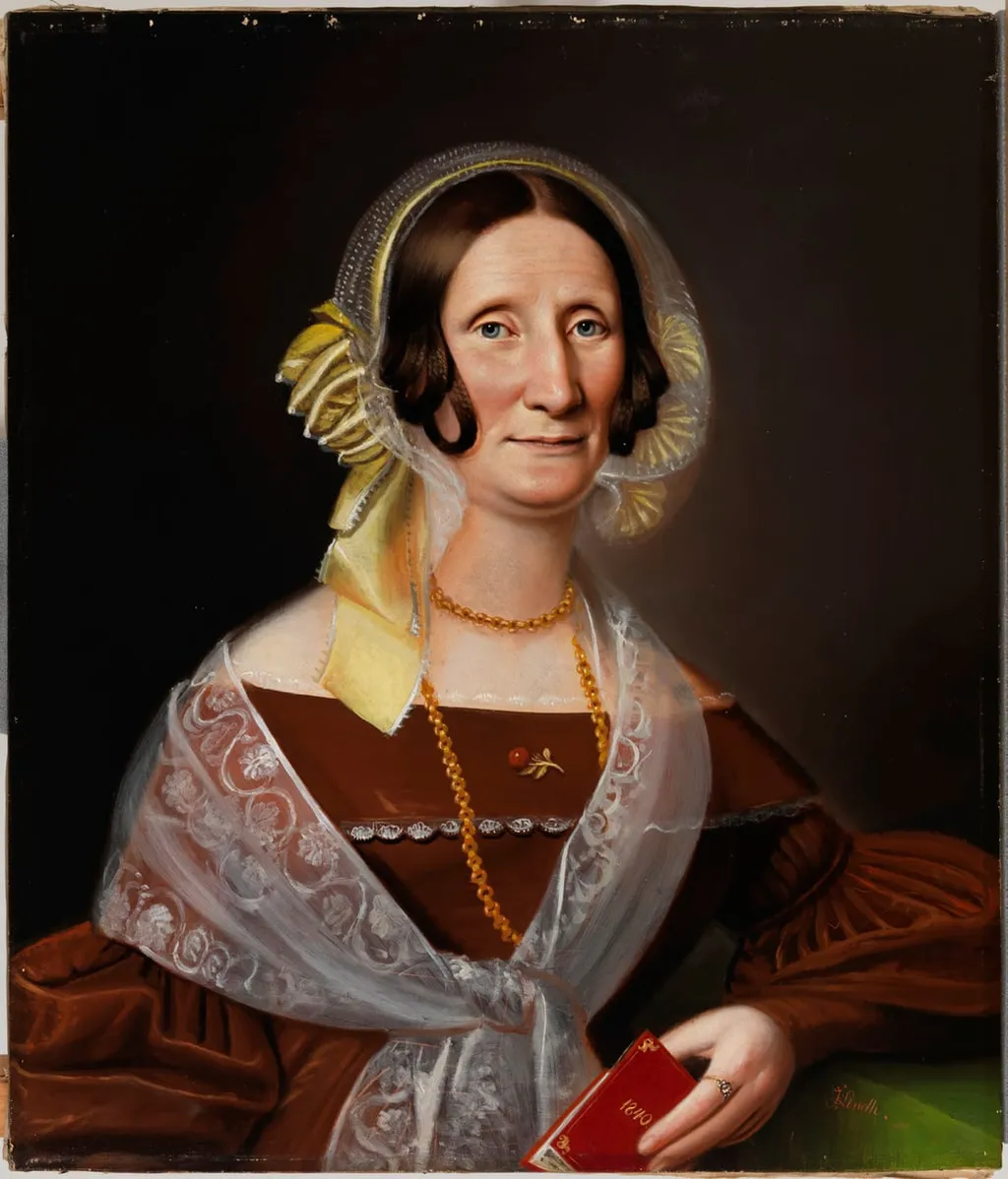
Kirjailija Sara Wacklinin muotokuva is an unspecified painting by Johan Erik Lindh. It is held in the collection of the Finnish National Gallery.
About this work
To learn more about the artist behind this work, explore the portfolio of Lindh, Johan Erik.
This painting depicts a woman in a brown dress with a white shawl, holding a red book. She wears a gold necklace and has a ring on her finger. Her dark hair is styled under a veil, and she looks directly at the viewer.
The woman's attire and hairstyle suggest a formal setting, possibly from the 19th century. The painting's style and attention to detail indicate a level of craftsmanship.
To learn more about the artist behind this work, explore the portfolio of Lindh, Johan Erik.
Overview
This portrait captures Sara Wacklin, a Finnish writer, rendered in oil on canvas by Johan Erik Lindh. She is depicted seated, facing the viewer with composed directness. Her attire—a brown dress, white shawl, and gold jewelry—conveys modest formality, while the red book in her hands suggests intellectual engagement. The restrained palette and careful rendering reflect a 19th-century academic approach to portraiture, emphasizing dignity over ornament.
Subject & Meaning
Sara Wacklin was a noted Finnish author and educator active in the mid-1800s. The inclusion of the red book signifies her literary identity, positioning her not merely as a subject but as a thinker. Her direct gaze and composed posture convey quiet authority, aligning with contemporary ideals of female intellect and moral seriousness. The veil and modest jewelry reinforce cultural norms of propriety while subtly elevating her status as a respected public figure.
Technique & Style
Lindh employs fine brushwork to render textures: the soft fall of the shawl, the sheen of the gold necklace, and the crisp edges of the book’s cover. The lighting is even and directional, modeling the face and hands with subtle gradations. Background elements are muted, focusing attention on the figure. The composition is balanced and frontal, typical of academic portraiture, with no extraneous details to distract from the sitter’s presence.
History & Provenance
Painted in the 1850s, the portrait was likely commissioned to honor Wacklin’s contributions to Finnish literature and education. It remained in private Finnish collections until the early 20th century, after which it entered a public institution. Documentation links it to Wacklin’s circle and to Lindh’s known commissions for cultural figures of the era, though no exhibition records from the time survive.
Context
In mid-19th-century Finland, women writers were gaining visibility amid rising national consciousness. Wacklin’s portrait reflects a broader trend of depicting female intellectuals with solemnity and clarity, countering stereotypes of domestic passivity. Lindh, though not widely known, was part of a small group of Finnish artists trained in Stockholm who sought to elevate local subjects through refined technique.
Legacy
The portrait endures as one of the few visual records of Sara Wacklin, preserving her image for later generations. It contributes to the historical documentation of Finnish literary women and illustrates how portraiture was used to affirm cultural authority. Lindh’s work, though limited in scope, remains a quiet testament to the emerging artistic identity of Finland during its national awakening.
Artist & collection
Artist
Johan Erik Lindh filled small sheets with soft pencil portraits of Finnish families in the early 1800s.

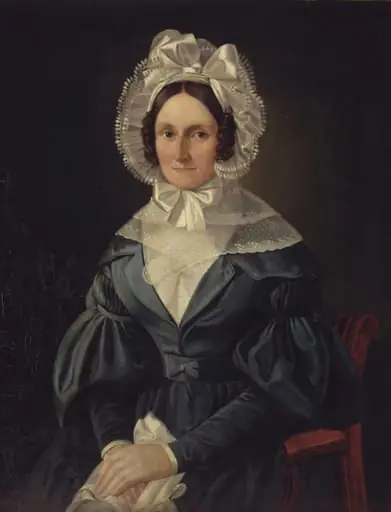 Anna Theodora Barbara Regenburg, f. Wetche
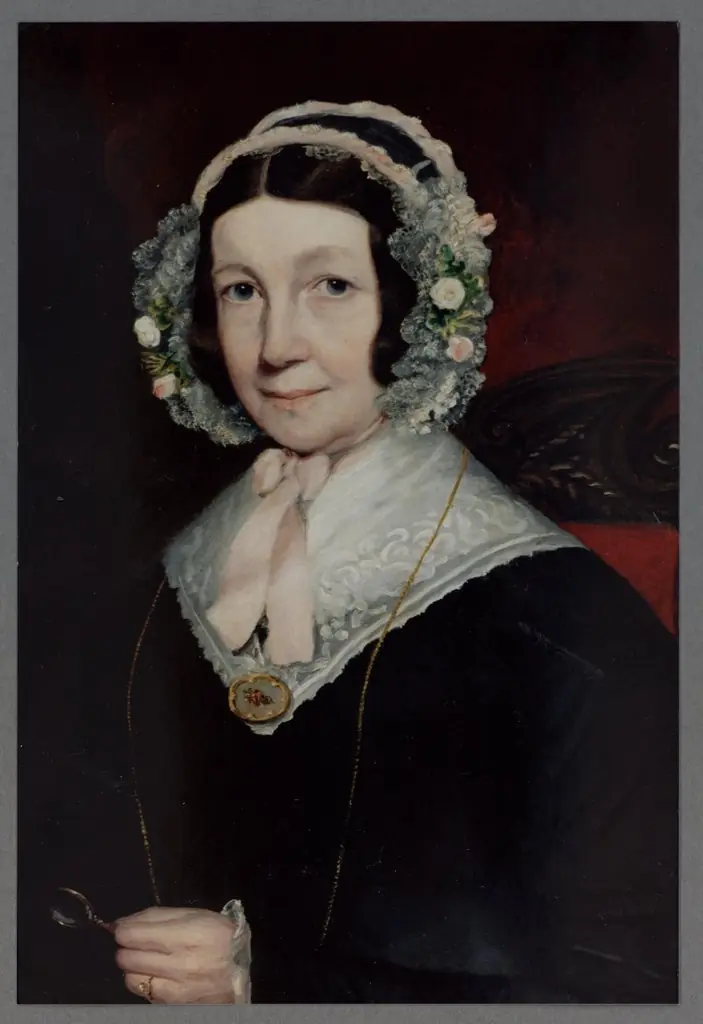 Mrs. Ann Williams, Tŷ Newydd
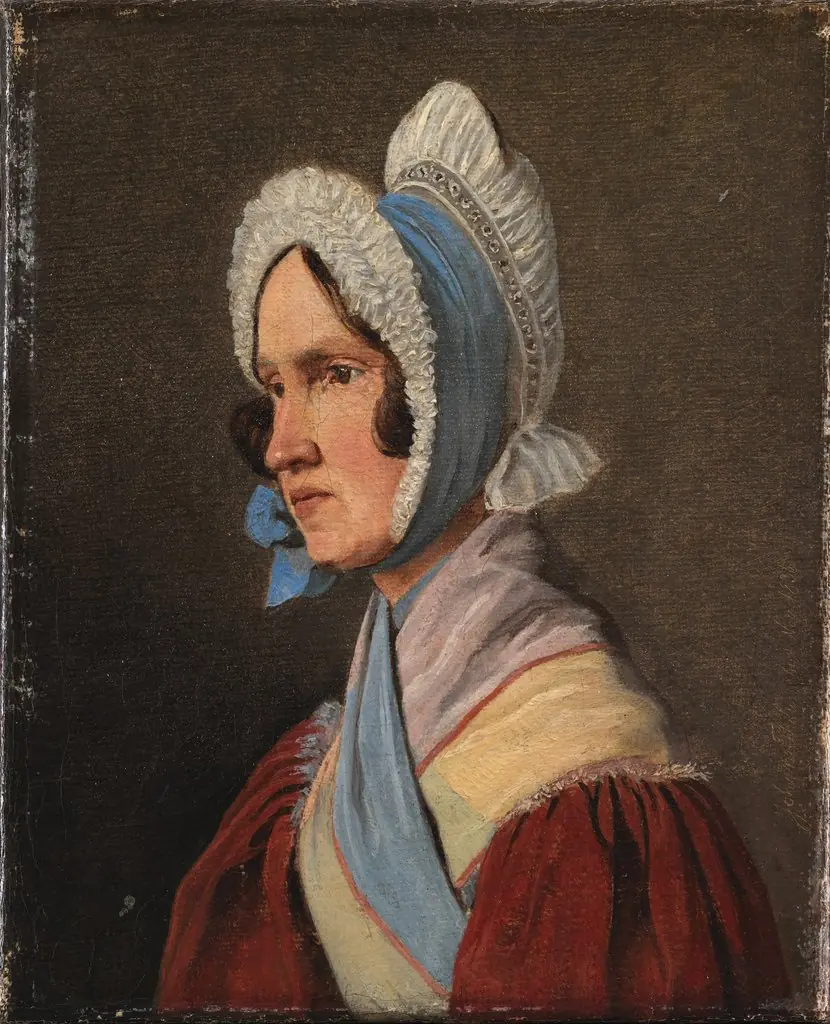 Oberstinde Cathrine Lundbye, f. Bonnevie, kunstnerens moder
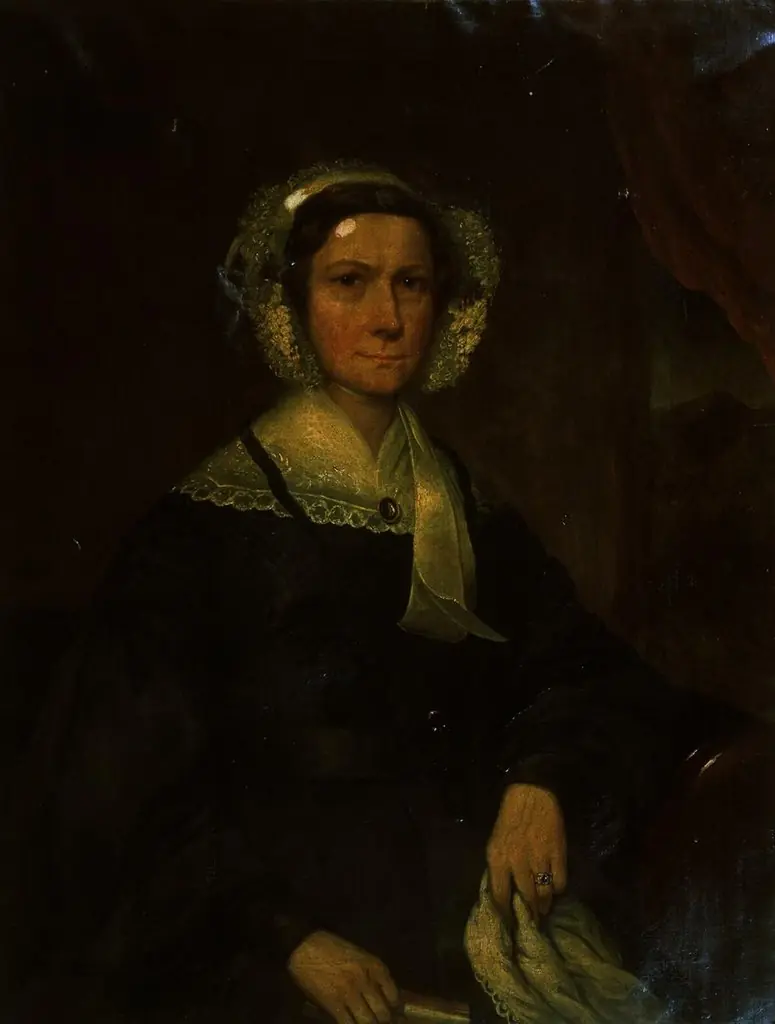 Mrs John Jones, Castle St, Liverpool
![Mrs. Pearson [possibly Sarah Thompson Pearson], by Pieter Christoffel Wonder](https://artifactworldgallery.com/img/pieter-christoffel-wonder--mrs-pearson-possibly-sarah-thompson-pearson--0006ffde77661f8c-w320.webp) Mrs. Pearson [possibly Sarah Thompson Pearson]
Mrs. Pearson [possibly Sarah Thompson Pearson]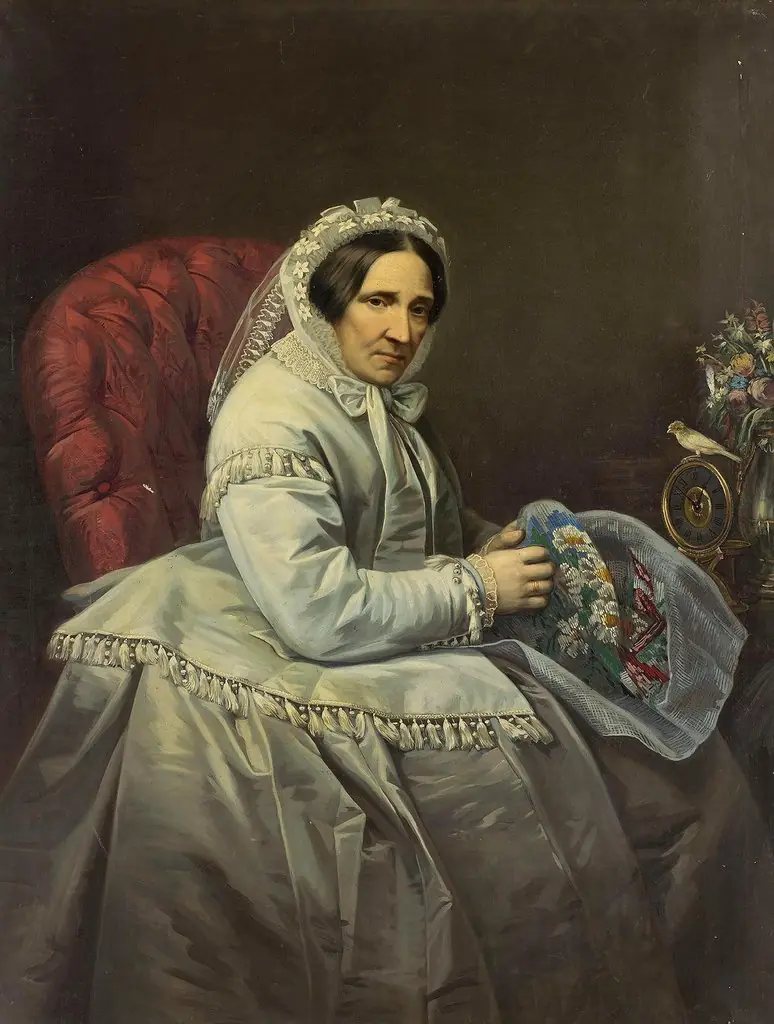 Portrait of Maria Adlerberg
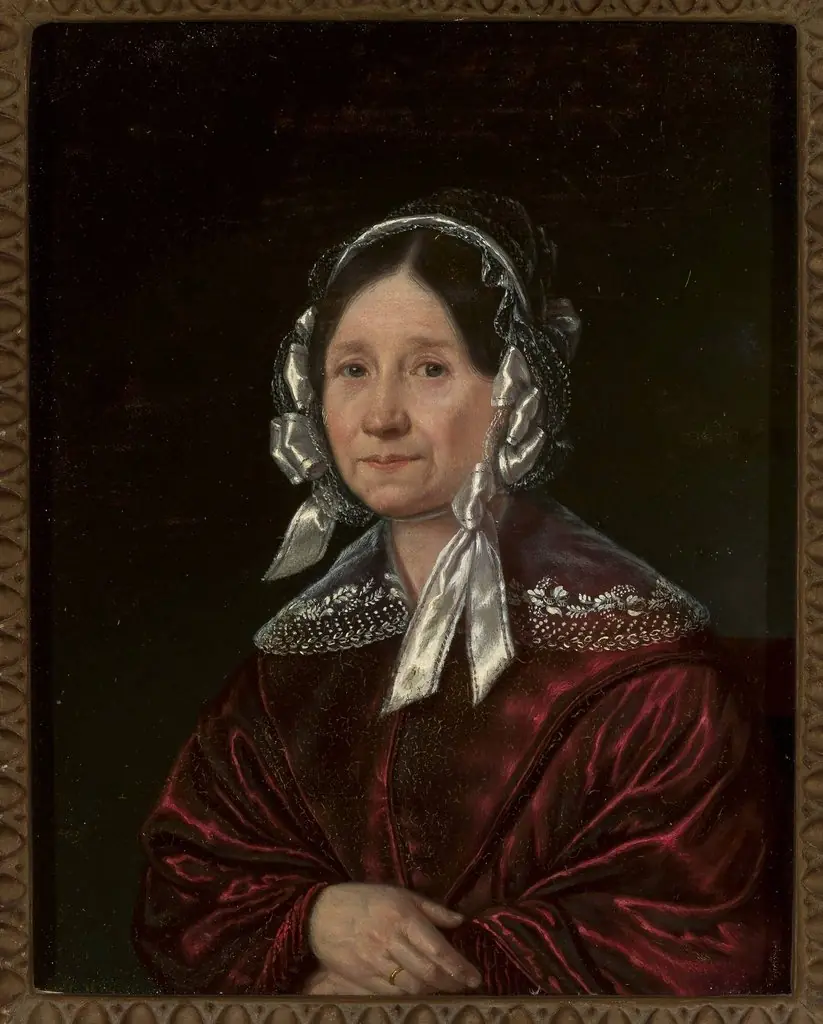 Portrait of Teresa Kicka
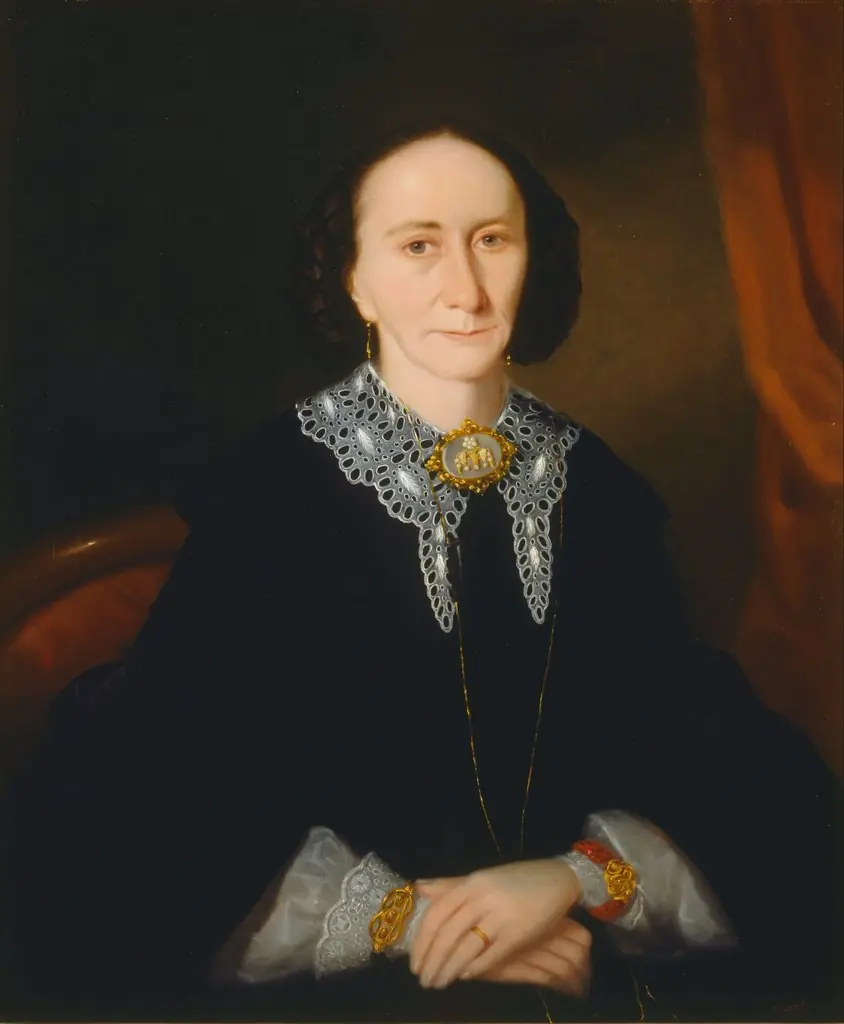 Portrait of a woman (Elizabeth Collins)
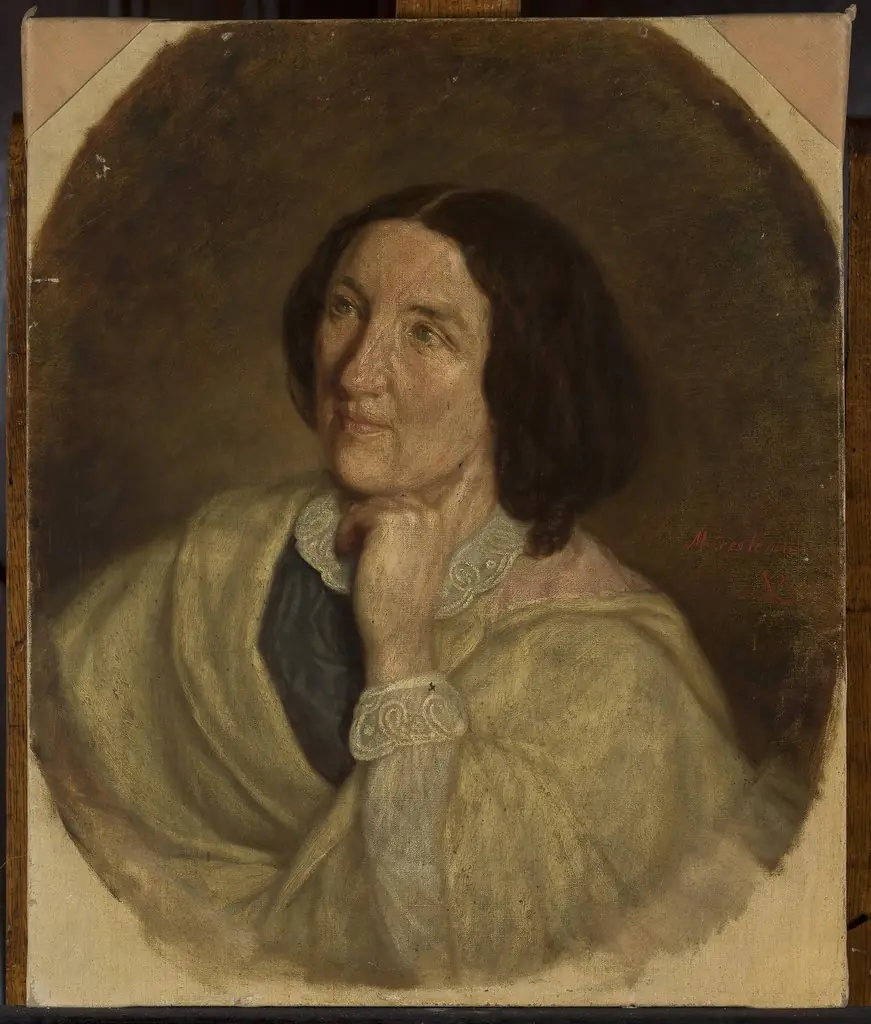 Portrait of Marcelina Czartoryska née Radziwiłł
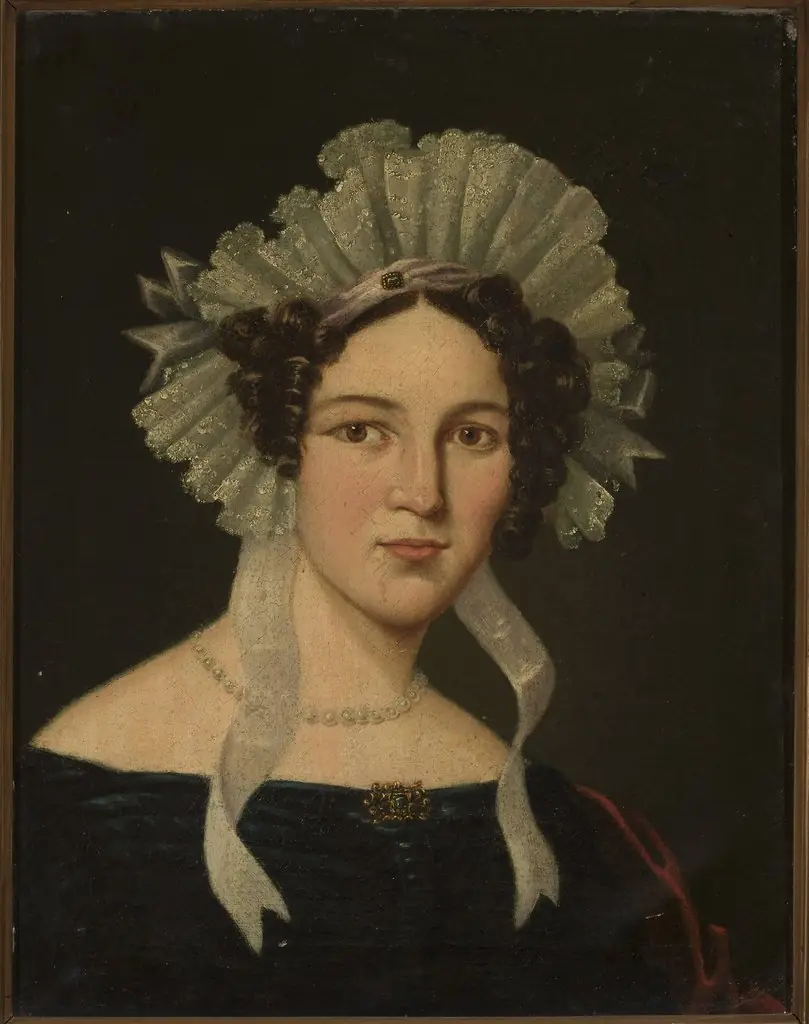 Portrait of a lady in a cap
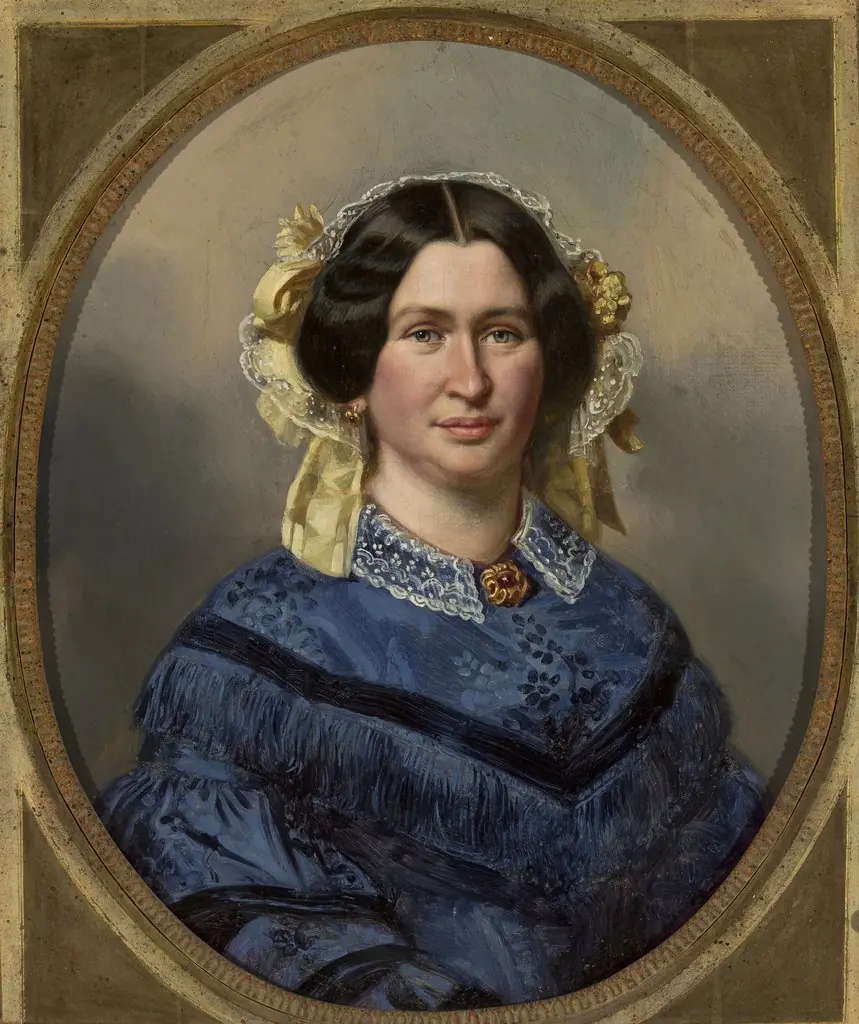 Portrait of Florentine Volckhart née Schoppe
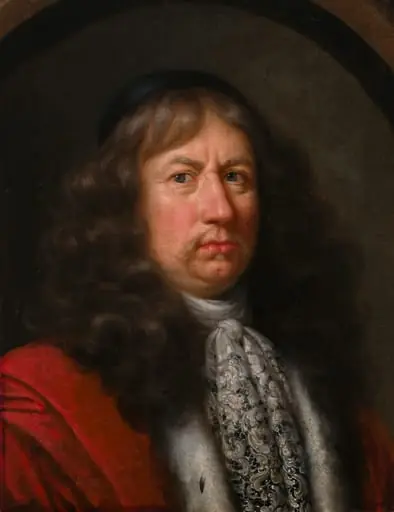 Valtioneuvos, kreivi Bengt Oxenstjernan muotokuva