Artwork
Mrs. Owen, Penymynydd
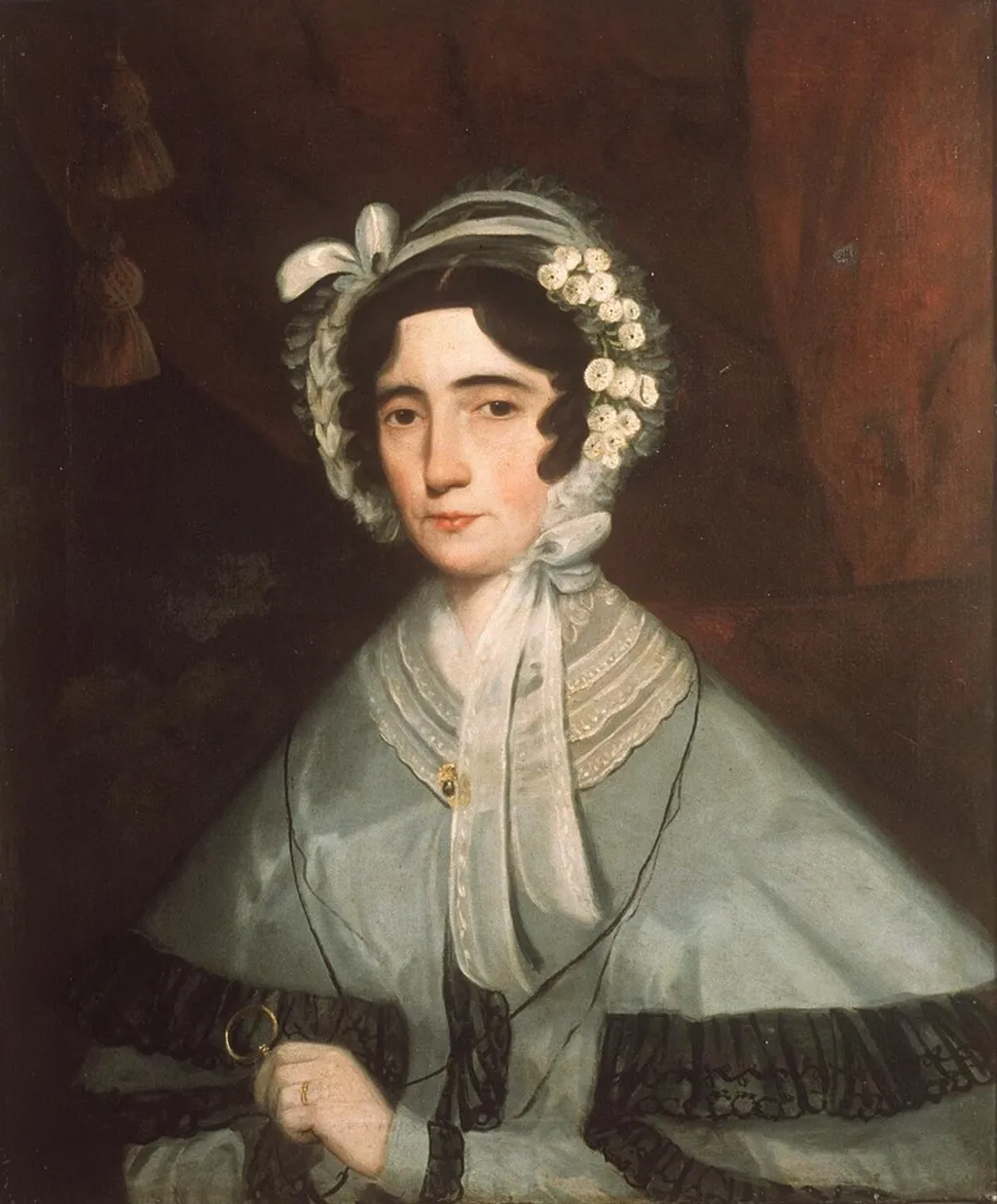
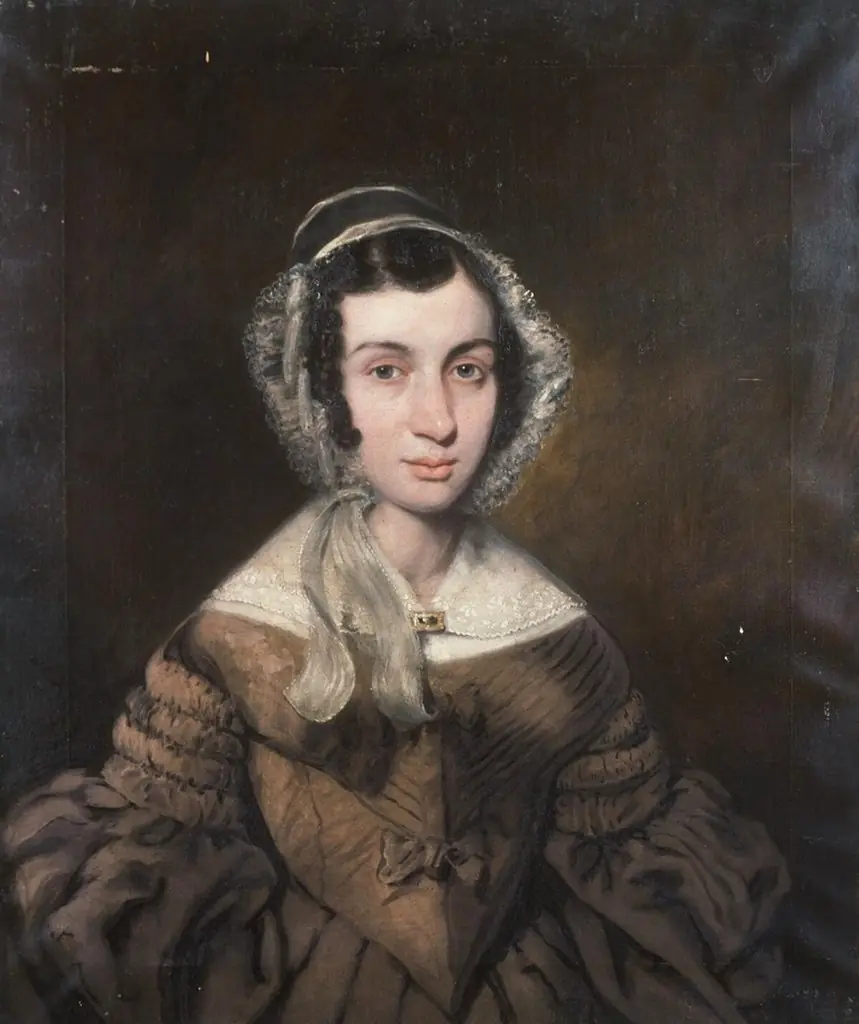
Mrs. Owen, Penymynydd is an oil painting by the British Romanticist artist Hugh Hughes. It dates from 1839 and is held in the collection of the National Library of Wales. Mrs.
About this work
If you're interested in learning more about the artist behind this piece, you might want to look up Hugh Hughes.
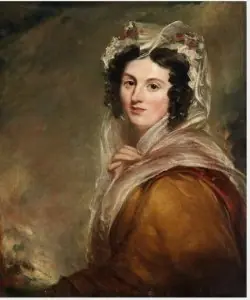
This portrait depicts a woman in a light blue dress and shawl, with a white bonnet adorned with flowers. She is shown from the waist up, facing the viewer directly. Her right hand is visible, with a ring on her finger.
The woman's attire and hairstyle suggest a formal setting, possibly from the early 19th century. The painting's style and technique are reminiscent of traditional portraiture from that era.
If you're interested in learning more about the artist behind this piece, you might want to look up Hugh Hughes.
Overview
Mrs. Owen, Penymynydd is an oil on canvas portrait executed in 1839 by the Welsh artist Hugh Hughes. The work is part of the collection of the National Library of Wales and presents a single female sitter rendered in a restrained, early‑nineteenth‑century manner.
Subject & Meaning
The composition shows a woman dressed in a light blue gown with a matching shawl, her head covered by a white bonnet embellished with floral motifs. She gazes directly at the viewer, her right hand—adorned with a ring—visible, suggesting a portrayal of personal status and domestic respectability.
Technique & Style
Hughes employs a smooth, controlled brushwork typical of formal portraiture of the period, emphasizing the clarity of fabric textures and delicate modelling of the face. The limited palette of blues, whites and earth tones reinforces the restrained elegance characteristic of early Victorian portrait conventions.
History & Provenance
Created in 1839, the painting entered the holdings of the National Library of Wales, where it remains accessible for research and public viewing. Its provenance traces back to the Owen family of Penymynydd, reflecting the regional patronage of Welsh gentry during the 19th century.
Context
The portrait aligns with a broader tradition of Welsh portraiture that documented local elites in the decades following the Act of Union. Its formal composition and attire echo contemporary British fashions, while the inclusion of regional identifiers, such as the bonnet’s floral decoration, hints at a distinct cultural identity within the United Kingdom.
Artist & collection

 Jane Edwards
 Mrs. James K. Bogert, Jr.
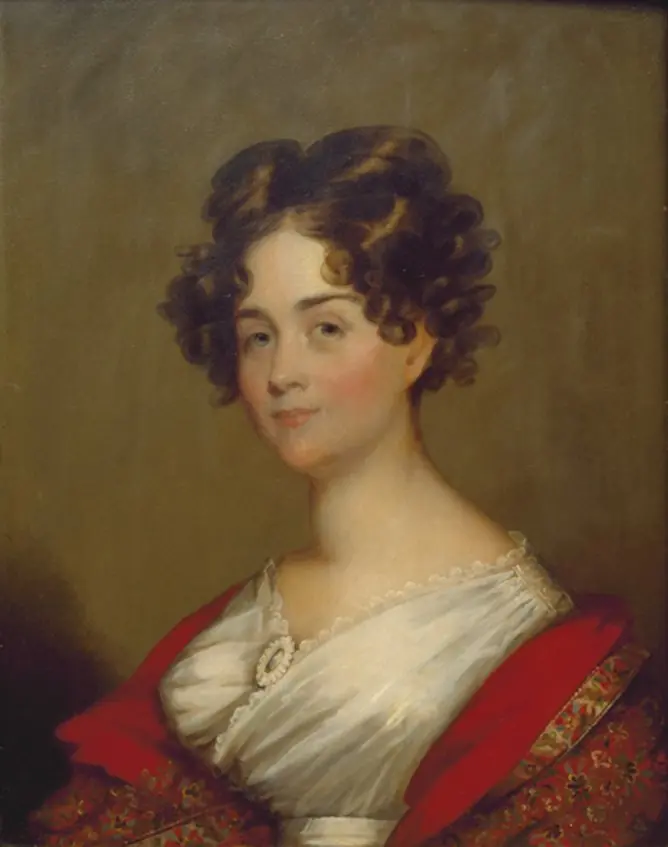 Portrait of Charlotte Story Forrester
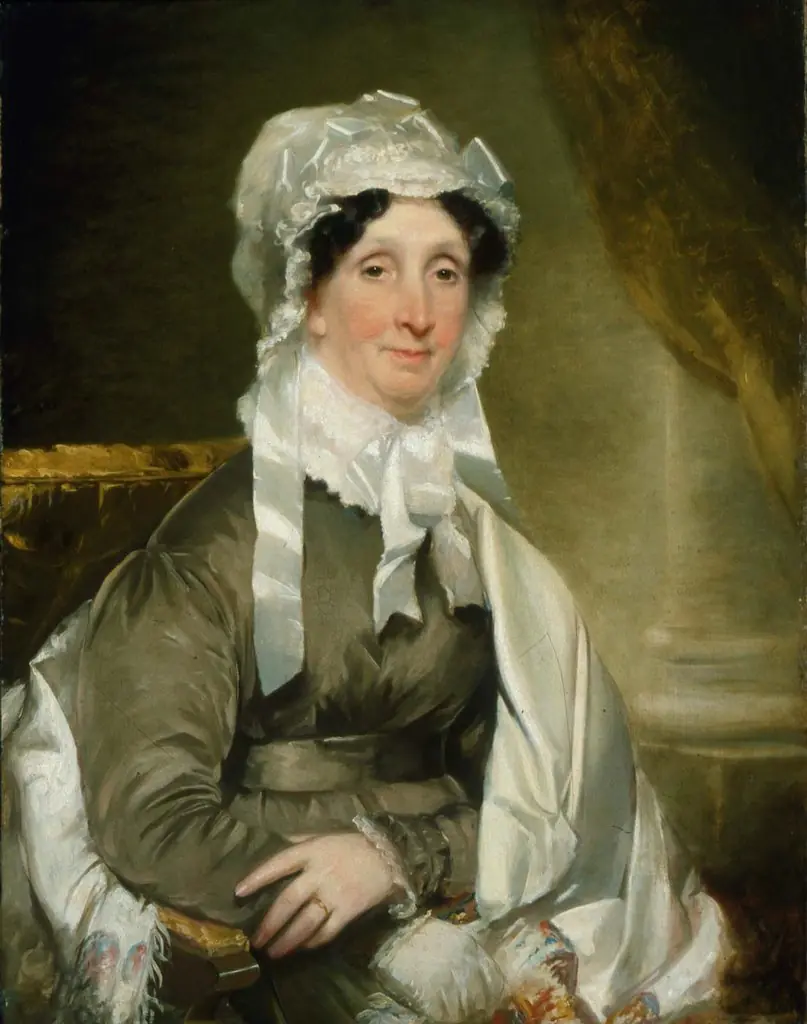 Mrs. Edward Hutchinson Robbins (Elizabeth Murray)
 Portrait of a Lady
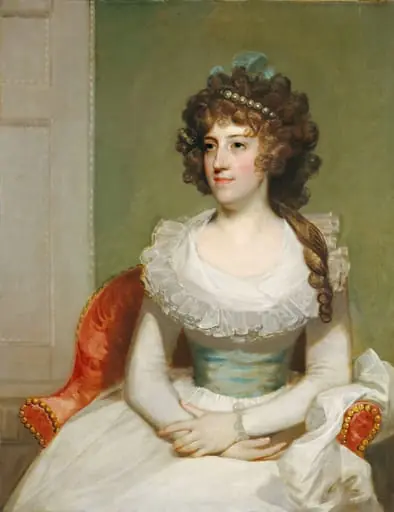 Matilda Caroline Cruger
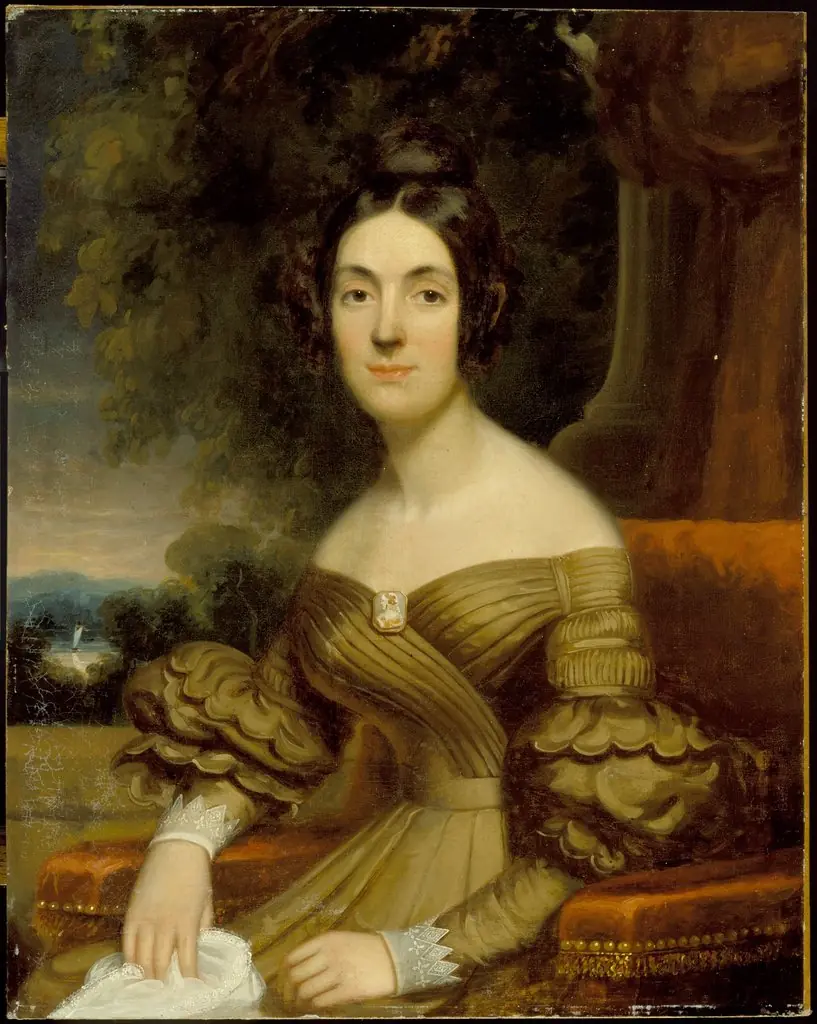 Portrait of Lady
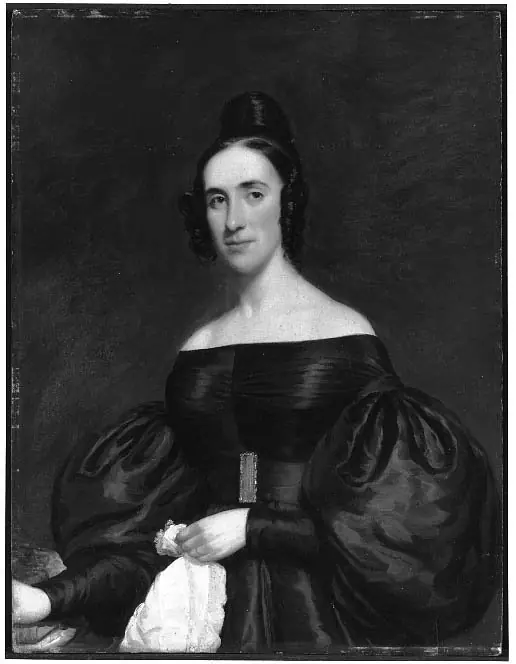 Lady in a Dark Blue Dress
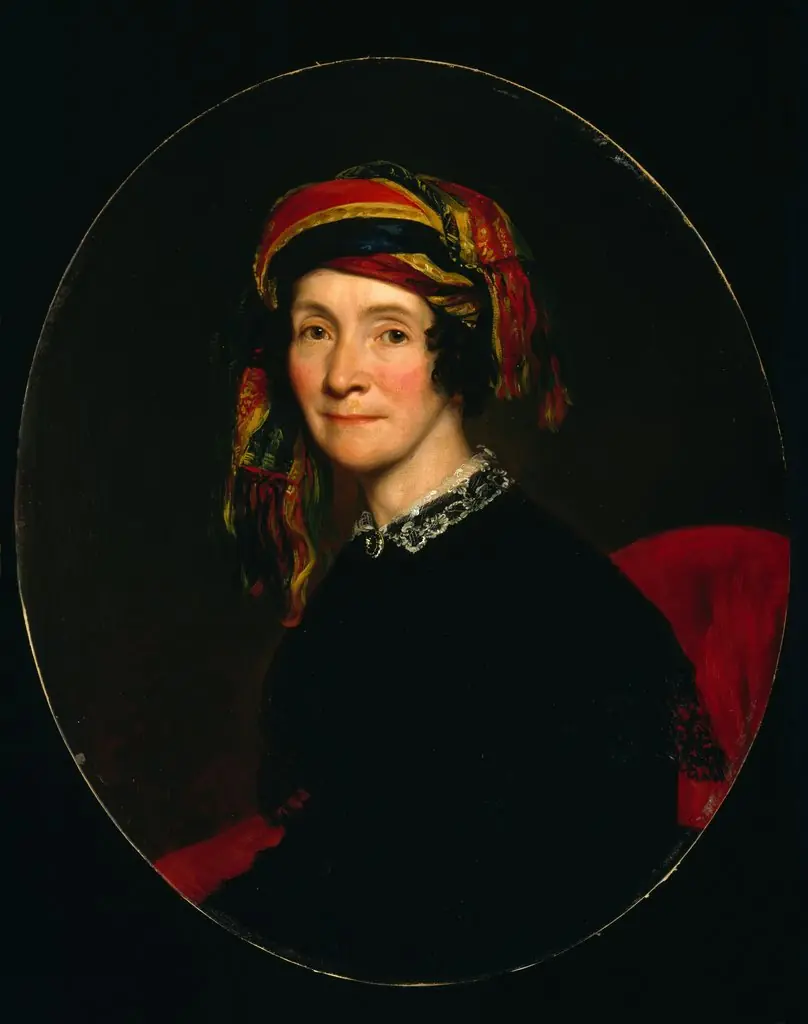 Portrait of Mrs. Jonathan Russell (Lydia Smith, 1786–1859)
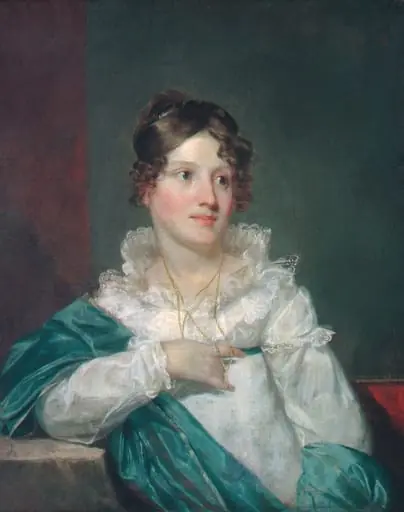 Mrs. Daniel DeSaussure Bacot
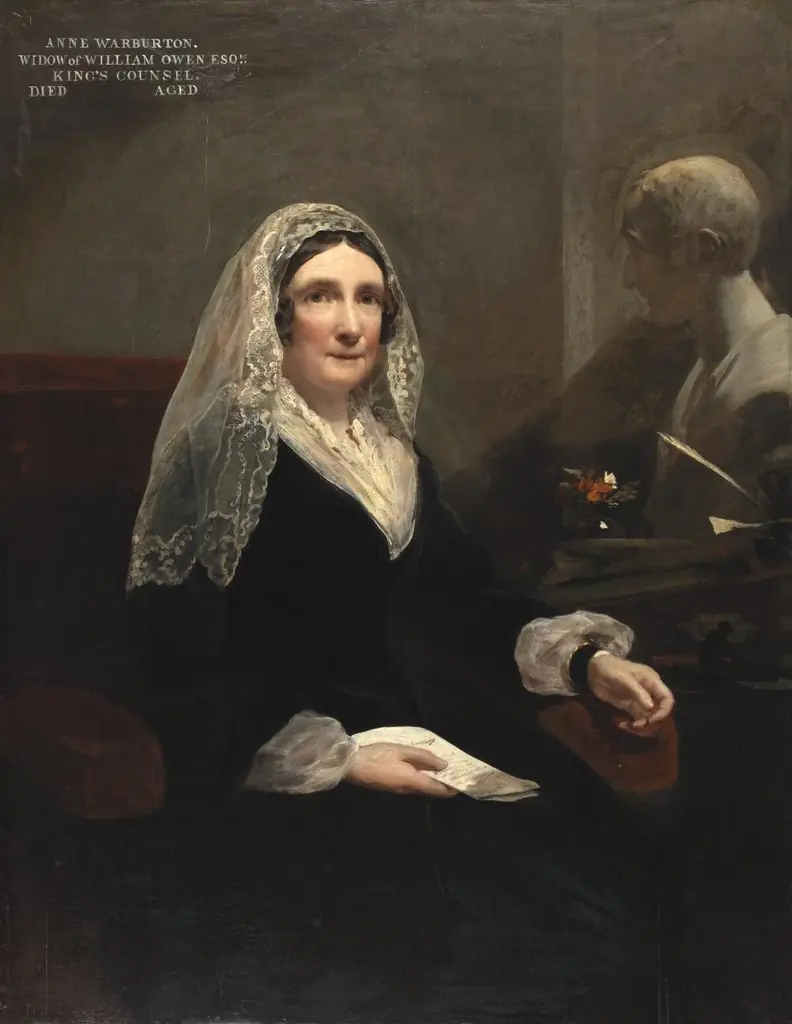 Anne Warburton, died 1876
 Portrait of Mrs Cregan (Jane Schwerzell)