Artwork
Portrait of a lady in a red dress
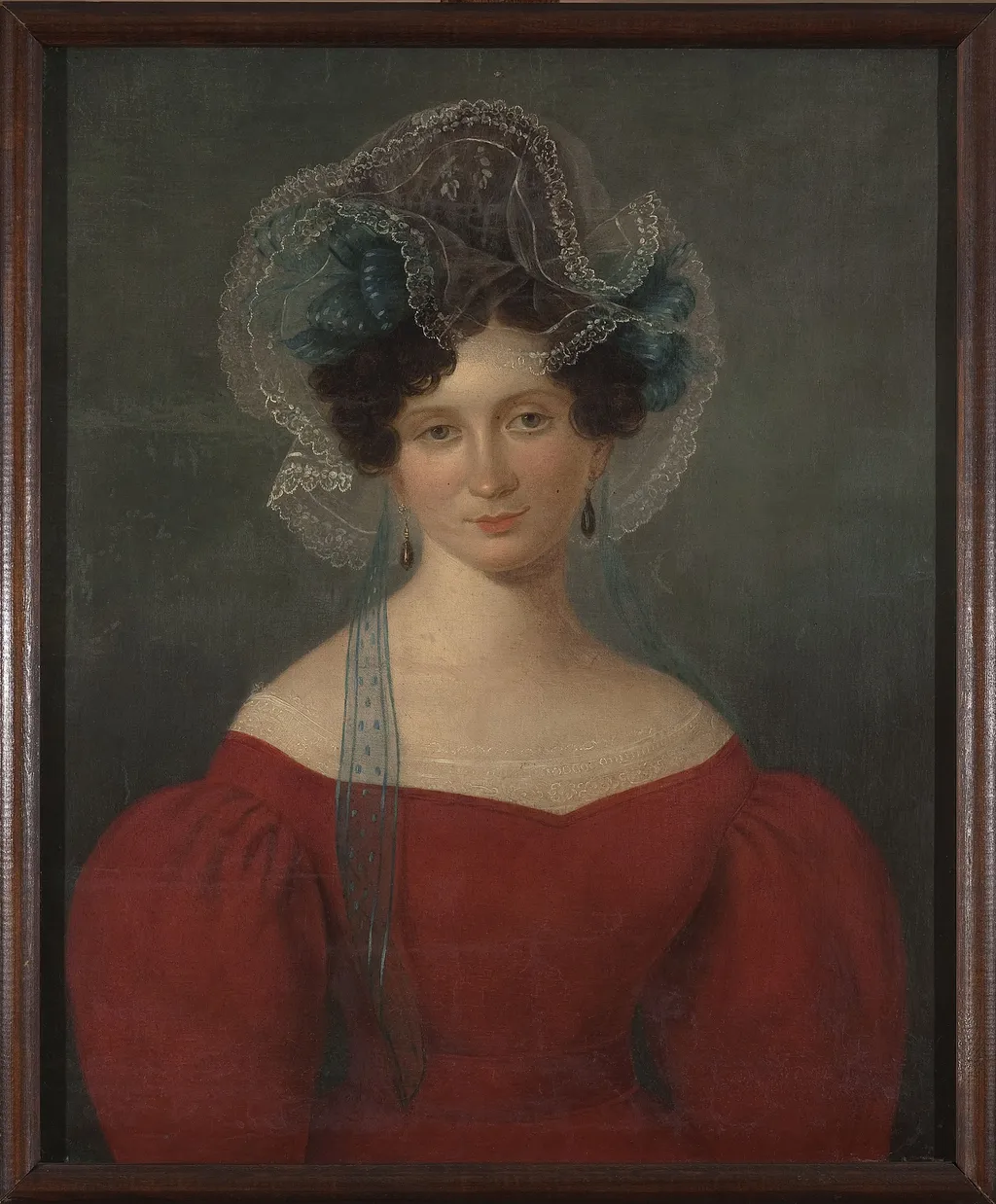
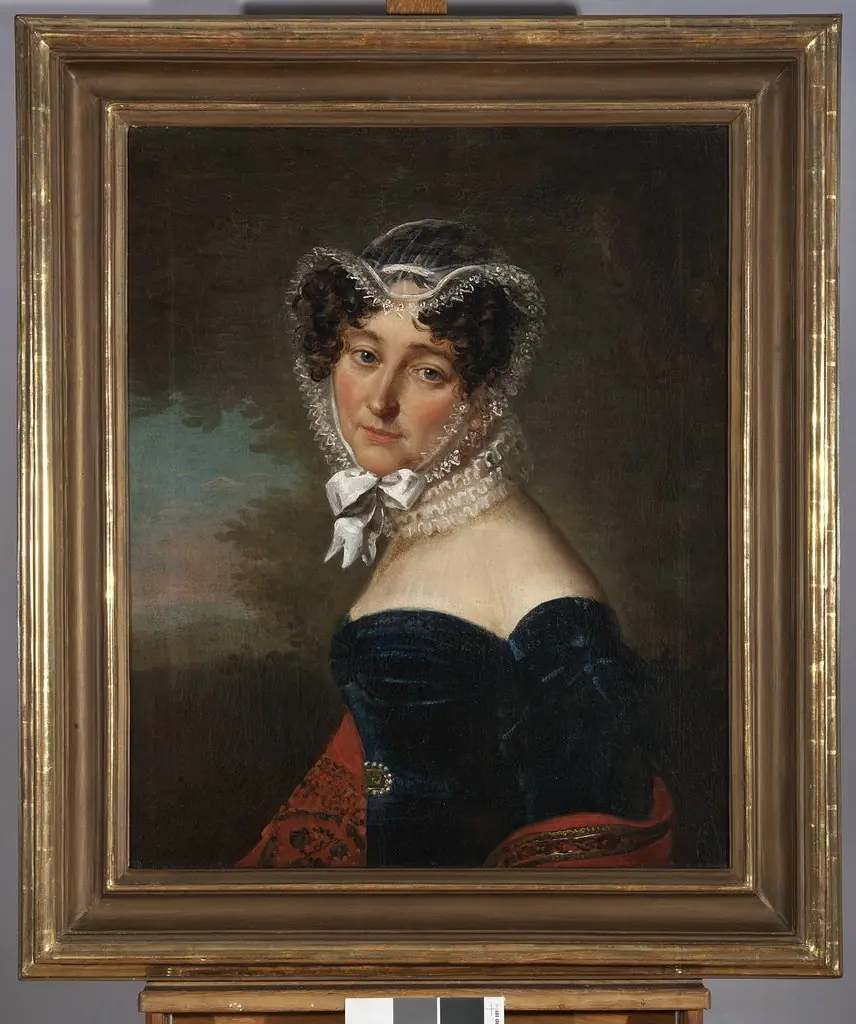
Portrait of a lady in a red dress is an oil painting by the Biedermeier artist Unknown. It dates from 1830 and is held in the collection of the National Museum in Warsaw. This oil painting portrays a woman in a red, off-the-shoulder dress, set against a muted greenish-gray background.
About this work
You might also be interested in learning more about the National Museum in Warsaw, which holds this painting in its collection.
The painting depicts a woman in a red dress, with a lace veil and a blue ribbon in her dark hair. She wears dangling earrings and has a subtle smile. The background is a muted greenish-gray color.
The woman's dress is off the shoulder, and her sleeves are puffed at the top. Her hair is styled in an updo, with loose strands framing her face. The overall atmosphere of the painting is one of elegance and refinement.
This painting is reminiscent of the work of artists who specialized in portraiture during the early 19th century. You might also be interested in learning more about the National Museum in Warsaw, which holds this painting in its collection.
Overview
This oil painting portrays a woman in a red, off-the-shoulder dress, set against a muted greenish-gray background. Her attire and demeanor convey elegance and refinement.
Subject & Meaning
The subject is a lady of apparent high social standing, suggested by her elaborate clothing, including a lace veil, blue hair ribbon, dangling earrings, and a styled updo. Her subtle smile implies a sense of quiet confidence or introspection.
Technique & Style
The work's style aligns with early 19th-century portraiture, characterized by meticulous attention to detail in the subject's clothing and accessories, and a focus on capturing the sitter's personality through subtle facial expression.
History & Provenance
The painting is part of the collection at the National Museum in Warsaw, though specific details about its creation (artist, date) are not provided in the available information.
Context
The piece reflects the portraiture conventions of its time, emphasizing the subject's social status through clothing and pose, while the artist's approach suggests a familiarity with contemporary European portrait practices.
Artist & collection

 Domestic Scene
 Giacomo and Cardinal Marco, investing Andrea, Abbot of San Zeno, with his Benefice
 The Nymph of Fontainebleau
 Portrait of a Woman
 Madonna and Child with Saints in the Enclosed Garden
 Venus and Minerva
 Family Group of Four on Sofa
 Wall painting from Room H of the Villa of P. Fannius Synistor at Boscoreale
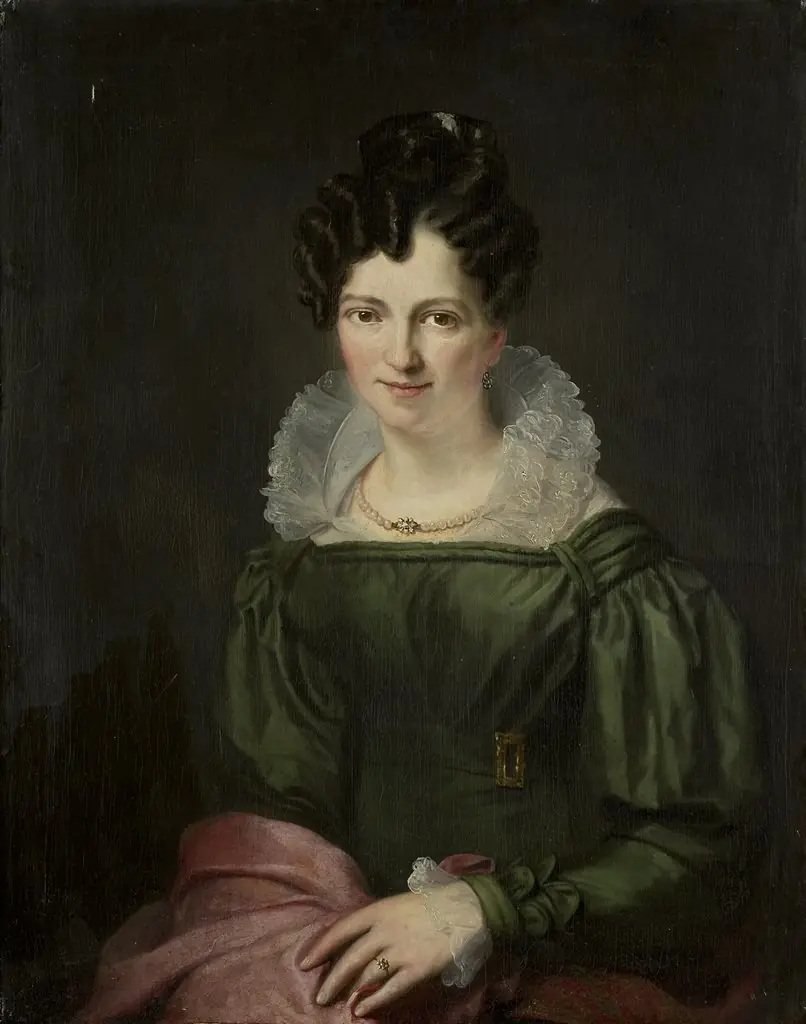 Portrait of Maria Christina Nijssen, Wife of Anthonie van der Hout
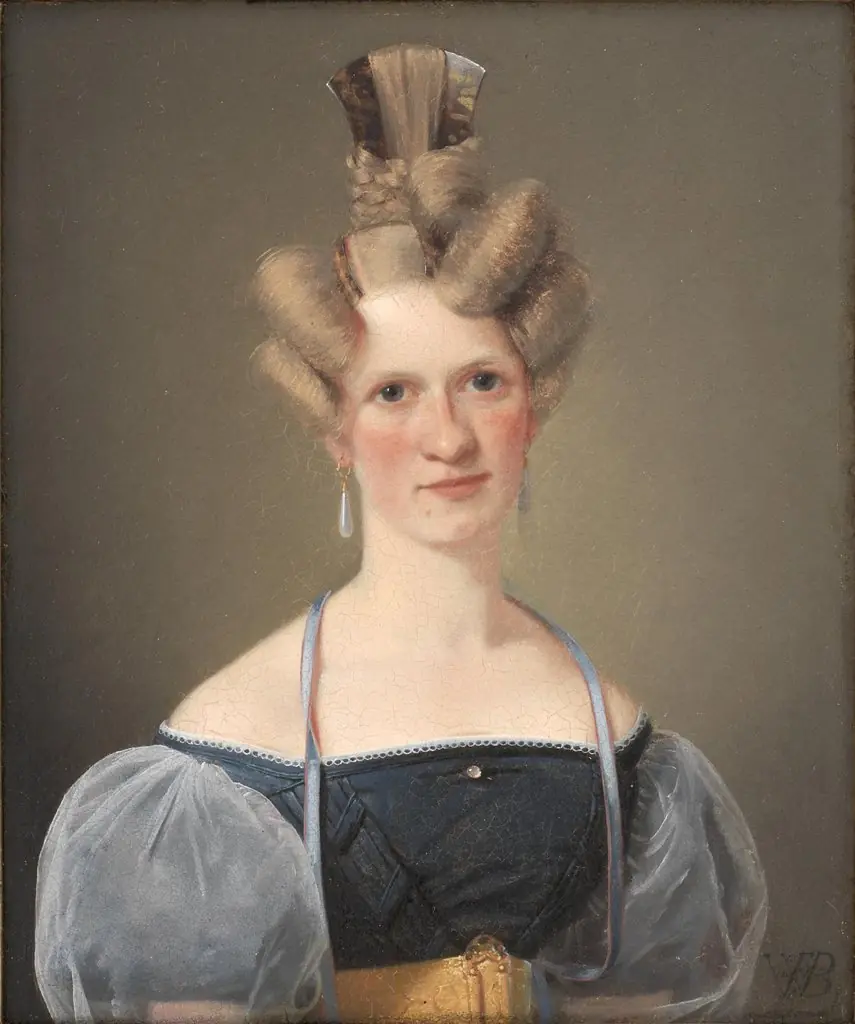 Marie Raffenberg, the Artist's Betrothed
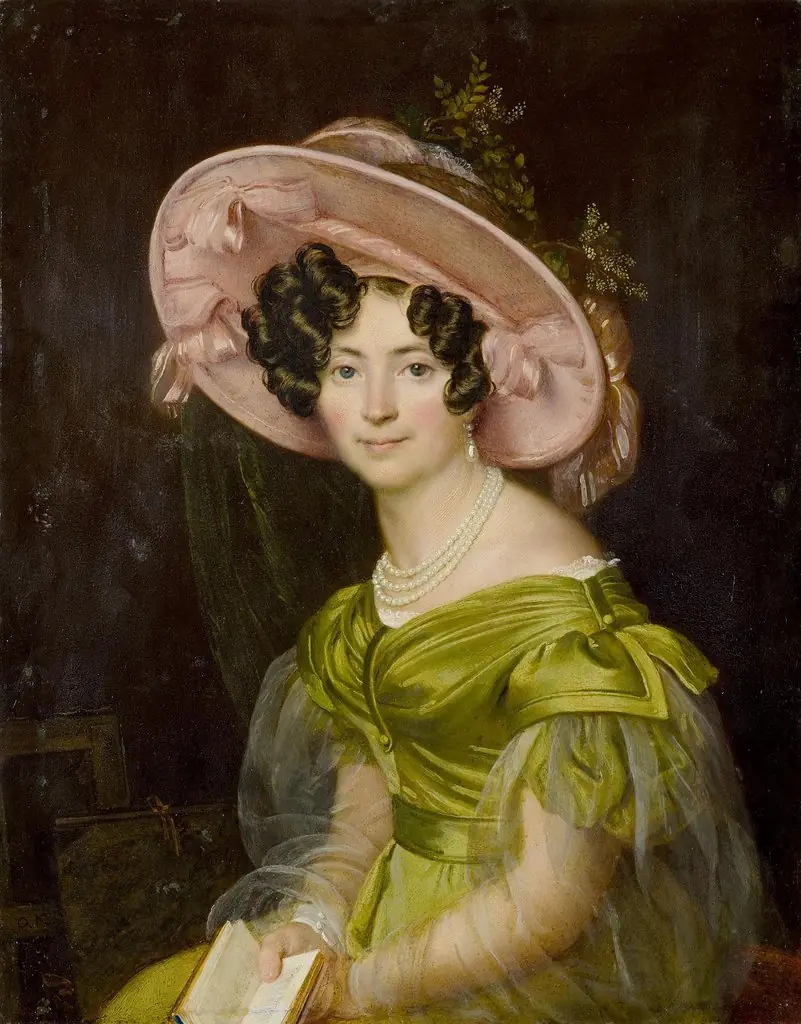 Portrait of Zinaida Volkonskaya
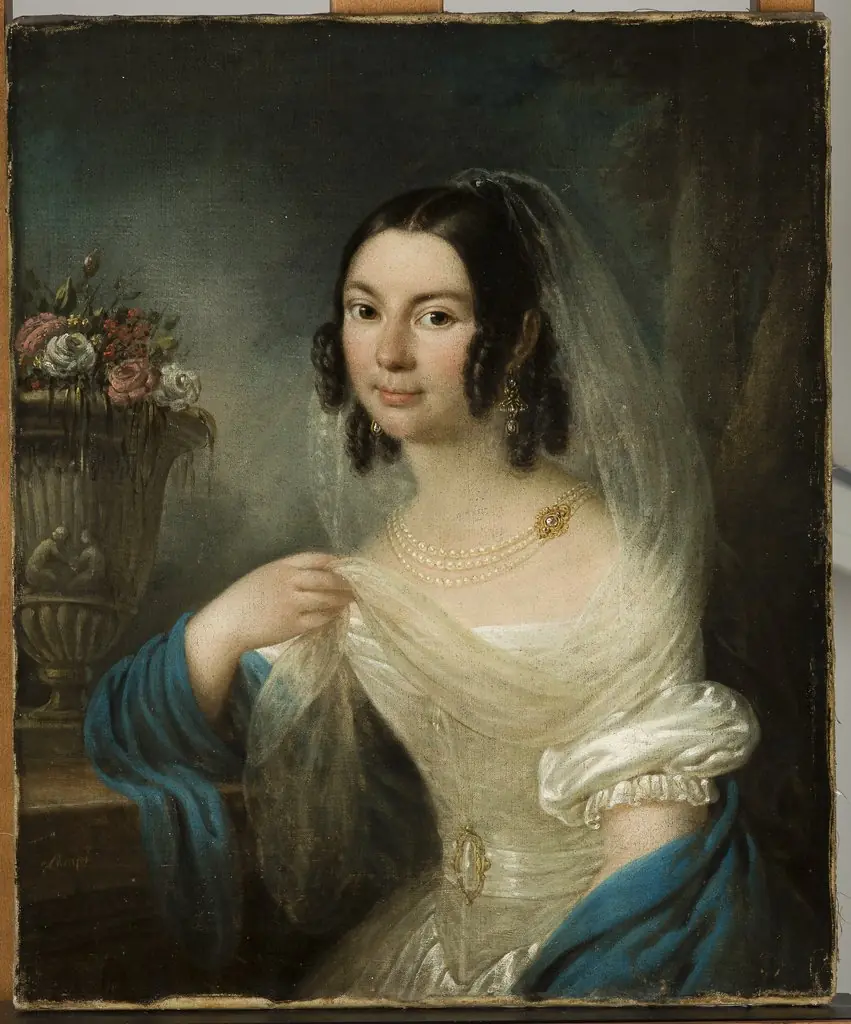 Portrait of Senator Chądzyński's Wife
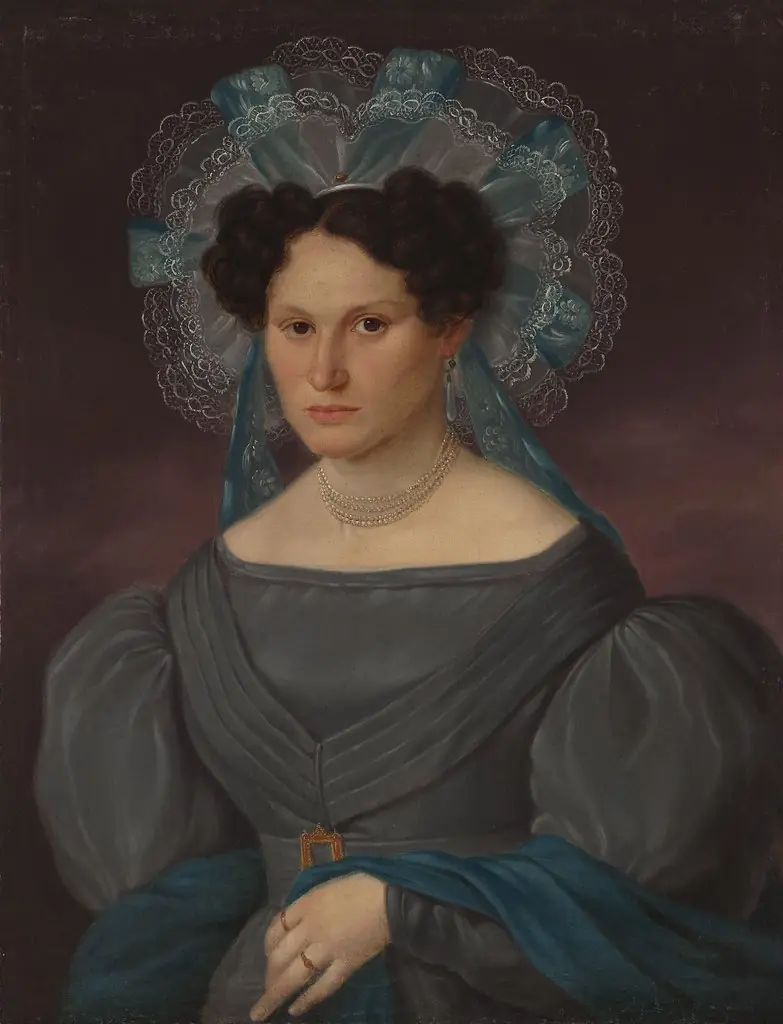 Portrait of Eleonora Gomólińska née Pelletier
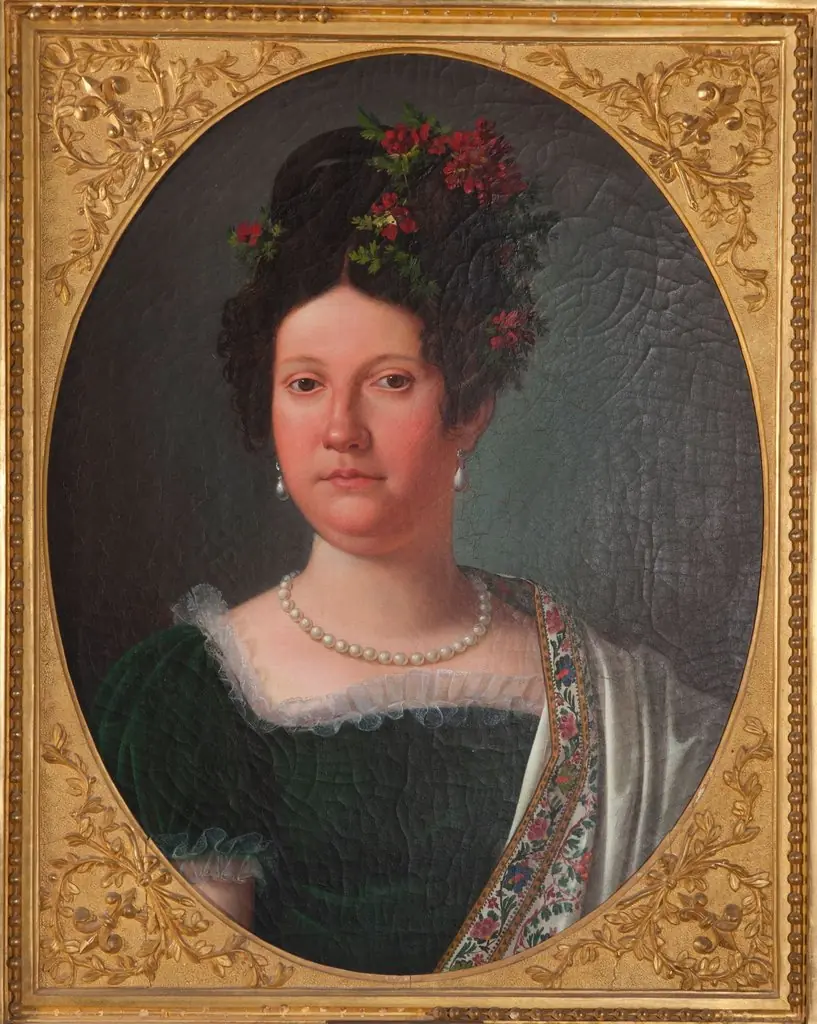 Portrait of María Isabella of Spain (1789-1848), Gueen of the Two Sicilies
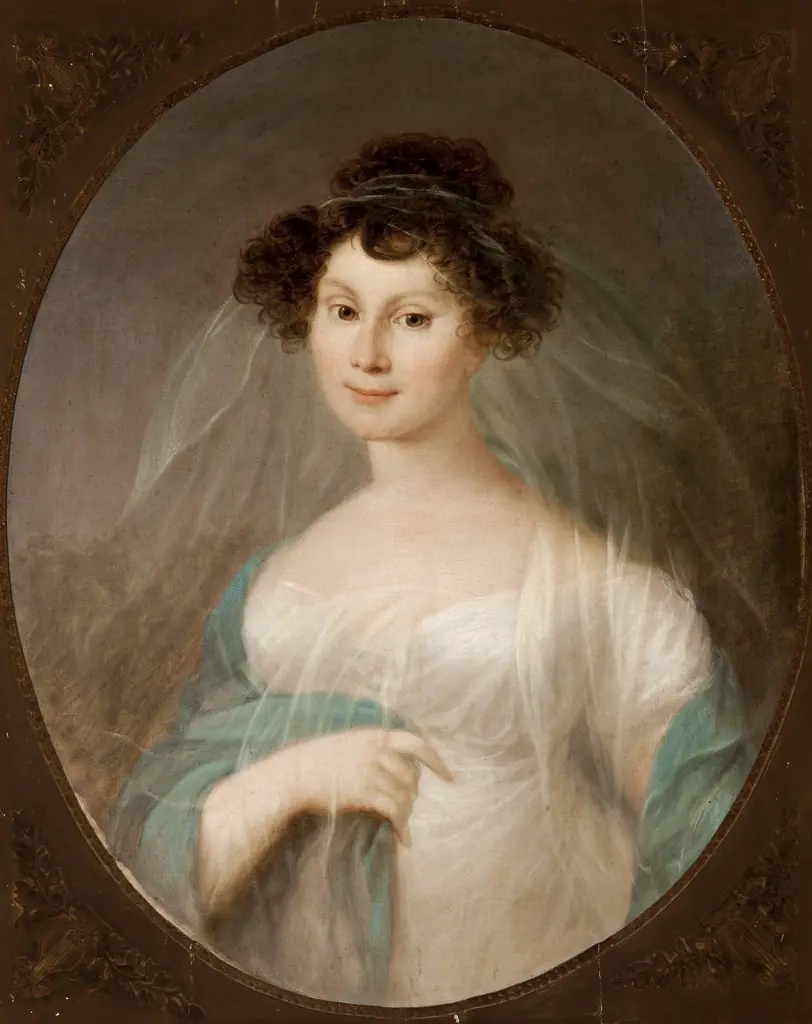 Portrait of Teresa Woydzina née Kuźnicz, Wife of the President of Warsaw
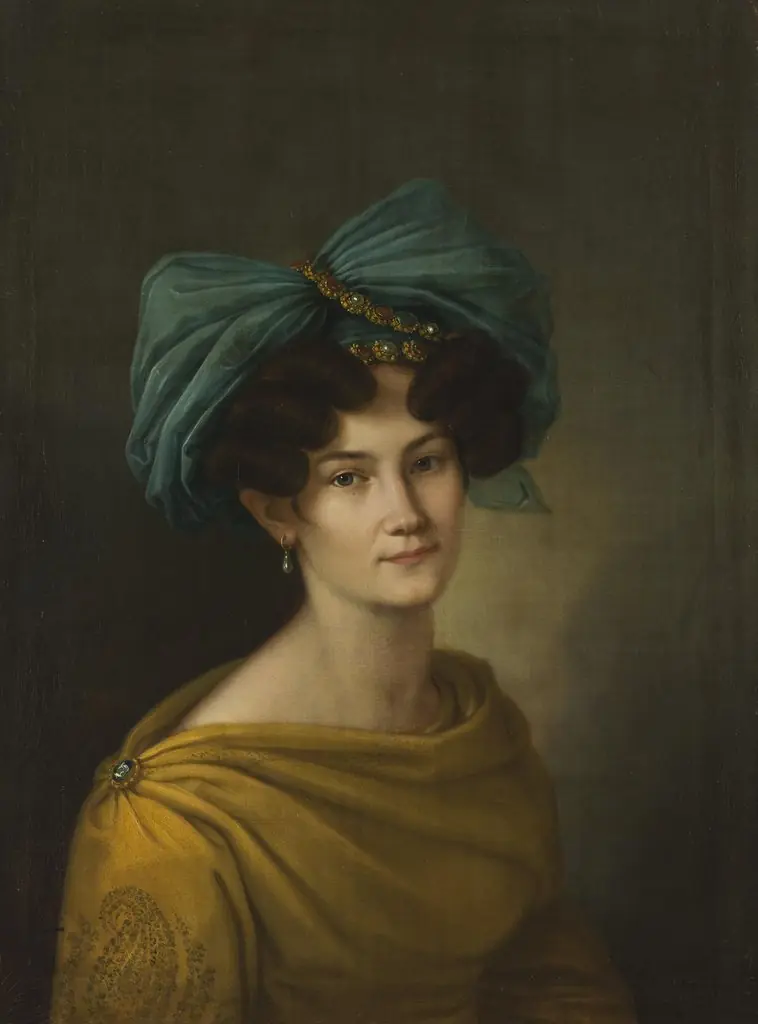 Portrait of Anastasia Vadkovskaya
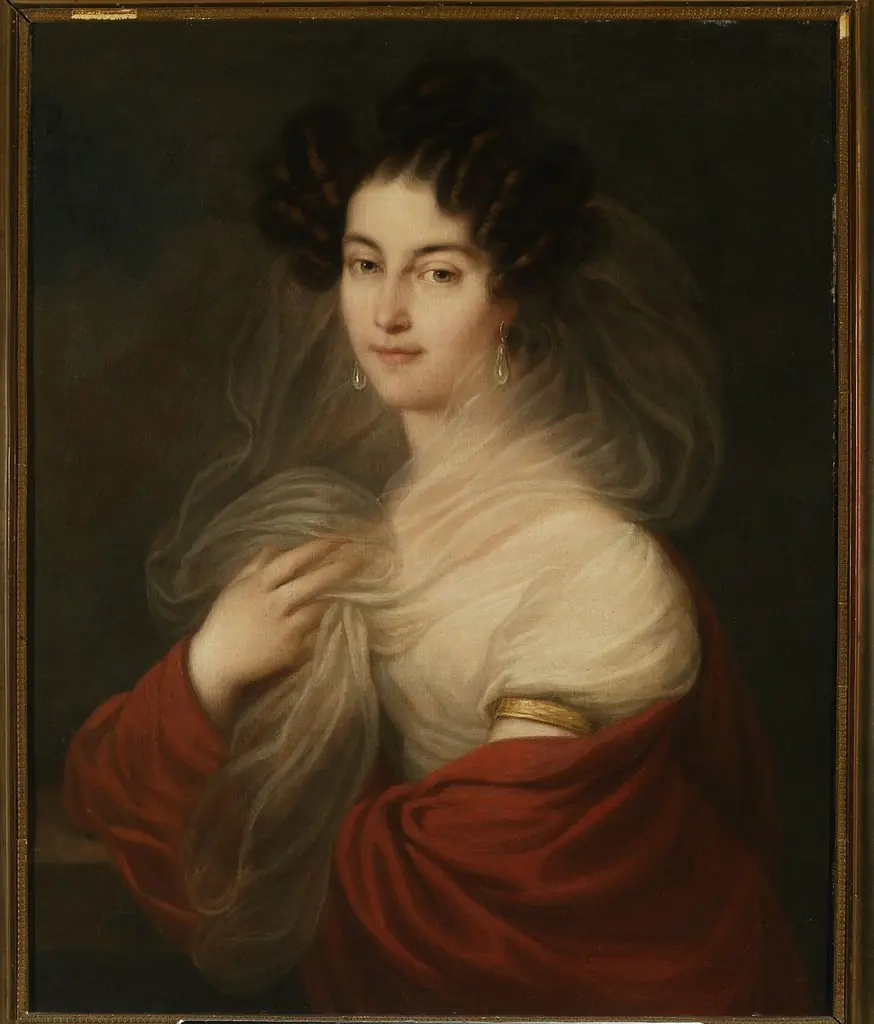 Portrait of Celina Radziwiłł née Sulistrowska (1805–1836)
 Maria Streidlin (în registrul inventar: Portret de femeie). Pandant: Portret de bărbat
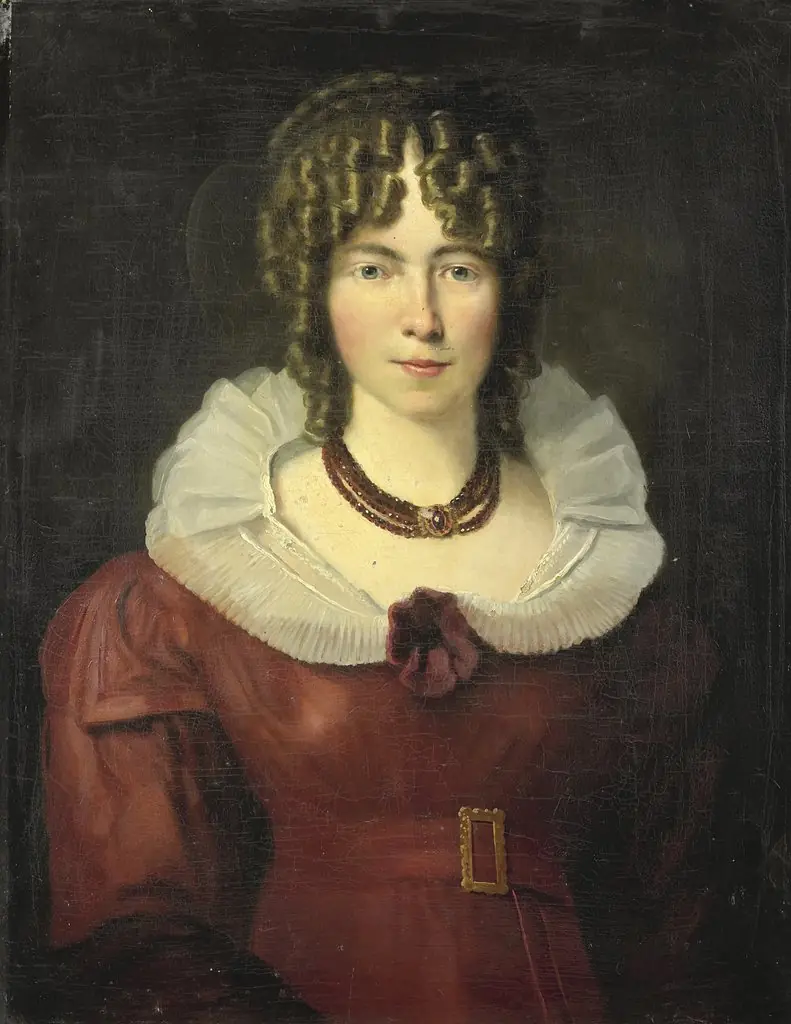 Portrait of a young Woman
 Portrait of Józefa Węgleńska née Tyrowska