Artwork
Maria Streidlin (în registrul inventar: Portret de femeie). Pandant: Portret de bărbat
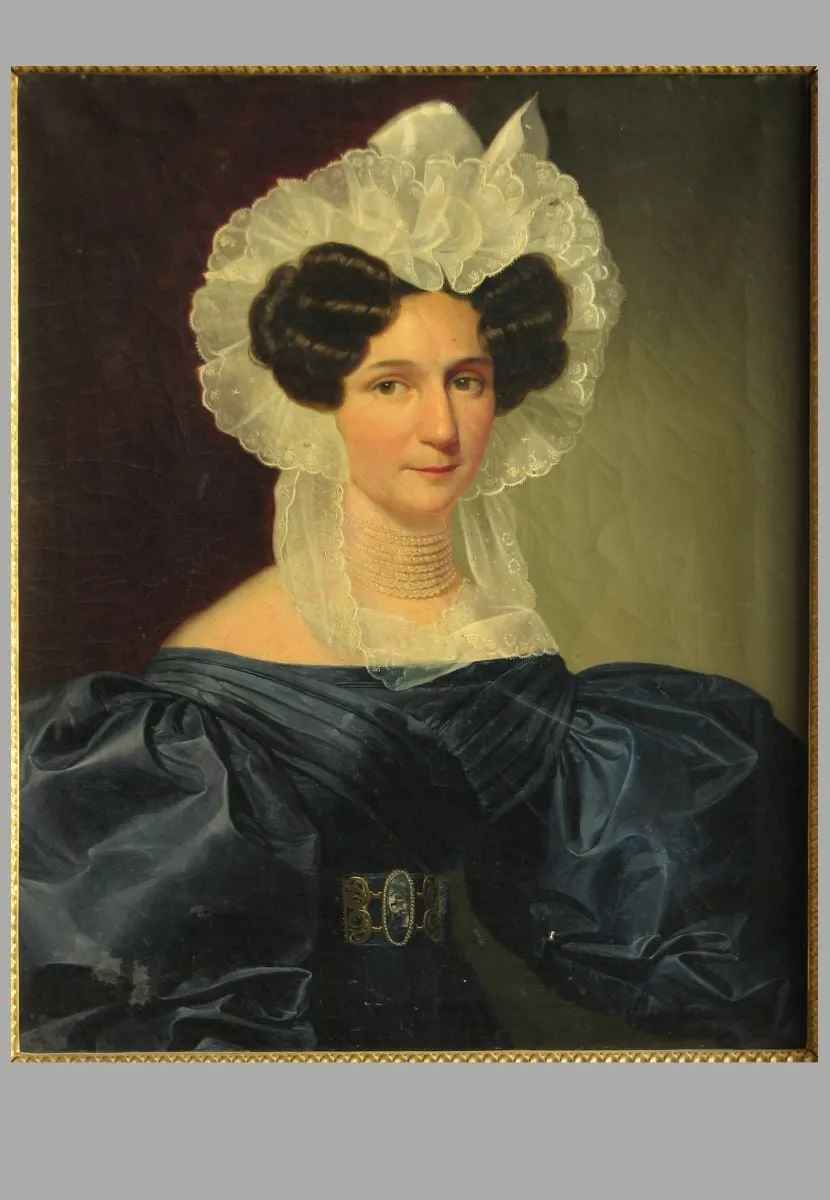
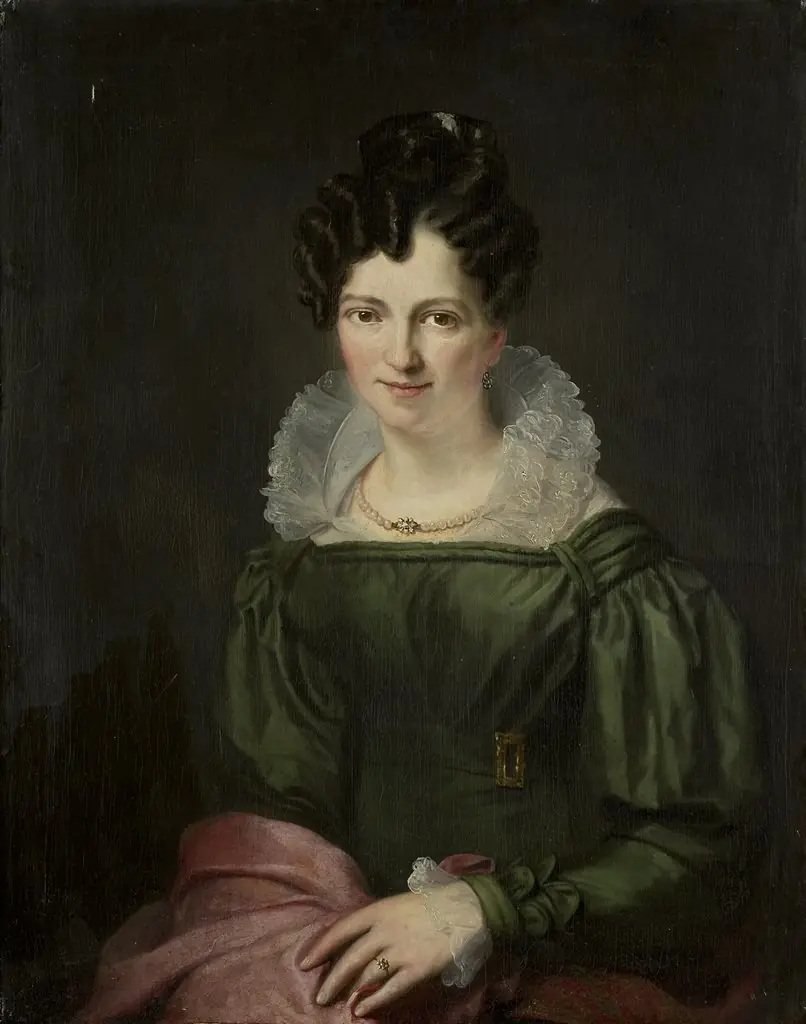
Maria Streidlin (în registrul inventar: Portret de femeie). Pandant: Portret de bărbat is an unspecified painting by the Romanticist artist anonim. It dates from 1831 and is held in the collection of the Brukenthal National Museum. Created in 1831 by an unknown hand, this oil portrait presents a seated woman rendered against a muted brown backdrop.
About this work
The artist's use of chiaroscuro, a technique that uses strong contrasts between light and dark, adds depth and dimension to the painting.
The painting depicts a woman with dark hair, styled in an updo and adorned with a white lace headpiece. She wears a dark blue dress with puffy sleeves and a gold belt around her waist. The background of the painting is a dark brown color.
The woman's attire and hairstyle suggest that the painting is from the early 19th century. The use of dark colors and the woman's serious expression also give the painting a sense of formality.
The painting is a portrait of a woman, likely a member of the upper class, given her attire and the formal setting. The artist's use of chiaroscuro, a technique that uses strong contrasts between light and dark, adds depth and dimension to the painting. To learn more about this style, look up Romanticism.
Overview
Created in 1831 by an unknown hand, this oil portrait presents a seated woman rendered against a muted brown backdrop. The composition follows the conventions of early‑nineteenth‑century portraiture, emphasizing the sitter’s status through attire and pose while employing a restrained colour palette.
Subject & Meaning
The figure is a dark‑haired woman whose hair is gathered into an up‑do and crowned with a white lace band. She wears a deep blue dress with voluminous sleeves and a gold‑toned belt, suggesting affiliation with the upper echelons of society. Her composed, solemn expression conveys a sense of dignity and formality typical of genteel portrait commissions.
Technique & Style
The artist applies chiaroscuro, contrasting illuminated areas of the face and dress with the surrounding darkness to generate three‑dimensionality. Brushwork is smooth on the flesh tones, while the fabric’s texture is suggested through subtle highlights on the lace and gold belt. The overall style aligns with Biedermeier‑era portraiture, favoring clarity and restrained elegance.
History & Provenance
Recorded in the museum’s inventory as “Portret de femeie,” the work is paired with a companion male portrait, indicating it may have formed a diptych of a married couple. The painting entered the collection through an early twentieth‑century acquisition, though its original patron remains unidentified.
Artist & collection
Artist
This unknown painter left us two small portraits from 1831: a woman in a ledger book called Maria Streidlin, and her male pair.

 Maria Helena Rosina von Haartman
 Portrait of Senator Chądzyński's Wife
 Portrait of a lady in a red dress
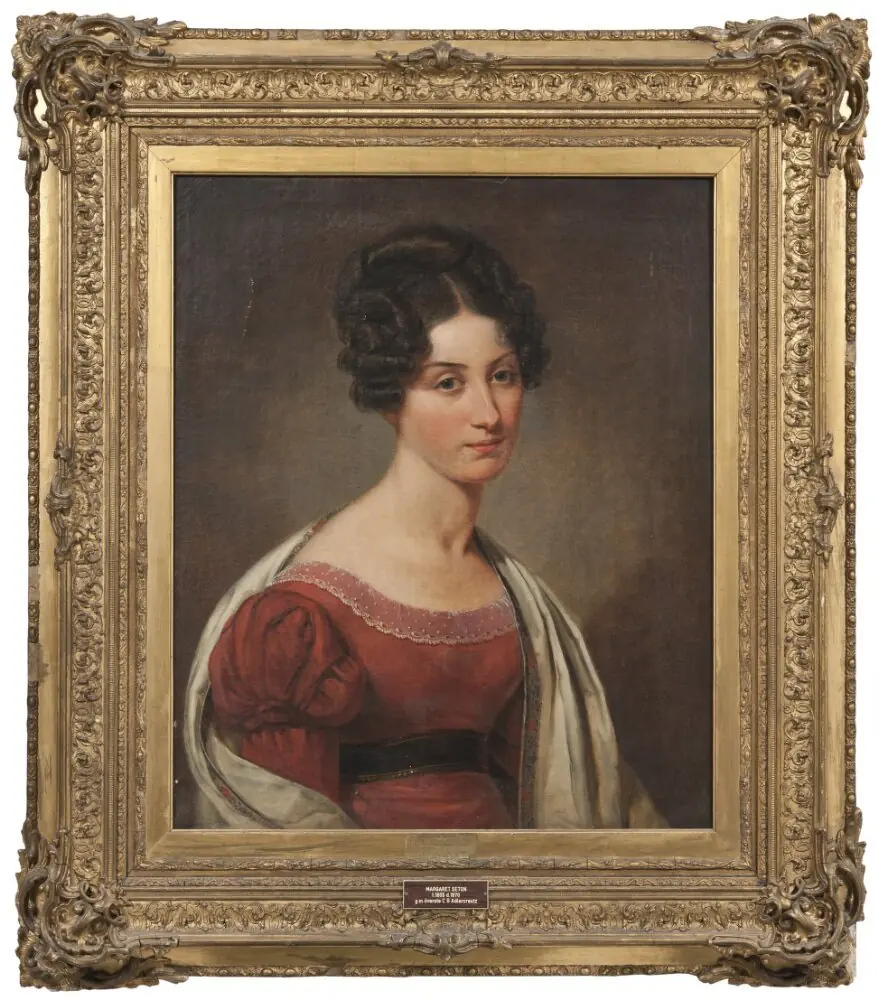 Margaret Seton (1805-1870), född i Skottland, verksam i Sverige, g.m. friherre överste Carl Gustaf Adlercreutz, sondotter till Alexander Baron Seton
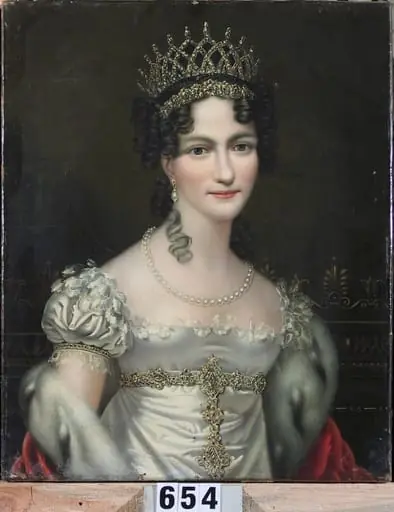 Carolina Augusta, soția împăratului austriac Franz I
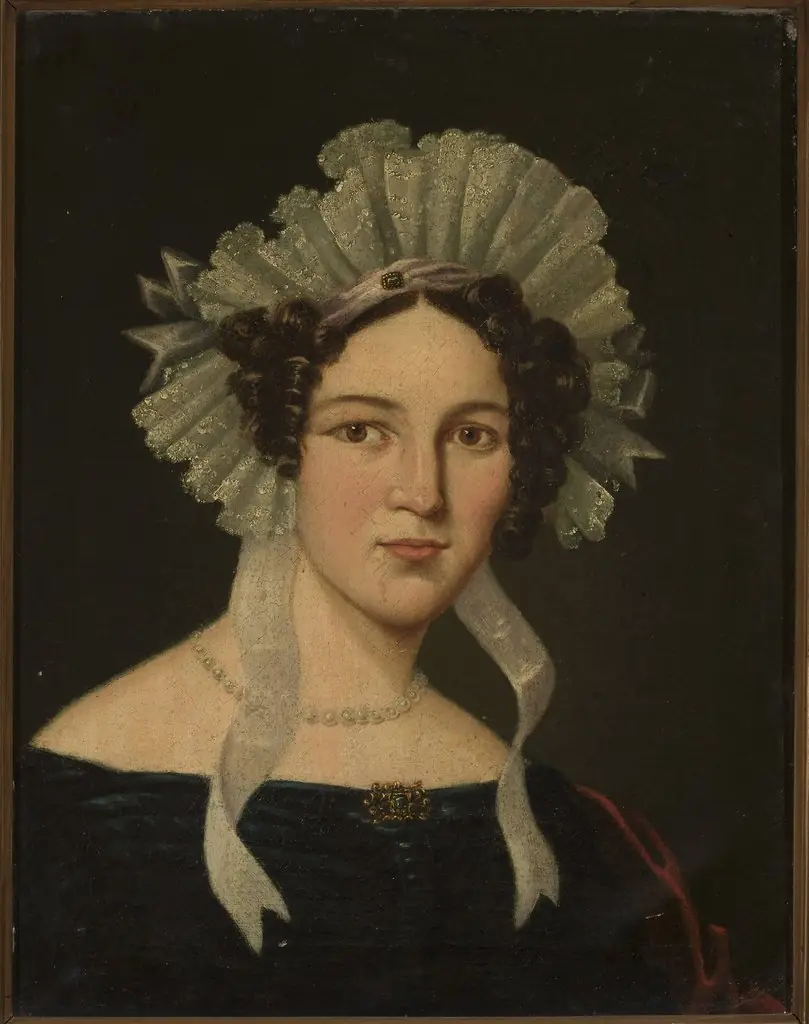 Portrait of a lady in a cap
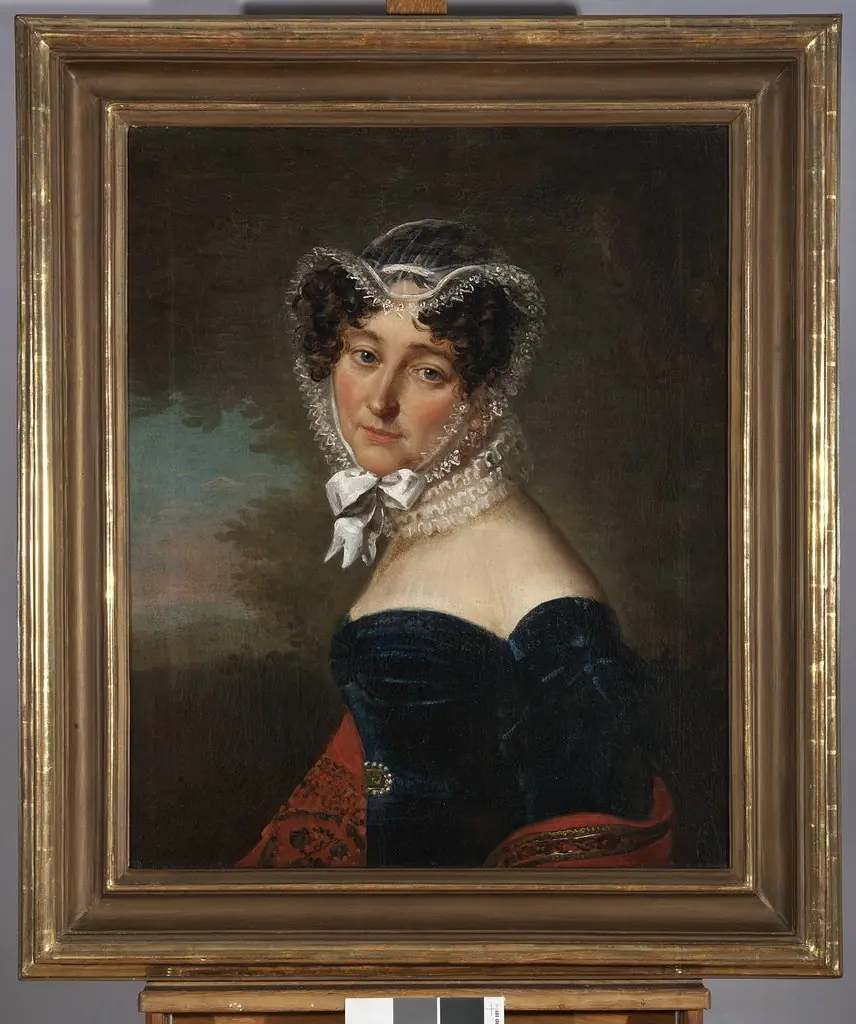 Portrait of Józefa Węgleńska née Tyrowska
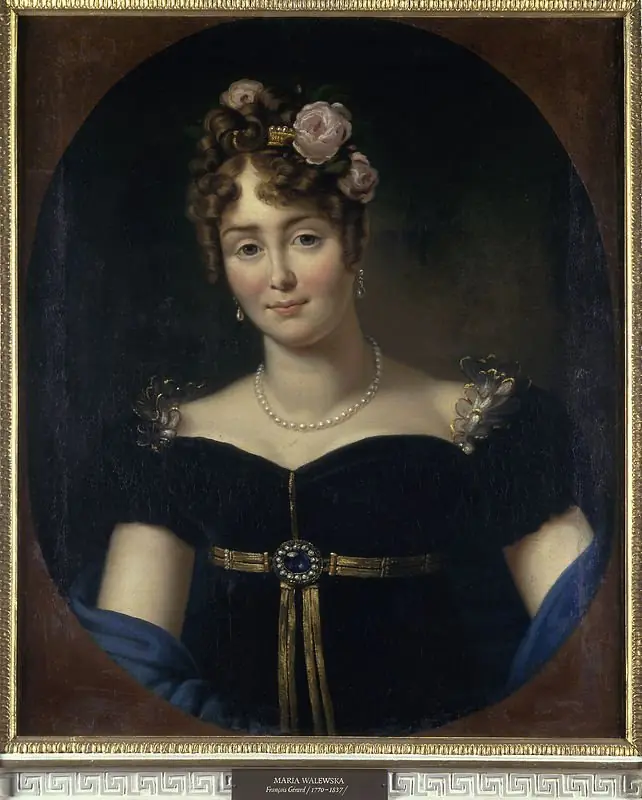 Portrait of Maria Walewska (1786–1817)
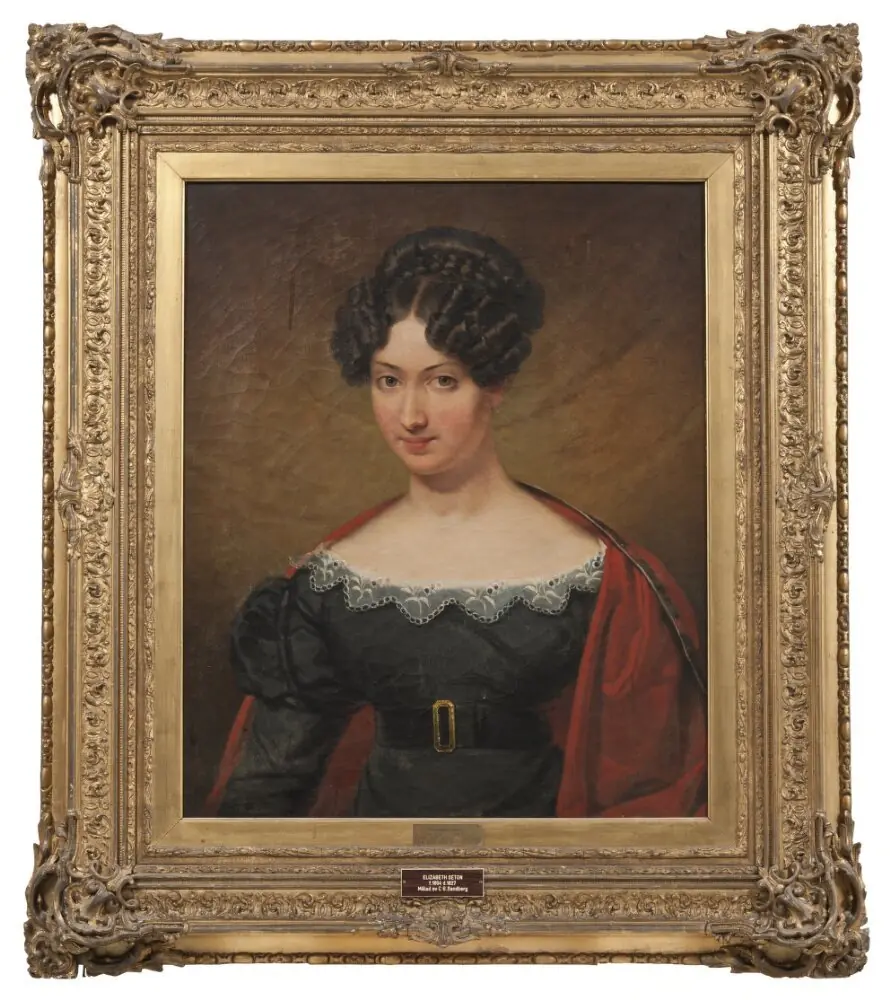 Elizabeth Seton (1804-1827), stiftsjungfru, sondotter till Alexander Baron Seton
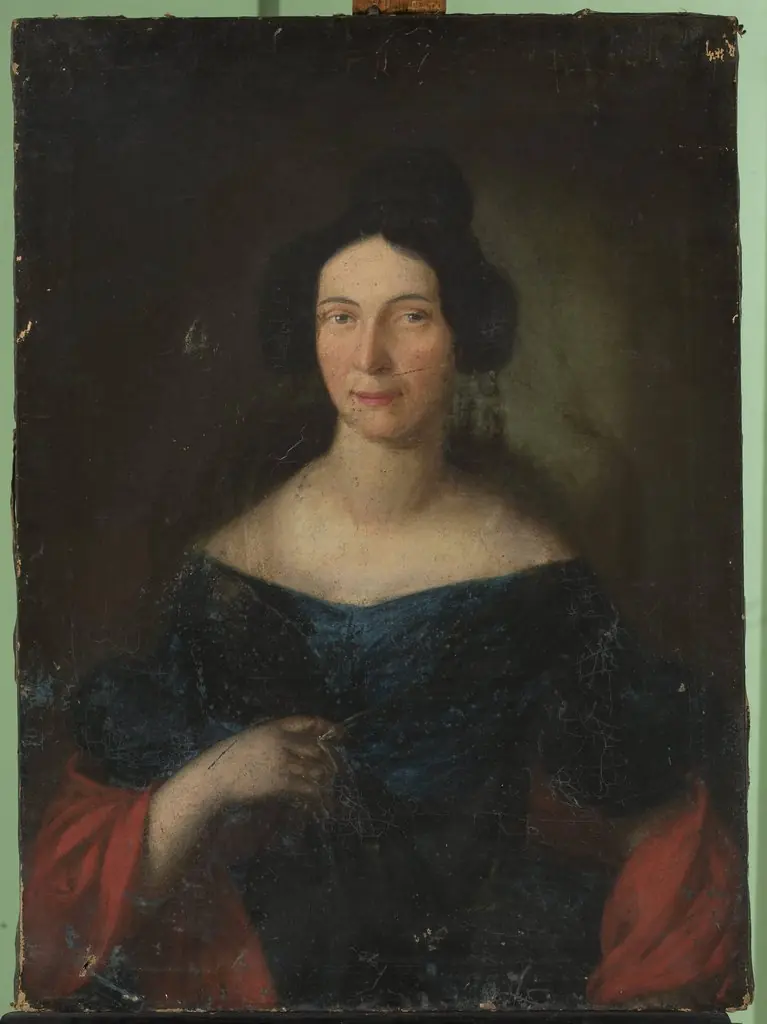 Portrait of a woman
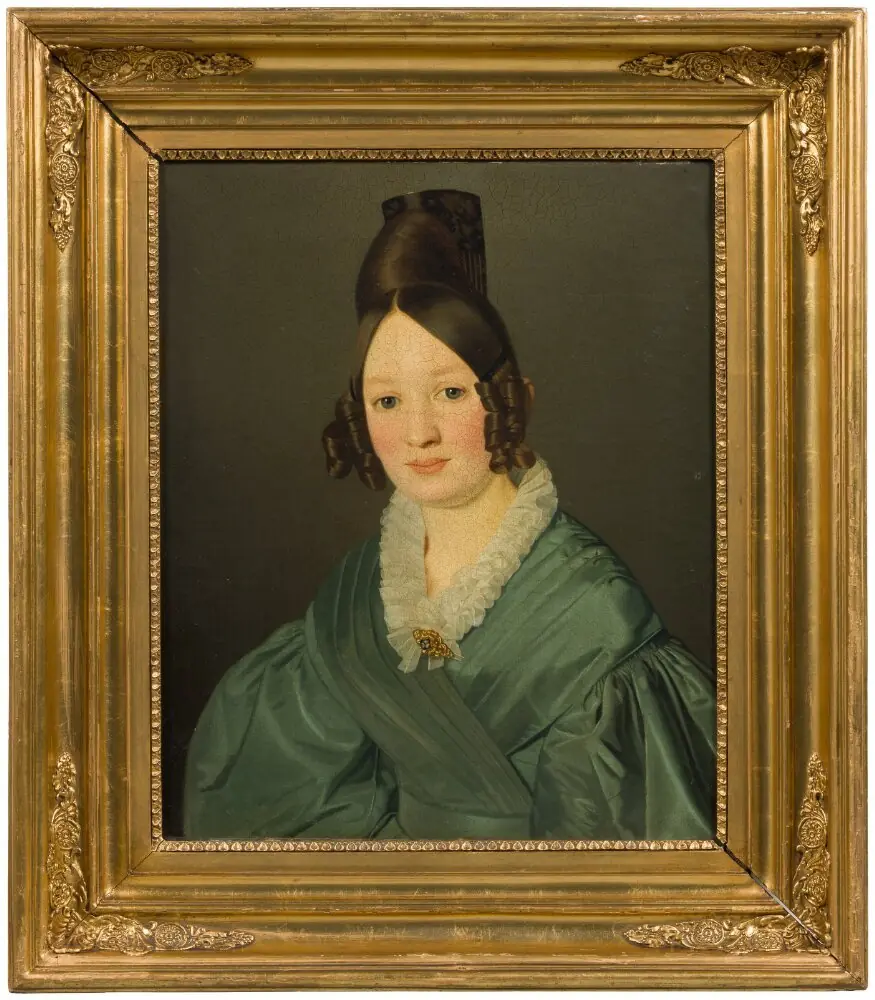 Portrait of a Woman
 Portrait of Maria Christina Nijssen, Wife of Anthonie van der Hout