Artwork
Untitled
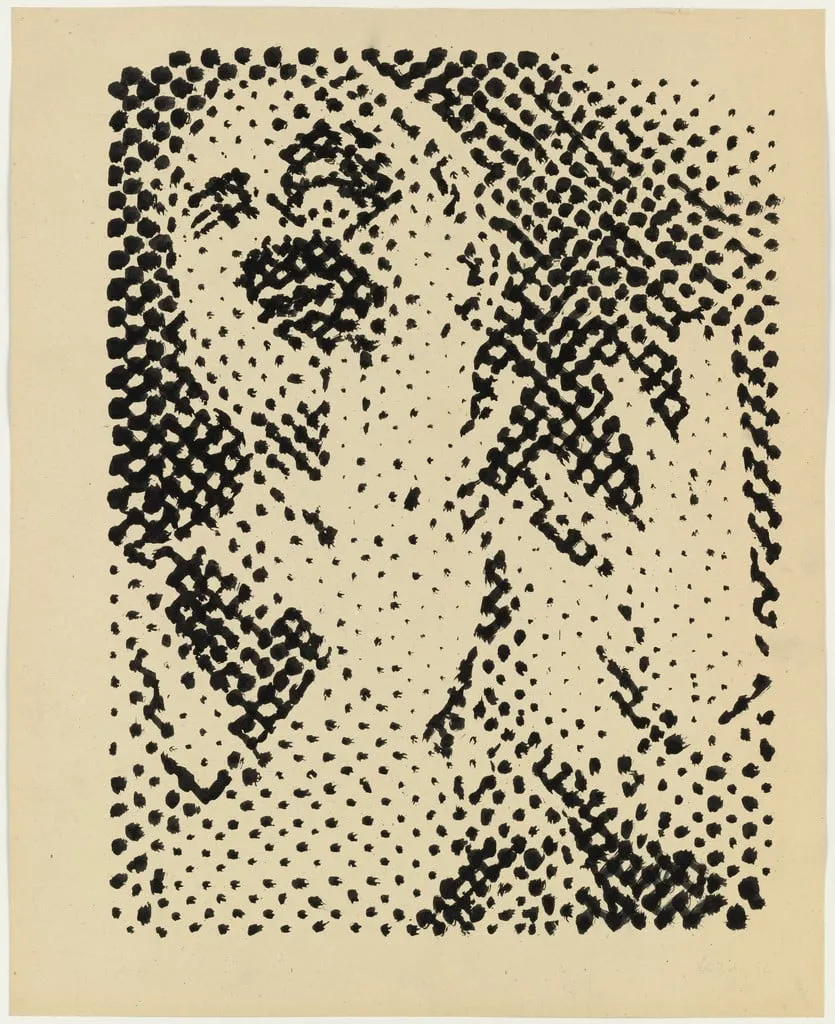
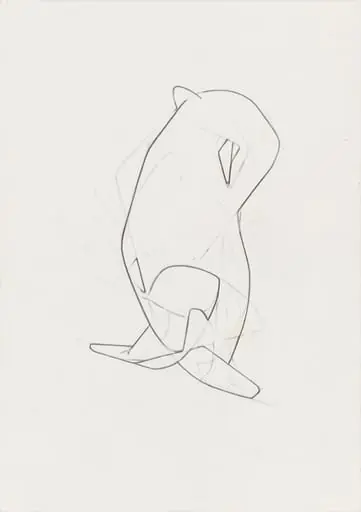
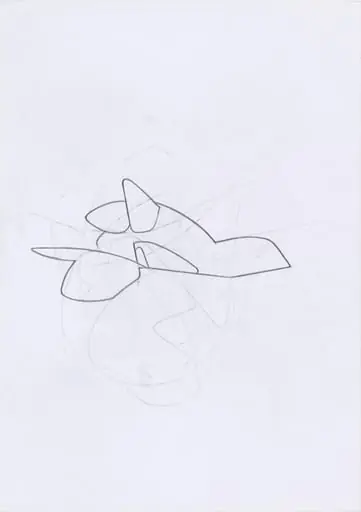
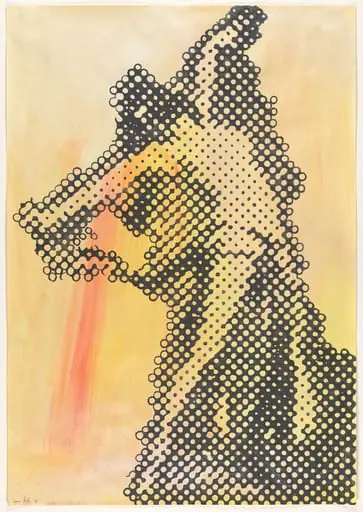
Untitled is an ink drawing by Frank Nitsche. It dates from 1992 and is held in the collection of the Museum of Modern Art.
About this work
Overview
The medium is simple—black ink on paper—but the arrangement resists clear representation, emphasizing material presence over narrative.
Created in 1992, this drawing by Frank Nitsche consists of six separate sheets of paper, each covered in irregularly placed ink dots. The sheets are assembled to form a single composition, with visible seams and uneven edges suggesting an intentional fragmentation. The medium is simple—black ink on paper—but the arrangement resists clear representation, emphasizing material presence over narrative.
Subject & Meaning
The work offers no figurative subject or symbolic narrative. Instead, it presents a field of dots as its sole content, inviting attention to distribution, density, and void. The clustering and spacing of marks suggest rhythm or chance rather than intentionality, challenging traditional expectations of drawing as depiction. The meaning emerges from the act of looking, not from what is depicted.
Technique & Style
Nitsche applied ink by hand, creating dots of varying size and saturation across unprimed paper. The irregular edges of the six sheets imply they were joined after individual treatment, preserving their autonomy. The technique avoids line or shading, relying solely on point-based mark-making. The yellowed tone of the paper adds a temporal quality, subtly altering the contrast and mood of the ink.
History & Provenance
The work entered the collection of The Museum of Modern Art in New York, where it remains part of its drawings and prints holdings. It was produced during a period when Nitsche was exploring minimal, non-representational forms, often using domestic or humble materials. Its acquisition reflects institutional interest in post-minimalist practices that prioritize process over imagery.
Context
Emerging from late 20th-century conceptual and post-minimalist currents, the piece aligns with artists who questioned the necessity of composition or meaning in drawing. Its use of everyday materials and rejection of traditional technique echo contemporaneous work by figures like On Kawara or Robert Ryman, who explored the limits of mark-making and materiality.
Legacy
The drawing contributes to an expanded understanding of drawing as an exploratory, non-representational act. Its inclusion in a major museum collection affirms the legitimacy of such minimal interventions within art historical discourse. It continues to prompt discussions about intention, perception, and the value of absence in visual culture.
Artist & collection