Artwork
A Span of Old Battersea Bridge
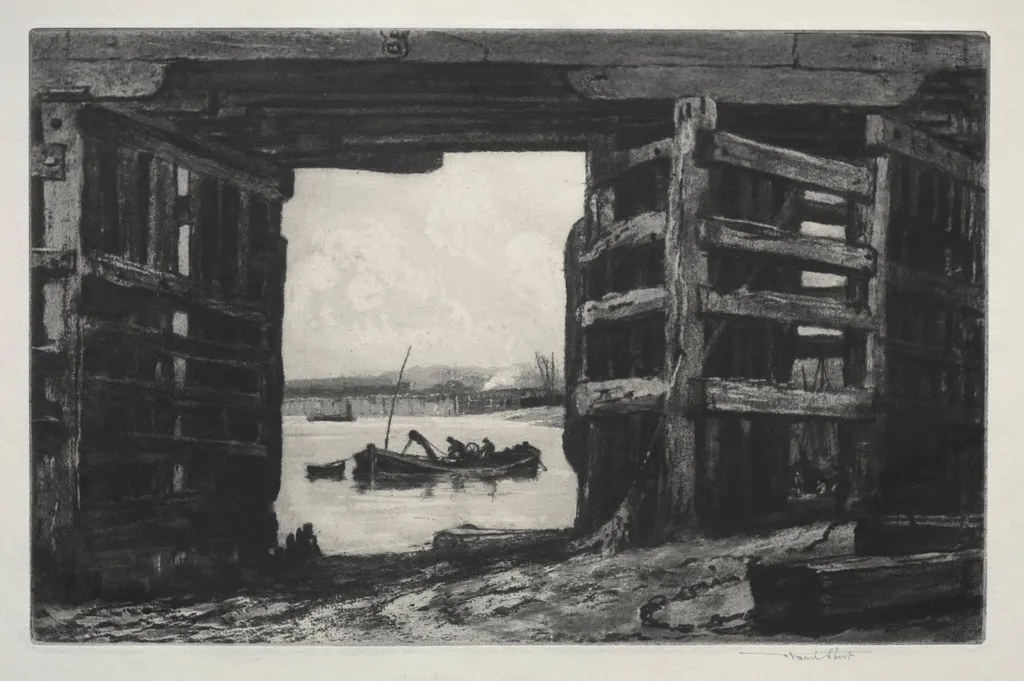
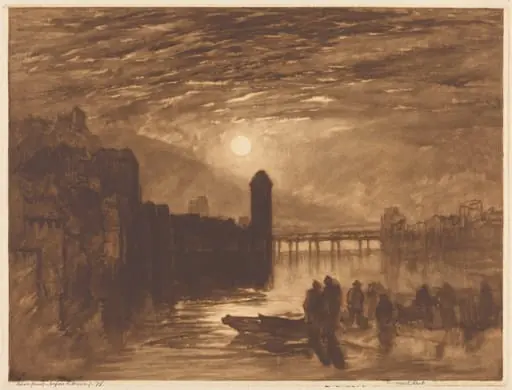
A Span of Old Battersea Bridge is a print by the Impressionist artist Frank Short. It dates from 1899 and is held in the collection of the Cleveland Museum of Art.
About this work
Overview
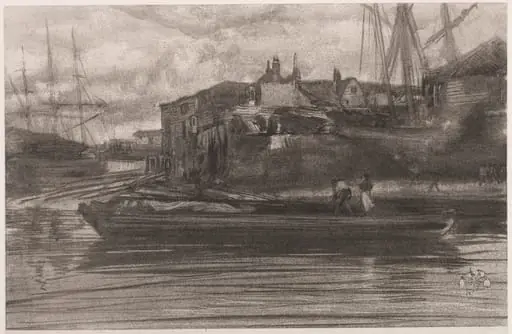
Created in 1899 by British printmaker Frank Short, *A Span of Old Battersea Bridge* is an intaglio print that captures a quiet moment along the River Thames.
Created in 1899 by British printmaker Frank Short, *A Span of Old Battersea Bridge* is an intaglio print that captures a quiet moment along the River Thames. Short, known for his technical innovation in mezzotint and aquatint, used drypoint and etching to render the bridge and its surroundings with subtle tonal gradations. The work exemplifies his commitment to elevating printmaking as a serious artistic medium through both practice and pedagogy.
Subject & Meaning
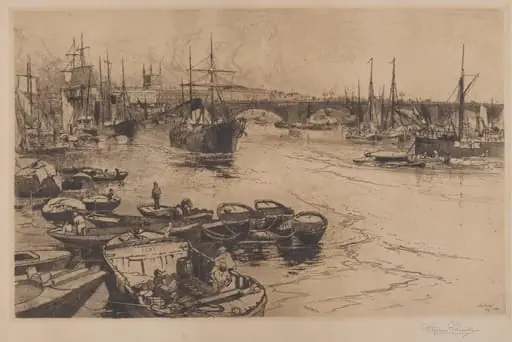
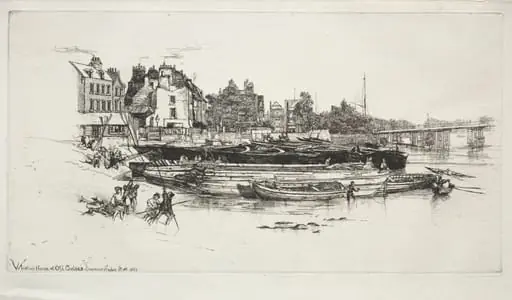
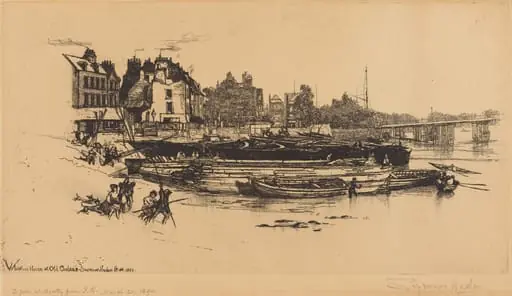
The print depicts the old Battersea Bridge, a modest iron structure spanning the Thames, with a small rowboat near its center and a few figures on the near bank. There is no dramatic action—only stillness. The scene suggests everyday life along the river, framed not as spectacle but as quiet observation. The absence of industrial intrusion and the muted atmosphere convey a sense of temporal pause, aligning with late-Victorian sensibilities toward rural tranquility amid urban growth.
Technique & Style
Short employed drypoint and etching to achieve soft, atmospheric effects, layering fine lines and textured shadows to suggest the haze of a gray sky and the stillness of water. His mastery of intaglio allowed for nuanced tonal transitions, avoiding harsh contrasts. The bridge’s ironwork is rendered with precision, yet softened by the print’s overall delicacy. This restrained technique reflects his belief in printmaking’s capacity for emotional subtlety over bold expression.
History & Provenance
The print was produced during Short’s most active period as a printmaker and educator, shortly before he became President of the Royal Society of Painter-Etchers & Engravers. It was likely issued in a limited run, typical of artist-printmakers of the time. While its early ownership is undocumented, it entered institutional collections in the 20th century, recognized for its technical refinement and as an example of late 19th-century British printmaking revival.
Context
In the late 1890s, British printmaking was undergoing a revival, with artists rejecting mass-produced imagery in favor of handcrafted, limited editions. Short’s work emerged alongside this movement, responding to a cultural interest in domestic, contemplative subjects. Unlike Impressionist painters who captured light dynamically, Short focused on texture and mood through controlled intaglio methods, aligning more with the quiet realism of the New English Art Club than with French avant-garde trends.
Legacy
Short’s prints, including this one, influenced subsequent generations of British printmakers through his teaching and writings. His technical innovations in mezzotint and drypoint helped preserve these labor-intensive methods during a period of industrial change. *A Span of Old Battersea Bridge* remains a representative work of his quiet, meticulous approach—valued not for spectacle, but for its enduring sensitivity to place and atmosphere.
Artist & collection
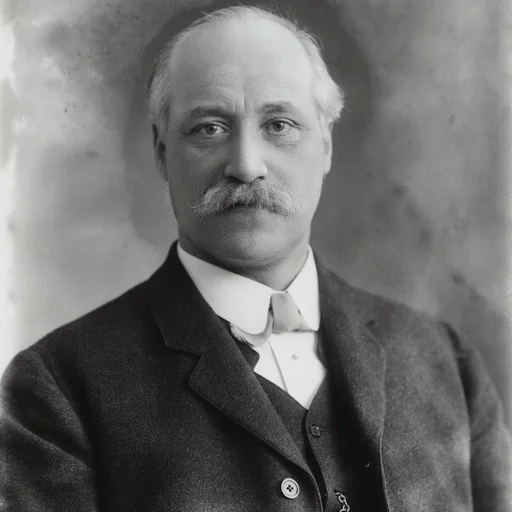
Artist
Sir Francis Job Short PPRE (19 June 1857 – 22 April 1945) was a British printmaker and teacher of printmaking.