Artwork
Lamentation of Christ
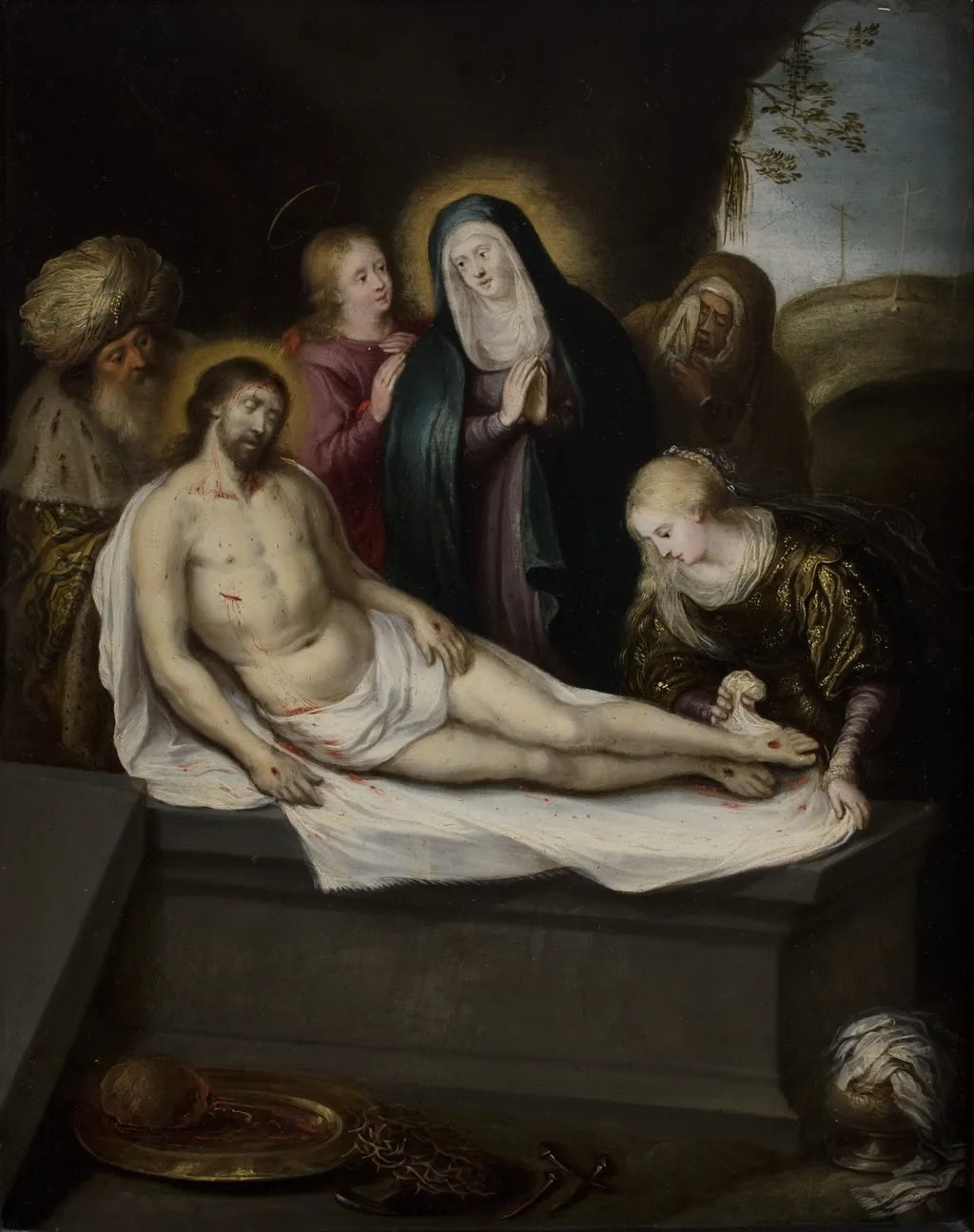
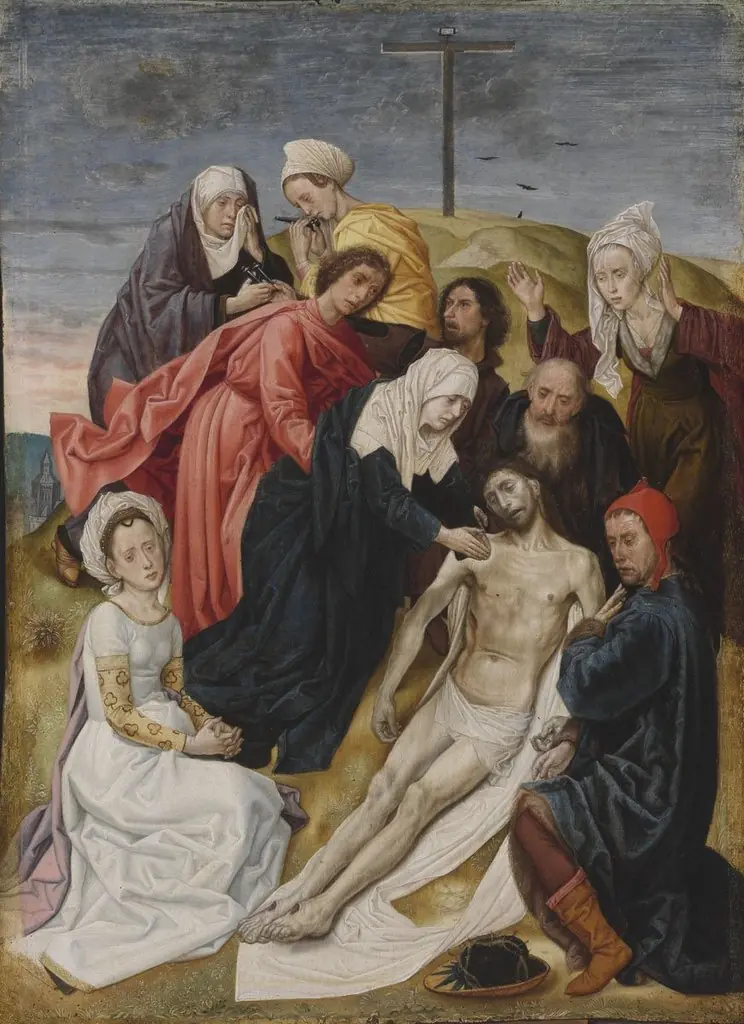
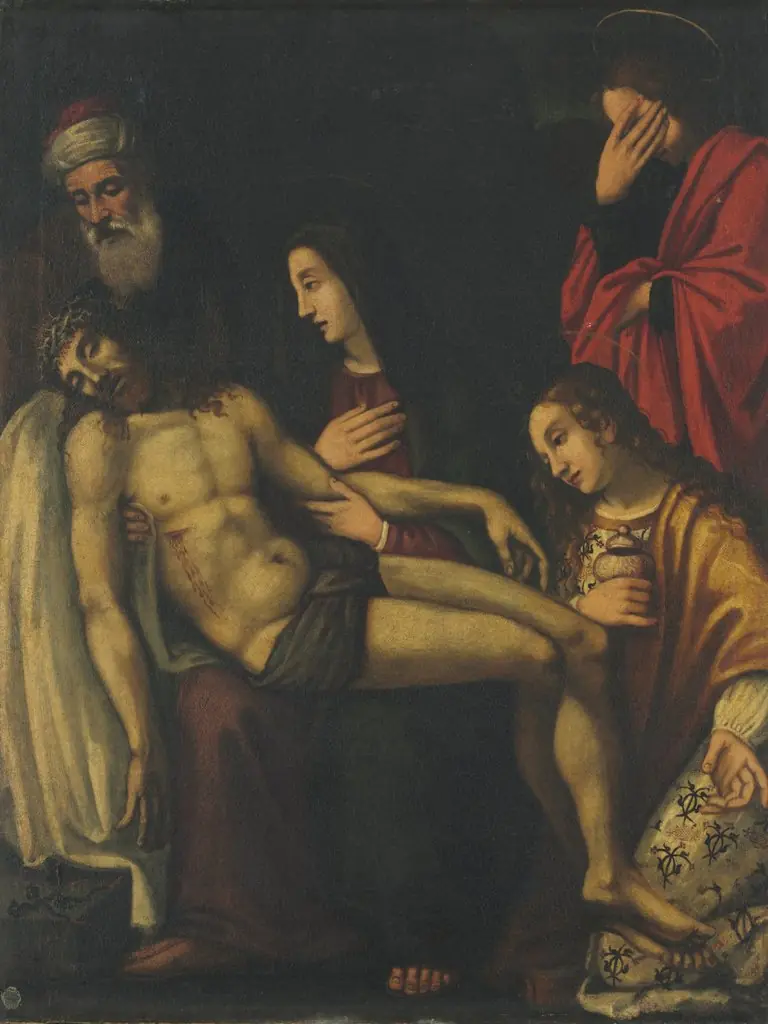
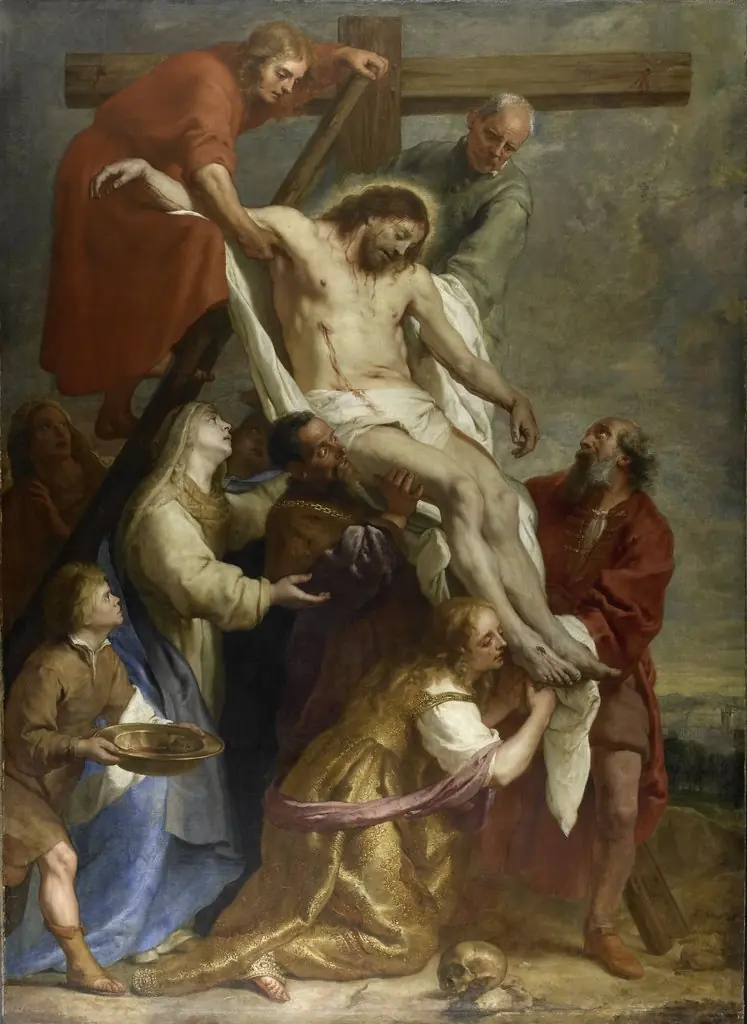
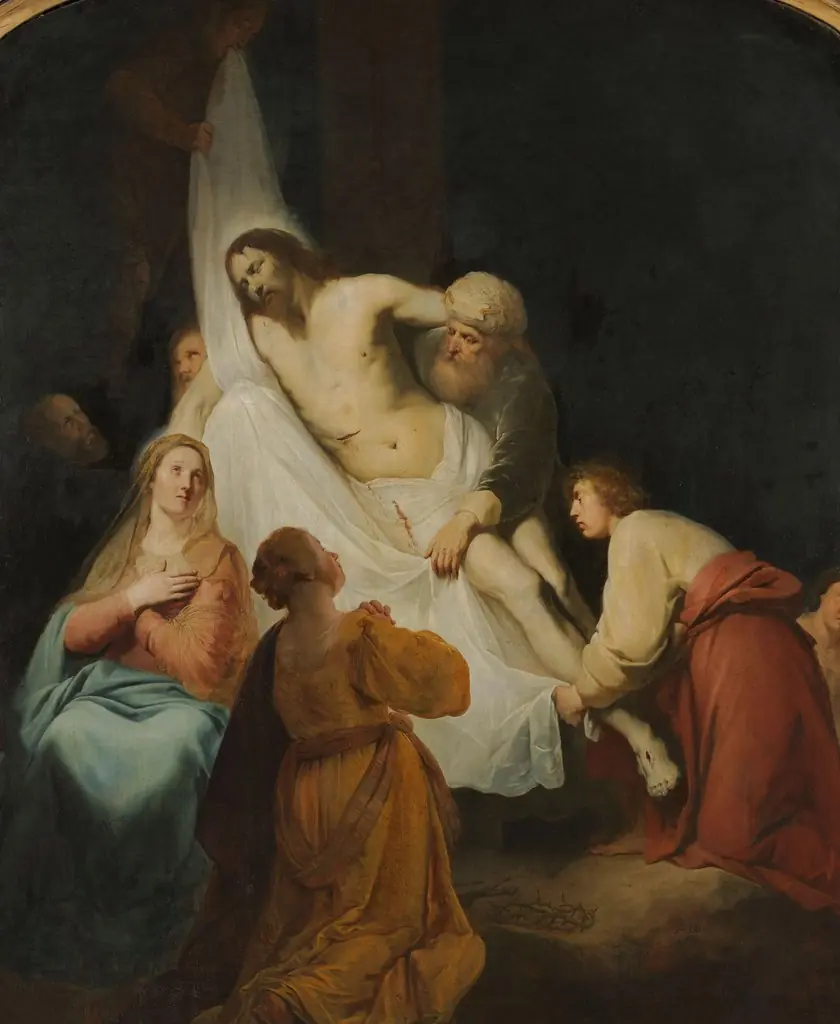
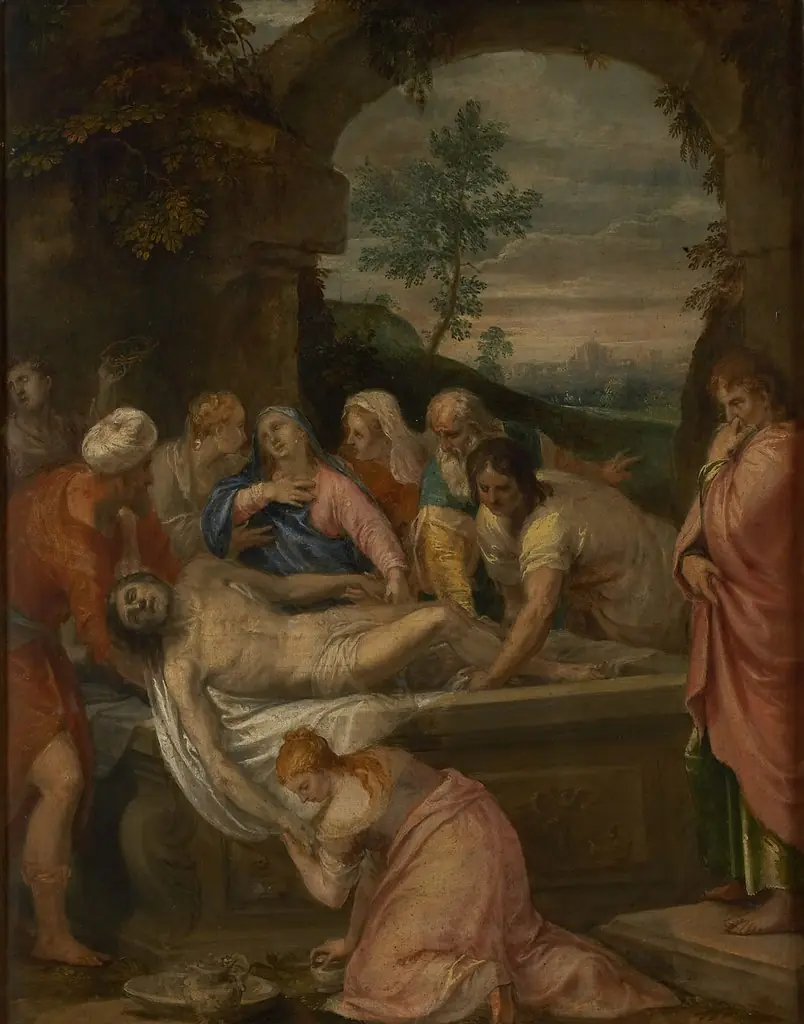
Lamentation of Christ is an unspecified painting by the Northern Renaissance artist Frans Francken I. It dates from 1589 and is held in the collection of the National Museum in Kraków.
About this work
Overview
Executed in Antwerp during the Counter-Reformation, it reflects the artist’s engagement with religious themes common in Flemish altarpieces.
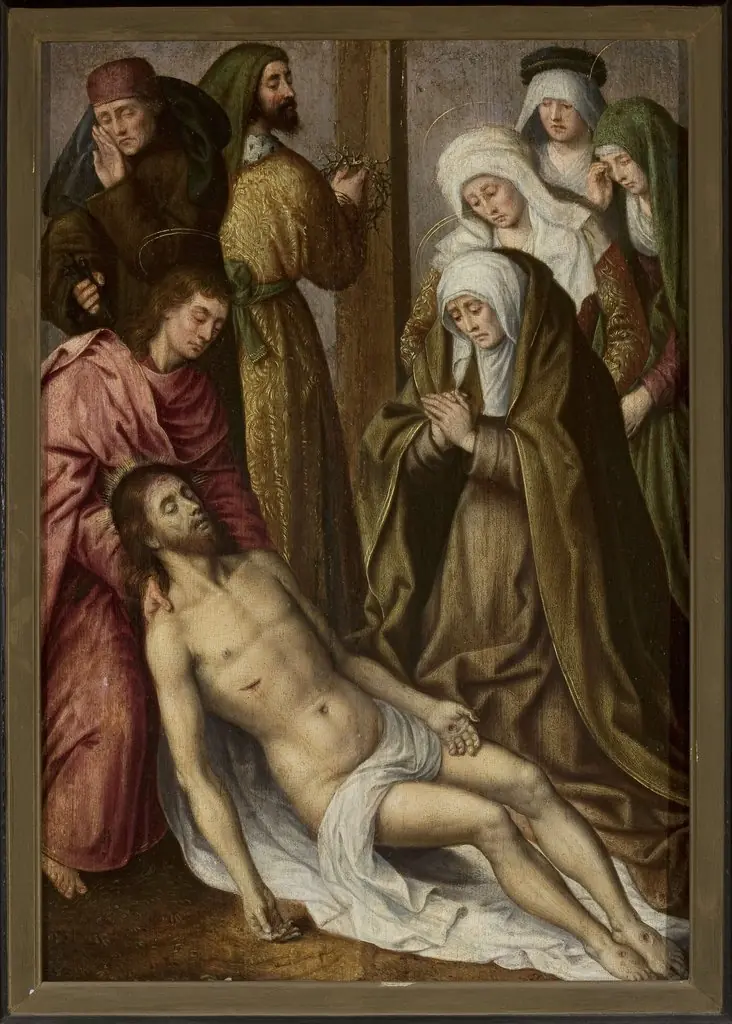
Painted around 1589 by Frans Francken I, this work is a devotional image of Christ’s body after the Crucifixion, surrounded by mourners. Executed in Antwerp during the Counter-Reformation, it reflects the artist’s engagement with religious themes common in Flemish altarpieces. The painting is now part of the collection at the National Museum in Kraków, where it remains a key example of late 16th-century northern European religious art.
Subject & Meaning
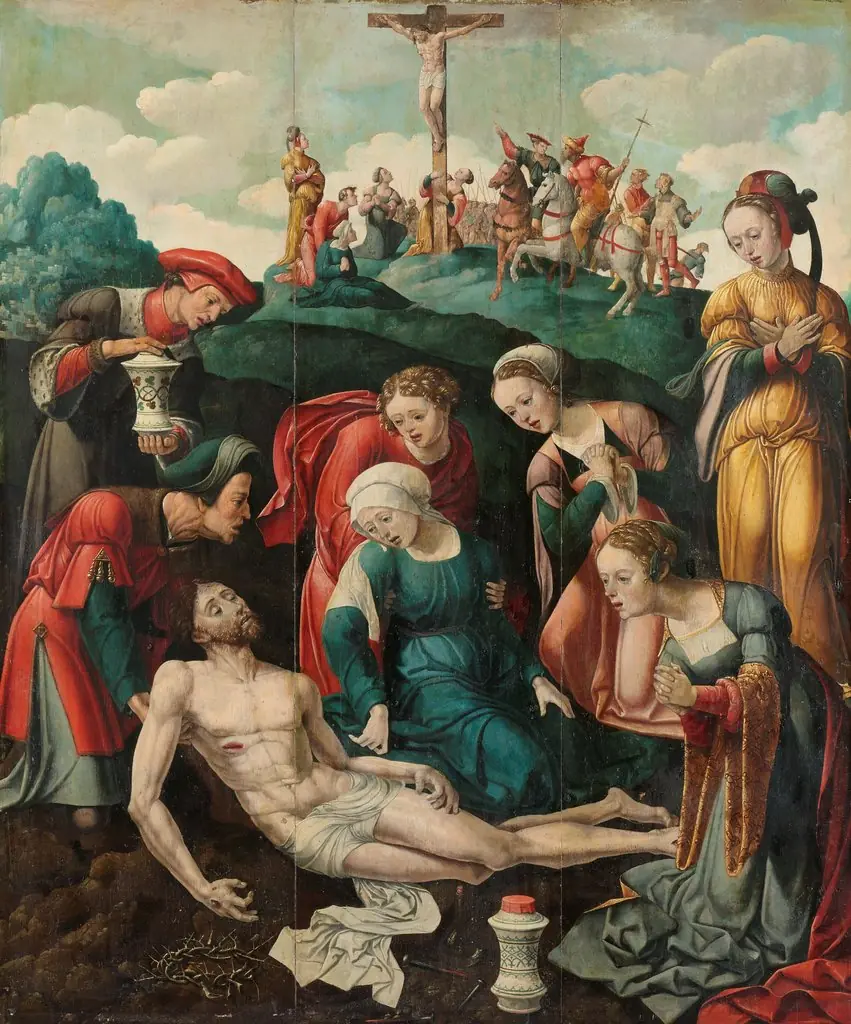
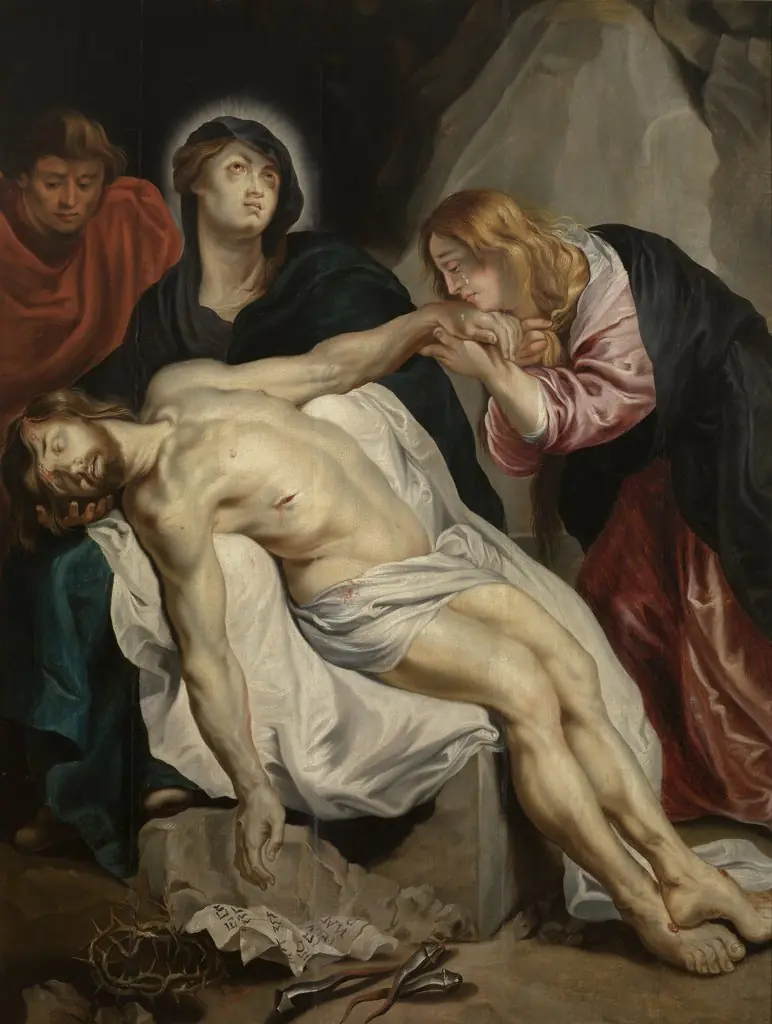
The scene captures the moment of grief following Christ’s death, with his lifeless body laid on a white shroud. Figures around him express sorrow through posture and gesture: a woman kneels in prayer, others observe in quiet anguish. The inclusion of a figure in a turban may reference the biblical account of Joseph of Arimathea or symbolize the universality of mourning. The composition emphasizes human loss and spiritual contemplation, aligning with Counter-Reformation ideals of emotional piety.
Technique & Style
Francken employs chiaroscuro to heighten emotional intensity, directing light toward Christ’s wounds and the faces of the mourners while leaving surrounding areas in shadow. Impasto is used selectively to render texture in fabric and skin, adding tactile presence. The figures are rendered with precise detail, characteristic of northern Renaissance traditions, yet the grouping and spatial arrangement remain compact and intimate, focusing attention on the central tragedy.
History & Provenance
Created in Antwerp during the height of the Francken family’s artistic activity, the painting likely originated as a private devotional piece or small altarpiece. Its presence in Kraków suggests it entered the Polish collection through ecclesiastical or noble channels in the early modern period. While its early ownership is undocumented, its survival and preservation reflect its enduring significance within regional religious art collections.
Context
Produced during the Counter-Reformation, the painting responds to Catholic efforts to reinvigorate faith through emotionally resonant imagery. Flemish artists like Francken were encouraged to depict biblical scenes with clarity and affective power to inspire devotion. The work aligns with broader trends in northern Europe that favored detailed, psychologically nuanced portrayals of sacred moments over idealized forms.
Legacy
Though not widely exhibited outside Poland, the painting stands as a representative example of Frans Francken I’s contribution to Flemish religious painting. It illustrates the continuity of northern Renaissance techniques into the late 16th century and the role of family workshops in sustaining artistic traditions. Its preservation in Kraków underscores the cross-regional transmission of religious art in early modern Europe.
Own this work as a print
Artist & collection
Artist
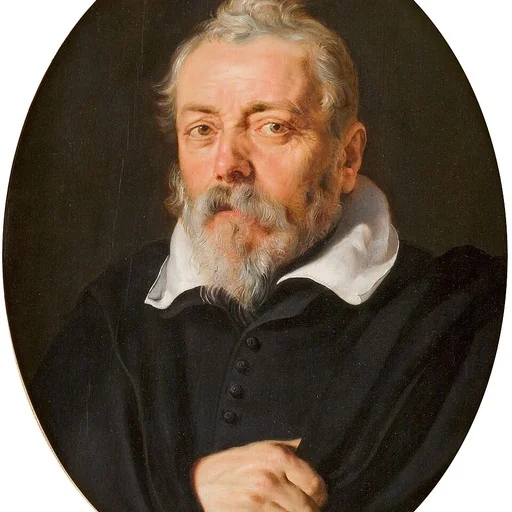
Frans Francken I or Frans Francken the Elder (1542–1616) was a Flemish painter who was one of the principal painters in Antwerp during the Counter-Reformation.