Artwork
A Witches' Kitchen
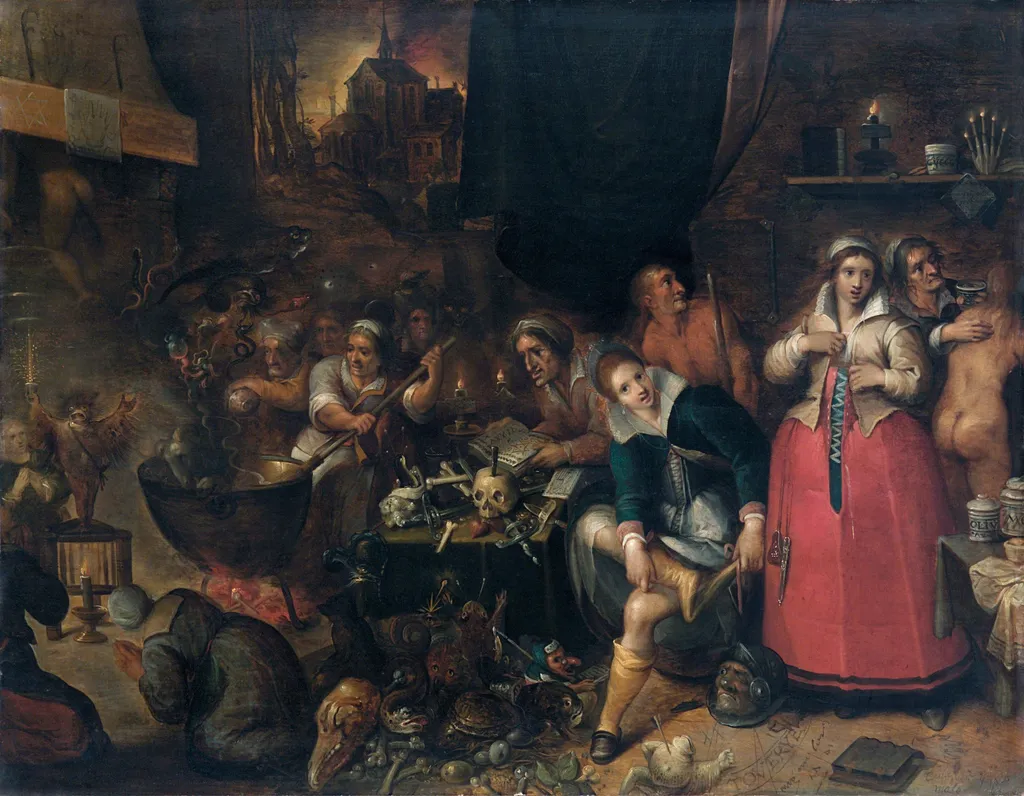
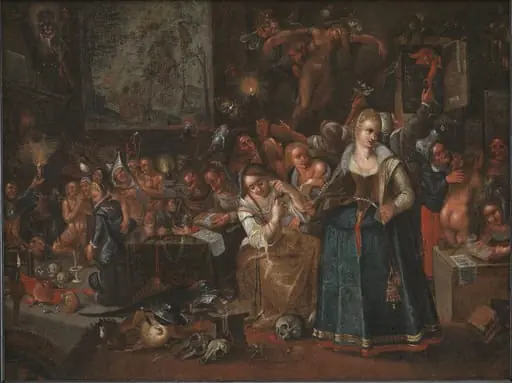
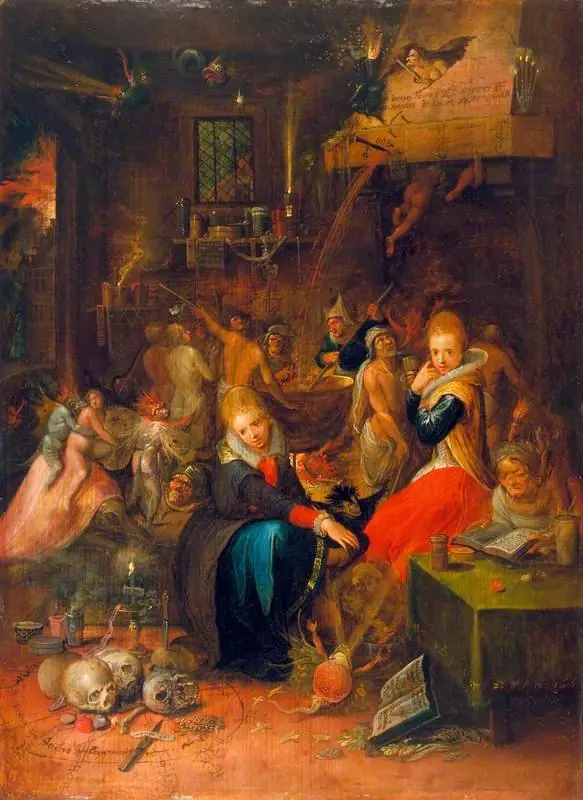
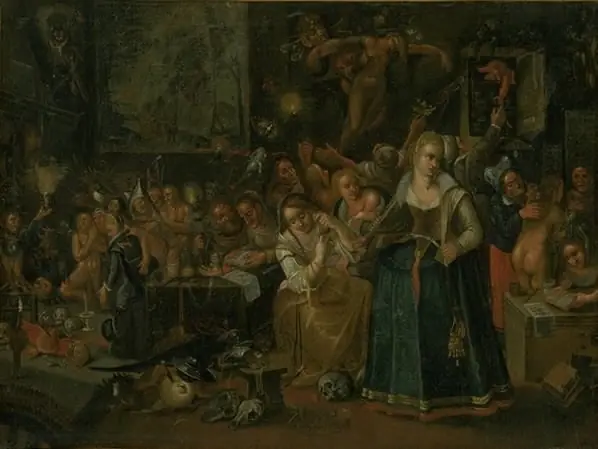
A Witches' Kitchen is a paint painting by the Flemish Baroque painting artist Frans Francken the Younger. It dates from 1610 and is held in the collection of the Kunsthistorisches Museum.
About this work
Overview
The painting captures a supernatural gathering, not as a mythological narrative but as an eerie, everyday moment infused with the uncanny.
Painted in 1610 by Frans Francken the Younger, this work is a Flemish Baroque genre scene set in a cluttered interior. Francken, based in Antwerp, was known for detailed compositions blending the real and the fantastical. The painting captures a supernatural gathering, not as a mythological narrative but as an eerie, everyday moment infused with the uncanny. Its dense arrangement of figures and objects reflects a fascination with the margins of the visible world.
Subject & Meaning
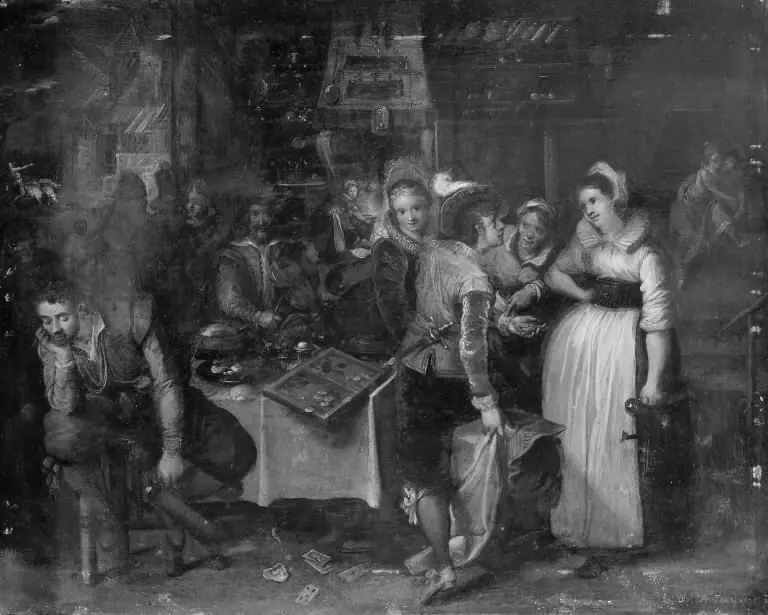
The scene depicts a gathering of figures engaged in occult rituals, likely representing witches or alchemists. Central is a woman in a vivid red skirt, surrounded by skulls, jars, and strange instruments. The presence of labeled vessels and animal remains suggests alchemical experimentation or dark medicine. The dim window revealing a distant town implies a separation between the mundane and the hidden, reinforcing themes of secrecy and transgression.
Technique & Style
Francken employed precise brushwork to render textures—from the gleam of metal vessels to the grain of wooden shelves. Light falls selectively, illuminating faces and key objects while leaving corners in deep shadow, a technique aligned with chiaroscuro. The composition is tightly packed, with no empty space, creating a sense of claustrophobic activity. Each item, however odd, is rendered with careful realism, heightening the unsettling plausibility of the scene.
History & Provenance
Created during Francken’s most active period in Antwerp, the painting reflects the city’s thriving market for cabinet pictures—small, intricate works for private collectors. It was likely commissioned by a wealthy patron interested in the exotic or the moralizing potential of the macabre. While its early ownership is undocumented, it remained within European collections, consistent with the movement of such works among aristocratic and bourgeois circles in the 17th and 18th centuries.
Context
In early 17th-century Flanders, depictions of witches and alchemists were common in art, often serving as warnings against heresy or moral decay. Francken’s work aligns with a broader trend of genre painting that merged the grotesque with the familiar. His collaborations with specialists in still life and landscape informed the painting’s rich detail, reflecting a culture where curiosity about the natural and supernatural coexisted.
Legacy
The painting exemplifies Francken’s role in shaping Flemish genre painting’s fascination with the bizarre. While not widely influential in the immediate sense, it contributes to a visual language that later artists would draw upon in depicting the occult and the domestic sublime. Its endurance in collections underscores a persistent interest in the boundary between the ordinary and the inexplicable.
Own this work as a print
Artist & collection
Artist
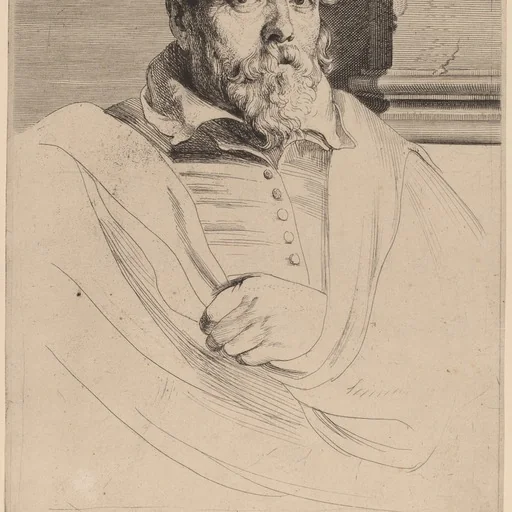
Frans Francken the Younger (1581, Antwerp – 6 May 1642, Antwerp) was a Flemish painter and the best-known and most prolific member of the large Francken family of artists.