Artwork
L'histoire de Crésus et de Solon
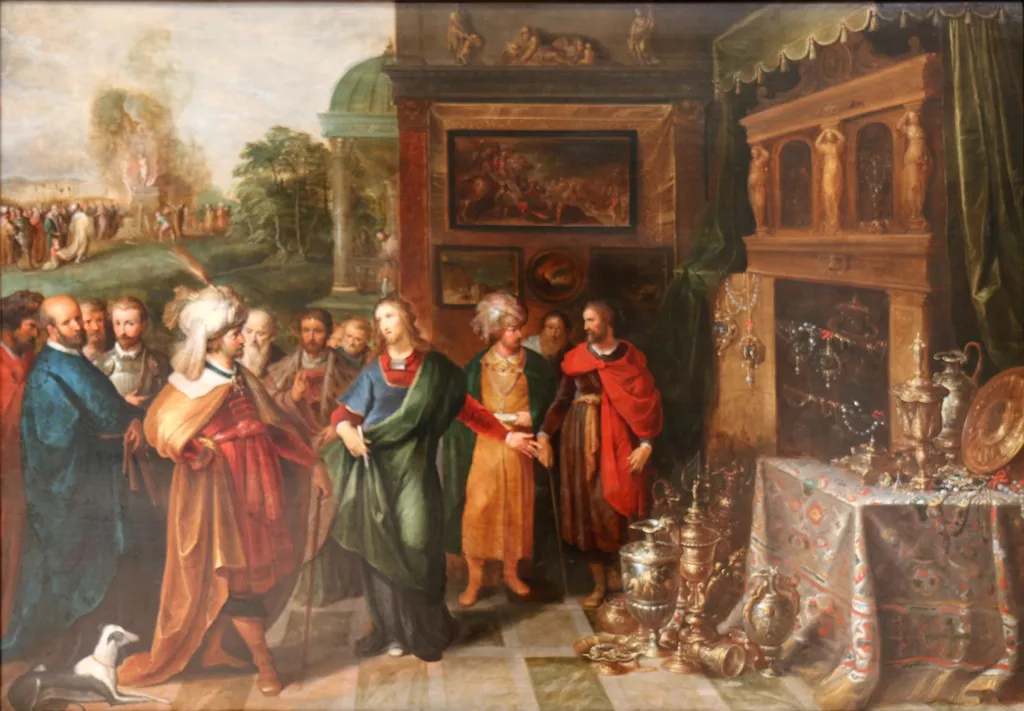
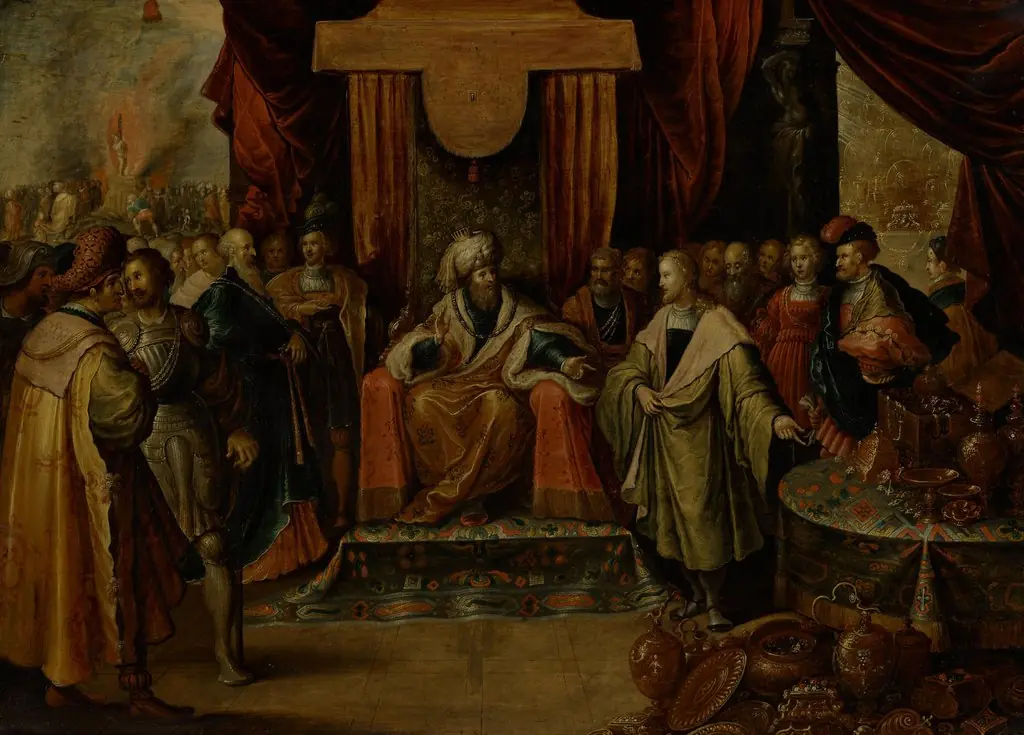
L'histoire de Crésus et de Solon is an oil painting by the Flemish Baroque painting artist Frans Francken the Younger. It dates from 1621 and is held in the collection of the Royal Museums of Fine Arts of Belgium.
About this work
Overview
Francken, a leading figure in Antwerp’s artistic community, specialized in compact narrative scenes drawn from history and myth.
Painted around 1621 by Frans Francken the Younger, this oil-on-panel work illustrates a classical anecdote from ancient Greece. Francken, a leading figure in Antwerp’s artistic community, specialized in compact narrative scenes drawn from history and myth. The painting reflects the Flemish Baroque emphasis on detail and storytelling, executed with precision and a restrained palette that highlights the figures and interior setting.
Subject & Meaning
The scene depicts the encounter between King Croesus of Lydia and the Athenian sage Solon, as recounted by Herodotus. Croesus, proud of his wealth, asks Solon who is the happiest man; Solon names ordinary men who lived virtuously and died well. The moment captures the moral lesson that fortune is fleeting and true happiness lies beyond material riches. The composition centers on the exchange between the two figures, surrounded by courtiers and symbols of opulence.
Technique & Style
Francken employs fine brushwork to render textures of fabric, stone, and metal with meticulous care. The figures are arranged in a shallow, stage-like space, their gestures and expressions guiding the viewer through the narrative. While chiaroscuro is present, it is subtle; the lighting is even, favoring clarity over dramatic contrast. Decorative elements—vases, statues, and a carved fireplace—enhance the sense of a cultivated, aristocratic interior.
History & Provenance
The painting entered the collection of the Royal Museums of Fine Arts of Belgium in the 19th century, likely through state acquisition or donation. It has remained in public ownership since, with no documented private ownership in the centuries following its creation. Its survival in good condition reflects careful stewardship, though its early provenance after 1621 remains largely unrecorded.
Context
In early 17th-century Flanders, classical moral tales were popular subjects among artists and patrons seeking intellectual and ethical resonance. Francken’s work aligned with humanist interests circulating in Antwerp’s scholarly circles. His ability to blend historical narrative with rich interior detail catered to collectors who valued both moral instruction and visual refinement, distinguishing his output from more overtly religious commissions.
Legacy
Though Francken’s oeuvre includes hundreds of works, this painting exemplifies his skill in condensing complex narratives into intimate scenes. It contributes to the broader Flemish tradition of historical painting that prioritized clarity and moral clarity over grandeur. Today, it remains a reference for scholars studying how classical antiquity was interpreted in early modern European art.
Artist & collection
Artist
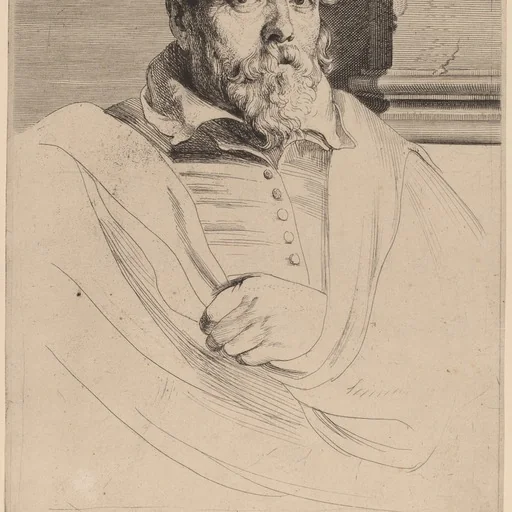
Frans Francken the Younger (1581, Antwerp – 6 May 1642, Antwerp) was a Flemish painter and the best-known and most prolific member of the large Francken family of artists.

Museum
Royal Museums of Fine Arts of Belgium
Continue through works from the same source collection.
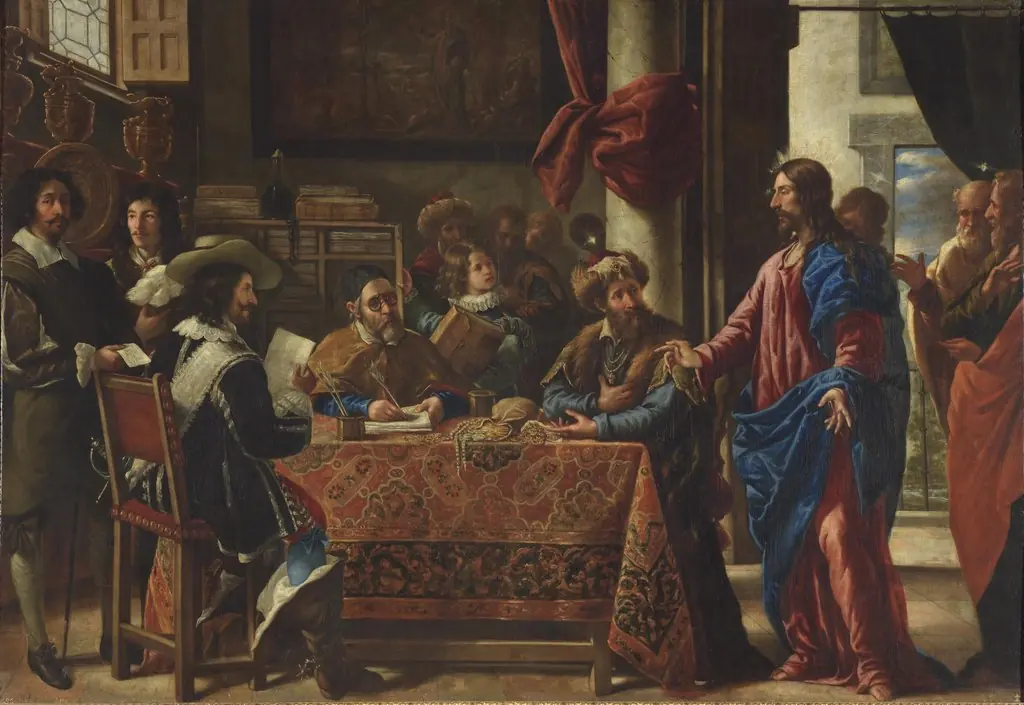 The Calling of Saint Matthew
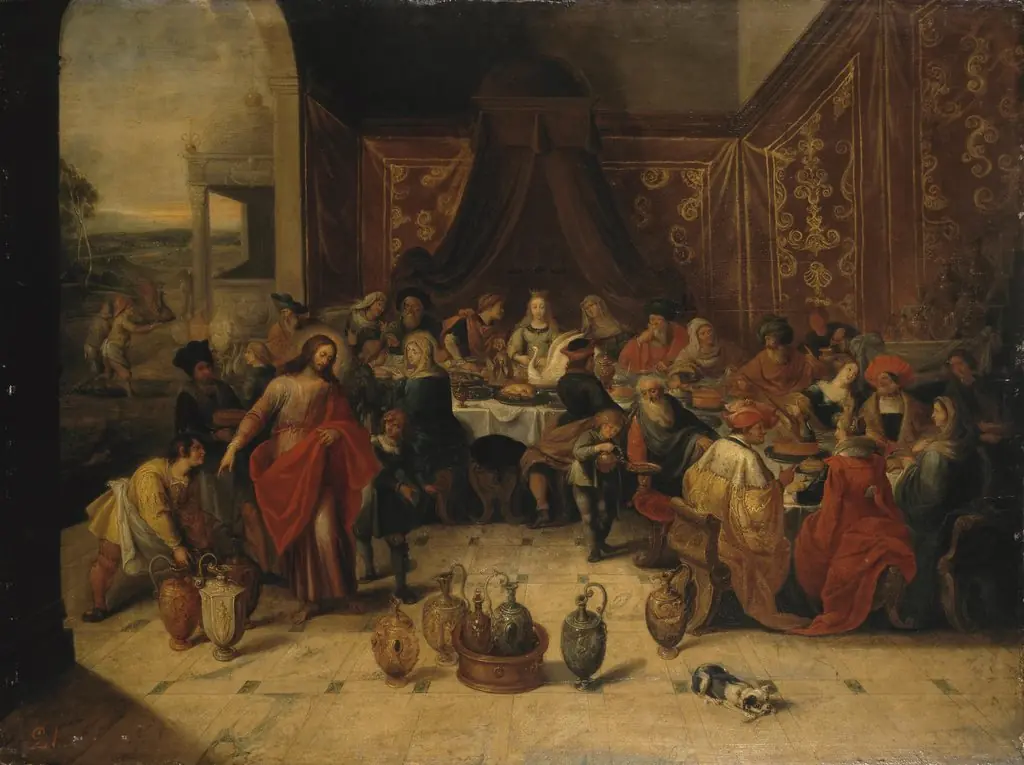 Marriage at Cana
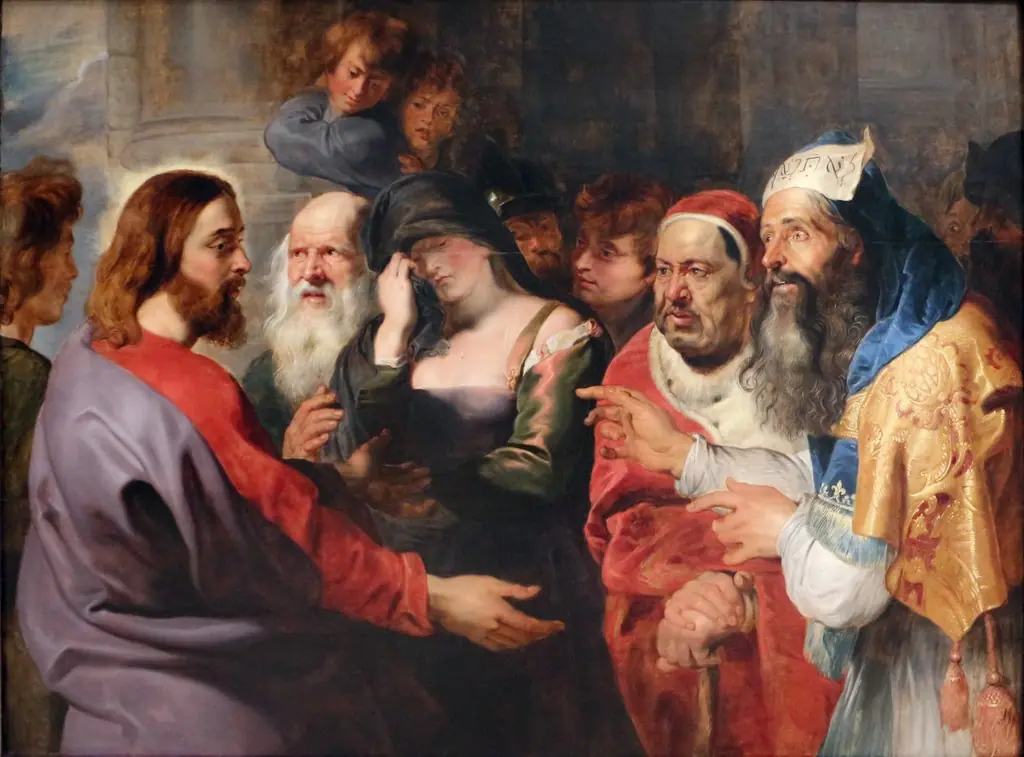 Christ and the Woman Taken in Adultery
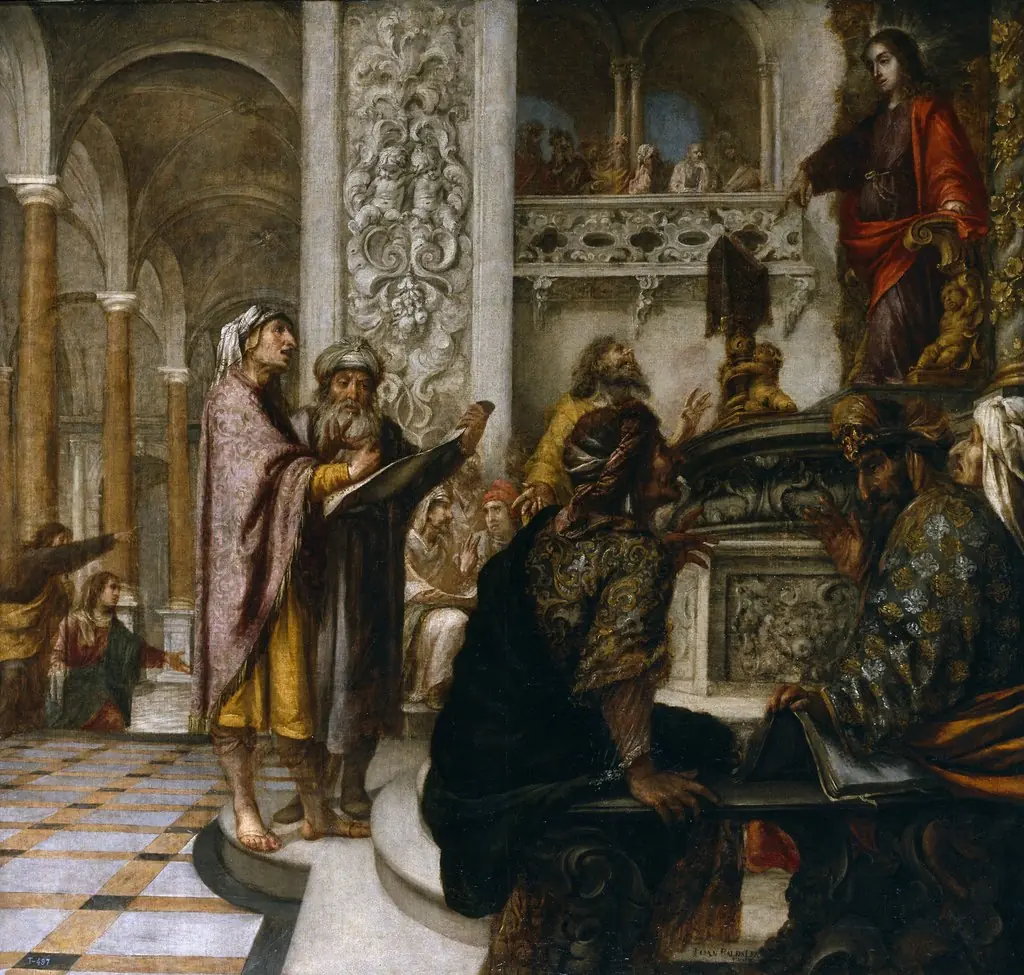 Christ disputing with the Doctors
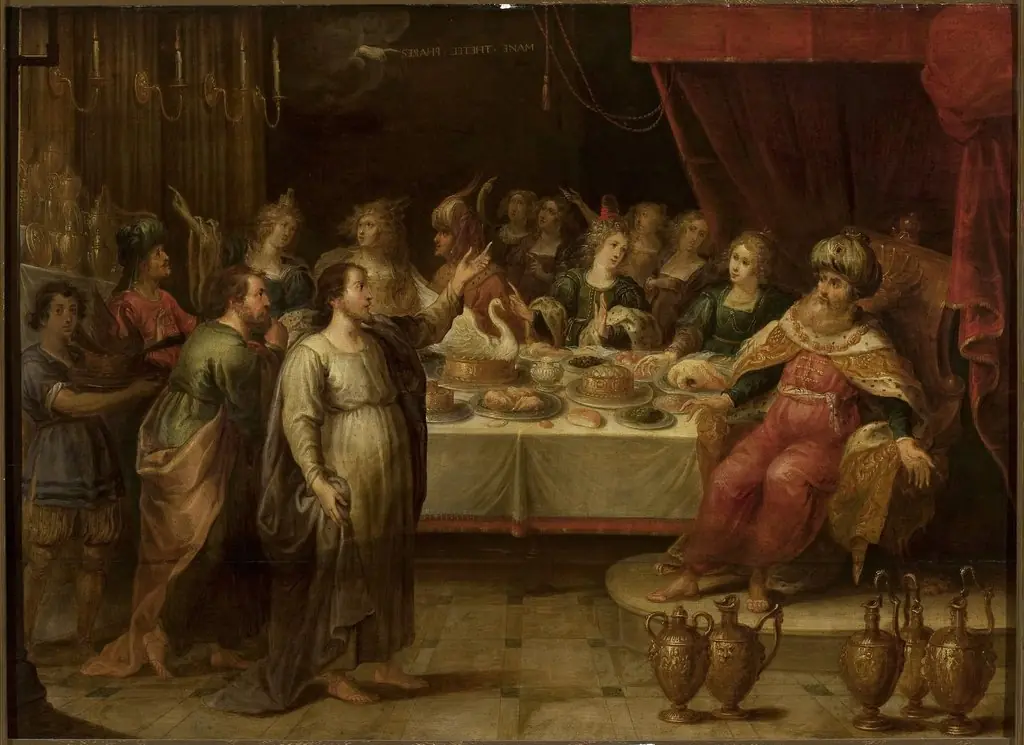 Belshazzar's feast (Daniel 5:1-31)
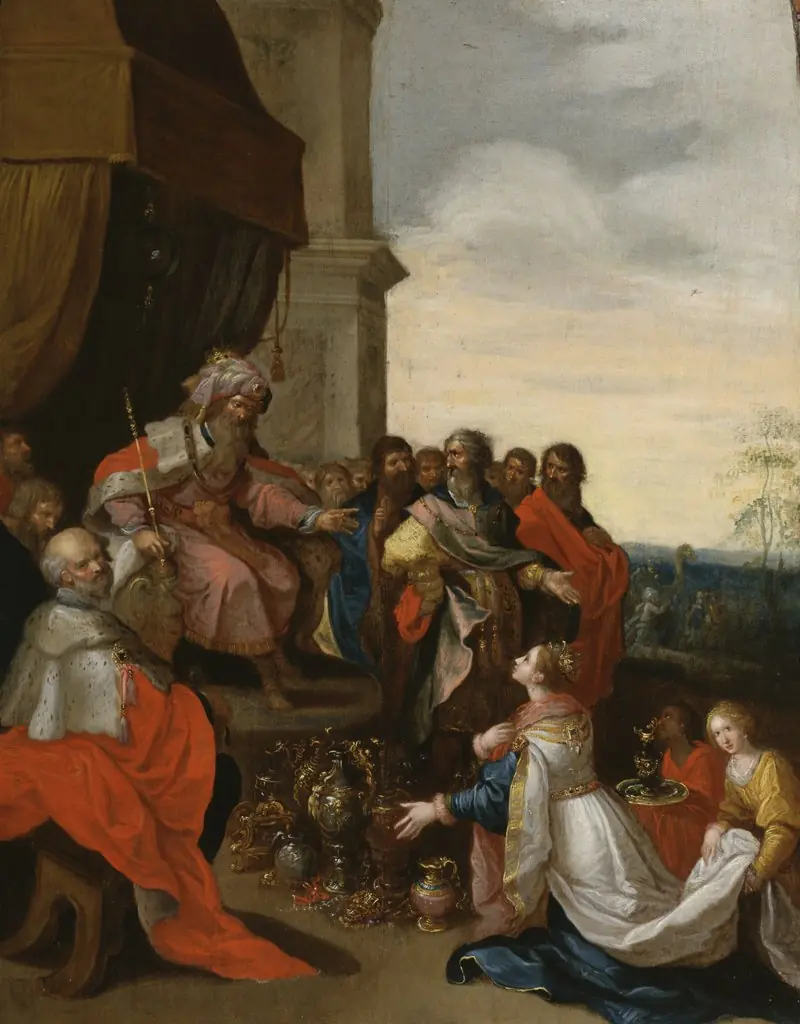 King Solomon Receiving the Queen of Sheba
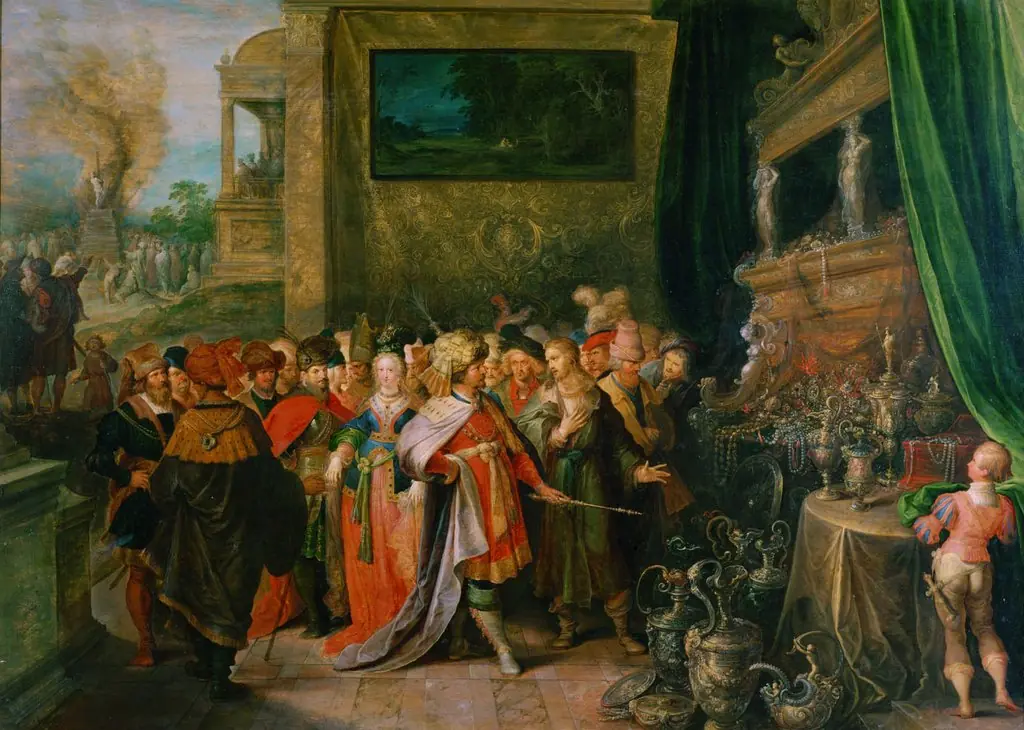 Croesus displays his treasures to Solon
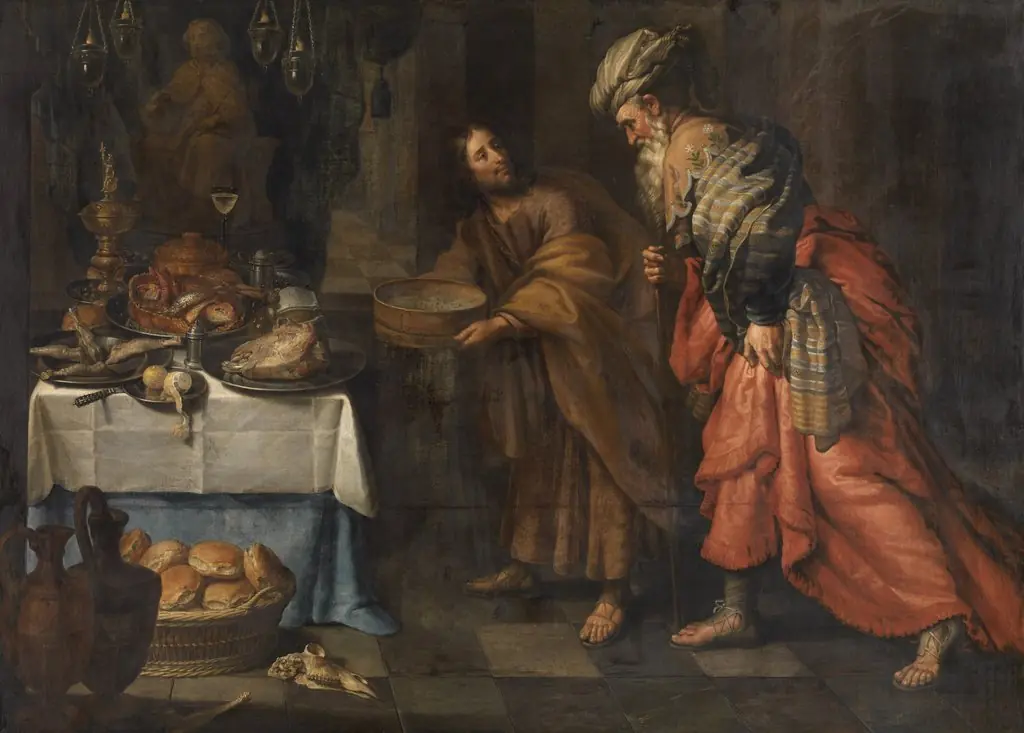 Daniël décrouvant l'imposture des prêtres de Baäl
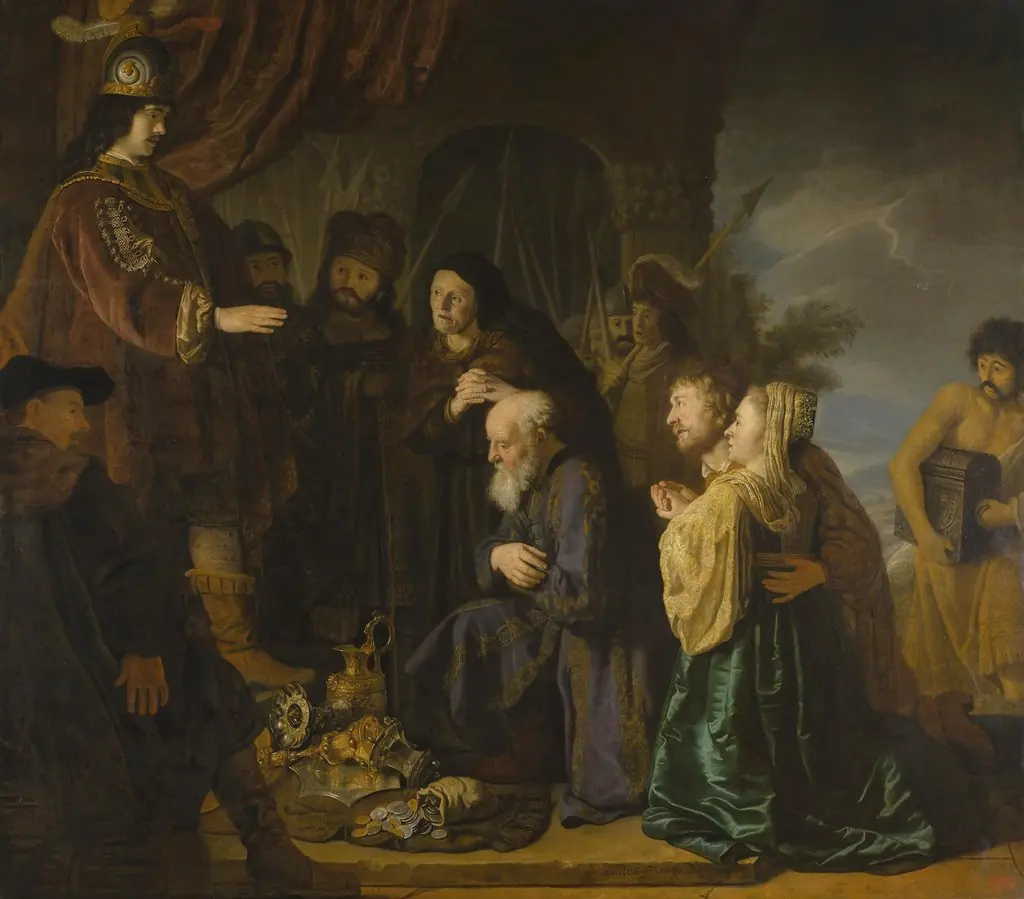 The Magnanimity of Scipio Africanus
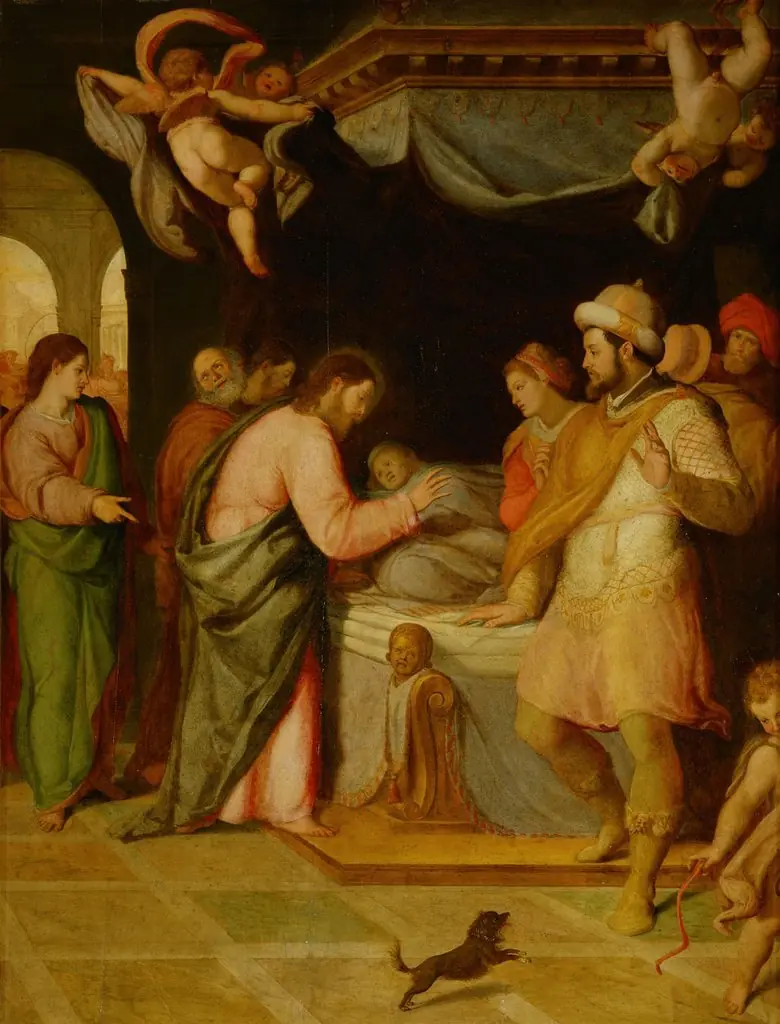 Raising the daughter of Jairus
 Christ at Emmaus
 Solon und Krösus