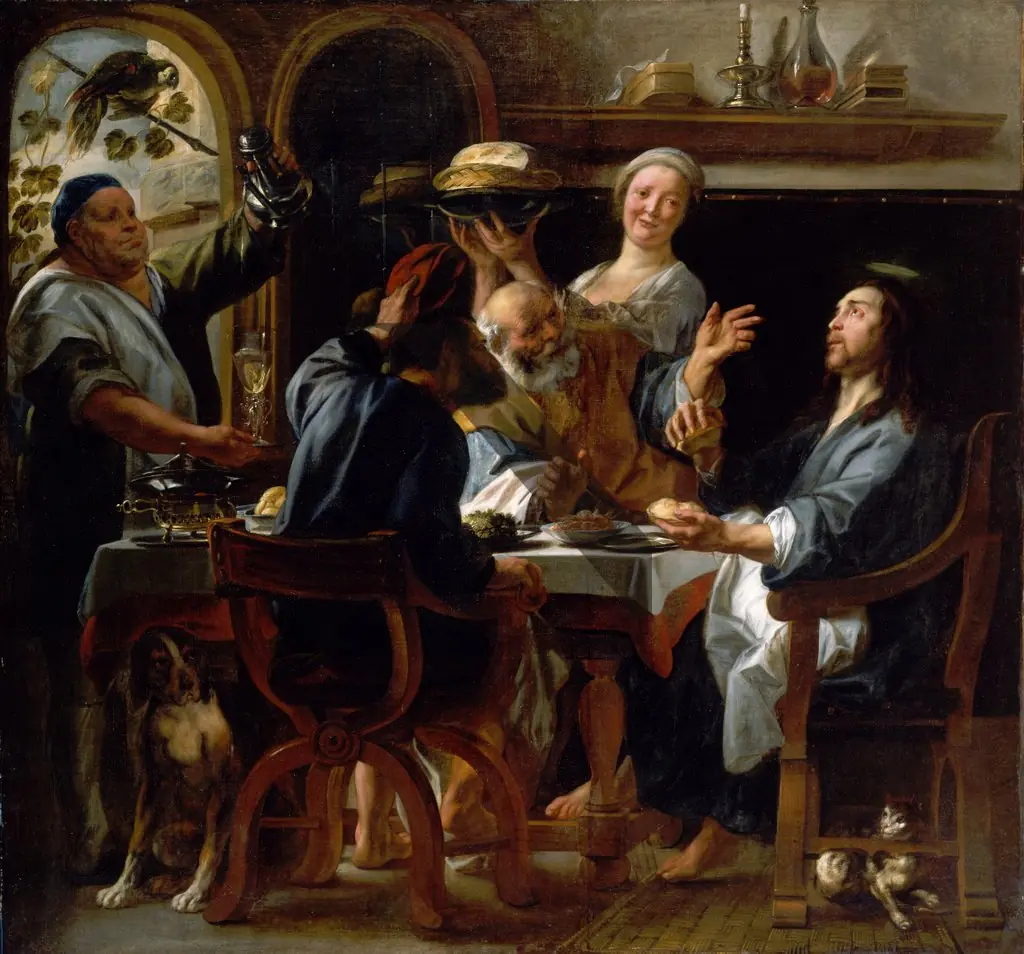
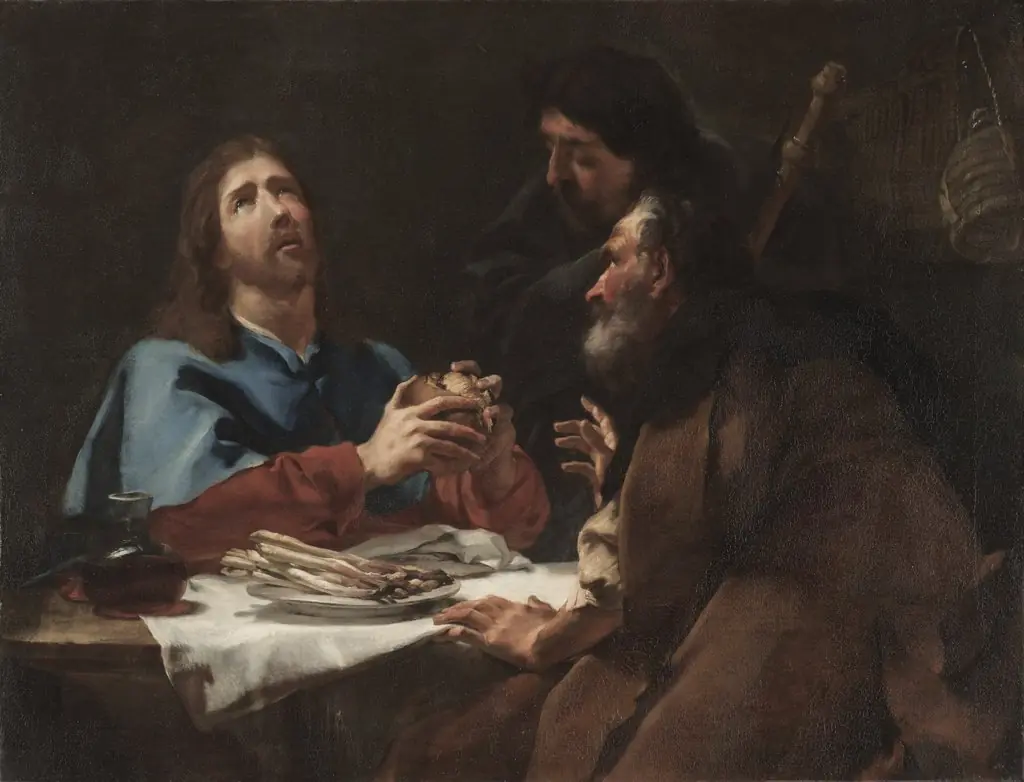
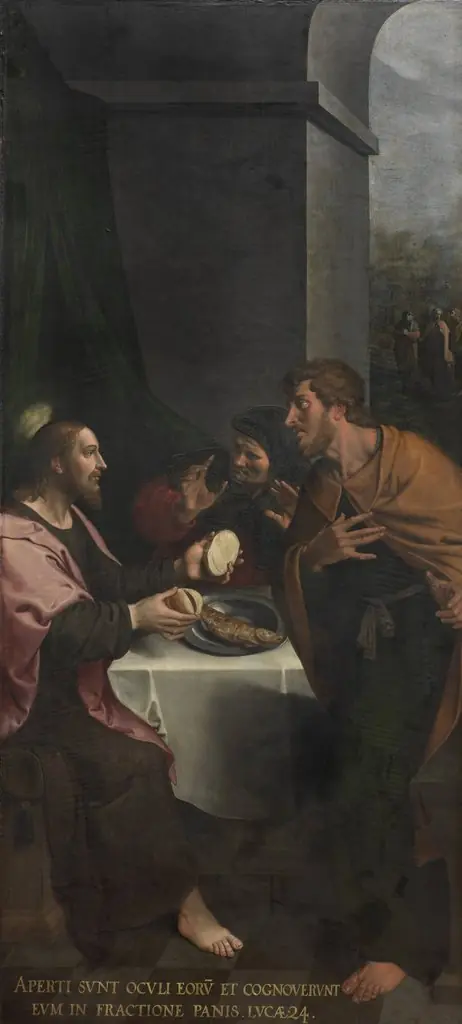
Artwork
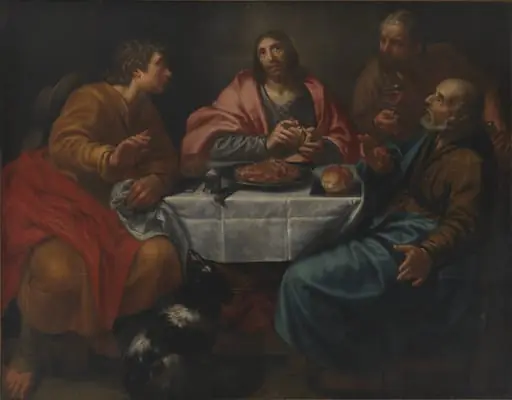
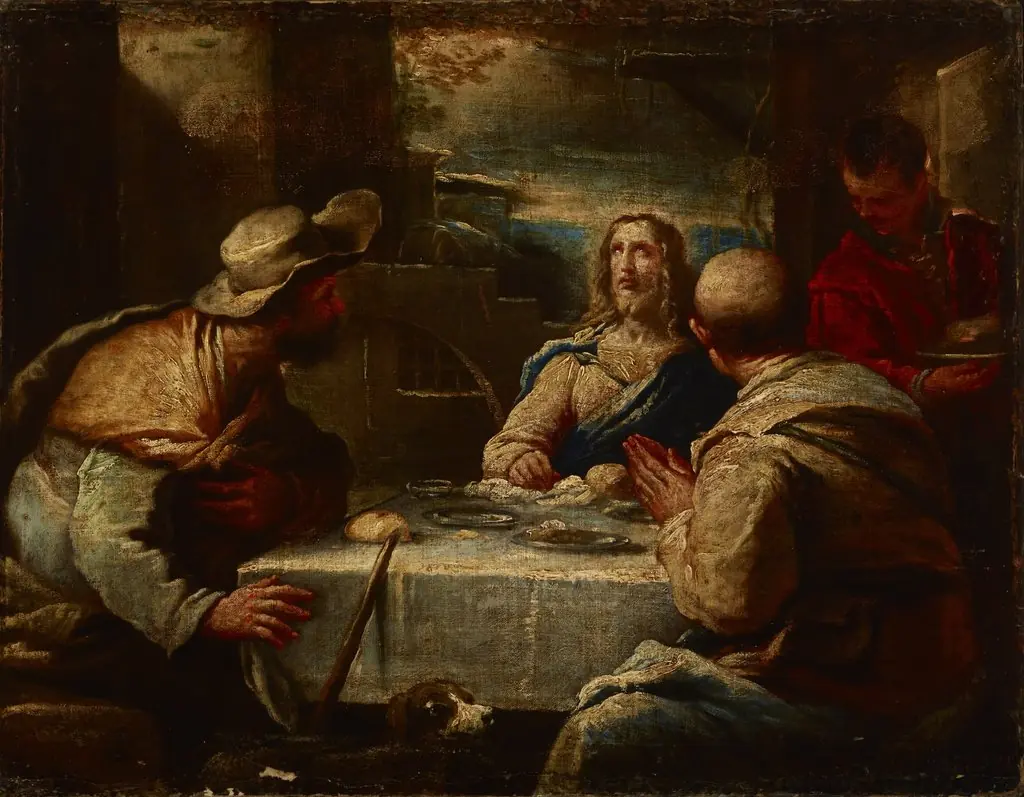
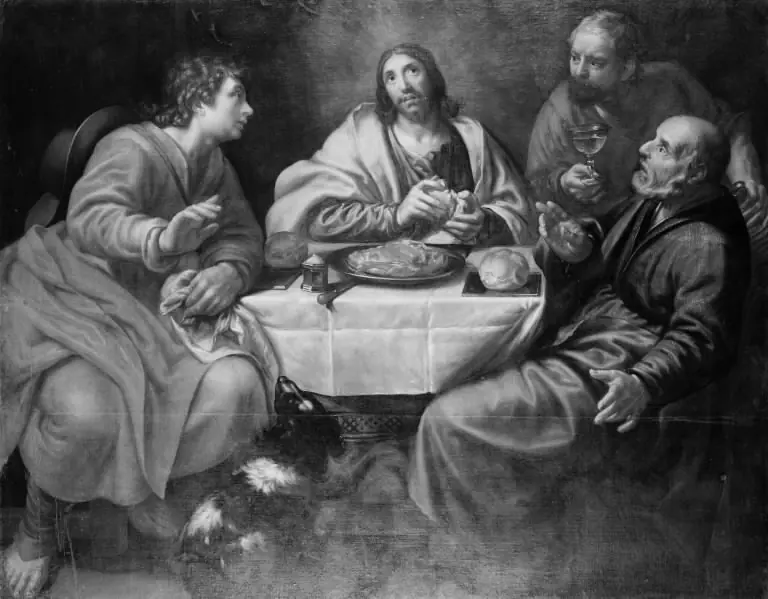
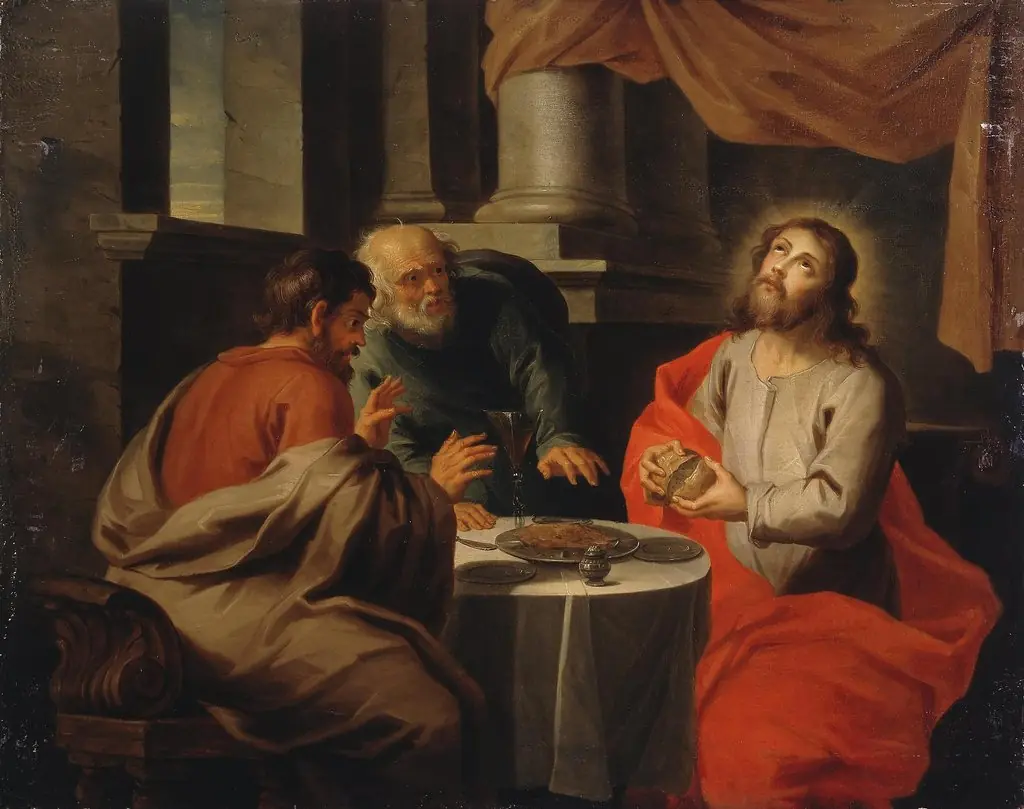
Christ at Emmaus
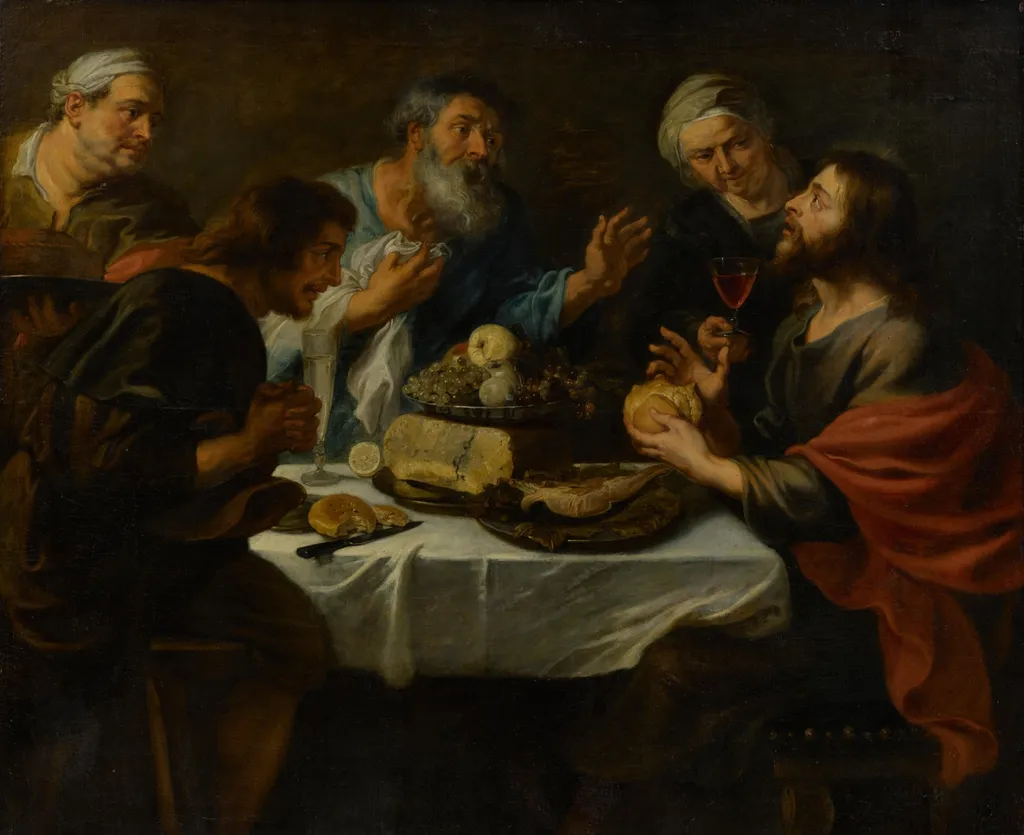
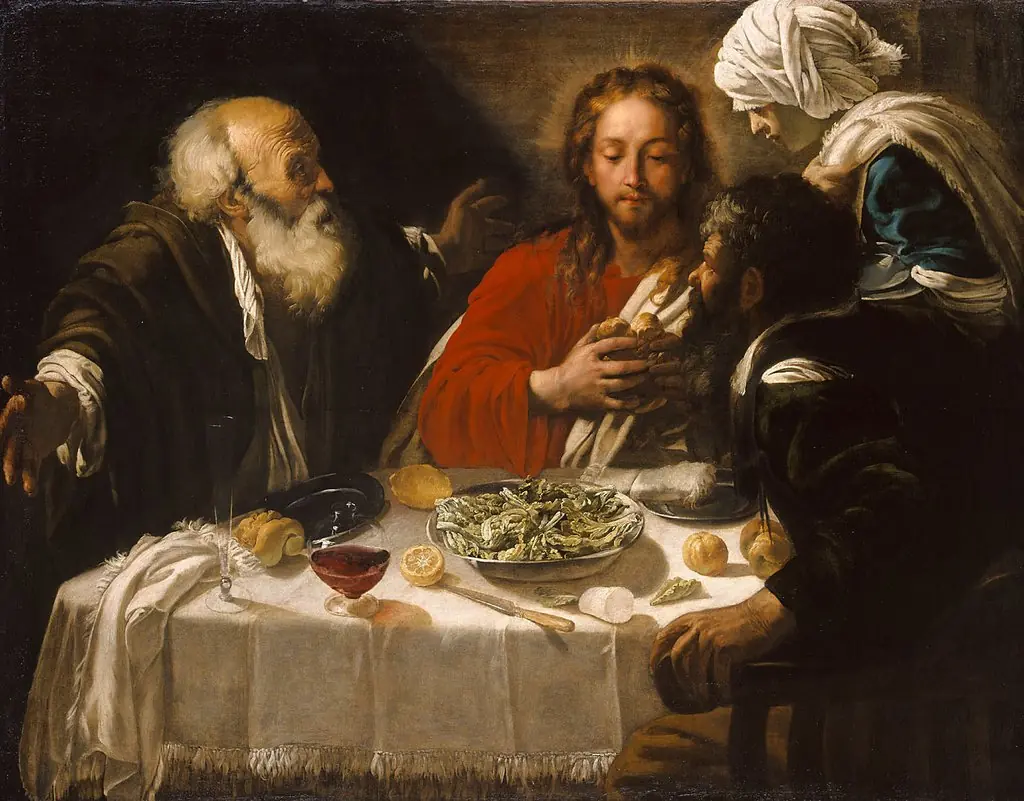
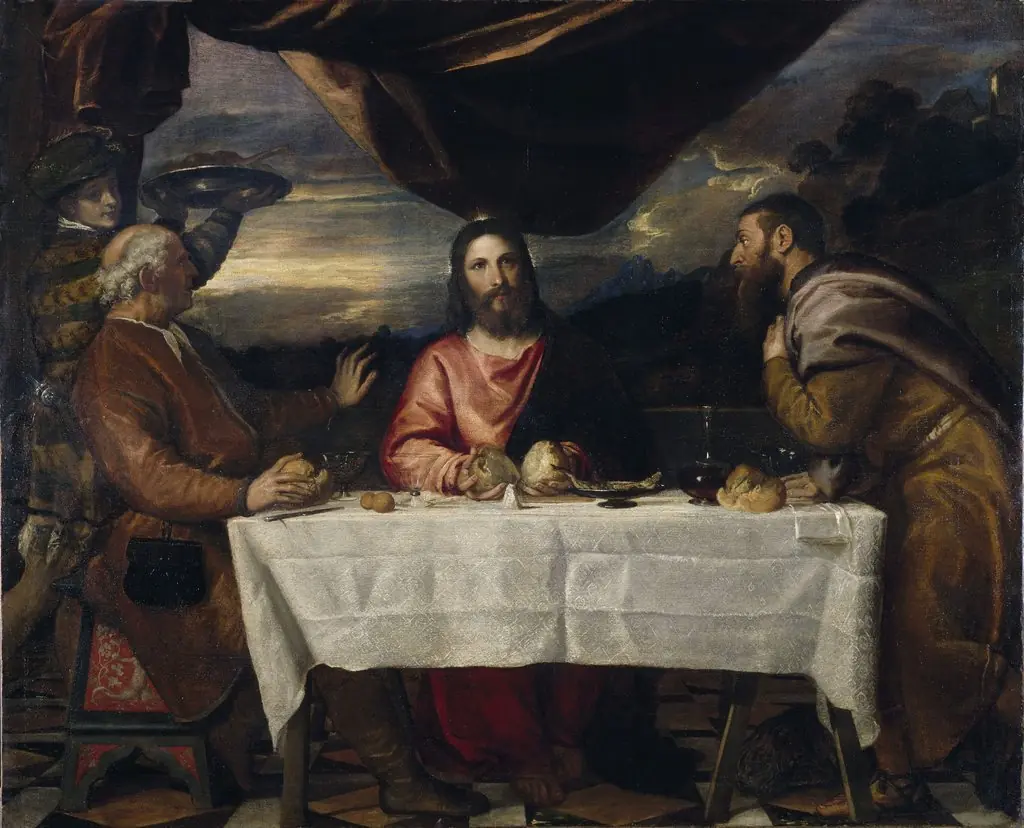
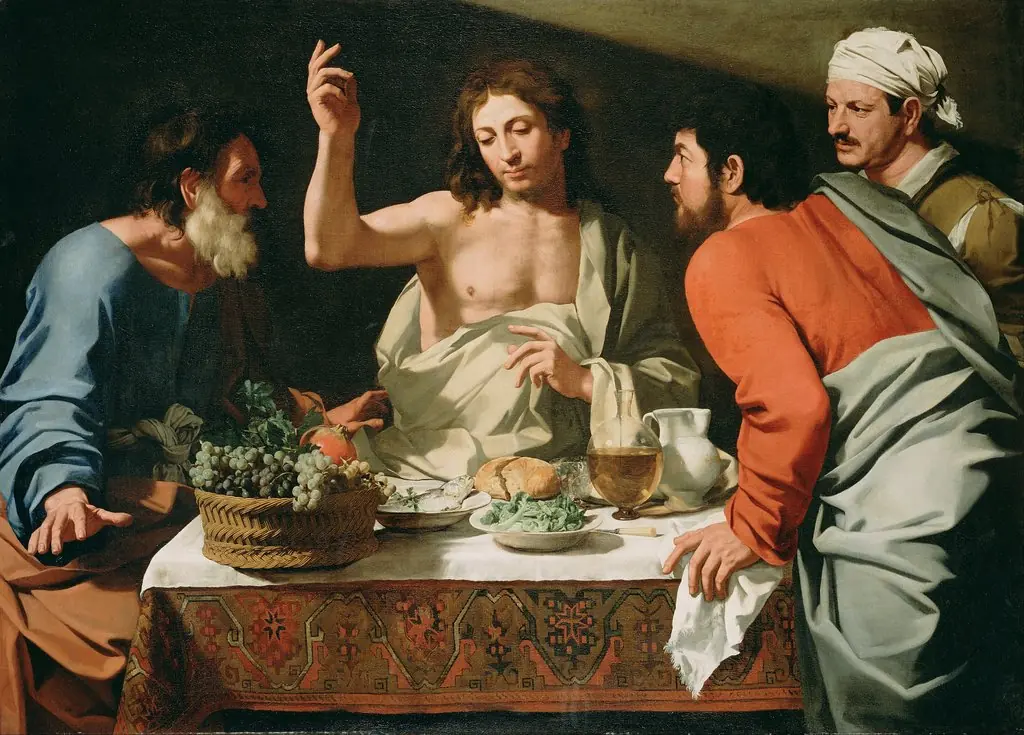
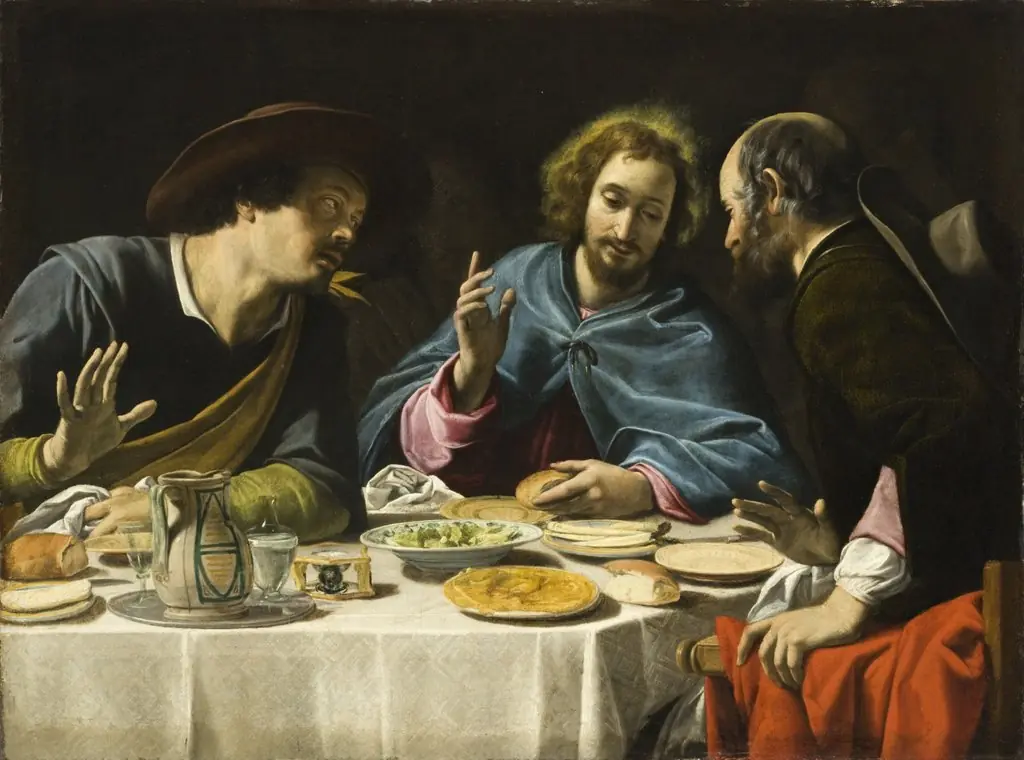
Christ at Emmaus is a paint painting by the Flemish Baroque painting artist Peter Paul Rubens. It dates from 1630 and is held in the collection of the Gemäldegalerie Berlin.
About this work
Overview
Christ at Emmaus is a 1630 painting by Peter Paul Rubens, a leading figure of the Flemish Baroque. The work depicts a pivotal biblical moment, reflecting the movement's emphasis on expressive color, movement, and Counter-Reformation themes.
Subject & Meaning
The painting illustrates the Supper at Emmaus, where Christ reveals his post-Resurrection identity to his disciples. The scene conveys surprise, recognition, and serene acceptance among the figures, exploring themes of revelation and faith.
Technique & Style
Rubens employed chiaroscuro to dramatic effect, using contrasts of light and dark to highlight the disciples' varied expressions and guide the viewer's attention around the composition. Warm, expressive colors and naturalistic rendering of food and textiles are also characteristic of his Flemish Baroque style.
History & Provenance
Created in 1630, Christ at Emmaus is now part of the Gemäldegalerie Berlin's collection, testifying to Rubens' enduring influence on European art.
Context
As a product of the Flemish Baroque, the painting reflects the Counter-Reformation's emphasis on emotive, accessible religious art. Rubens' fusion of classical influences with Christian narrative also aligns with the era's artistic and theological priorities.
Own this work as a print
Artist & collection
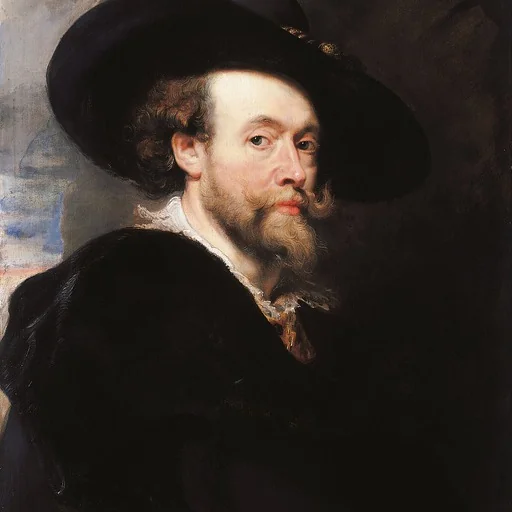
Artist
Sir Peter Paul Rubens ( ROO-bənz; Dutch: ; 28 June 1577 – 30 May 1640) was a Flemish artist and diplomat.