Artwork
Laughing boy
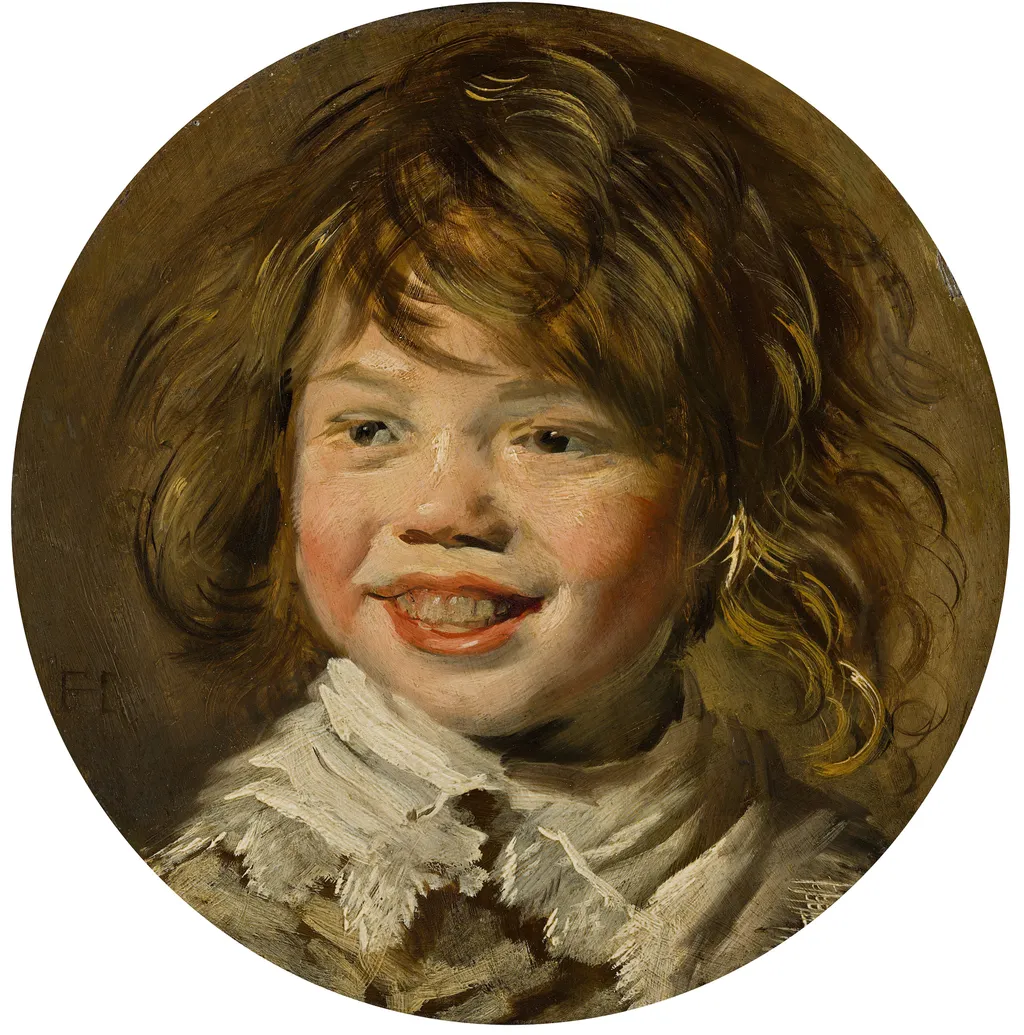
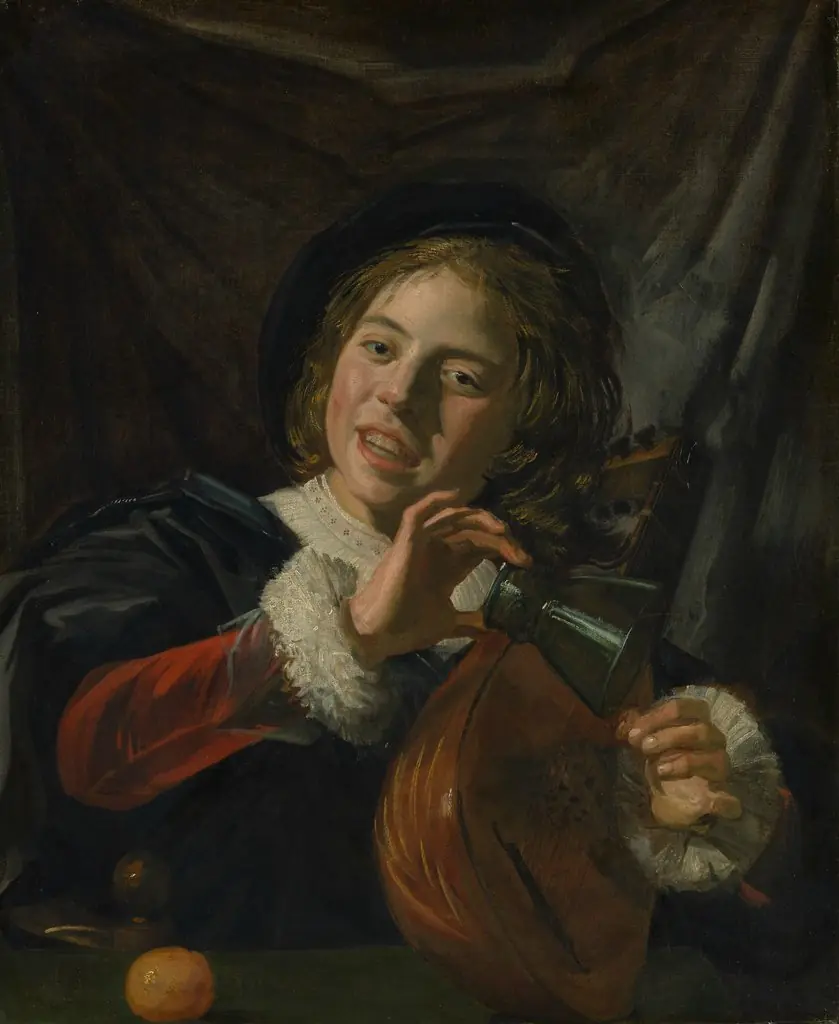
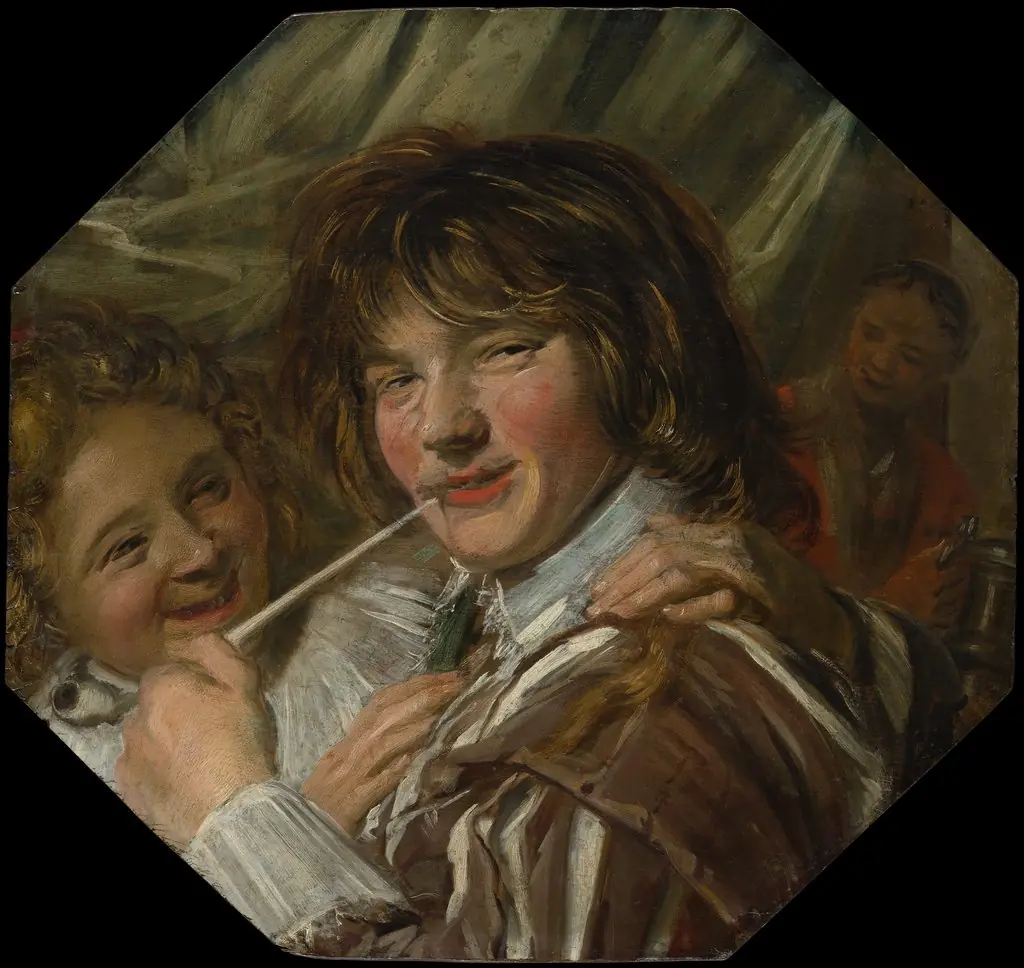
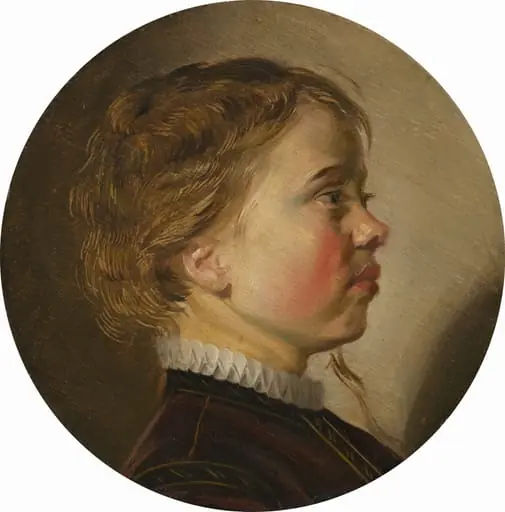
Laughing boy is an oil painting by the Dutch Golden Age artist Frans Hals. It dates from 1625 and is held in the collection of the Mauritshuis.
About this work
It belongs to the tronie genre, a type of study that focuses on facial expression rather than a specific portrait.
Laughing Boy is a circular oil‑on‑panel work painted by the Dutch artist Frans Hals around 1625. It belongs to the tronie genre, a type of study that focuses on facial expression rather than a specific portrait. The painting is part of the Mauritshuis collection in The Hague.
The piece shows a young boy caught in a moment of mirth, his open mouth suggesting a laugh. Its round shape and lively brushwork are typical of Hals’s playful approach to portraiture.
If you’re curious, check out the museum Mauritshuis.
Overview
Laughing Boy is a circular oil-on-panel painting created by Frans Hals around 1625. It is a tronie, a type of character study focused on capturing a particular facial expression.
Subject & Meaning
The painting depicts a young boy in a moment of laughter, his open mouth conveying a sense of joy. The work's informal, expressive nature is characteristic of Hals's approach to portraiture.
Technique & Style
The painting's round shape and lively brushwork are typical of Hals's style. The use of wet-in-wet technique adds to the work's spontaneity and energy.
History & Provenance
The painting is part of the Mauritshuis collection in The Hague. Its authenticity has been verified by art historians, with Claus Grimm confirming it as one of the few genuine works among several similar paintings attributed to Hals.
Artist & collection
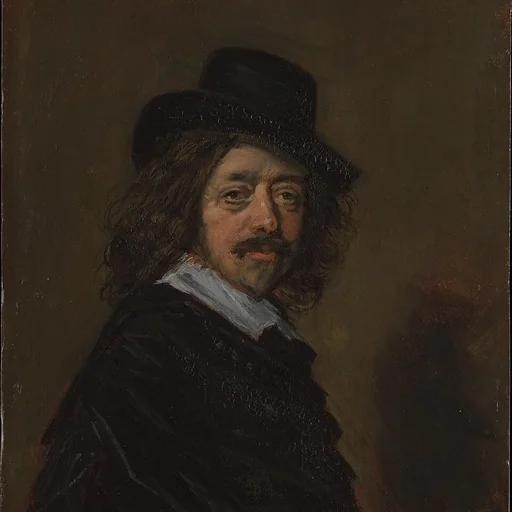
Artist
Frans Hals the Elder (UK: , US: ; Dutch: ; c. 1582 – 26 August 1666) was a Dutch Golden Age painter. He lived and worked in Haarlem, a city in which the local authority of the day frowned on religious painting in places…