Artwork
Władysław IV, King of Poland (d. 1648)
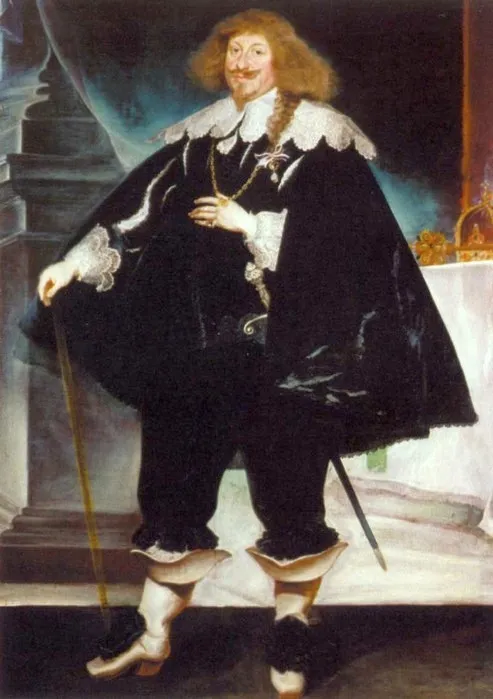
Władysław IV, King of Poland (d. 1648) is an oil painting by the Flemish Baroque painting artist Frans Luycx. It dates from 1639 and is held in the collection of the Kunsthistorisches Museum.
About this work
Overview
This 1639 oil painting by Frans Luycx portrays Władysław IV Vasa, King of Poland, in a formal Baroque style. The work showcases the king in opulent attire, emphasizing his regal presence through chiaroscuro, a technique using strong contrasts of light and dark.
Subject & Meaning
The subject, Władysław IV Vasa, is depicted in a confident pose, conveying authority. His elaborate clothing, including a black coat with white ruffles, gold chain, and white boots, symbolizes his royal status. The subtle smile suggests a sense of calm assurance.
Technique & Style
Luycx employed Flemish Baroque techniques, notably chiaroscuro, to create deep shadows that accentuate the king's facial features and luxurious garments. The sharp contrast between light and dark areas draws the viewer's attention to the subject's pose and expressions.
History & Provenance
Painted in 1639 for the imperial court of Emperor Ferdinand III in Vienna, the portrait is now part of the Kunsthistorisches Museum's collection, highlighting its historical significance within European royal portraiture of the time.
Context
As a leading portraitist at the imperial court, Luycx's work reflects the diplomatic and cultural exchanges between the Habsburg Empire and the Polish-Lithuanian Commonwealth during Władysław IV's reign.
Legacy
This portrait demonstrates Luycx's mastery of Flemish Baroque portraiture, influencing subsequent depictions of European royalty. It remains a significant example of 17th-century courtly art, offering insights into the era's political and aesthetic values.
Artist & collection
Artist
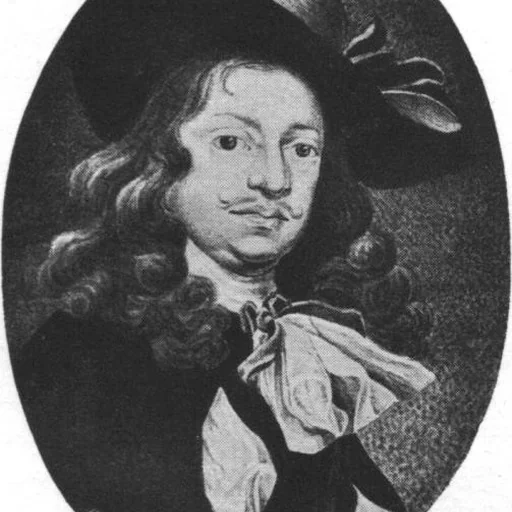
Frans Luycx or Frans Luyckx (Dutch pronunciation: ; before 17 April 1604 – 1 May 1668) was a Flemish painter who became the leading portrait painter at the imperial court of Emperor Ferdinand III in Vienna.

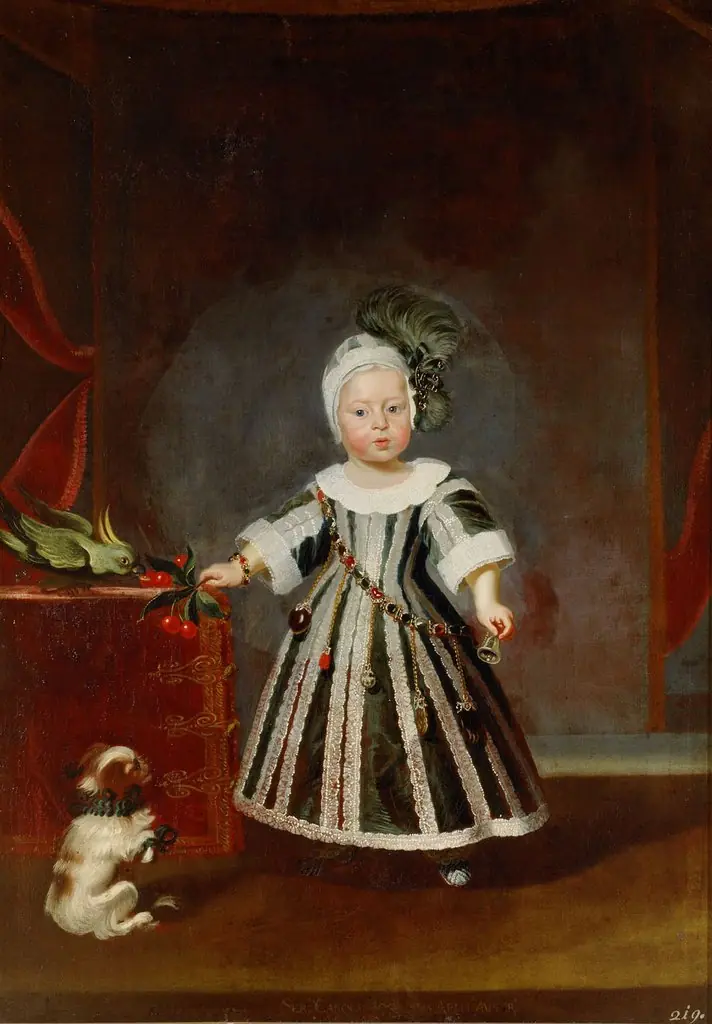 Portrait of Charles Joseph, Archduke of Austria (1745-1761)
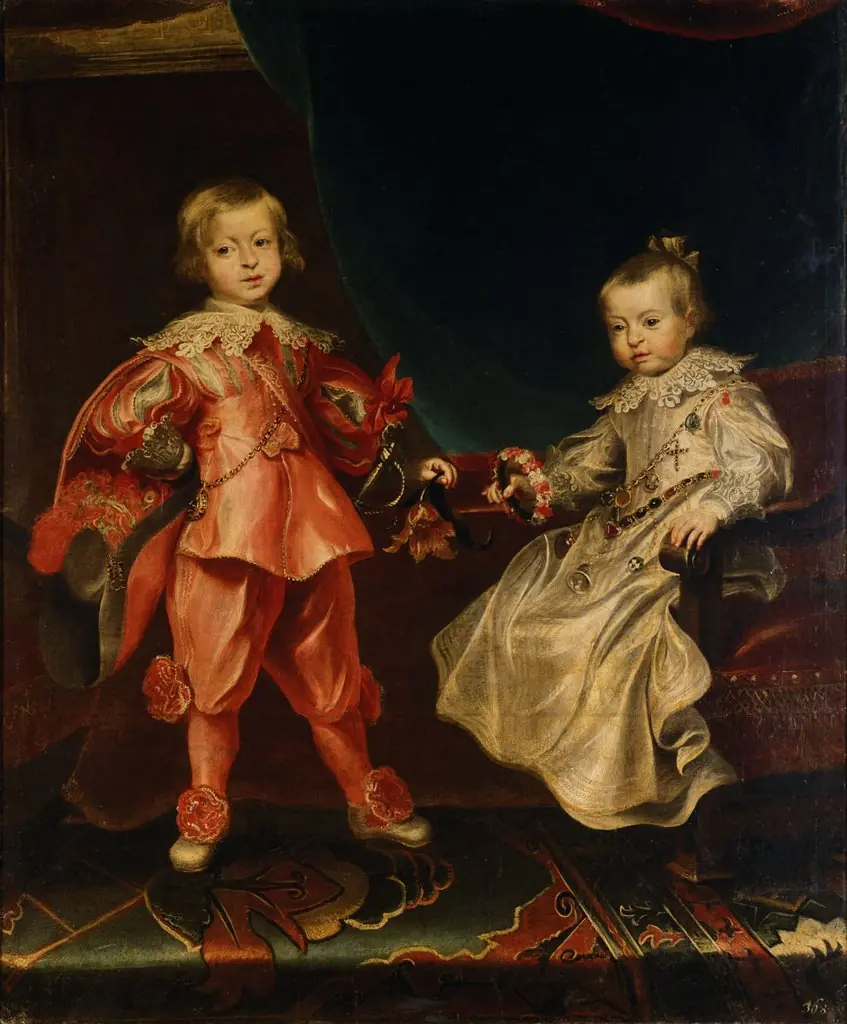 Portrait of Ferdinand IV with his sister Maria Anna
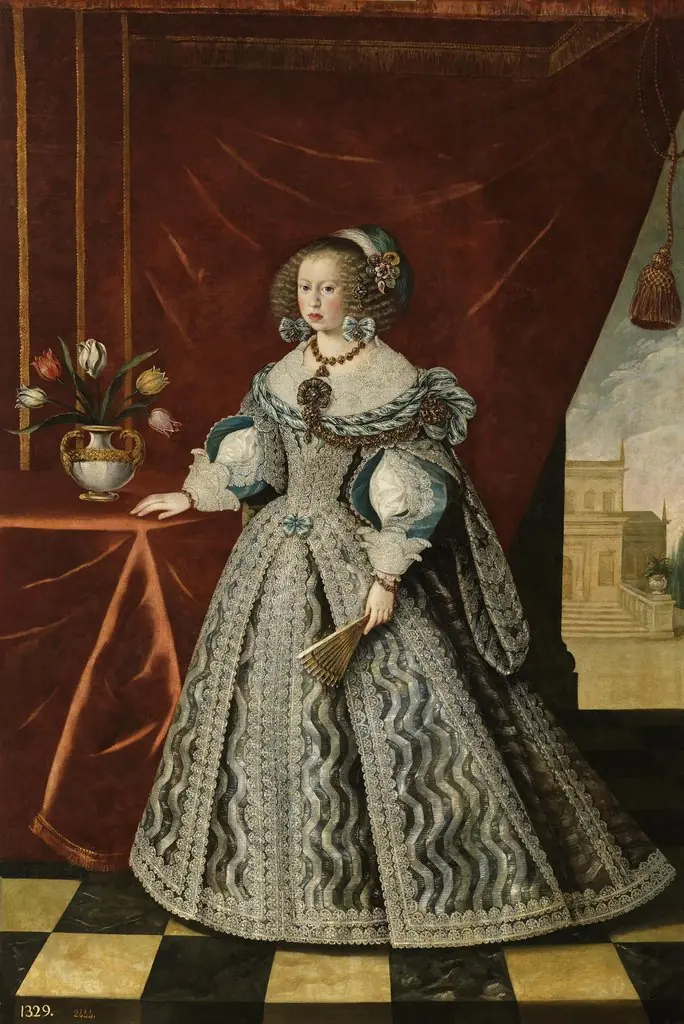 Mariana of Austria
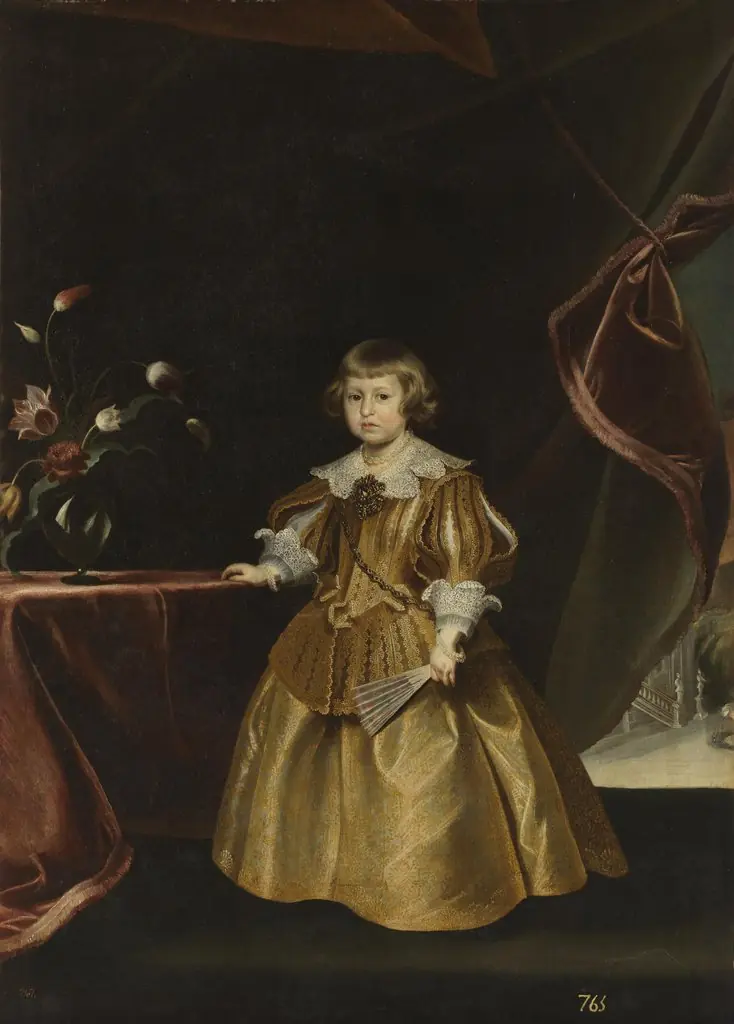 Portrait of an infanta
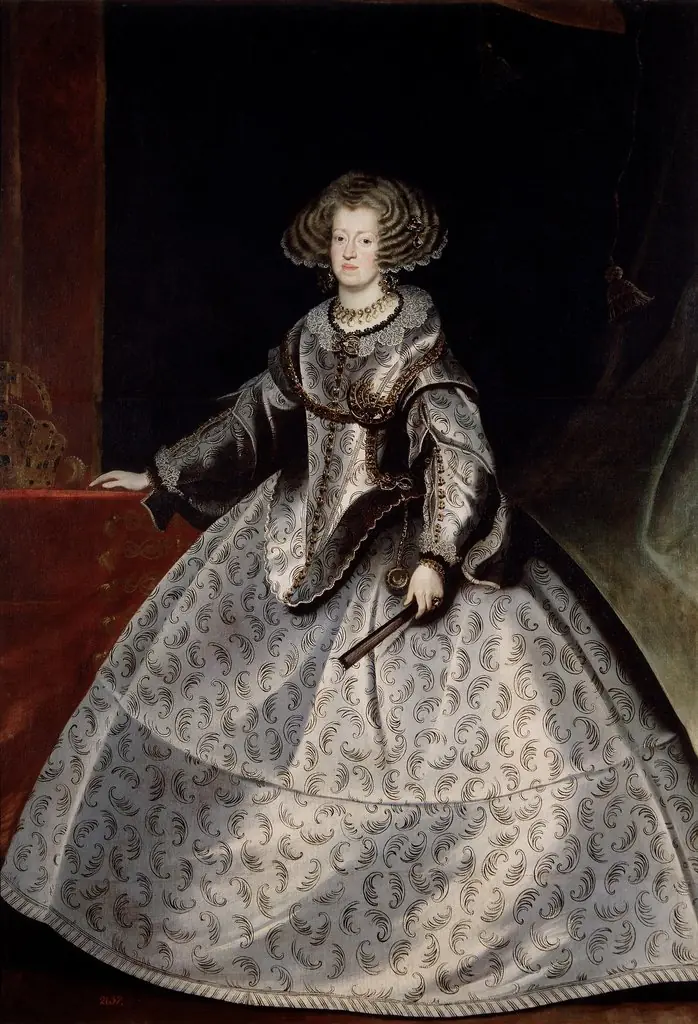 María of Austria Queen of Hungary
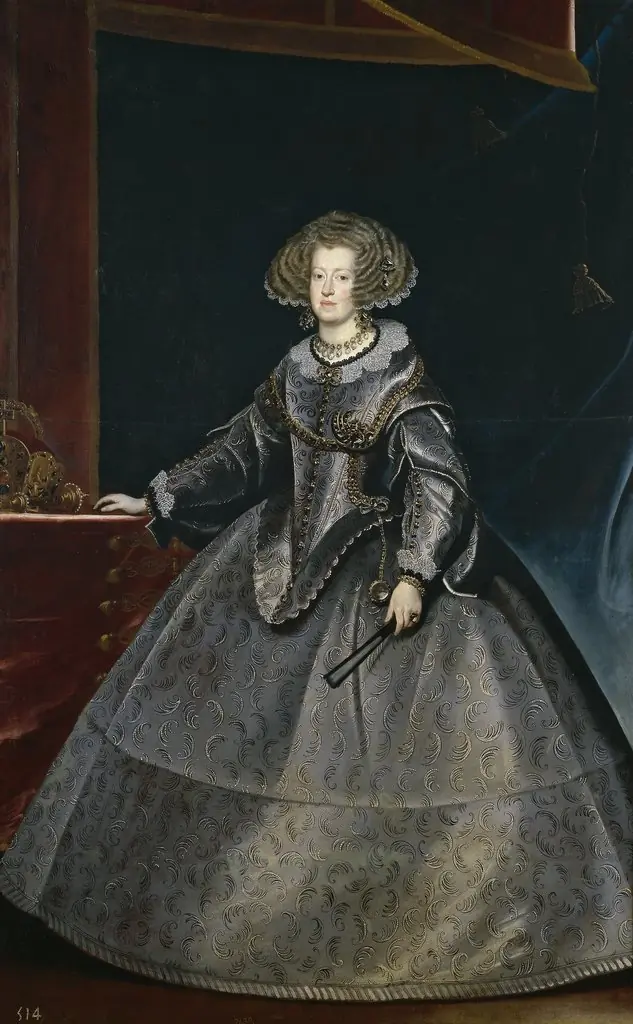 María of Austria Queen of Hungary
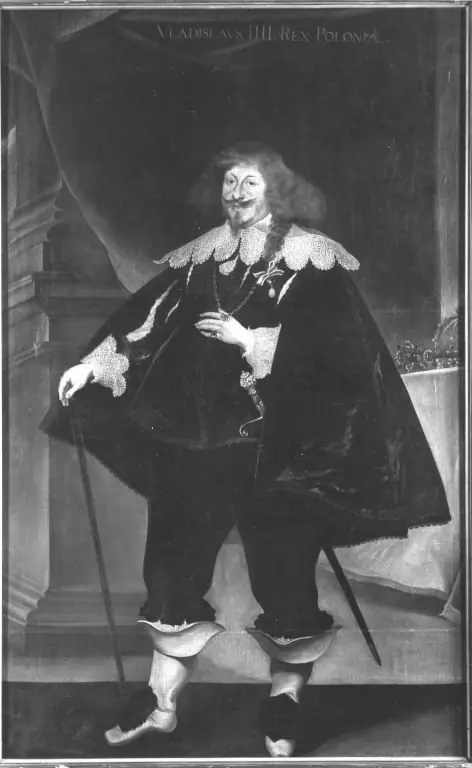 Portrait of King Ladislaus IV Vasa.
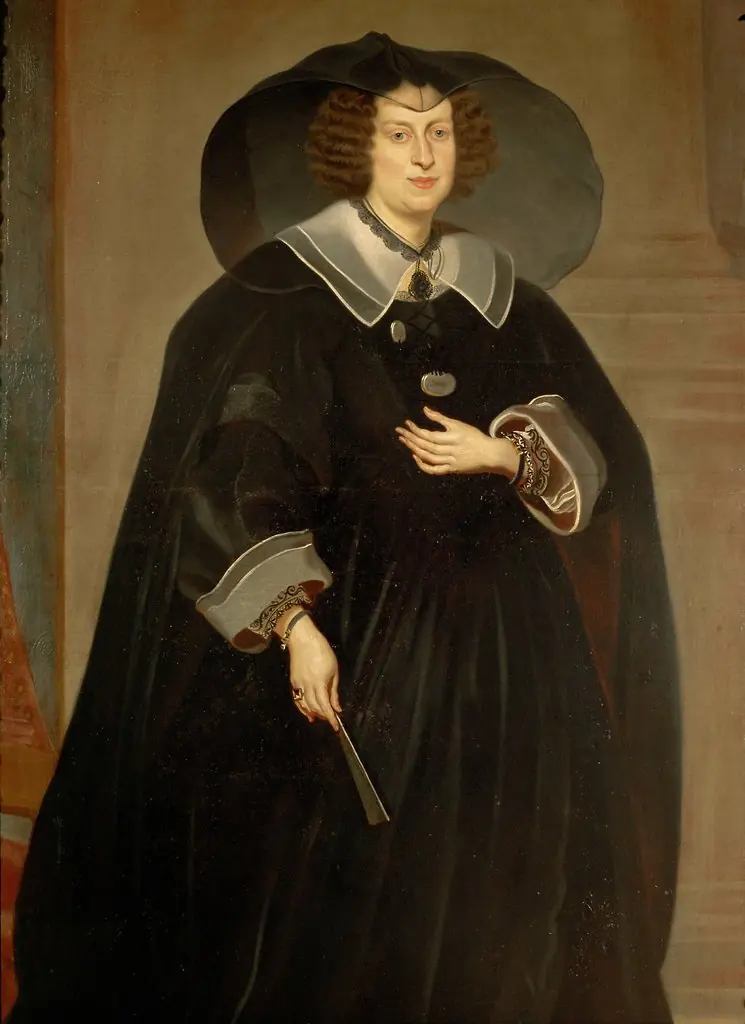 Claudia de' Medici (1604-1648), Erzherzogin, in Witwentracht, Kniestück
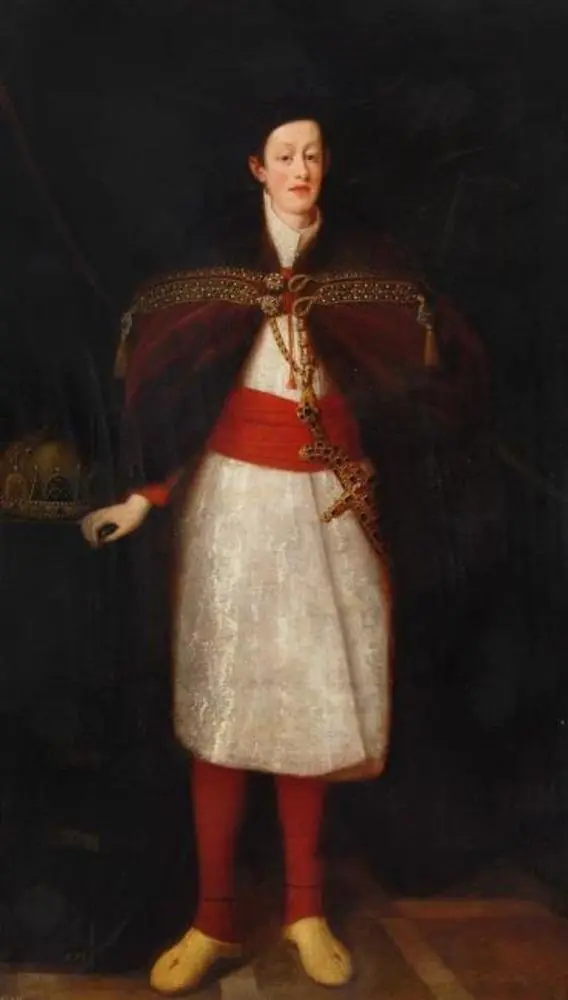 Portrait of Ferdinand III, King of Hungary
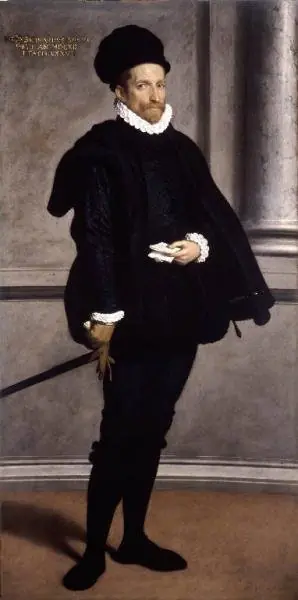 Portrait of Bernardo Spini
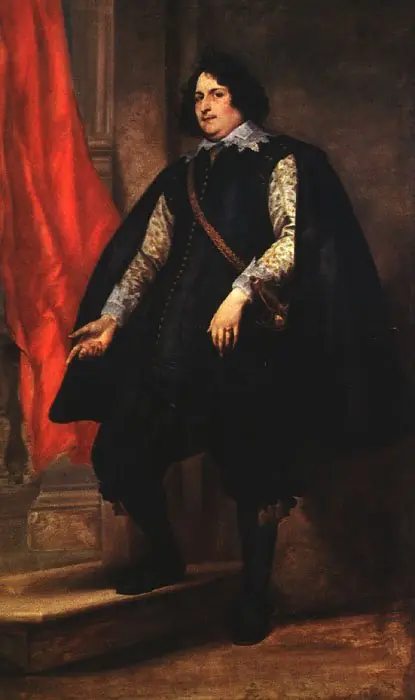 Portrait of Filips de Godines
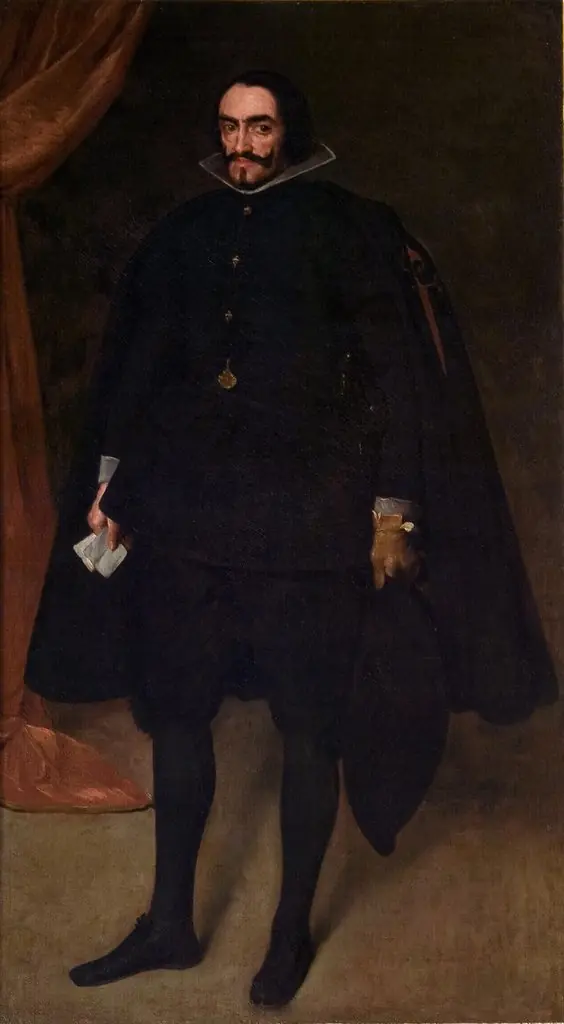 Portrait of a Knight of the Order of Santiago
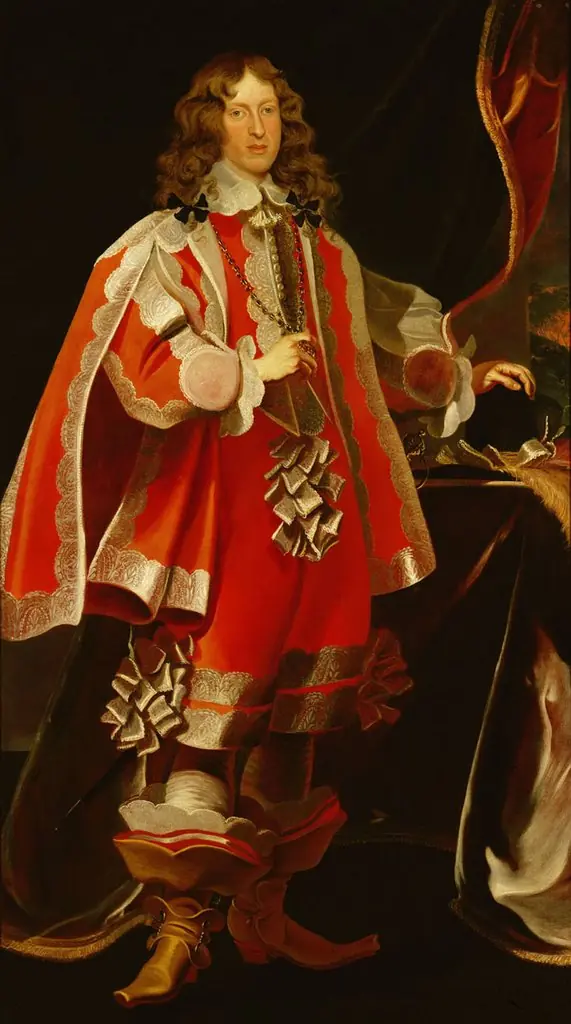 Ferdinand Charles, Archduke of Further Austria
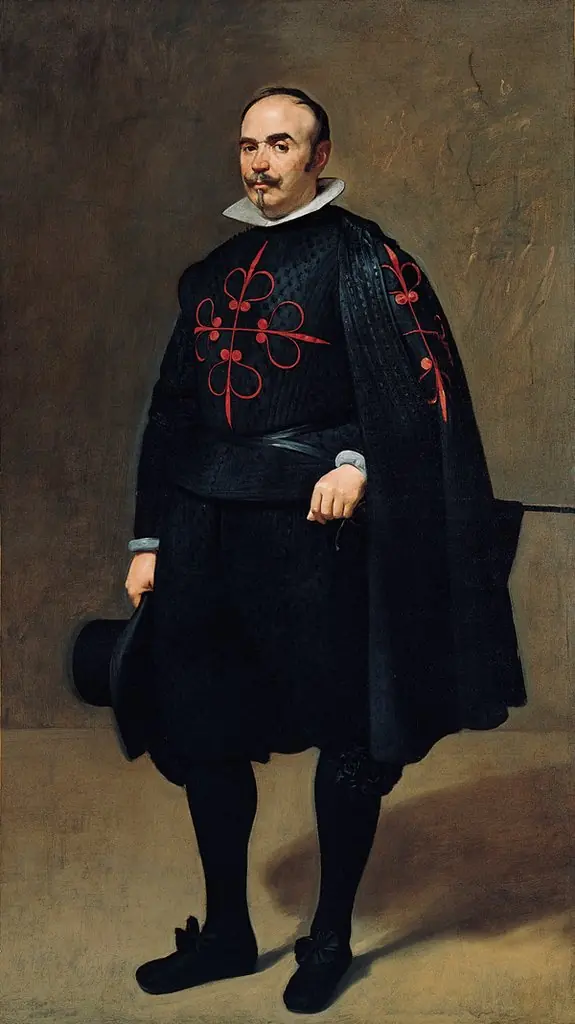 Portrait of Don Pedro de Barberana
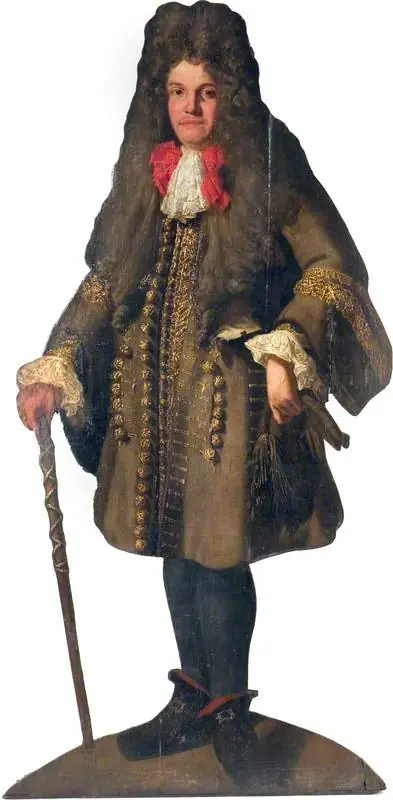 Man with a Cane (dummy board)
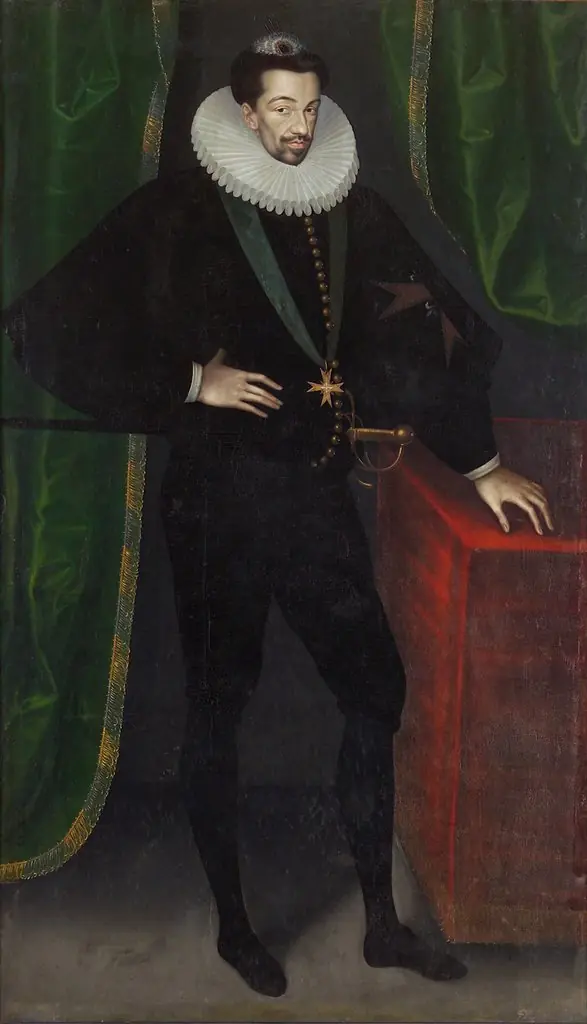 König Heinrich III. von Frankreich (1551-1589), in ganzer Figur
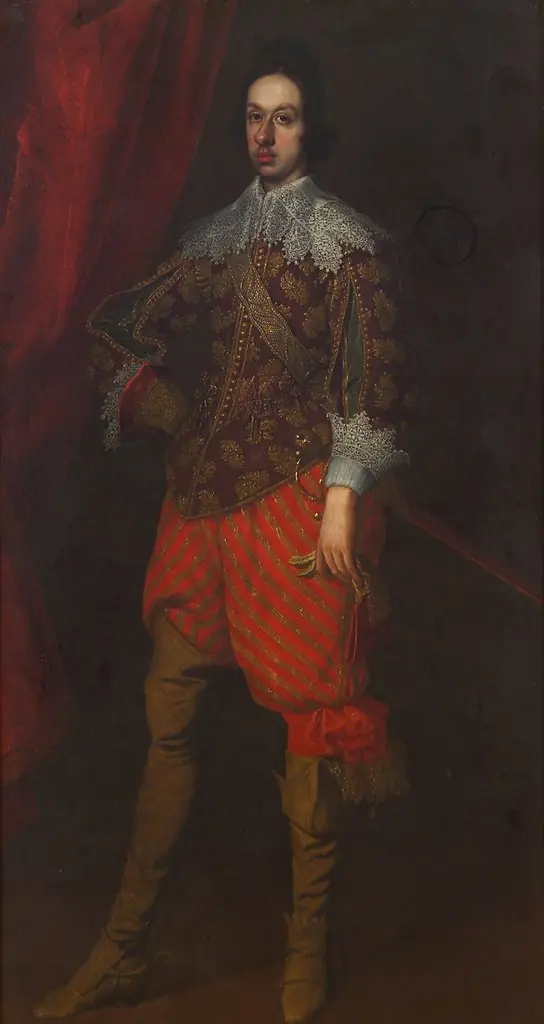 Grand Duke Ferdinando II. (1610-1670) of Tuscany
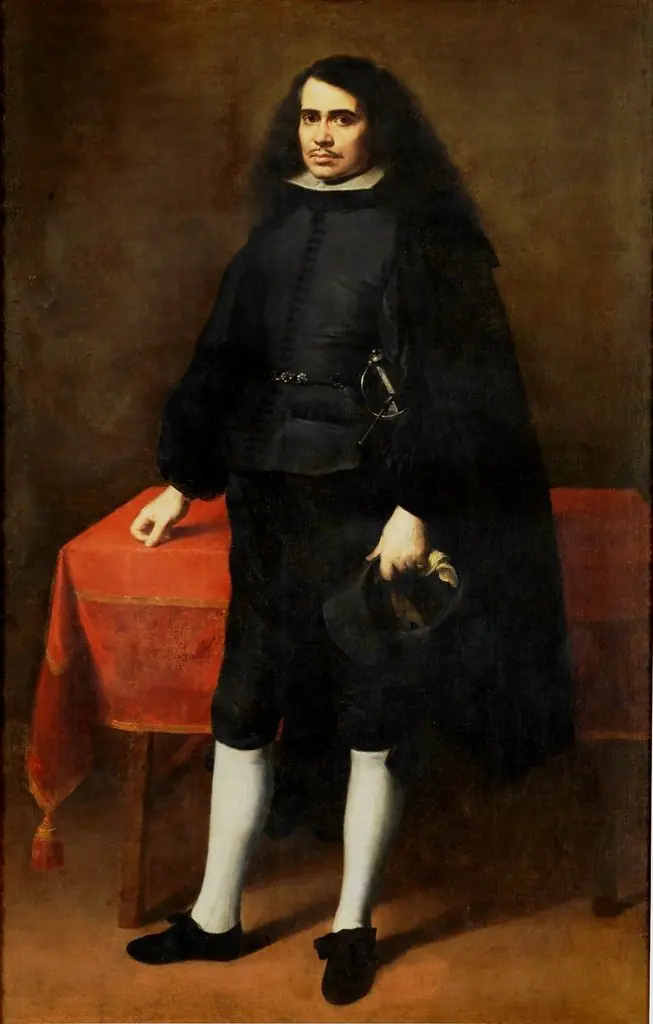 Portrait of a Man
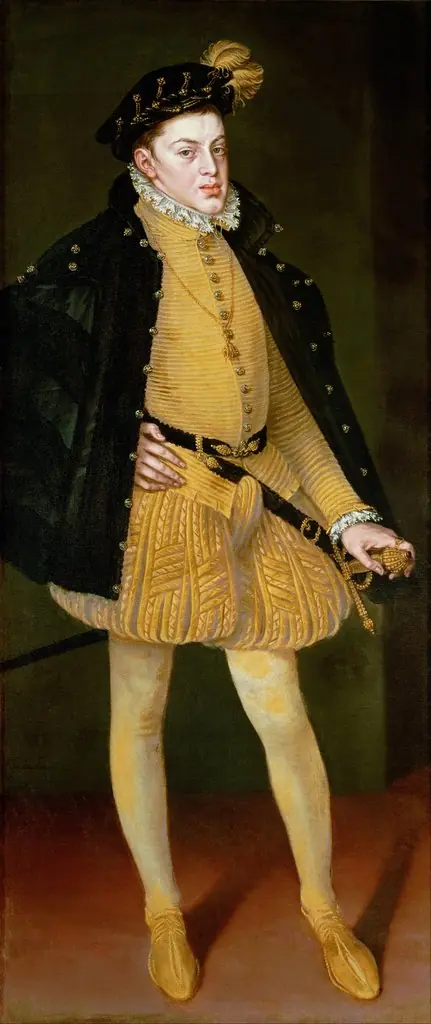 Infante Don Carlos (1545-1568)
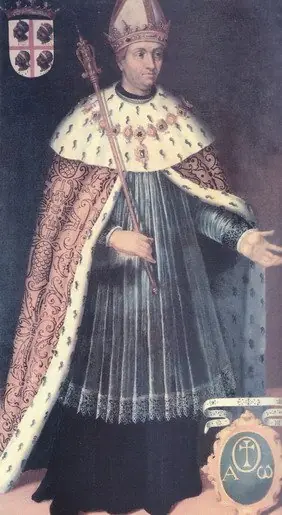 Ramiro Sánchez II El Monje