Artwork
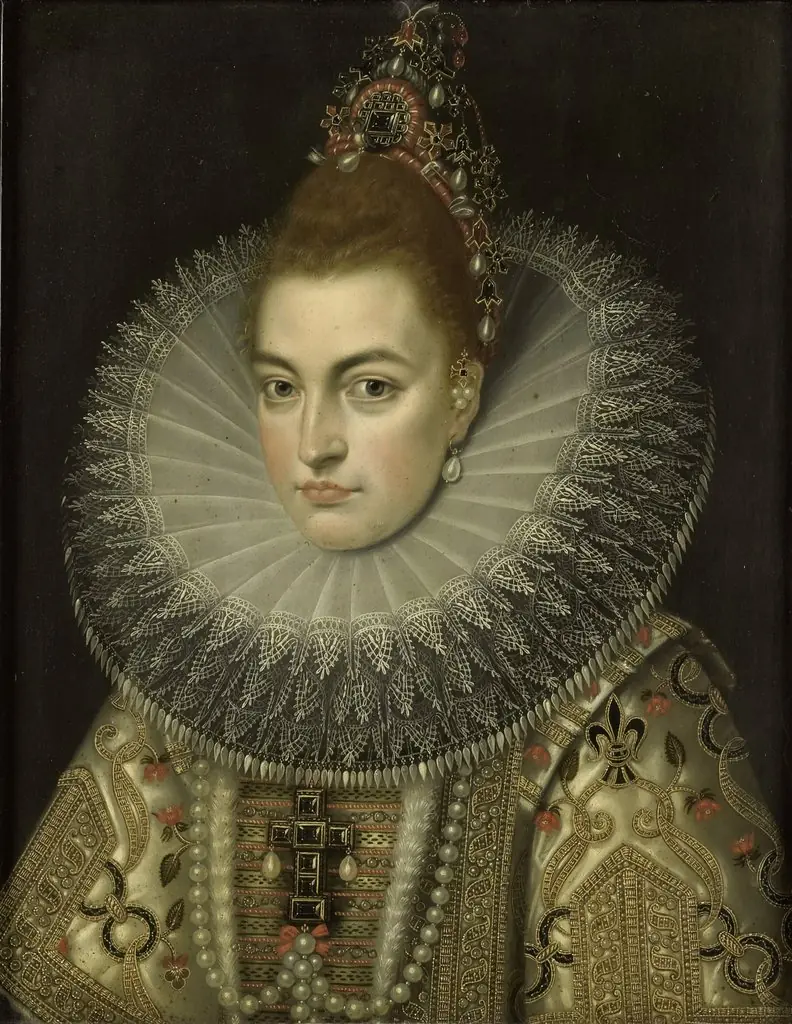
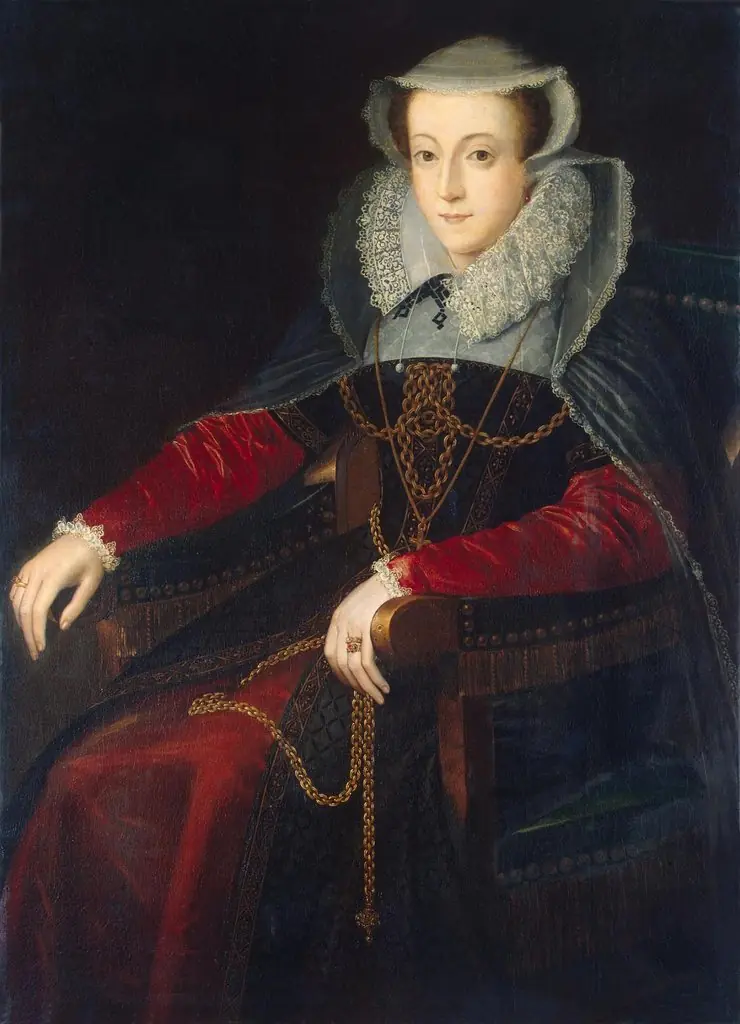
Portrait of a Lady (possibly Margaret of Savoy)
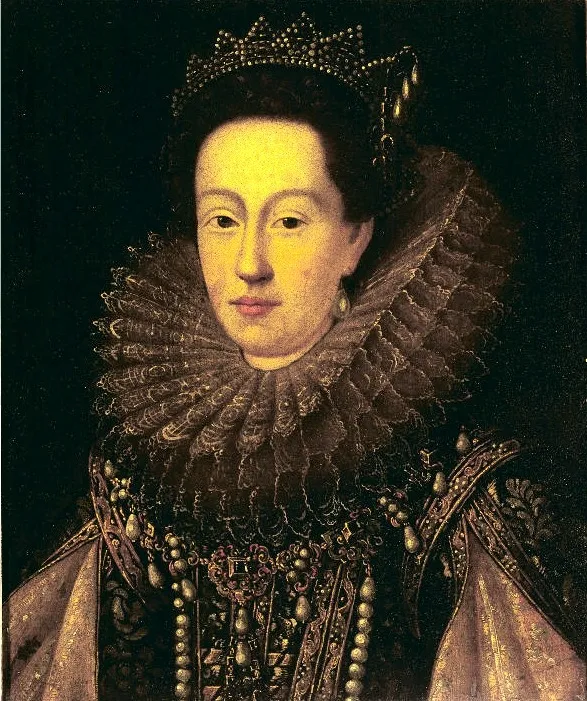
Portrait of a Lady (possibly Margaret of Savoy) is an oil painting by the Rococo painting artist Frans Pourbus, the Younger. It is held in the collection of the Victoria and Albert Museum.
About this work
Overview
Though dated to around 1700 in some sources, this date is inconsistent with Pourbus’s lifetime—he died in 1622.
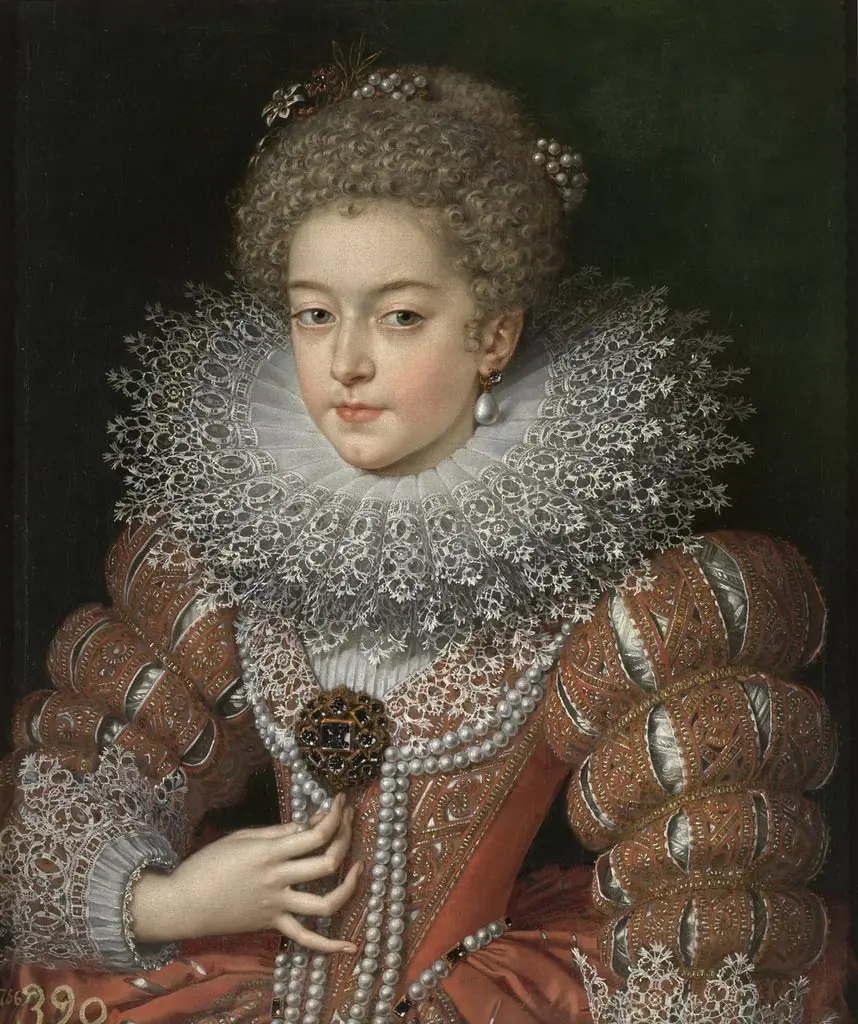
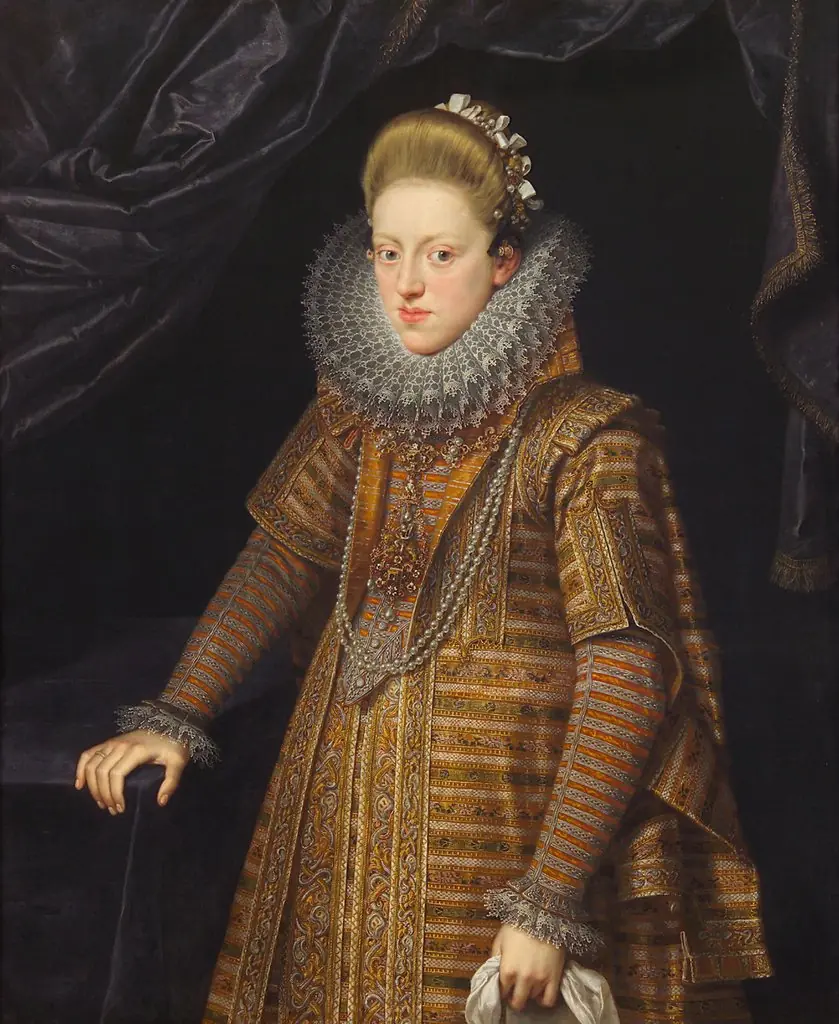
This oil painting by Frans Pourbus the Younger presents a seated noblewoman, likely a member of European royalty, rendered with meticulous attention to textile and jewelry detail. Though dated to around 1700 in some sources, this date is inconsistent with Pourbus’s lifetime—he died in 1622. The work is part of the Victoria and Albert Museum’s collection, where it is cataloged as an example of early 17th-century court portraiture from the Southern Netherlands.
Subject & Meaning
The sitter is thought to be Margaret of Savoy, a noblewoman connected to Habsburg courts through marriage. Her crown, elaborate pearl necklace, and gold-embroidered gown signify her elevated rank. The somber black background isolates her figure, emphasizing status over environment. The pose is formal yet composed, reflecting the conventions of aristocratic representation in early Baroque Europe, where visual hierarchy conveyed political and social authority.
Technique & Style
Pourbus employed fine brushwork to capture the texture of silk, lace, and metal thread in the sitter’s attire. Pearls are rendered with subtle highlights, and the ruffled collar is built up in layers to suggest volume and light refraction. The palette is restrained—deep blacks, muted golds, and cool whites—enhancing the richness of materials without overt ornamentation. His technique aligns with Flemish traditions of precision, avoiding the theatricality of later Rococo styles.
History & Provenance
Frans Pourbus the Younger served as court painter to the Archdukes of Austria in Brussels and later to the Gonzaga family in Mantua. This portrait likely originated in one of these courts, commissioned to affirm the sitter’s lineage and alliances. It entered the Victoria and Albert Museum’s collection in the 19th century, following the dispersal of European aristocratic holdings. Its attribution has been subject to scholarly review due to stylistic comparisons with contemporaries.
Context
In the early 1600s, portraiture in the Southern Netherlands functioned as both personal record and political instrument. Nobility used such images to assert dynastic continuity and cultural refinement. Pourbus’s work reflects the influence of Anthony van Dyck and earlier Netherlandish masters, blending realism with symbolic grandeur. Unlike later Rococo portraits, this piece avoids frivolity, adhering to the solemn dignity expected of courtly representation.
Legacy
Pourbus’s portraits remain valued for their technical discipline and insight into aristocratic identity. While not widely known outside specialist circles, his works inform understanding of Habsburg court culture and the transmission of Flemish painting traditions. This portrait, though not a public icon, contributes to the broader narrative of how elite women were visually constructed in early modern Europe through costume, posture, and material symbolism.
Artist & collection
Artist
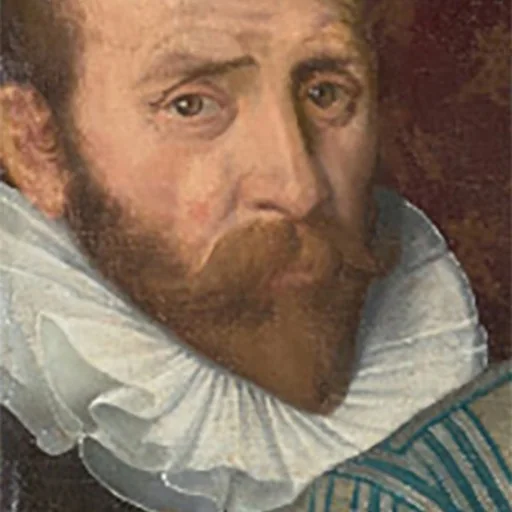
Frans Pourbus the Younger or Frans Pourbus (II) (Antwerp, 1569 – Paris, 1622) was a Flemish painter, specialised in portrait painting.

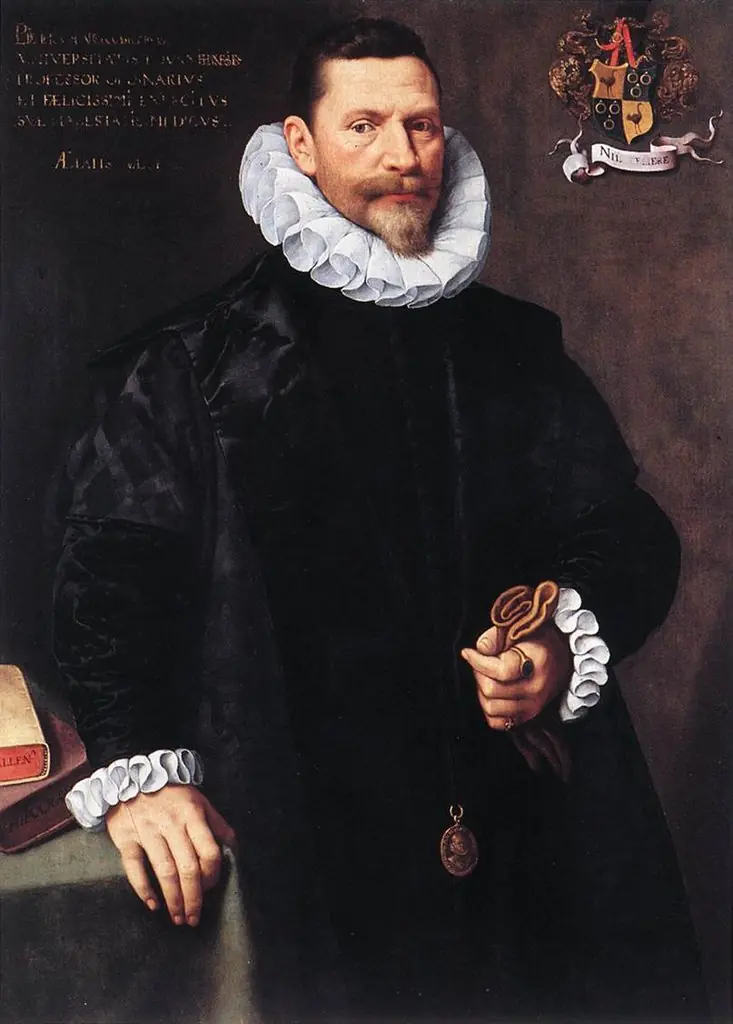
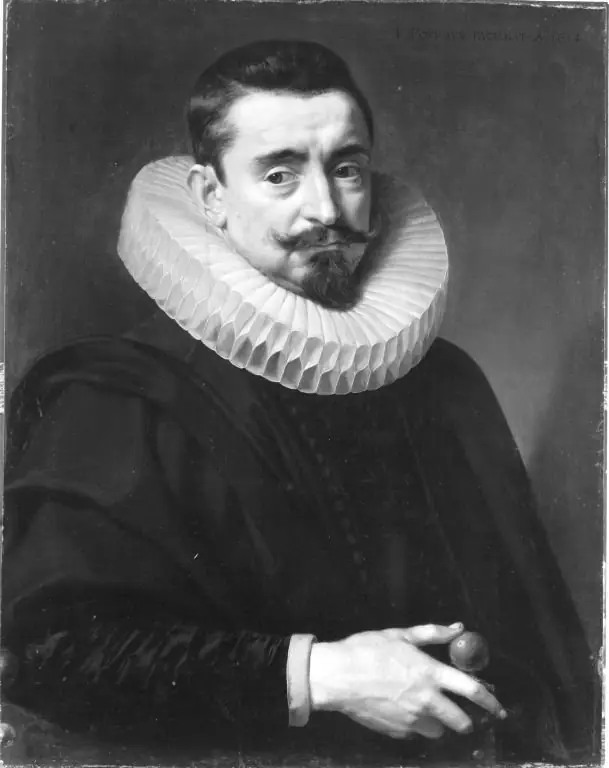
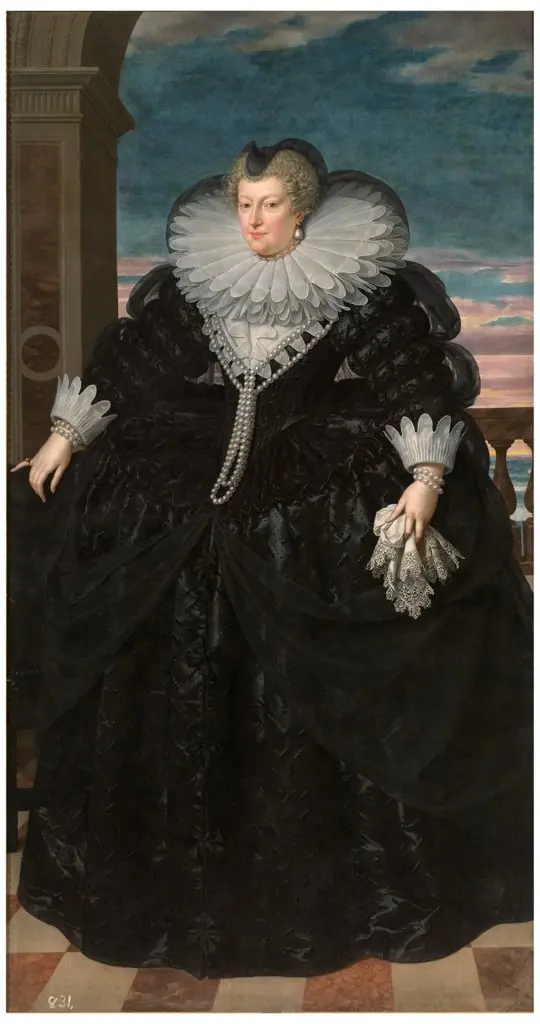
 Portrait of Mary Stuart, Queen of Scots
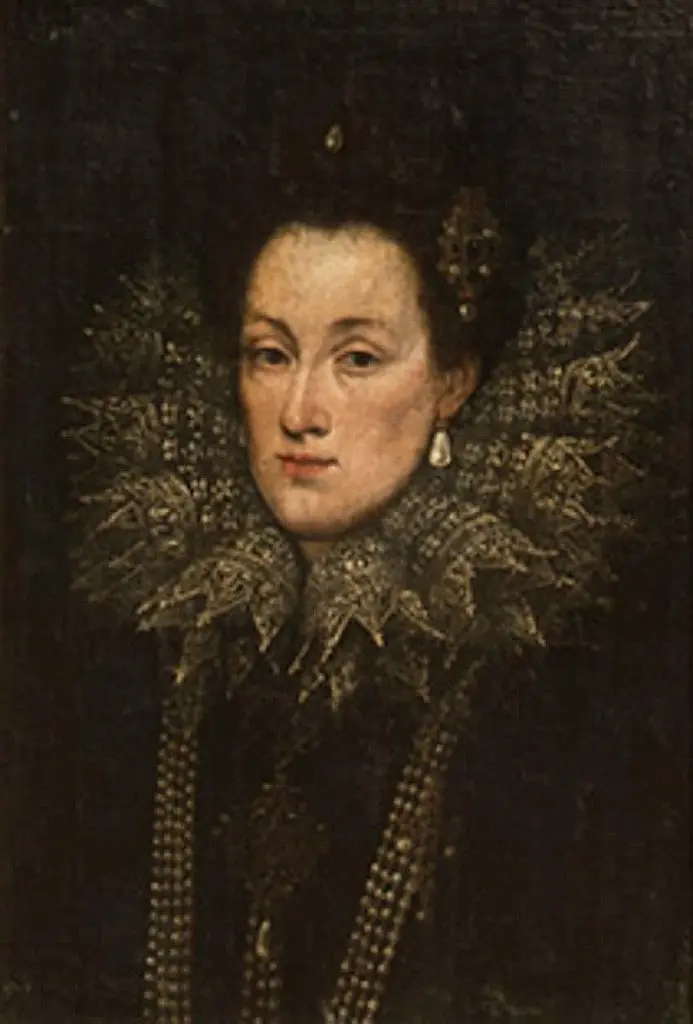 Bildnis einer Frau
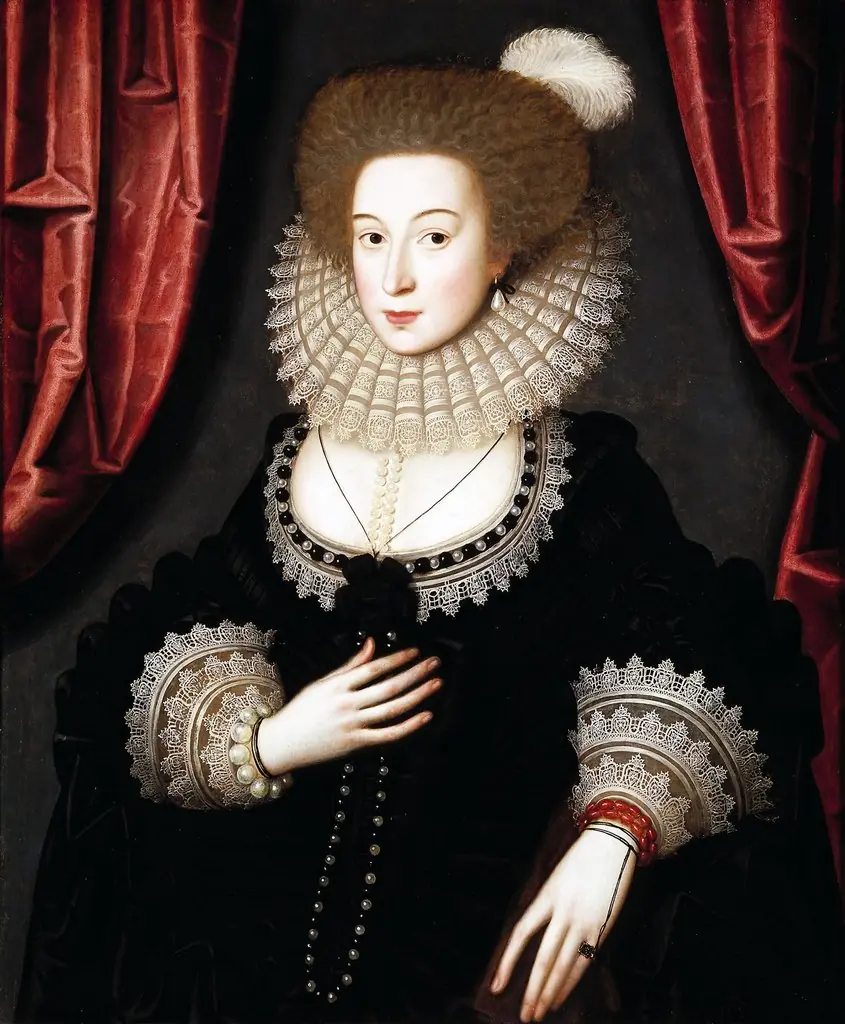 Portrait of Mary Radclyffe
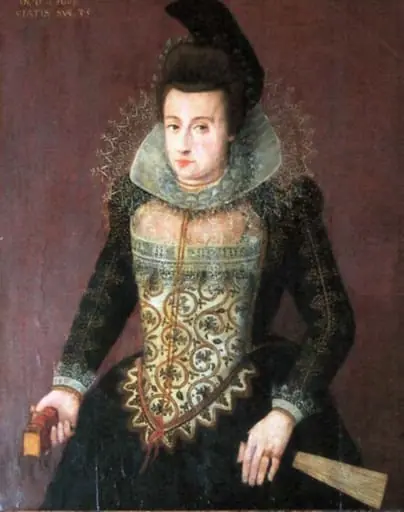 Portret de englezoaică aristocrată
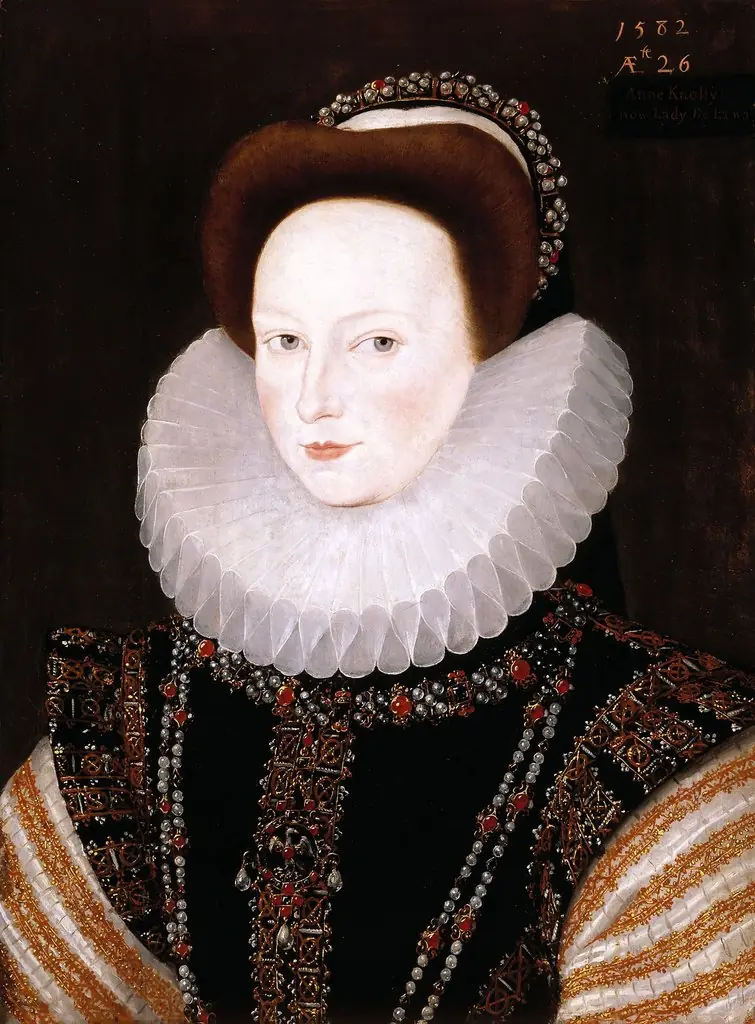 Porträt der Anne Knollys
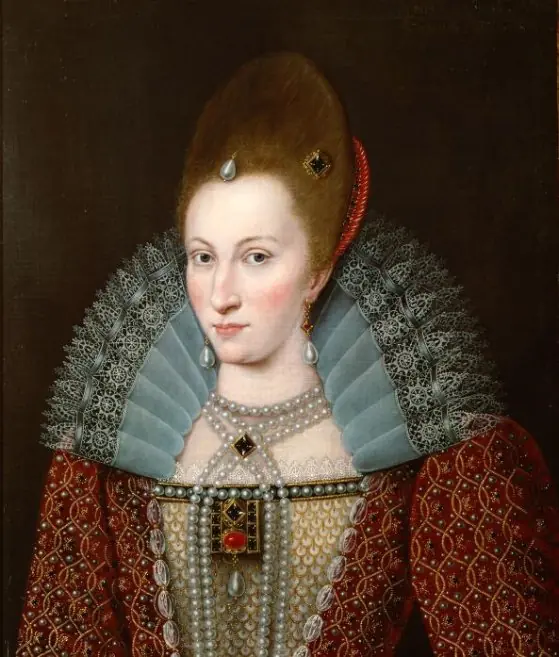 Anna von Dänemark (1574-1619), Königin von England, Brustbild
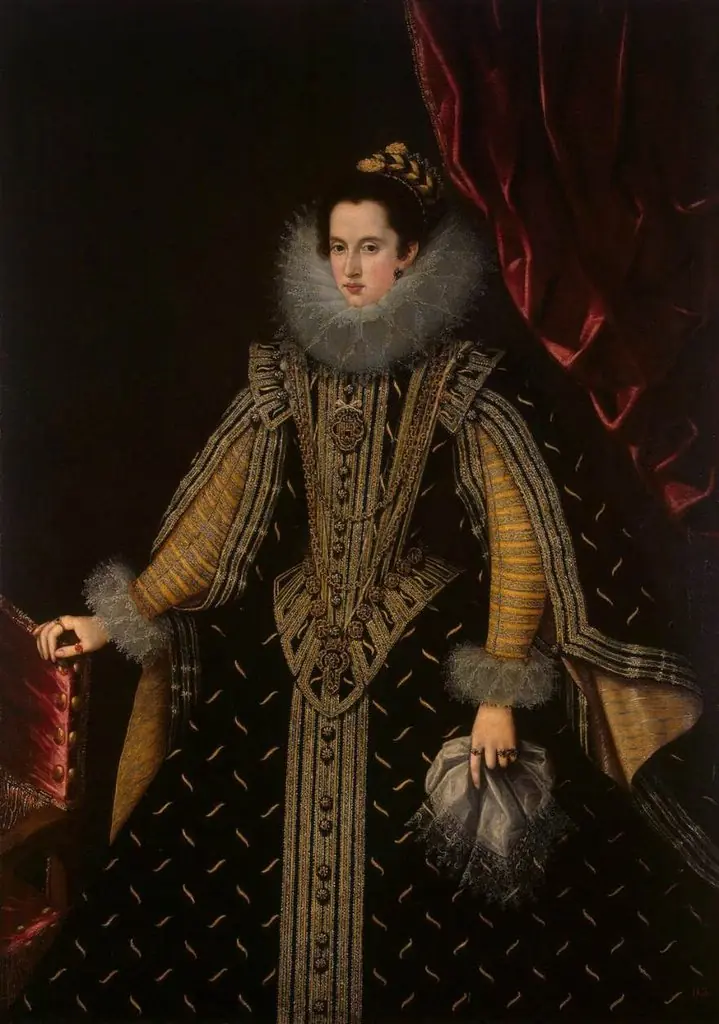 Portrait of Margarita Aldobrandini, Duchess of Parma
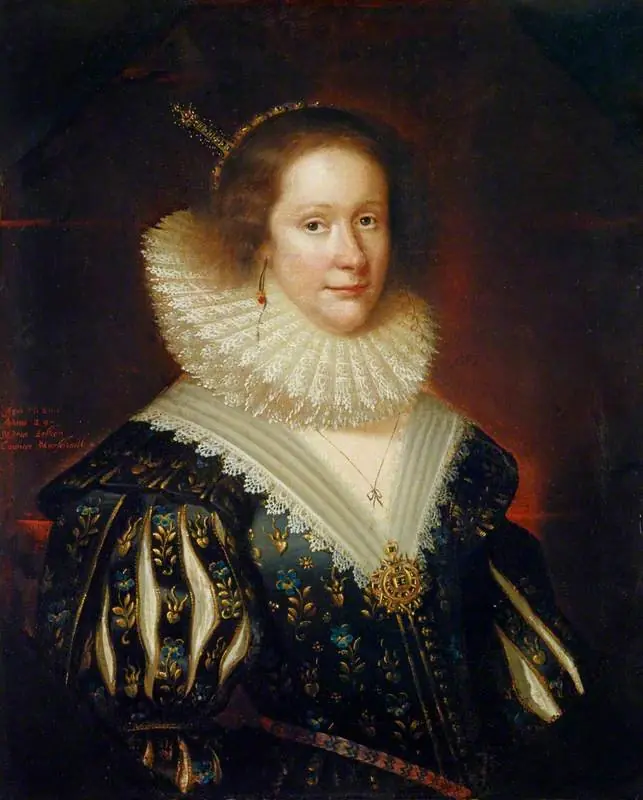 Lady Mary Erskine, Countess Marischal (born about 1597)
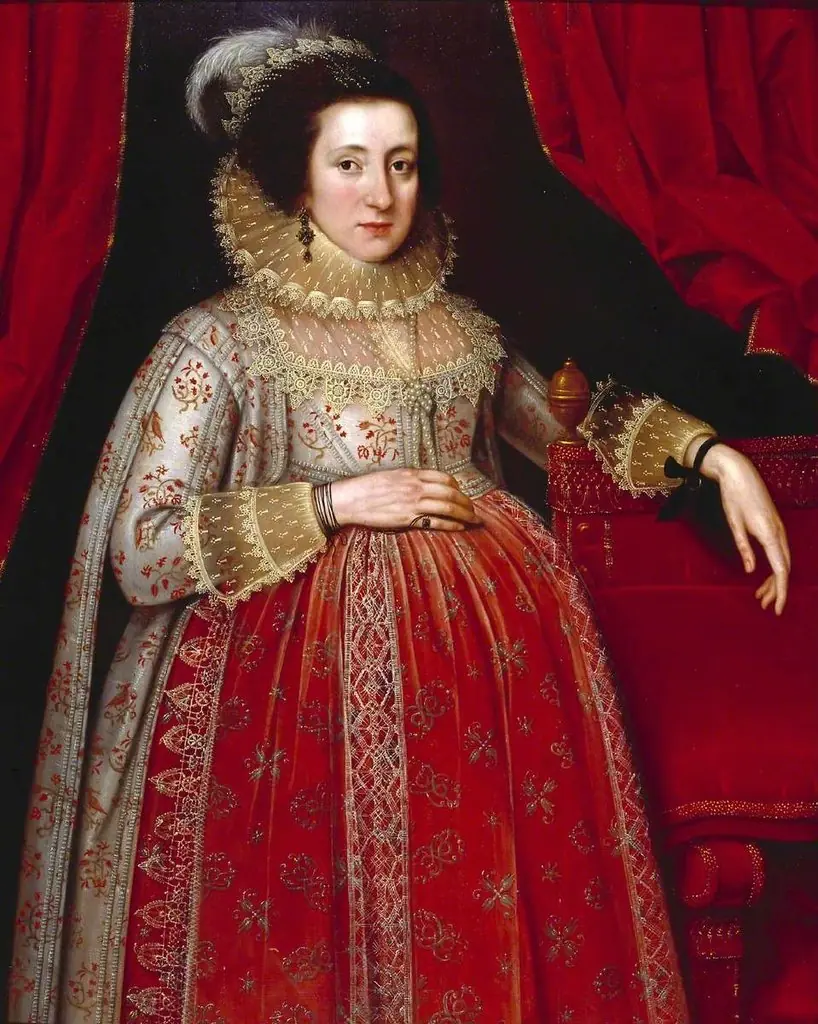 Portrait of a Woman in Red
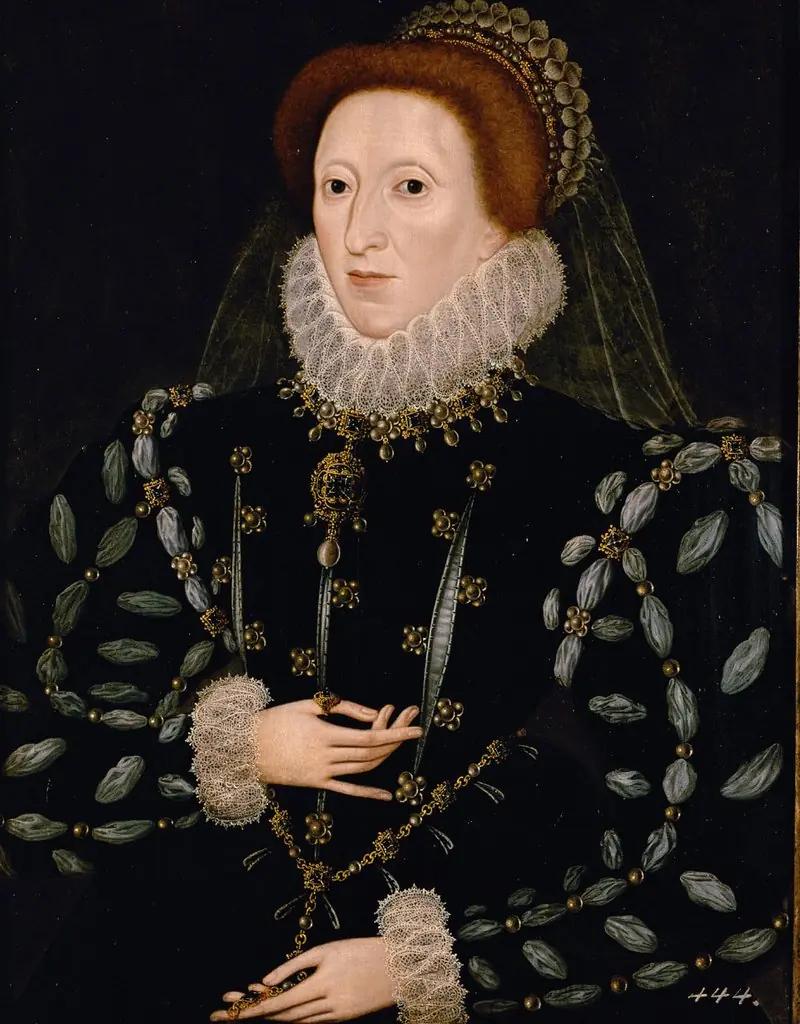 Queen Elizabeth I
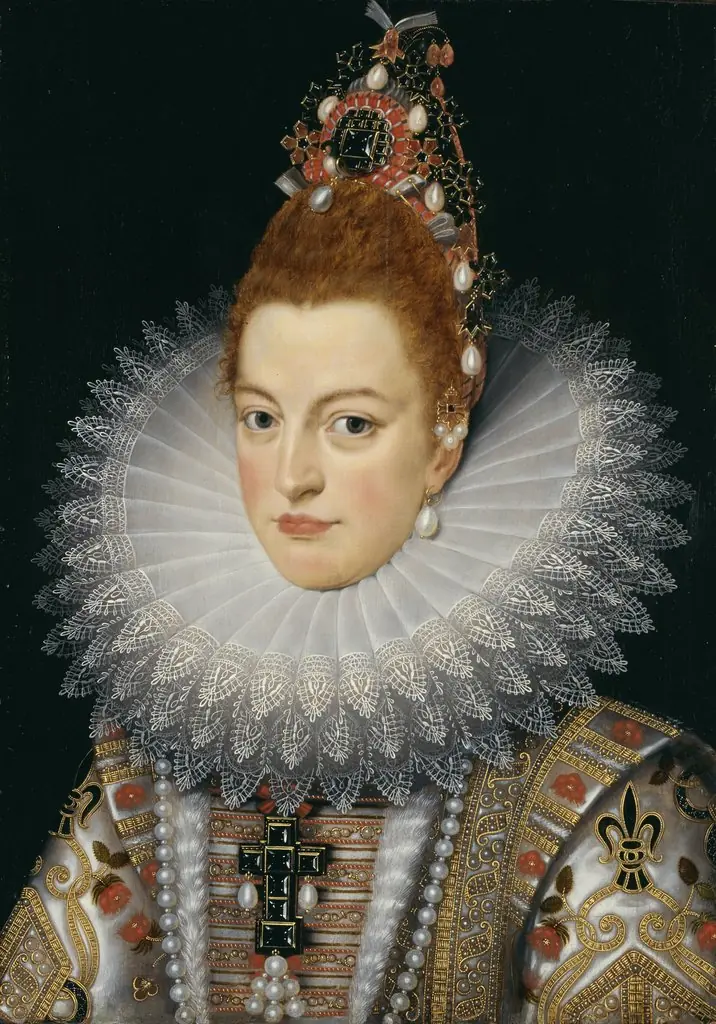 Portrait of Archduchess Isabella
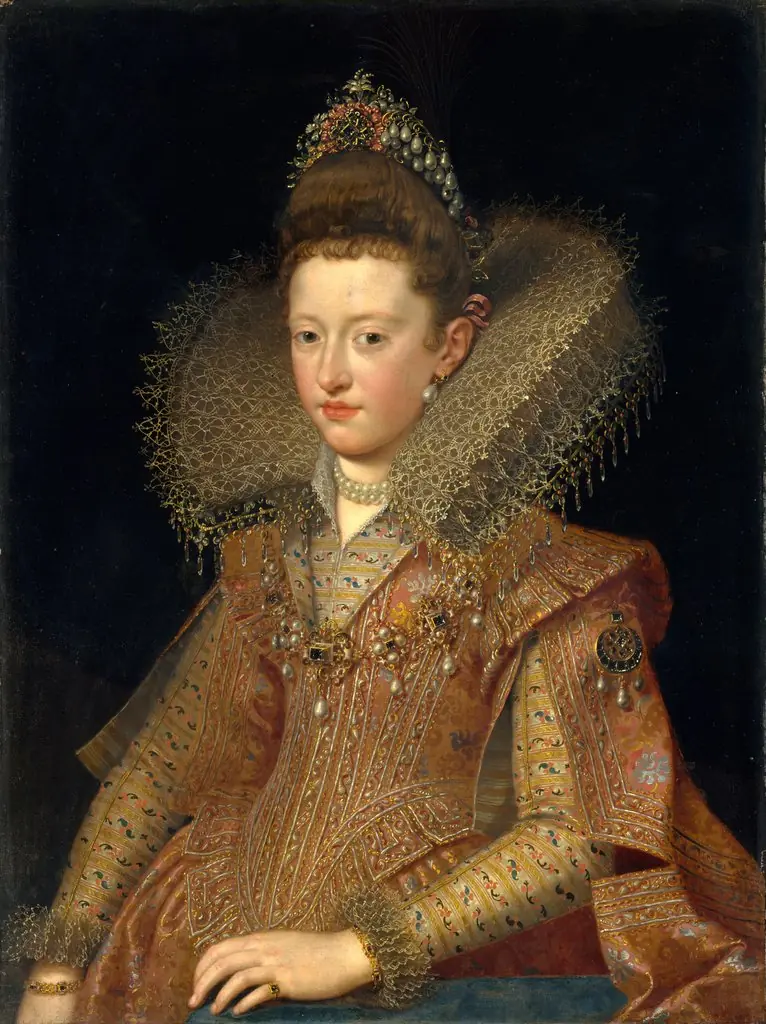
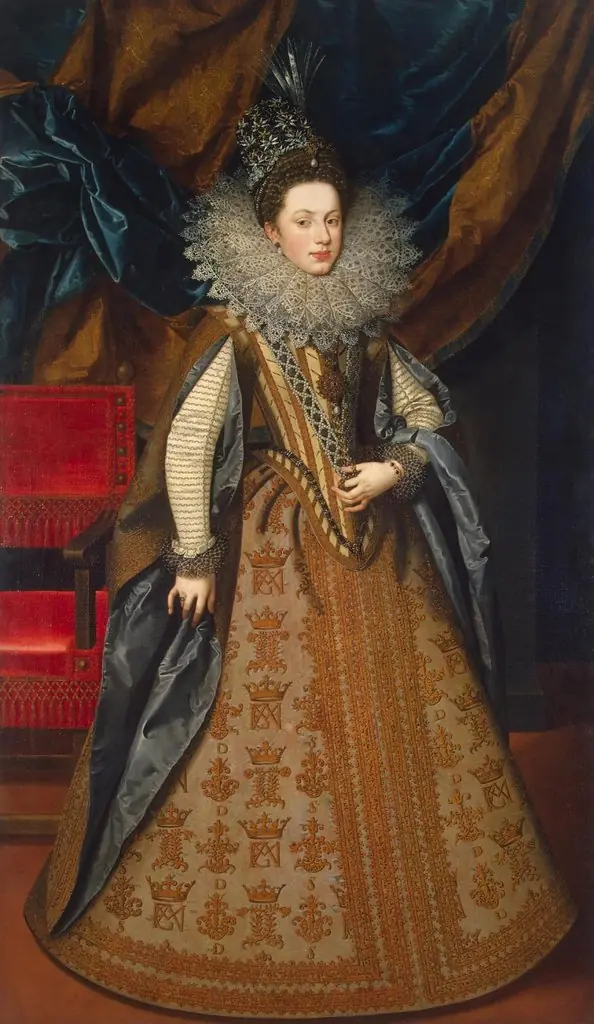 Portrait of Margaret of Savoy, Duchess of Mantua