Artwork
Porträt der Anne Knollys
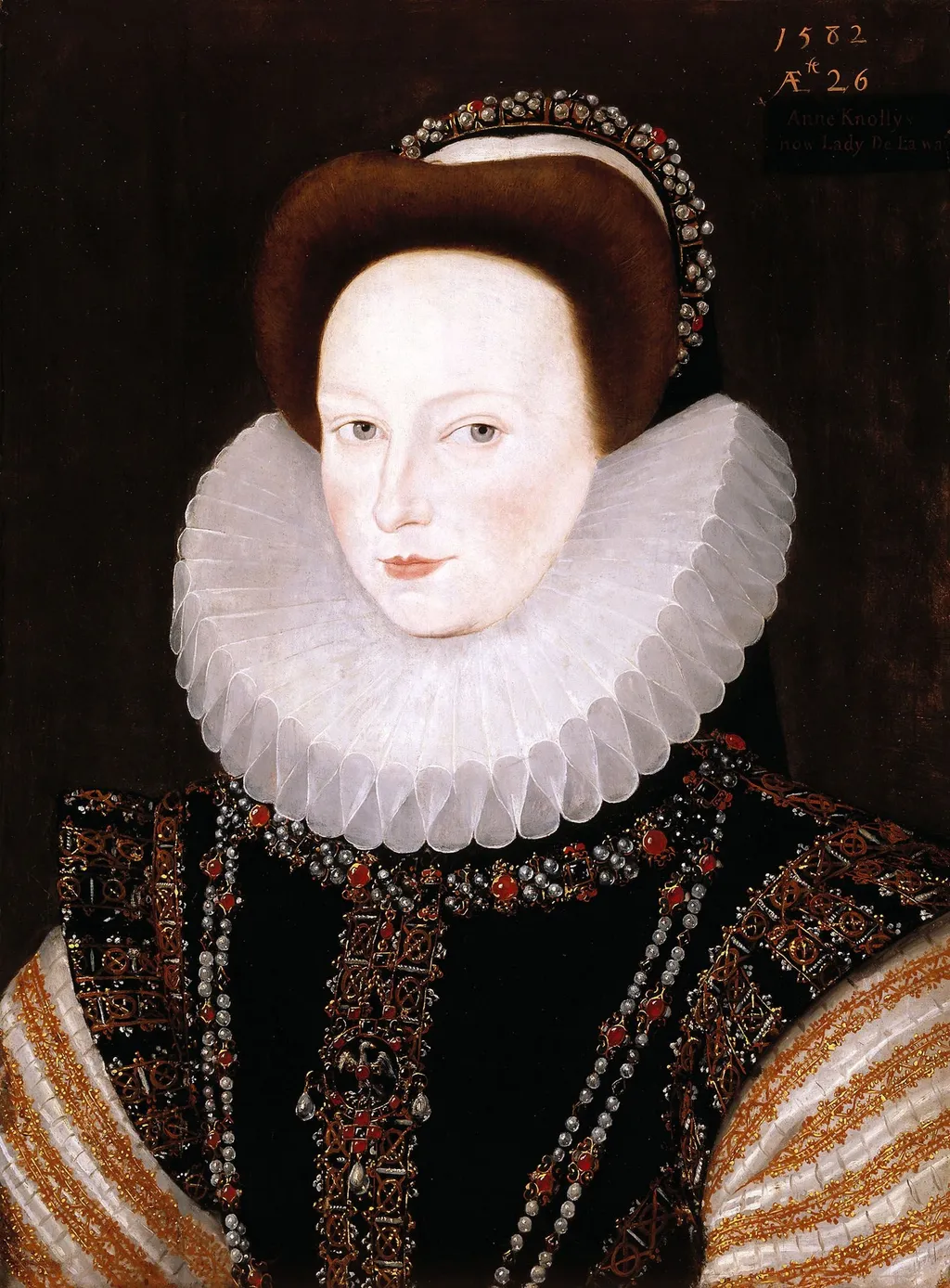
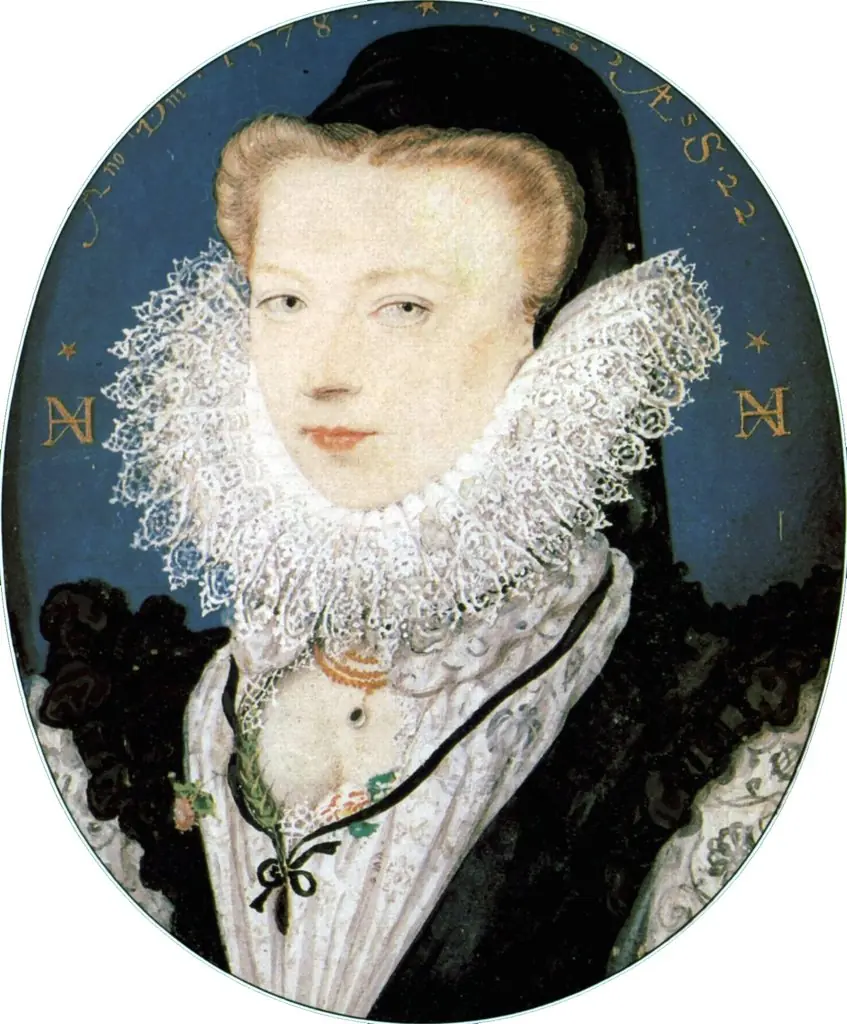
Porträt der Anne Knollys is an oil painting by the Mannerist artist Robert Peake the elder. It dates from 1592 and is held in the collection of the Denver Art Museum.
About this work
Overview
Painted in 1592 by Robert Peake the Elder, this oil portrait captures Anne Knollys, a member of the English court during the late Tudor period.
Painted in 1592 by Robert Peake the Elder, this oil portrait captures Anne Knollys, a member of the English court during the late Tudor period. Executed in the Mannerist tradition, the work reflects the formal elegance and refined detail favored in elite portraiture of the time. It is now held in the collection of the Denver Art Museum, where it stands as an example of early Jacobean-era English painting.
Subject & Meaning
Anne Knollys, depicted in formal court attire, represents the aristocratic ideals of modesty and status. Her downward gaze and restrained expression convey decorum, aligning with contemporary expectations for noblewomen. The elaborate dress and jewelry emphasize her social position, while the absence of overt symbolism suggests a focus on lineage and presence rather than narrative or allegory.
Technique & Style
Peake employed oil paint to render fine textures—gold embroidery, jeweled headdress, and the stiff ruff—with precision. The dark, undefined background isolates the figure, directing attention to her attire and facial composure. The palette is rich but controlled, with cool tones in the dress contrasting against warm metallic accents. The composition follows the Mannerist preference for elongated forms and heightened detail over naturalism.
History & Provenance
Robert Peake the Elder, appointed serjeant-painter to King James I, was among a small group of artists who dominated court portraiture in the 1590s. This portrait likely originated as a private commission, possibly to commemorate Anne Knollys’s status or marriage. Its path to the Denver Art Museum is not fully documented, but it entered the collection in the 20th century as part of a broader acquisition of early British portraiture.
Context
In late 16th-century England, full-length portraits of noblewomen served as markers of family prestige and political connection. Artists like Peake worked within established conventions: rigid poses, symbolic clothing, and meticulous rendering of textiles. The portrait of Anne Knollys reflects these norms, aligning with works by contemporaries such as Marcus Gheeraerts the Younger and Nicholas Hilliard, though with a more austere tone.
Legacy
Peake’s portrait contributes to the understanding of English court culture during the transition from Elizabethan to Jacobean rule. While not widely known today, it exemplifies the technical skill and social function of portraiture in a period when visual representation reinforced hierarchy. The work remains a reference point for scholars studying the evolution of British painting before the rise of Van Dyck.
Own this work as a print
Artist & collection
Artist
Robert Peake the Elder (c. 1551–1619) was an English painter active in the later part of Elizabeth I's reign and for most of the reign of James I. In 1604, he was appointed picture maker to the heir to the throne,…

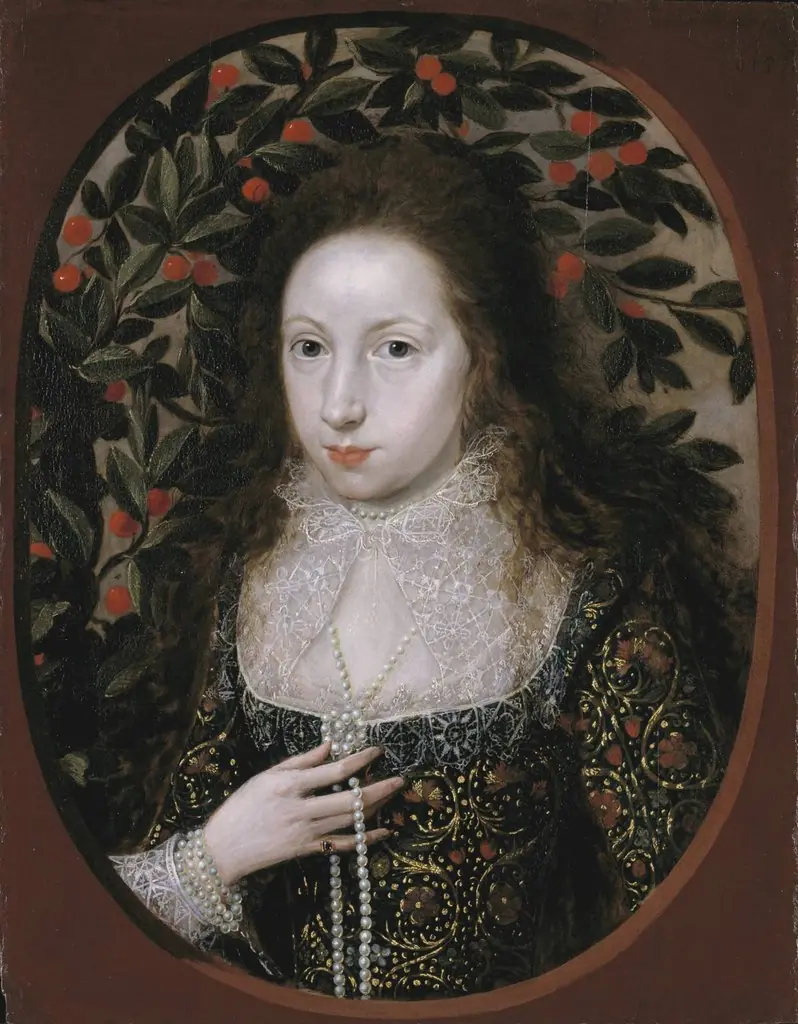
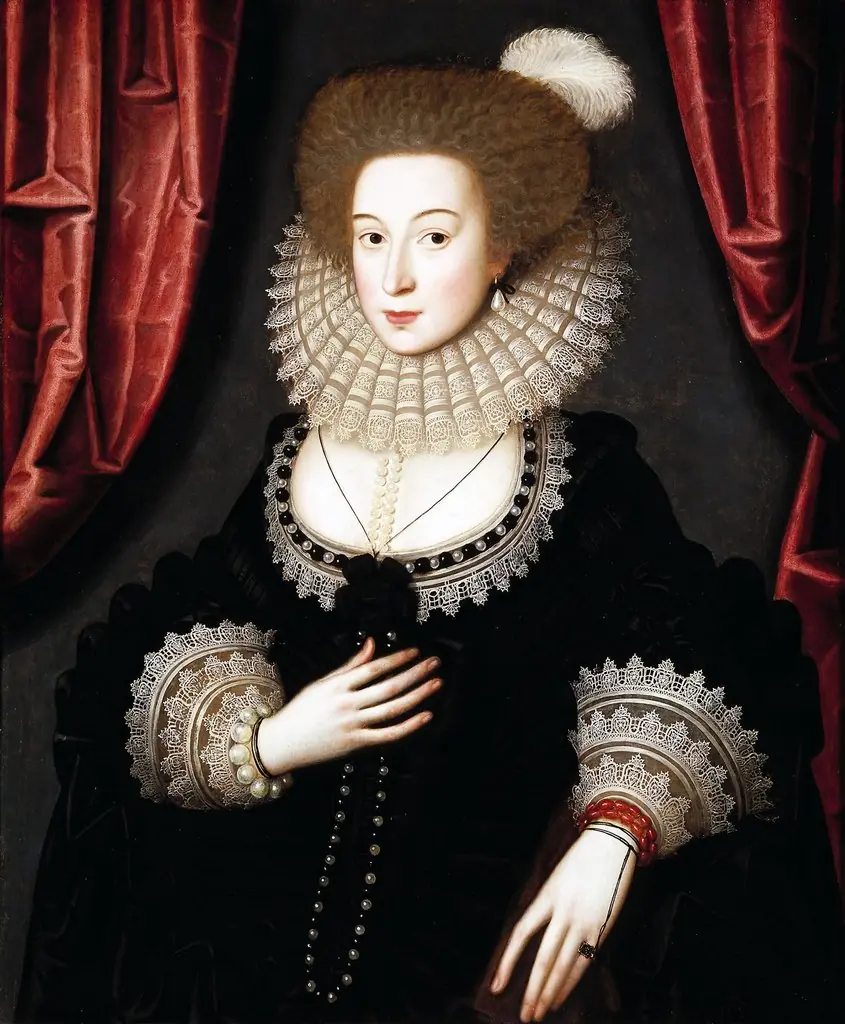 Portrait of Mary Radclyffe
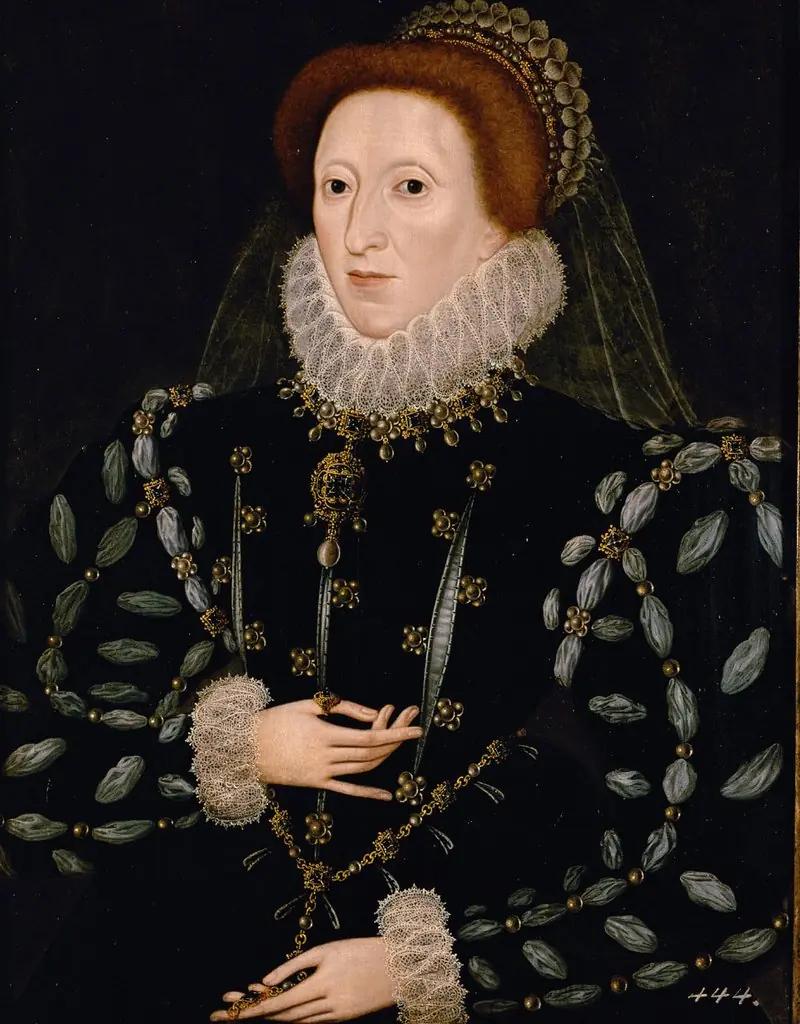 Queen Elizabeth I
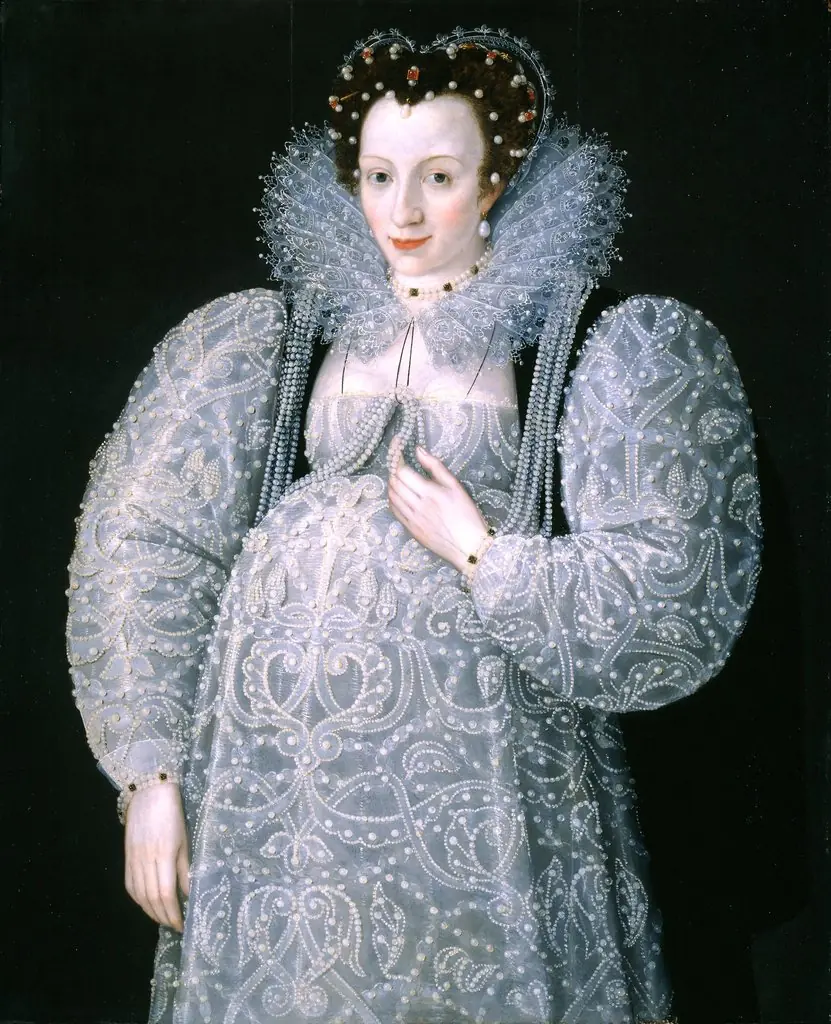 Unknown Lady
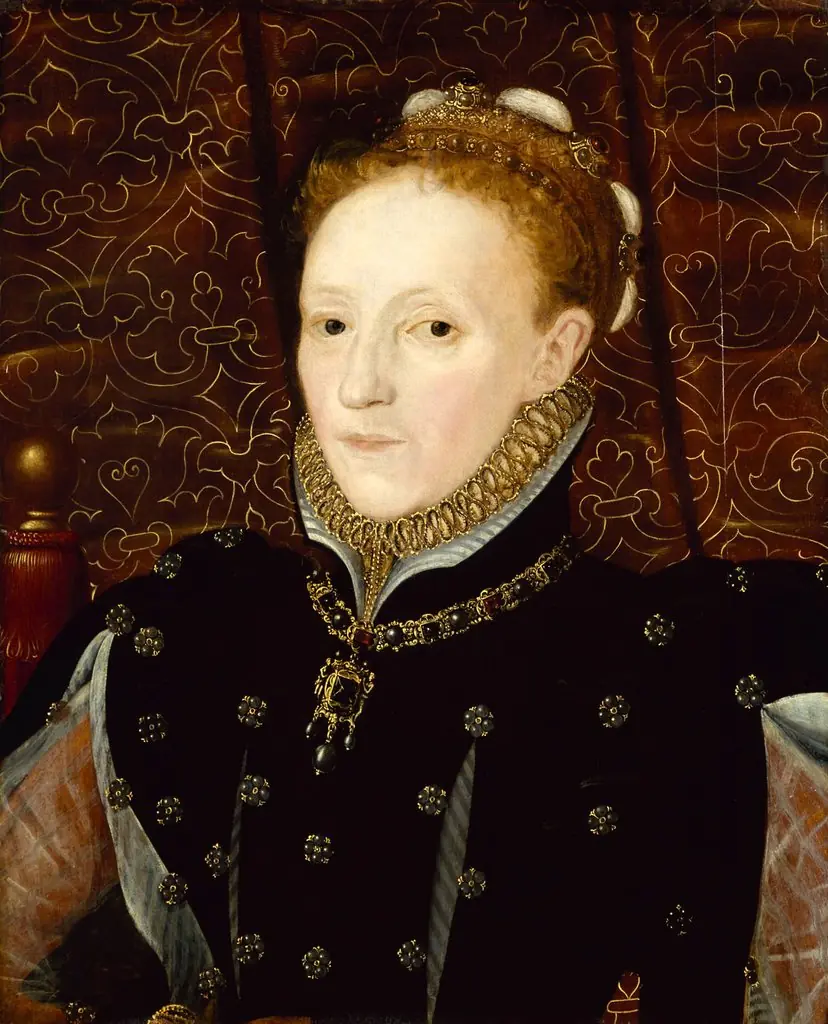 Elizabeth I
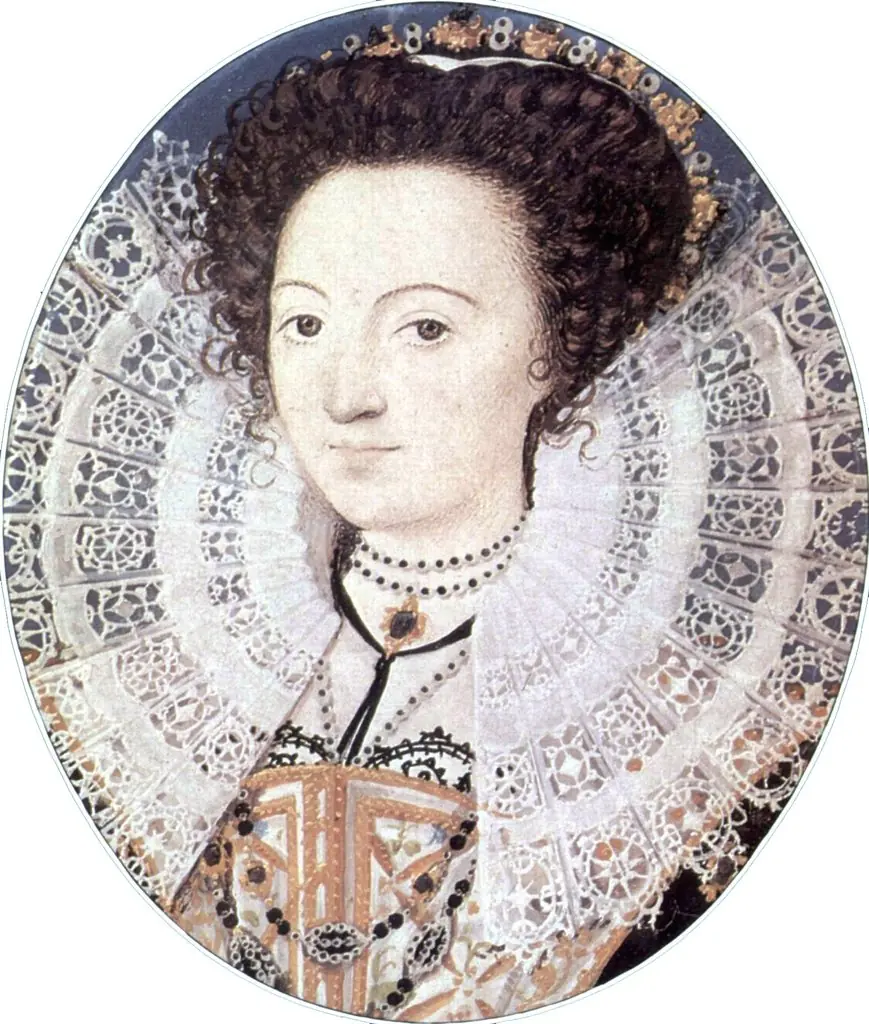 An Unknown Woman
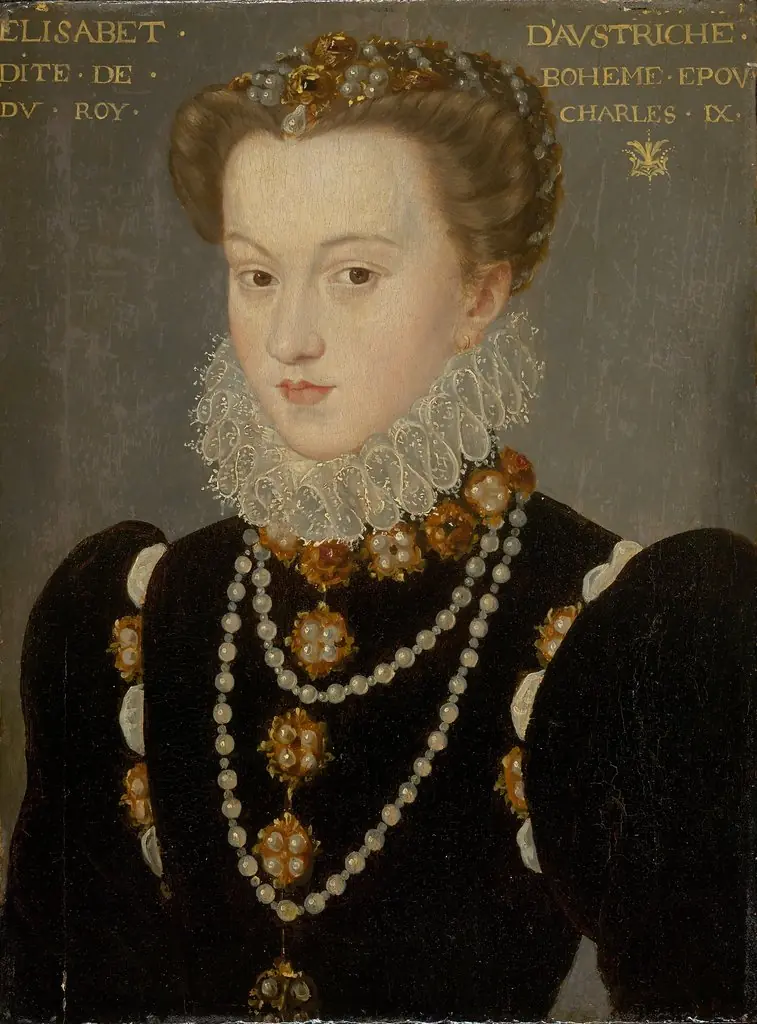 Portrait of Elizabeth of Austria, Wife of King Charles IX of France
 Portrait of Elizabeth of Austria, Wife of King Charles IX of France
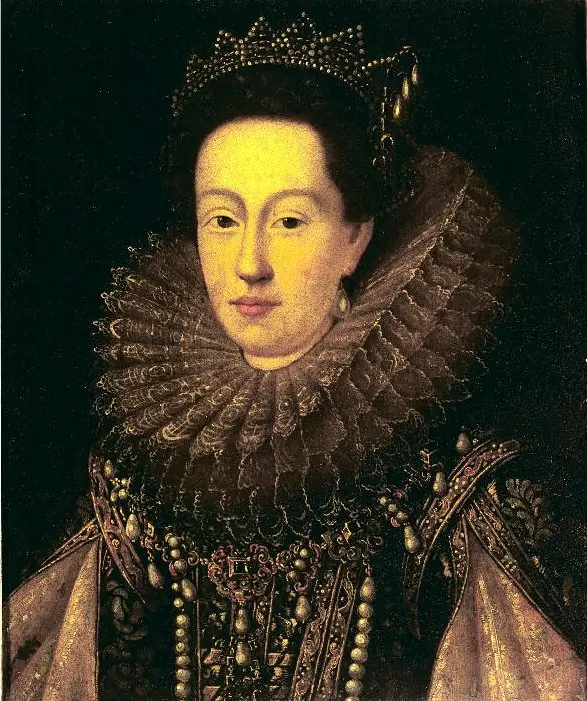 Portrait of a Lady (possibly Margaret of Savoy)
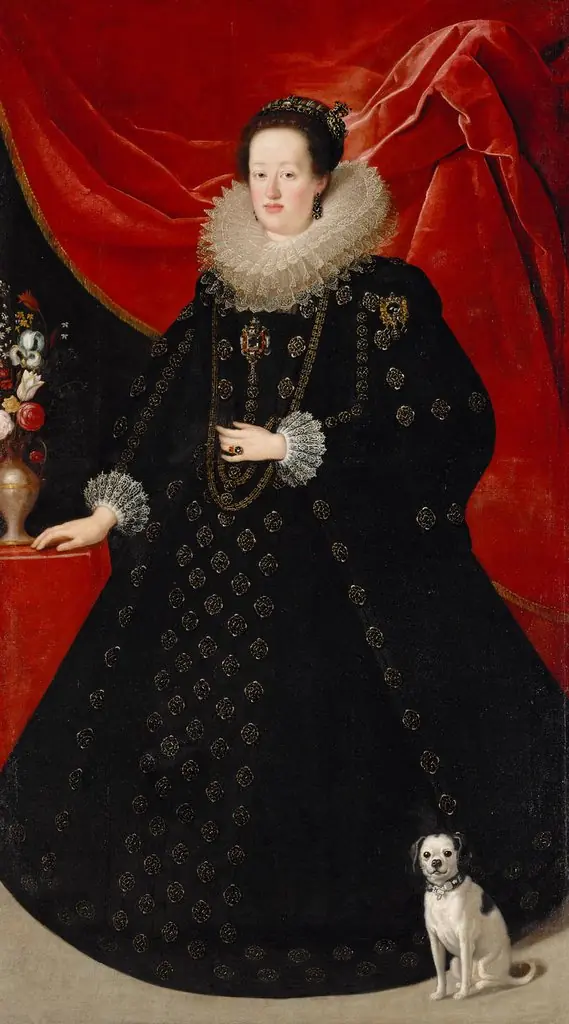 Portrait of Eleonore von Gonzaga (1598-1655), Empress in Black Dress
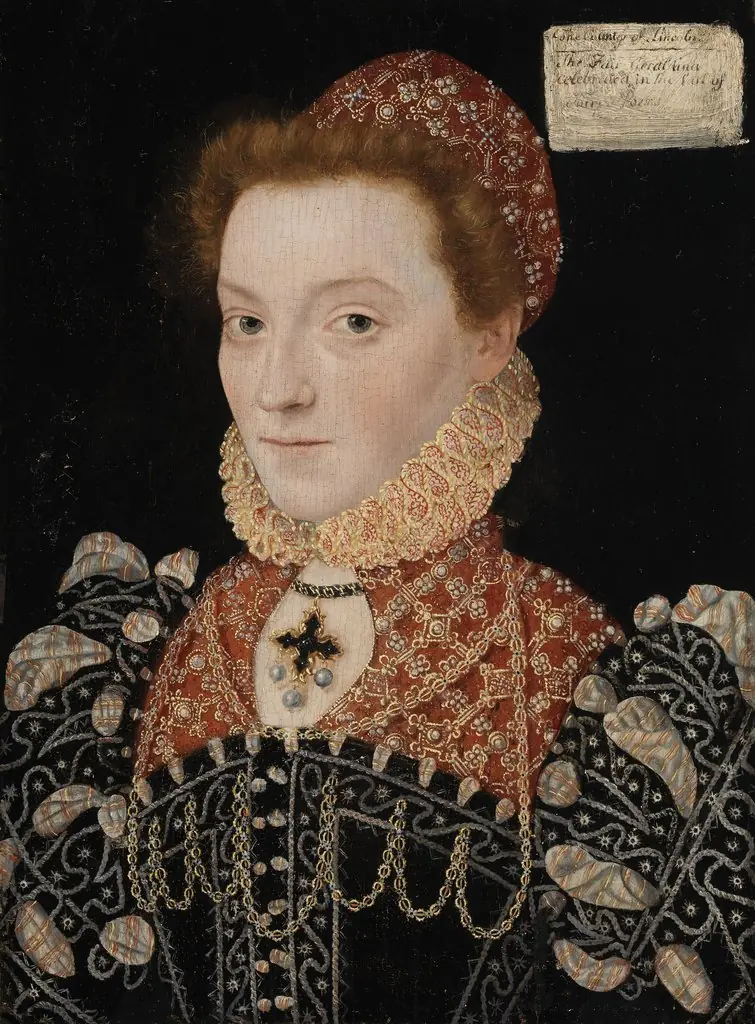 Portrait of 'The Fair Geraldine' (Elizabeth Fitzgerald, Countess of Lincoln, c1528-1590)
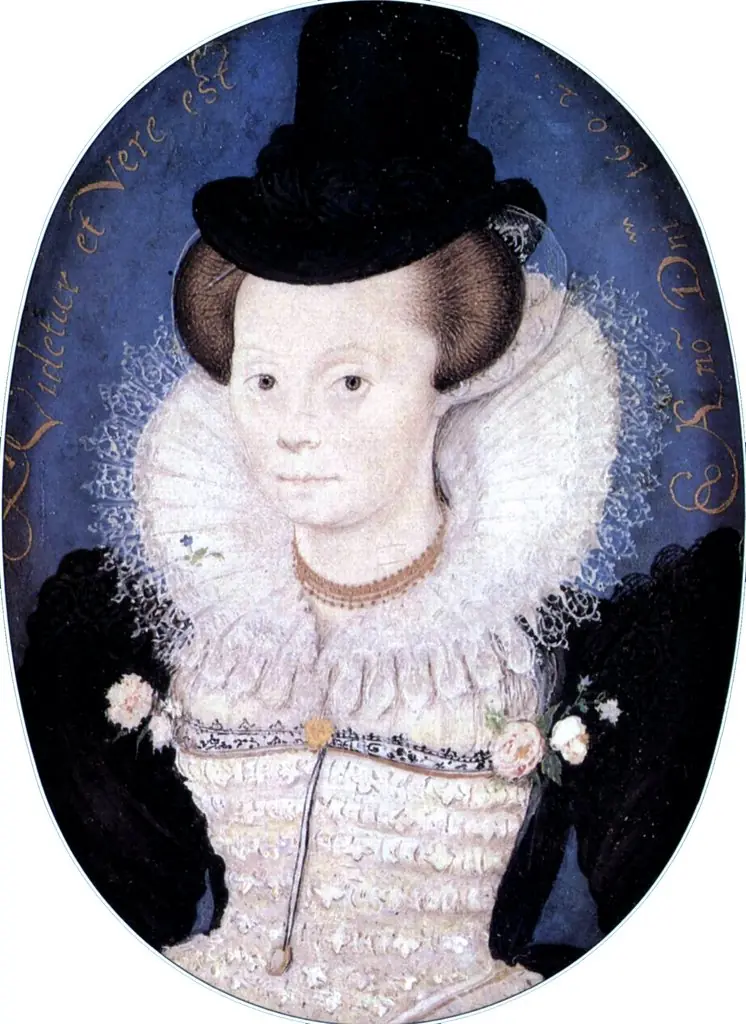 An Unknown Woman
 Alice Brandon, Mrs Hilliard