Artwork
The temptation of Saint Anthony
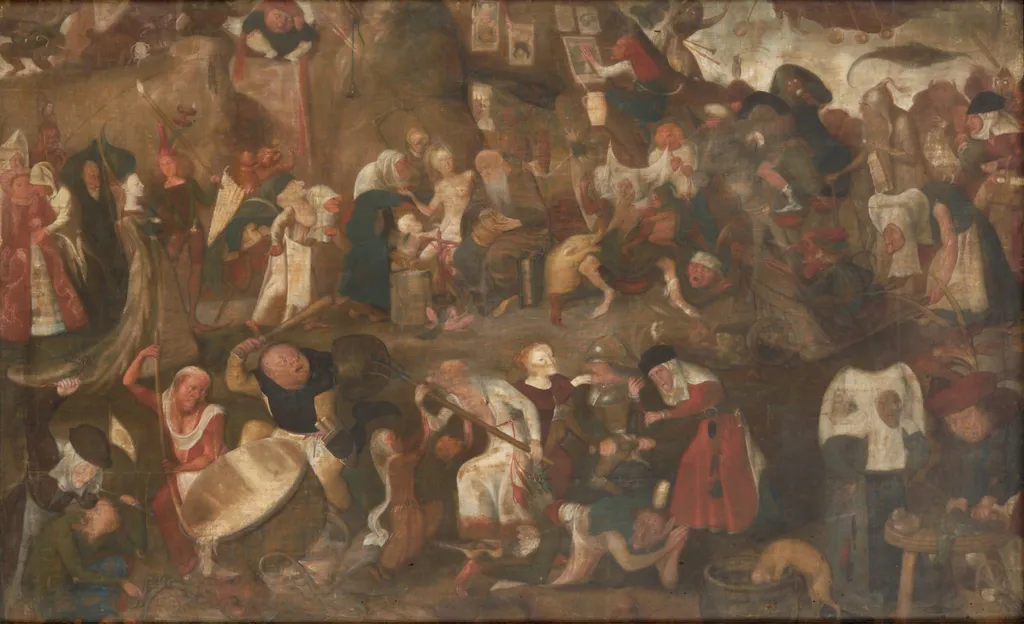
The temptation of Saint Anthony is an unspecified painting by the Flemish Baroque painting artist Frans Verbeeck. It is held in the collection of the Kunsthistorisches Museum.
About this work
Overview
The Temptation of Saint Anthony is a 17th-century Flemish Baroque painting created by Frans Verbeeck around 1650. Characterized by a densely populated and dynamic composition, the work depicts a chaotic scene with a predominance of earthy tones.
Subject & Meaning
At the center of the painting is Saint Anthony, a figure renowned for withstanding demonic temptations. The surrounding tumultuous crowd of humans and bizarre creatures visually embodies the saint's ordeal, conveying a moralizing theme through the contrast of fear, anger, and devotion among the figures.
Technique & Style
Verbeeck's style, marked by fantastical and grotesque elements, is evident in the painting's busy, nightmare-like atmosphere. The use of earthy browns, reds, and whites contributes to the overall sense of intensity and chaos, highlighting the artist's ability to convey emotional depth through color and composition.
History & Provenance
Created within the Verbeeck family workshop in Mechelen, the painting's attribution to Frans Verbeeck is notable despite the workshop's shared stylistic traits. It is currently part of the Kunsthistorisches Museum's collection.
Artist & collection
Artist
Frans Verbeeck or Frans Verbeeck the Elder (c. 1510 – 24 July 1570, Mechelen) was a Flemish painter and draughtsman to whom have been attributed a number of works depicting fantastical and grotesque scenes carrying a…

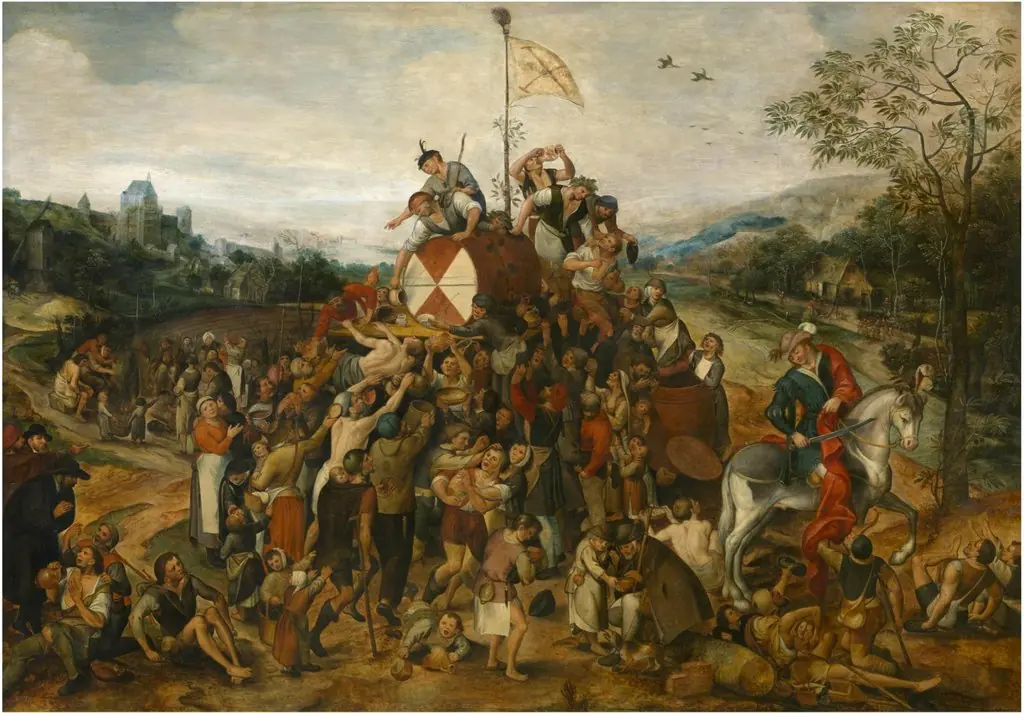 Saint Martin's Day
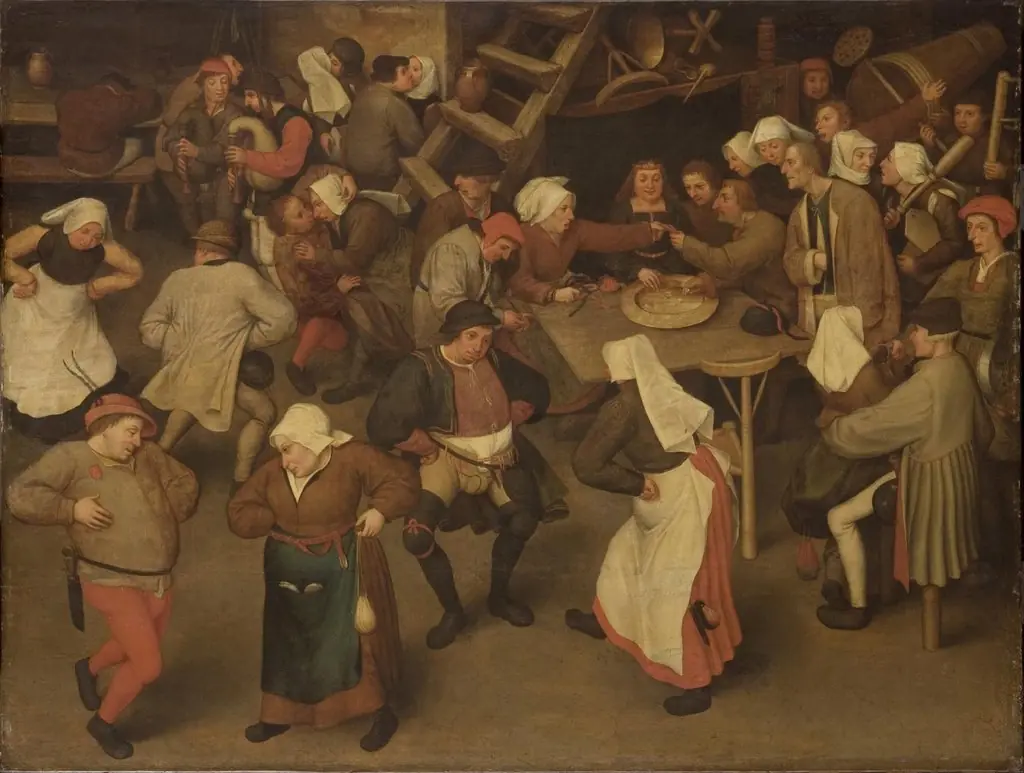 Wedding Dance
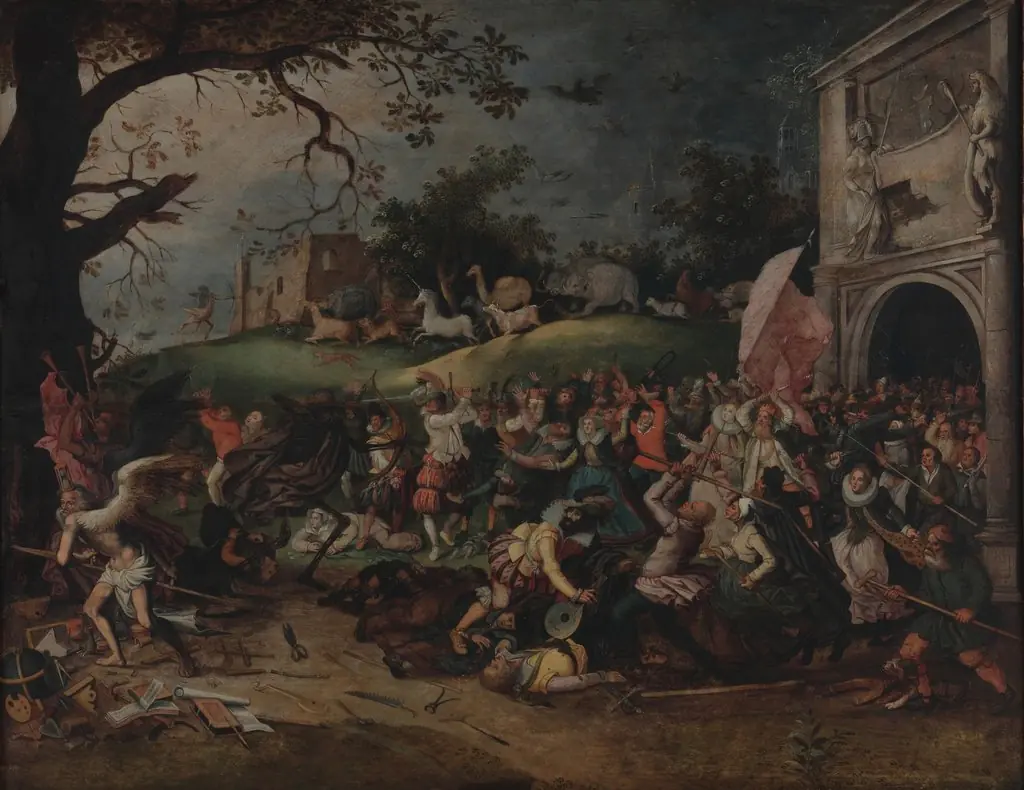 The fight against death and time
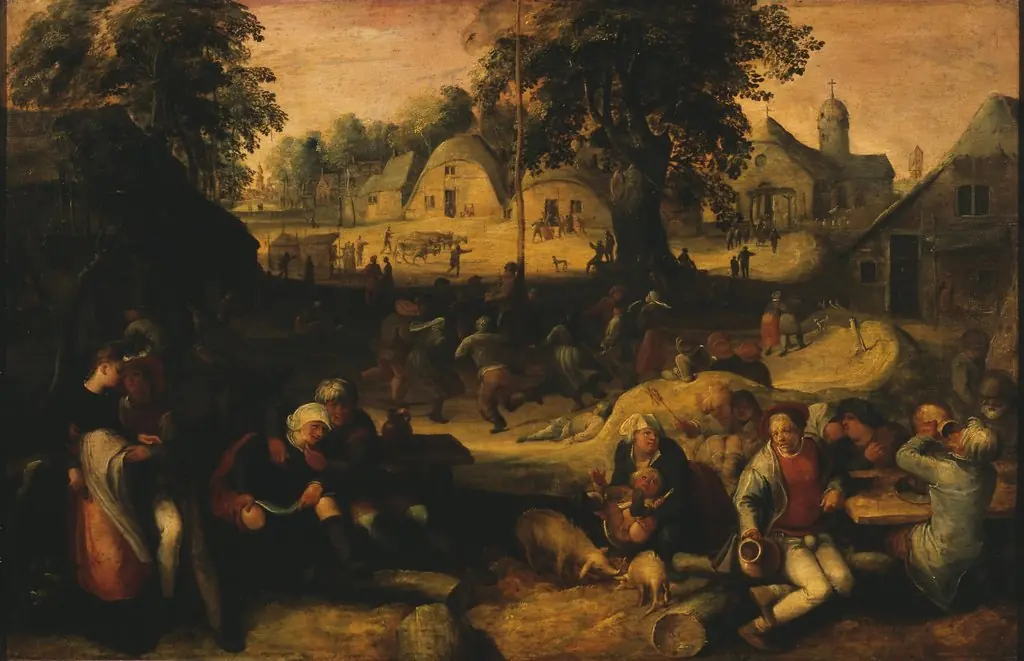 Rural Feast (Kermess)
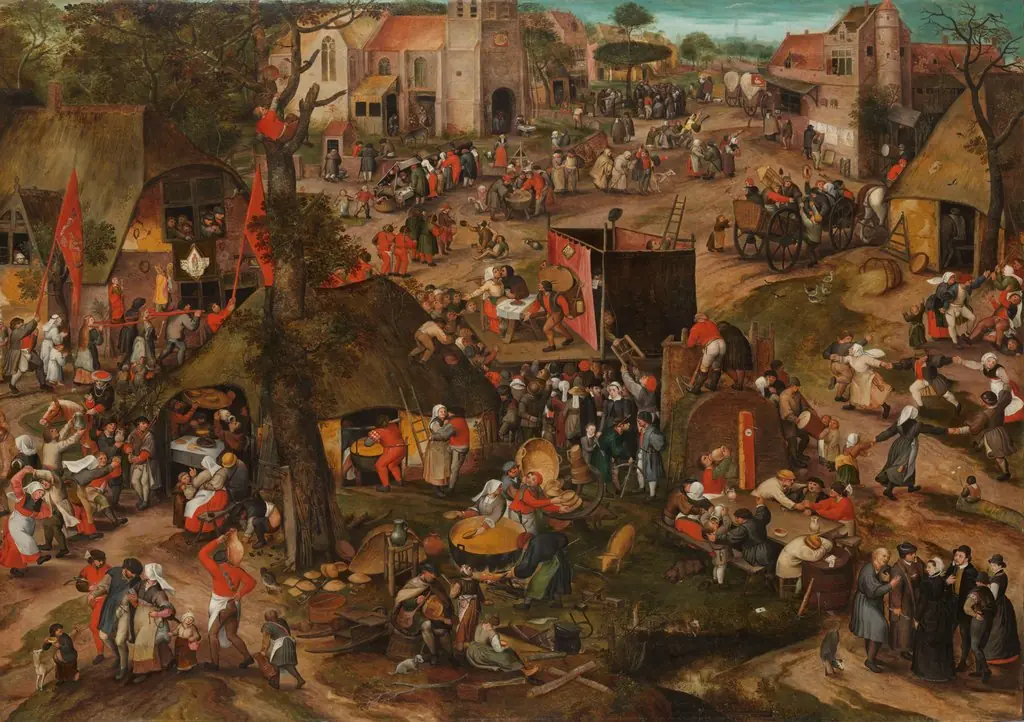 A Performance of the Farce 'Een Cluyte van Plaeyerwater' (A Clod from Plaeyerwater) at a Flemish Kermis
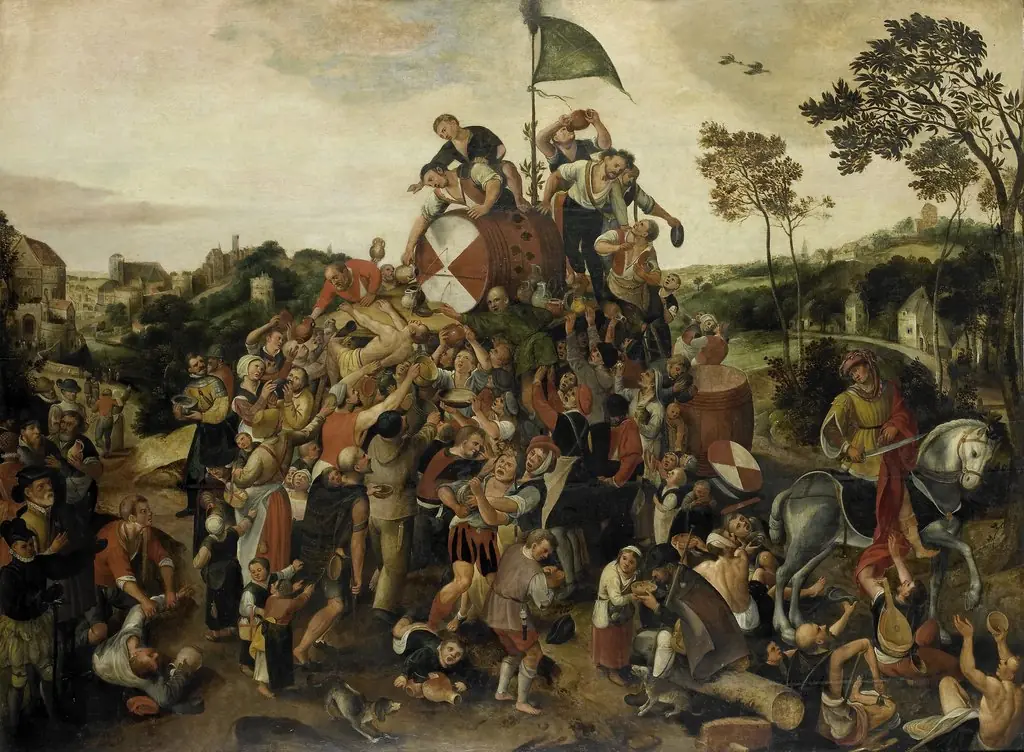 The St Martin's Day Kermis
 A Flemish Kermis with a Performance of the Farce ‘Een cluyte van Plaeyerwater’
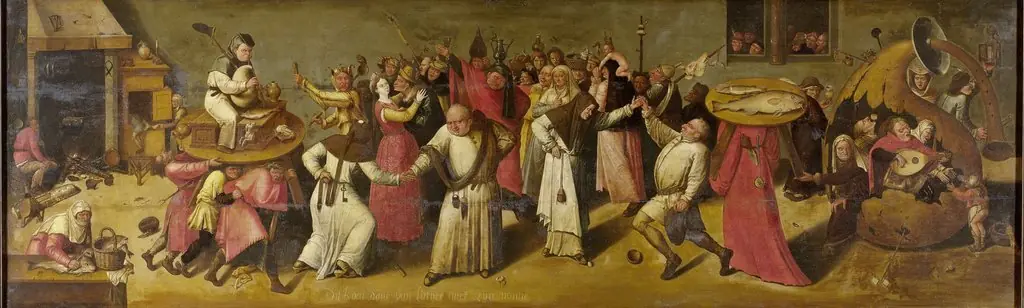 The battle between Carnival and Lent
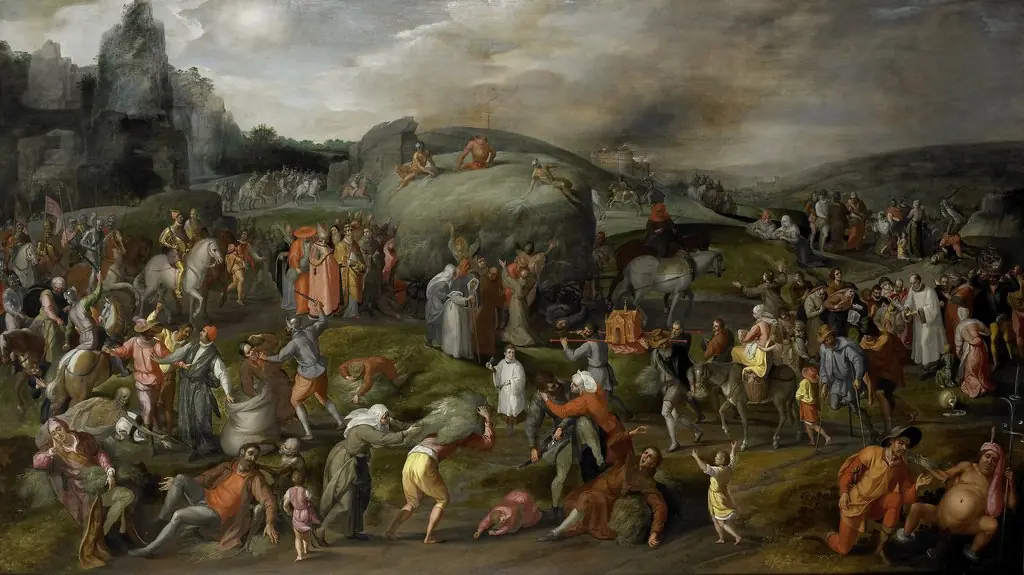 Allegory of Secular and Spiritual Abuses (Haywain: Allegory of Worldly and Ecclesiastical Abuses)
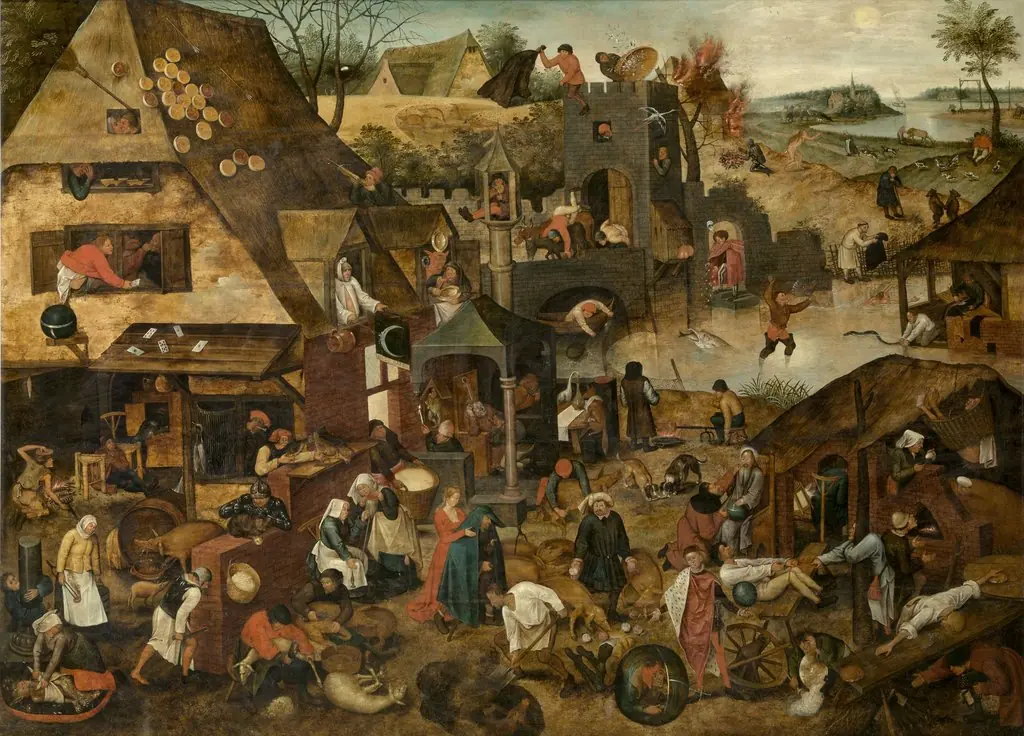 Proverbs
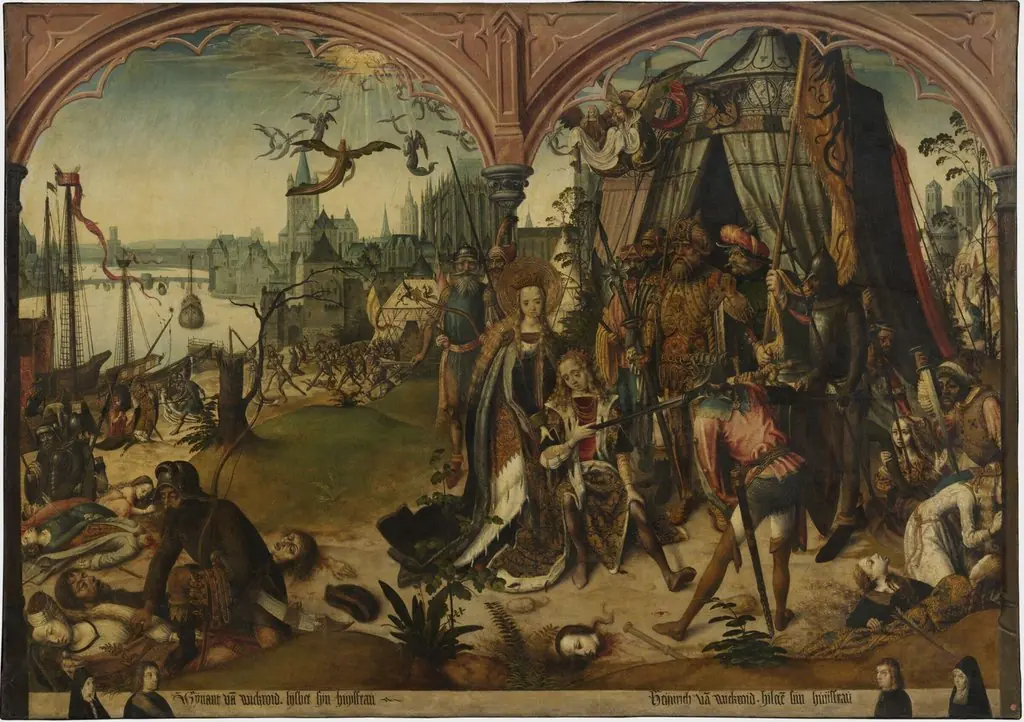 The Martyrdom of Saint Ursula and the 11,000 Virgins
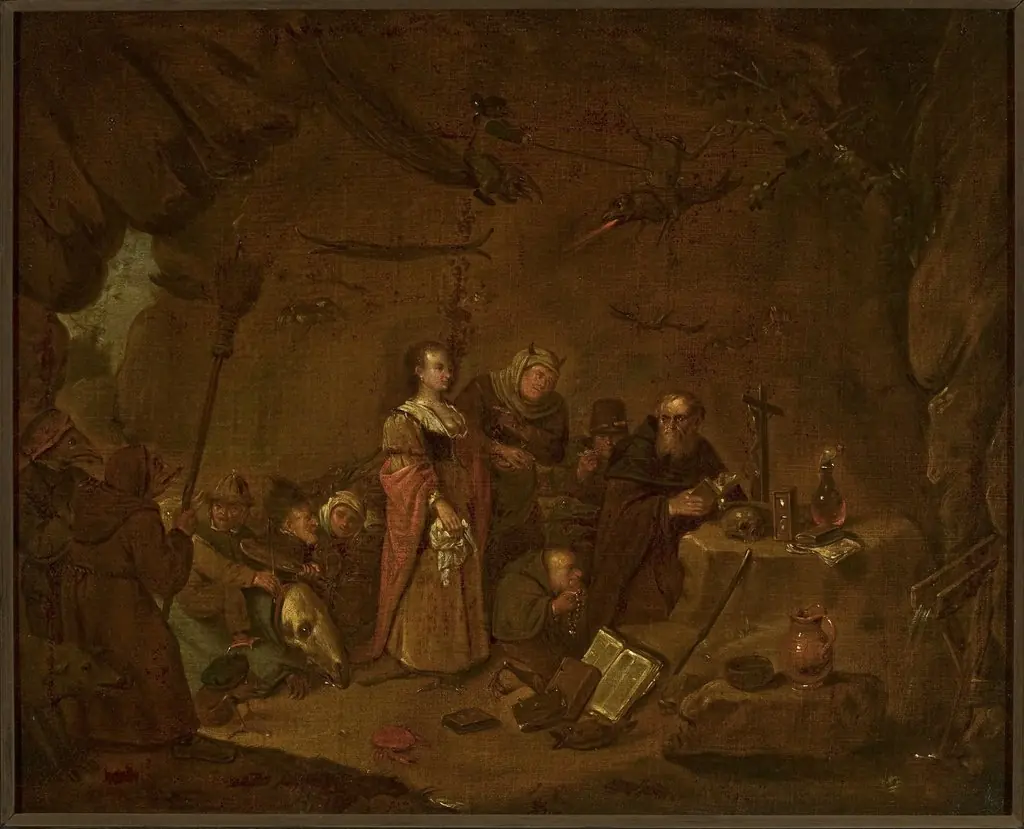 Temptation of St. Anthony