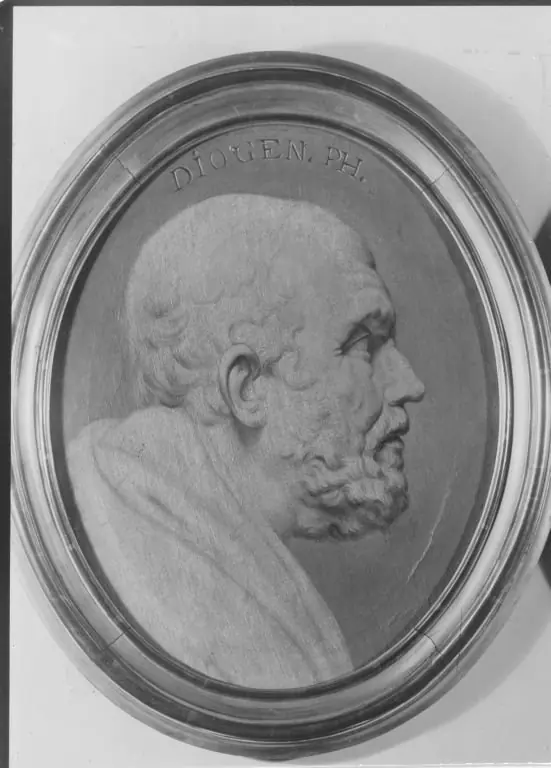
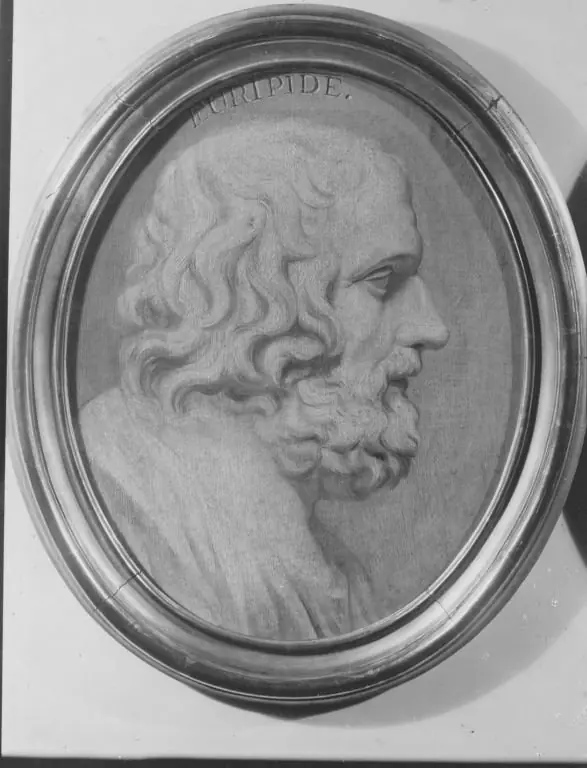
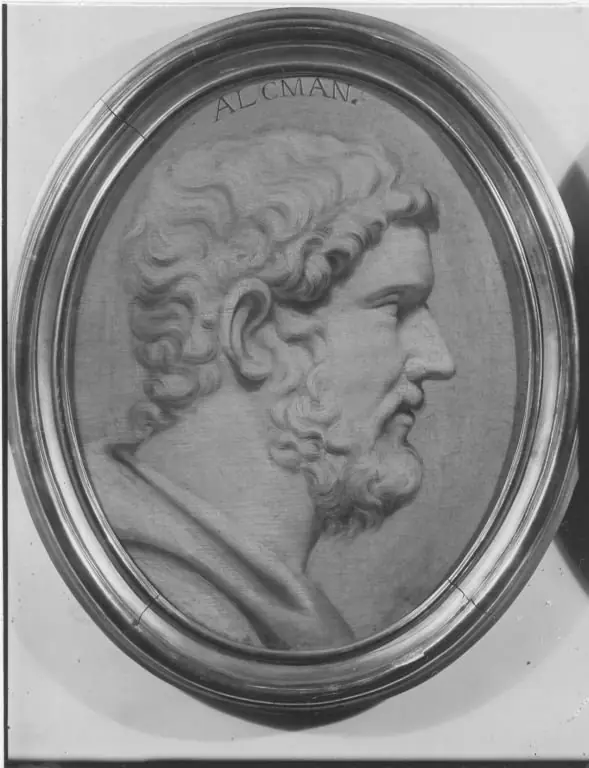
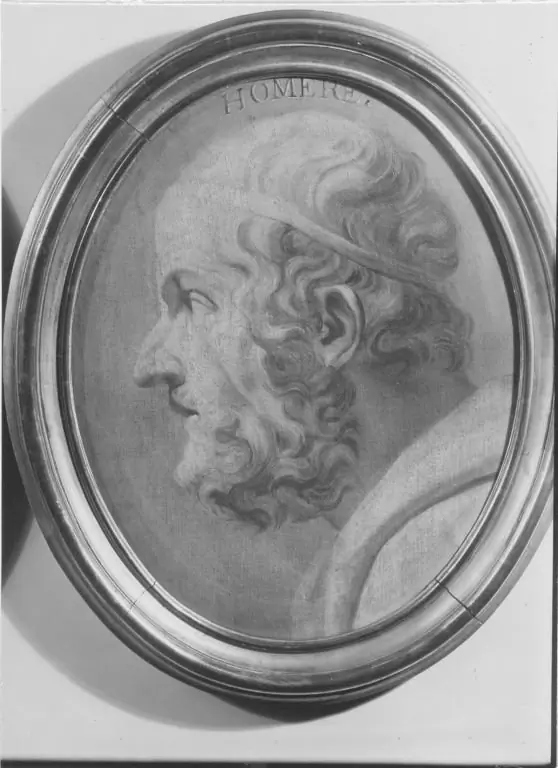
Artwork
Karneades, griechischer Philosoph aus Cyrene, 2. Jh. v. Chr.
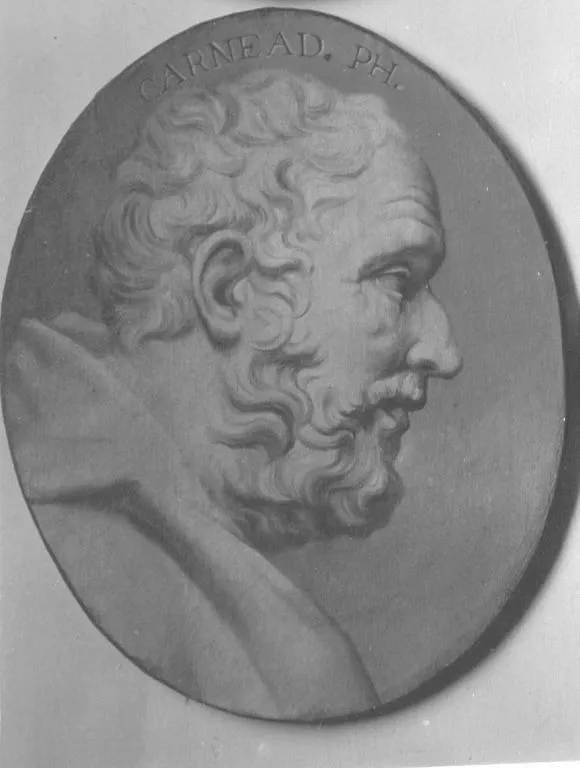
Karneades, griechischer Philosoph aus Cyrene, 2. Jh. v. Chr. is an unspecified painting by the Rococo painting artist Franz Anton von Leydensdorff. It dates from 1760 and is held in the collection of the Bavarian State Painting Collections.
About this work
Overview
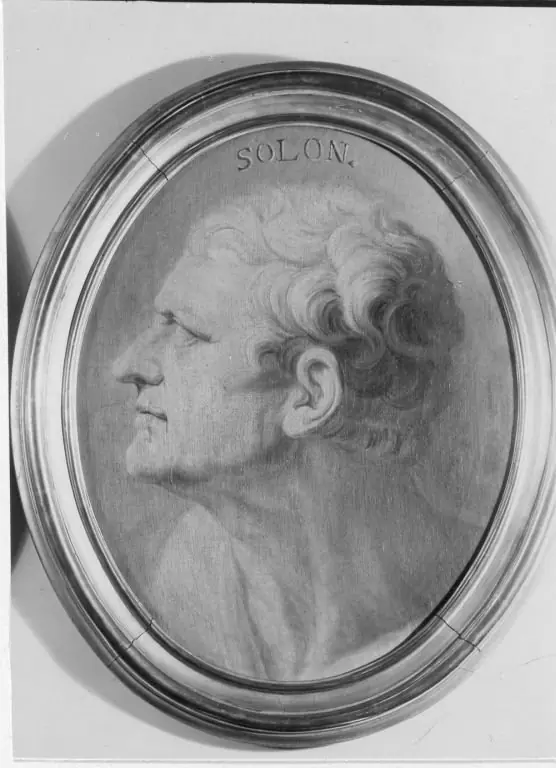
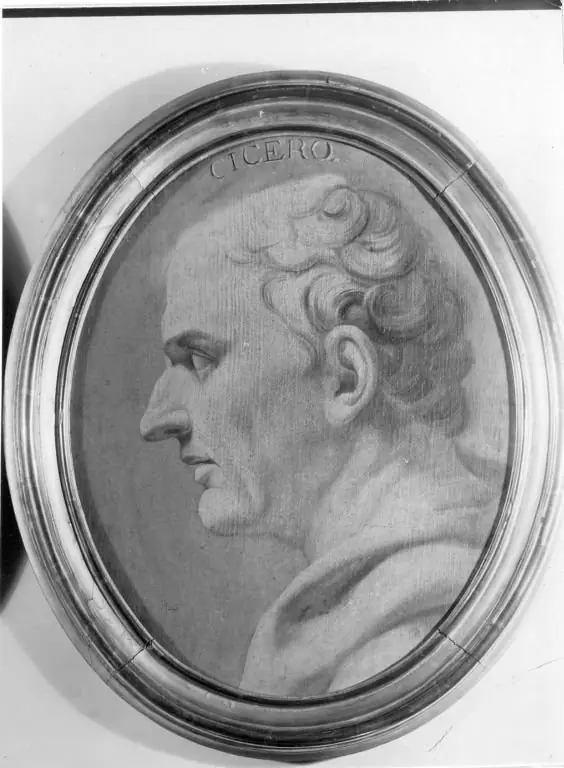
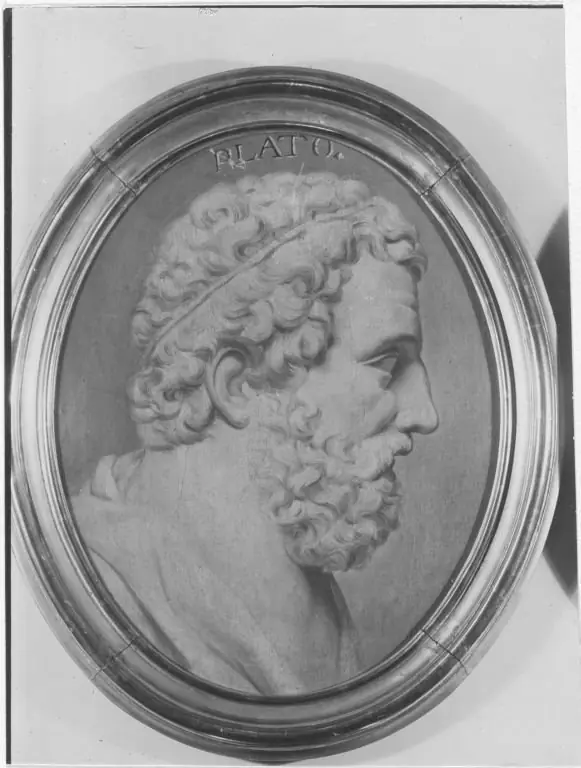
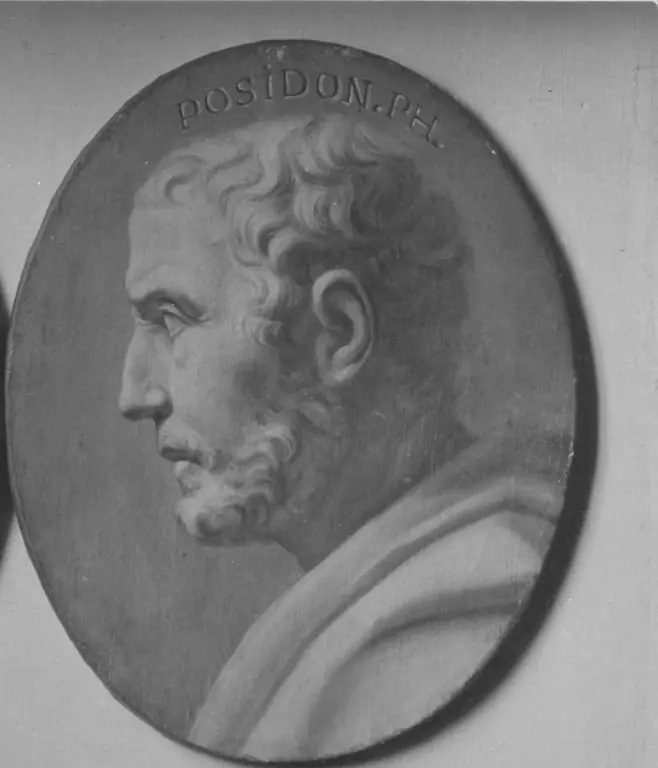
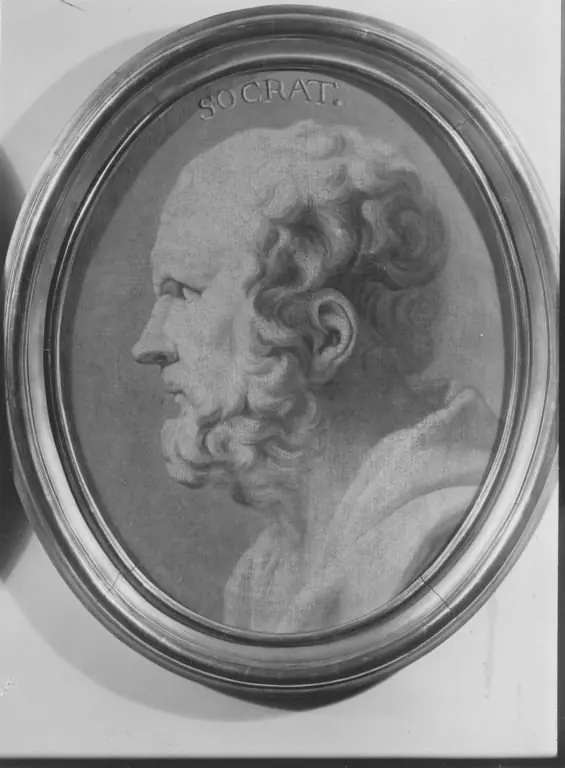
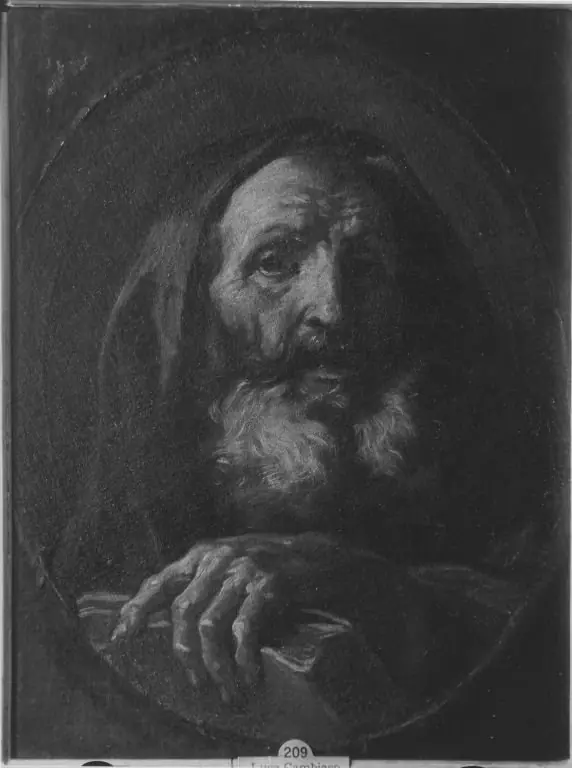
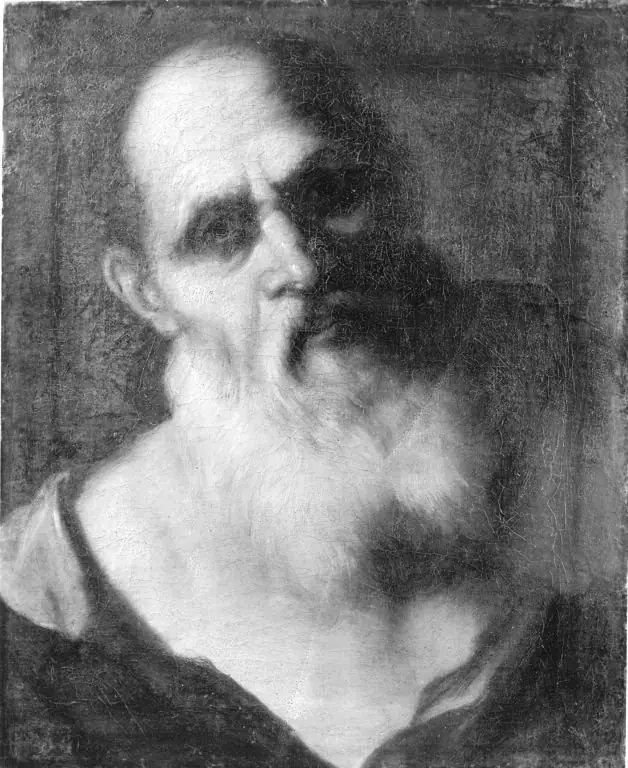
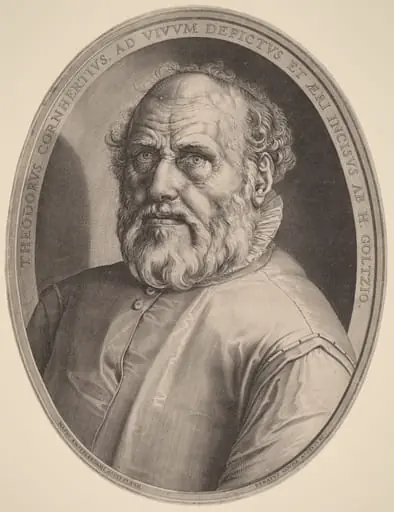
Painted in 1760 by Franz Anton von Leydensdorff, this portrait represents Karneades, a Hellenistic philosopher from Cyrene.
Painted in 1760 by Franz Anton von Leydensdorff, this portrait represents Karneades, a Hellenistic philosopher from Cyrene. The work is an oil on canvas, part of the Alte Pinakothek’s collection in Munich. It belongs to a tradition of scholarly portraiture that sought to evoke intellectual presence through restrained composition and focused attention on the sitter’s features, rather than narrative context.
Subject & Meaning
Karneades, a leading figure of the New Academy, was known for his skeptical philosophy and rhetorical skill. The portrait captures him in a moment of introspection, his downward gaze and solemn expression suggesting deep thought rather than outward engagement. The choice to depict him without attributes or setting emphasizes his intellectual identity over social status, aligning with Enlightenment ideals of reason and inner life.
Technique & Style
Leydensdorff employs a muted palette and soft modeling to render the philosopher’s face with quiet precision. The textured curls of hair and thick beard are rendered with delicate brushwork, contrasting with the flat, neutral background that isolates the figure. The high collar of the coat and the slight upward tilt of the head lend a sense of dignity, while the absence of decorative elements reinforces the portrait’s contemplative tone.
History & Provenance
The painting was completed in 1760 and entered the collection of the Alte Pinakothek in Munich, where it remains today. It likely originated as part of a series of portraits of ancient thinkers commissioned during the 18th century, when classical philosophy was being revived in academic circles. Its preservation reflects the period’s interest in visualizing historical intellects as moral and philosophical exemplars.
Context
In the mid-18th century, European artists and scholars increasingly turned to antiquity for models of rational thought. Portraits of ancient philosophers like Karneades were not merely historical reconstructions but tools for contemporary moral education. Leydensdorff’s work fits within this trend, aligning with Enlightenment values that prized critical inquiry and intellectual humility over dogma.
Legacy
Though Leydensdorff is not widely known today, this portrait endures as a quiet example of how Enlightenment-era artists engaged with classical heritage. It contributes to a broader visual archive of ancient thinkers, offering a restrained, psychologically nuanced interpretation that avoids romanticism. The work continues to serve as a reference for the visual representation of philosophical character in European art.
Artist & collection
Artist
Here’s a plain-language version that sticks to hard facts: Franz Anton von Leydensdorff painted still lifes in the 1760s.