Artwork
Homer
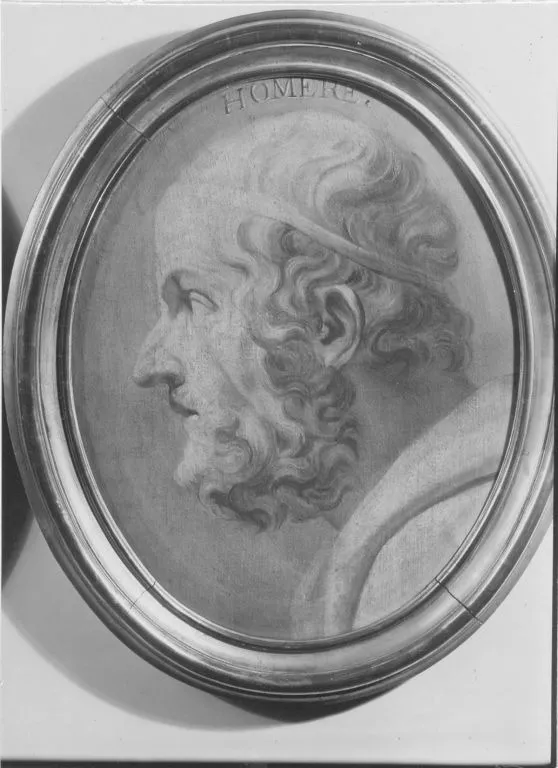
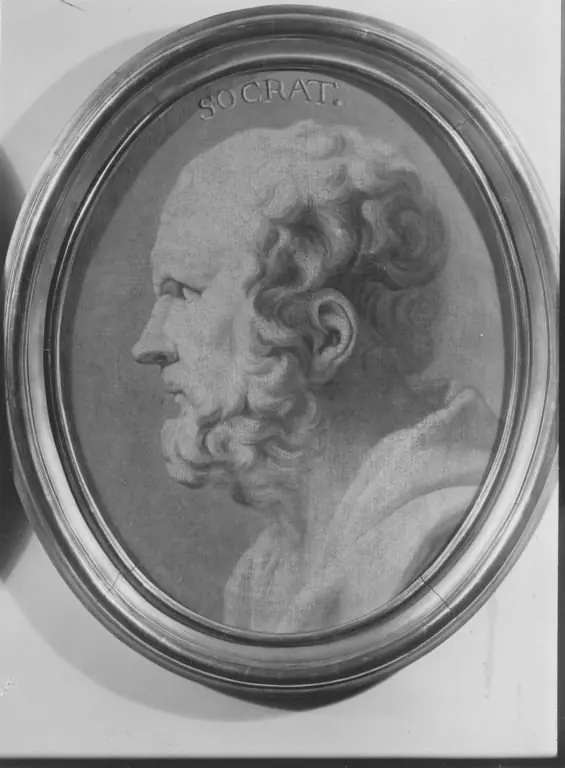
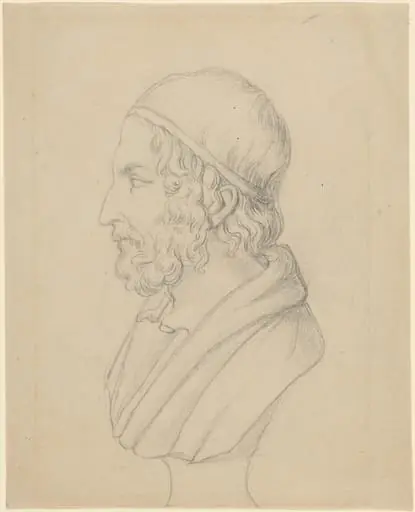
Homer is an unspecified painting by the Rococo painting artist Franz Anton von Leydensdorff. It dates from 1760 and is held in the collection of the Bavarian State Painting Collections.
About this work
Overview
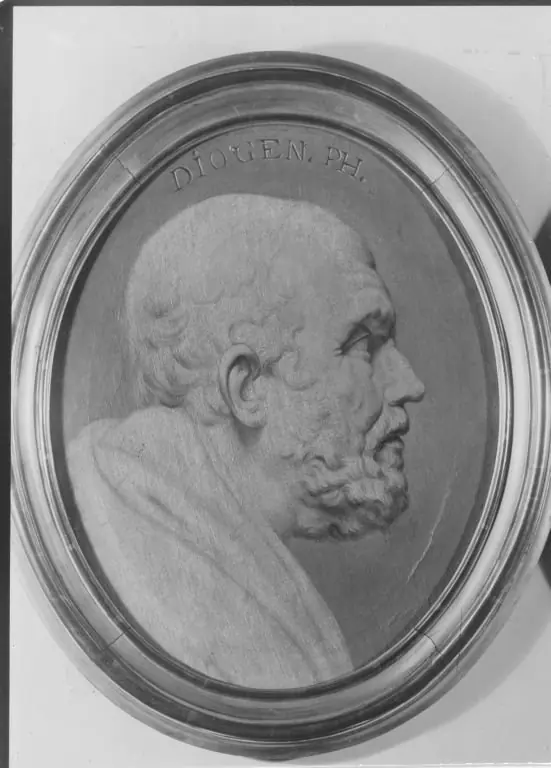
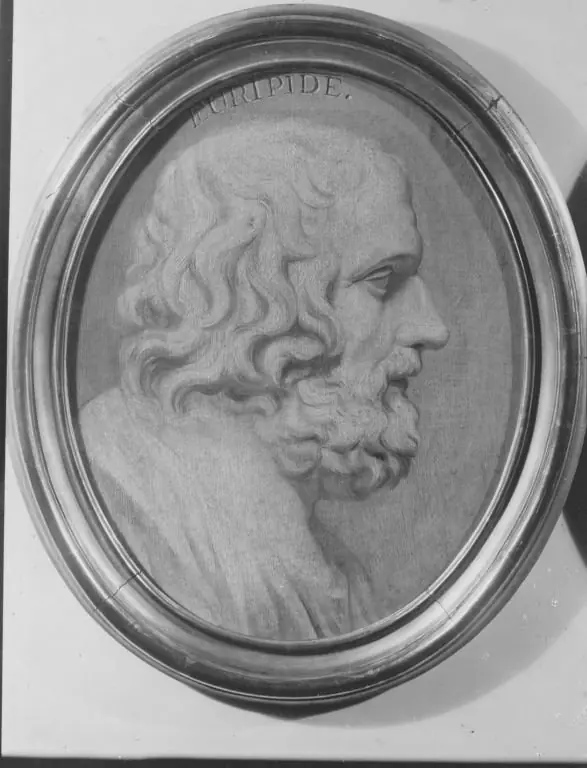
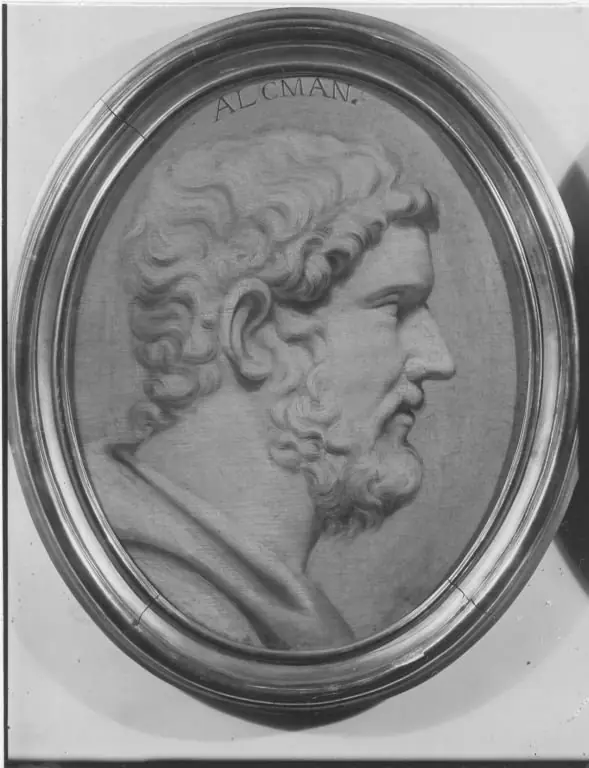
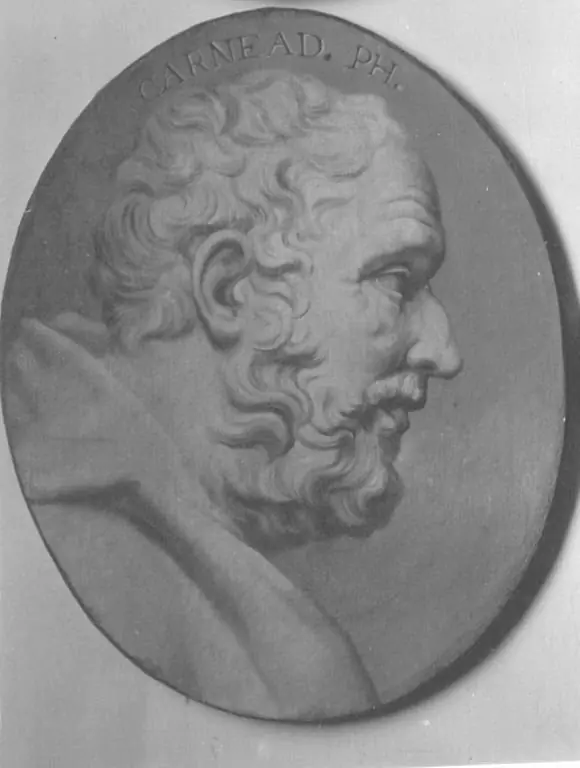
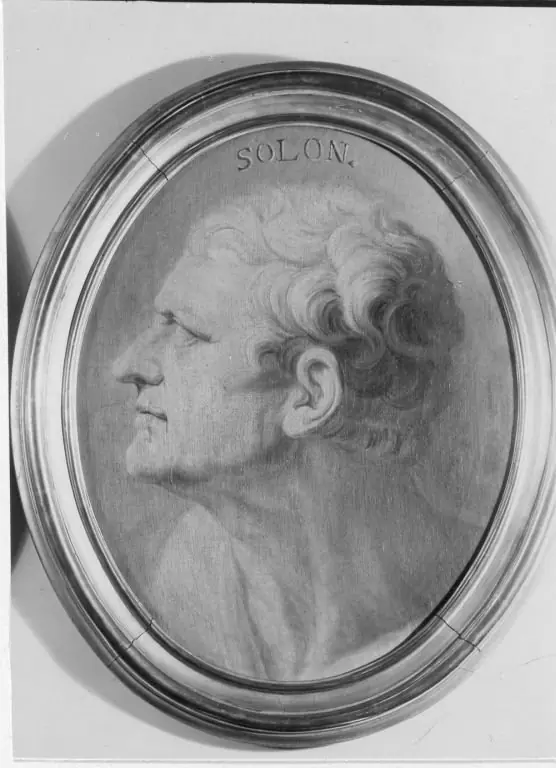
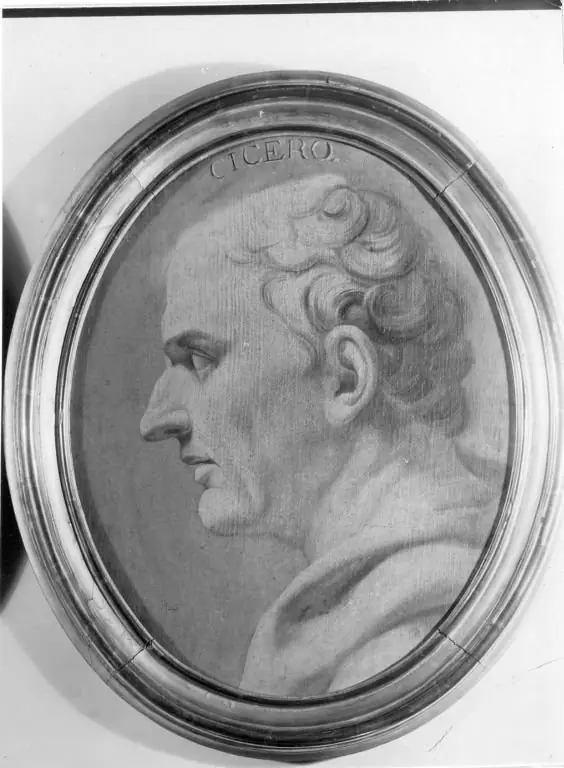
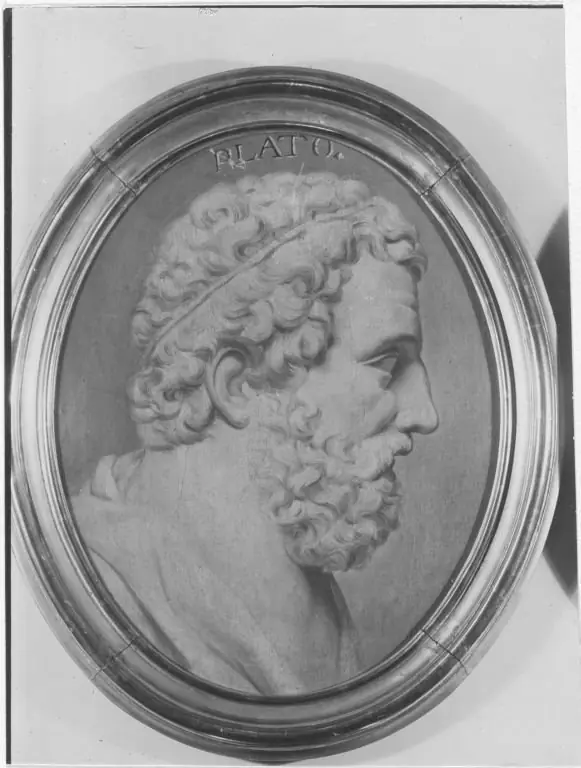
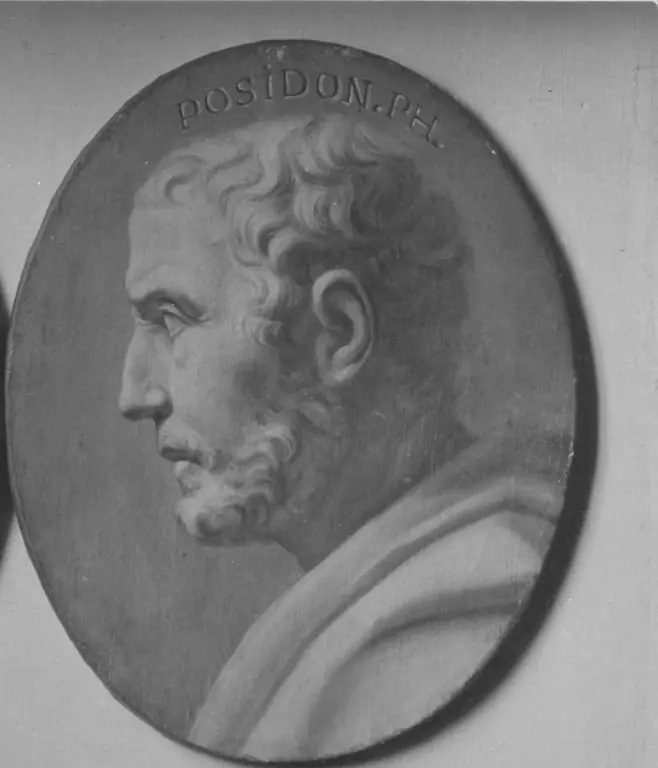
Created in 1760, this portrait by Franz Anton von Leydensdorff is part of the collection of the Alte Pinakothek. Executed in monochrome, it presents a half‑length view of a male sitter, rendered with a restrained palette that emphasizes form over colour.
Subject & Meaning
The figure is depicted from the shoulders up, his curly hair and full beard gathered beneath a simple headband. He turns his head to the left, eyes lowered, a pose that suggests contemplation or modesty, typical of portrait conventions that aim to convey the sitter’s character rather than narrative action.
Technique & Style
Leydensdorff employs soft, flowing lines to model the hair and beard, creating a subtle gradation of tone against a plain background. The limited tonal range highlights the delicate handling of light and shadow, while the lack of decorative detail focuses attention on the sitter’s facial expression.
History & Provenance
Since its creation in the mid‑18th century, the work has remained in German collections, eventually entering the Alte Pinakothek’s holdings. Its attribution to Leydensdorff is supported by museum records, confirming the painting’s provenance and its place within the artist’s modest output of portraiture.
Artist & collection
Artist
Here’s a plain-language version that sticks to hard facts: Franz Anton von Leydensdorff painted still lifes in the 1760s.