Artwork
Solon
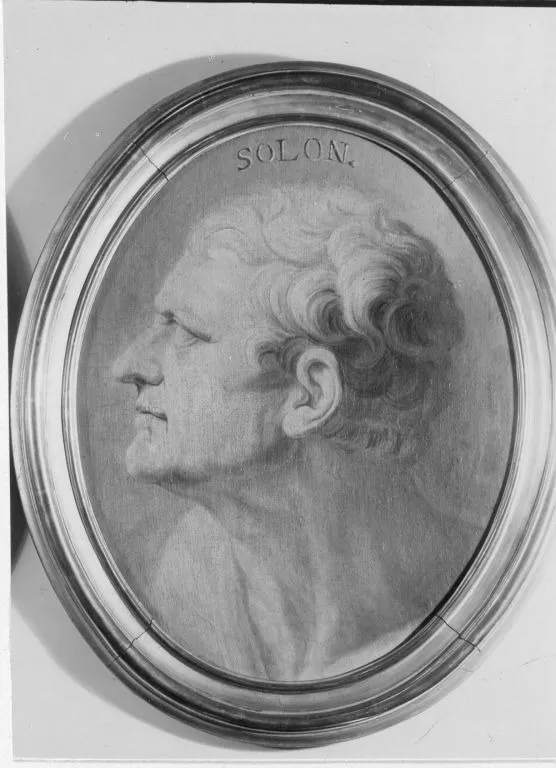
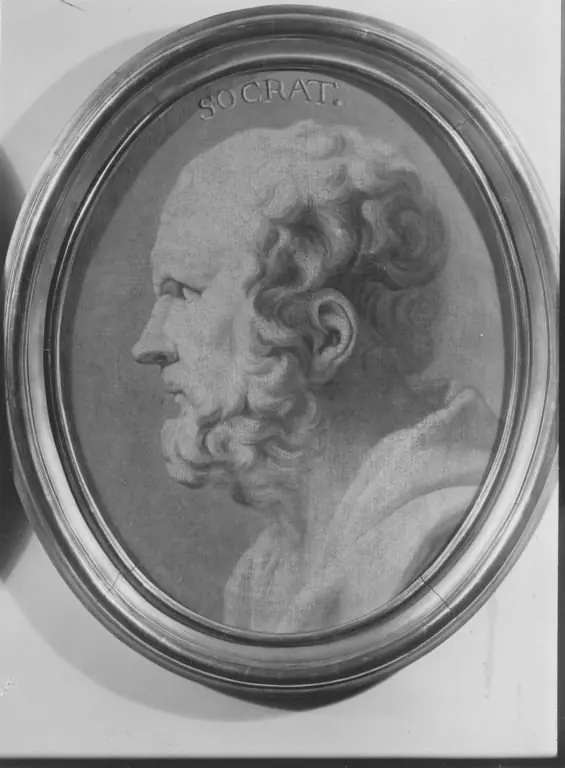
Solon is an unspecified painting by the Rococo painting artist Franz Anton von Leydensdorff. It dates from 1760 and is held in the collection of the Bavarian State Painting Collections.
About this work
Overview
This portrait, dated 1760, is attributed to Franz Anton von Leydensdorff and is part of the Alte Pinakothek’s collection.
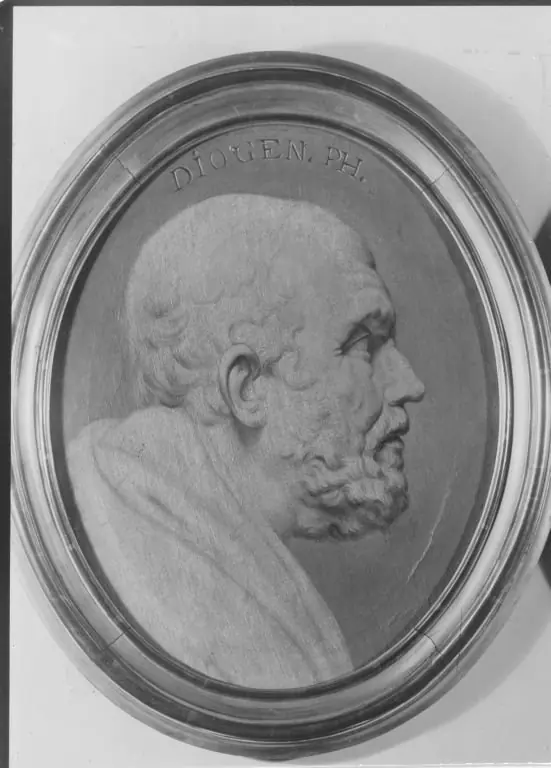
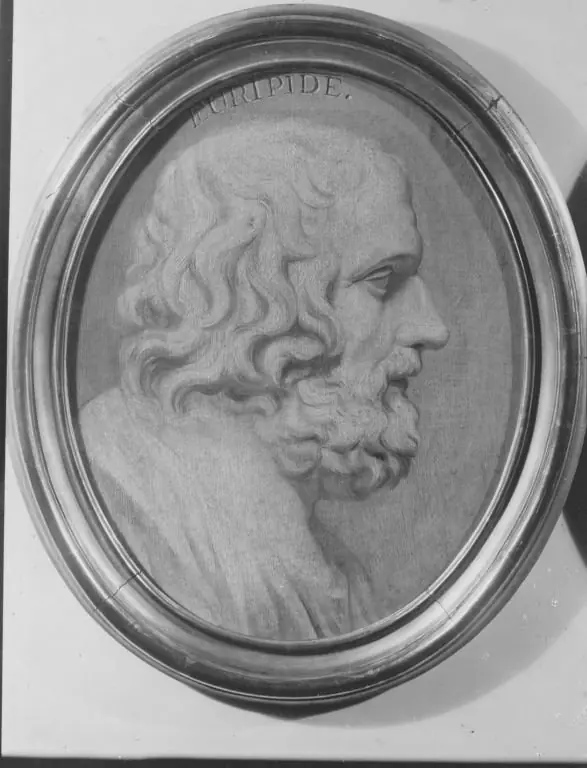
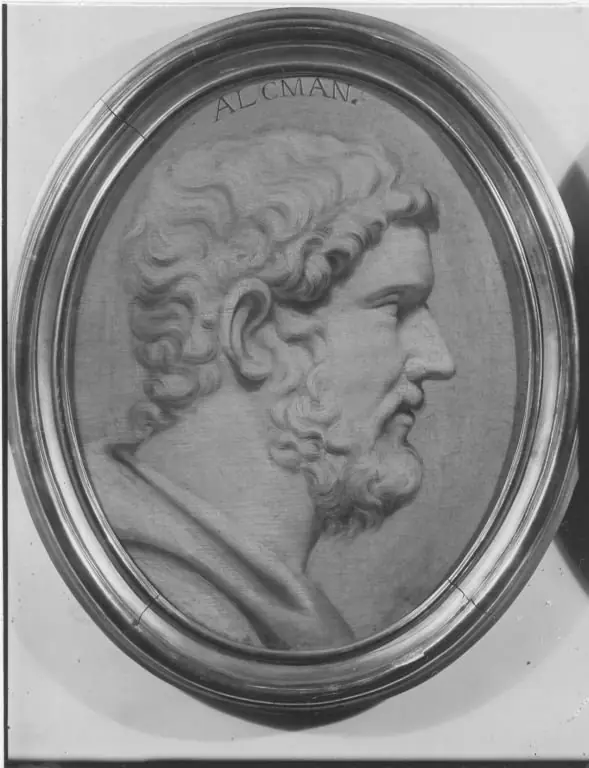
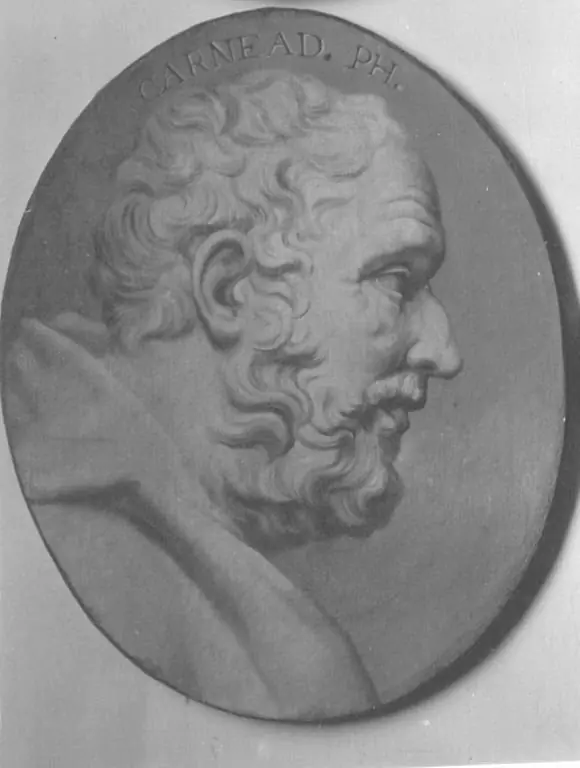
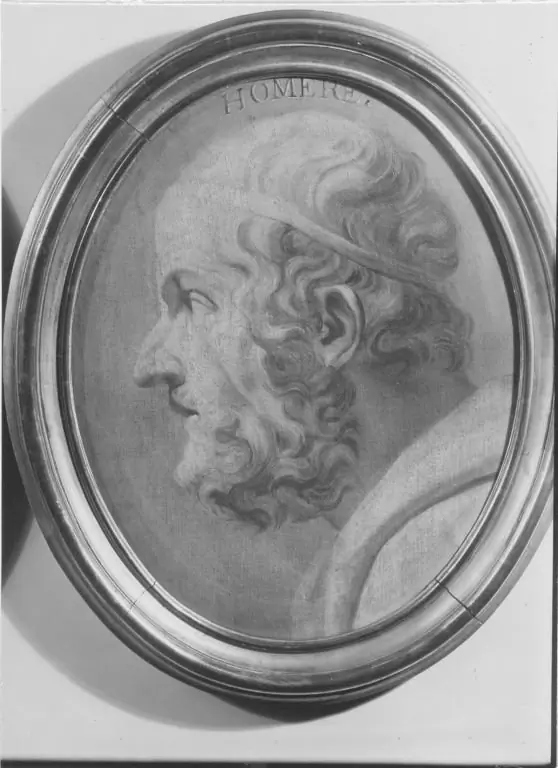
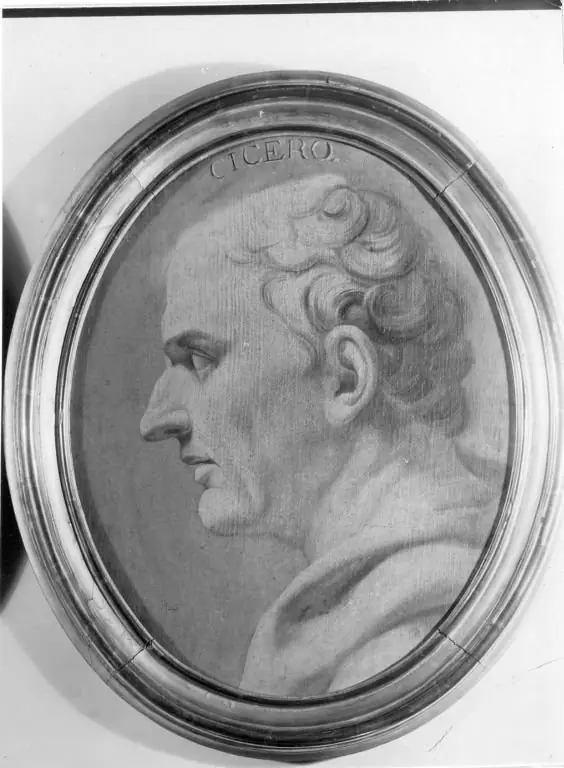
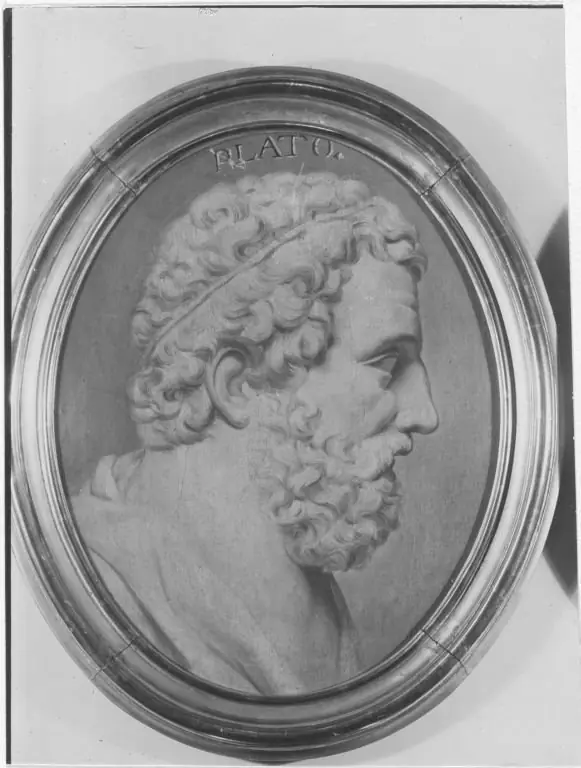
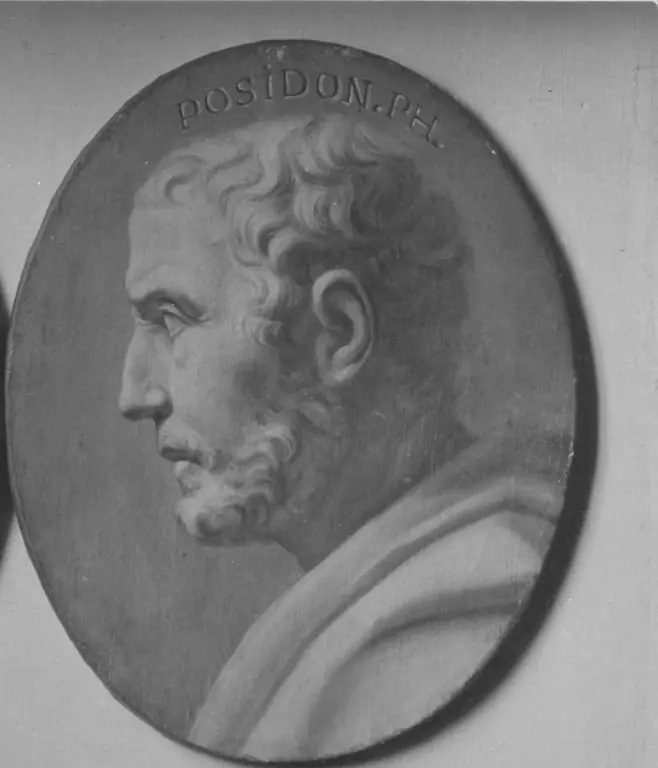
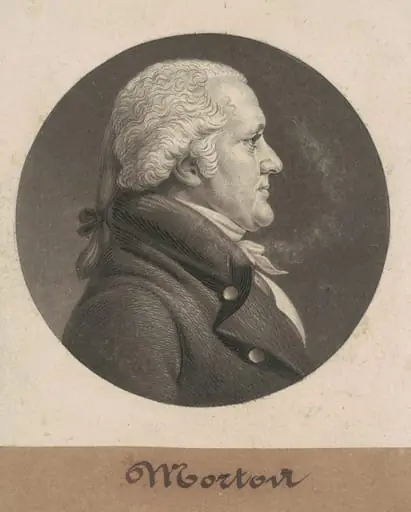
This portrait, dated 1760, is attributed to Franz Anton von Leydensdorff and is part of the Alte Pinakothek’s collection. Rendered in monochrome, it depicts a man in profile with tightly curled hair, framed within a circular border. The absence of a background and the restrained tonal range emphasize the subject’s facial structure and texture, reflecting a preference for quiet, focused representation over ornate detail.
Subject & Meaning
The sitter is identified as Solon, the ancient Athenian lawgiver, though no definitive historical record confirms his identity. The choice of Solon suggests an intellectual or civic ideal, aligning the portrait with Enlightenment-era reverence for classical antiquity. The calm, unadorned presentation invites contemplation rather than celebration, positioning the figure as a symbol of wisdom rather than status.
Technique & Style
Executed in black and white, likely using chalk or graphite on paper, the work relies on subtle gradations to model the face and hair. The circular format confines attention to the profile, enhancing its sculptural quality. Details in the curls and jawline are rendered with precision, yet the overall composition avoids theatricality, favoring restraint and clarity over dramatic effect.
History & Provenance
The painting entered the Alte Pinakothek’s holdings in the 19th century, likely as part of a broader collection of portrait studies or classical allegories. Its attribution to von Leydensdorff is based on stylistic comparison and archival records, though little documentation exists regarding its original commission or early ownership. The work’s survival suggests it was valued as a study in form rather than a public monument.
Context
Created during the height of Enlightenment interest in classical antiquity, this portrait reflects a trend among European artists to revive ancient figures as moral or intellectual exemplars. Unlike grand historical paintings, this intimate study aligns with private collections that favored quiet, contemplative imagery. Its monochrome execution echoes engraved portraits popular in scholarly circles, bridging art and print culture.
Legacy
Though not widely exhibited or reproduced, the portrait remains a quiet example of 18th-century portraiture’s engagement with classical themes. It contributes to understanding how Enlightenment ideals were visualized in modest, non-commissioned works. Its preservation in a major museum underscores its role as a representative artifact of a broader cultural fascination with antiquity, rather than as an isolated artistic achievement.
Artist & collection
Artist
Here’s a plain-language version that sticks to hard facts: Franz Anton von Leydensdorff painted still lifes in the 1760s.