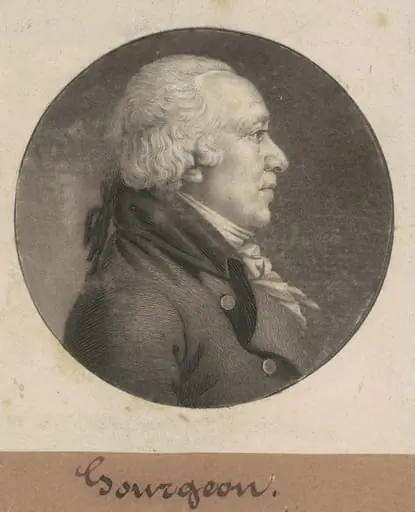
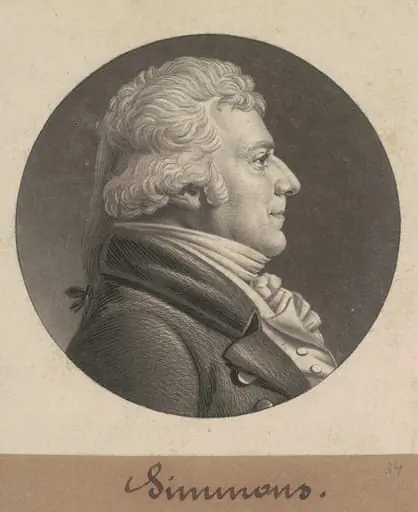
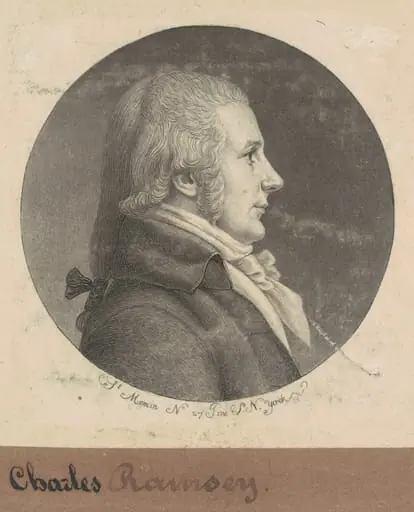
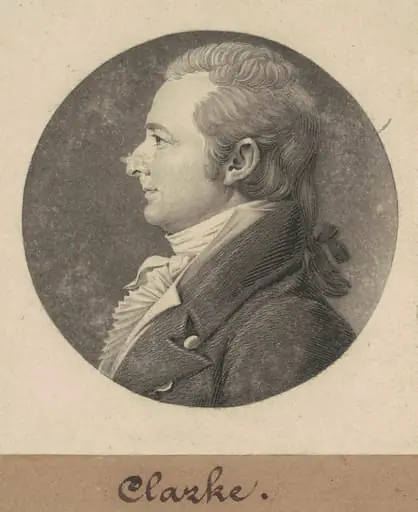
Artwork
Perez Morton
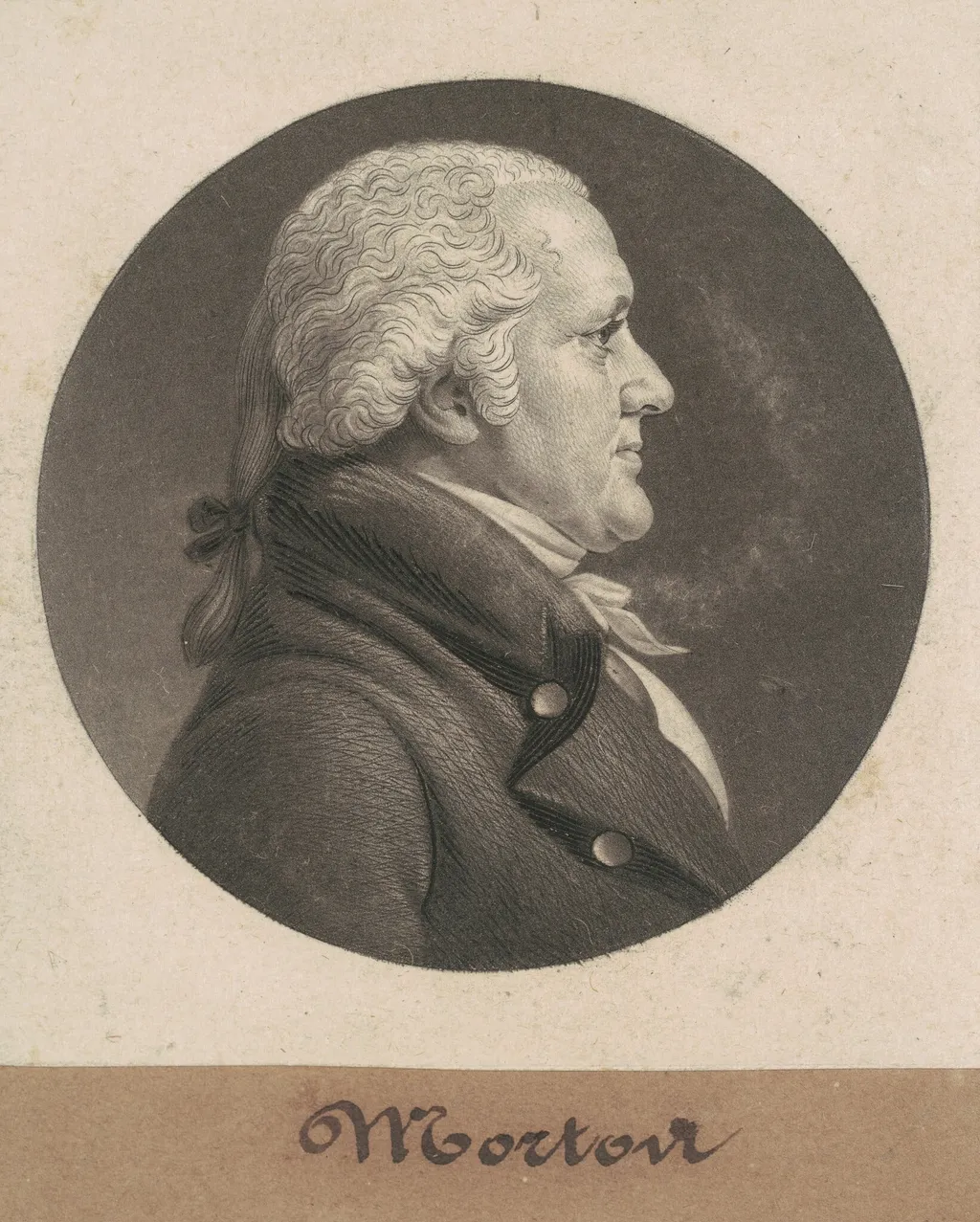
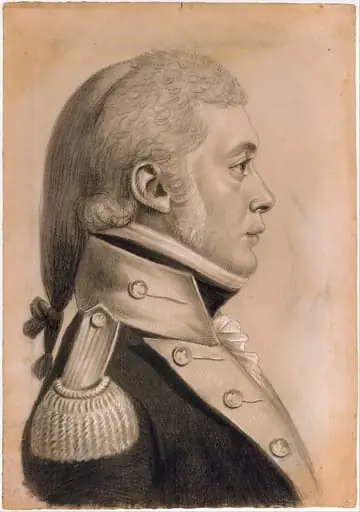
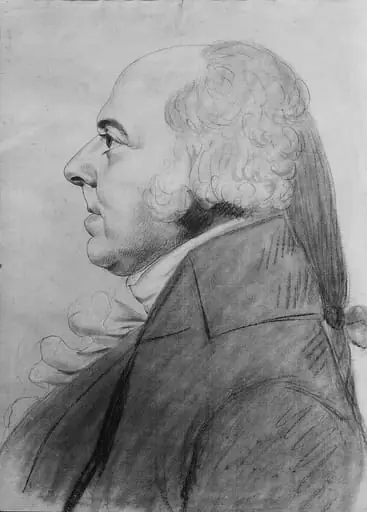
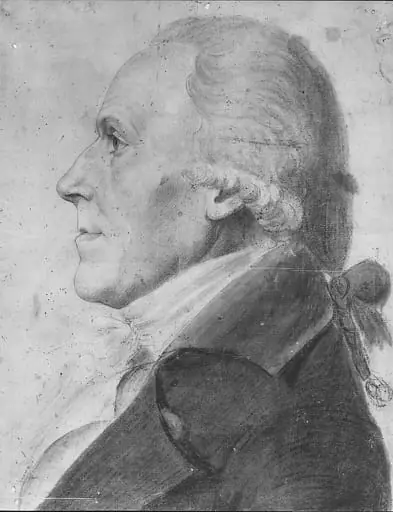
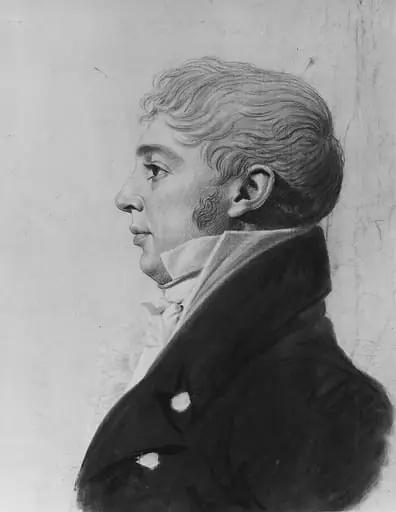
Perez Morton is an ink print by the Romanticist artist Charles Balthazar Julien Févret de Saint-Mémin. It dates from 1807 and is held in the collection of the National Gallery of Art.
About this work
Overview
This 1807 print depicts Perez Morton, a Massachusetts lawyer and political figure, rendered in mezzotint and engraving on wove paper. The small, square format—measuring just over five and a half centimeters per side—reflects the intimate scale typical of portrait prints of the era. Mounted on brown paper, the work belongs to the Corcoran Collection, now held by the National Gallery of Art.
Subject & Meaning
The image functions as a record of civic identity, common among American elites seeking to document their roles in the new republic.
Perez Morton was a prominent legal scholar and public servant in post-Revolutionary Massachusetts. The portrait captures him in a restrained, dignified pose, facing three-quarters toward the viewer. His white cravat contrasts sharply with his dark coat, emphasizing composure and social standing. The image functions as a record of civic identity, common among American elites seeking to document their roles in the new republic.
Technique & Style
The portrait employs mezzotint, a labor-intensive technique that allows subtle tonal transitions from deep black to soft gray. Fine engraving lines define details such as the cravat and hair, while cross-hatching near the ear reveals the artist’s precision. Charles B. J. Févret de Saint-Mémin, trained in Europe, brought this method to the United States, where it was uncommon for portraiture due to its complexity and cost.
History & Provenance
Created in 1807, the print was likely made as part of Saint-Mémin’s series of American portraits commissioned by wealthy patrons. It remained in private hands until acquired by the Corcoran Gallery of Art in the 20th century. Following the Corcoran’s dissolution, the work was transferred to the National Gallery of Art, where it is preserved as part of a significant collection of early American prints.
Context
In early 19th-century America, portrait prints were rare and expensive. Mezzotint, with its capacity for rich gradations, was favored in Europe but seldom practiced stateside. Saint-Mémin’s work filled a niche: offering detailed likenesses to a rising class of professionals who valued visual representation as a marker of status and civic contribution.
Legacy
Saint-Mémin’s mezzotints, including this portrait of Morton, represent one of the earliest sustained efforts to produce high-quality portrait prints in the United States. Though few artists adopted the technique, his work influenced later printmakers and remains a key reference for understanding how visual culture was cultivated among American elites before the rise of photography.
Artist & collection

Artist
Charles Balthazar Julien Févret de Saint-Mémin
Charles Balthazar Julien Févret de Saint-Mémin (French pronunciation: ; 1770–1852) was a French portrait painter and museum director.