Artwork
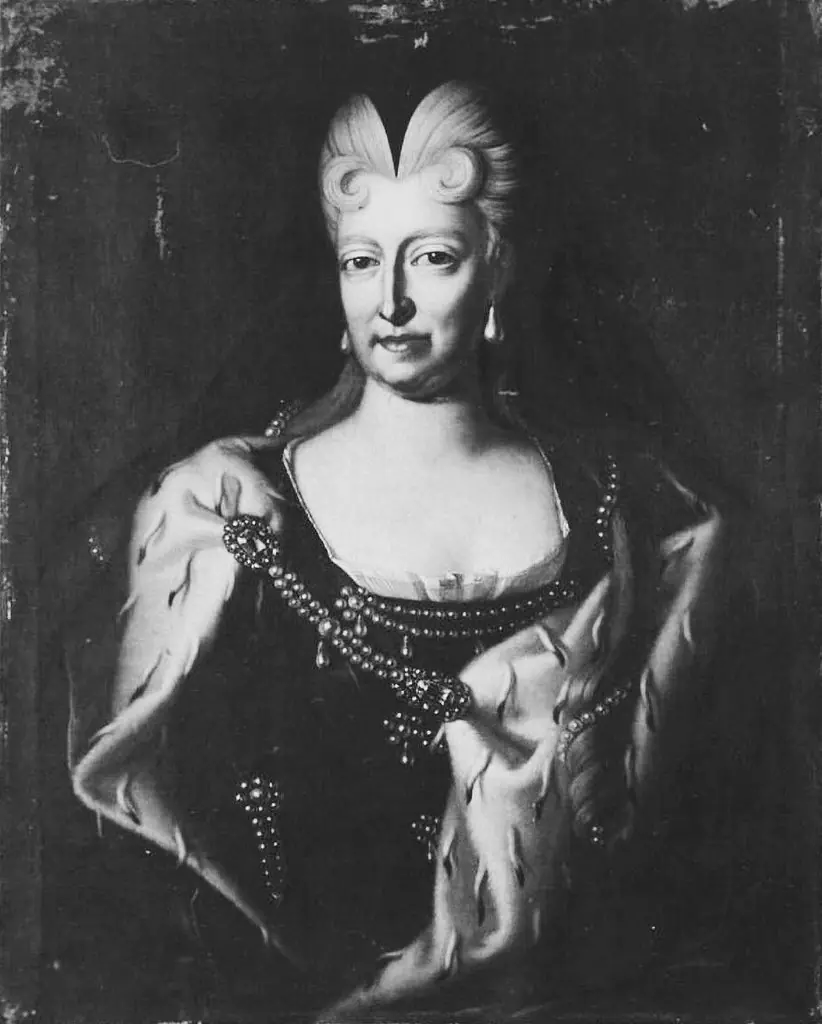
Portrait of Wilhelmine Amalia of Brunswick-Lüneburg (1673-1742), Holy Roman Empress, as widow
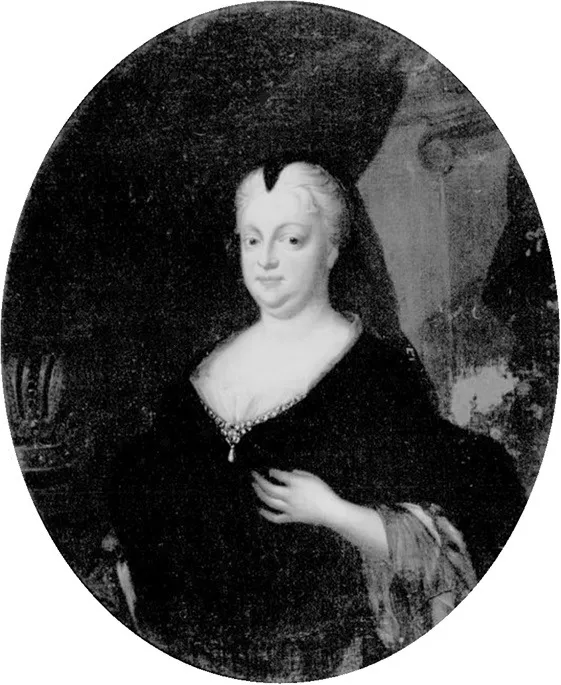
Portrait of Wilhelmine Amalia of Brunswick-Lüneburg (1673-1742), Holy Roman Empress, as widow is an oil painting by the Rococo painting artist Franz Joseph Winder. It dates from 1750 and is held in the collection of the Bavarian State Painting Collections.
About this work
Overview
Franz Joseph Winder’s oil portrait, executed around 1750, presents Wilhelma Amalia of Brunswick‑Lüneburg (1673‑1742), who served as Holy Roman Empress and later lived as a widow. The work is part of the collection of the Alte Pinakothek in Munich and exemplifies mid‑eighteenth‑century court portraiture.
Subject & Meaning
The sitter is shown in mourning attire, her black dress and hat underscored by a diamond necklace, while her right hand rests upon her chest. The composition conveys both the dignity of her imperial rank and the personal solemnity associated with widowhood, reflecting contemporary expectations of noble comportment after loss.
Technique & Style
Winder employs a restrained palette dominated by deep blacks and muted tones, allowing the subtle sheen of the jewelry to catch the viewer’s eye. The figure is rendered against a dark, almost featureless background that recedes into a lighter area on the right, creating a modest spatial depth and focusing attention on the subject’s face and hands.
History & Provenance
Created shortly after the empress’s death, the painting entered the Bavarian royal collection and eventually was transferred to the Alte Pinakothek, where it remains on public display. Its provenance traces a typical path for court commissions, moving from private royal holdings to a state museum.
Artist & collection

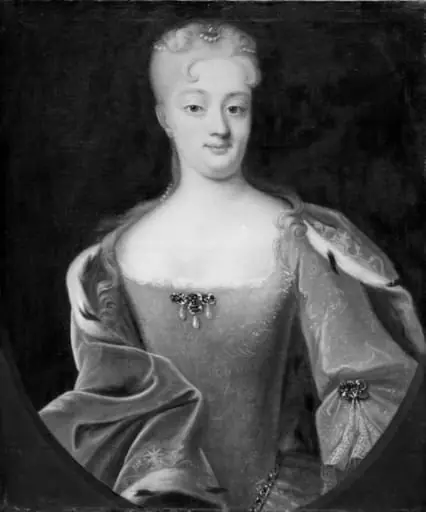 Dronning Sophie Magdalene
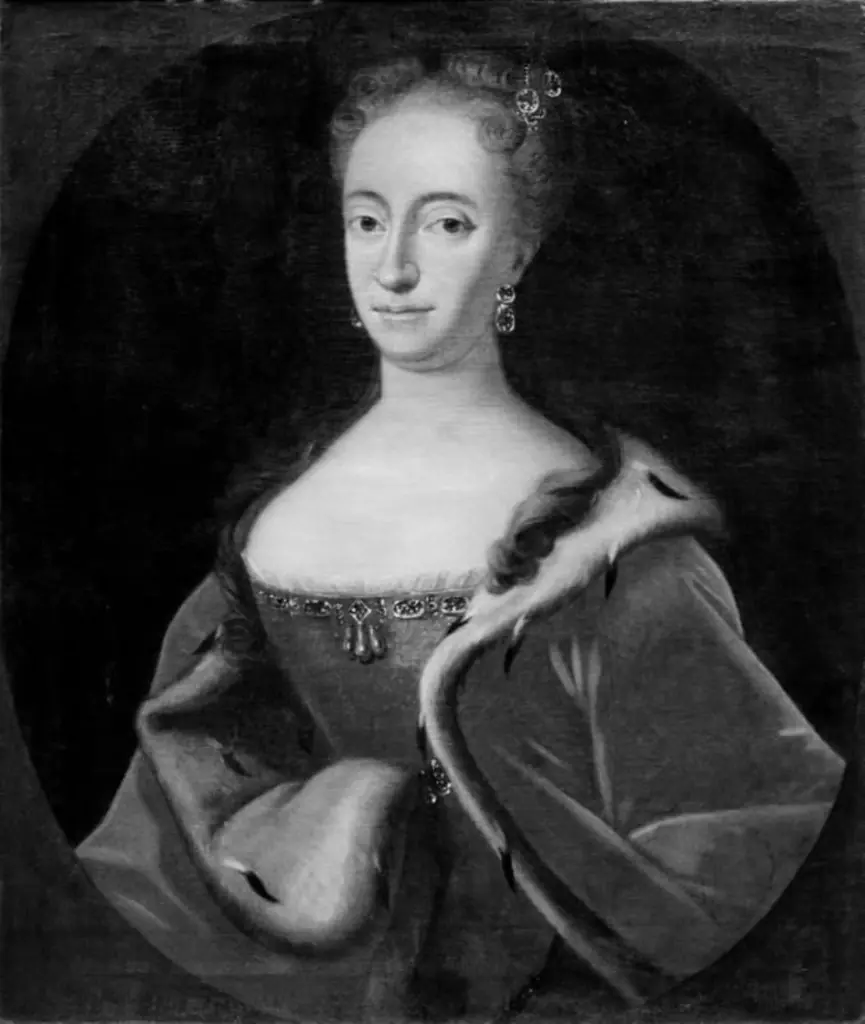 Prinsesse Sofie Hedevig ?
 Prinsesse Sofie Hedevig ?
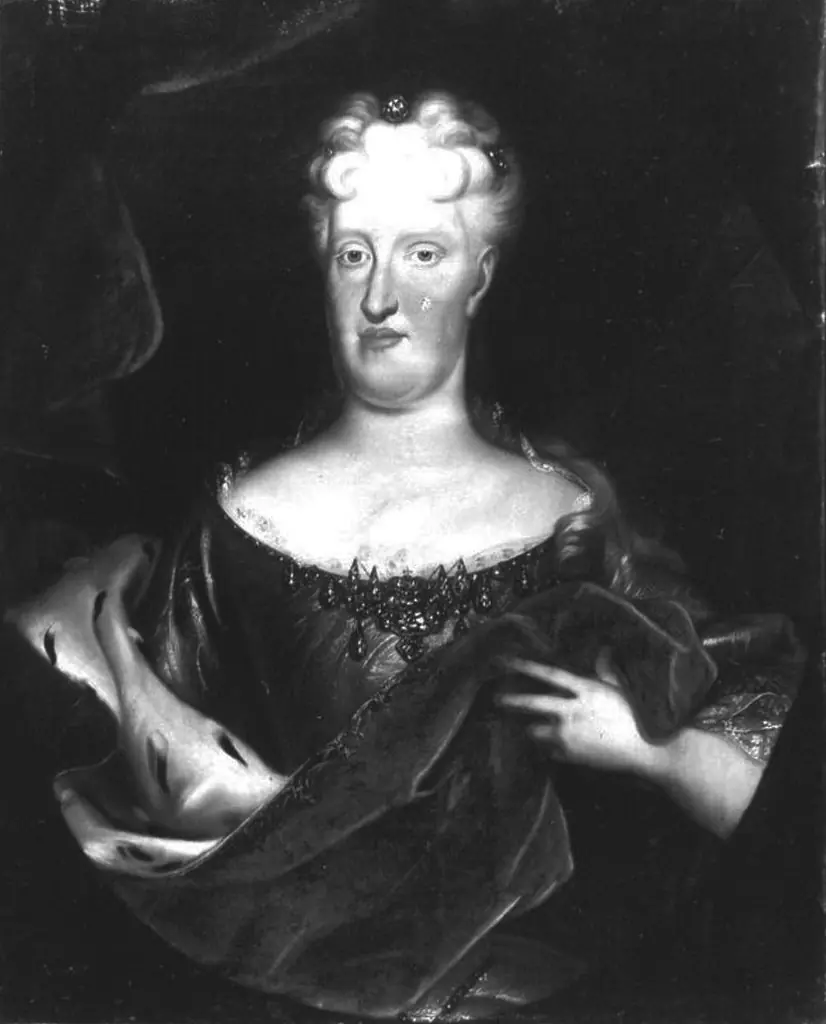 Bildnis einer Fürstin
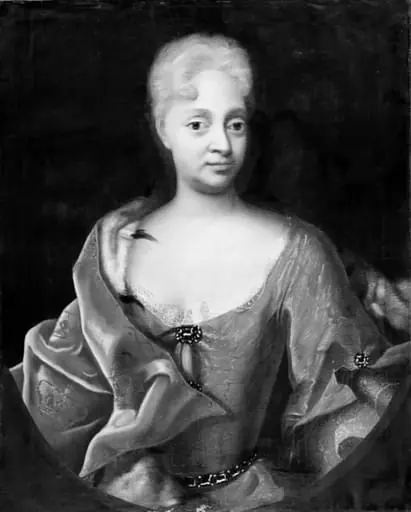 Dronning Louise, Frederik IV's første dronning
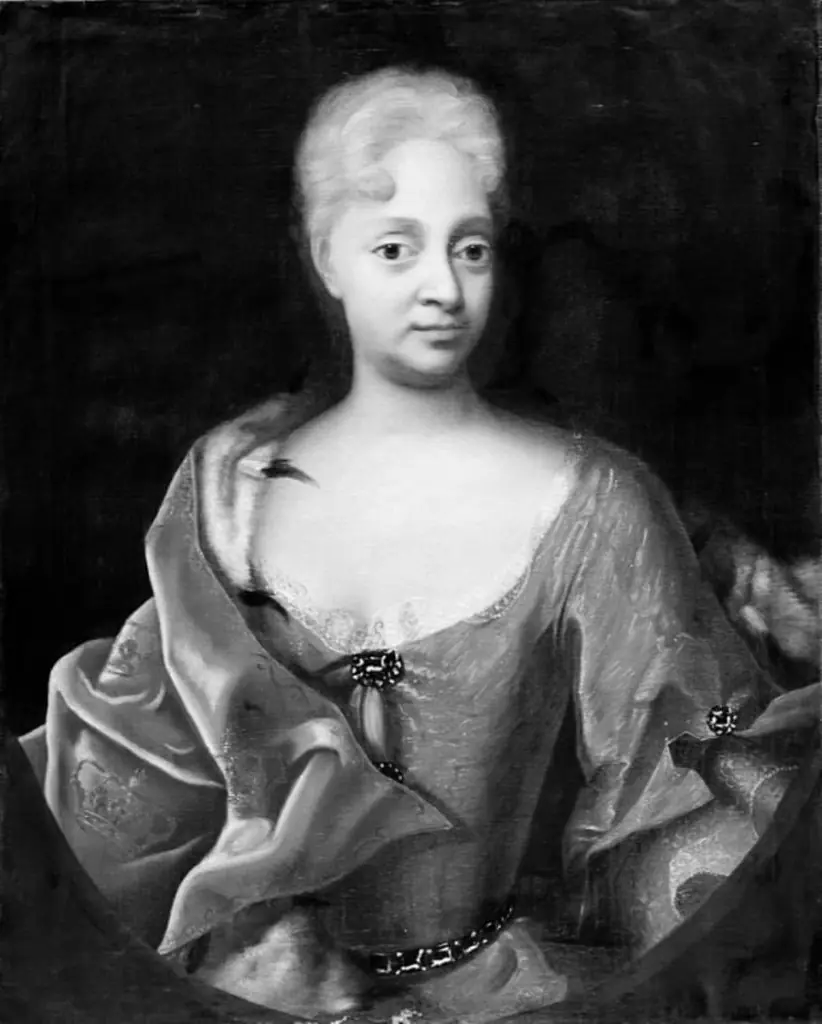 Dronning Louise, Frederik IV's første dronning
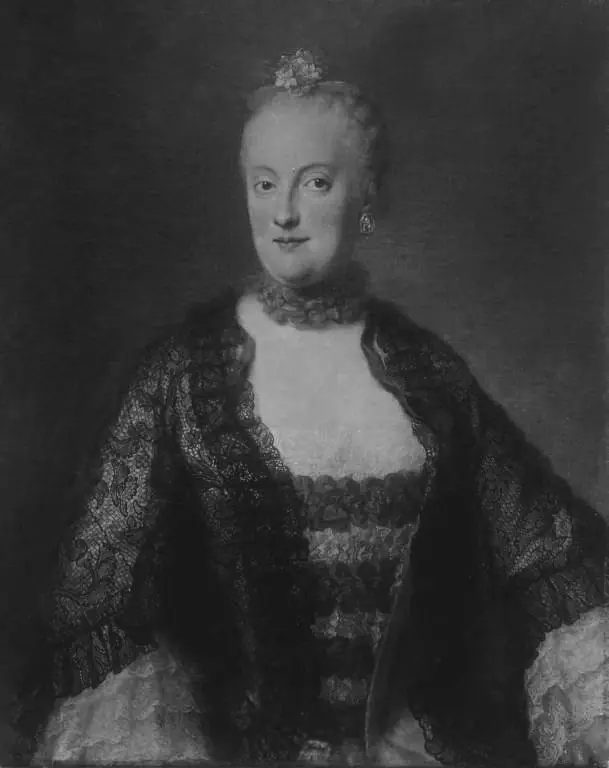 Maria Anna, Gemahlin des Kurfürsten Max III. Joseph von Bayern
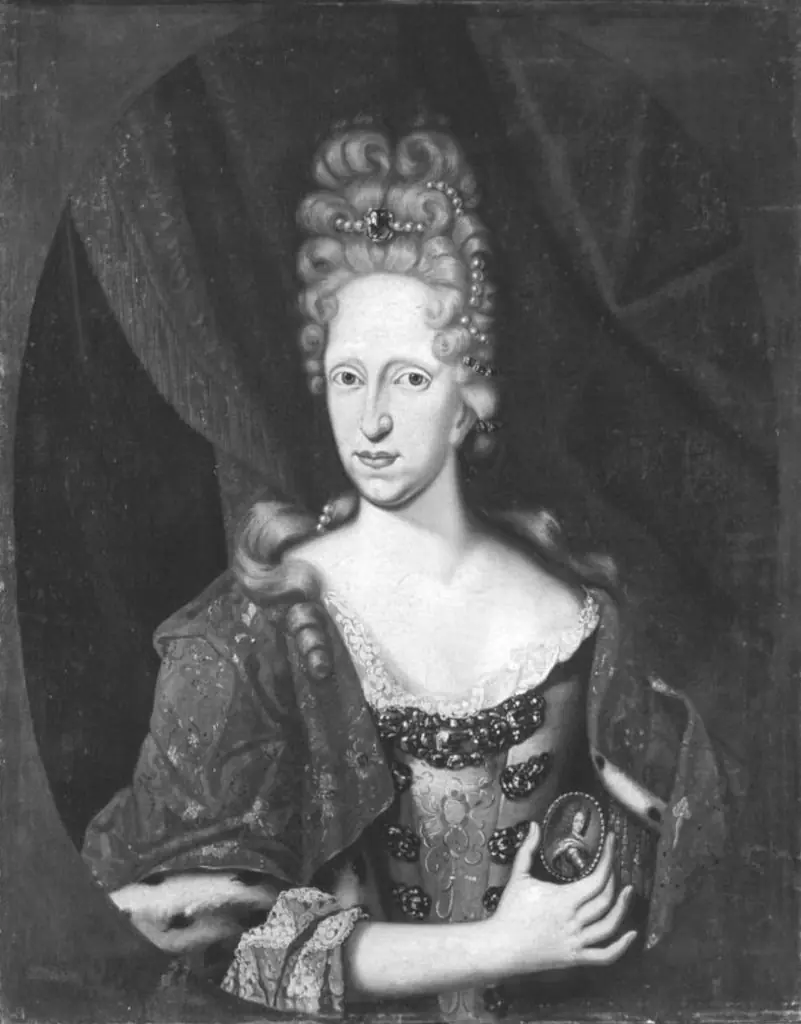 Pfalzgräfin Hedwig Elisabeth Amalie, Gemahlin des Prinzen Jacob Ludwig
 Bildnis einer Fürstin