Artwork
Portrait of Sophia of the Palatinate, dowager electress of Hanover
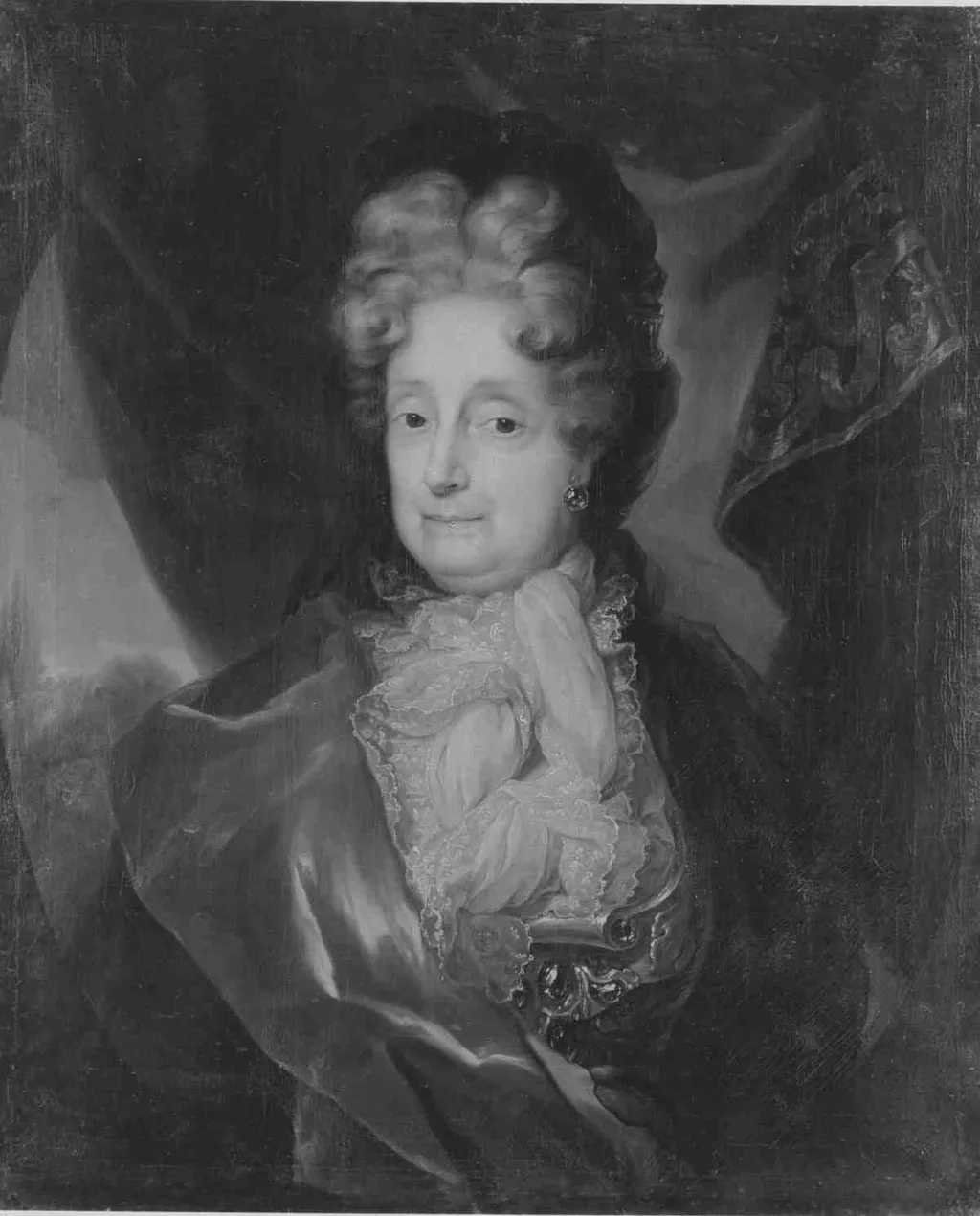
Portrait of Sophia of the Palatinate, dowager electress of Hanover is an oil painting by the Rococo painting artist Jan Frans van Douven. It dates from 1706 and is held in the collection of the Bavarian State Painting Collections.
About this work
Overview
Jan Frans van Douven painted this oil portrait in 1706 while serving as court artist in Düsseldorf. The work presents Sophia of the Palatinate, later dowager electress of Hanover, in a half‑length format that emphasizes her status and composure. The composition is set against a dark, subtly graded backdrop that enhances the figure’s presence without distracting detail.
Subject & Meaning
The slight turn of her head and the poised hand resting on an ornamental object suggest a restrained dignity appropriate to her political and familial roles.
The sitter, Sophia of the Palatinate, was a notable member of the German aristocracy, linked to both the Palatinate and the Hanoverian electorship. Her attire—a dark gown with a delicate, light‑colored lace collar—conveys both modesty and rank. The slight turn of her head and the poised hand resting on an ornamental object suggest a restrained dignity appropriate to her political and familial roles.
Technique & Style
Van Douven employs a restrained Rococo sensibility, combining smooth modeling with careful attention to surface texture. Light falls across the face, creating a gentle chiaroscuro that defines the curls of her hair and the folds of the dress. Thin glazes build luminous flesh tones, while modest impasto on the lace and decorative object adds tactile contrast within the overall polished finish.
History & Provenance
After its completion, the portrait entered the collections of the Hanoverian court and remained in private hands for several generations. In the 19th century it was acquired by the Bavarian state and is now part of the Alte Pinakothek’s holdings, where it is displayed among other works of Northern European portraiture.
Context
The painting reflects the courtly portrait tradition of the Dutch Leyden School, which van Douven represented in his German appointments. Executed during a period when aristocratic patronage favored intimate, yet formal, representations, the work aligns with contemporary expectations for dignified likenesses that affirmed the sitter’s lineage and political alliances.
Artist & collection
Artist
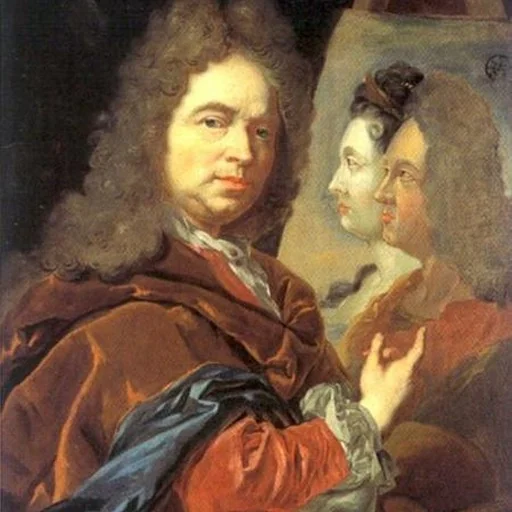
Jan Frans van Douven, or Johan Francois Douven (2 March 1656 – 1727) was a Southern Netherlandish portrait painter belonging to the Dutch Leyden School.

 Bildnis eines jungen geistlichen Fürsten
 Portrait of Johann Wilhelm, elector of the Palatine
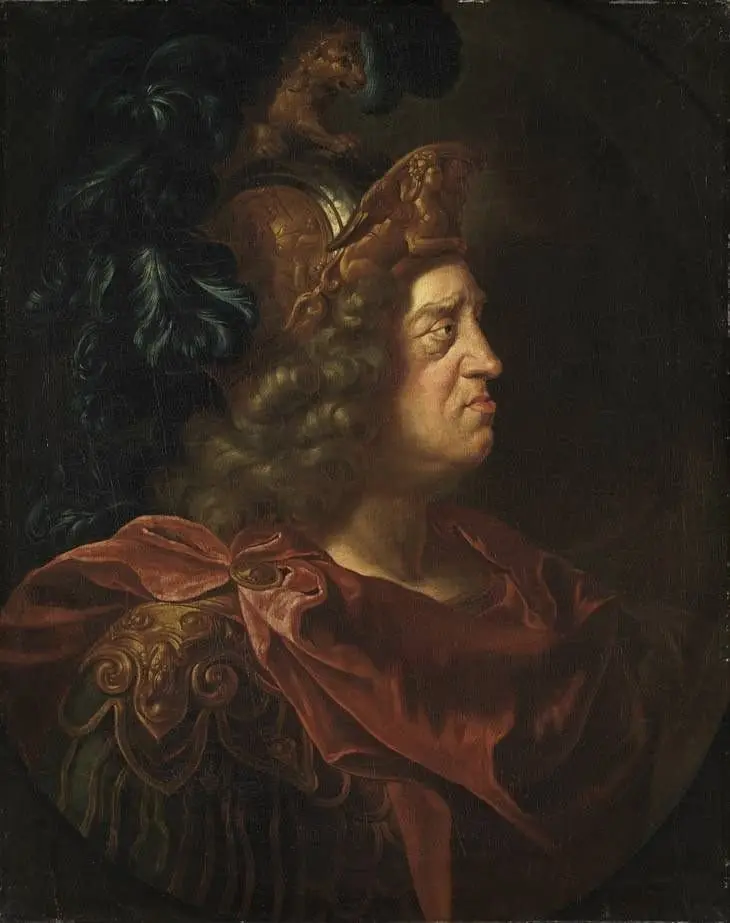 Kurfürst Johann Wilhelm von der Pfalz
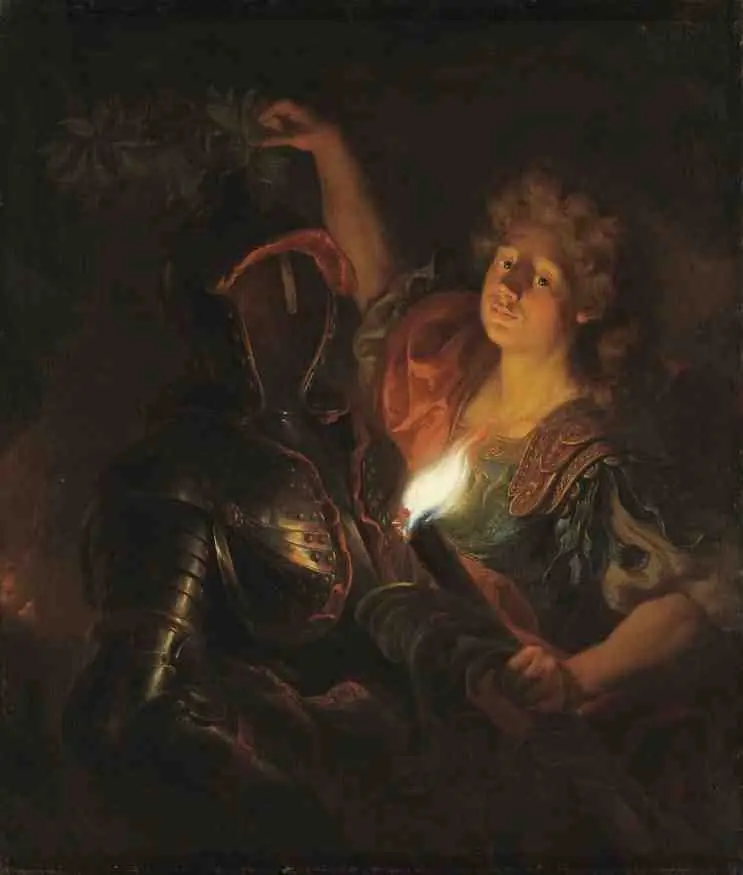 Warrior with torch and wreath
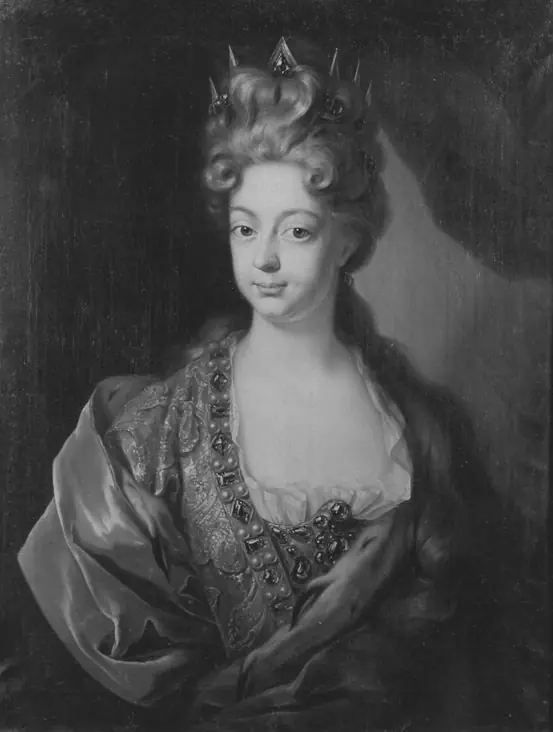 Portrait of Wilhelmine Amalie of Braunschweig-Lüneburg
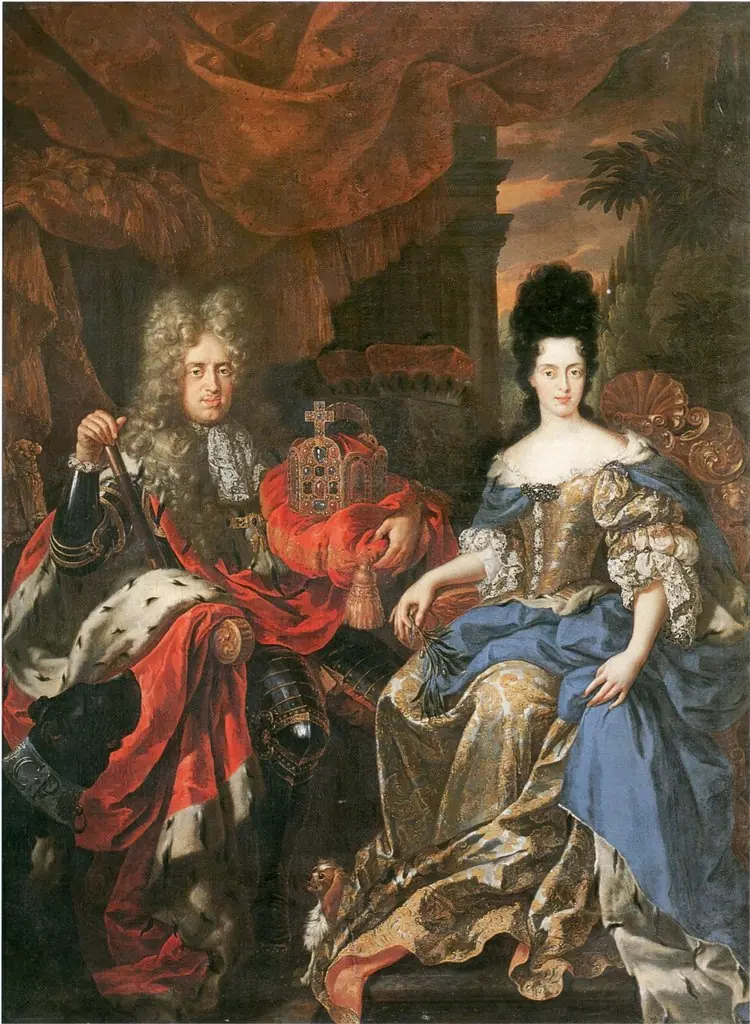 Double portrait of Johann Wilhelm von der Pfalz and Anna Maria Luisa de' Medici
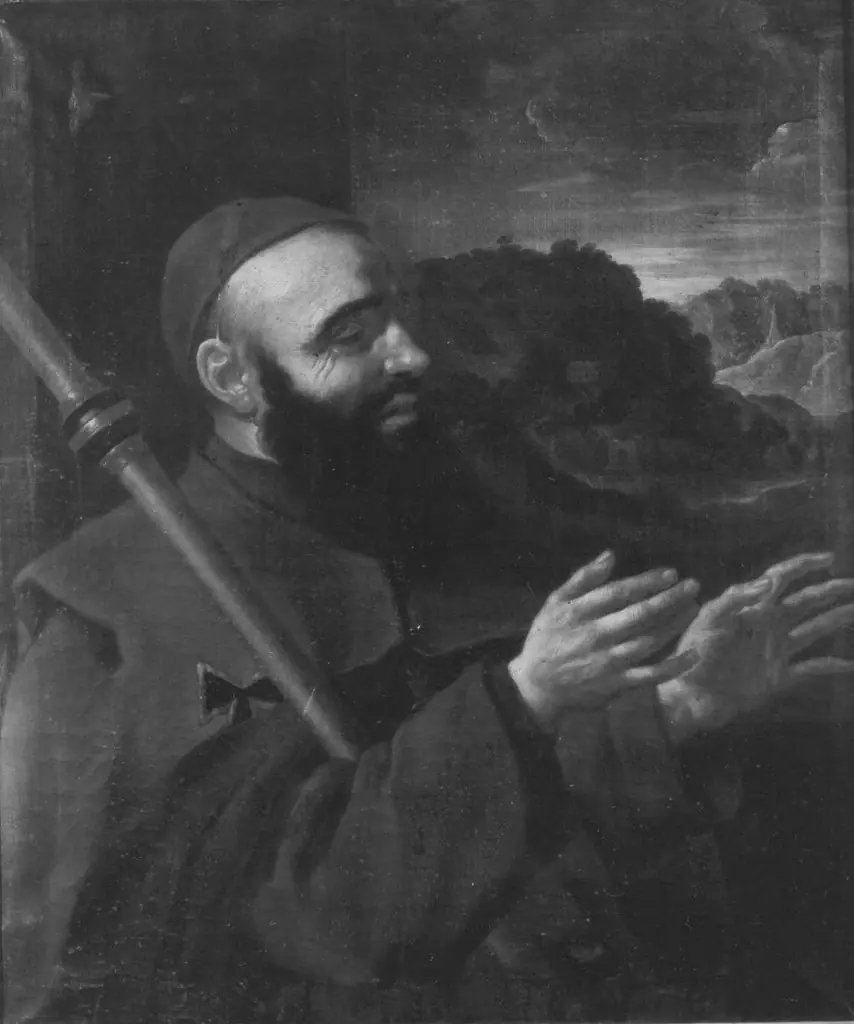 Donor portrait
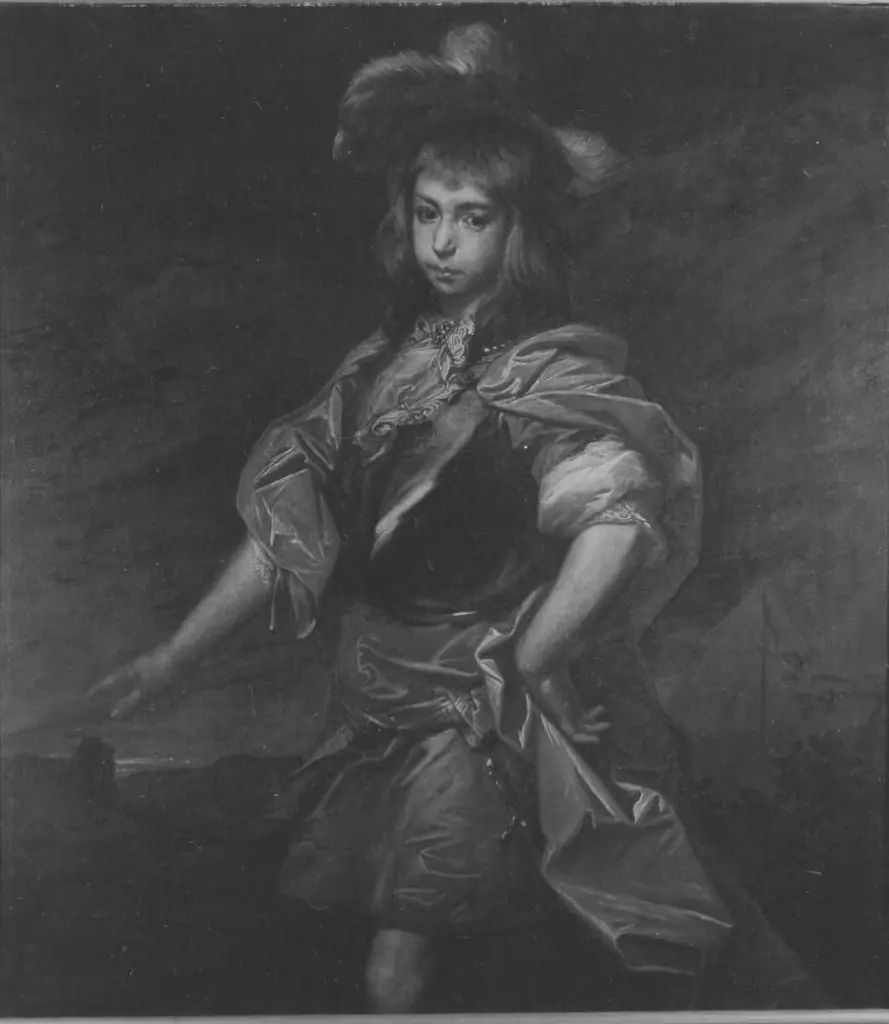 BIldnis eines jungen kurpfälzischen Prinzen (?) (?)
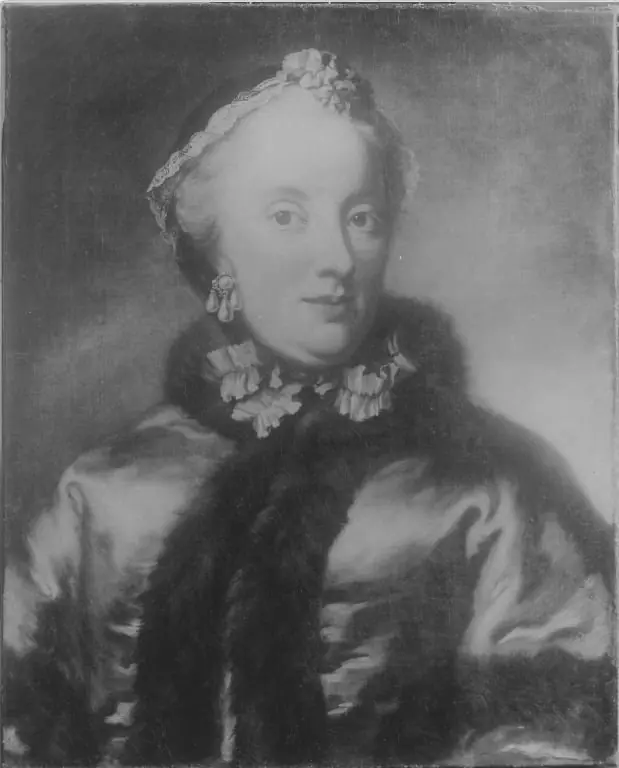 Bildnis der Maria Anna, Gemahlin des Kurfürsten Max III. Joseph (Werkstatt)
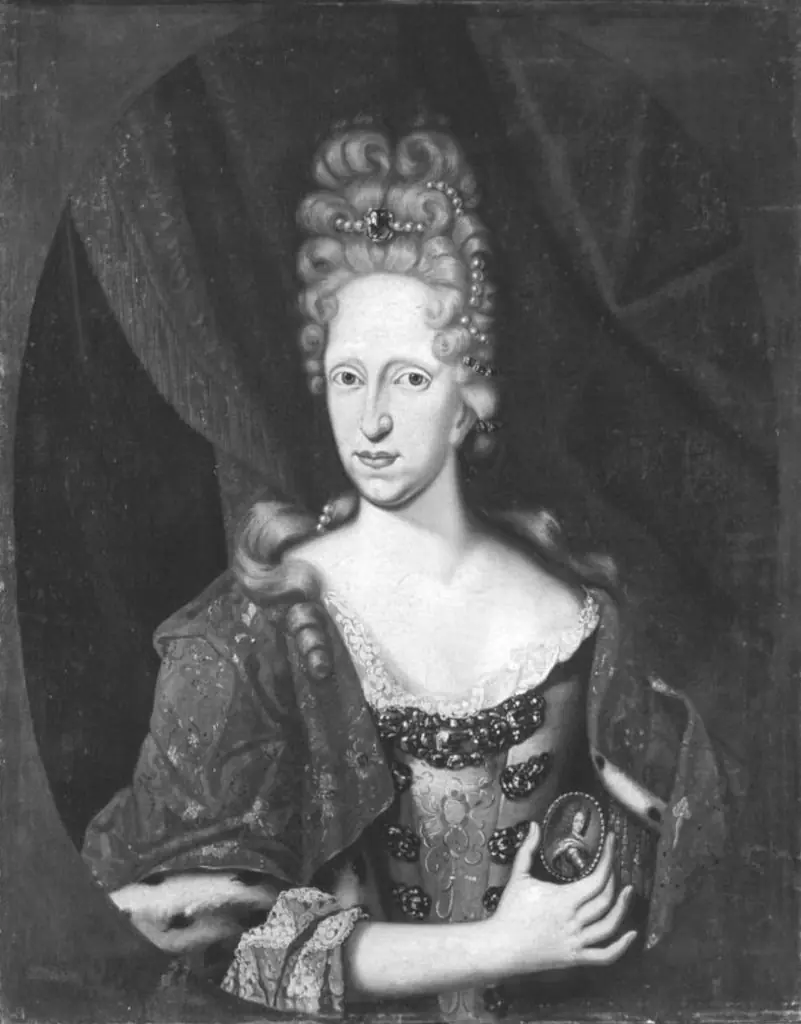 Pfalzgräfin Hedwig Elisabeth Amalie, Gemahlin des Prinzen Jacob Ludwig
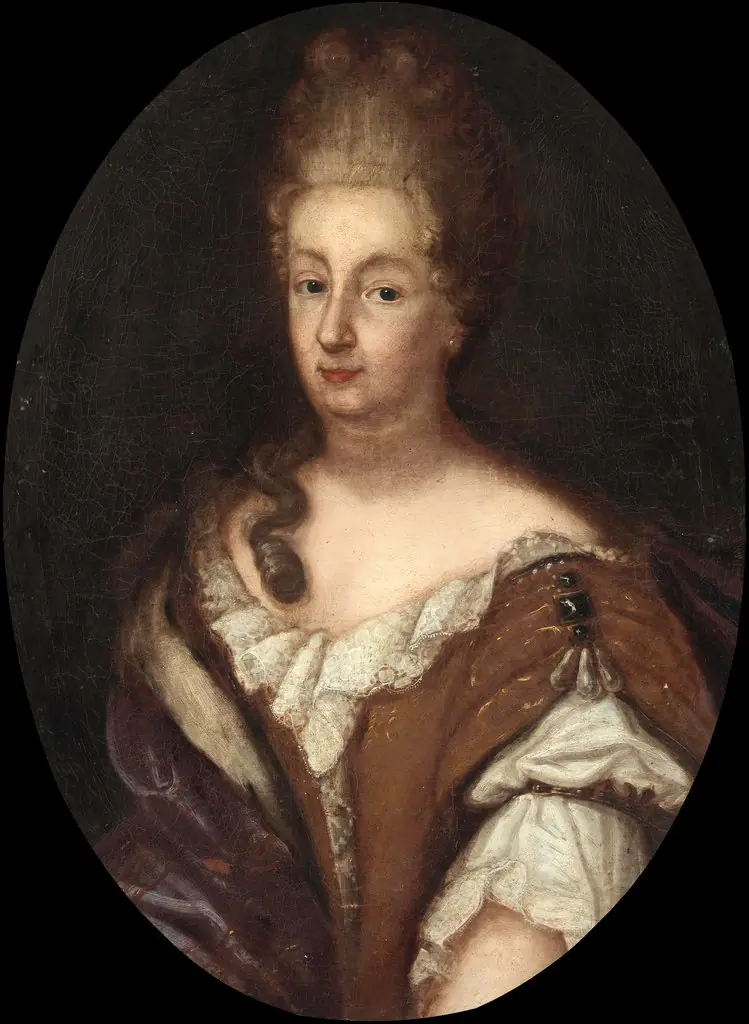 Elisabeth Charlotte Herzogin von Orléans (?)
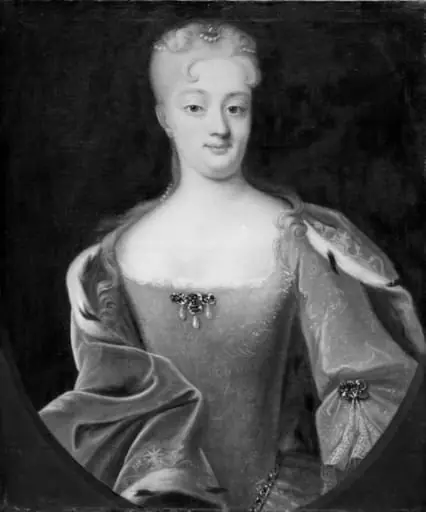 Dronning Sophie Magdalene
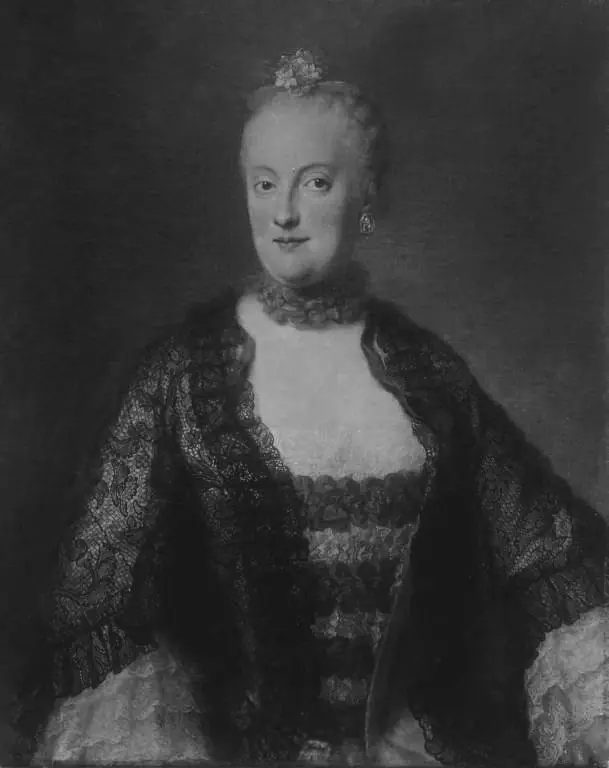 Maria Anna, Gemahlin des Kurfürsten Max III. Joseph von Bayern
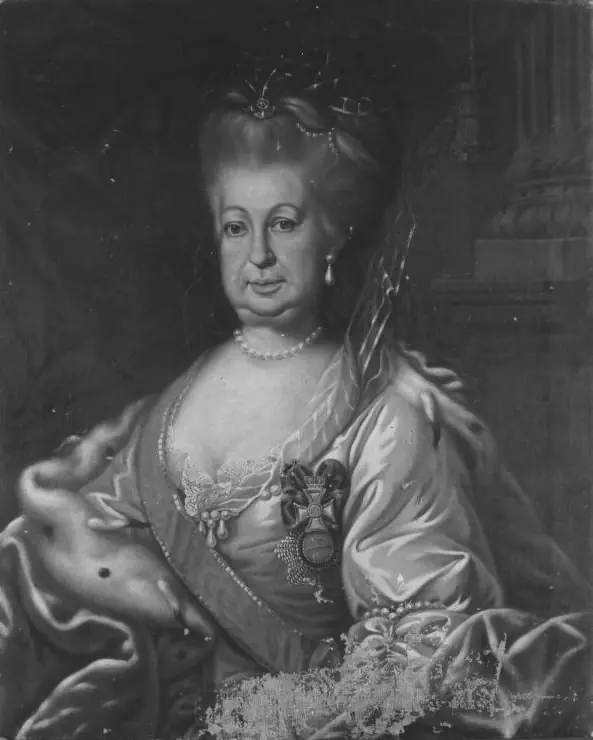 Elisabeth Auguste of Sulzbach (1721-1794)
 Bildnis einer Fürstin
 Prinsesse Sofie Hedevig ?
 Portrait of Ludwika Honorata Lubomirska née Pociej (d. 1786), wife of the Kiev voivode
 Maria Amalia of Zweibrücken-Birkenfeld