Artwork
Tiger
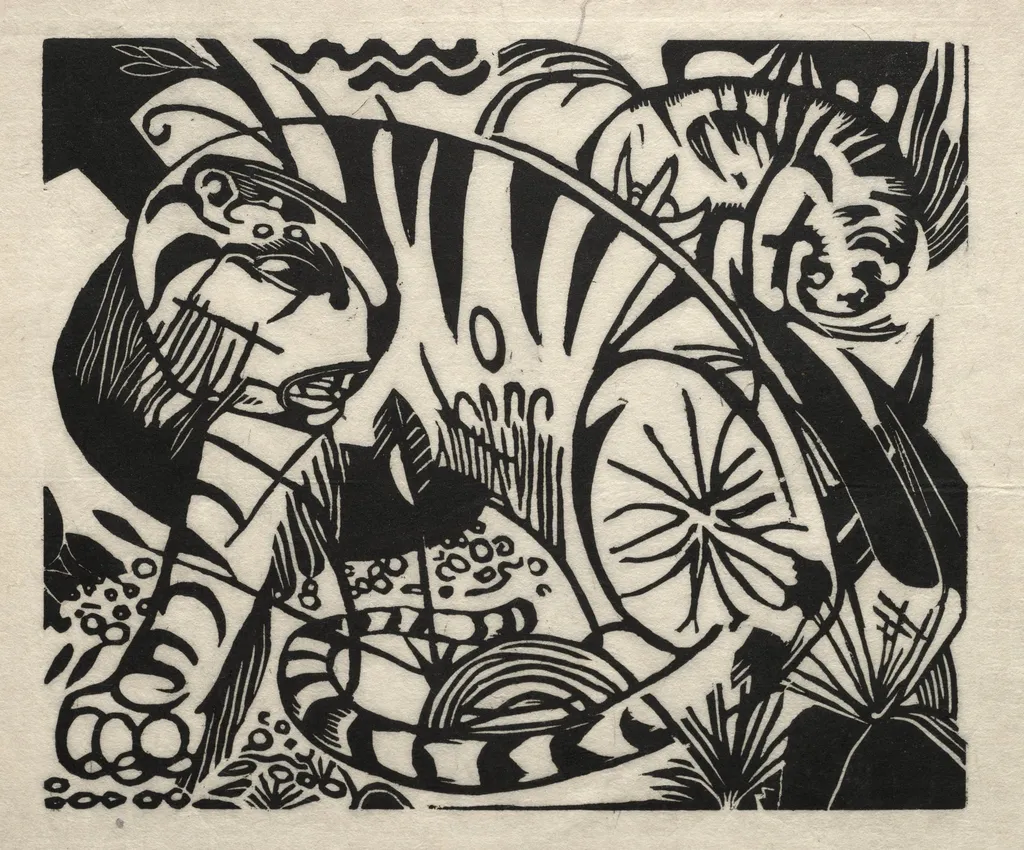
Tiger is a print by Franz Marc. It dates from 1912 and is held in the collection of the Cleveland Museum of Art.
About this work
Overview
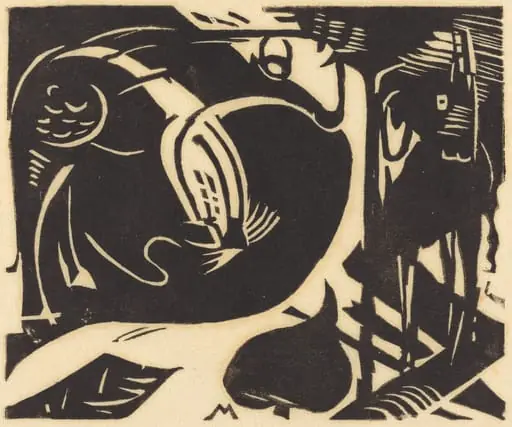
Franz Marc's 'Tiger' is a print depicting a tense, dangerous feline, contrasting with his typically joyful animal subjects. Characterized by bold colors and sharp angles, the work embodies a sense of impending action.
Subject & Meaning
The tiger, with bared teeth and fixed gaze, conveys intense emotion and threat, diverging from Marc's usual emphasis on gentle, rebirth symbolism in animal depictions.
Technique & Style
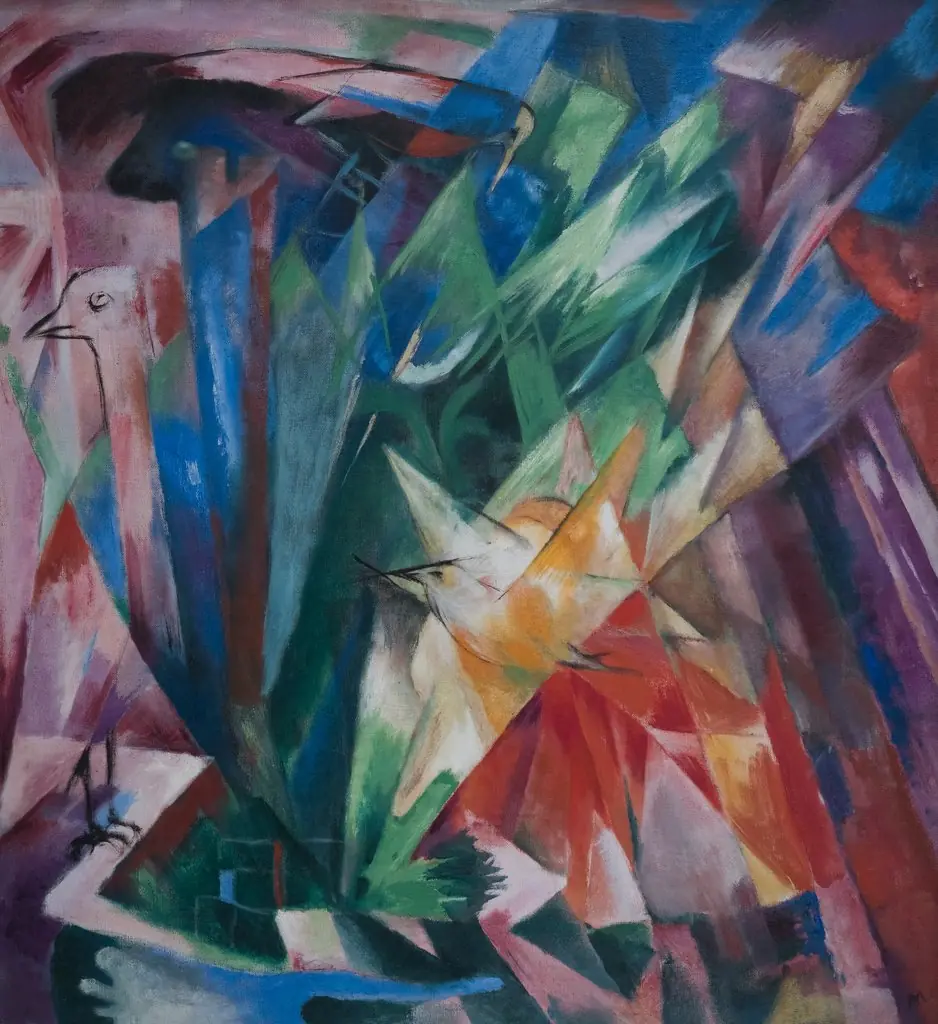
Executed with vibrant, clashing colors (bright blue, jagged orange, and green) and angular forms, 'Tiger' exemplifies Marc's Expressionist approach, prioritizing emotional expression over realism.
History & Provenance
Created by Franz Marc, a key figure in Der Blaue Reiter, the print's context is marked by the artist's tragic death in World War I, significantly impacting the Munich Expressionist movement.
Context
Part of a broader artistic exploration by Der Blaue Reiter, 'Tiger' reflects the group's interest in color and emotion. Marc's shift towards more ominous themes may presage the darker wartime era.
Legacy
'Tiger' stands as a testament to Marc's innovative style and the tumultuous period in which it was created, influencing subsequent Expressionist works with its bold, emotionally charged aesthetic.
Artist & collection
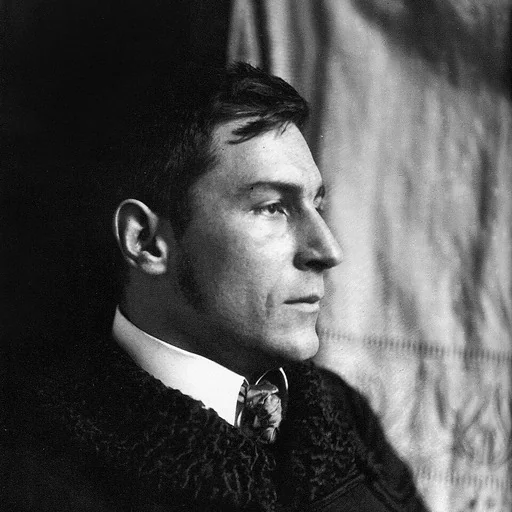
Artist
Franz Moritz Wilhelm Marc (8 February 1880 – 4 March 1916) was a German painter and printmaker, one of the key figures of German Expressionism.