Artwork
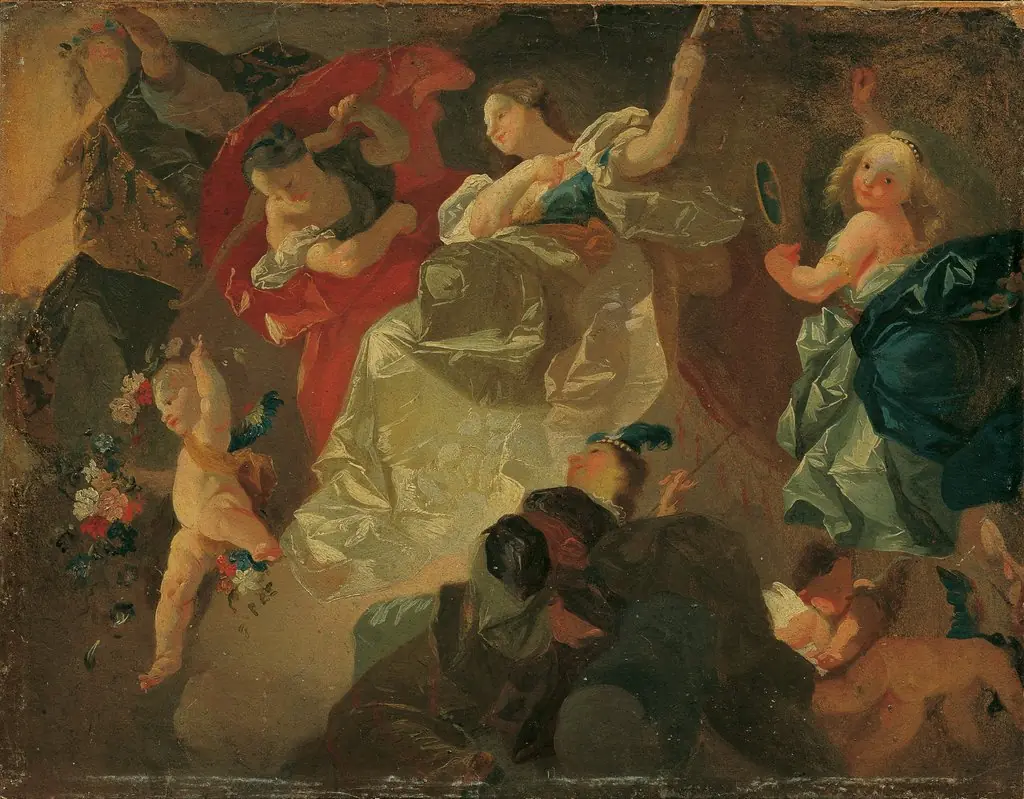
Sketch for the plafond Adoration of Madonna
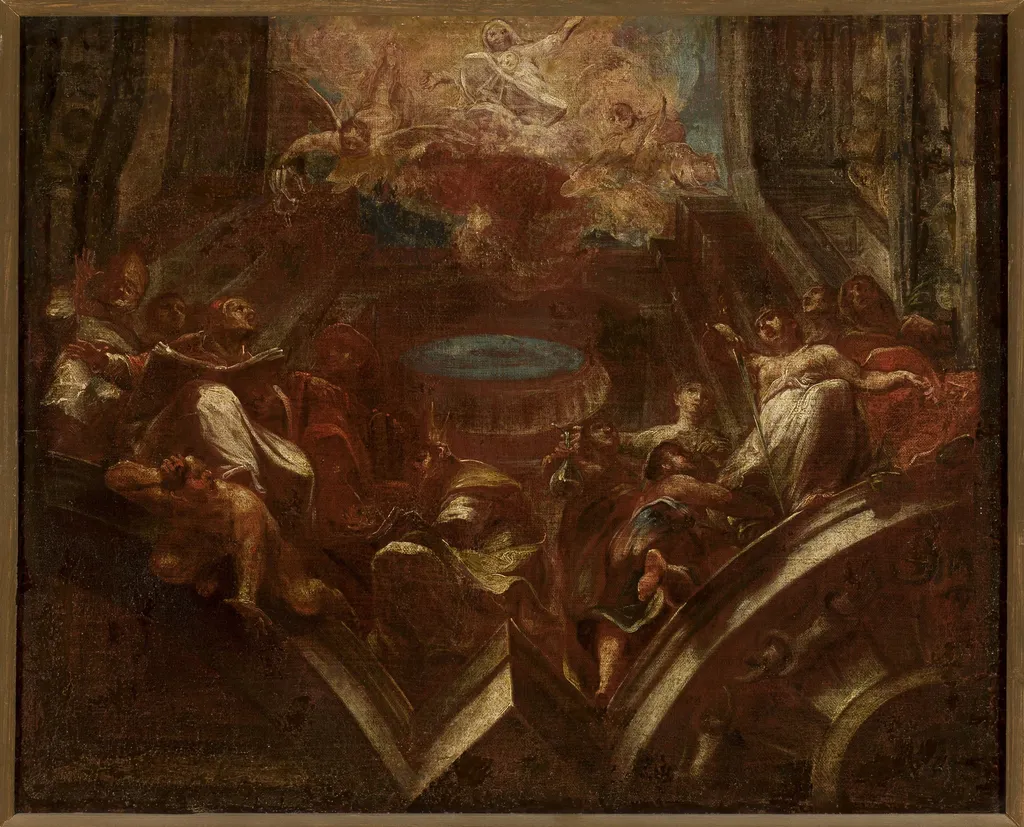
Sketch for the plafond Adoration of Madonna is an oil painting by Franz Sigrist. It dates from 1775 and is held in the collection of the National Museum in Warsaw.
About this work
Overview
This oil sketch, dated around 1775, was prepared by Franz Sigrist as a preliminary study for a ceiling fresco titled Adoration of the Madonna.
This oil sketch, dated around 1775, was prepared by Franz Sigrist as a preliminary study for a ceiling fresco titled Adoration of the Madonna. Executed in a modest scale, it functions as a compositional blueprint rather than a finished work. It is currently held in the collection of the National Museum in Warsaw, where it serves as a record of the artist’s planning process for a larger ecclesiastical decoration.
Subject & Meaning
The scene depicts a gathering of figures in reverent attendance before the Virgin Mary, who is centrally positioned and illuminated by a soft, radiant halo. Surrounding her are worshippers in flowing garments, suggesting a celestial or divine moment of veneration. The composition reflects traditional Catholic iconography, emphasizing devotion and the sacred presence of the Madonna within a heavenly setting.
Technique & Style
Sigrist employed loose, expressive brushwork and a restrained palette dominated by earthy browns and muted golds. The paint is applied with visible texture, capturing the immediacy of a working draft. Rather than polished finish, the sketch prioritizes dynamic arrangement and light placement, revealing how the artist tested spatial relationships and focal emphasis before executing the final ceiling painting.
History & Provenance
Created during Sigrist’s active period in Central Europe, the sketch remained in the artist’s circle before entering the National Museum in Warsaw’s collection. Its preservation suggests recognition of its value as a preparatory document, offering insight into 18th-century ecclesiastical art production. No detailed records of its early ownership are widely documented, but its presence in the museum since the 19th century confirms its established provenance.
Context
In the late 18th century, ceiling paintings in churches and palaces often required detailed preparatory studies due to their scale and technical complexity. Sigrist, working within the Baroque and early Neoclassical traditions, would have collaborated with architects and patrons to align visual narratives with sacred architecture. This sketch reflects the collaborative, process-driven nature of large-scale religious commissions of the era.
Legacy
Though the final ceiling fresco has not survived or remains unidentified, this sketch endures as a tangible link to Sigrist’s creative method. It provides scholars with insight into how artists translated devotional themes into architectural spaces, preserving the transitional phase between concept and execution. Its existence underscores the importance of preparatory works in understanding historical artistic practice.
Artist & collection

 The Victory of Truth over Heresy
 Apollo, victor of the snake Python
 Verherrlichung des Hauses Österreich
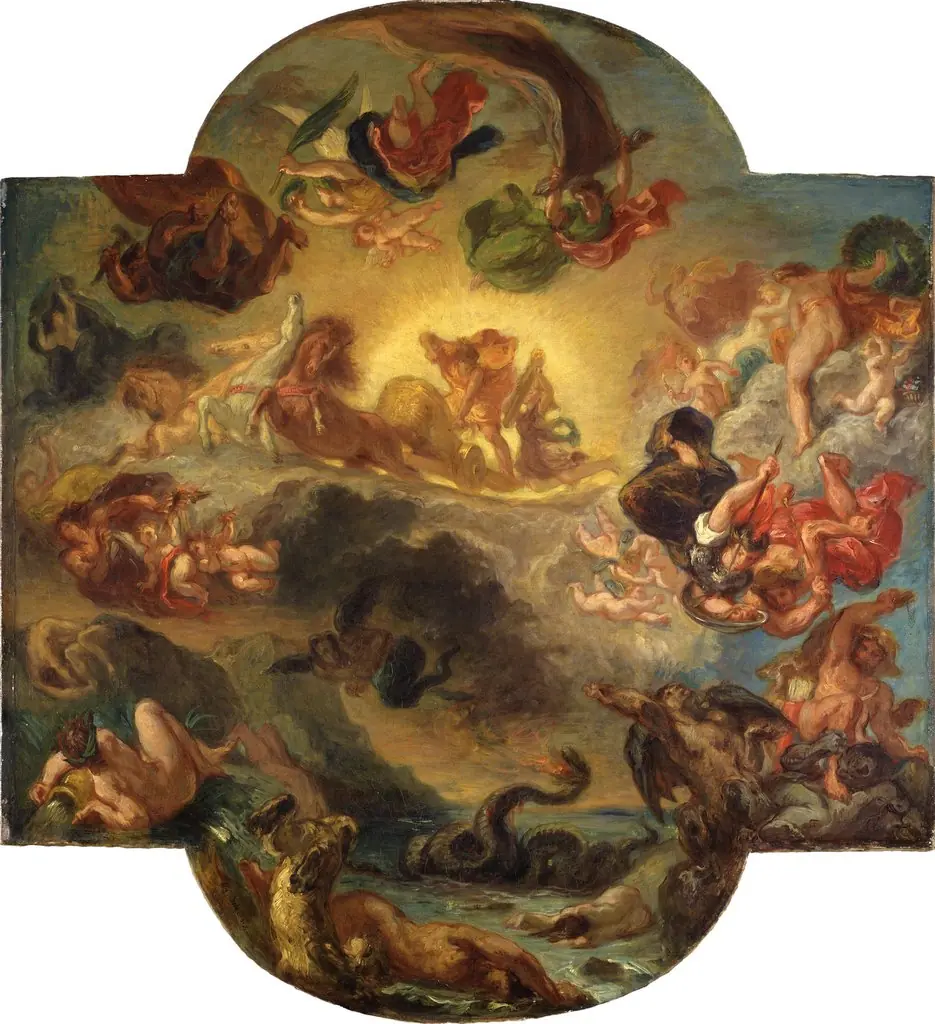 Apollo Slays Python
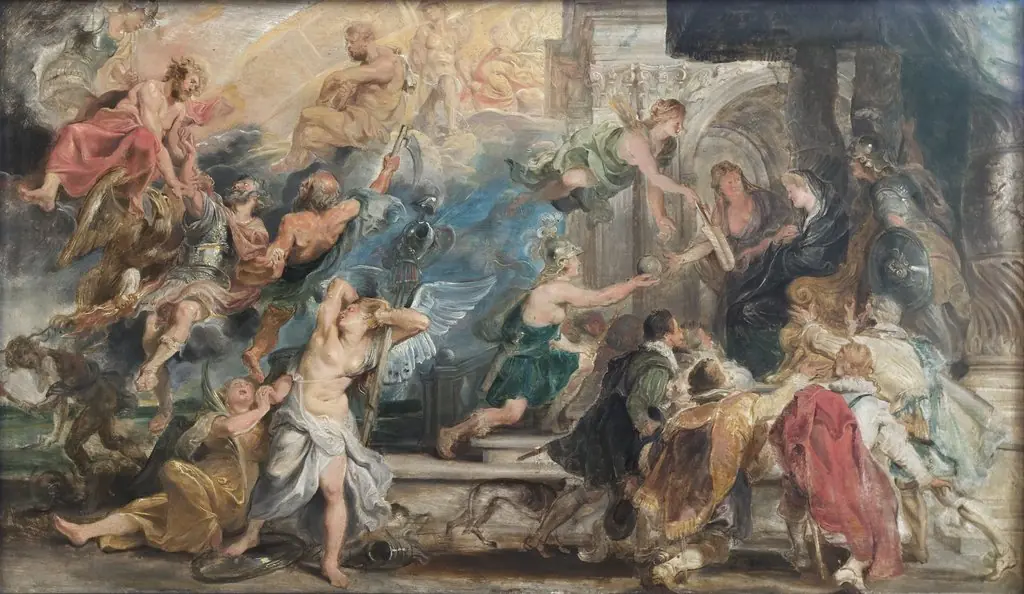 The Apotheosis of Henri IV
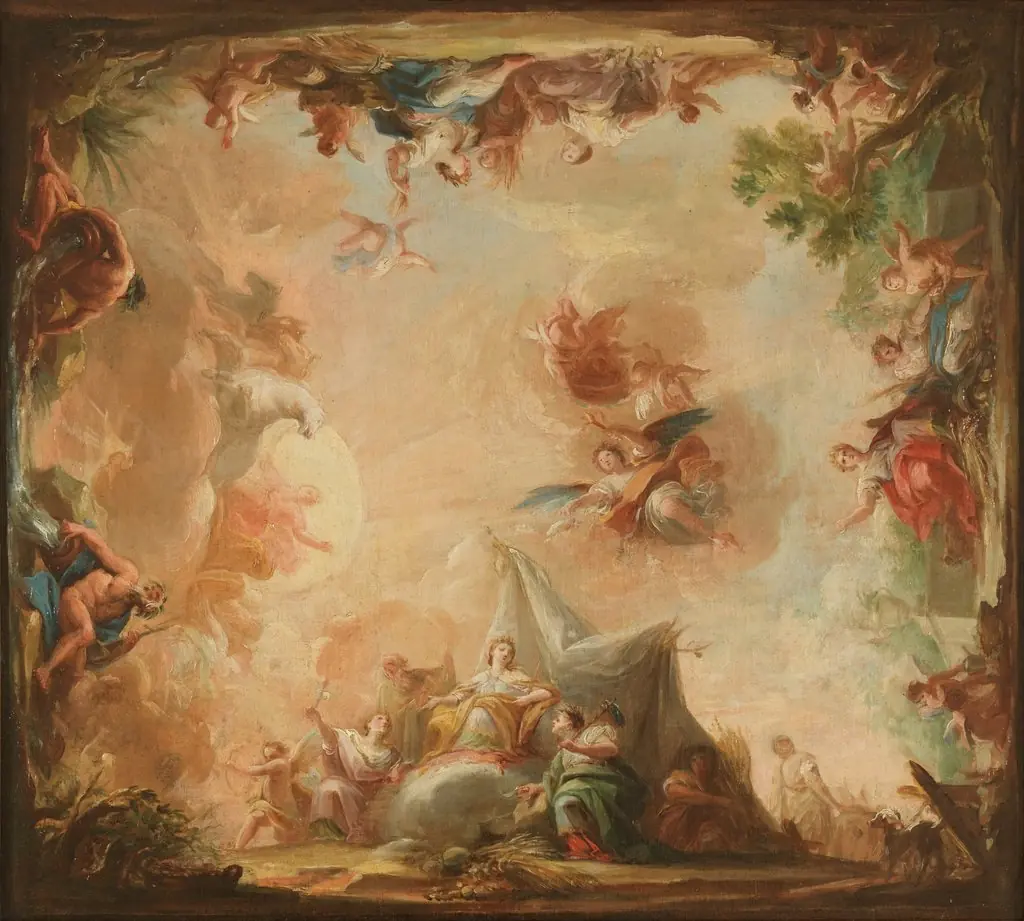 The Goddess Cybele offering her Produce to the Earth
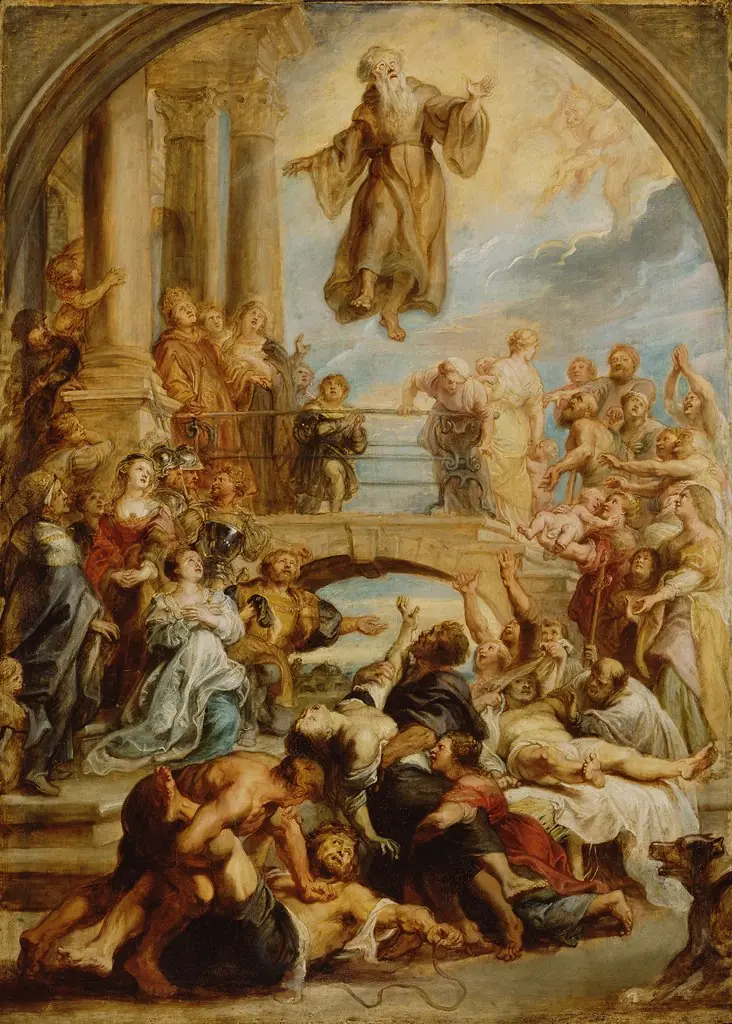 The Miracles of Saint Francis of Paola
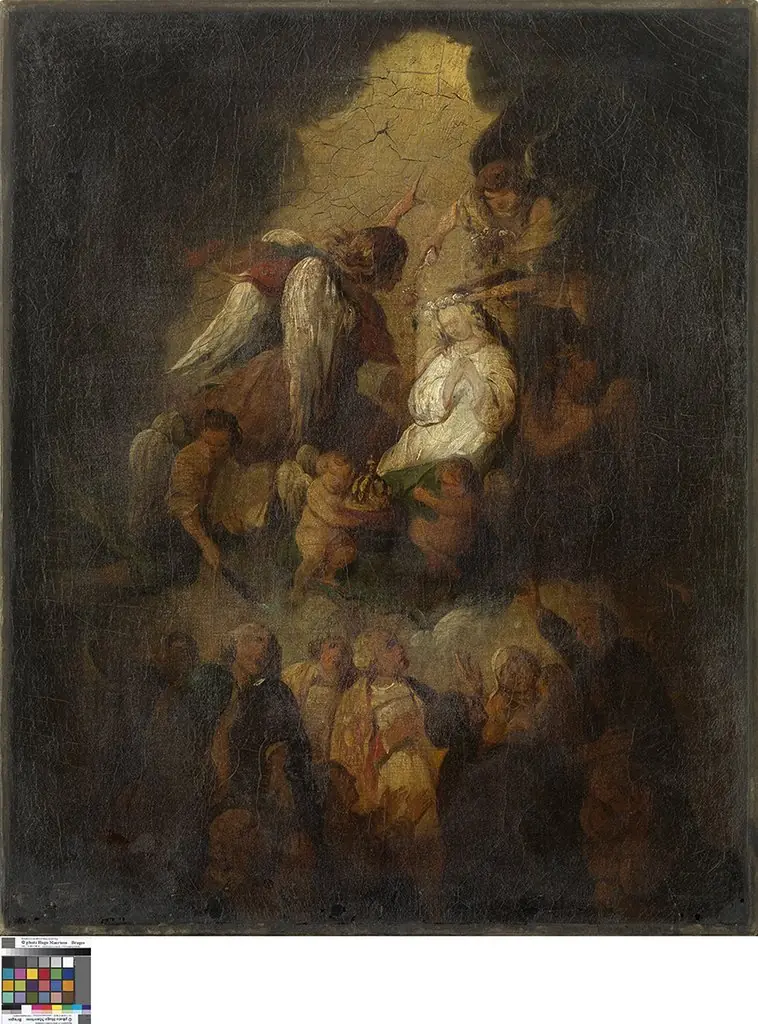 Verheerlijking van een vrouwelijke heilige
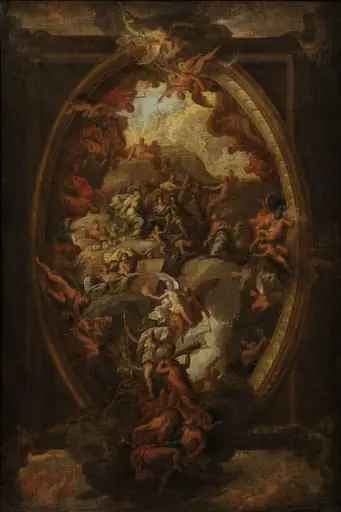 William and Mary Presenting the Cap of Liberty to Europe (sketch for the painted ceiling of the Great Hall, Greenwich Hospital)
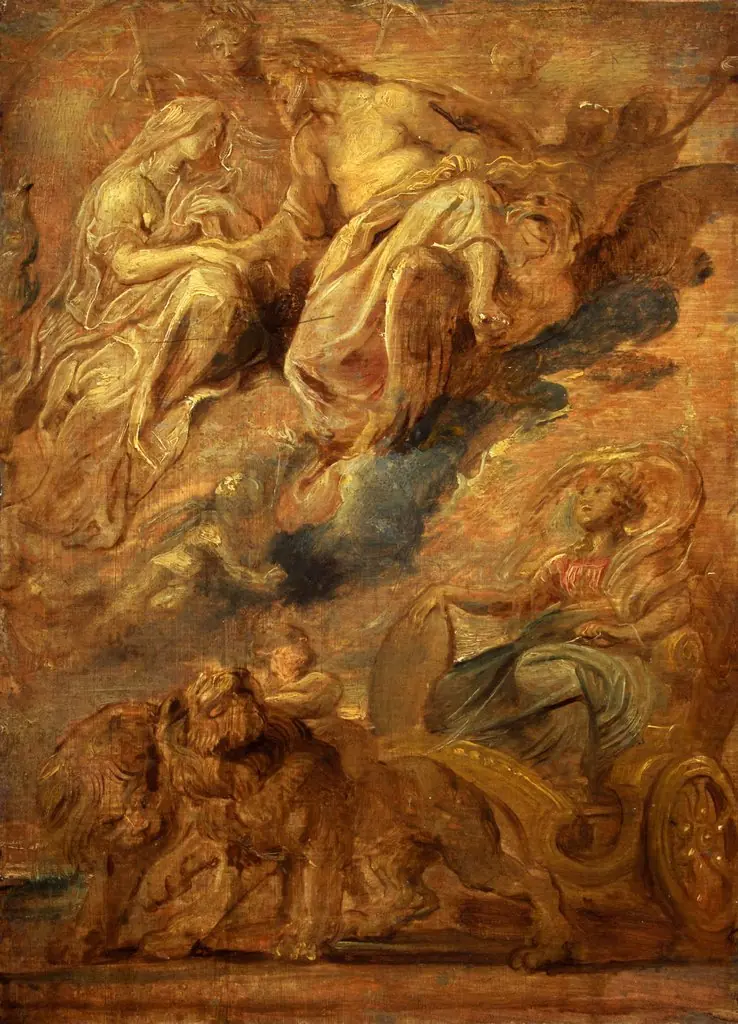 Arrival in Lyon
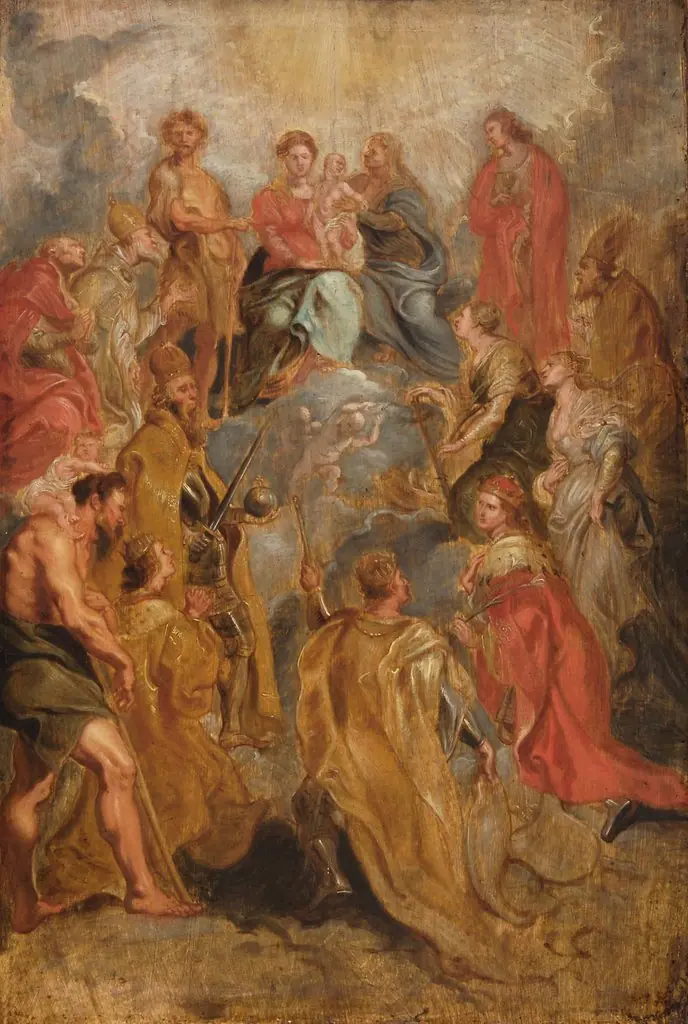 Madonna and Child with Saint Anne
 Virtues