Artwork
Margaret of Parma Recieves the Petittion of the Nobility
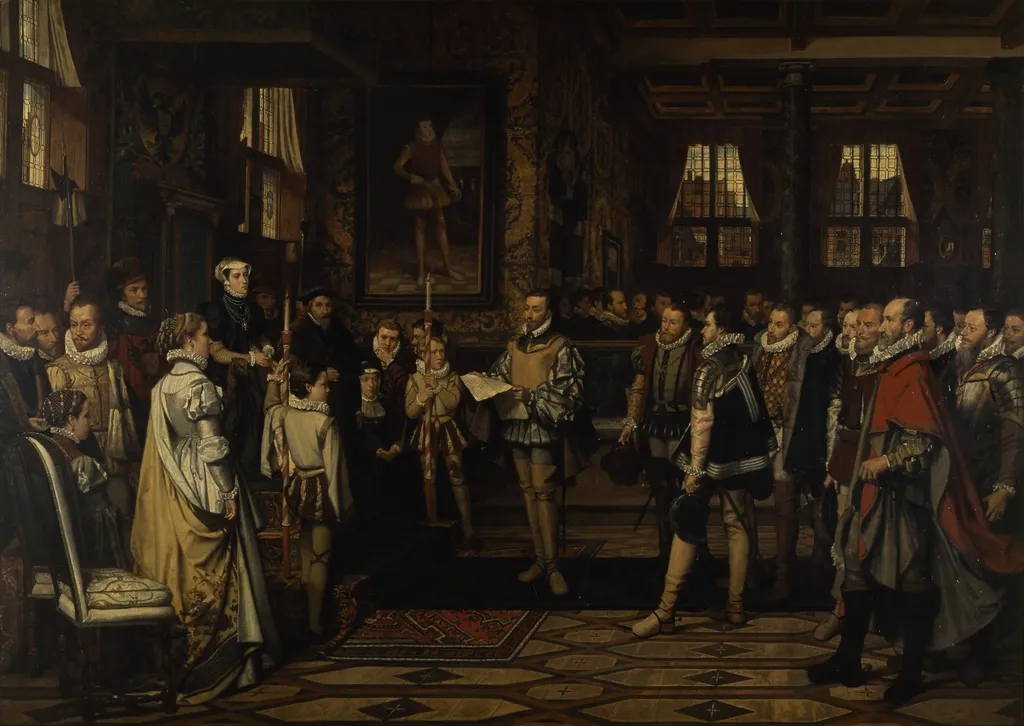
Margaret of Parma Recieves the Petittion of the Nobility is an oil painting by the Realist artist Franz Vinck. It dates from 1872 and is held in the collection of the Royal Museum of Fine Arts Antwerp.
About this work
Overview
Margaret of Parma Receives the Petition of the Nobility is an 1872 oil painting by Belgian artist Franz Vinck, depicting a historical scene in a Realist style. It is part of the Royal Museum of Fine Arts Antwerp's collection.
Subject & Meaning
The painting portrays a pivotal moment in which Margaret of Parma, Regent of the Netherlands, receives a petition from the nobility. The scene emphasizes the formal, ceremonial nature of the interaction, highlighting the political and social dynamics of the time.
Technique & Style
Executed in oil paint, the work adheres to Realist principles, focusing on detailed, accurate representation. Vinck's use of light, particularly from the large, multi-paned window, and attention to the intricacies of 16th-century attire and decor, exemplify this approach.
History & Provenance
Created in 1872 by Franz Vinck, the painting has been part of the Royal Museum of Fine Arts Antwerp's collection, indicating its recognized historical and artistic value within Belgian cultural institutions.
Context
The painting reflects 19th-century interest in historical subjects, particularly those relevant to Belgian heritage. It also underscores the Realist movement's emphasis on everyday life and historical accuracy, though here applied to a noble, formal setting.
Legacy
While specific impact on the broader art historical canon is not widely documented, the painting remains a notable example of Belgian Realist art and historical painting from the late 19th century, contributing to the museum's educational and cultural offerings.
Own this work as a print
Artist & collection
Artist
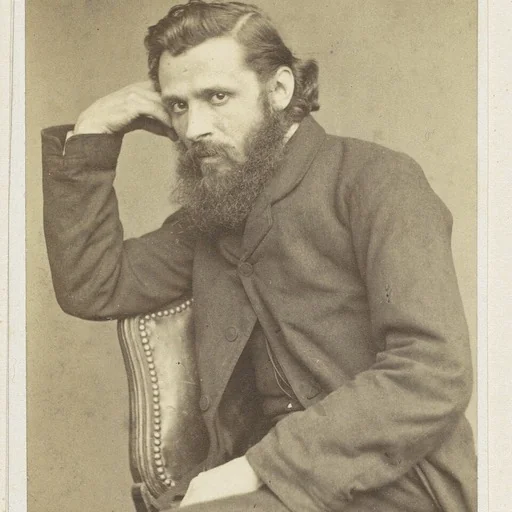
Franz Vinck or Frans Vinck (14 September 1827 – 17 October 1903) was a Belgian painter known for his history paintings, genre and Orientalist scenes and portraits. He led a peripatetic life style and travelled and worked in many countries.

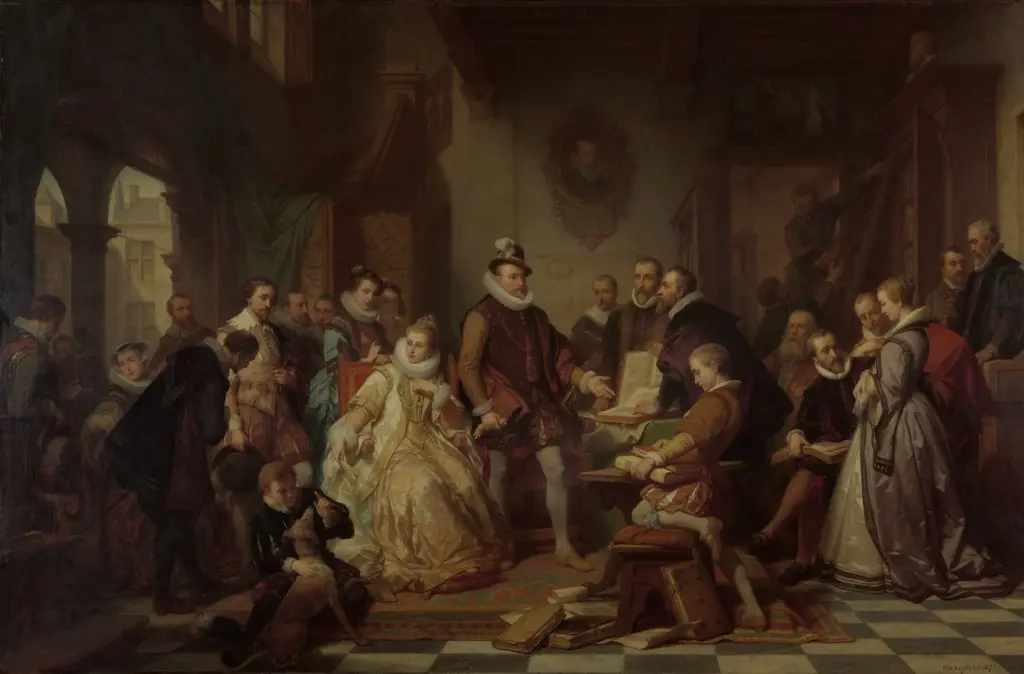 The Archdukes Albert and Isabella Visit the Printer Plantin
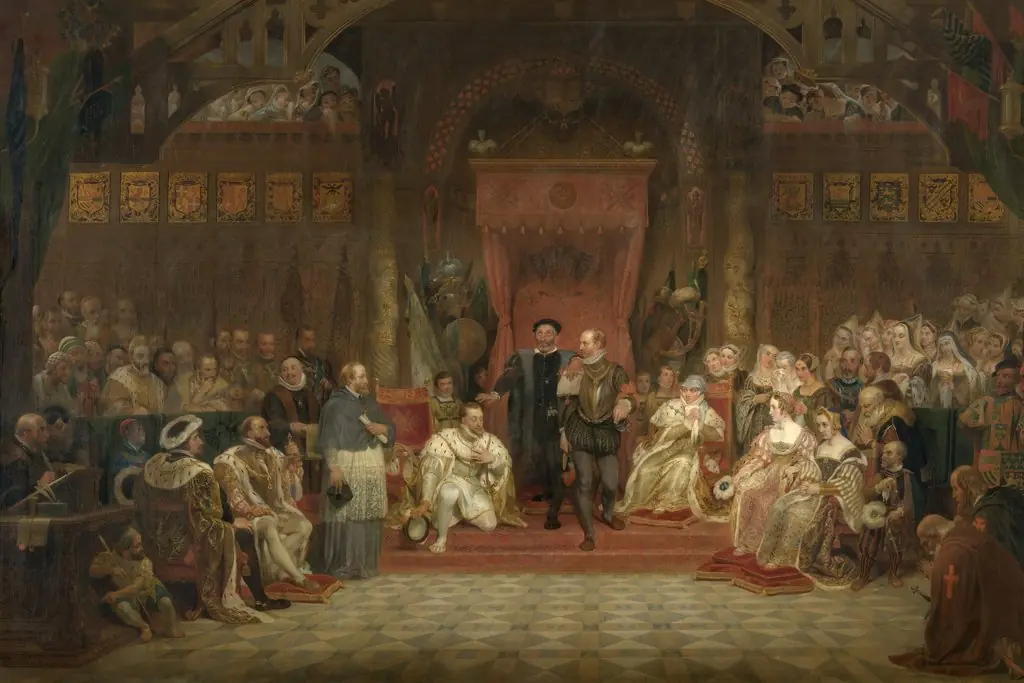 Abdiction of Charles V
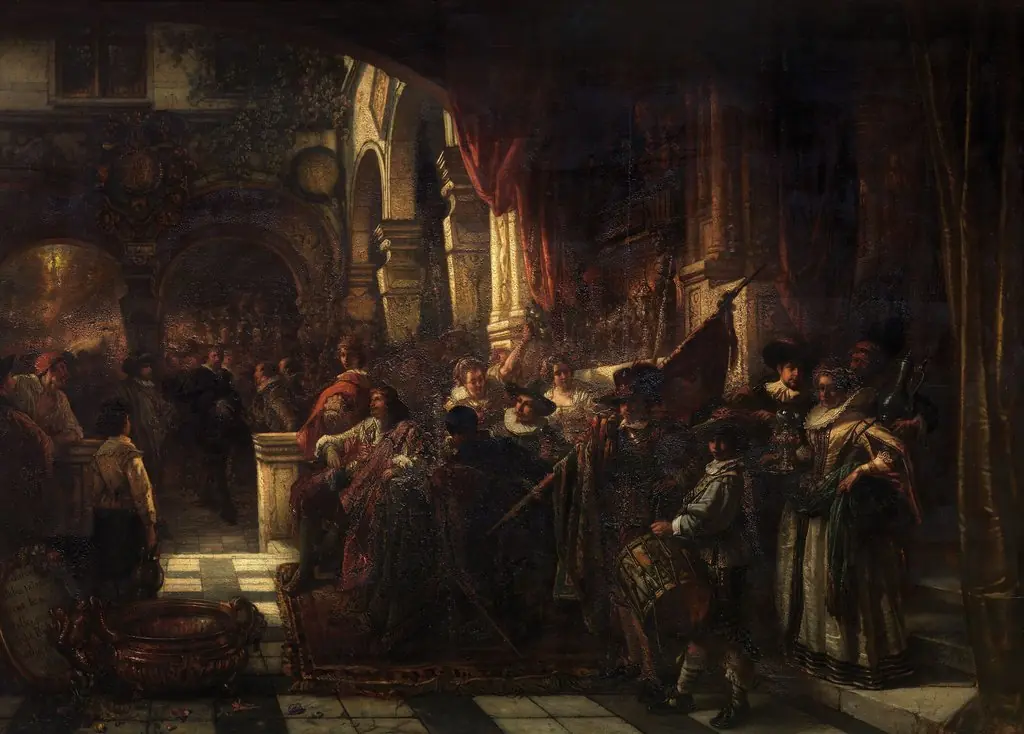 The Reception of Peter Paul Rubens by the Antwerp Arquebusiers
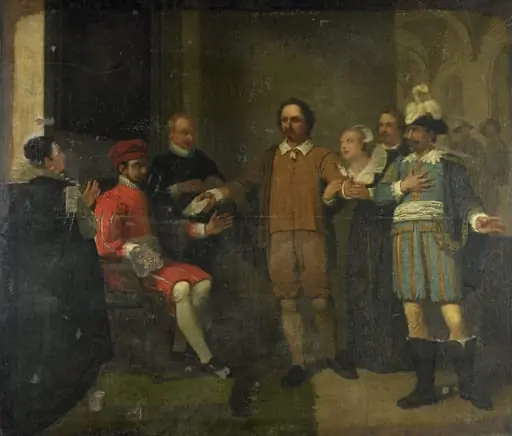 Jacob Simonsz de Rijk getting the Spanish Governor-General Requesens to Release Marnix van Sint Aldegonde, 1575
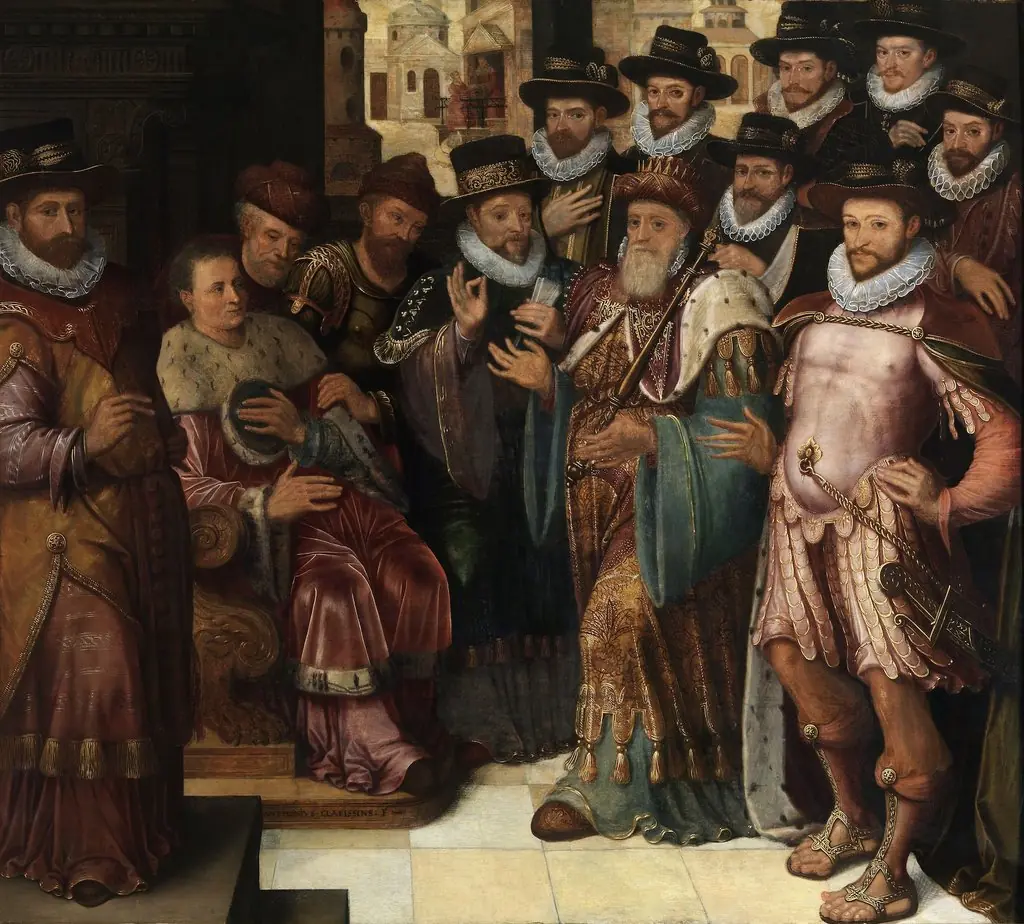 The judgement of Cambyses
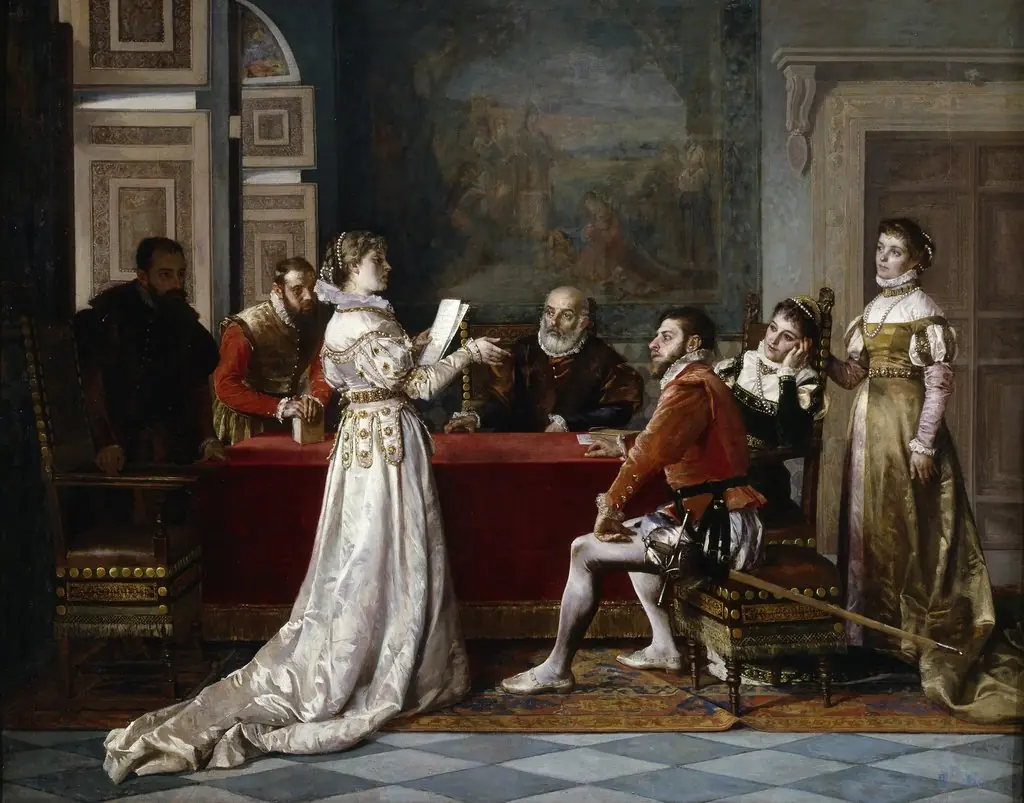 La poetisa
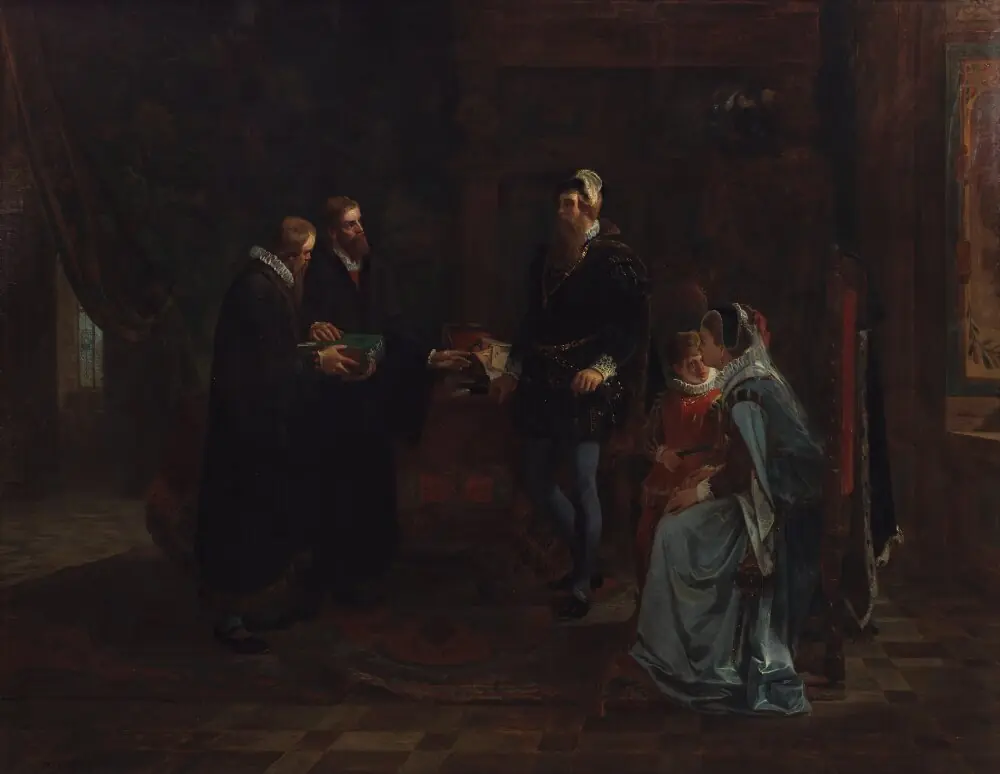 King Gustav Vasa of Sweden Receiving the Swedish Translation of the Bible
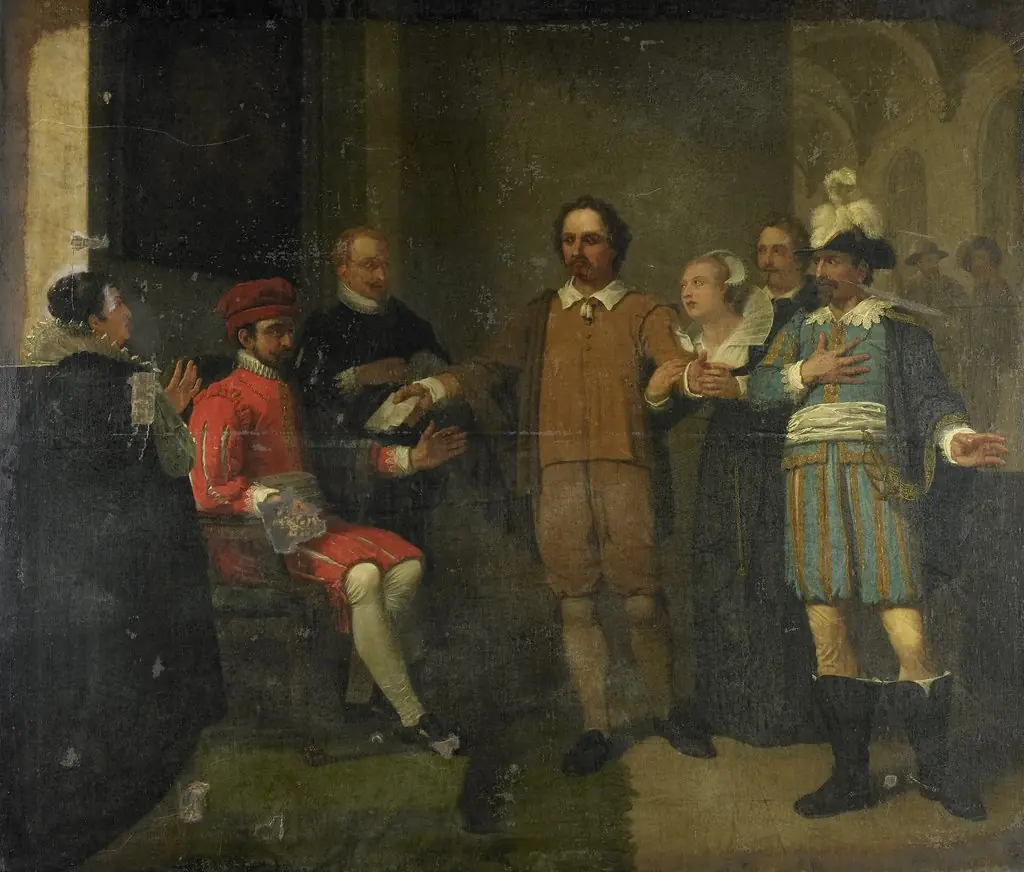 Jacob Simonsz de Rijk Secures from Spanish Governor-General Requesens the Release of Marnix van Sint Aldegonde
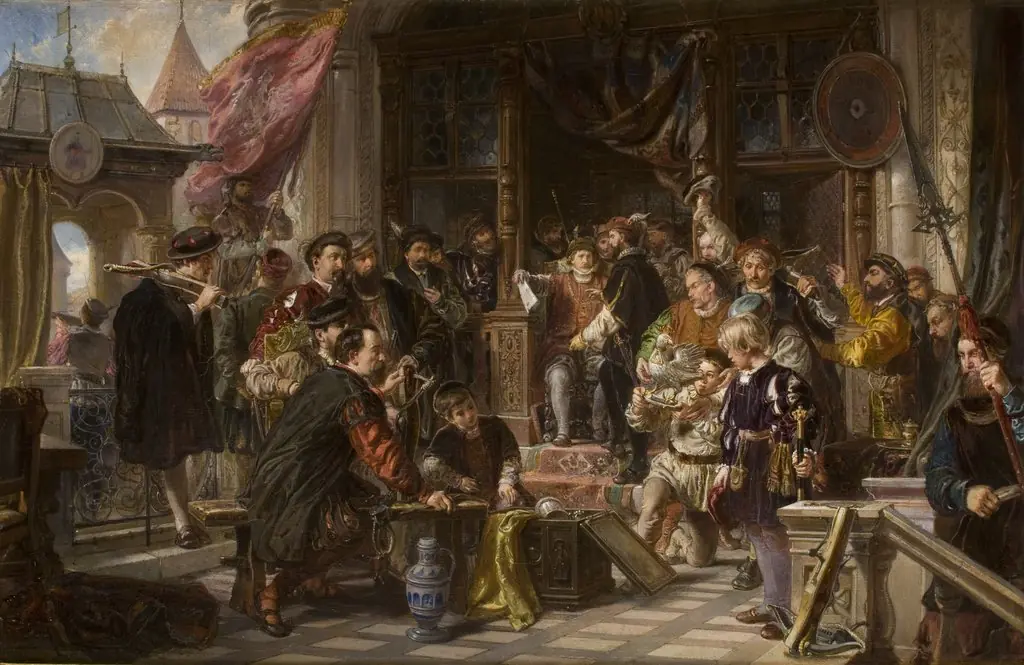 Presenting the Fowler to the Shooting Brotherhood
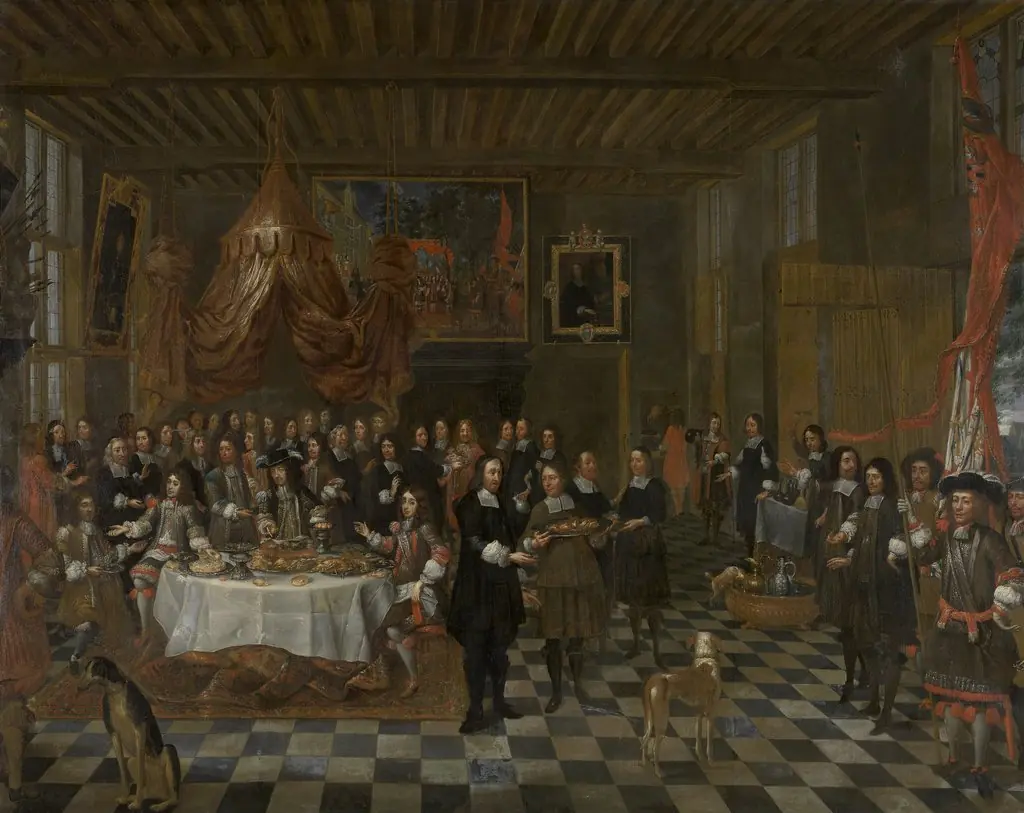 The Reception of Charles II and his Brothers in the Guild of Saint Barbara in Bruges
 Painters and Sculptors
 Últimos momentos de Felipe II