Artwork
Clytie
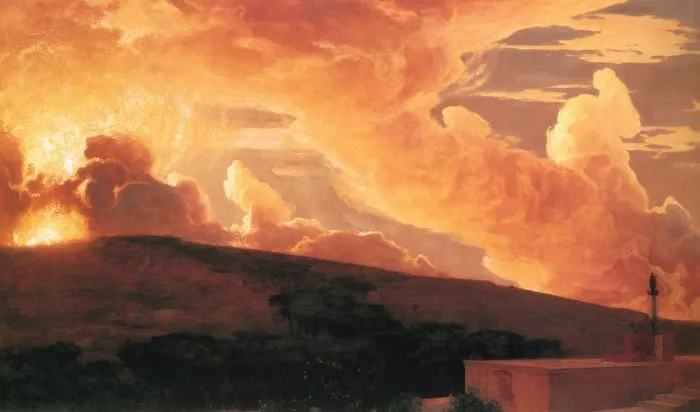
Clytie is an oil painting by the British Romanticist artist Frederic Leighton. It dates from 1873 and is held in the collection of the Fitzwilliam Museum.
About this work
Overview
Clytie is an oil painting created by British artist Frederic Leighton around 1873, now part of the collection at the Fitzwilliam Museum.
Subject & Meaning
The painting depicts a serene woman with long, wavy hair and a white robe, gazing upwards with a contemplative, yearning expression, surrounded by dramatic clouds and sunlight.
Technique & Style
Leighton employs chiaroscuro, skillfully manipulating light and shadow to create depth and volume, guiding the viewer's focus to the subject's face and figure.
History & Provenance
Created circa 1873, the work is currently held in the collection of the Fitzwilliam Museum, with no detailed provenance provided beyond its current ownership.
Context
Reflecting Leighton's style, the piece aligns with late 19th-century British art's inclination towards classical themes and expressive use of light, though the specific mythological or literary inspiration for 'Clytie' is not immediately clear from the provided details.
Legacy
While 'Clytie' showcases Leighton's mastery of chiaroscuro and emotional depth, its broader impact or influence on subsequent art movements is not explicitly defined by the given information.
Artist & collection

Artist
Frederic Leighton, 1st Baron Leighton,, known as Sir Frederic Leighton between 1878 and 1896, was a British Victorian painter, draughtsman, and sculptor.

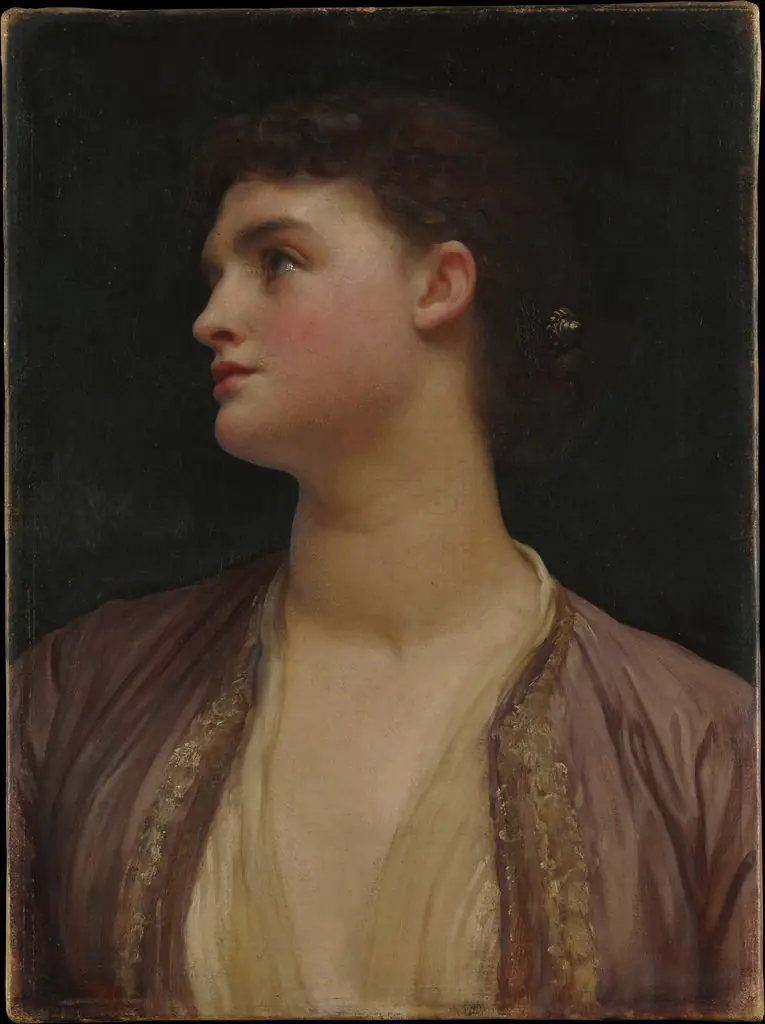 Lucia
Lucia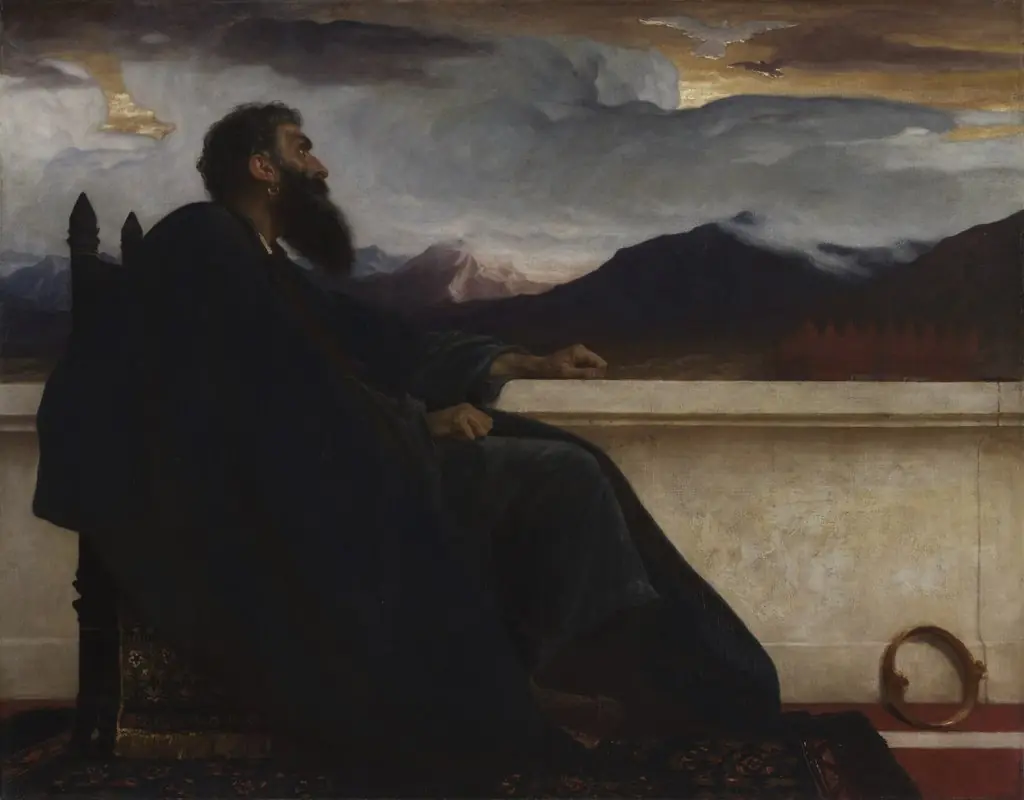 David: "Oh, that I had wings like a Dove! For then would I fly away, and be at rest." Psalm 55:6
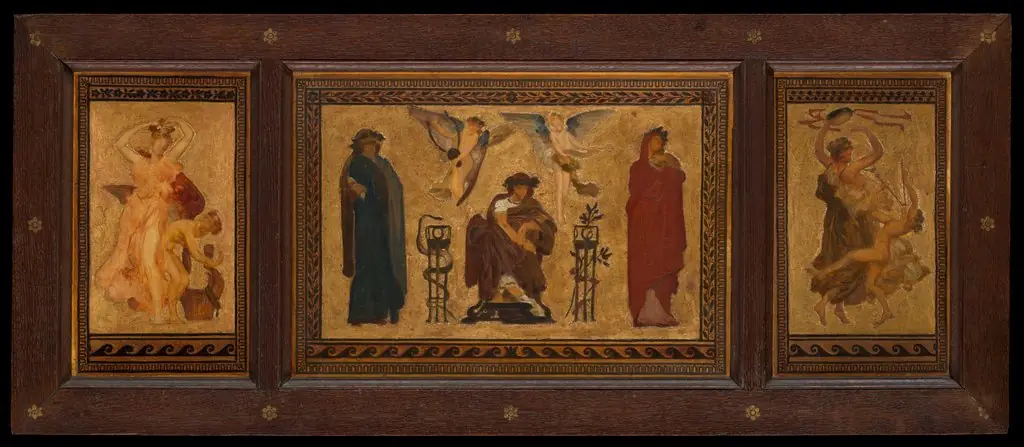 Study for the Ceiling of the Marquand Music Room
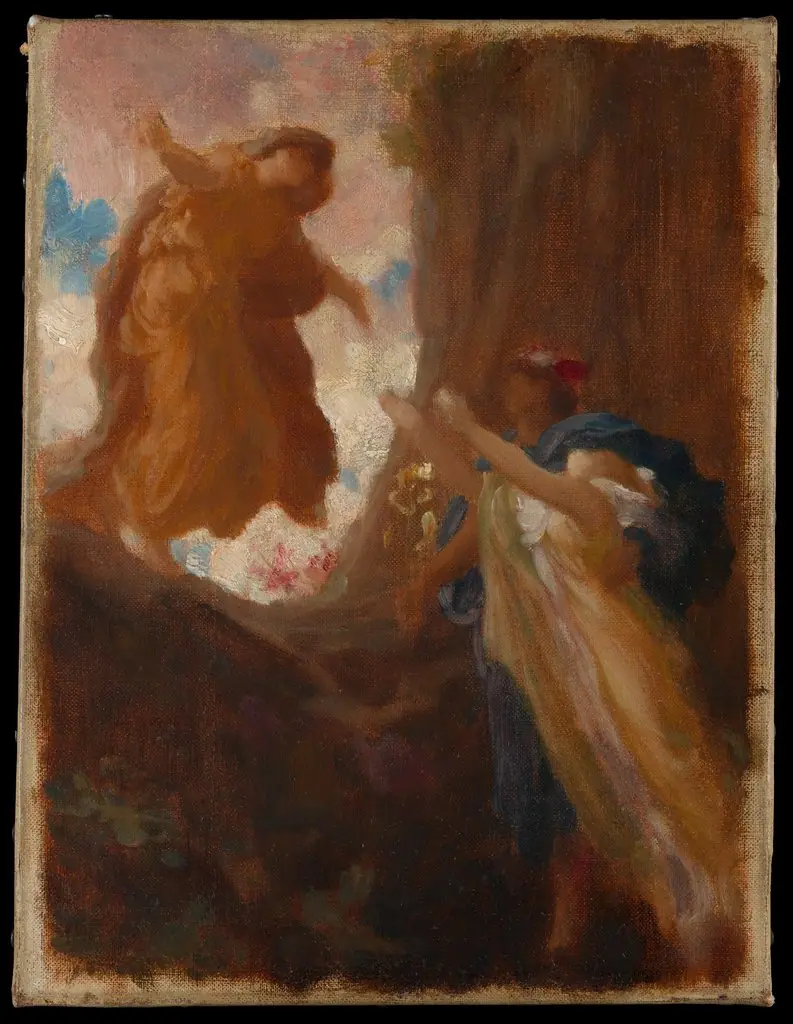 The Return of Persephone
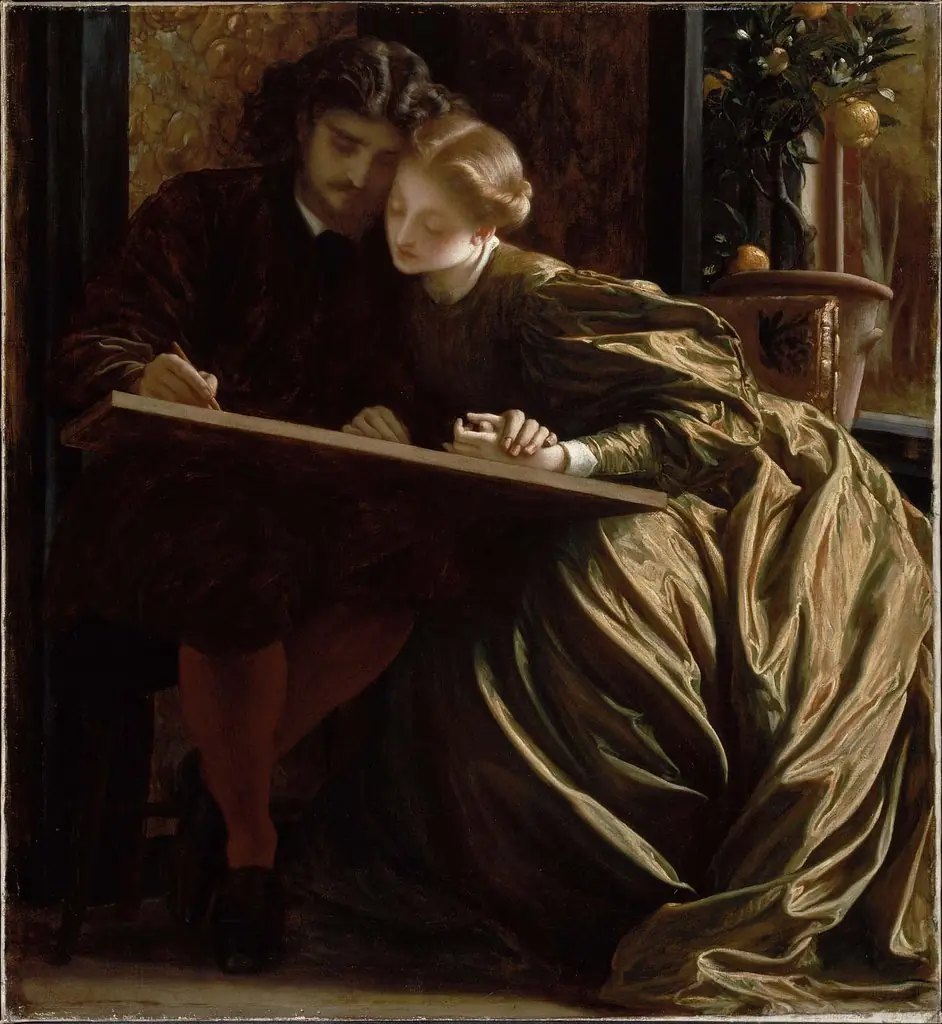 The Painter's Honeymoon
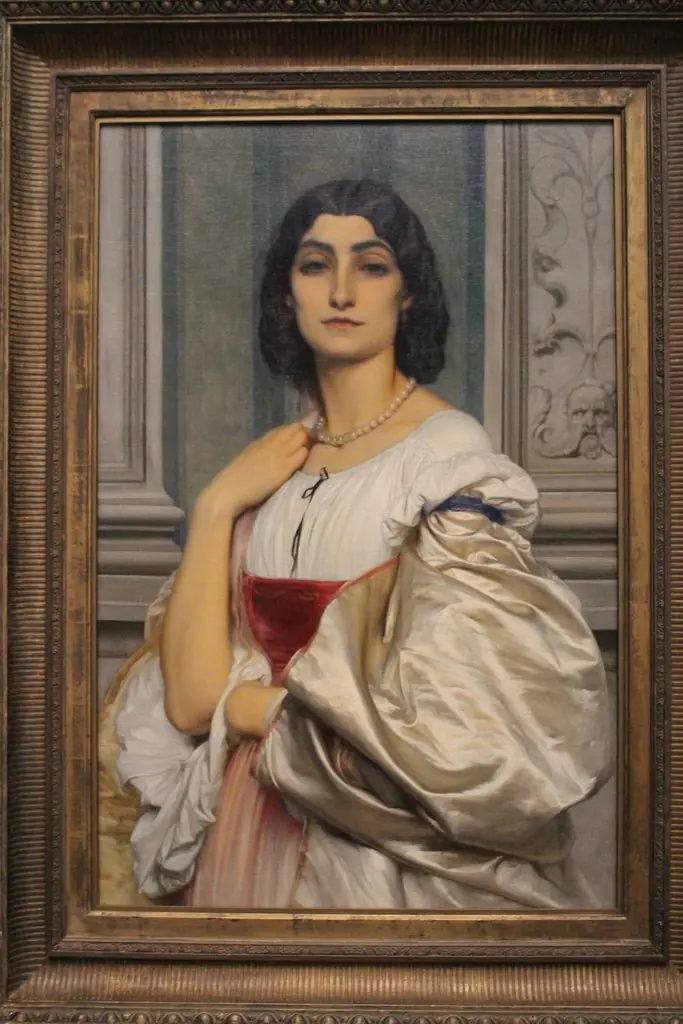 Portrait of a Roman Lady (La Nanna)
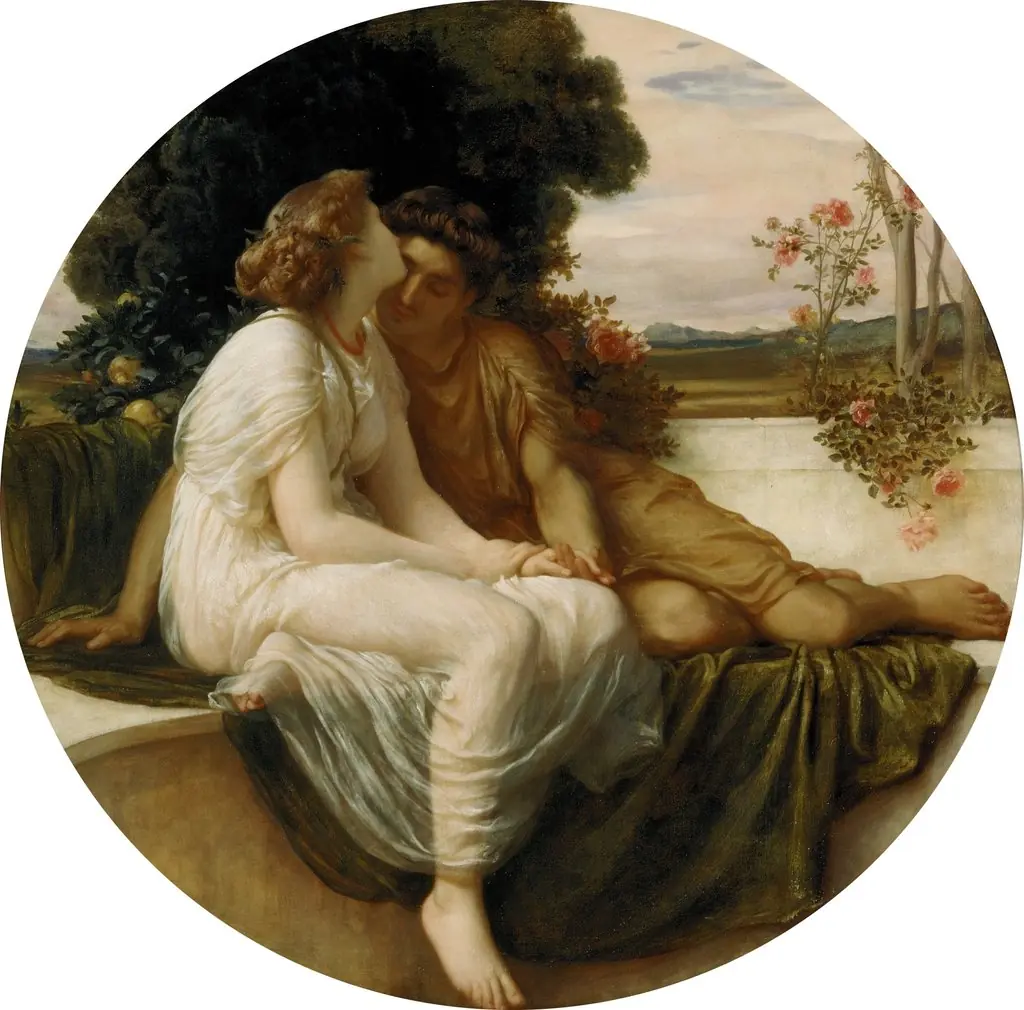 Acme and Septimius
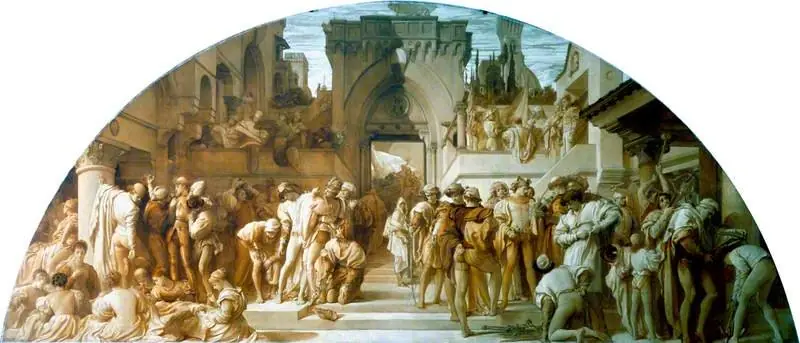 The Arts of Industry as Applied to War (cartoon for a wall painting in the Victoria and Albert Museum)
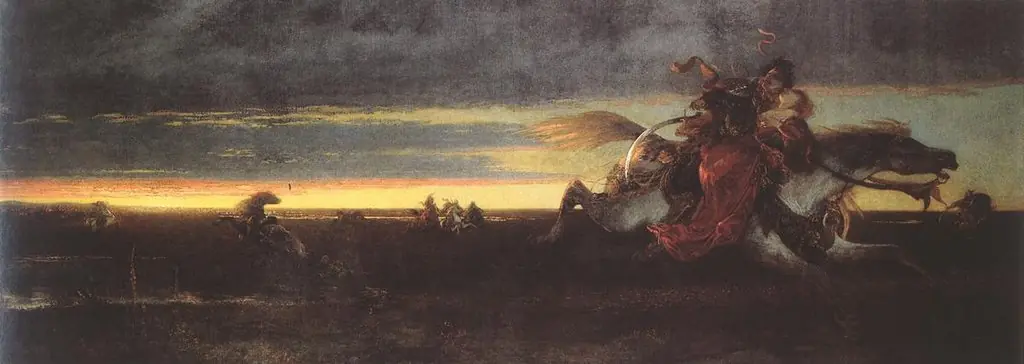 Dobozi
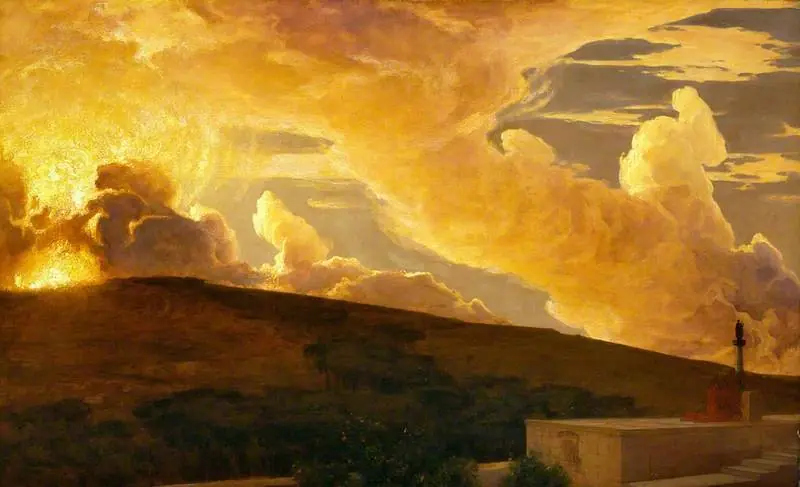 Charles Brinsley Marlay
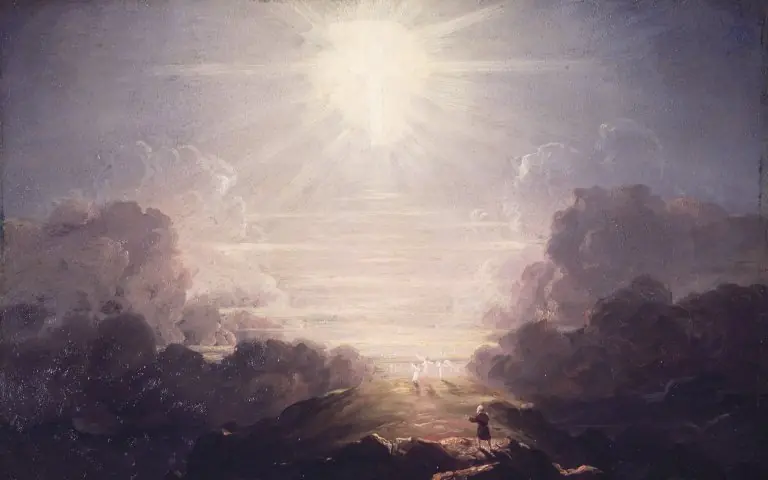 Study for The Cross and the World
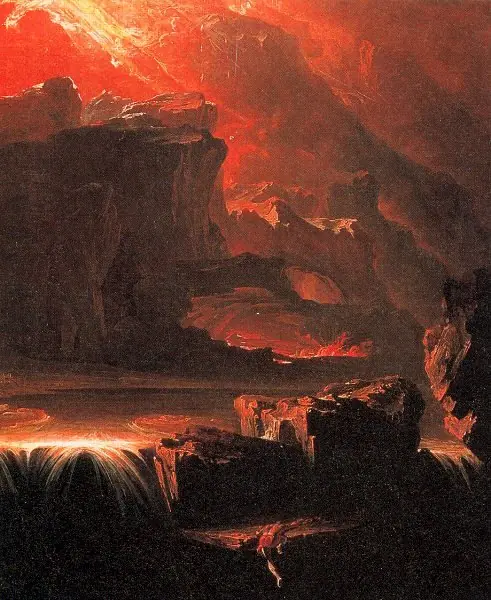 Sadak in Search of the Waters of Oblivion
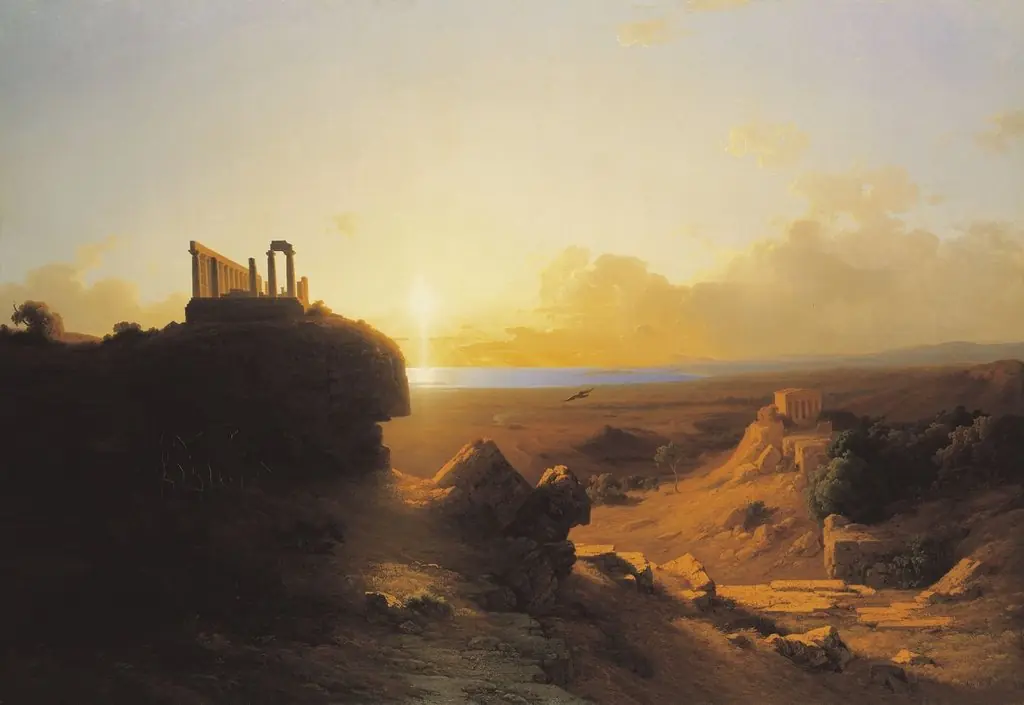 Italian Landscape
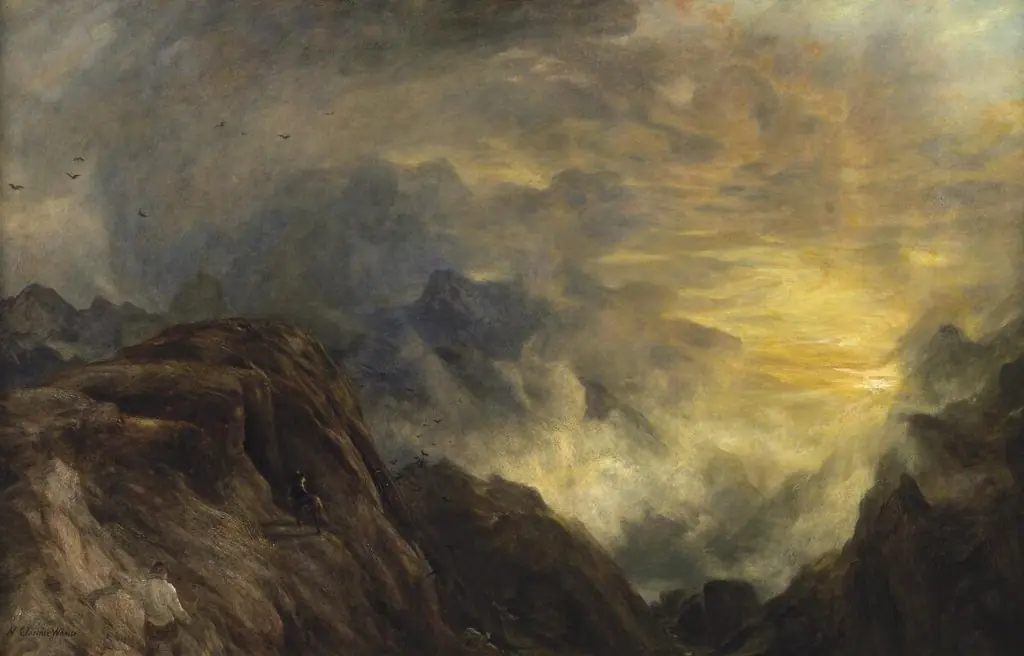 Mountain mist, sun rise (Lake District)
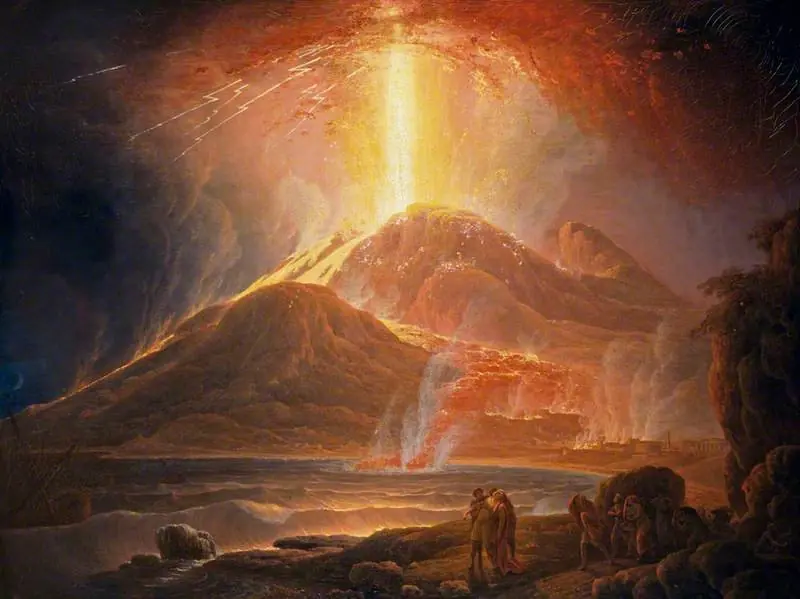 Mount Vesuvius in Eruption
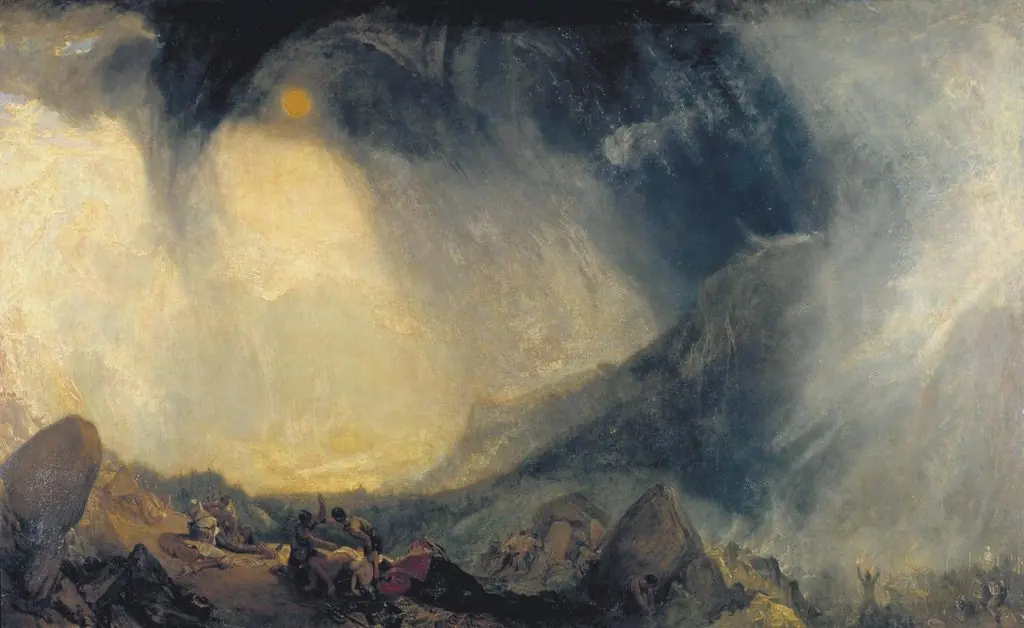 Snow Storm: Hannibal and his Army Crossing the Alps
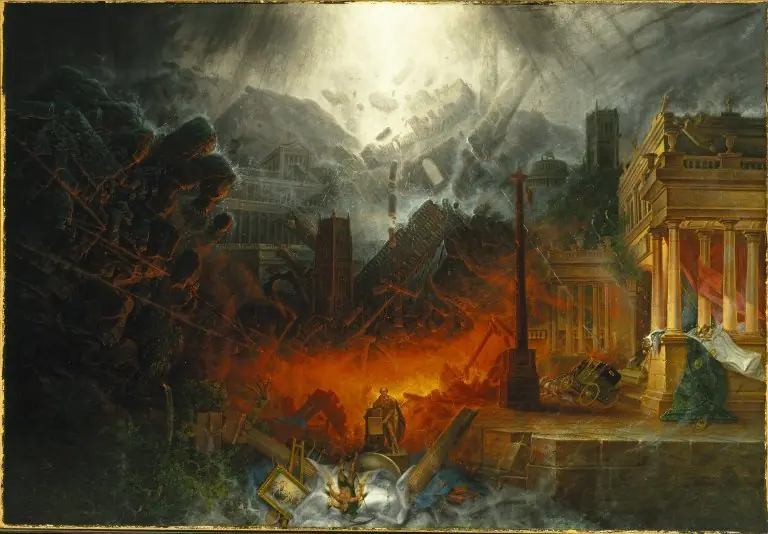 The Edge of Doom
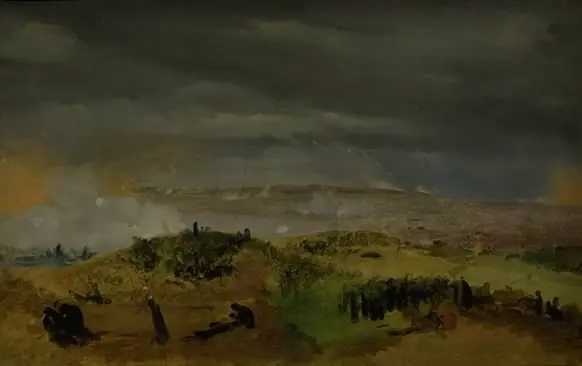 The Battle of Isted 25 July 1850. Study
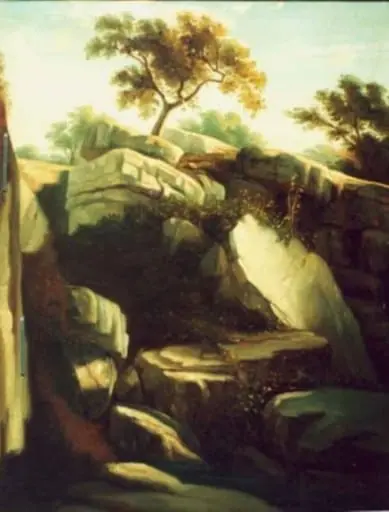 Peisaj din Italia
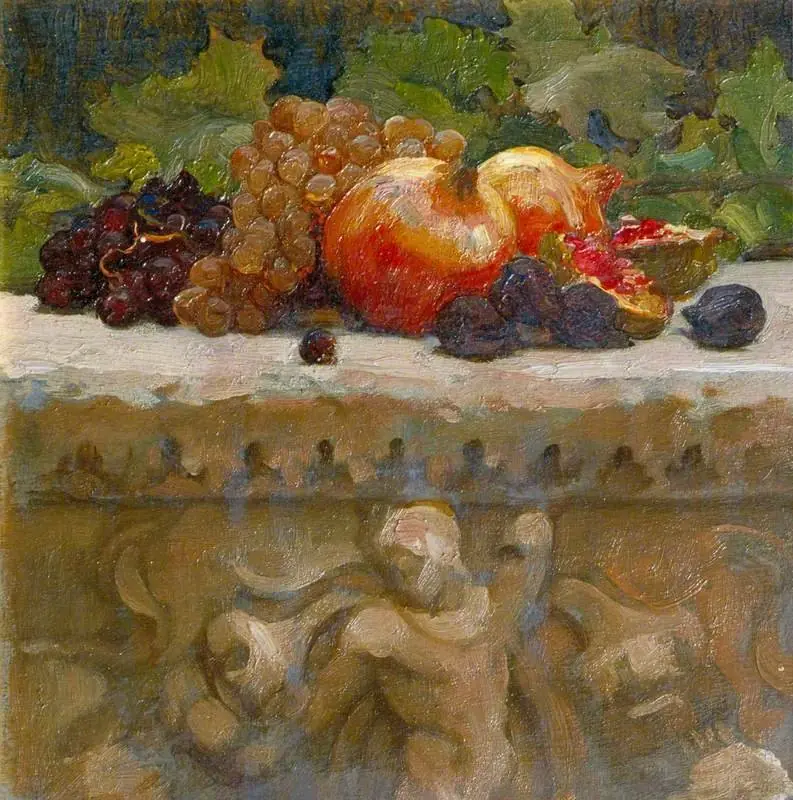 Clytie (study)