Artwork
The Edge of Doom
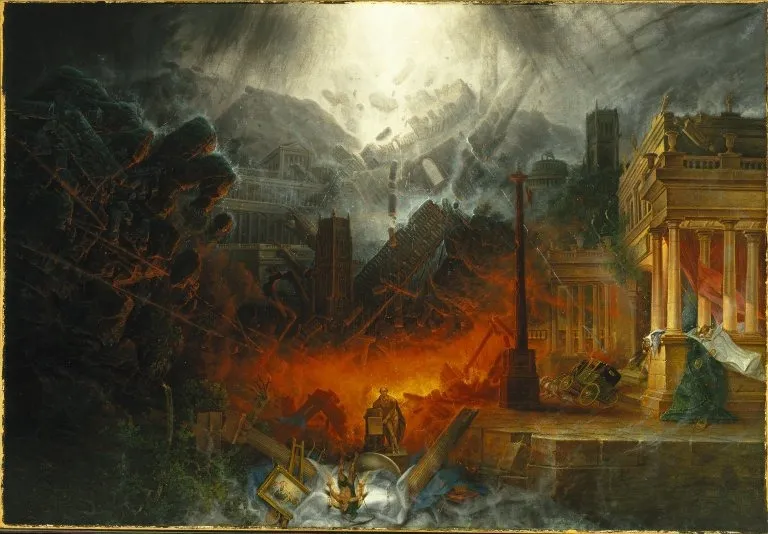
The Edge of Doom is an oil painting by the American Folk Art artist Samuel Colman. It dates from 1836 and is held in the collection of the Brooklyn Museum.
About this work
Overview
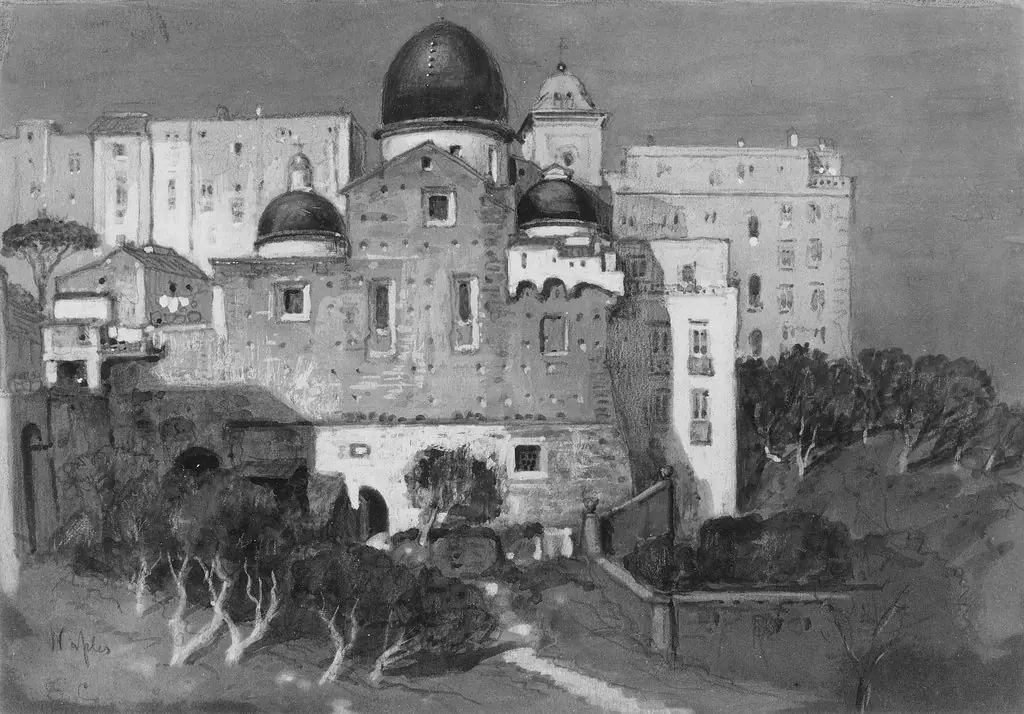
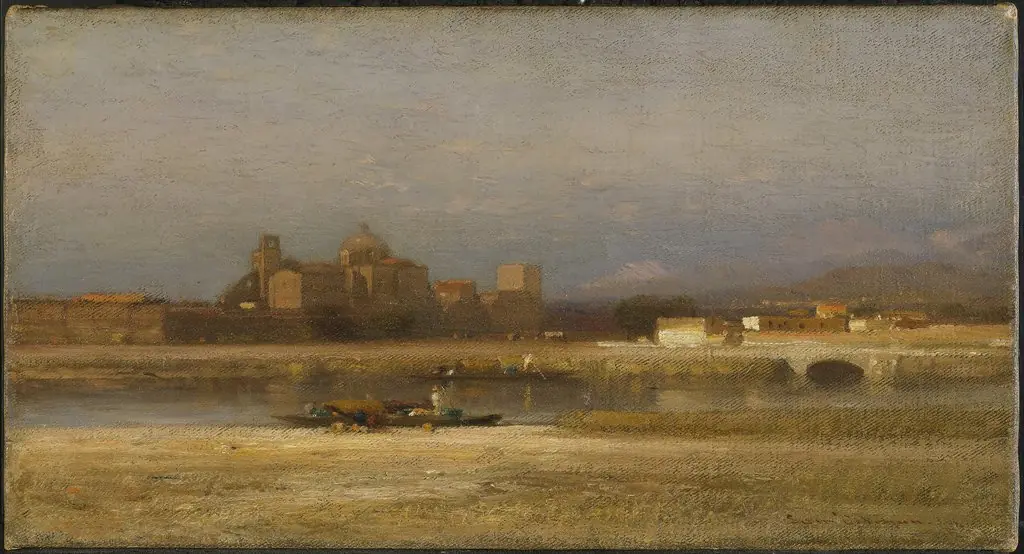
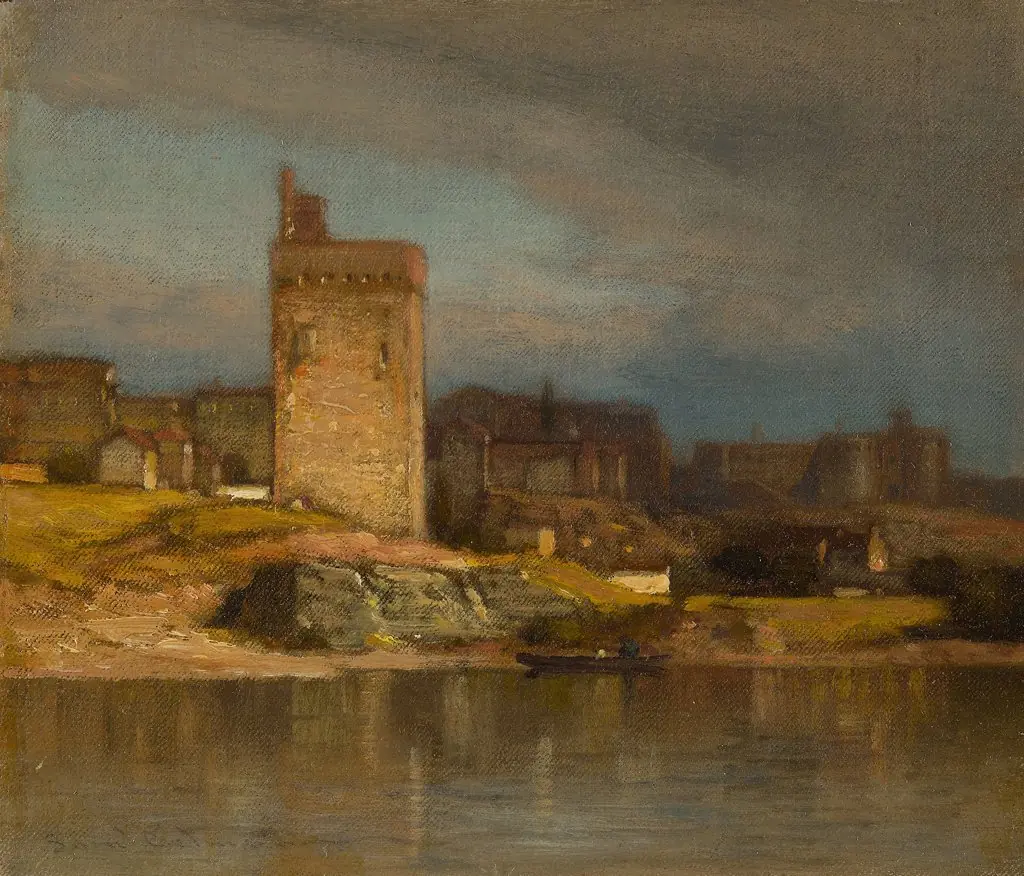
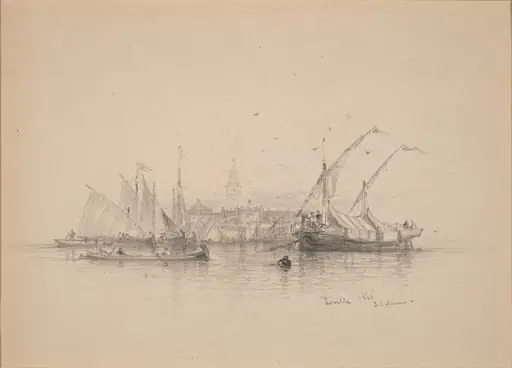
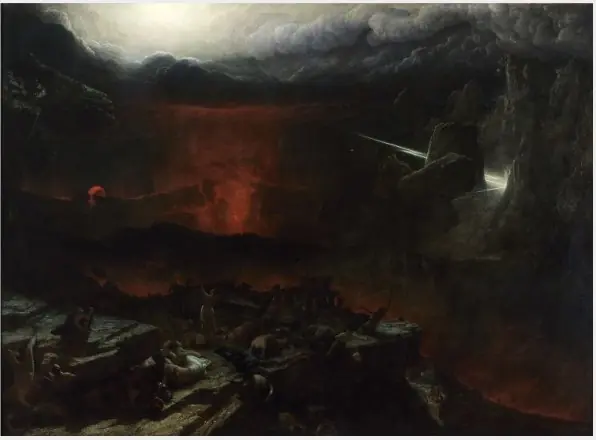
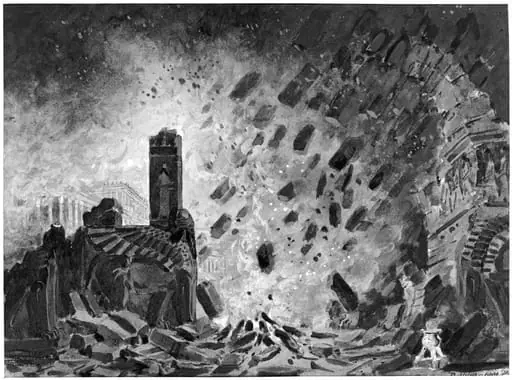
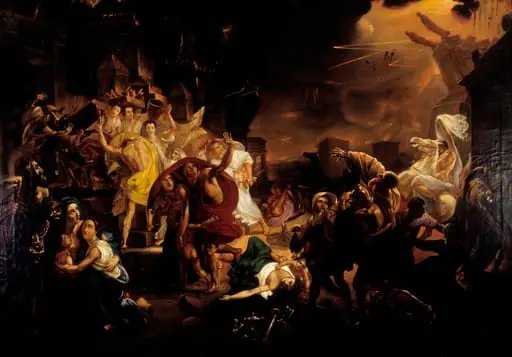
Created in 1836 by American painter Samuel Colman, *The Edge of Doom* is an oil painting depicting a catastrophic scene of urban devastation, characterized by ruins, fire, and a tumultuous sky.
Subject & Meaning
The painting portrays a city in ruins, with a half-collapsed grand temple, crumbling buildings, and figures navigating the wreckage amidst smoke and fire, conveying a sense of chaotic destruction and the downfall of a powerful entity.
Technique & Style
Colman employed bold chiaroscuro, leveraging stark contrasts between light and shadow to amplify the dramatic impact of the devastation, aligning the work with American folk art traditions despite its apocalyptic subject matter.
History & Provenance
*The Edge of Doom* is part of the Brooklyn Museum's collection, though the painting's history prior to its acquisition is not detailed here.
Context
While Colman is known for Hudson River landscapes, *The Edge of Doom* diverges from this theme, instead reflecting a darker, more allegorical vision, potentially influenced by contemporary anxieties or biblical/apocalyptic themes common in early American art.
Legacy
The painting's legacy is not extensively outlined in available information, though its presence in a major museum collection suggests recognition of its artistic and historical value within American folk art.
Artist & collection

Artist
Samuel Colman (March 4, 1832 – March 26, 1920) was an American painter, interior designer, and writer, probably best remembered for his paintings of the Hudson River.