Artwork
Acme and Septimius
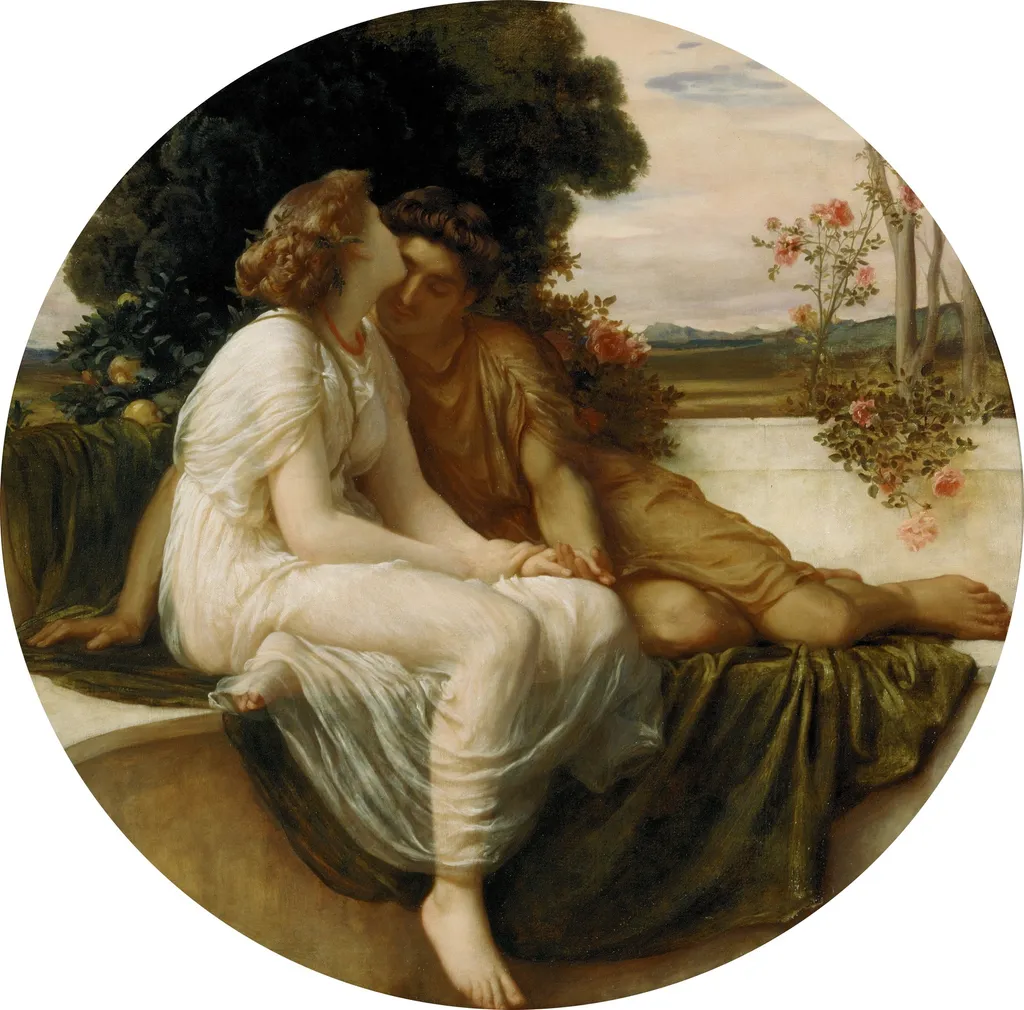
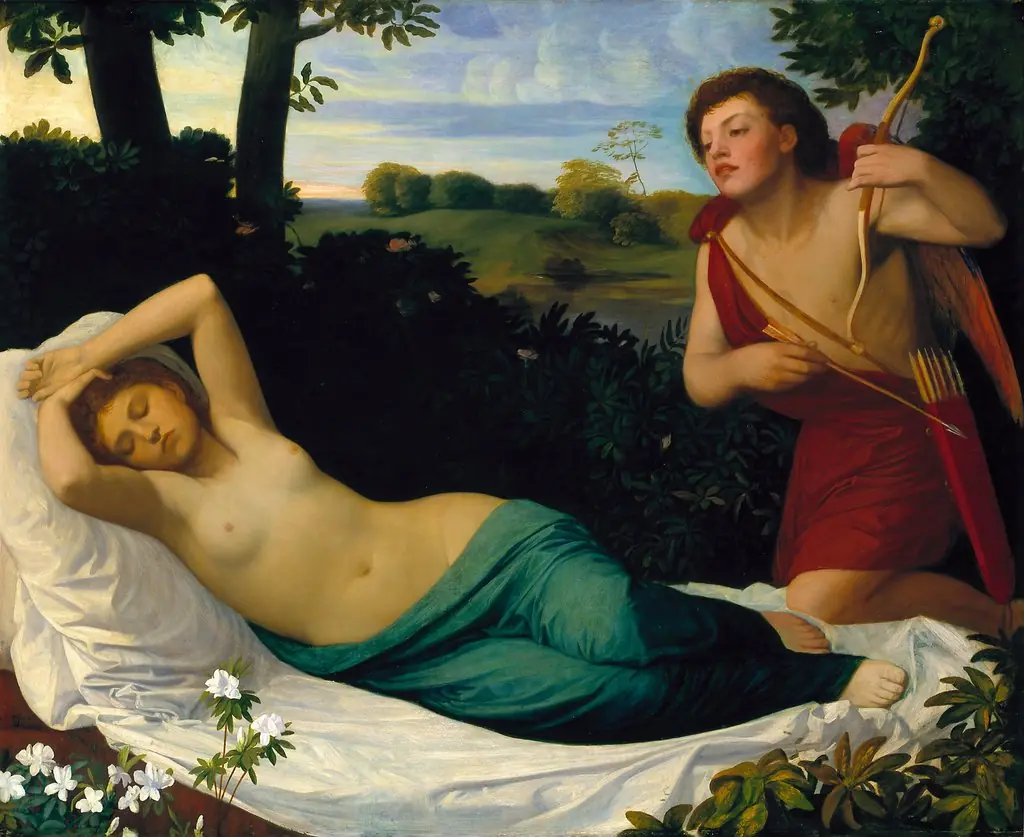
Acme and Septimius is an oil painting by the British Romanticist artist Frederic Leighton. It dates from 1868 and is held in the collection of the Ashmolean Museum.
About this work
To learn more about the artist's style and methods, look up the technique of glazing.
Acme and Septimius is a painting by Frederic Leighton. It's an oil painting, created in 1868.
The subject of the painting comes from a love poem by the Roman poet Catullus. This poem inspired Leighton to create the work, which was first exhibited in 1868. The poem's theme of love is likely central to the painting.
To learn more about the artist's style and methods, look up the technique of glazing.
Overview
Acme and Septimius is an oil painting created by Frederic Leighton in 1868.
Subject & Meaning
The painting's subject is derived from a love poem by the Roman poet Catullus, suggesting that the theme of love is central to the work.
Technique & Style
The painting is executed in oil paint, a medium that allows for techniques such as glazing, which may have been employed by Leighton to achieve the desired visual effects.
History & Provenance
Acme and Septimius was first exhibited in 1868, marking its initial public presentation.
Artist & collection

Artist
Frederic Leighton, 1st Baron Leighton,, known as Sir Frederic Leighton between 1878 and 1896, was a British Victorian painter, draughtsman, and sculptor.

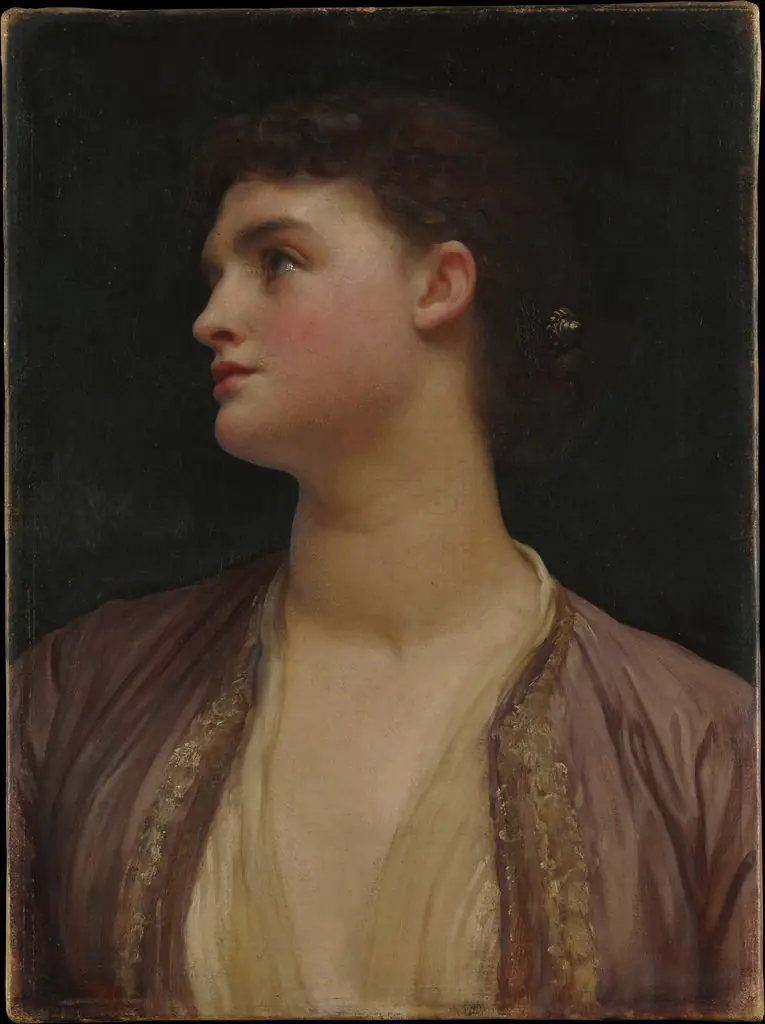 Lucia
Lucia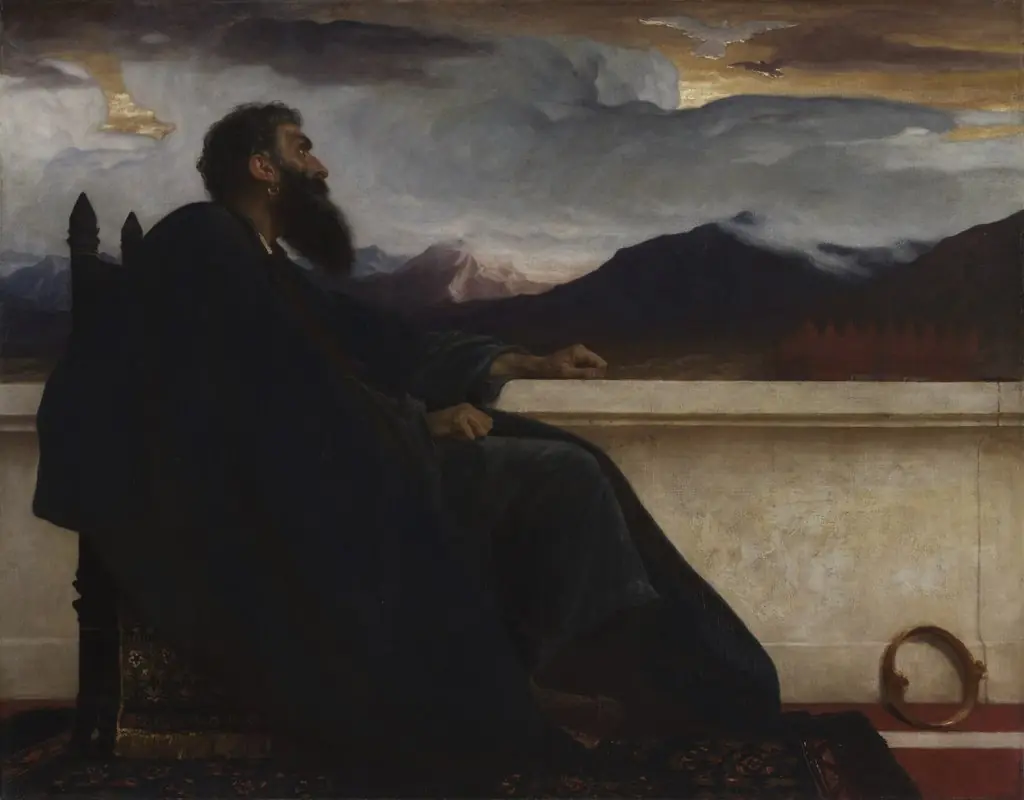 David: "Oh, that I had wings like a Dove! For then would I fly away, and be at rest." Psalm 55:6
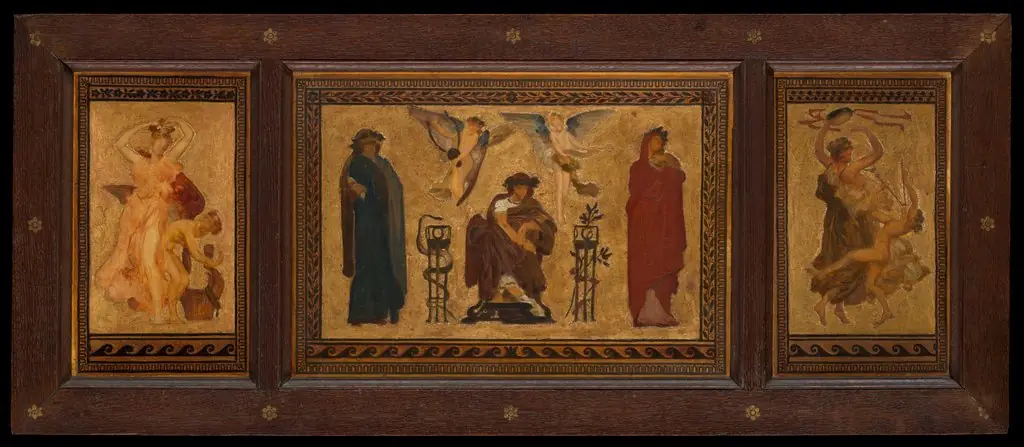 Study for the Ceiling of the Marquand Music Room
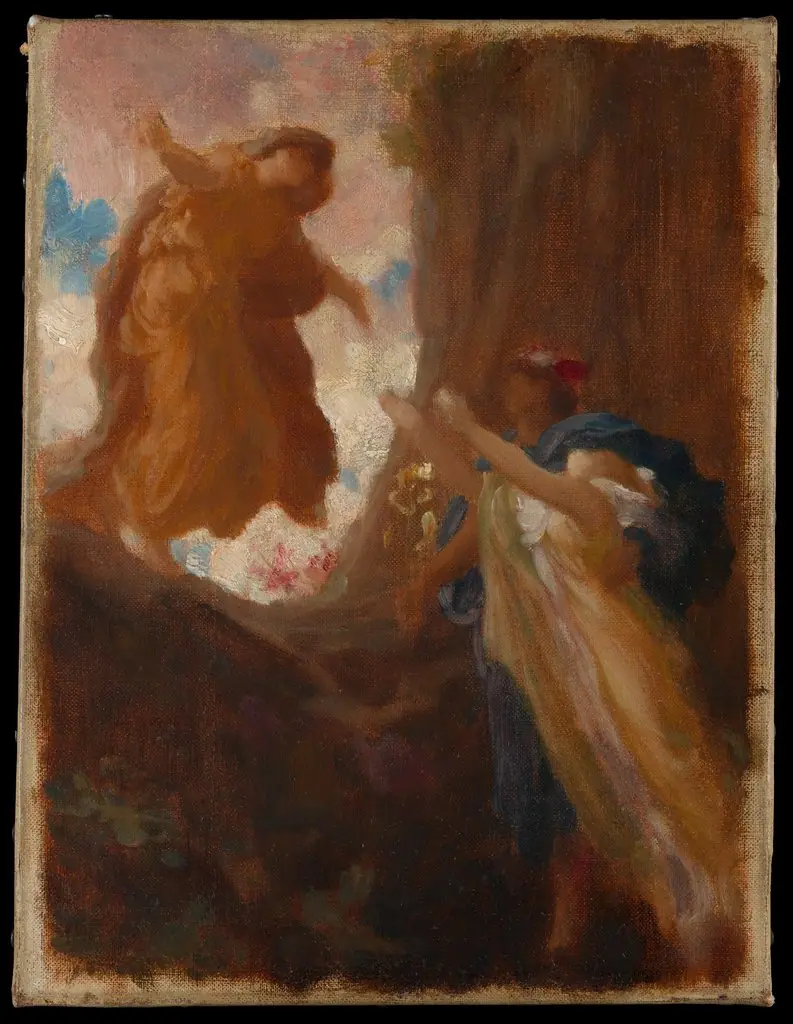 The Return of Persephone
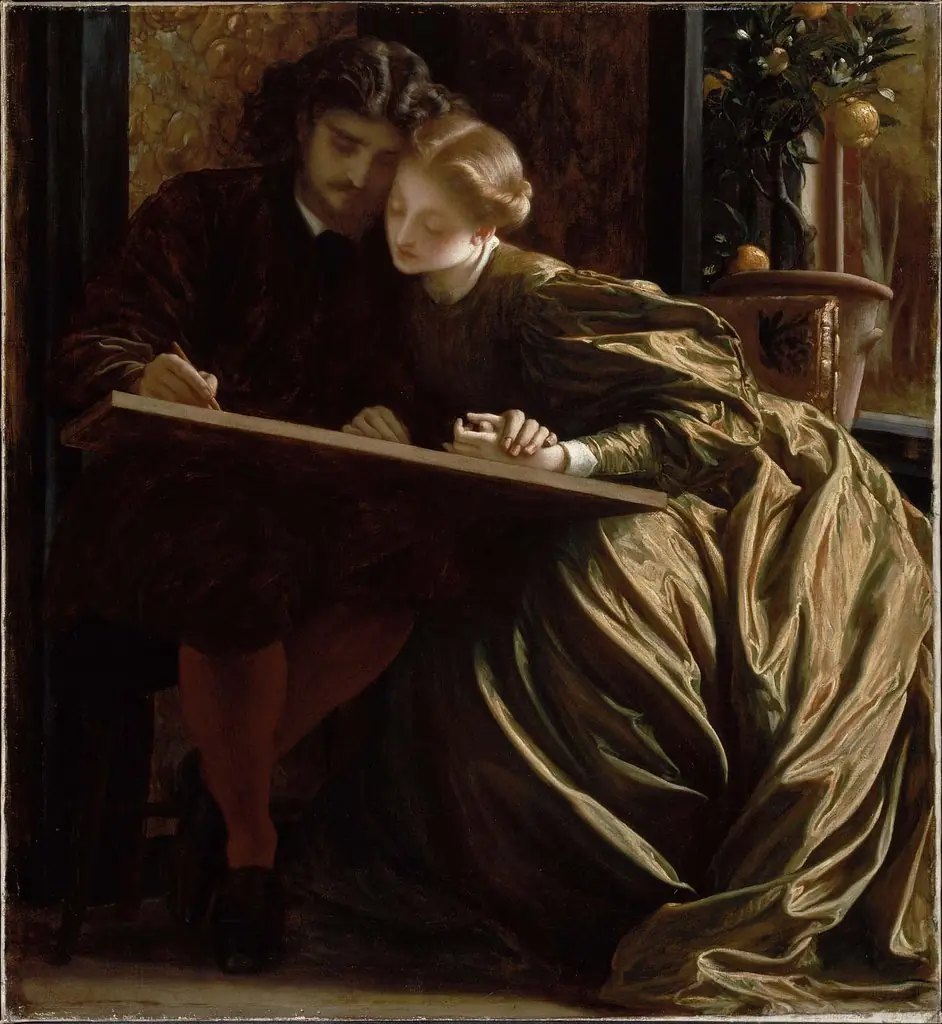 The Painter's Honeymoon
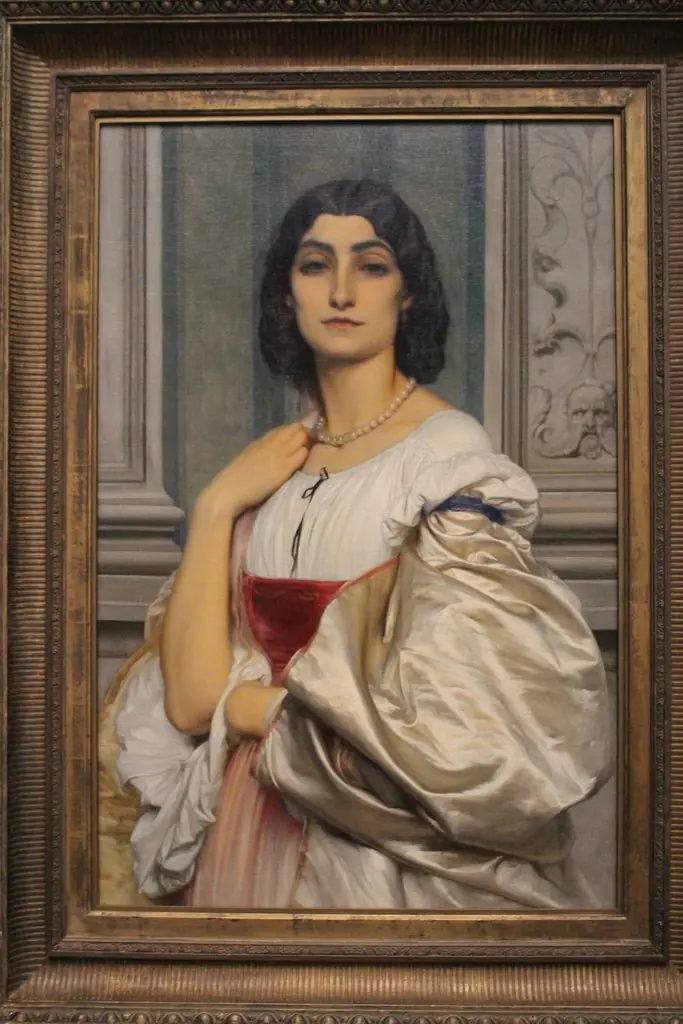 Portrait of a Roman Lady (La Nanna)
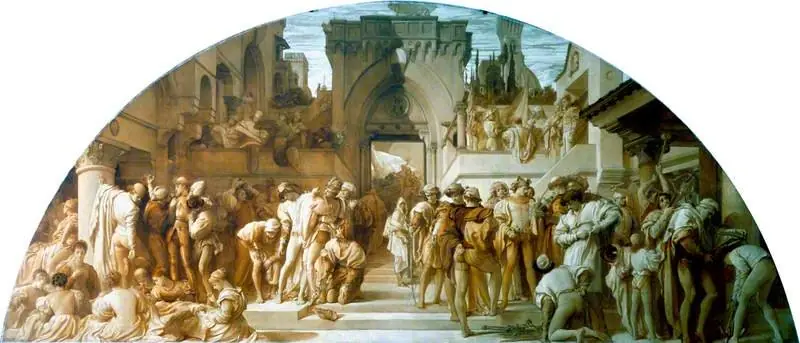 The Arts of Industry as Applied to War (cartoon for a wall painting in the Victoria and Albert Museum)
 Clytie (study)