Artwork
Bourges Cathedral: Crypt Under Nave
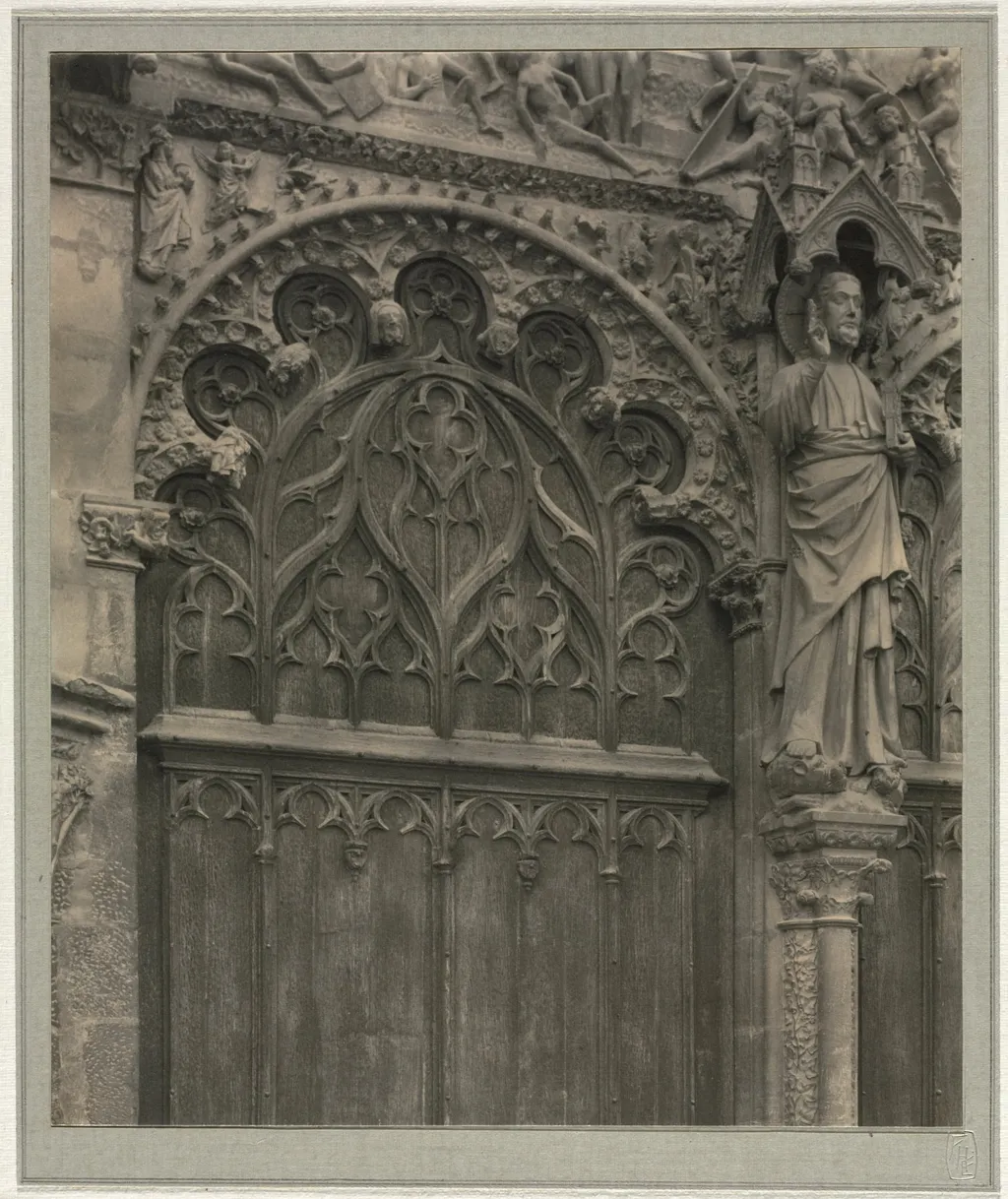
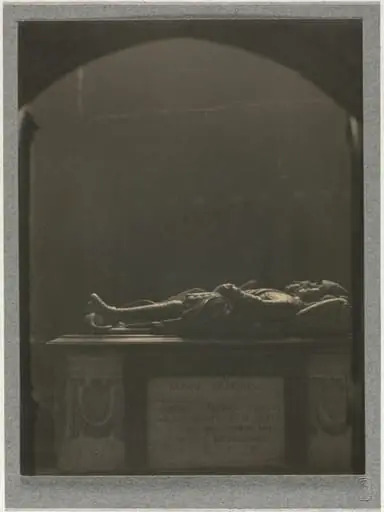
Bourges Cathedral: Crypt Under Nave is a photography by the Impressionist artist Frederick H. Evans. It dates from 1900 and is held in the collection of the Cleveland Museum of Art. Taken around 1900, this photograph by Frederick H.
About this work
Overview
Evans focused on architectural interiors with quiet precision, using long exposures to render stone surfaces and shadowed spaces with subtle tonal gradations.
Taken around 1900, this photograph by Frederick H. Evans captures the crypt beneath the nave of Bourges Cathedral in France. Evans focused on architectural interiors with quiet precision, using long exposures to render stone surfaces and shadowed spaces with subtle tonal gradations. The image belongs to the collection of The Cleveland Museum of Art, where it is valued for its contemplative depiction of medieval architecture.
Subject & Meaning
The photograph emphasizes the crypt’s austere, vaulted architecture, stripped of human presence. Evans isolates the space to highlight its structural rhythm and the weight of time embedded in its stonework. Rather than celebrating grandeur, the image invites reflection on silence, endurance, and the passage of centuries within sacred architecture.
Technique & Style
Evans employed a large-format camera and extended exposure times to achieve sharp detail and a broad range of gray tones. His approach avoided dramatic lighting, favoring natural light filtering through high openings. The result is a serene, almost meditative composition, where texture and form emerge through delicate contrasts rather than bold contrasts.
History & Provenance
The photograph was made during Evans’s extended series documenting French cathedrals in the late 19th and early 20th centuries. It entered The Cleveland Museum of Art’s collection through its photography holdings, acquired for its significance in the Pictorialist movement and its contribution to architectural documentation of the period.
Context
At the turn of the century, photographers like Evans sought to elevate photography to the status of fine art by emphasizing mood and composition over mere record-keeping. His images of cathedrals responded to a broader cultural interest in medieval heritage and spiritual space, aligning with contemporary movements in architecture and literature that valued introspection and historical continuity.
Legacy
Evans’s crypt photograph remains a touchstone in the history of architectural photography. Its restrained aesthetic influenced later photographers who pursued quiet, contemplative representations of sacred spaces. The work endures as an example of how technical discipline and sensitivity to light can transform structural form into an emotional experience.
Artist & collection

Artist
Frederick H. Evans was an English photographer, best known for his images of architectural subjects, such as English and French cathedrals.

 Amiens, Northern Façade of the Transept
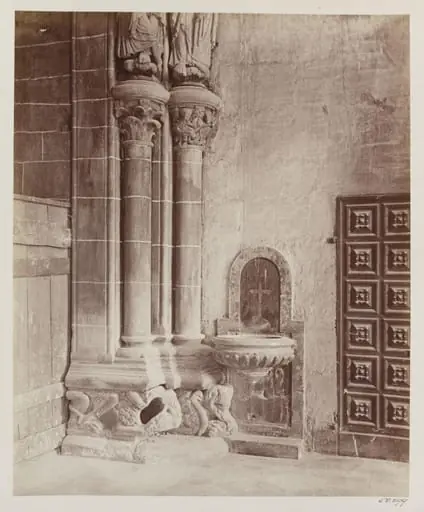 Cathedral, Santiago, Spain, Portico de la Gloria, detail of column at South wall
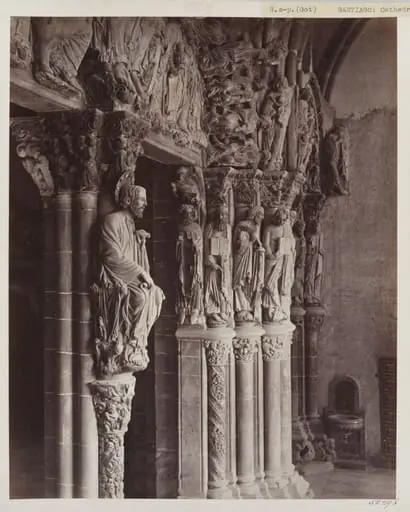 Cathedral, Santiago, Spain, Portico de la Gloria, details of Doorway (No.2)
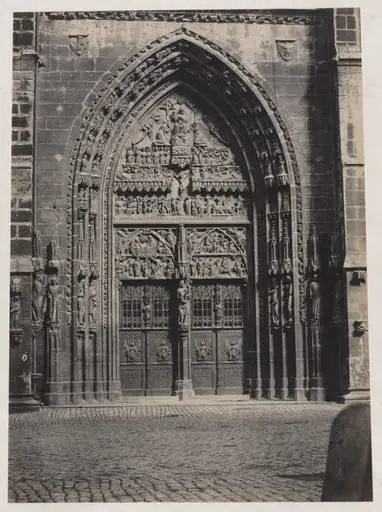 Entrance, St. Lorenz Cathedral, Nuremberg
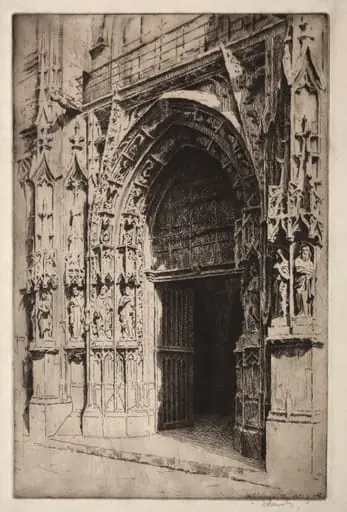 Portrail Central, Eglise St. Merri, Paris
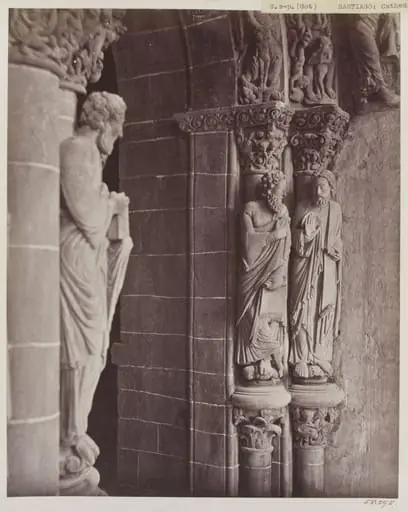 Cathedral, Santiago, Spain, Portico de la Gloria, Sculpture on South wall
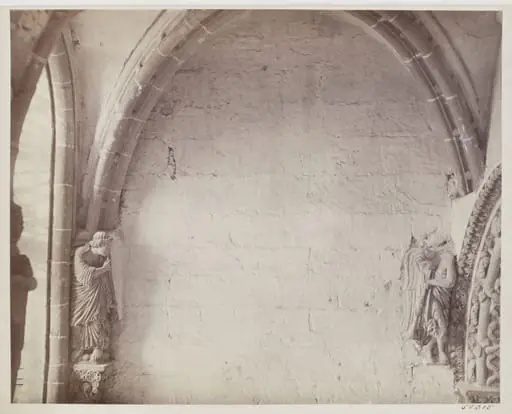 Cathedral, Santiago, Spain, Portico de la Gloria, Sculpture on North wall
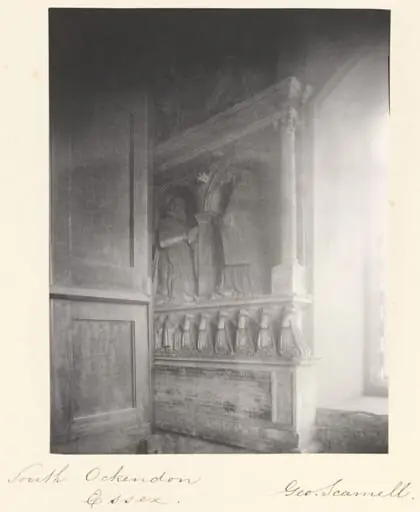 National Photographic Record and Survey
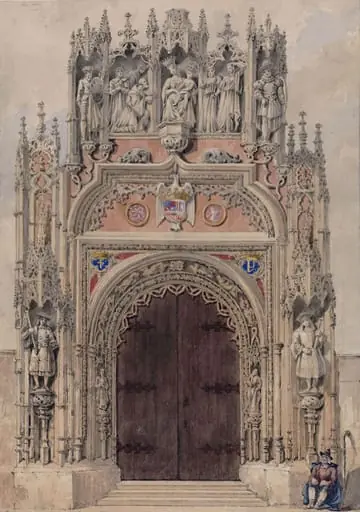 Entrance Gate of the Chapel of Ferdinand and Isabella in the Cathedral of Granada
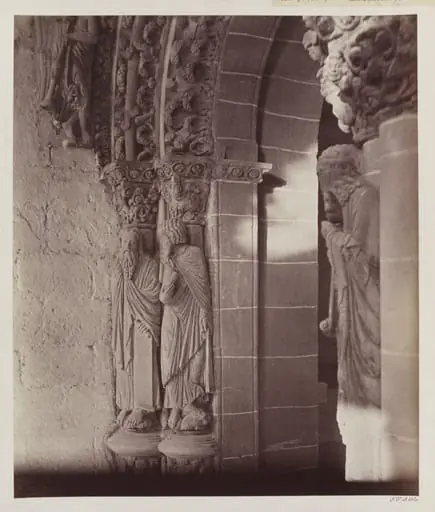 Cathedral, Santiago, Spain, Portico de la Gloria, Sculpture on the North wall
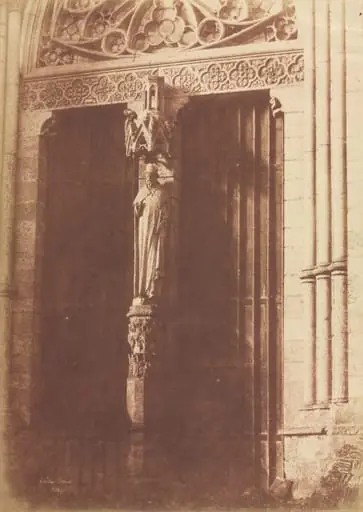
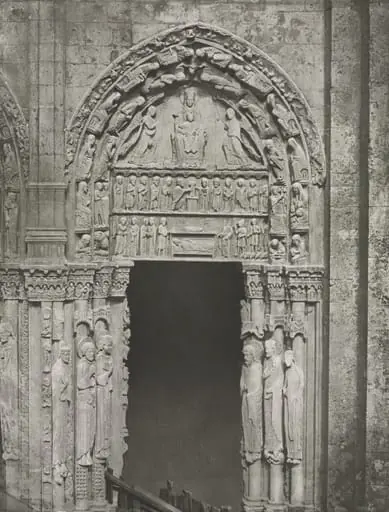 Chartres Cathedral: Right Door of the Royal Portal with Our Lady of Chartres