Artwork
Gloucester Cathedral from the Southeast
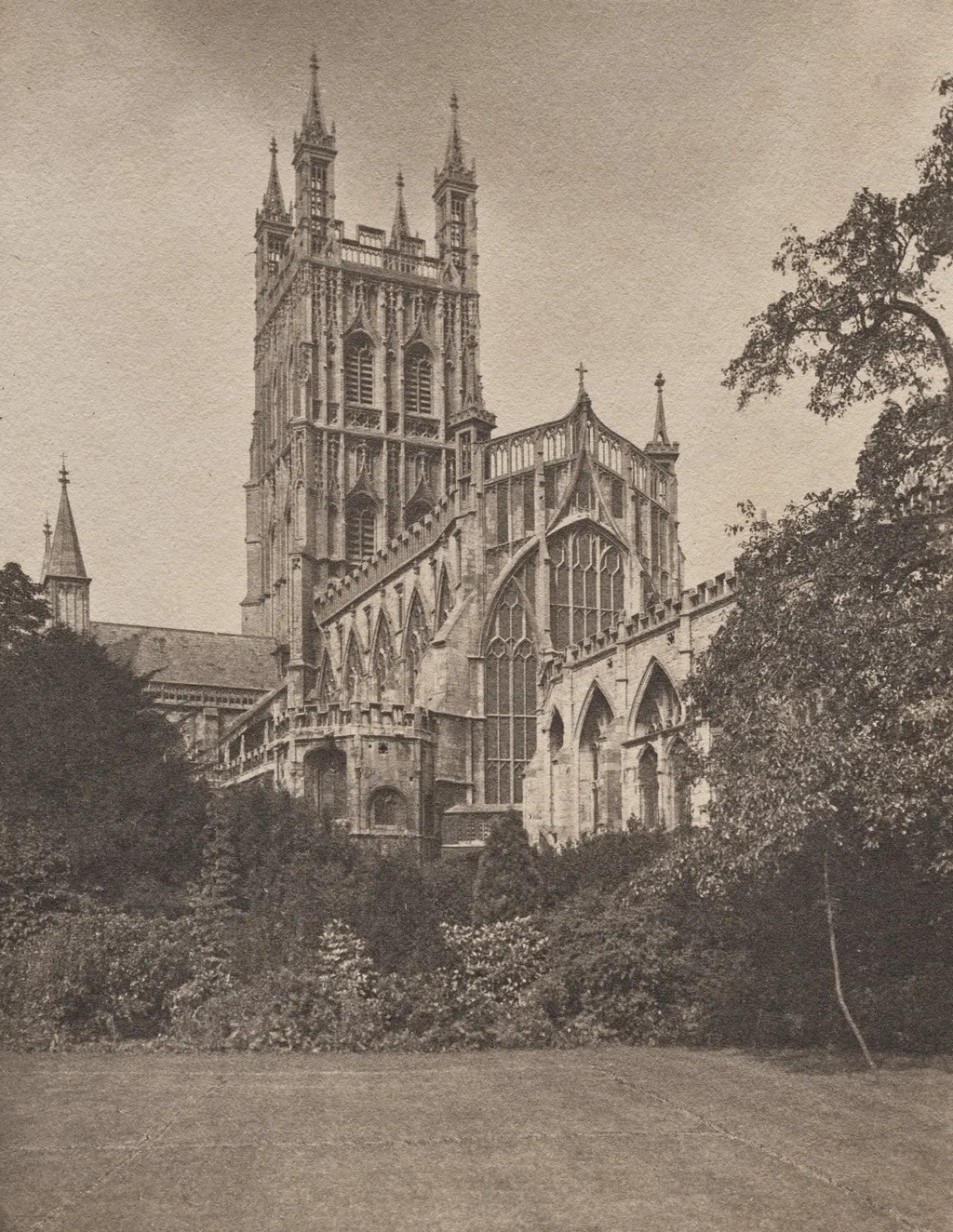
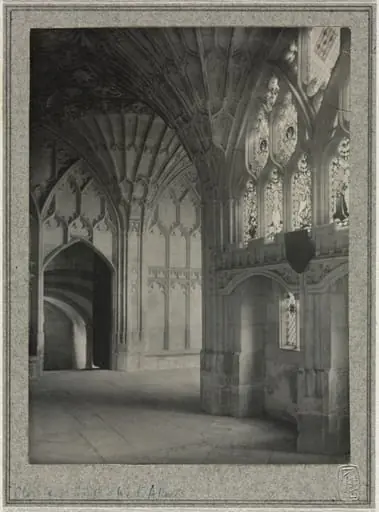
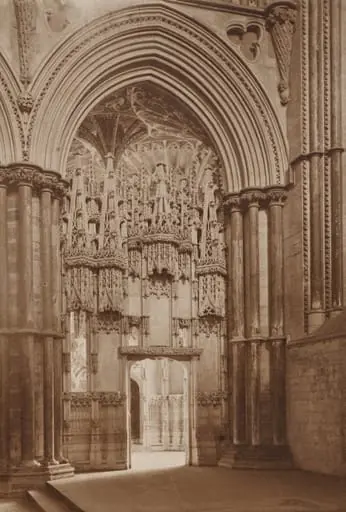
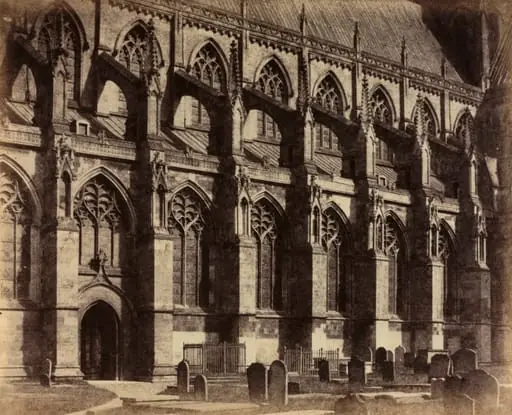
Gloucester Cathedral from the Southeast is a photography by the Impressionist artist Frederick H. Evans. It dates from 1890 and is held in the collection of the Cleveland Museum of Art. Frederick H.
About this work
Overview
Unlike painted interpretations, this work relies on the tonal range and precision of early photographic processes to convey architectural form and atmosphere.
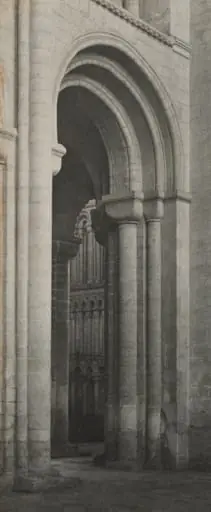
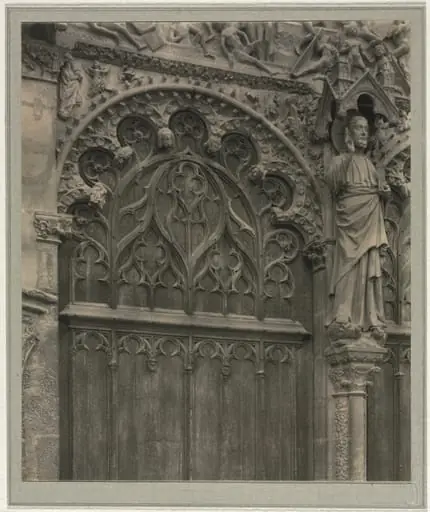
Frederick H. Evans captured Gloucester Cathedral from the southeast in 1890 using photographic means. The image is part of the collection at The Cleveland Museum of Art. Unlike painted interpretations, this work relies on the tonal range and precision of early photographic processes to convey architectural form and atmosphere. The composition emphasizes verticality and texture, framing the cathedral through natural elements in the foreground.
Subject & Meaning
The photograph centers on Gloucester Cathedral, a medieval structure renowned for its Gothic architecture. By positioning the camera to include foreground vegetation, Evans frames the building as an enduring presence within a natural landscape. The image suggests contemplation of time, decay, and spiritual continuity, aligning with late 19th-century interests in architecture as a vessel of historical memory.
Technique & Style
Evans employed platinum printing, a process known for its subtle gradations of gray and fine detail. The image is rendered in monochrome, enhancing the texture of stone, tracery, and foliage. His approach avoided dramatic lighting or manipulation, favoring a quiet, deliberate composition that prioritizes clarity and structural integrity over expressive effect.
History & Provenance
Taken in 1890, the photograph emerged during Evans’s early period of architectural studies. It was later acquired by The Cleveland Museum of Art, where it remains part of its permanent collection. The work reflects Evans’s broader project to document English ecclesiastical architecture with scholarly precision, contributing to the emerging recognition of photography as a medium for cultural record.
Context
In the late 19th century, photography was gaining legitimacy as an artistic medium, particularly among those documenting heritage sites. Evans worked alongside the Pictorialist movement, which sought to elevate photography beyond mere documentation. His images of cathedrals responded to a cultural moment interested in preserving and reflecting on Britain’s medieval past amid industrial change.
Legacy
Evans’s photographs of Gloucester Cathedral and other ecclesiastical structures influenced later generations of architectural photographers. His restrained aesthetic and commitment to technical excellence helped define a mode of photographic representation that valued subtlety over spectacle. His work remains referenced in discussions of photography’s role in preserving historical architecture.
Artist & collection

Artist
Frederick H. Evans was an English photographer, best known for his images of architectural subjects, such as English and French cathedrals.