Artwork
The Construction of the Tower of Babel
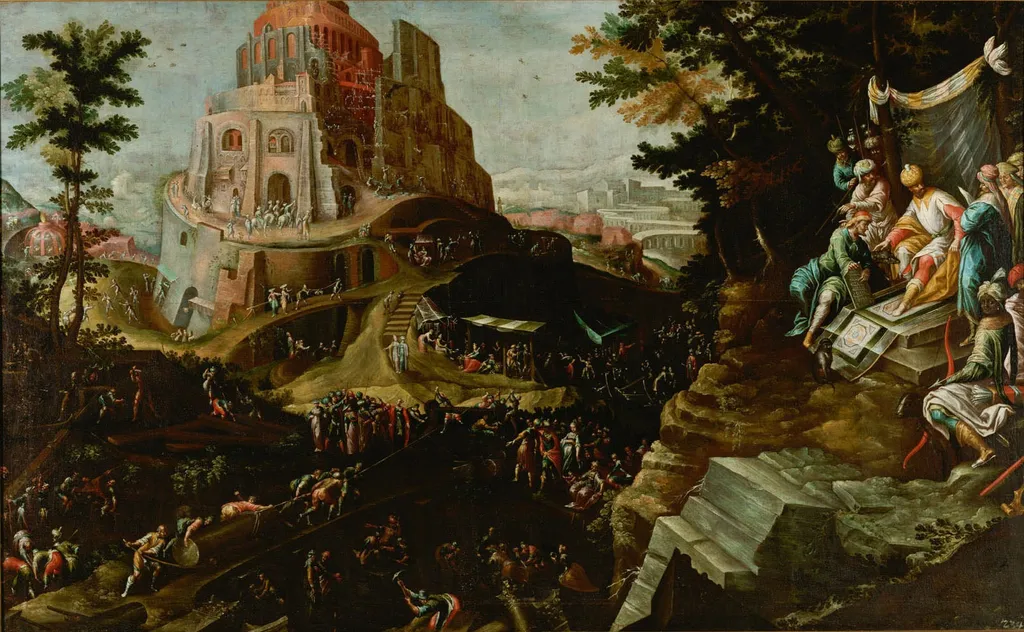
The Construction of the Tower of Babel is an oil painting by the Early Baroque Italian artist Frederik van Valckenborch. It dates from 1600 and is held in the collection of the Kunsthistorisches Museum.
About this work
Overview
The Construction of the Tower of Babel is a 1600 oil painting by Flemish artist Frederik van Valckenborch, associated with the early Baroque Italian movement. The work depicts the biblical narrative of the Tower of Babel’s construction.
Subject & Meaning
The painting illustrates the chaotic scene of the Tower of Babel’s construction, conveying the biblical story of human ambition and impending divine retribution. The crowded, dynamic portrayal emphasizes the futility and disorder of the endeavor.
Technique & Style
Van Valckenborch employs chiaroscuro to create dramatic depth, with strong contrasts of light and shadow accentuating the workers’ struggles and the tower’s rugged texture. The late Mannerist style is evident in the blend of detailed figures, grand architecture, and atmospheric landscape.
History & Provenance
Created in 1600, the painting is now part of the Kunsthistorisches Museum’s collection. Its style reflects Van Valckenborch’s characteristic imaginary landscapes with figures, blending grandeur with meticulous detail.
Context
While the artist was Flemish, the work’s association with the early Baroque Italian movement highlights the cross-cultural artistic influences of the time. The subject matter, drawn from the Bible, was a common theme in early modern European art.
Legacy
The Construction of the Tower of Babel contributes to the broader legacy of biblical themes in Baroque art, showcasing Van Valckenborch’s contribution to the period’s visual storytelling through his unique stylistic blend.
Artist & collection
Artist
Frederik van Valckenborch (1566 in Antwerp – 1623 in Nuremberg) was a Flemish painter and draughtsman known for his imaginary landscapes with figures executed in a late Mannerist style.

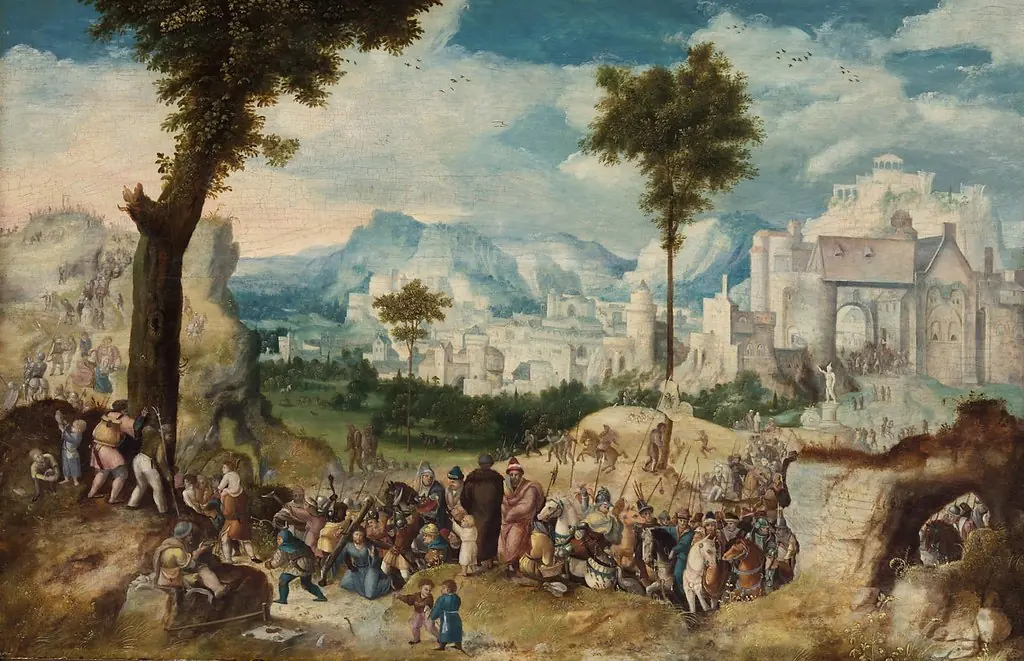 Kreuztragung Christi
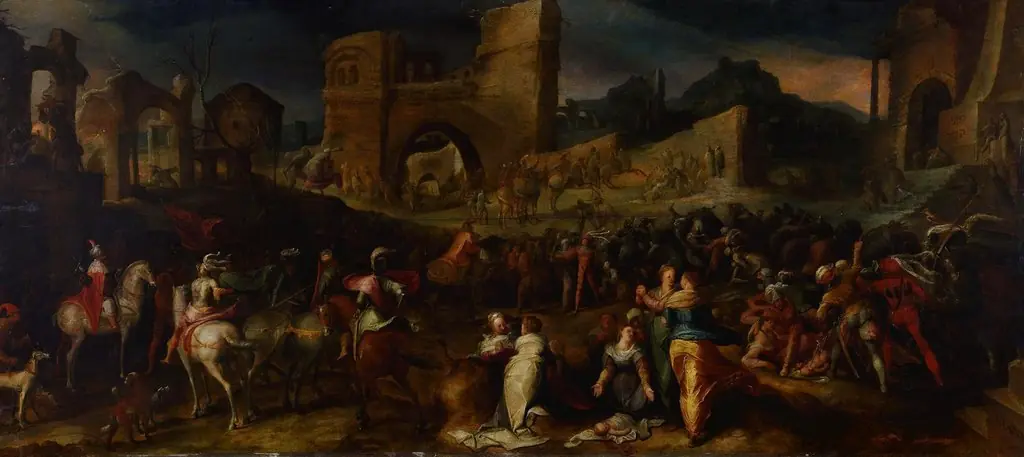 The Massacre of the Innocents
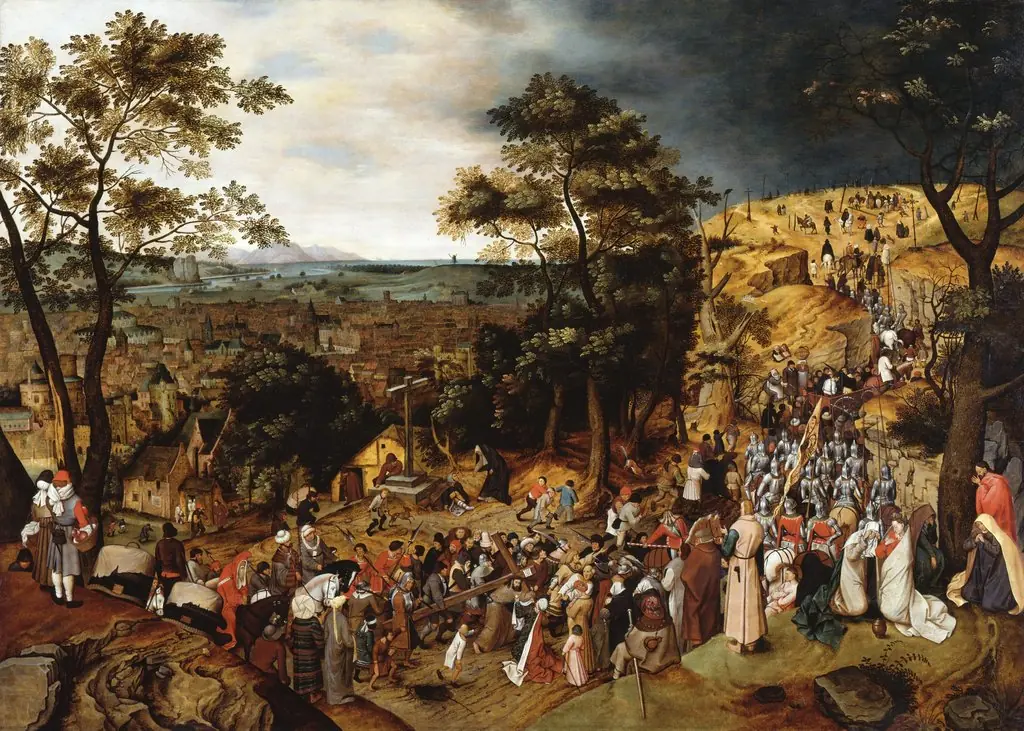 The Way to Calvary
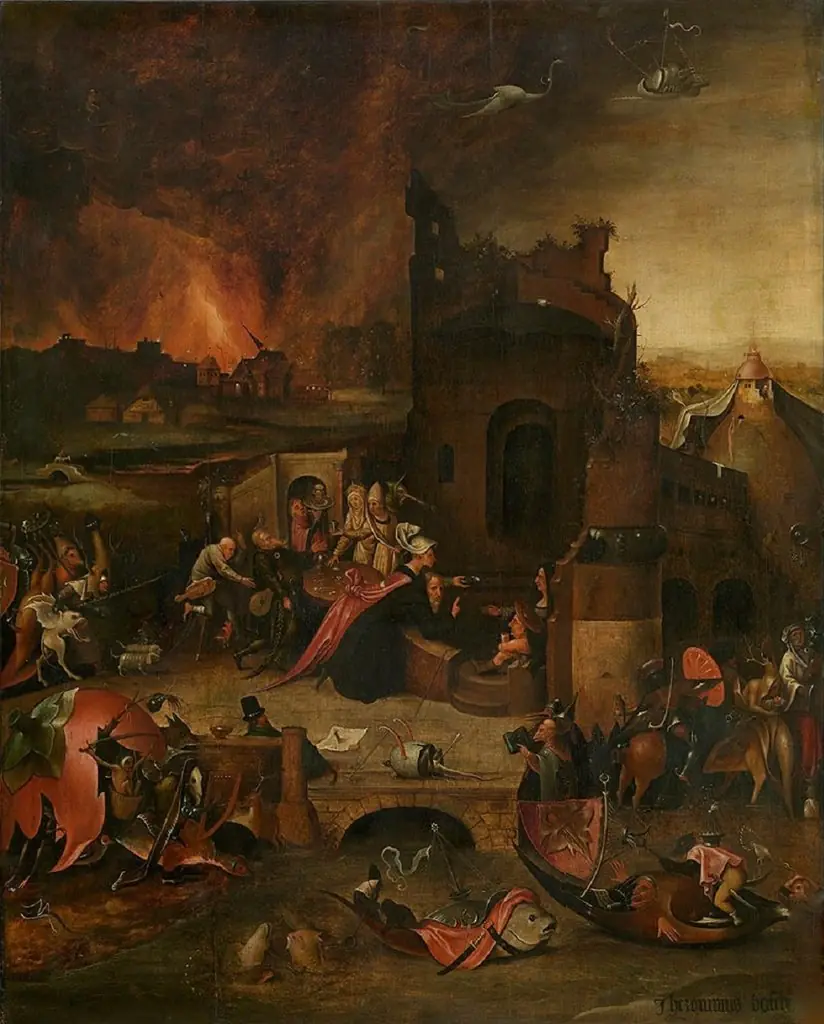 The Temptation of Antony Abbot of Egypt
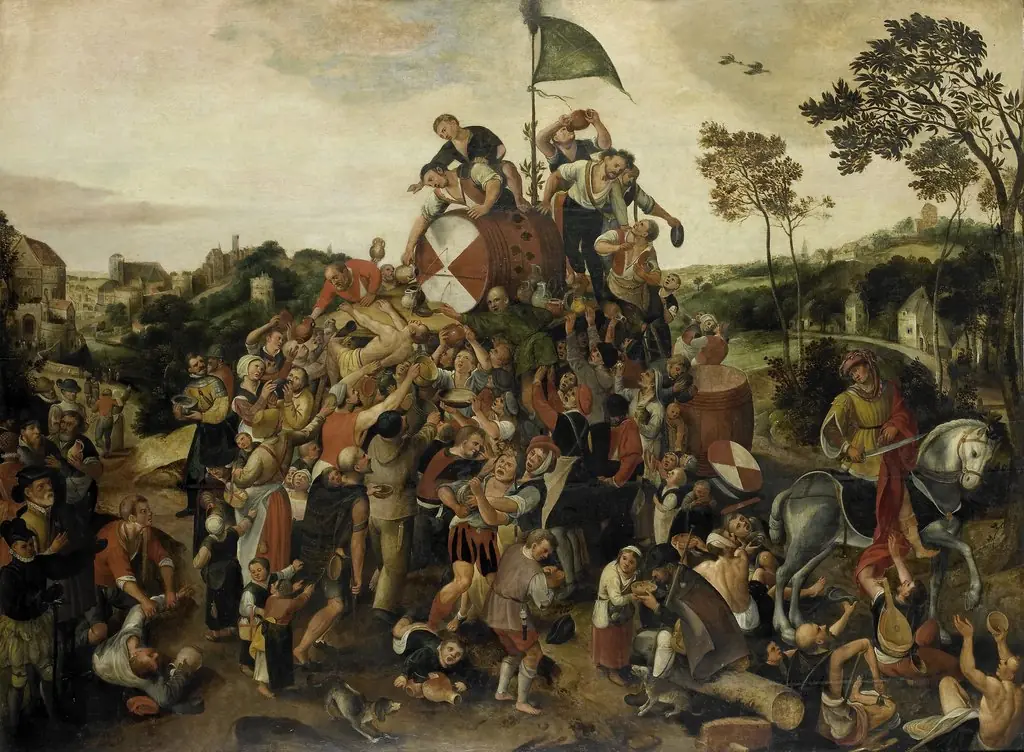 The St Martin's Day Kermis
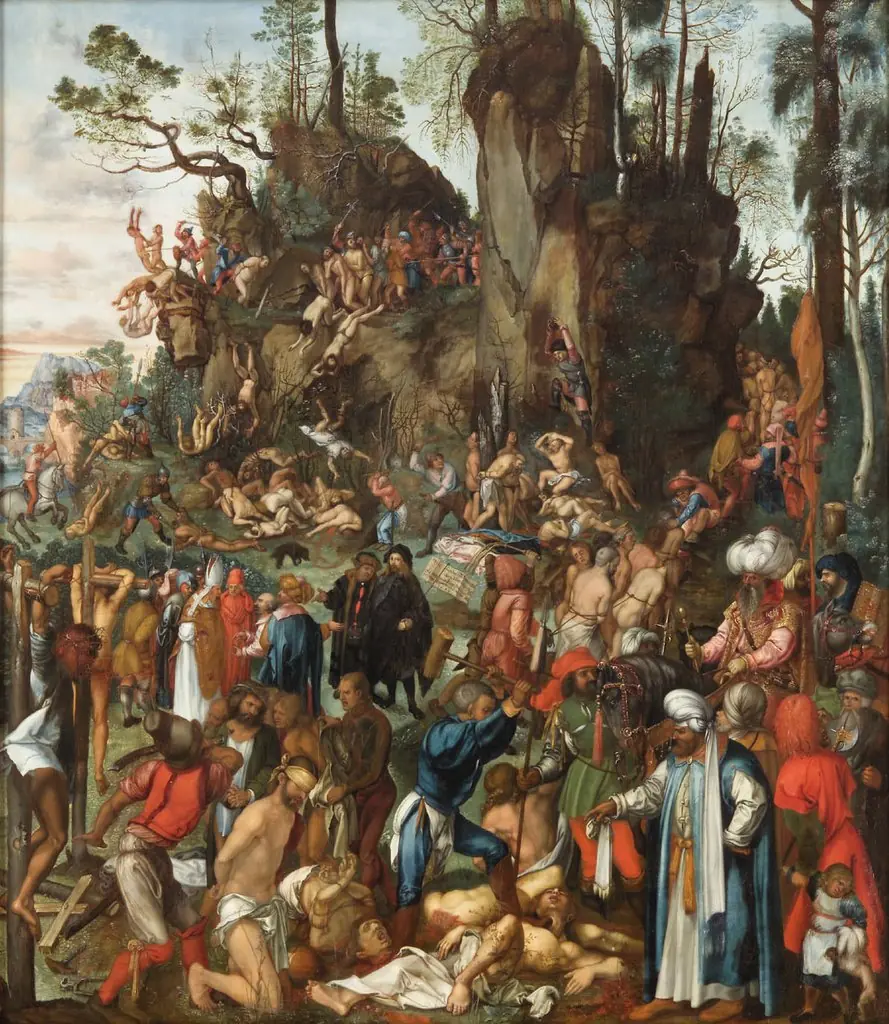 Marter der Zehntausend Christen
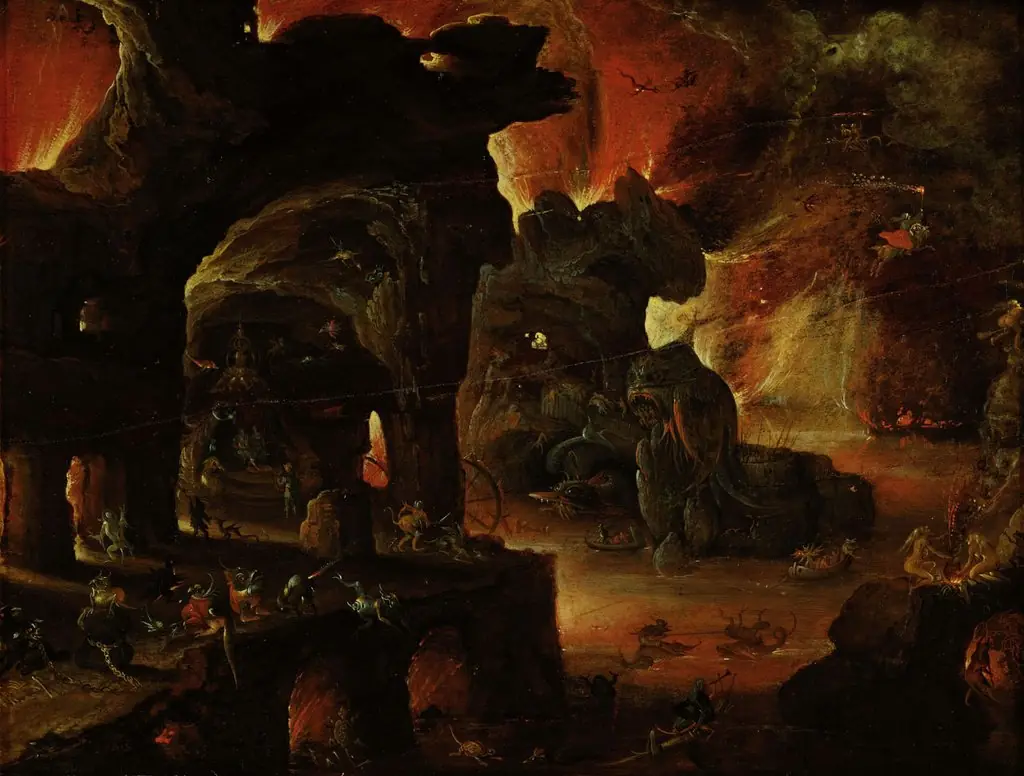 Orpheus in the Underworld
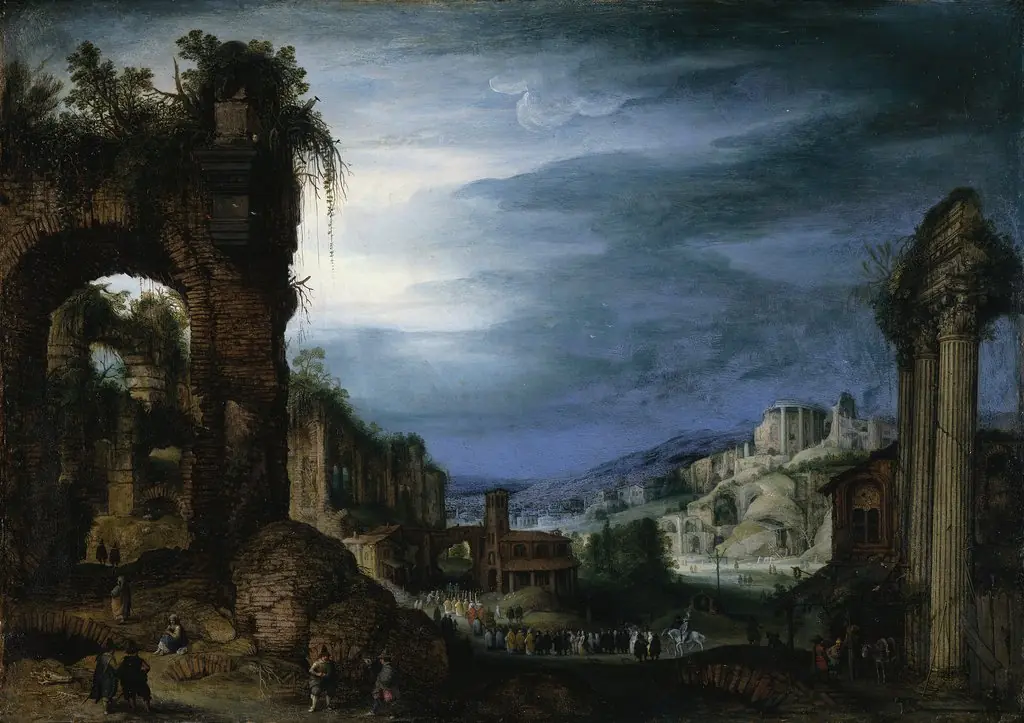 Landscape with Roman Ruins and a Procession
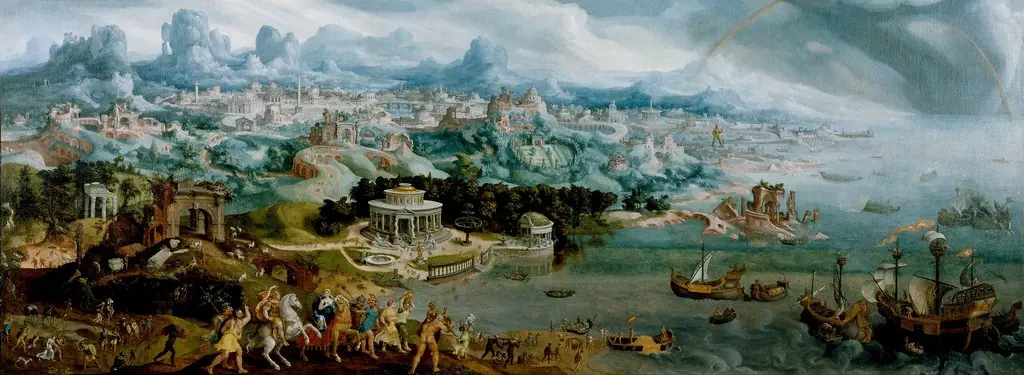 Panorama with the Abduction of Helen Amidst the Wonders of the Ancient World